Classical music
Ernest Ansermet
Ernest Ansermet (1883-1969), one of the great conductors of the twentieth century, was a son of Vevey. A mathematics teacher turned musician, he cut his teeth leading the concerts of the Kursaal de Montreux, whose direction he took over in 1912, succeeding the Portuguese Francisco de Lacerda. It was on the Riviera that he formed a decisive friendship with Igor Stravinsky, then living in Clarens: Ansermet would later premiere many of his works. In 1918 he founded the Orchestre de la Suisse Romande, which he would conduct for nearly half a century, championing Debussy, Ravel and all of modern music. A demanding theorist, he left a landmark book, “The Foundations of Music in Human Consciousness”. Montreux dedicated to him the Quai Ernest-Ansermet, along the lakeshore, just as it gave his friend Stravinsky the Rue Igor-Stravinsky.
Ernest Ansermet, from the Kursaal de Montreux to the Orchestre de la Suisse Romande
From Vevey to mathematics
Born in Vevey in 1883, Ernest Ansermet first taught mathematics before devoting himself entirely to music. That rigour of mind would mark his whole career, from the conductor’s desk to theory.
1912: conductor of the Kursaal de Montreux
He cut his teeth leading the concerts of the Kursaal de Montreux, whose direction he took over in 1912, succeeding the Portuguese Francisco de Lacerda. The Riviera was the springboard of his career.
Stravinsky’s friend
On the Riviera he formed a decisive friendship with Igor Stravinsky, who lived in Clarens. As conductor of Diaghilev’s Ballets Russes, Ansermet premiered many of the composer’s works, including Pulcinella, premiered at the Paris Opera on 15 May 1920.
1918: the Orchestre de la Suisse Romande
In 1918 he founded the Orchestre de la Suisse Romande, which he would conduct for nearly half a century. There he championed Debussy, Ravel, Honegger and Frank Martin, and left a discography that travelled the world.
The music theorist
A demanding mind, Ansermet published in 1961 The Foundations of Music in Human Consciousness, a vast reflection in which he defended tonality and voiced his reservations about atonal music. The work remains a debated reference.
Montreux remembers
Montreux dedicated to him the Quai Ernest-Ansermet, along the lake, not far from the Rue Igor-Stravinsky that honours his friend. Two street names to show how much of twentieth-century music was written here, on the shores of Lake Geneva.
Related places
▸Casino de MontreuxCasino / entertainment venueOpen the place →
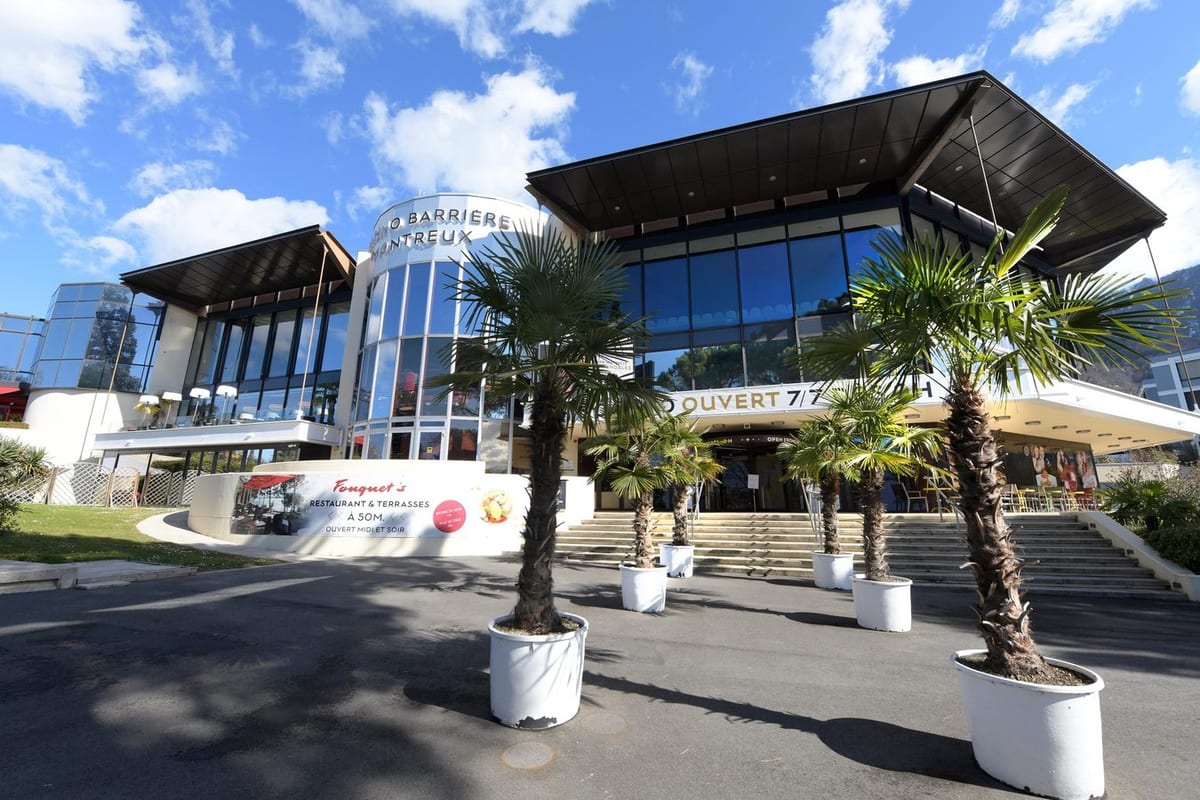
© Chantal Dervey The building around which the whole musical history of Montreux revolves: burned down in 1971, rebuilt, it houses Queen’s studio and saw the festival born.
