Classical music
Richard Wagner
Richard Wagner (1813-1883) visited the shores of Lake Geneva more than once. Outlawed after the 1849 revolution and a refugee in Switzerland, he stayed at the Hôtel Byron, near Chillon, then, in 1865, at the Pension Le Rivage in La Tour-de-Peilz and the Pension Prélat in Vevey. It was during his years of Swiss exile that he pressed on with “The Ring of the Nibelung” and “Tristan und Isolde”, the setting of lake and mountains accompanying the gestation of his total theatre. His life was upended by his meeting with Cosima, daughter of Franz Liszt, before he founded at Bayreuth the festival devoted to his work.
Richard Wagner on the shores of Lake Geneva
The exile of 1849
Outlawed after the Dresden revolution of 1849, Richard Wagner spent long years of exile in Switzerland, in Zurich and then in Lucerne. The setting of lakes and mountains accompanied the slow gestation of his work.
1865: the Riviera guesthouses
In 1865, Wagner stayed on the shores of Lake Geneva: at the Pension Le Rivage in La Tour-de-Peilz, then at the Pension Prélat in Vevey. He is also known to have stopped at the Hôtel Byron, near the Château de Chillon.
The Ring, Tristan and Cosima
It was during his Swiss years that he pressed on with “The Ring of the Nibelung” and “Tristan und Isolde”. His life was upended by his love for Cosima, the daughter of Franz Liszt, who would become his wife.
Bayreuth
He finally founded at Bayreuth the festival devoted to his work, the crowning achievement of a life entirely bent towards the idea of a total theatre.
Related places
▸Château de ChillonCastle museumOpen the place →
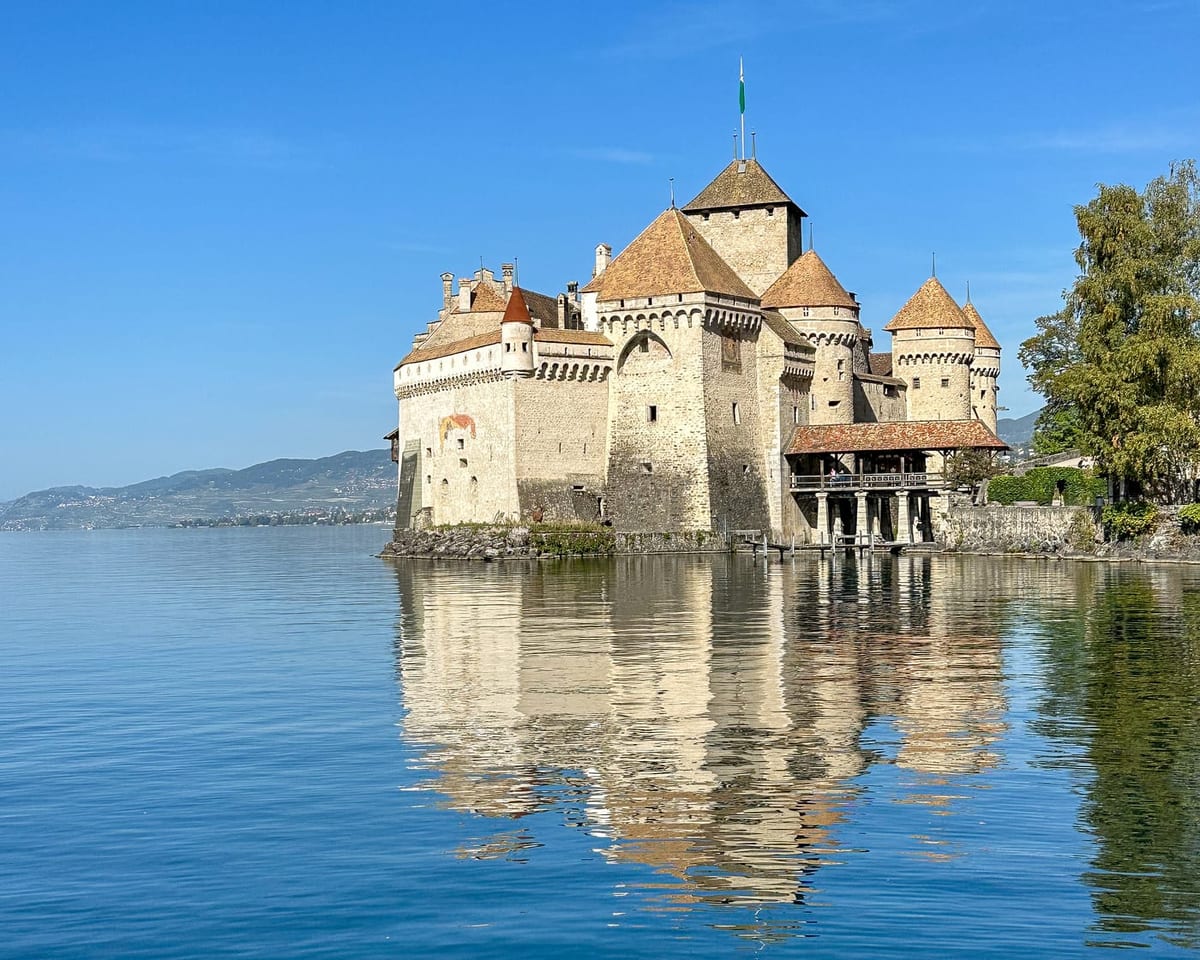
© Visit Montreux Switzerland’s most famous castle: pianist Bill Evans chose it for the cover of “At the Montreux Jazz Festival” (1968), the first record made in Europe to win a Grammy.
