Rock & metal
Deep Purple

The story of Deep Purple and Montreux comes down to a single riff. In December 1971, the band had come to record at the Casino when a fire, started during a Frank Zappa concert, destroyed the building before their eyes. Falling back to the former Grand Hôtel in Territet with the Rolling Stones’ mobile studio, they recorded the album “Machine Head” and drew from it “Smoke on the Water”, whose lyrics describe the smoke spreading over the lake and “Funky Claude” running to save the audience. Now the most famous riff in rock, it sealed an unbreakable bond between the band and the town, recalled today by a plaque in Territet. The band has since taken the Festival stage eleven times, from its first appearance in 1996 to headlining the 60th edition in 2026, coming full circle at the very site of its legend.
Deep Purple in Montreux: sixteen days that produced the most famous riff in rock
A band, a casino, a truck
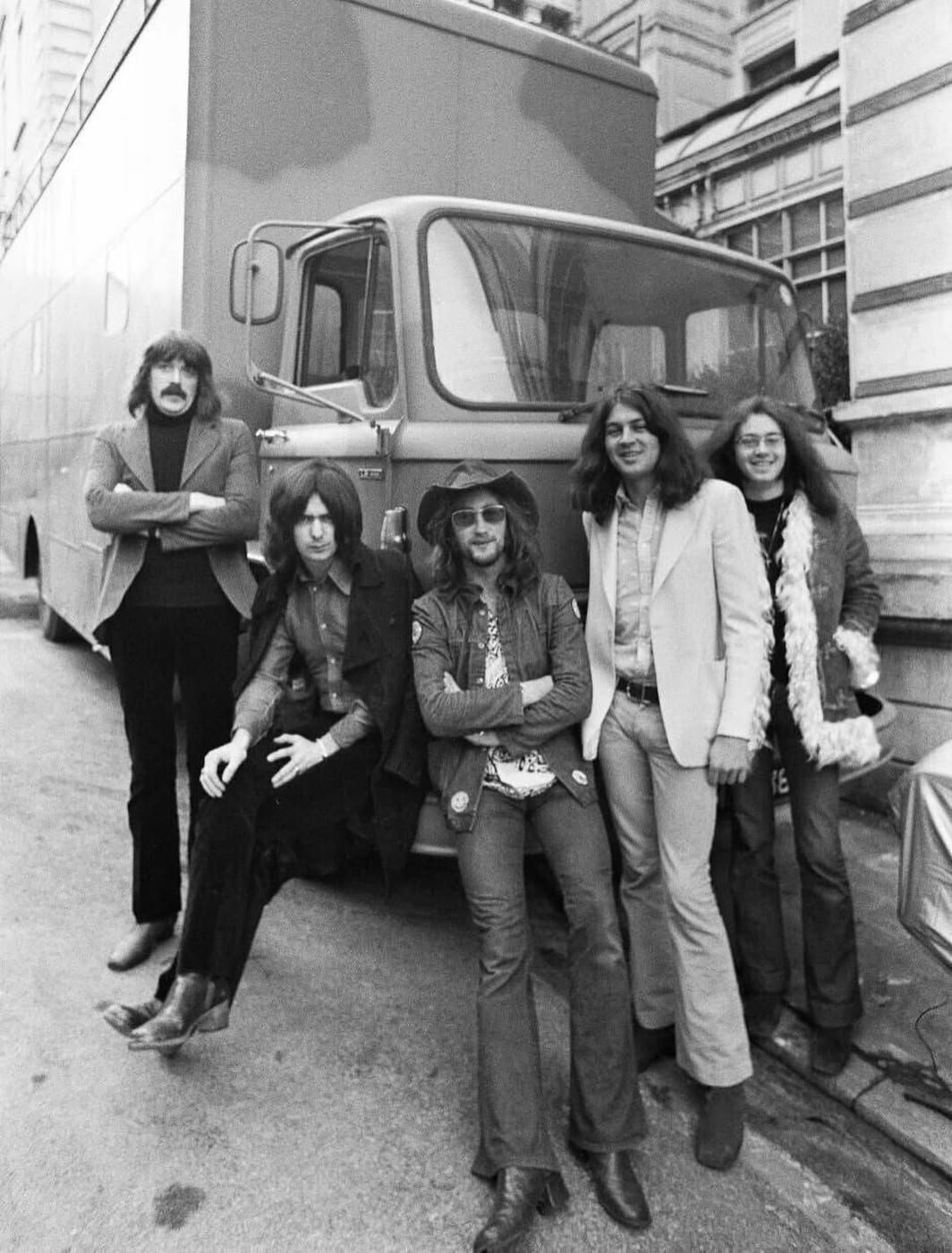
At the end of 1971, Deep Purple were at their peak. The band wanted to record fast and live, without the heaviness of London studios. The answer was called the Rolling Stones Mobile Studio: a truck packed with recording equipment, parked outside the venue of your choice. All that remained was to find the venue.
It would be Montreux. Claude Nobs, who knew the band through the festival, offered them the Casino: a hall by the lake, free once the concert season ended. The truck arrived from London during the night of 3 December 1971, driven by Ian Stewart, the Rolling Stones’ behind-the-scenes pianist. The last concert scheduled in the hall before the sessions began was Frank Zappa and the Mothers of Invention, the following day.
The Casino in flames
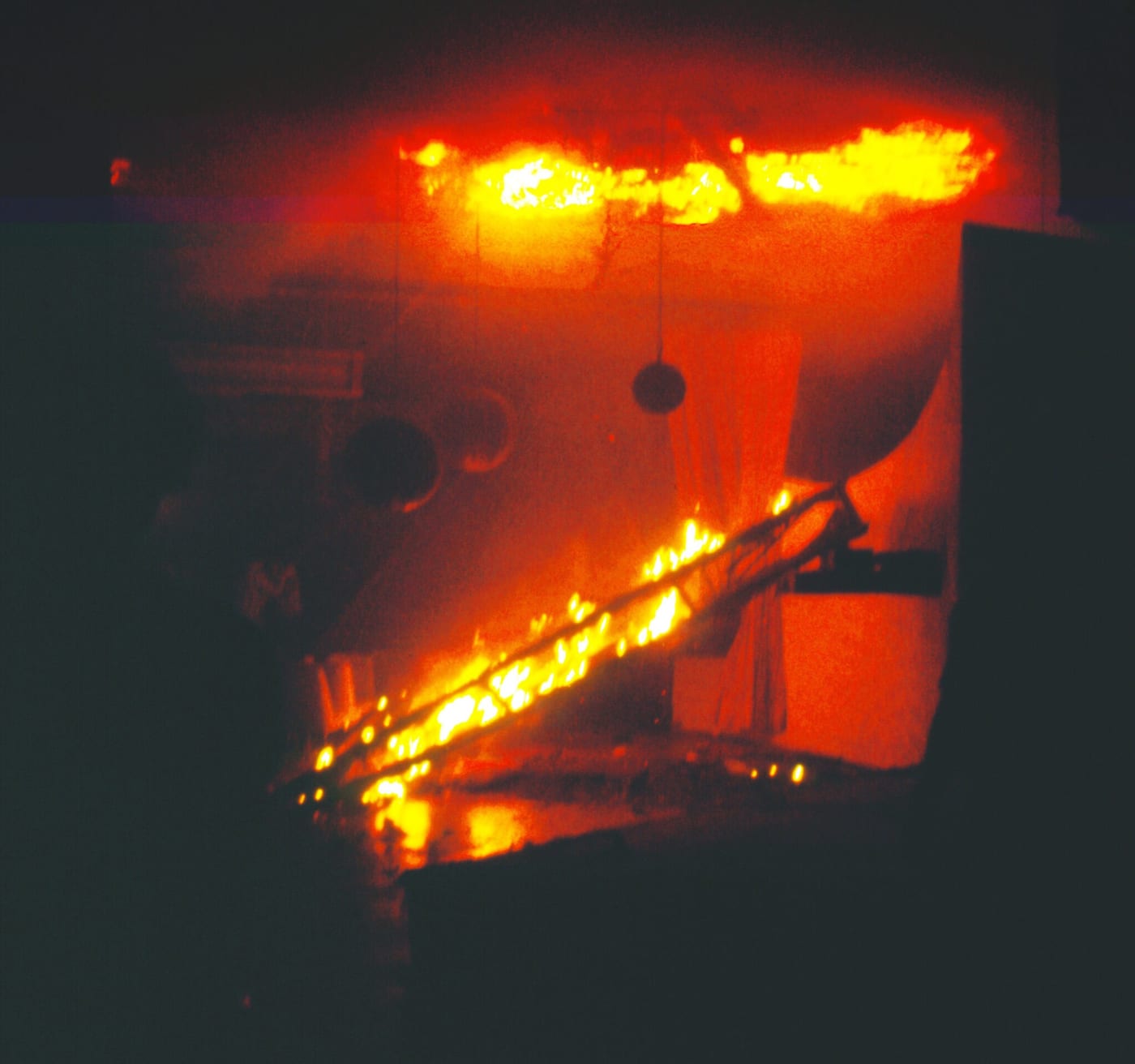
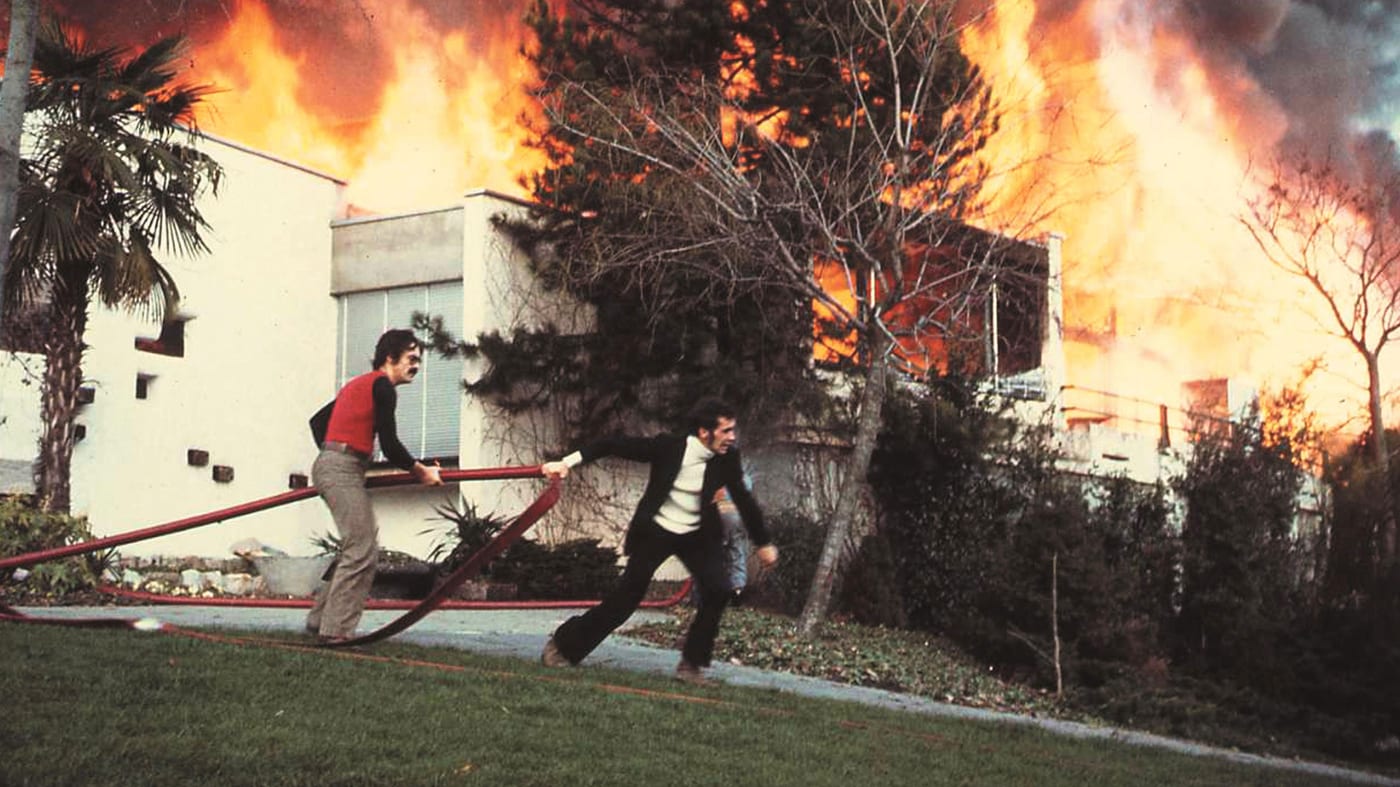
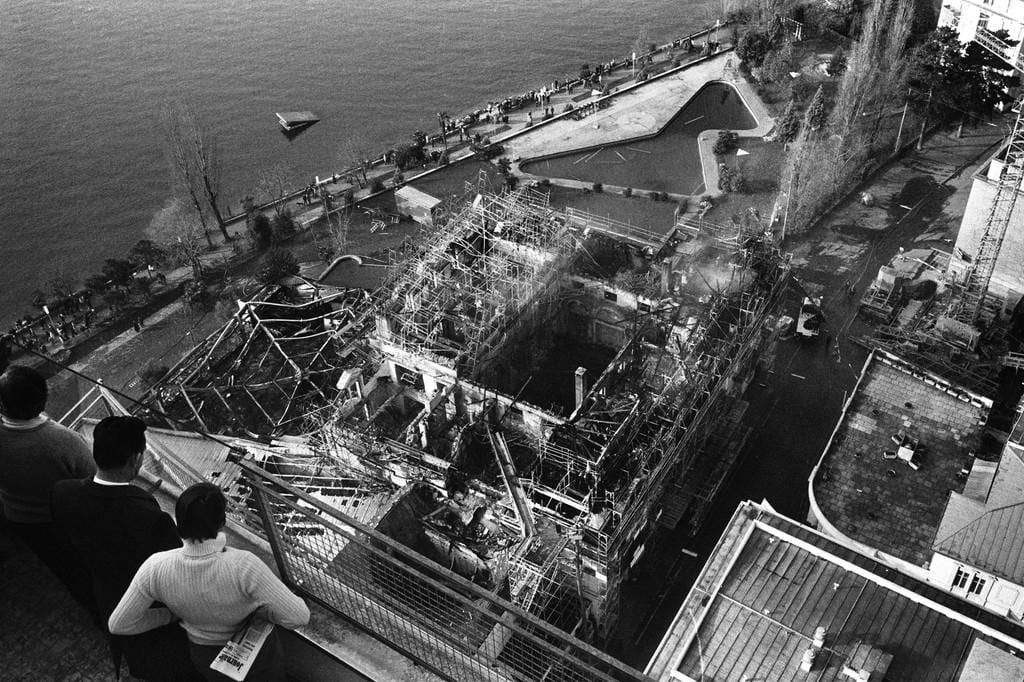
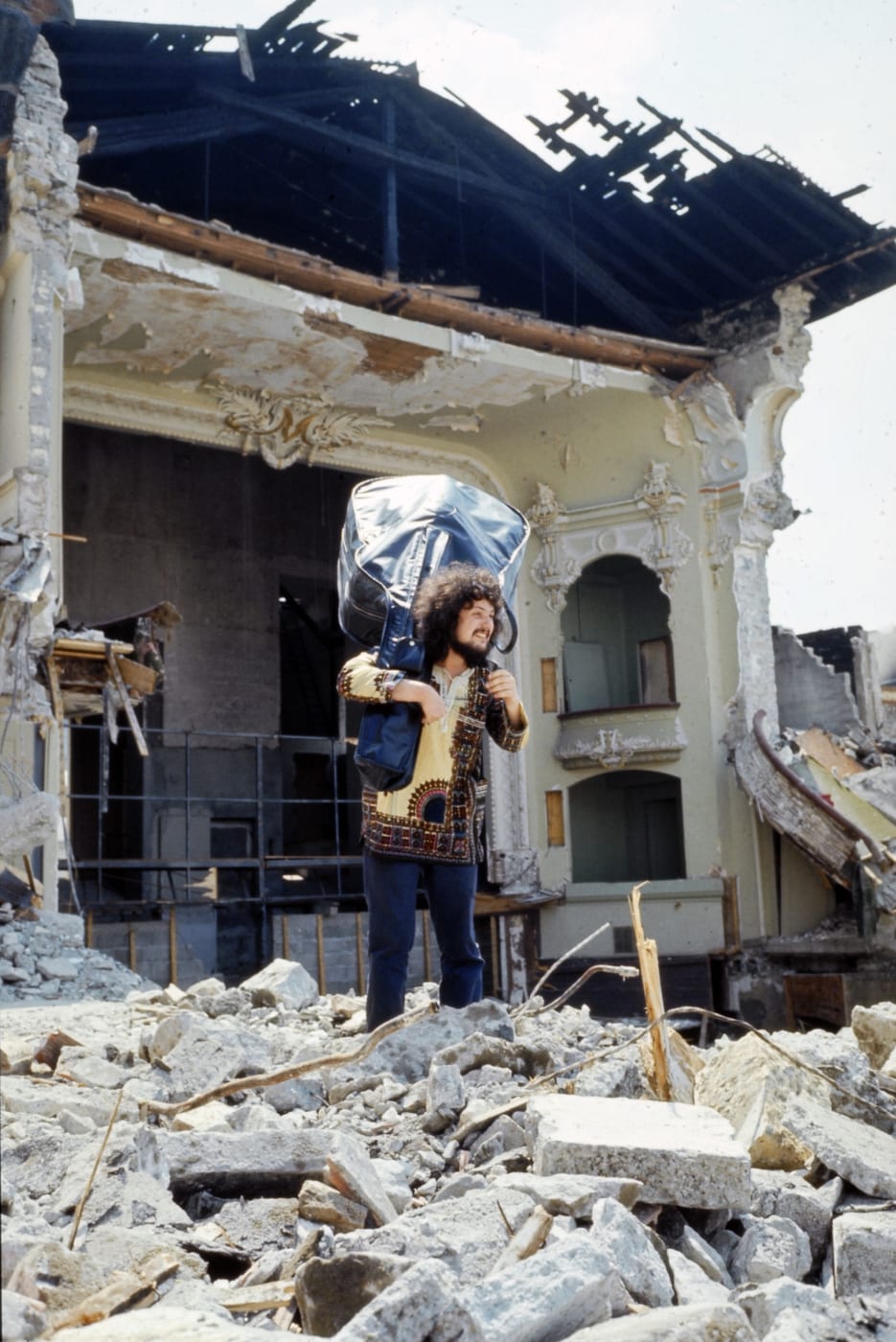
On Saturday 4 December, at a matinée performance, Frank Zappa and the Mothers of Invention were playing to a full house. A member of the audience fired a flare towards the ceiling. The ceiling was made of rattan: it caught within seconds. The fire spread at frightening speed and destroyed the building entirely.
There were no fatalities. Part of the audience found themselves trapped in the basement; it was Claude Nobs who went down to fetch them and got them out. The act would earn him his lasting nickname (“Funky Claude”) and a place in a song he did not yet suspect.
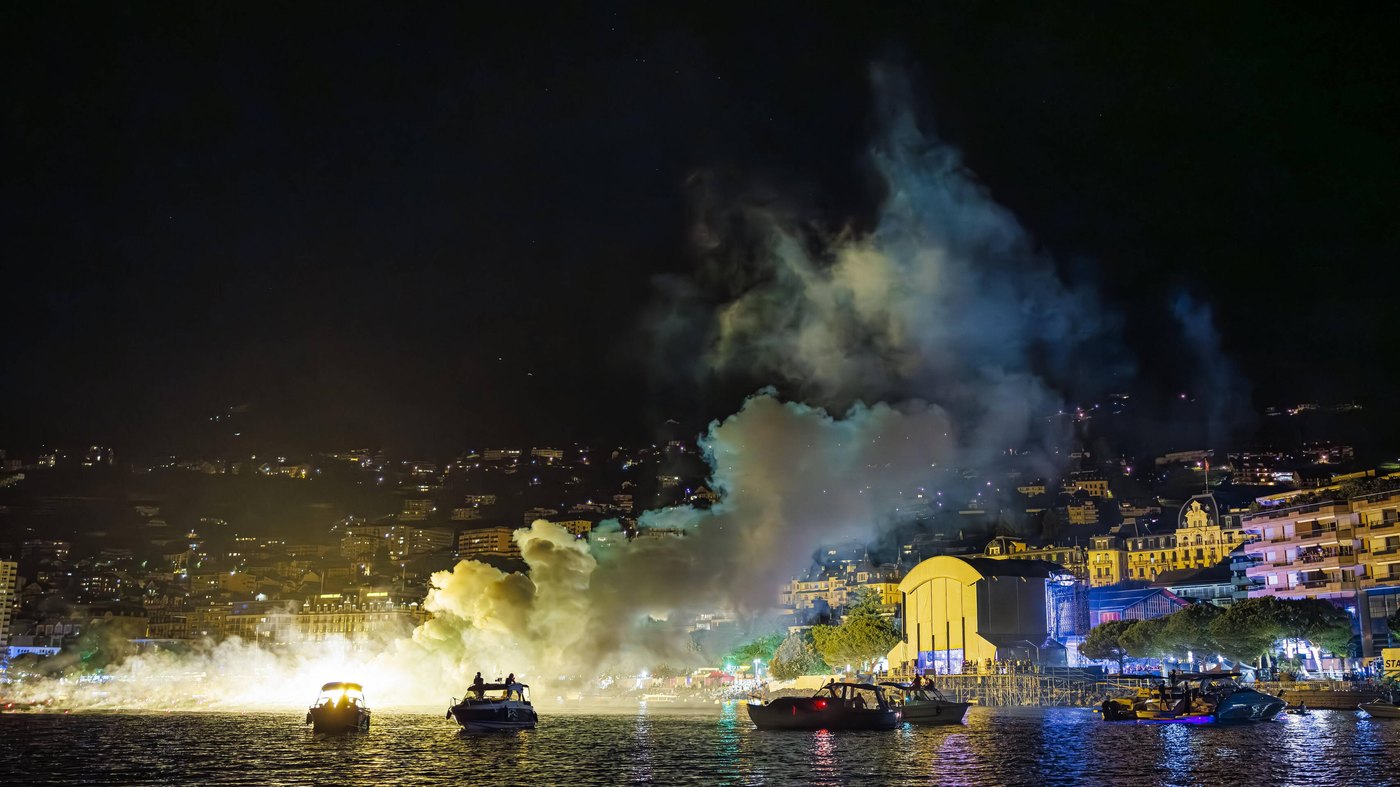
From their hotel across the bay, the members of Deep Purple watched the scene: an immense column of smoke leaving the Casino, spreading over Lake Geneva and hanging above the water. The image was striking. It was also a disaster: the band had just lost their studio, and the truck had already arrived.
From the Pavillon to the corridor of the Grand Hôtel
Claude Nobs did not abandon the band. He opened up the Pavillon, a nearby theatre, and the sessions began. It was there that the backing track of “Smoke on the Water” was recorded. But neighbours complained about the noise, the police stepped in, and Deep Purple were evicted after a few days.
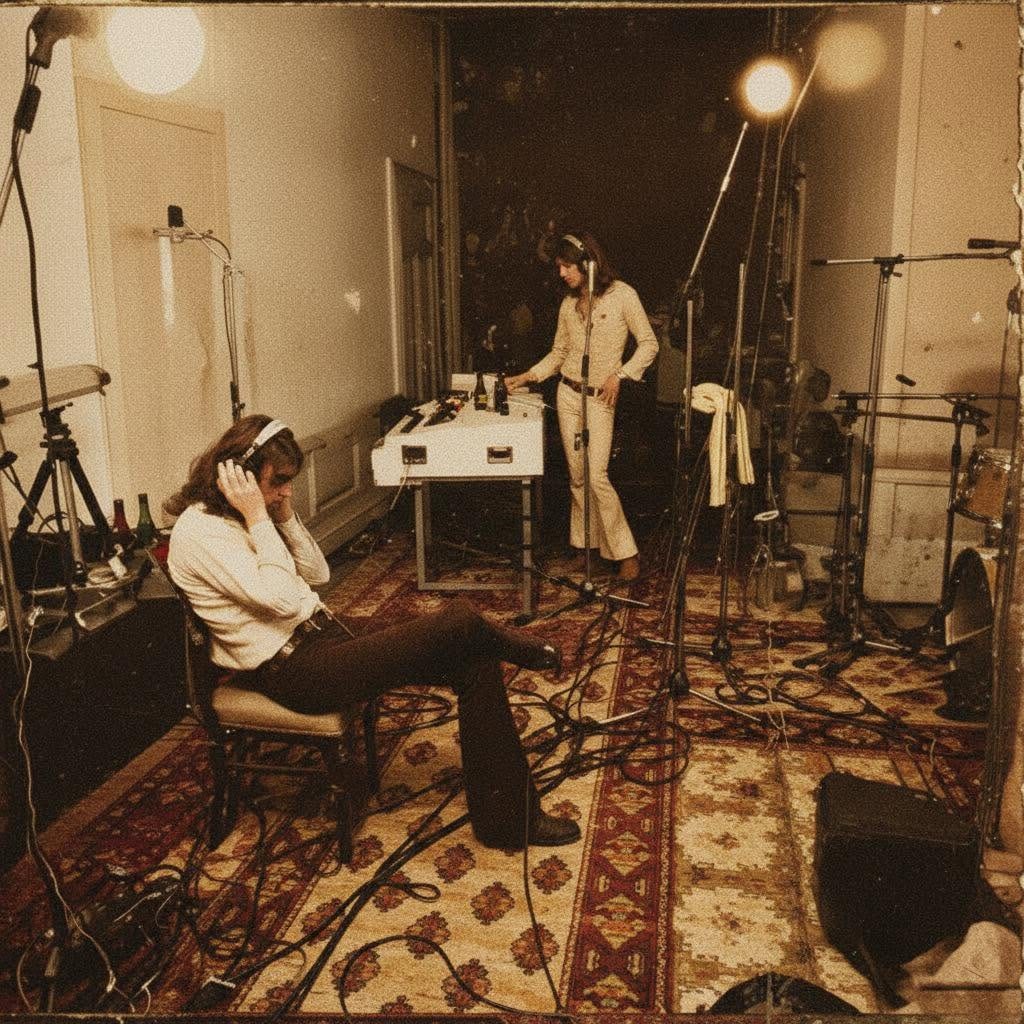
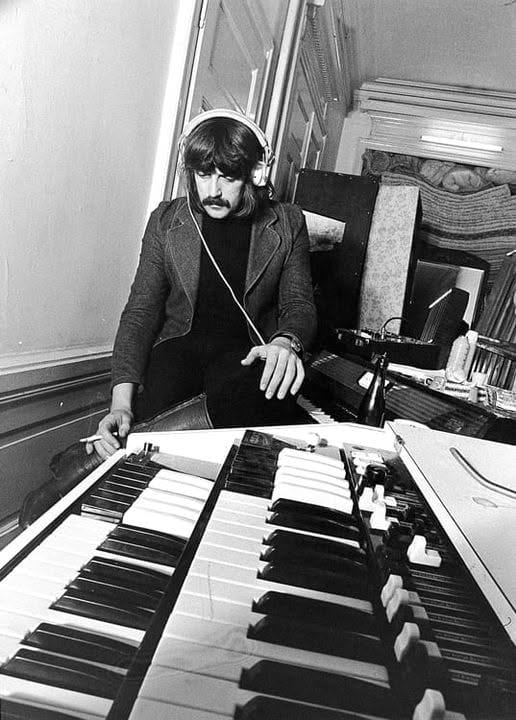
One last option remained, and it was an unlikely one: the Grand Hôtel de Territet, a grand hotel closed for the winter, empty and freezing. The band set up at the end of a corridor leading off the lobby, hung mattresses along the walls to deaden the reverberation, and parked the Stones’ truck outside the entrance. To go and listen back to a take meant walking through bedrooms and climbing over balconies, a trip so arduous that the band eventually gave up on playbacks and simply played until it was right.
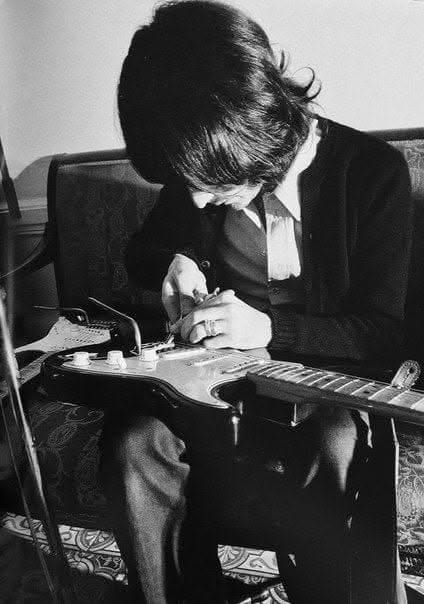
“Machine Head” was recorded that way, from 6 to 21 December 1971, in a disused hotel corridor. The album was released on 30 March 1972, reached number one in the United Kingdom and became the band’s best-selling record.
What “Smoke on the Water” tells
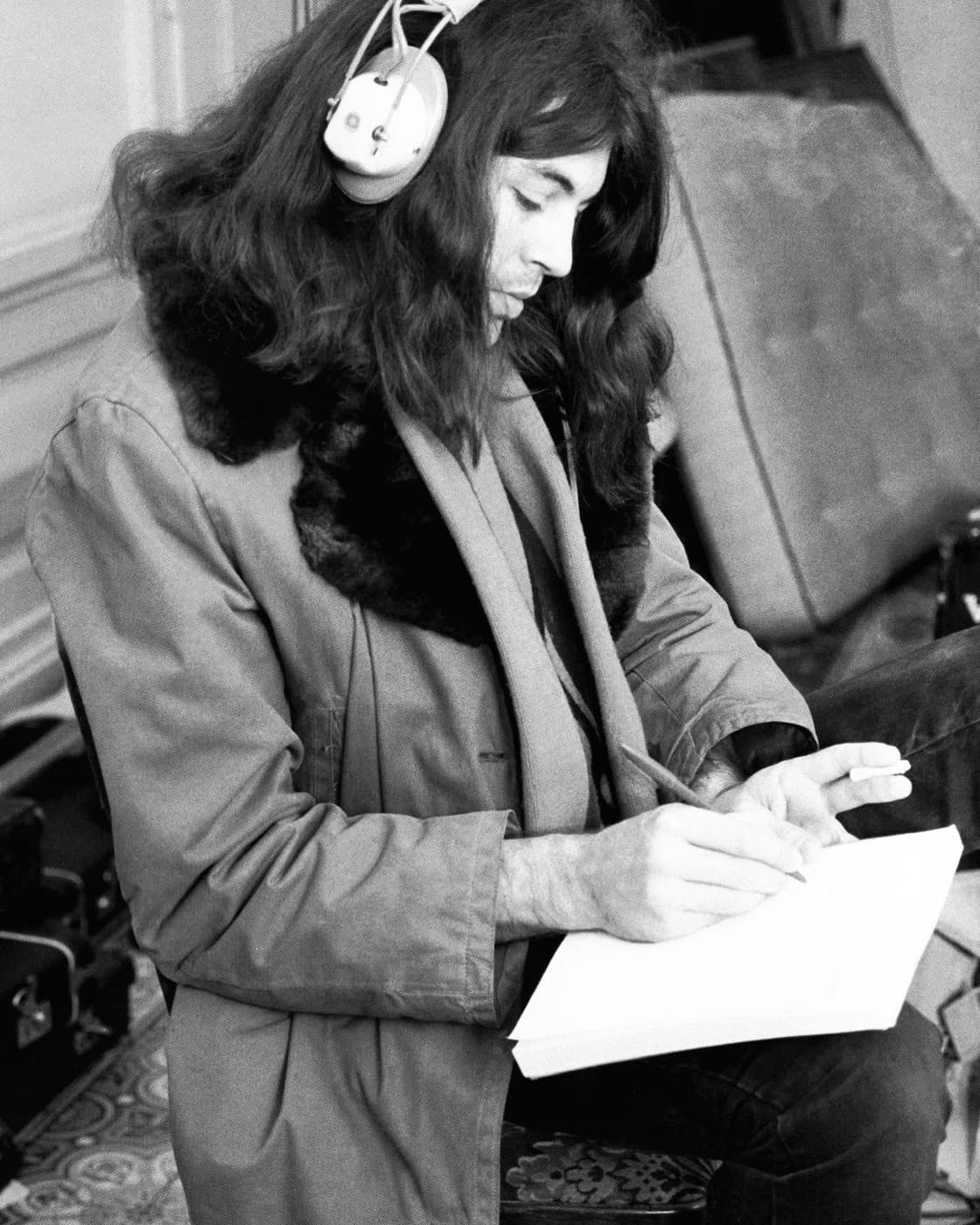
The title came out of waking up: bassist Roger Glover sat up one morning saying those few words aloud, the image of the smoke over the lake having stayed with him. Singer Ian Gillan then wrote, from that, a text which (rarely for rock) recounts nothing but what had actually just happened, in order.
The first verse sets the documentary scene: the band arriving in Montreux, on the shore of Lake Geneva, to make a record with the Rolling Stones’ mobile studio, the place, the town and the truck are named as such.
The second verse tells the fire: the Zappa concert, the man in the audience with his flare gun, the blaze taking hold and the building disappearing. The third is devoted to Claude Nobs, going in and out of the burning hall to pull people out, the passage that fixed “Funky Claude” in collective memory.
The fourth verse tells what followed: a band with no venue, washed up in an empty, cold hotel, who end up making their record there with the truck parked outside. As for the chorus, it describes only one thing, the thing the musicians saw from their window: smoke spreading over the water, and the sky burning above it.
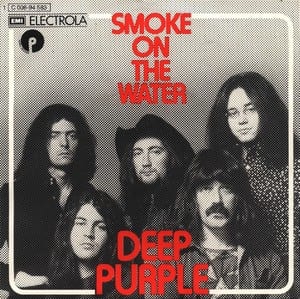
The riff itself is four notes played in fourths by Ritchie Blackmore. It has become one of the most played riffs in the world, and a rite of passage for beginner guitarists. Paradoxically, the song was only released as a single in May 1973, more than a year after the album; it reached number 4 in the United States.
The plaque, the gold disc and the returns
A plaque placed by the town, on the Territet quayside a few steps from the Grand Hôtel, marks the birth of the riff on the spot. The Grand Hôtel itself, restored identically after ten years of work, has become the Résidence des Alpes: a private condominium, not open to visitors.
The Casino was rebuilt and reopened in 1975. It was in that new building that Mountain Studios settled, bought by Queen in 1979. The gold disc awarded for a million copies of “Smoke on the Water” is on show at the Musée de Montreux.
As for the band, it has come back to play the Montreux Jazz Festival eleven times, from its first appearance in 1996 to headlining the 60th edition in 2026.


These places on the map
Tap a marker to open the place page.