Festivals & events
Montreux Jazz Festival

- Type
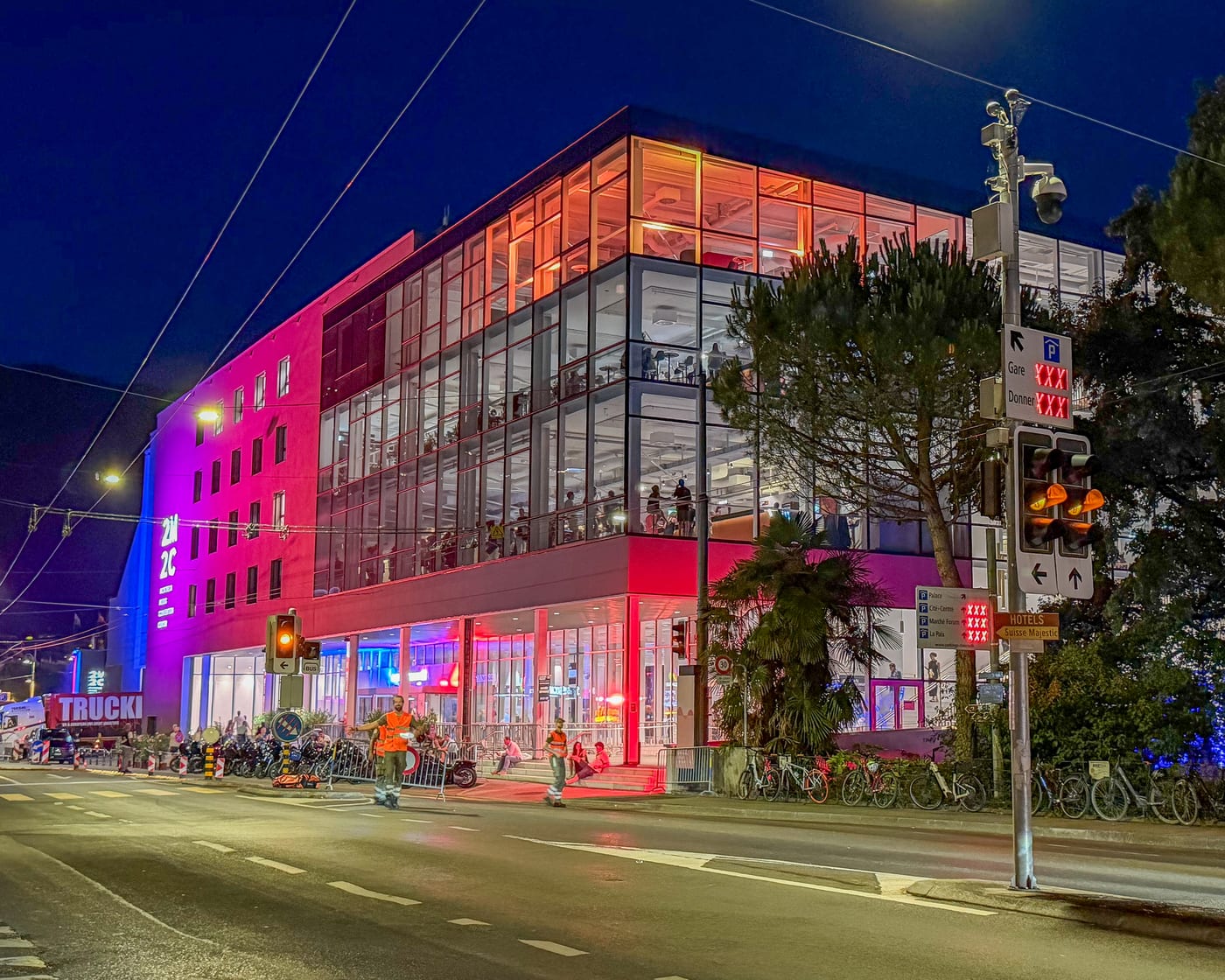
- Festival / 2M2C convention centre
- Address
- 2M2C, Montreux Music & Convention Centre, Avenue Claude-Nobs 5, Montreux
Founded in 1967 by Claude Nobs, the Montreux Jazz Festival was born at the Casino with three evenings of jazz and a handful of spectators. Today, for two weeks each July, it occupies the 2M2C (Montreux Music & Convention Centre) a vast building set on the quays that brings together the Auditorium Stravinski (nearly 4,000 seats), the Montreux Jazz Lab, the Montreux Jazz Club and the hall renamed in tribute to Quincy Jones. This explains why a single festival has so many addresses: the stages have changed name and building over the decades (the Casino of the early years, the Pavillon, the Miles Davis Hall) but the event itself has never left the lakeside. The word “jazz” has stayed; the programming has not: rock, soul, pop, electronic music and hip-hop all found their way in from the 1970s onwards. The festival’s audiovisual archives, which preserve almost every concert filmed since 1967, are inscribed on UNESCO’s Memory of the World register.
From three jazz nights to the Memory of the World
From three jazz nights to a legend
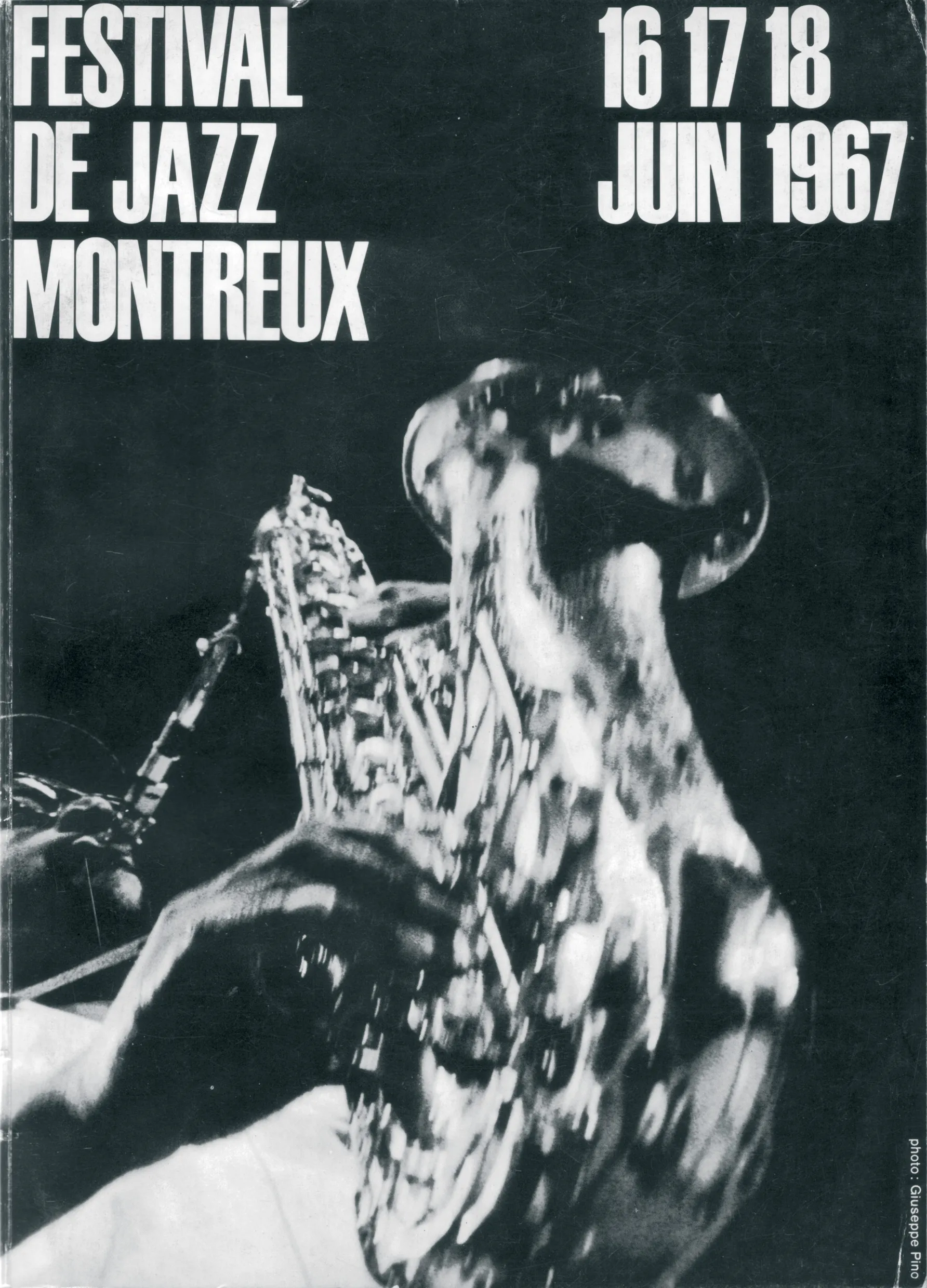
The festival was born in 1967, dreamed up by Claude Nobs with Géo Voumard and René Langel. The very first edition, three nights at the Casino, drew a handful of spectators around the Charles Lloyd quartet (Live from Montreux).
Success was immediate. Thanks to his connections in the record industry, Claude Nobs drew the whole history of jazz to Montreux, then, from the 1970s, rock, soul and pop: Led Zeppelin, Pink Floyd, Carlos Santana and Frank Zappa all played there. The name “jazz” stayed; the line-up opened up.
From 1991 to 1993, Quincy Jones took over as artistic director and had the festival captured in high definition, a world first. Since Claude Nobs’s death in 2013, the festival has been run by Mathieu Jaton.
The ‘Montreux Sound’
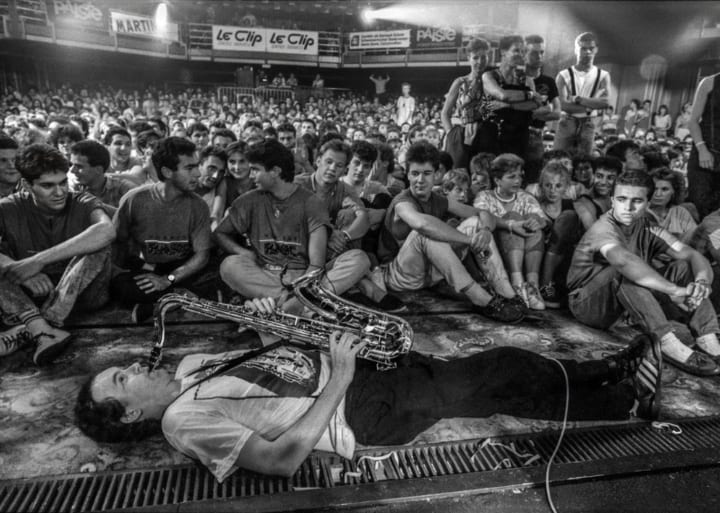
From the very first edition, in 1967, Claude Nobs had the concerts recorded, in audio and then, from 1968, in video, a rarity at the time. In the mid-1970s the concert sound was mixed live on the Mountain Studios console, at the Casino, by the engineer David Richards: this blend of jazz, rock and pop gave rise to the ‘Montreux Sound’. Over the first fifty years, eighteen tape formats followed one another, amounting to more than eleven thousand hours of video and six thousand hours of audio.
The Memory of the World and the Montreux Jazz Digital Project
In 1988, finding that some original tapes had gone missing, Claude Nobs bought them back and built a climate-controlled vault next to his chalet to preserve them. In 2007, his meeting with Patrick Aebischer, president of EPFL, launched the Montreux Jazz Digital Project: the digitisation of the collection’s fourteen thousand tapes. It could all be summed up in one question Aebischer is said to have asked Nobs that day: “This heritage is wonderful, but do you have a copy?” EPFL created a dedicated centre for the task, the Metamedia Center, and raised some fifteen million francs between 2010 and 2016 to digitise and develop the whole collection. “It’s the most important testimonial to the history of music, covering jazz, blues and rock” said the producer Quincy Jones in 2009. After Claude Nobs’s death in 2013, his partner Thierry Amsallem created the Claude Nobs Foundation and had the collection inscribed in UNESCO’s Memory of the World register, with the support of Herbie Hancock and Quincy Jones.
Records that made history
The festival did not only film its concerts: it drew from them records that made history. The very first “Live at Montreux” album, Bill Evans’s, released in 1968, won a Grammy the following year; “Swiss Movement”, by Les McCann and Eddie Harris, broke sales records. Nearly sixty years on, artists such as The Smile, Motörhead, Cory Wong and the Vaud musician Emilie Zoé still choose Montreux to cut a live album.
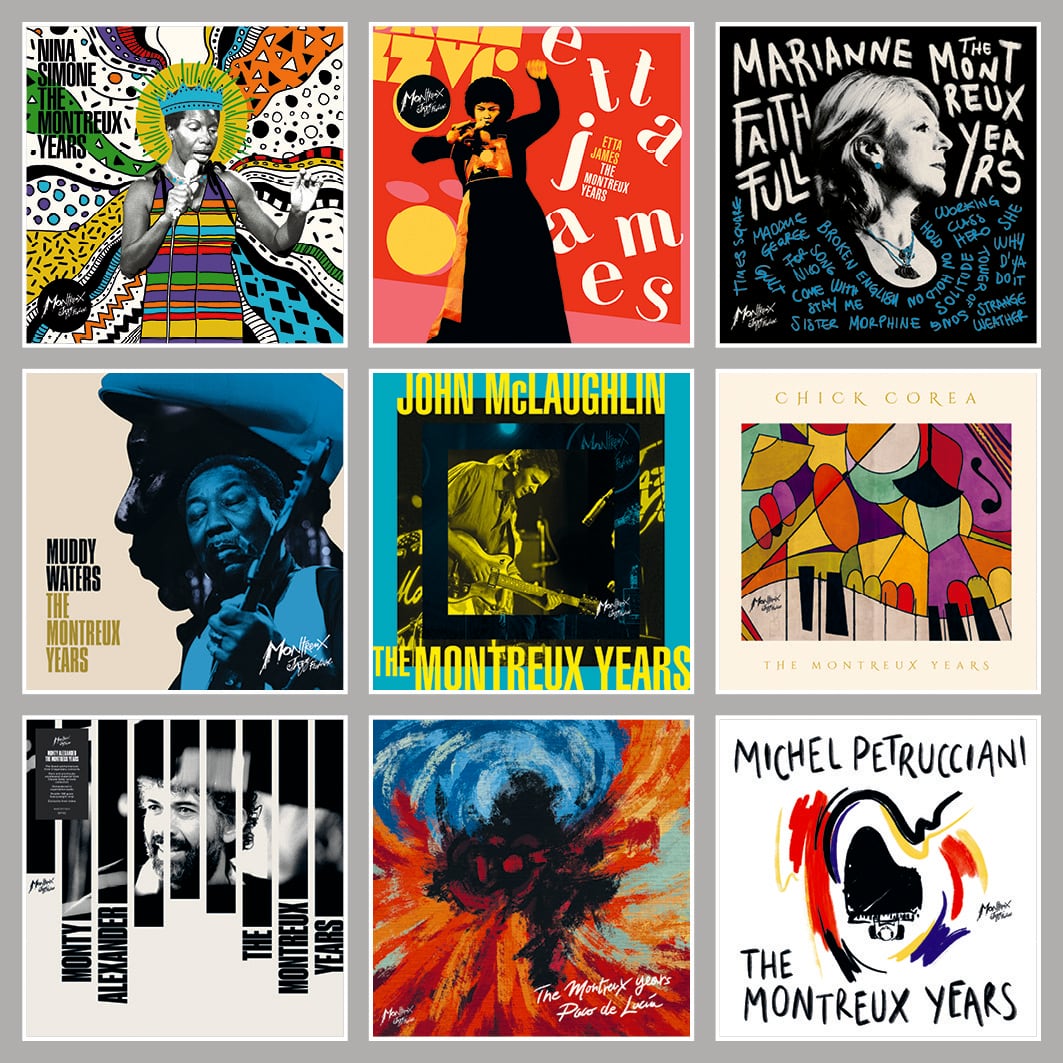
In 2021 the festival and the BMG label launched “The Montreux Years”, a series drawn from Claude Nobs’s collection, mastered at London’s Metropolis Studios: Nina Simone, Etta James, Muddy Waters, Marianne Faithfull, Chick Corea, Paco de Lucía and Dr John are now joined by B.B. King, whose album appears in 2026.
The festival today
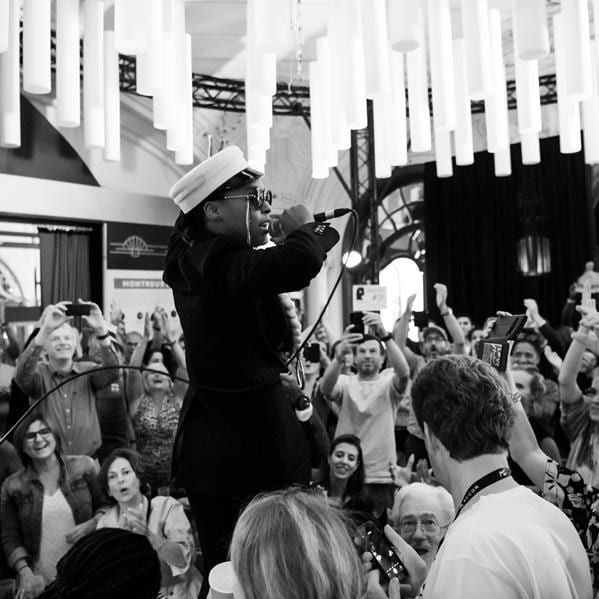
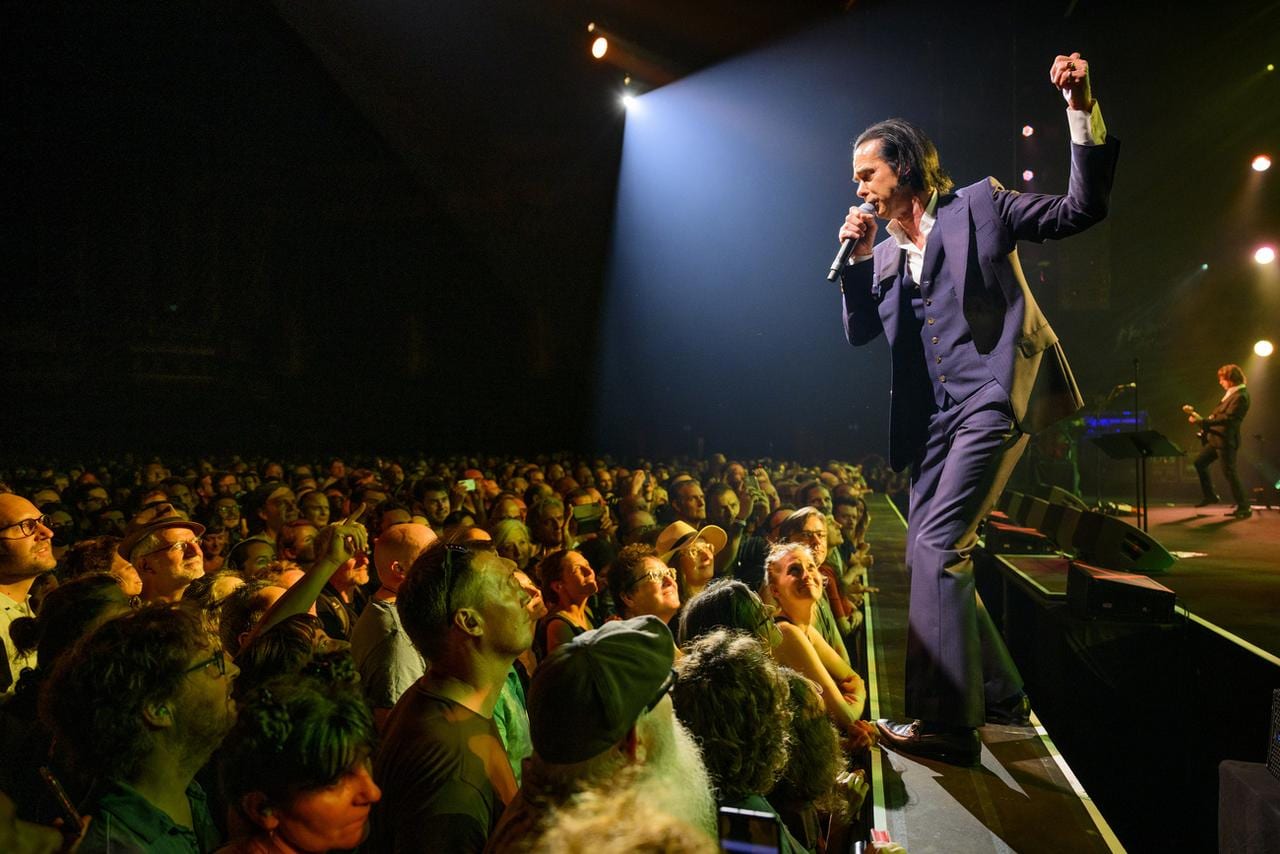
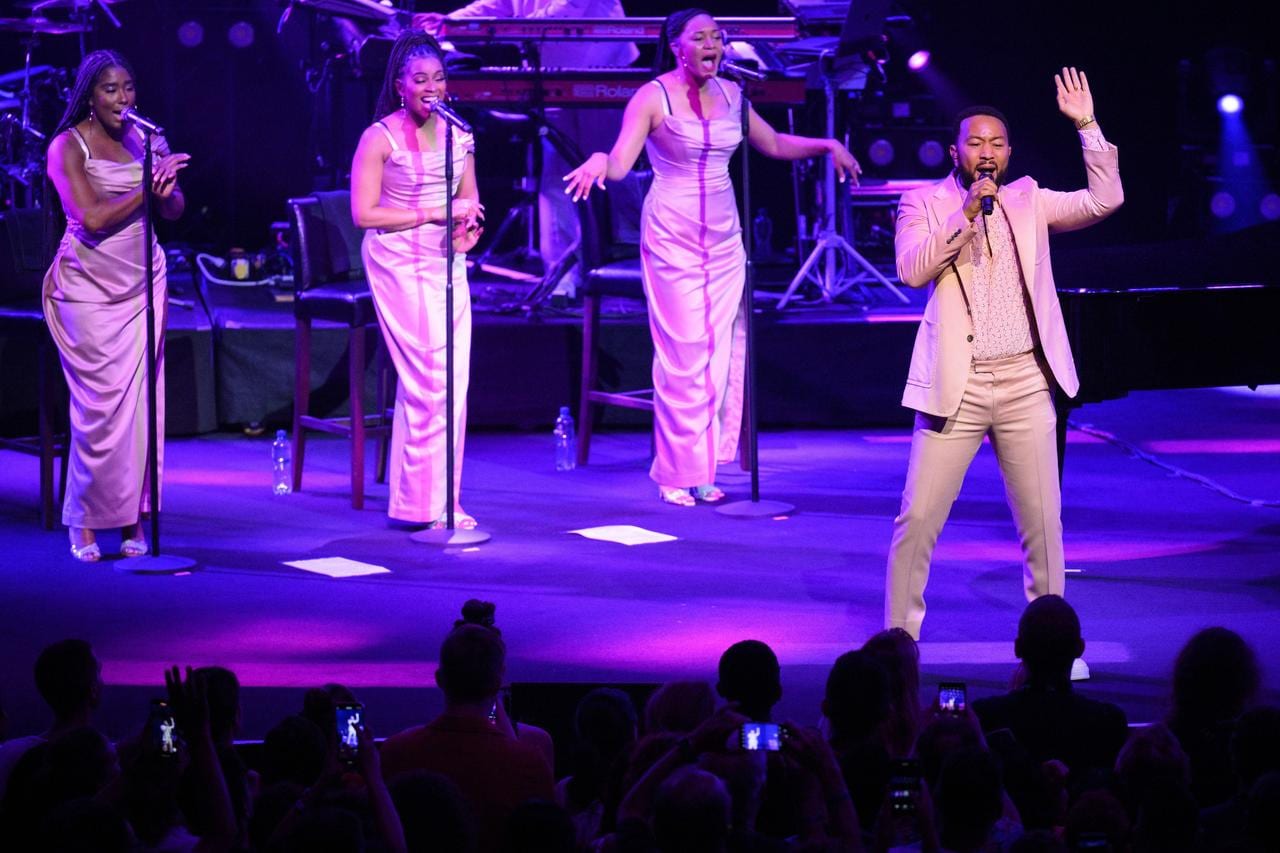
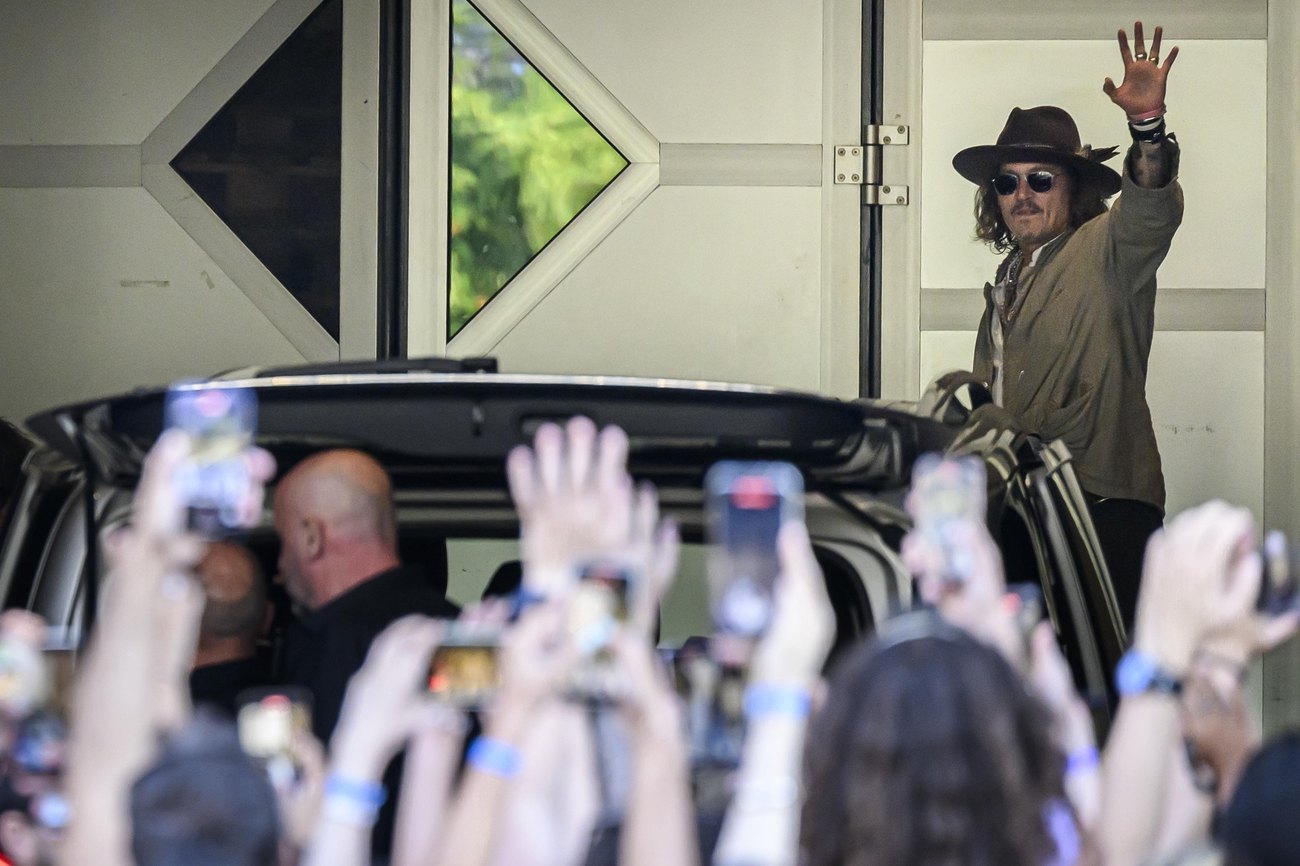
Today’s festival has little in common with its first three evenings. Over sixteen days it offers more than seven hundred concerts and activities, some six hundred of them free, spread across around fifteen stages around the 2M2C and the quays, from noon until the small hours.
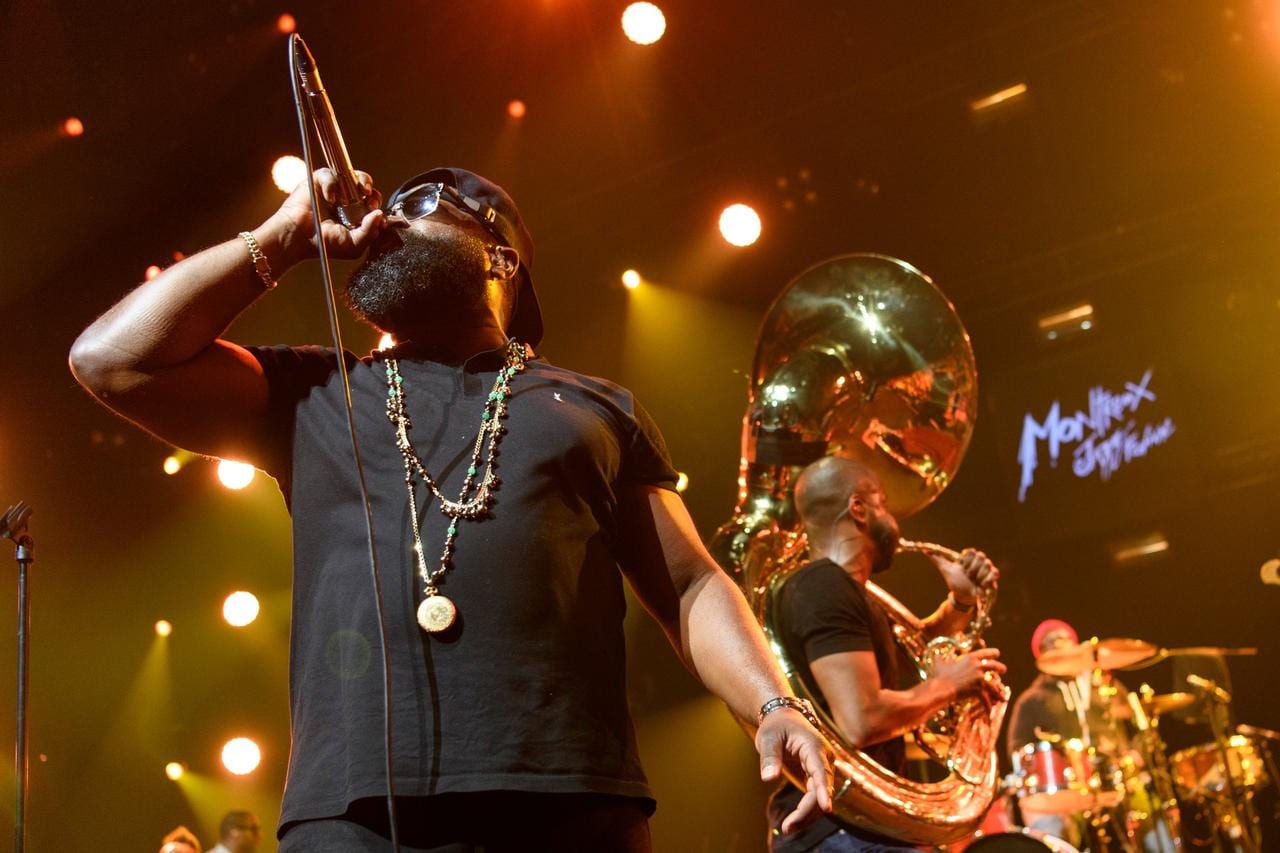
The programming long ago spilled beyond jazz: alongside the jazz, soul and blues of the early years, recent editions have featured Muse, Radiohead, Kendrick Lamar, Lady Gaga and Tyler, the Creator. The 2022 edition drew more than 250,000 people (Montreux Jazz Festival).
The festival around the world
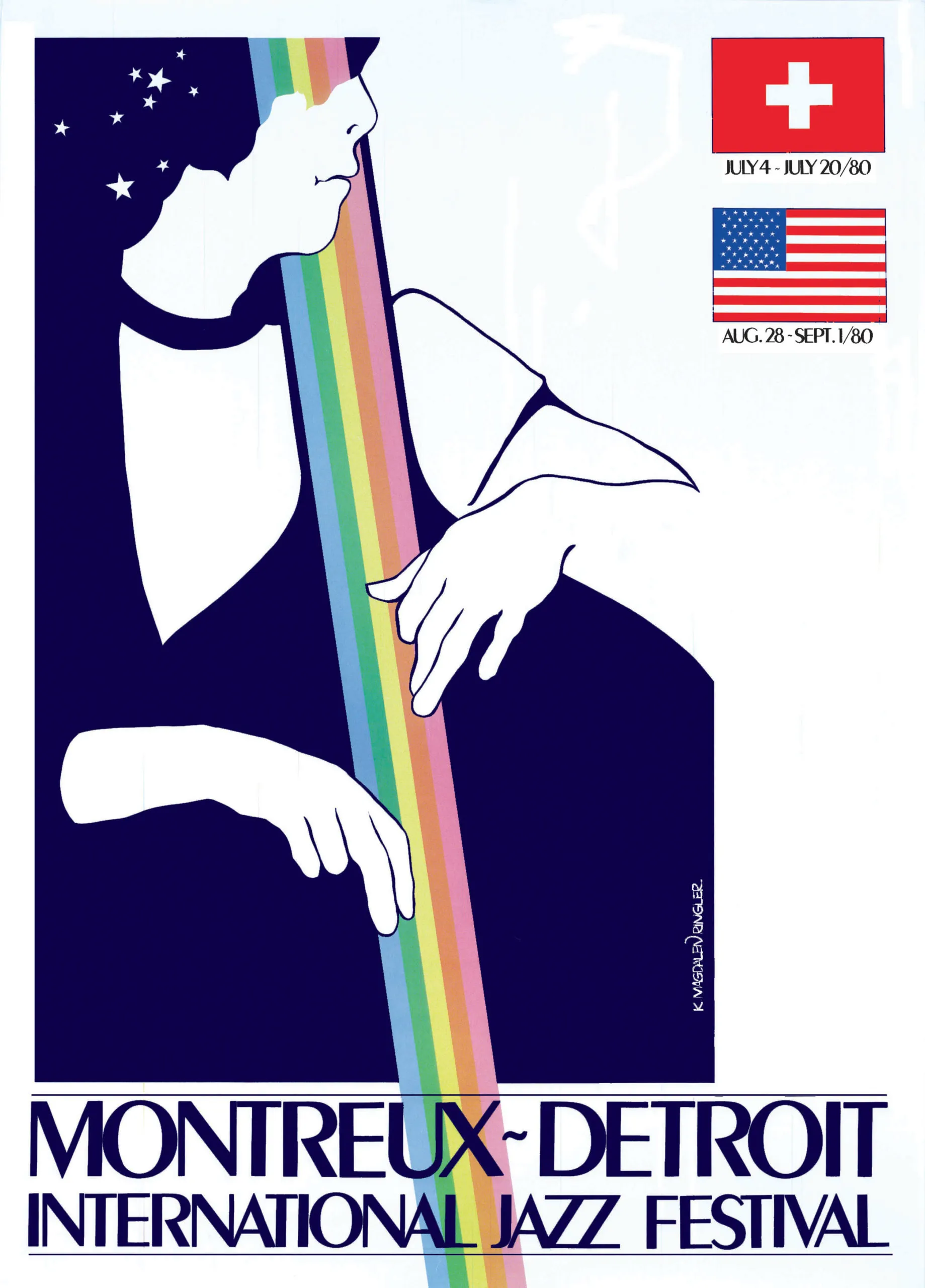
Since the late 1970s the Montreux name has travelled: Detroit, Atlanta and São Paulo in Claude Nobs’s day, and today Tokyo and Yokohama (since 2015), Hangzhou and Suzhou (MJF China, since 2021), Miami (MJF Miami, since 2024, with Jon Batiste), Rio de Janeiro and Franschhoek in South Africa (since 2026). These international editions have their own page: Montreux Jazz Festival International.
Closer to home, it also travels within Switzerland: to the Théâtre du Villars Palace with the MJF Spotlight Sessions, to the Montreux Jazz Club Millennium in Crissier, and to the Montreux Jazz Cafés of Lausanne and Geneva.
The autumn Residency
The festival now spills beyond the summer. Every autumn, the Montreux Jazz Residency, run by the Montreux Jazz Artists Foundation, gathers young talents and jazz mentors at the Petit Palais, through workshops and jam sessions open to the public. In winter, the MJF Spotlight Sessions spot new artists in turn. An event in its own right, which now has its own page.
Beyond the walls: the Lake Stage (2024-2025)
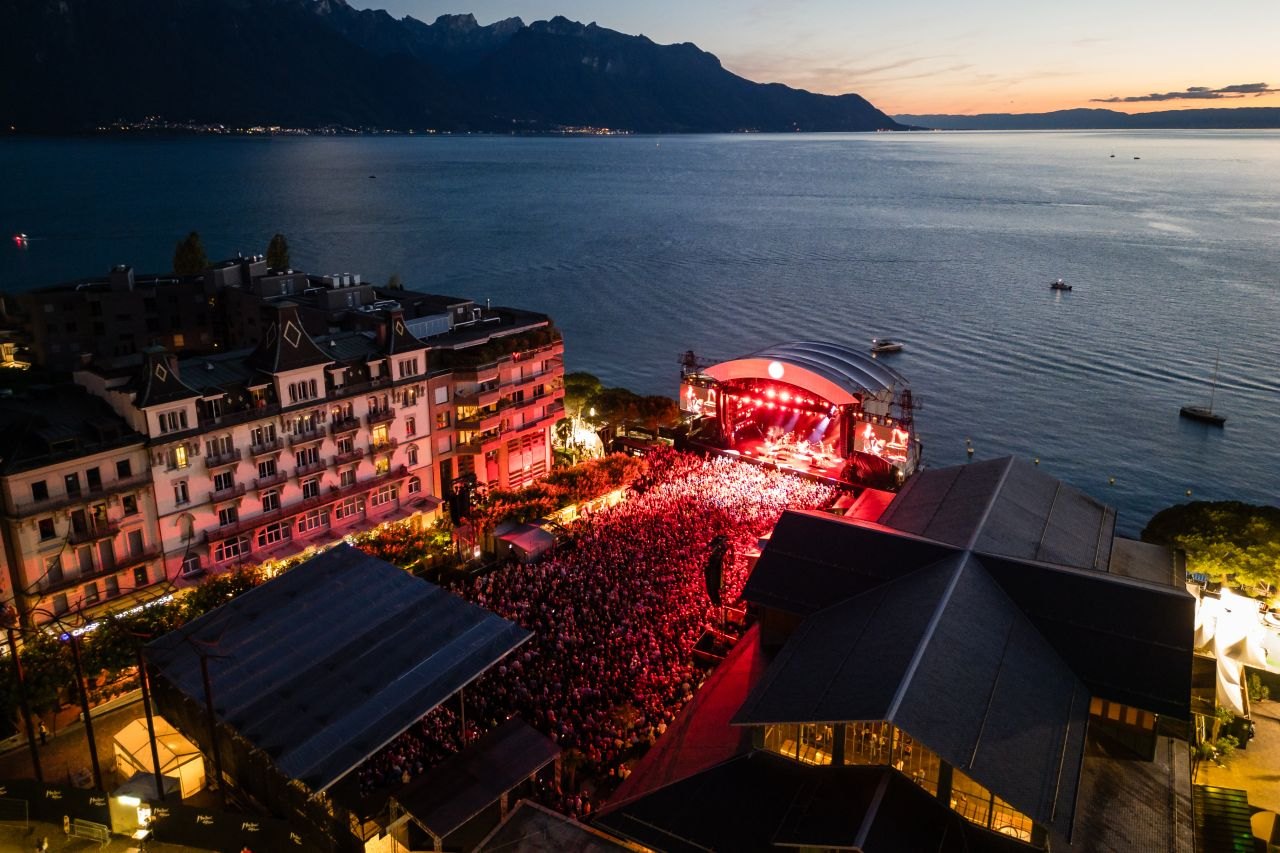
In 2024 and 2025, during the renovation of the 2M2C, the festival played beyond its walls. For the first time a paying stage was built out on the lake itself, below the Place du Marché: the Lake Stage, thirty-five metres wide, able to hold around five thousand spectators facing the lake and the Alps. The Casino resumed its role as the second main hall, and some fifteen stages stretched along two kilometres of quays.
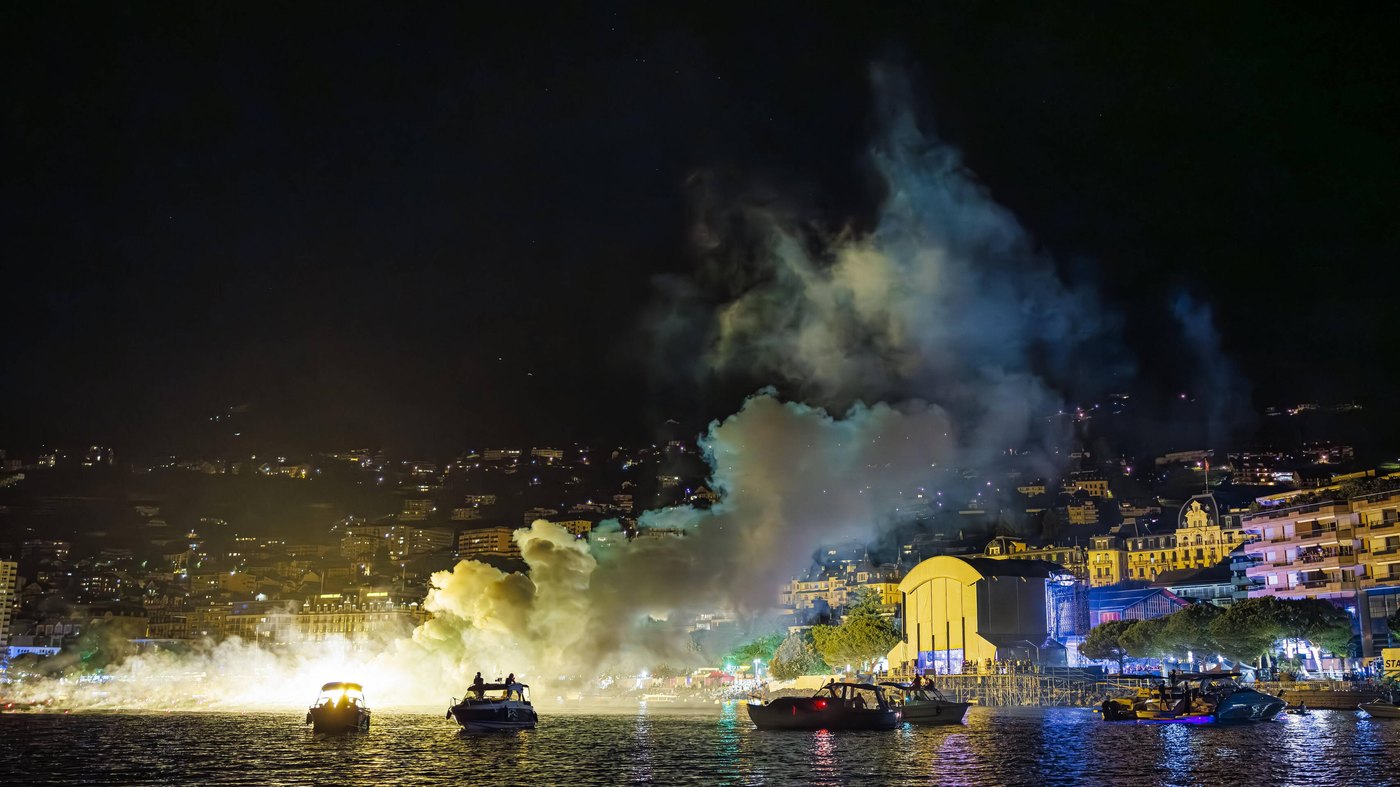
8 July 2024 will remain one of those evenings only Montreux can offer: as Deep Purple launched into “Smoke on the Water”, the riff born here from the Casino fire of 1971, fireworks set the lake ablaze behind the stage. Half a century came full circle on the water.
In 2025 the 59th edition again drew some 250,000 people and posted a 91% occupancy rate on the Lake Stage, before bidding it farewell: it was its second and last year. In 2026 the festival returns to the renovated 2M2C (Le Temps).
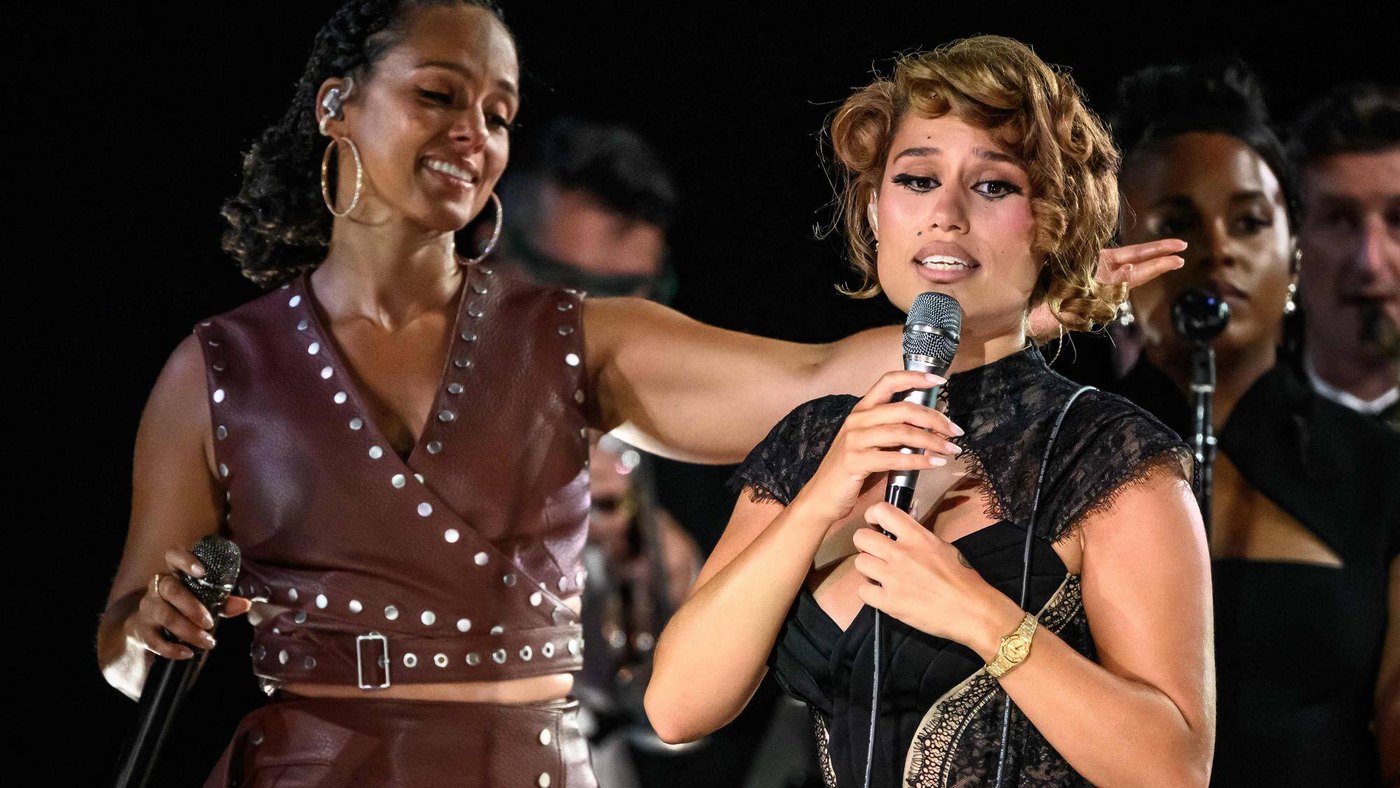
Artists grew attached to this fleeting stage. “For those who know me, you will know how much this stage means to me. We printed a vinyl from last year’s show, that’s how obsessed I am with this stage!”, said the British singer RAYE.
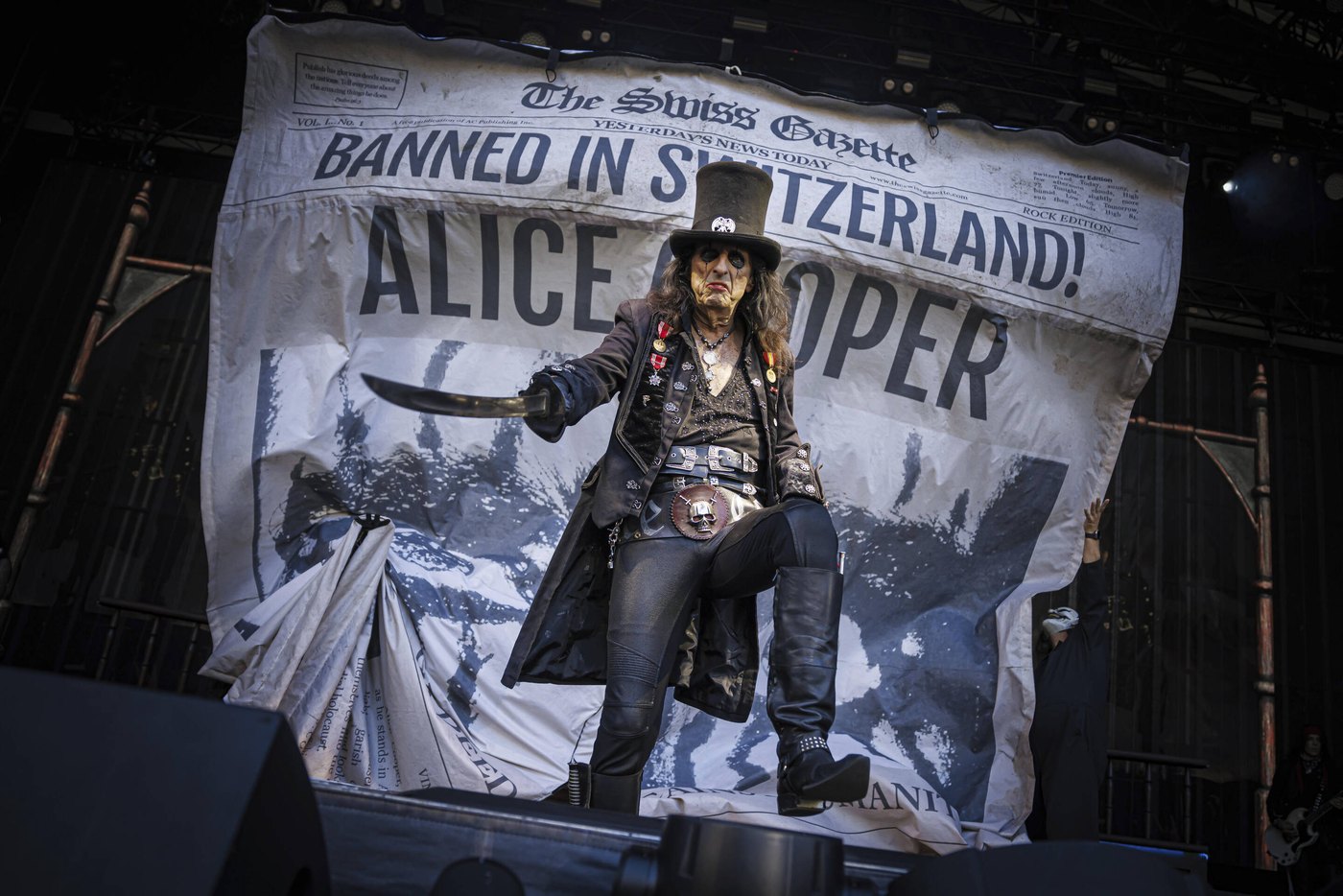
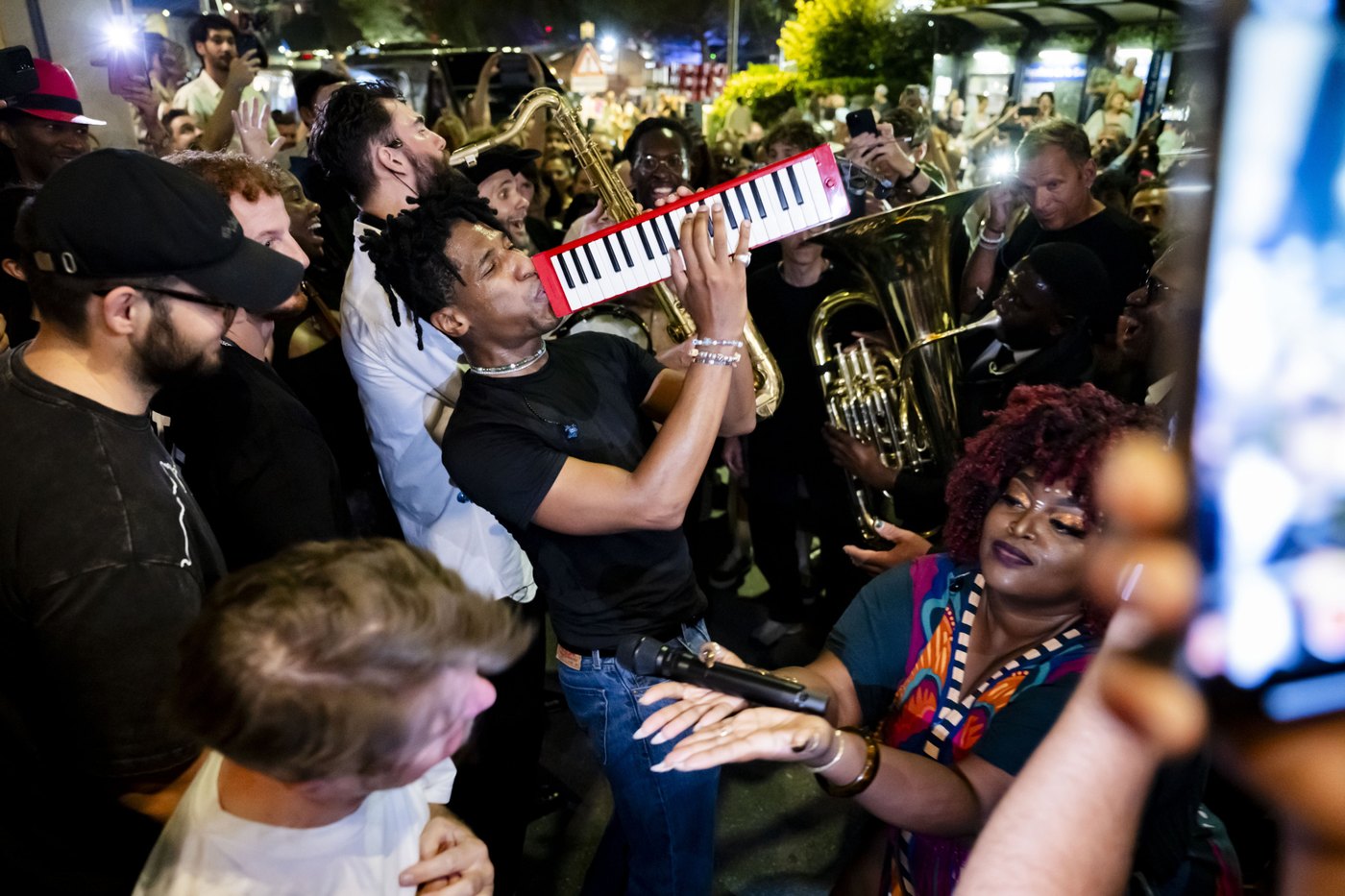
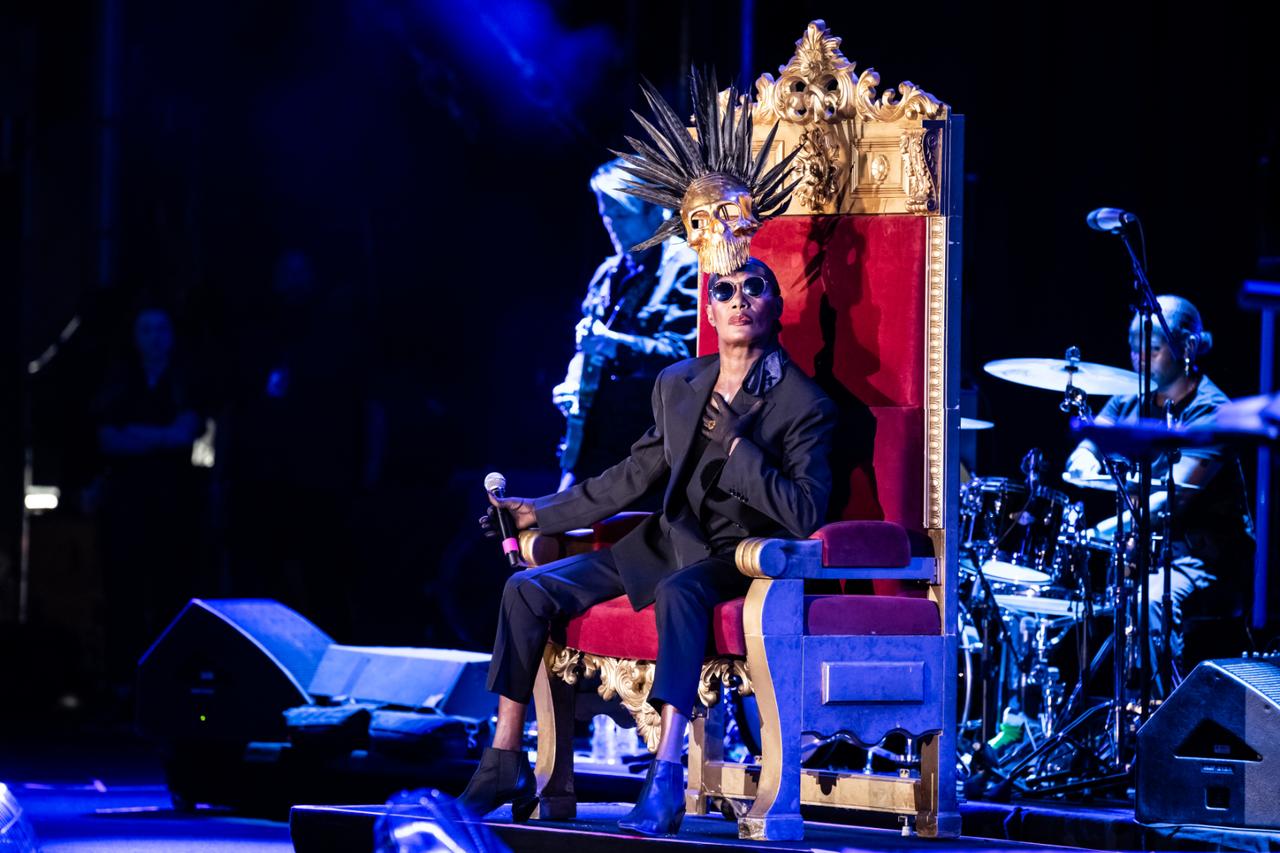
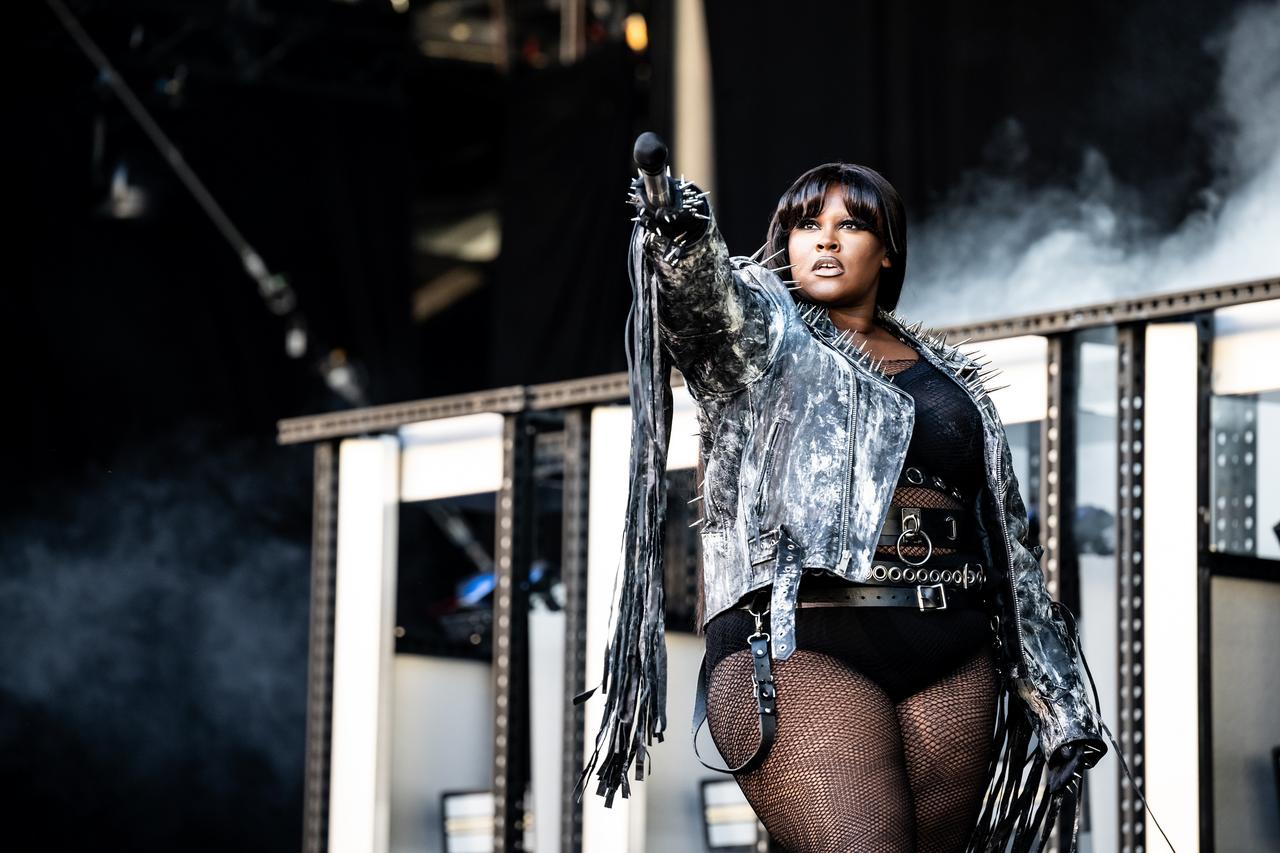
The boats and trains of Montreux Jazz
For three decades, the festival spilled out of the halls: you could hear it on the water and on the rails. From 1991, Claude Nobs, a train lover, launched the Montreux Jazz Train with the MOB railway: New Orleans bands played live going up, at the summit and coming down, towards the Rochers-de-Naye via Glion or towards Gstaad. On Lake Geneva, boats took over: the Brazil Boat, the Salsa Boat and, in homage to the founder, the Funky Claude’s Boat and the Funky Claude’s Jazz Train.
The formula reinvented itself to the very end: in 2019, a Rock Boat still sailed with the Queen tribute band Queenie, while a bluegrass and rockabilly train climbed to the summit, the final vintage of an adventure spanning nearly thirty years. Many regulars still recall them fondly.
A few moments that became legend
Fifty years of editions have left a long trail of nights that turned legendary. A few landmarks:
- 1968: Bill Evans’s concert, recorded at Montreux, yielded a Grammy-winning album.
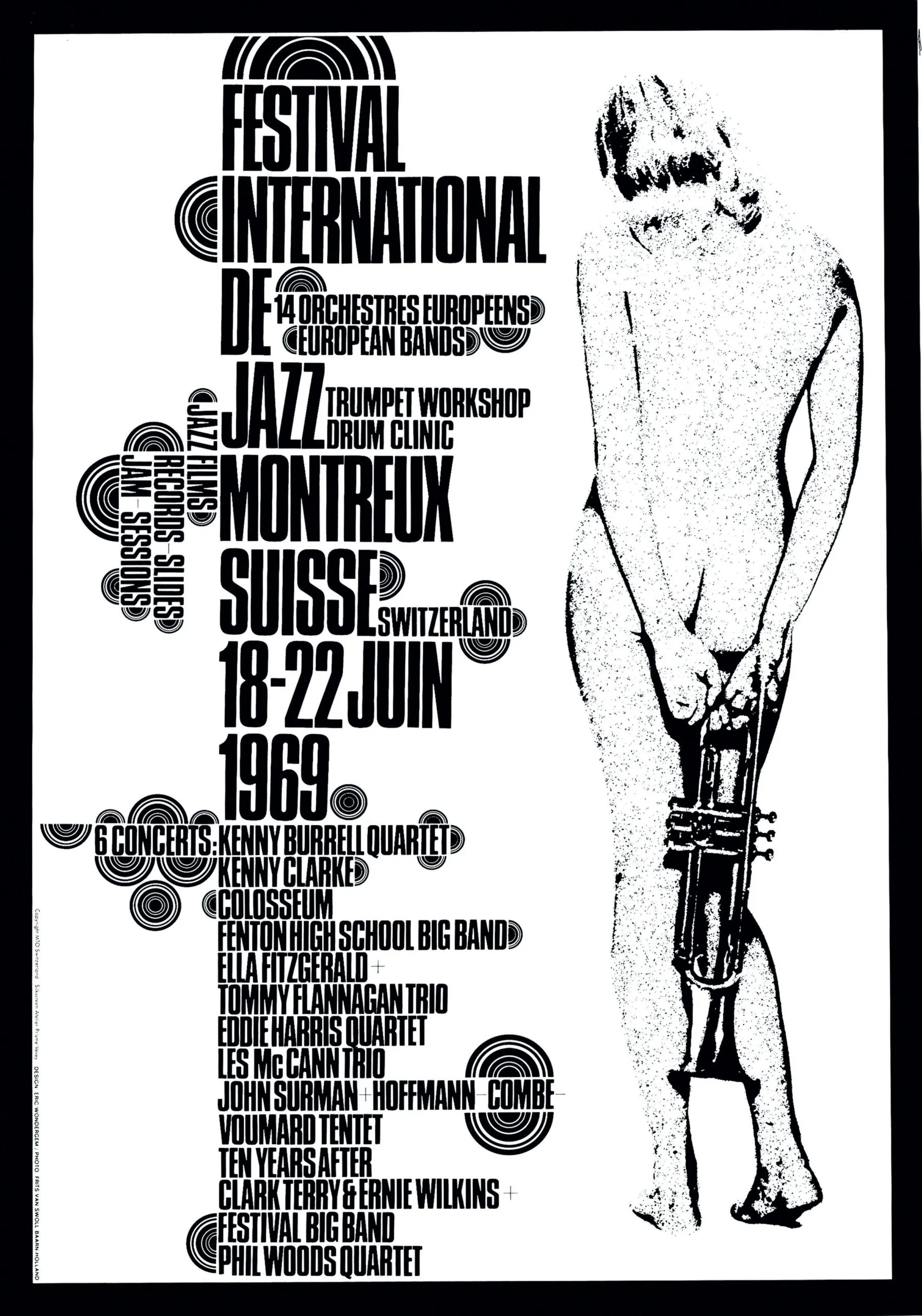
- 1969: Ella Fitzgerald sang at Montreux for the first time, and Les McCann and Eddie Harris recorded “Swiss Movement” there, which would become the first jazz record to sell more than a million copies.
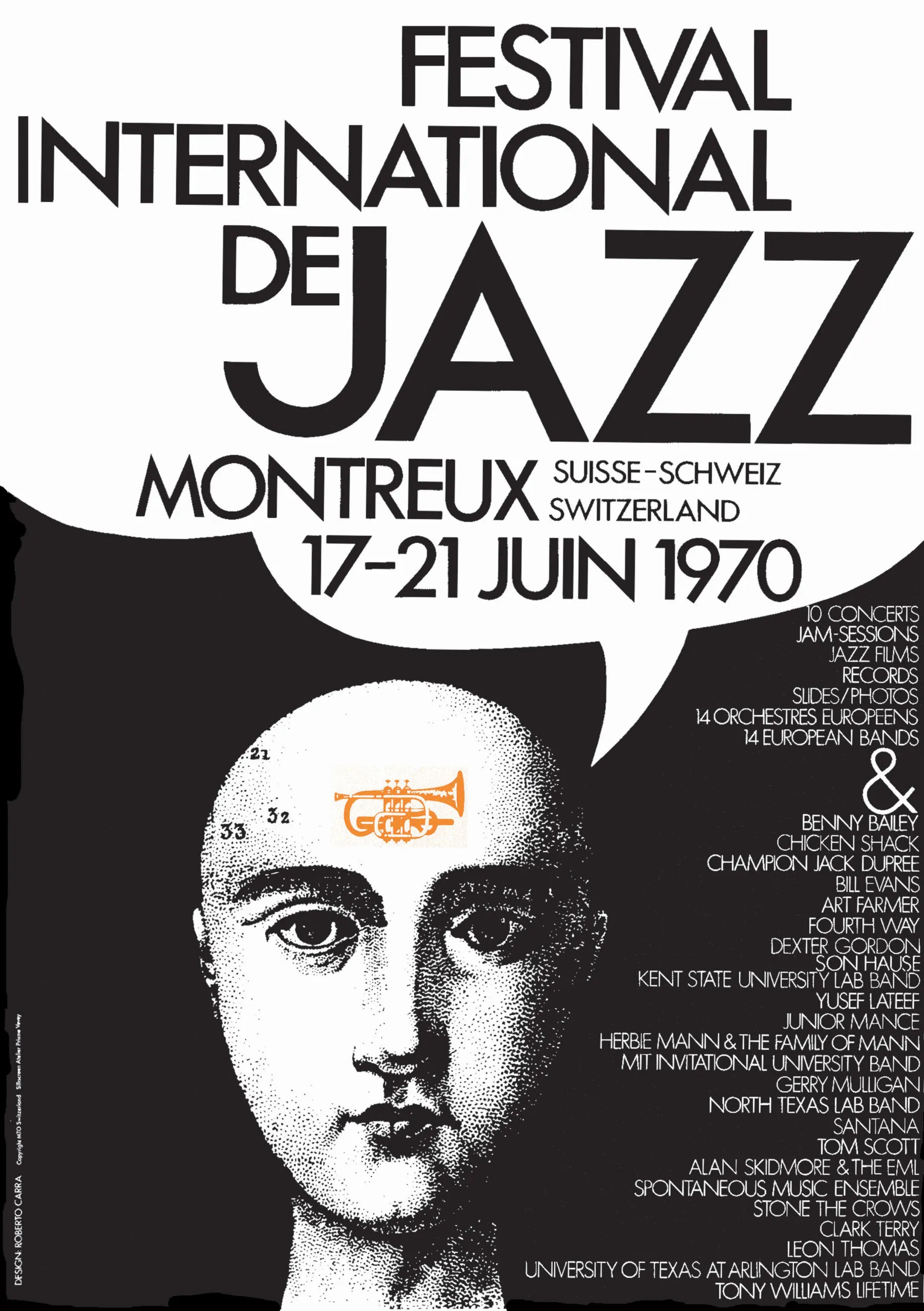
- 1970: Carlos Santana played Montreux a few months after Woodstock.
- 1971: the Casino fire during a Frank Zappa concert inspired Deep Purple’s riff for “Smoke on the Water”.
- 1976: Nina Simone gave a performance there that became legendary.
- 1980: Marvin Gaye made his only Montreux appearance.
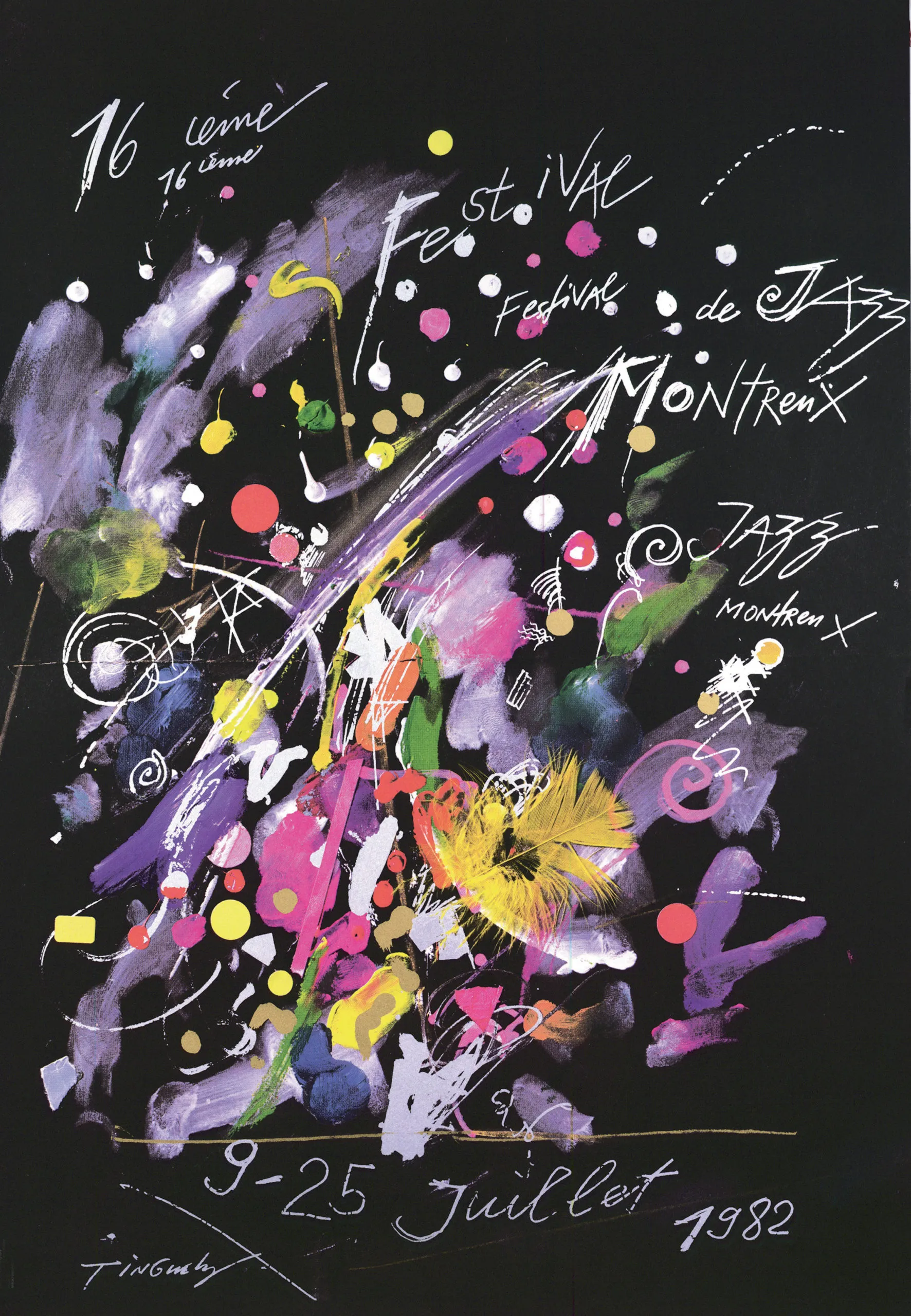
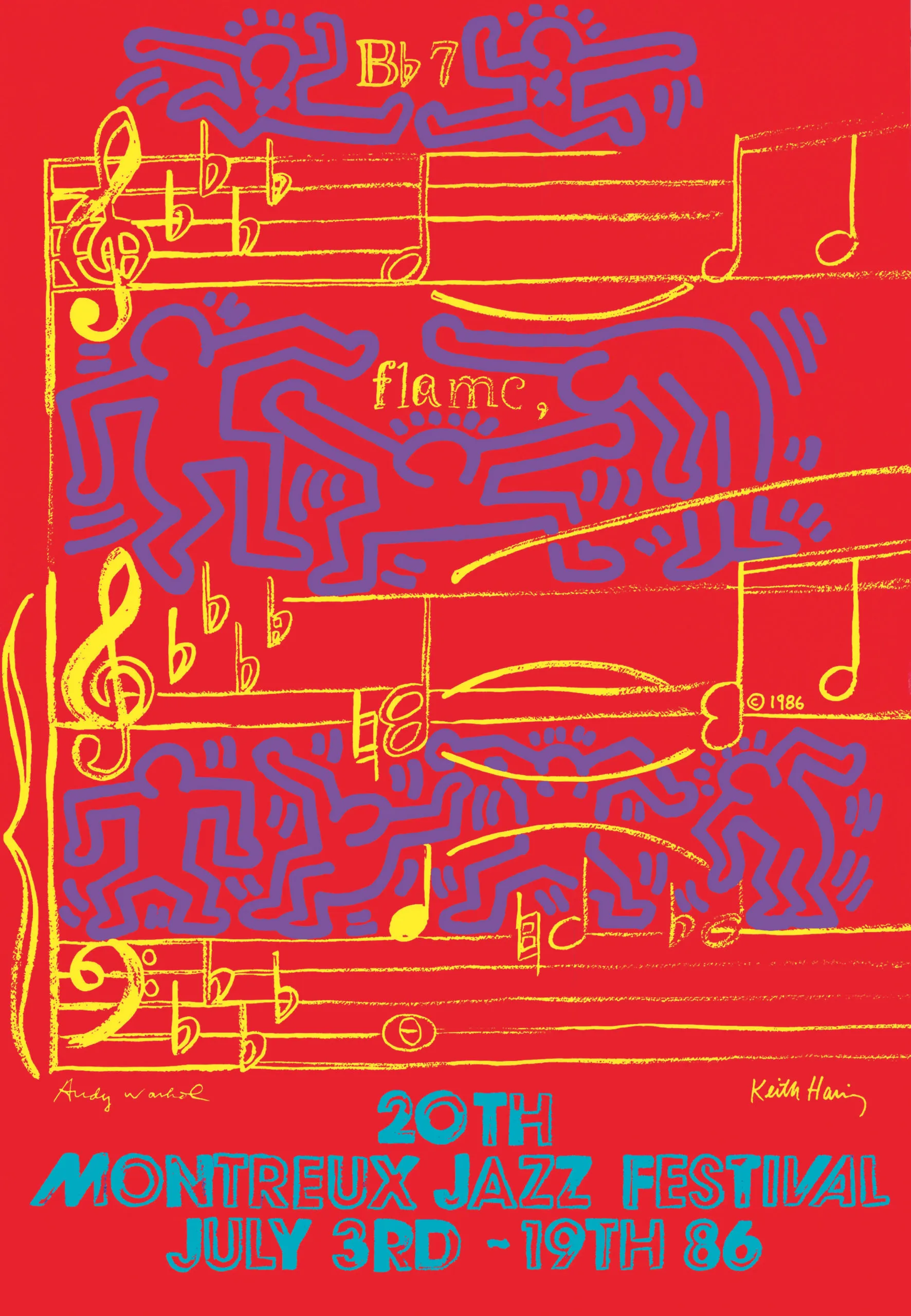
- 1982: the sculptor Jean Tinguely created the festival’s logo; in 1986, Keith Haring and Andy Warhol designed the twentieth-anniversary poster.
- 1991: Miles Davis played Montreux for the tenth and last time, and the festival made its first high-definition recordings.
- 2002: David Bowie gave a concert that remains emblematic, his first official festival appearance, offered to Claude Nobs.
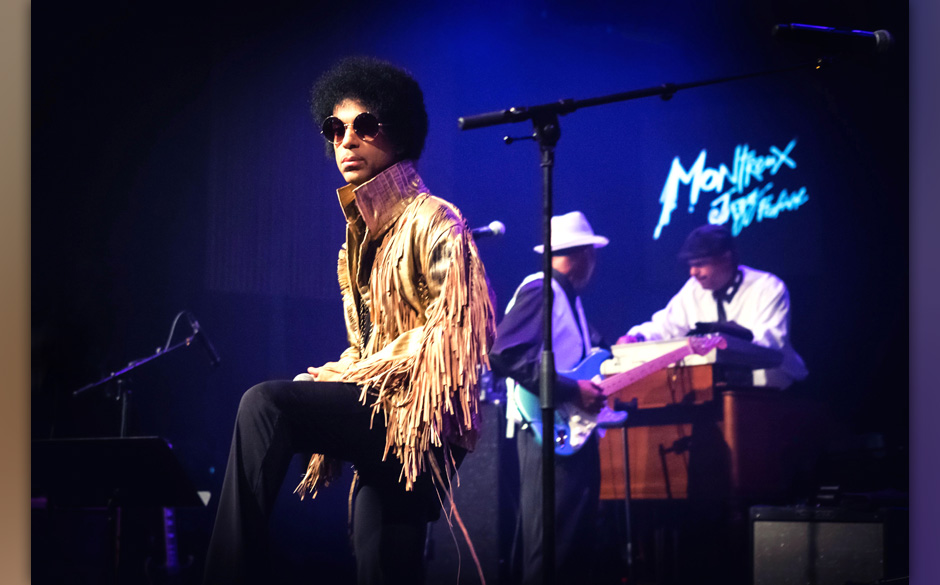
- 2009: Prince played two concerts in the same night, “2 Shows, 1 Nite”, with no fixed setlist, taking his own songs apart; he returned in 2013.
- 2013: Prince took over the Montreux stage again for a run of concerts.
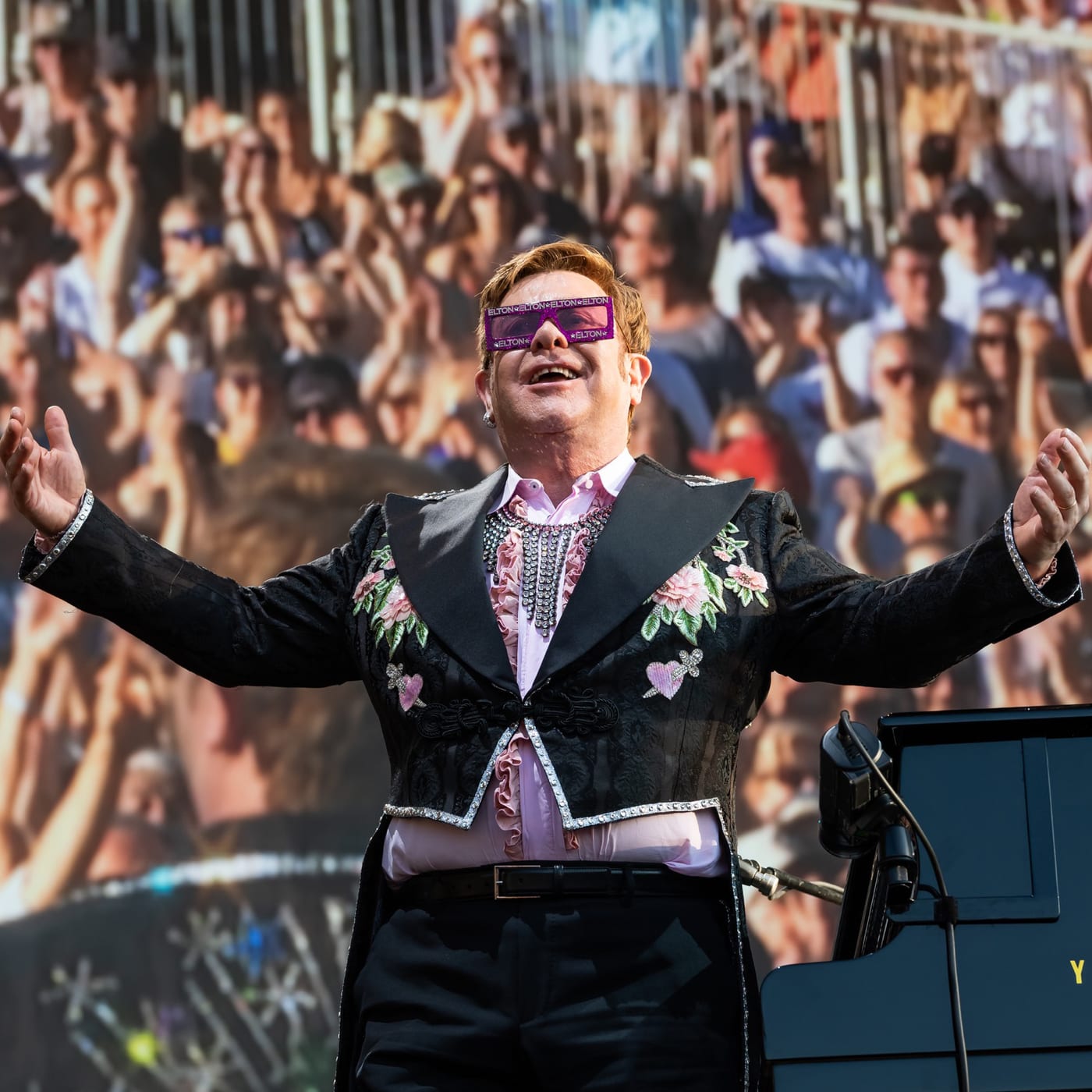
- 2019: Elton John gave the festival’s first stadium concert, at the Stade de la Saussaz, before 15,000 people; in 2021, a stage was built out on the lake, twenty-five metres from the shore.
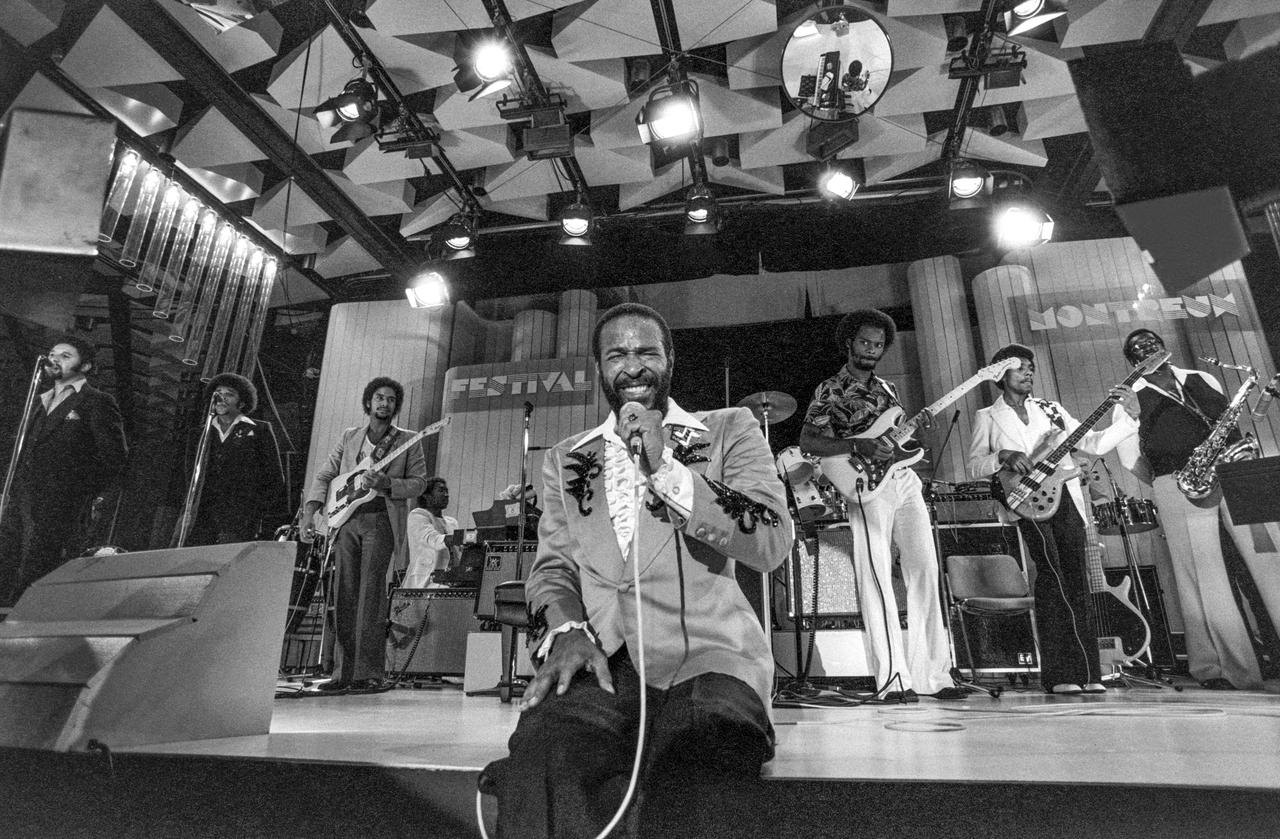
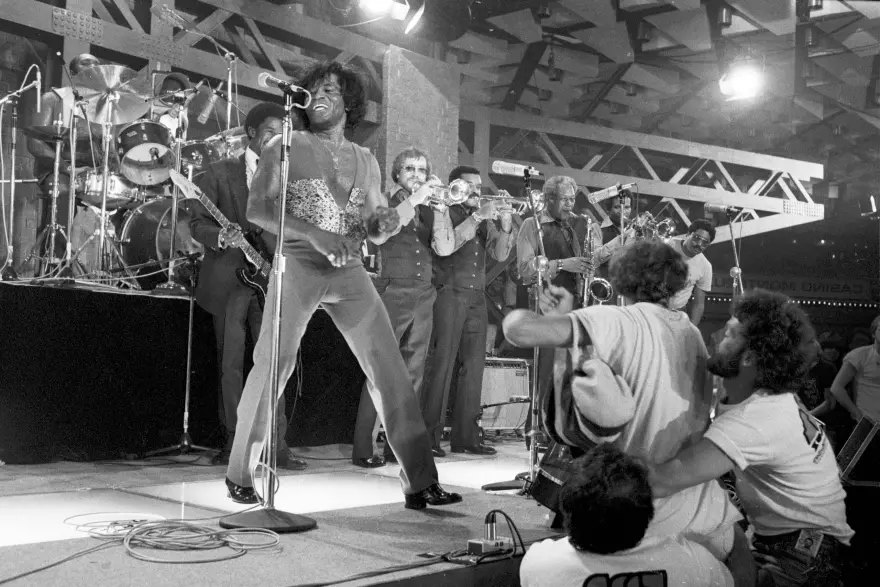
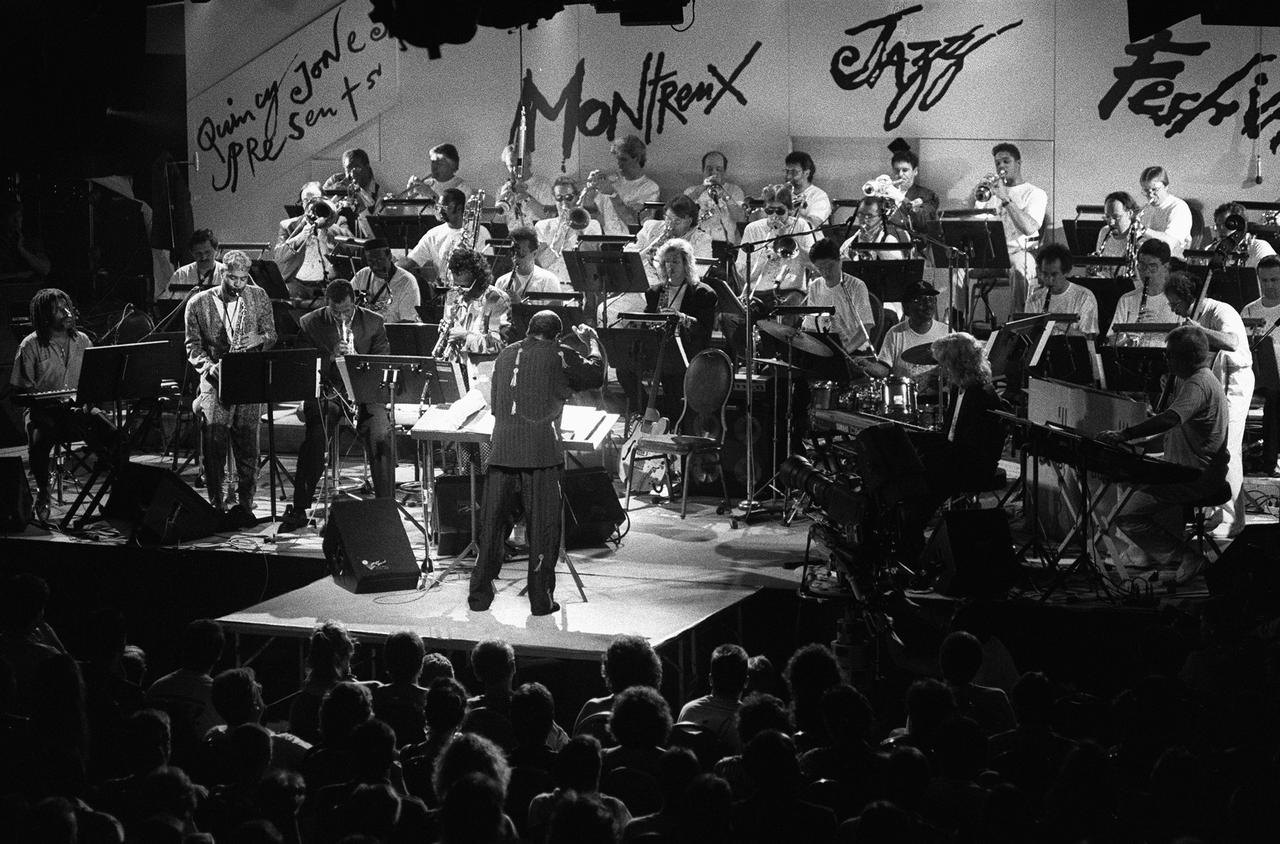
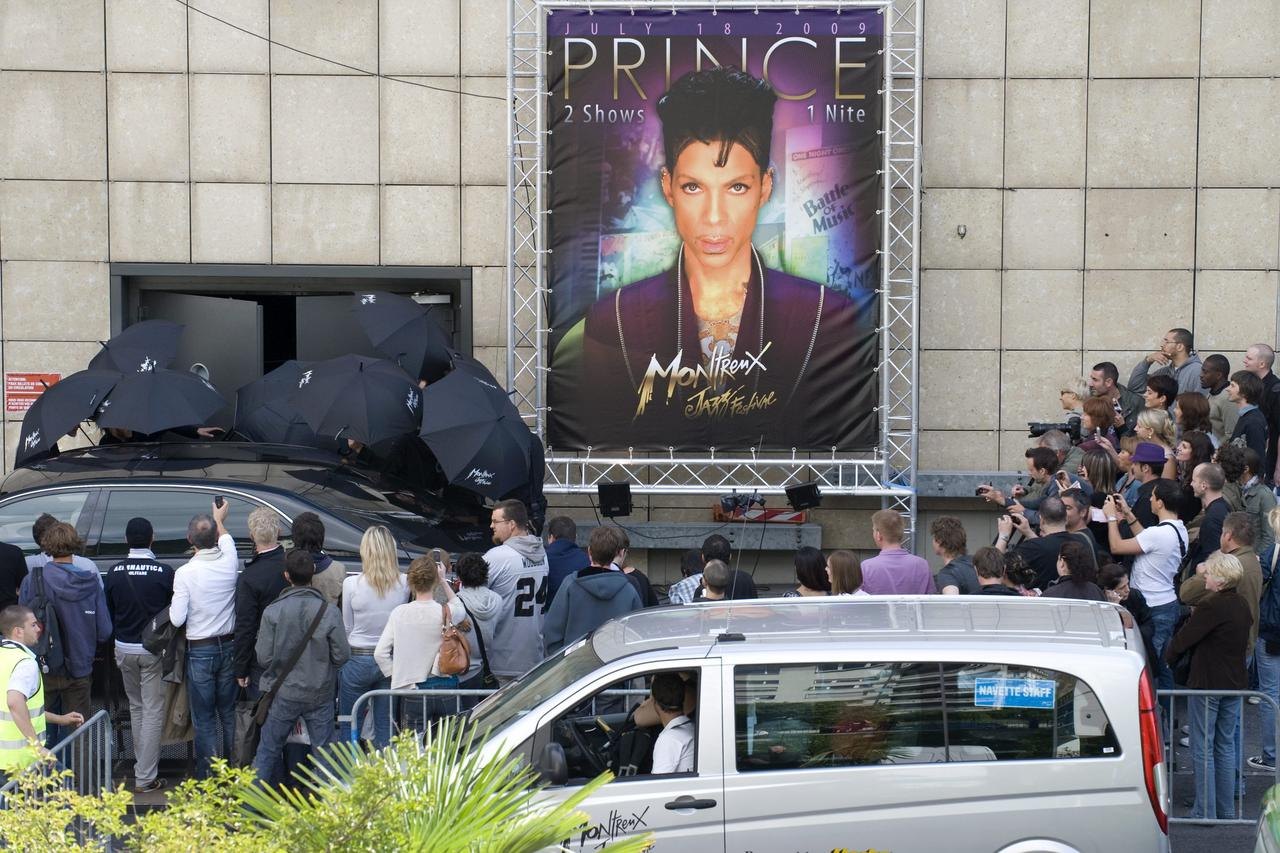
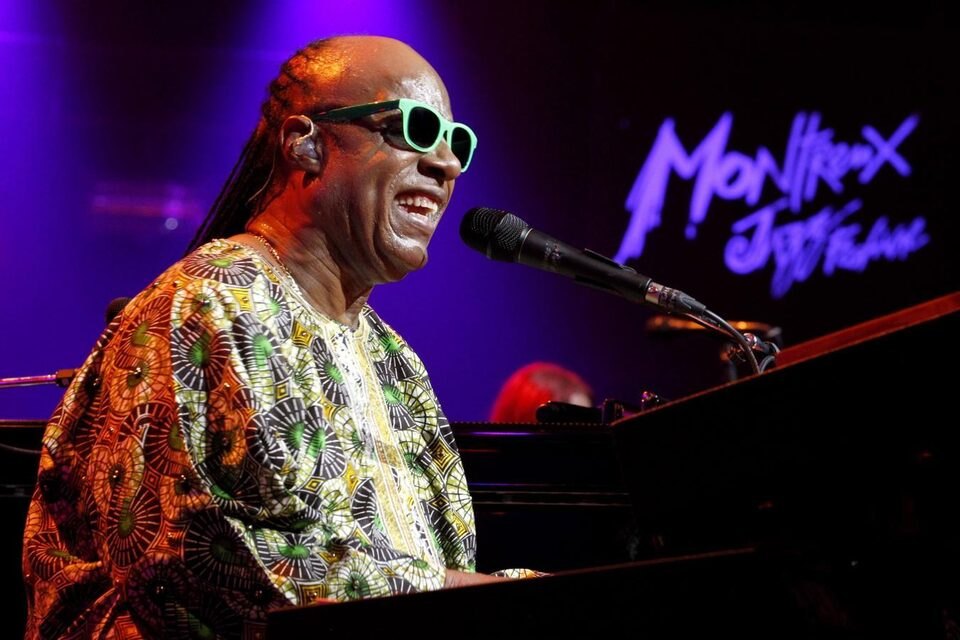
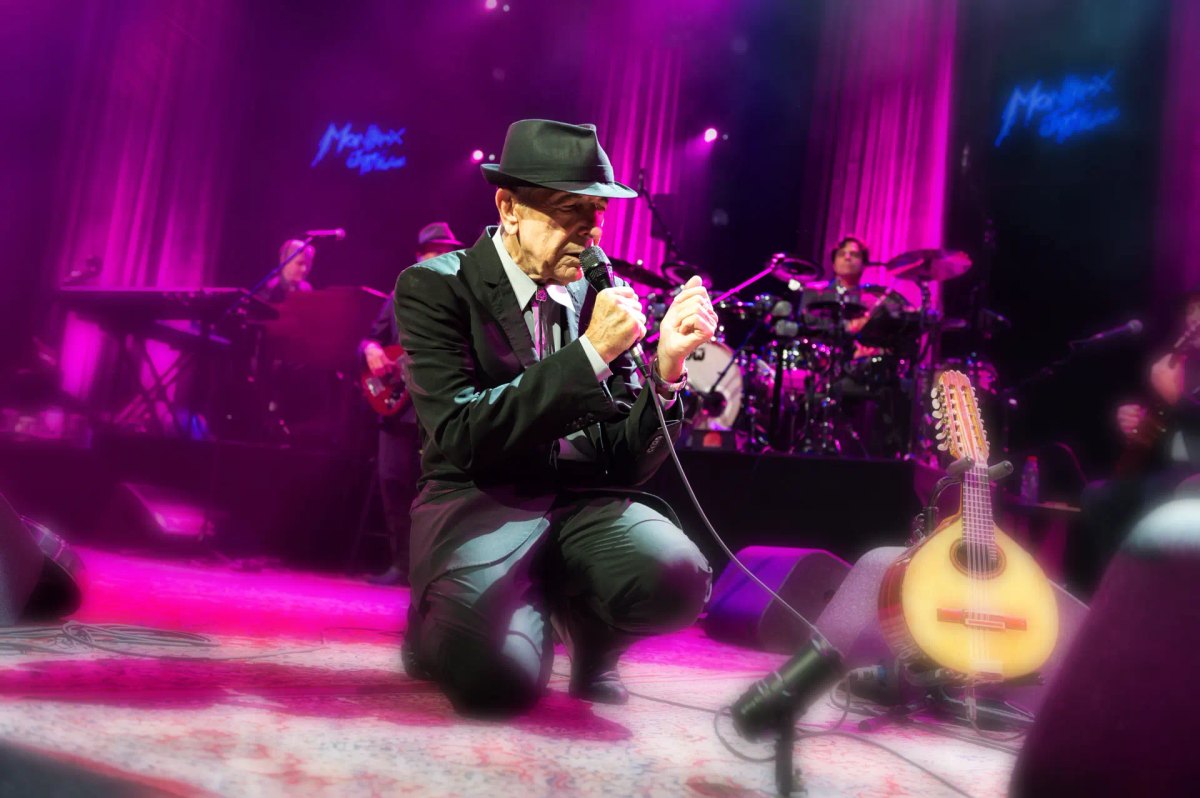
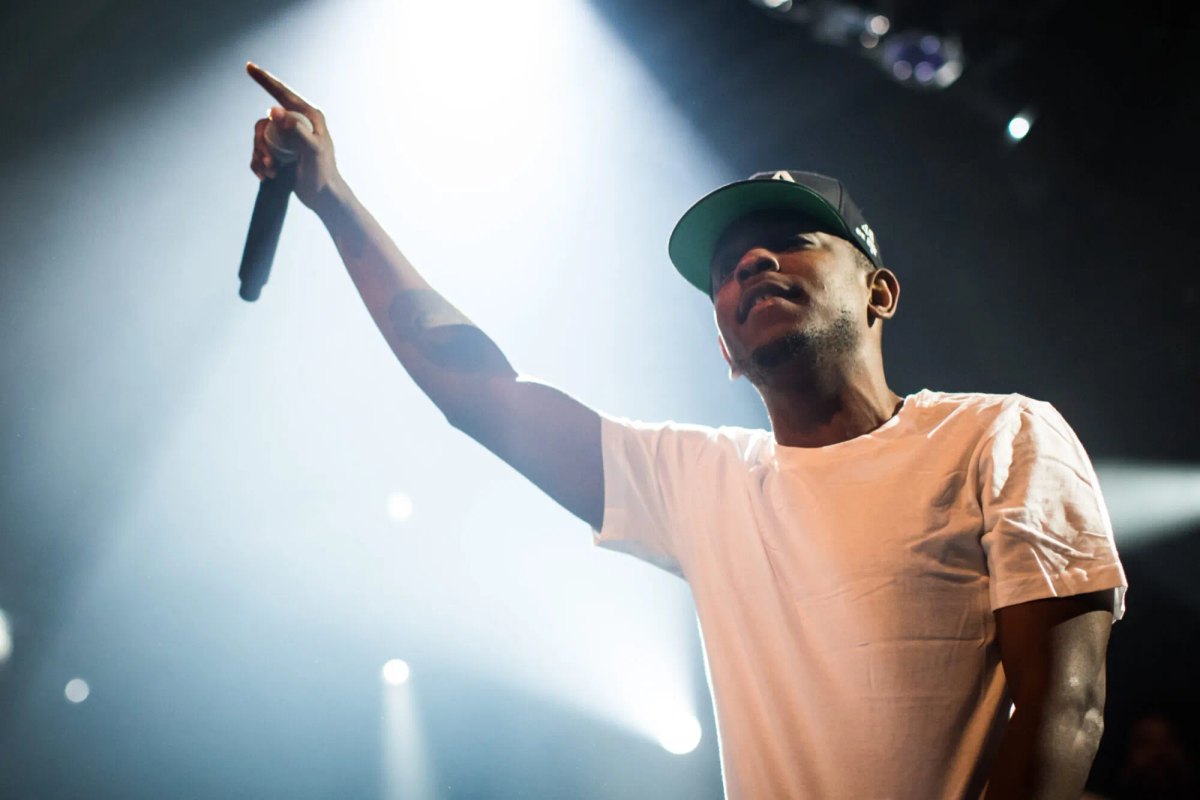
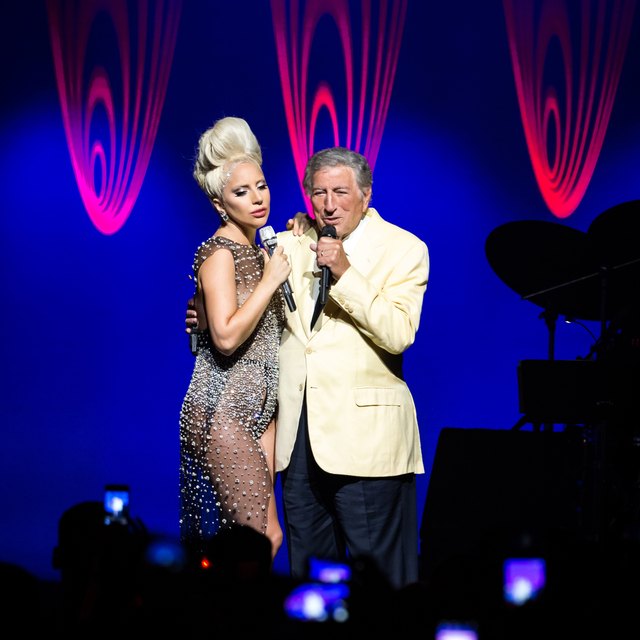
Watch again
The festival has filmed almost every one of its concerts since 1967, a collection now inscribed on UNESCO’s Memory of the World register. Part of it is freely available: enough to feel, decades later, what people call “the magic of Montreux”.
From blues to soul, these recordings speak of a rare intimacy between the artists and the Montreux audience.
What artists say about Montreux
Year after year, those who take its stages say the same thing: playing Montreux matters.
“Montreux Jazz is for people who really love music. It starts with that, everything else is secondary. Which is rare nowadays.”, Jack White
“Montreux is the high watermark. If you can headline here, you made it globally. This festival carries a lot of weight.”, Joe Bonamassa
“This is a really big deal for us to be back. The first time we played here, this was the most terrifying thing. Everyone said to me: they are a very arty crowd, your performance really matters. It is one of these shows that is burnt into my memory.”, Hannah Reid, London Grammar
“Mark my words: in the next 10 years I am going to live in Montreux. This place is magical. Thank you for having me.”, Benson Boone
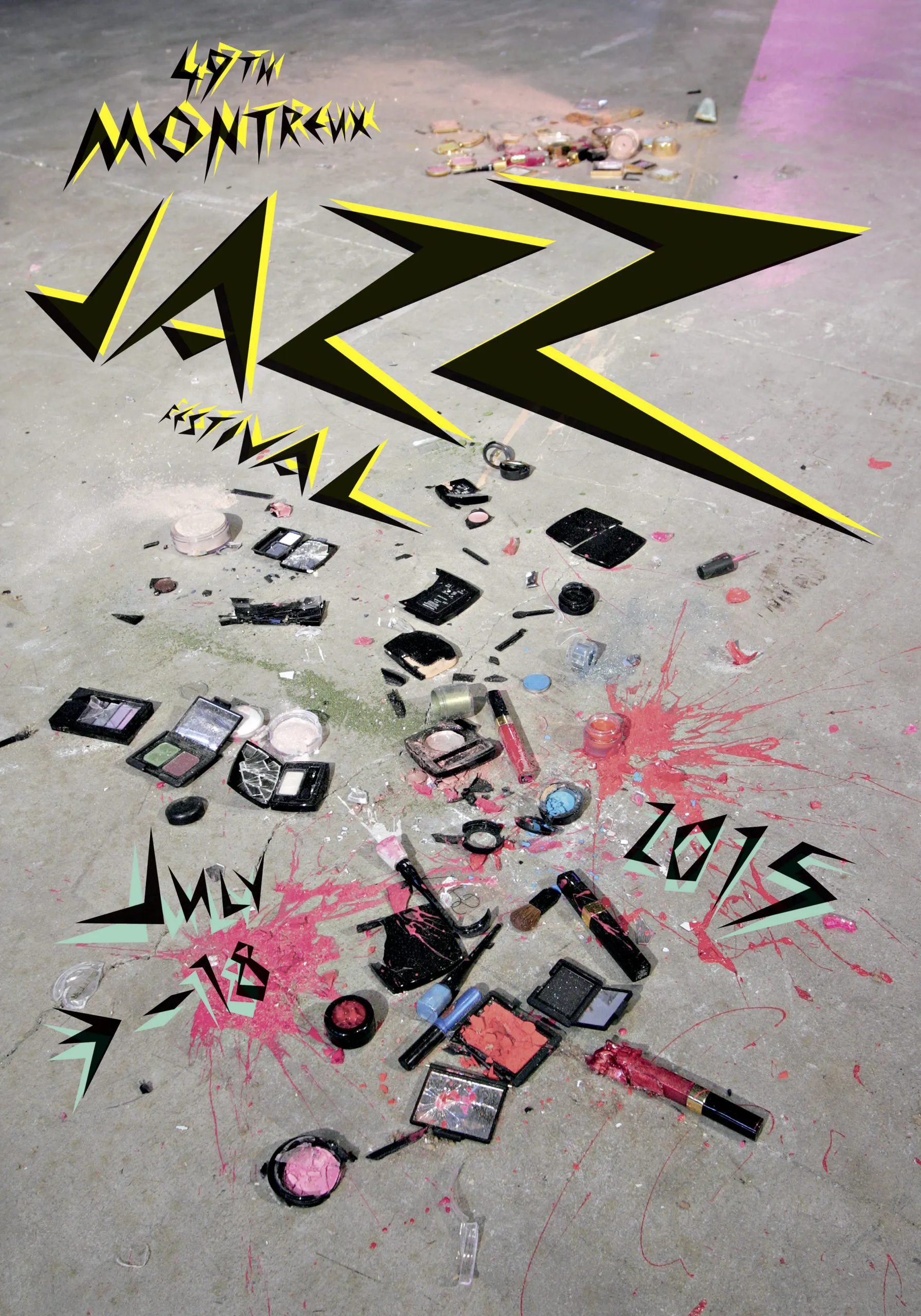
One poster a year, signed by artists
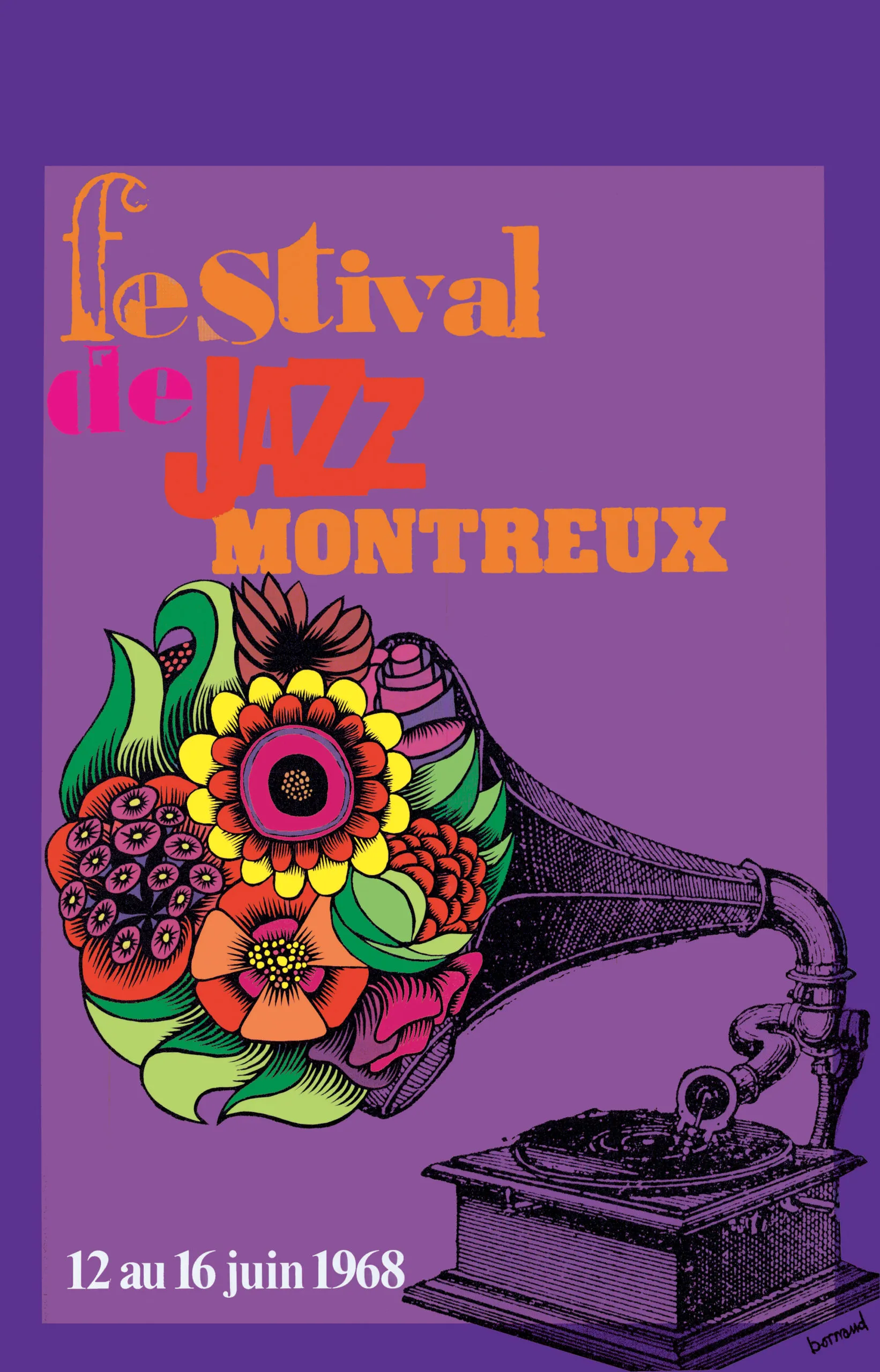
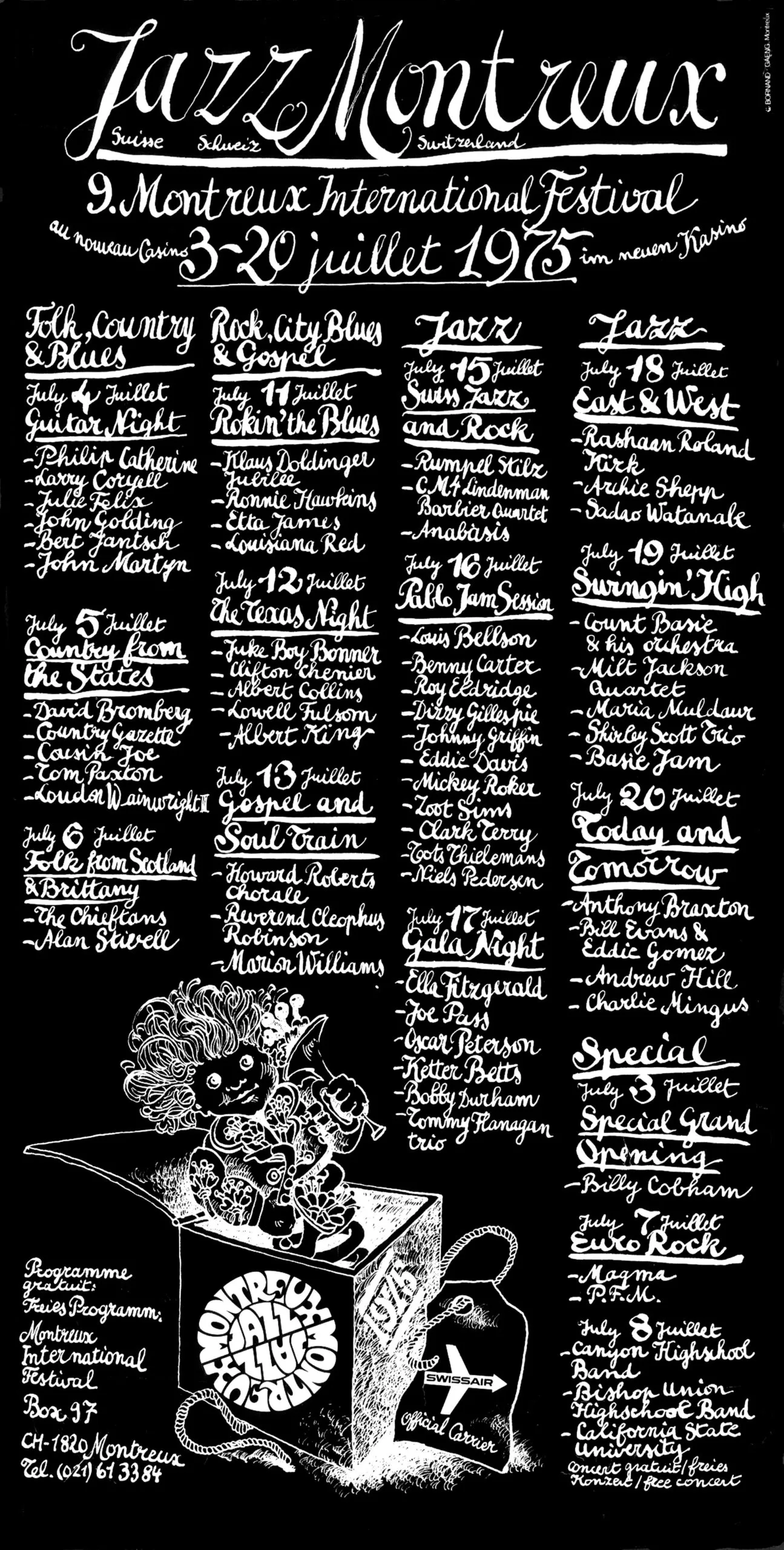
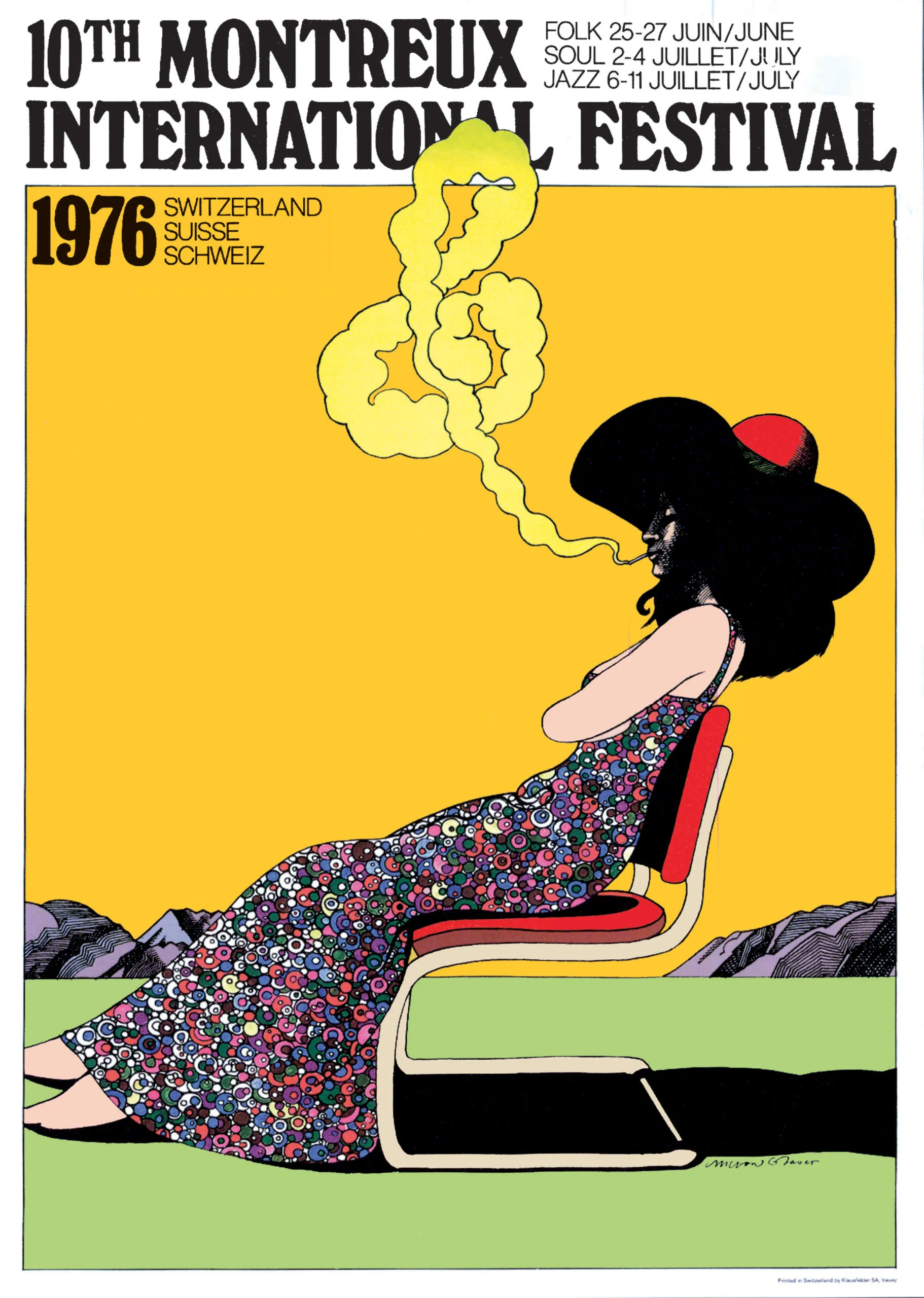
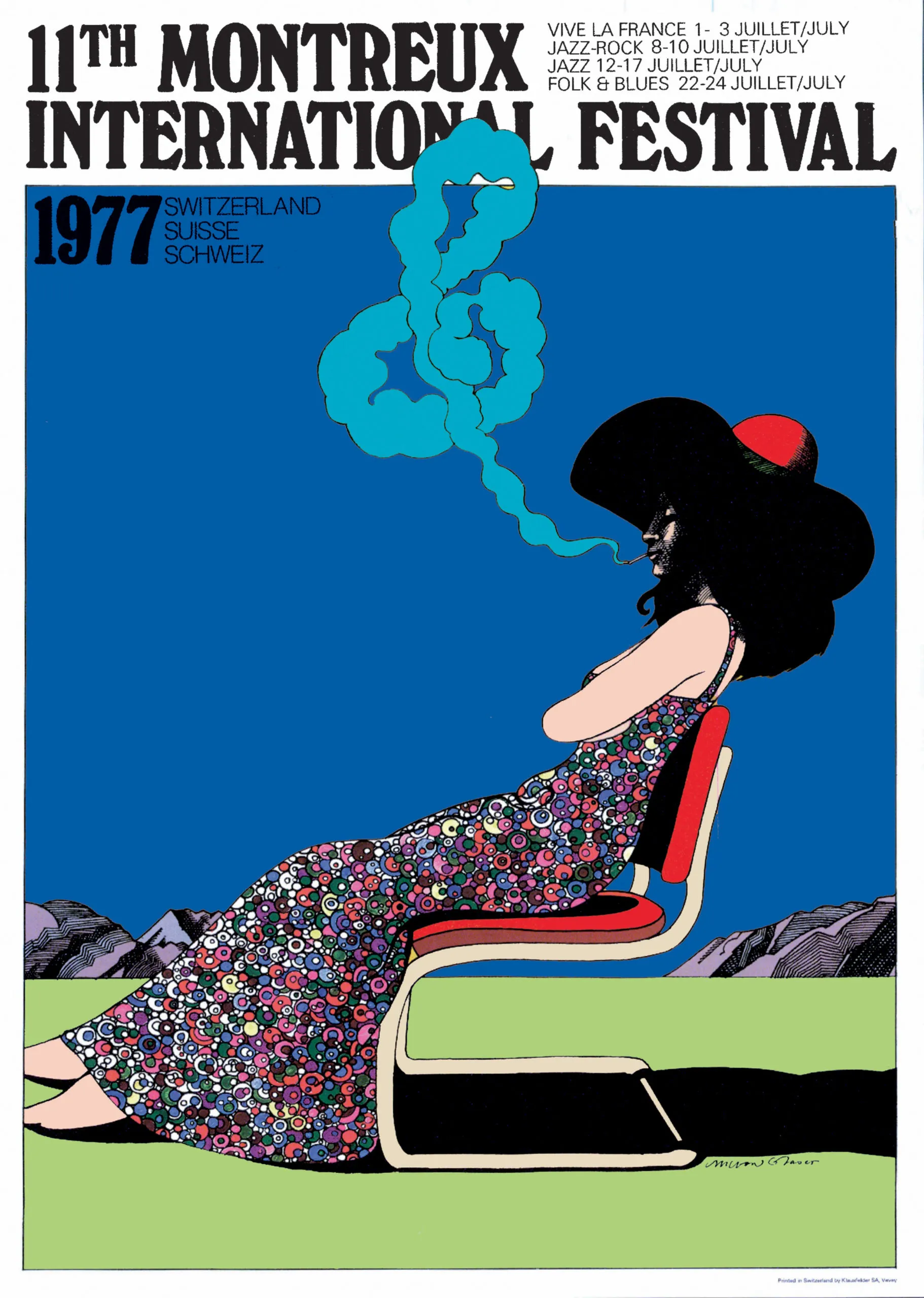
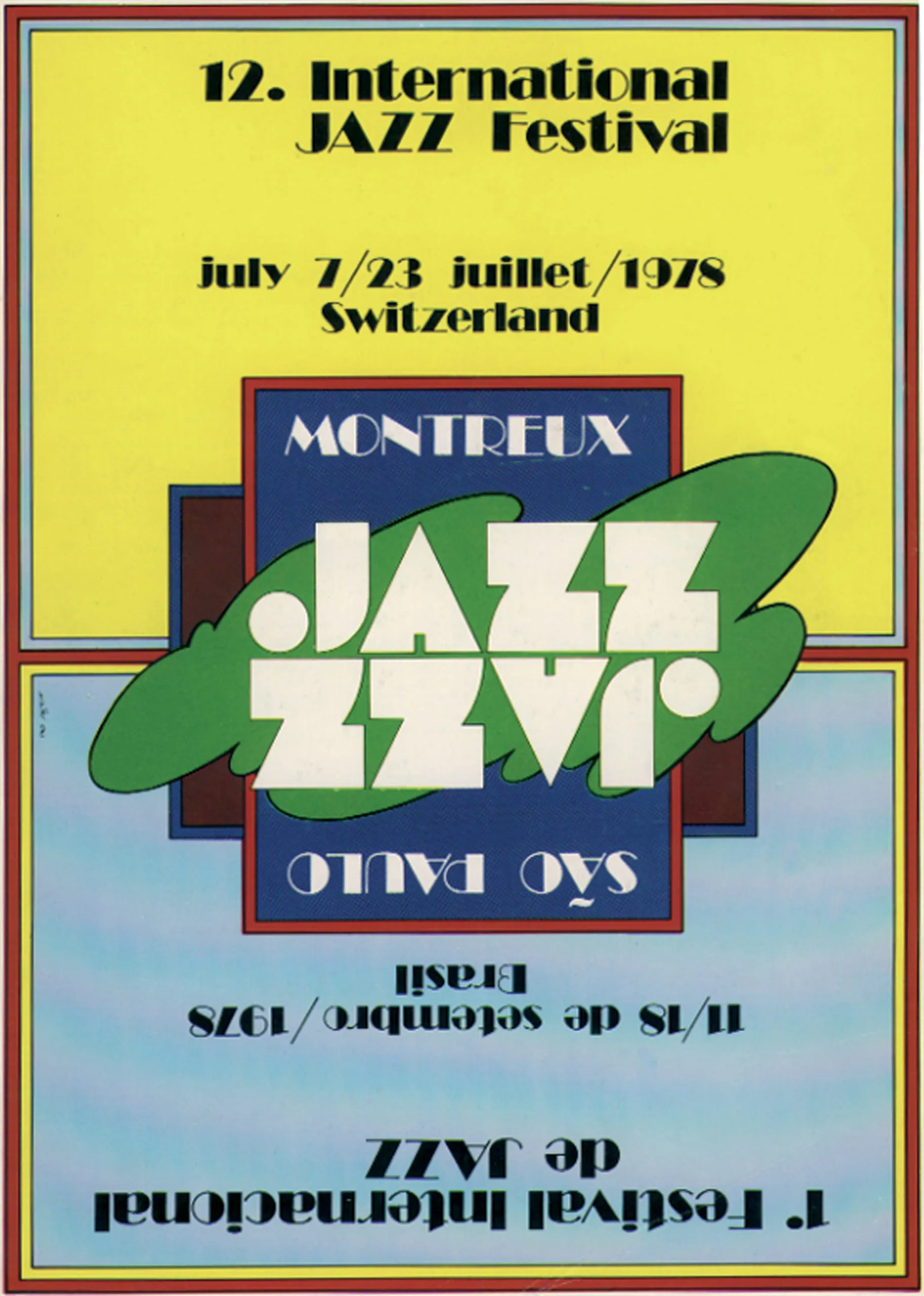
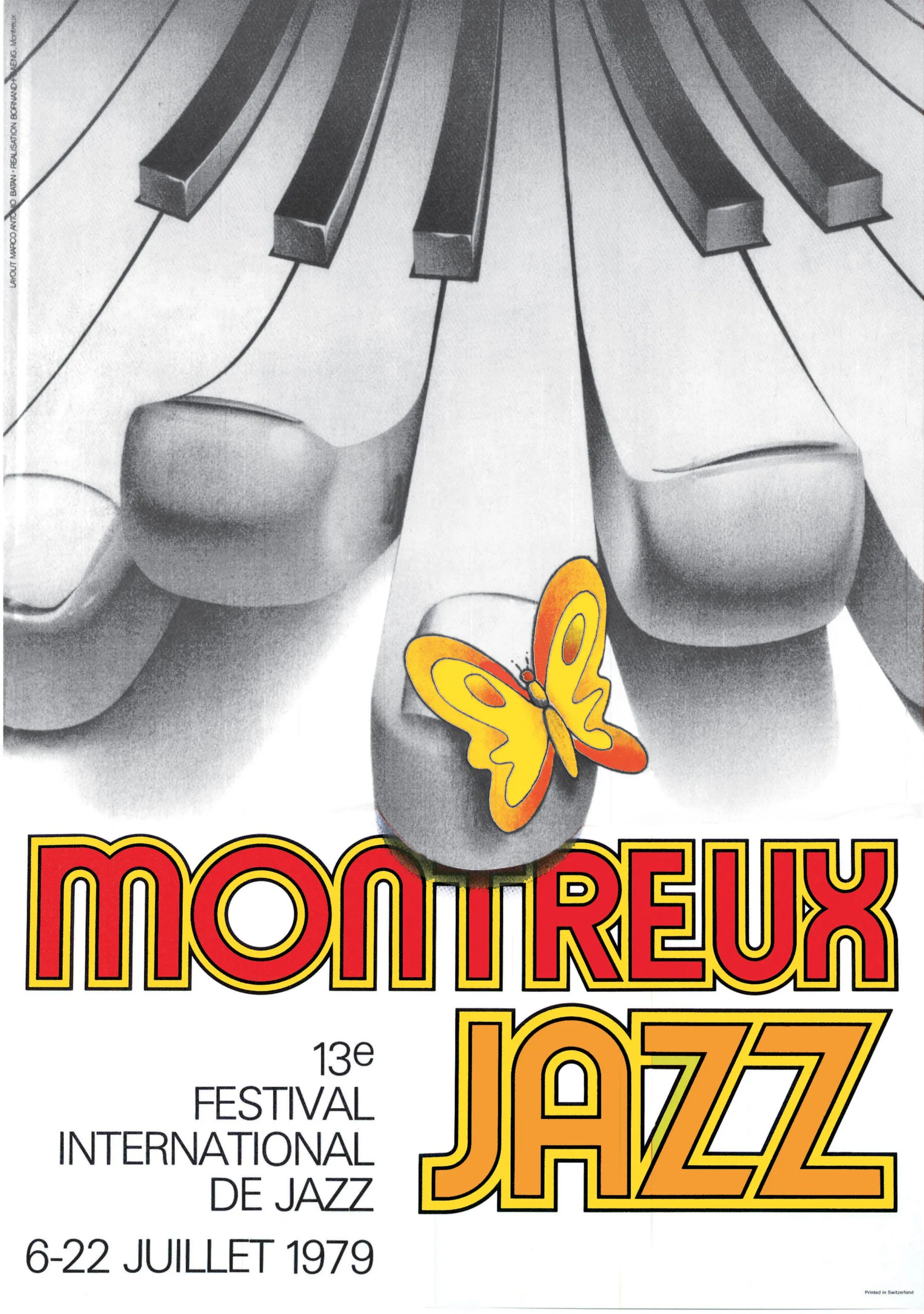
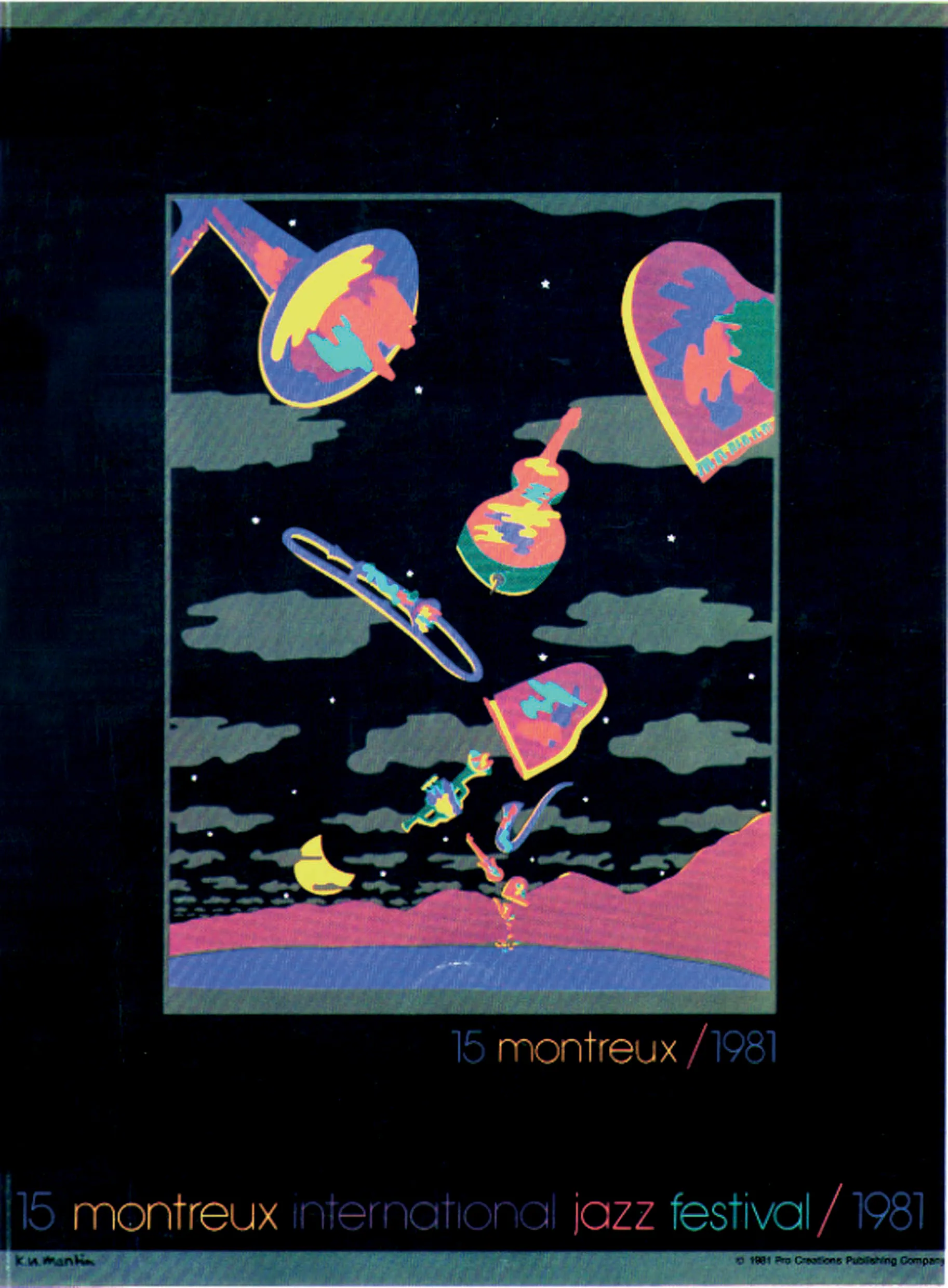
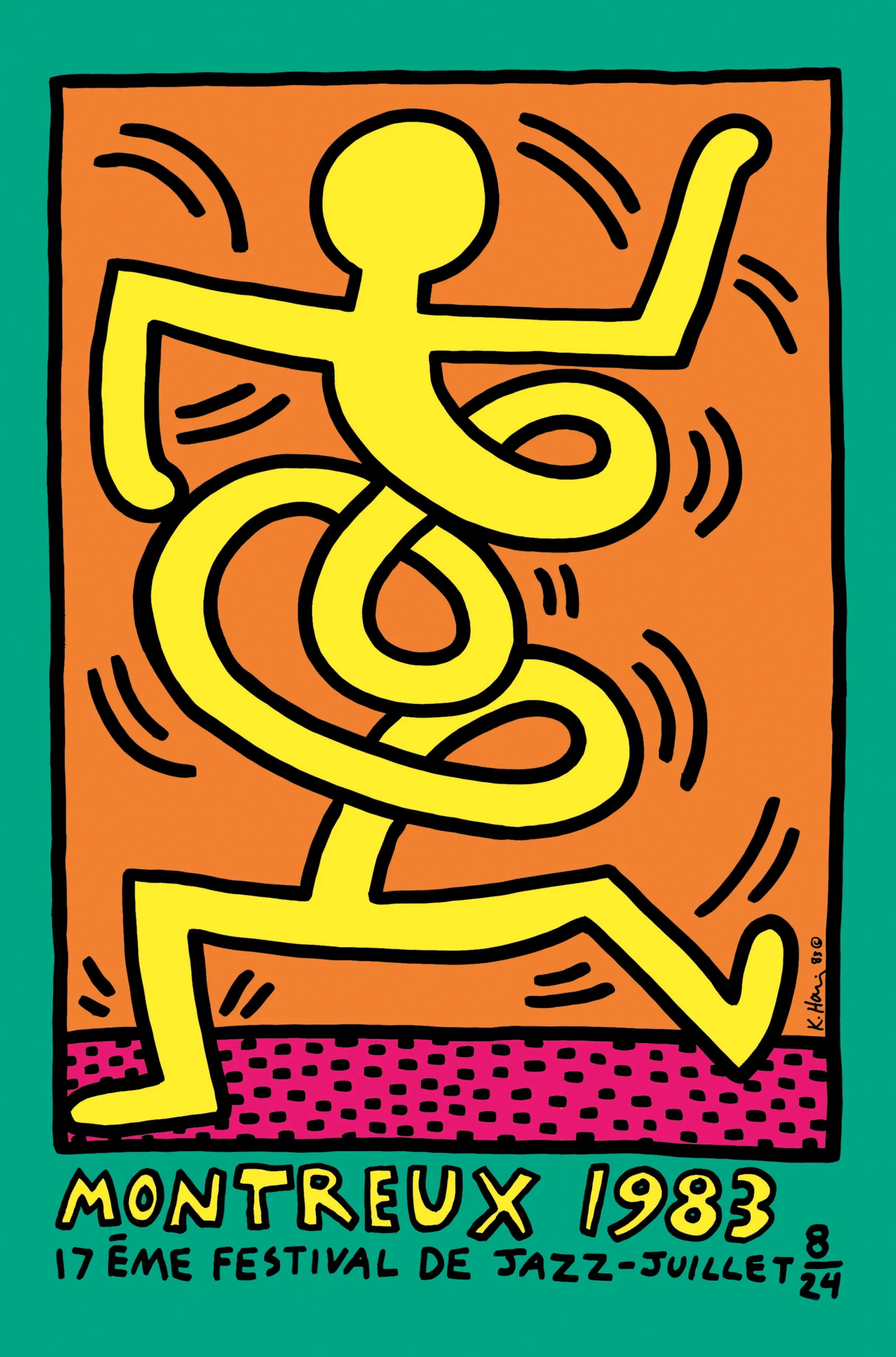
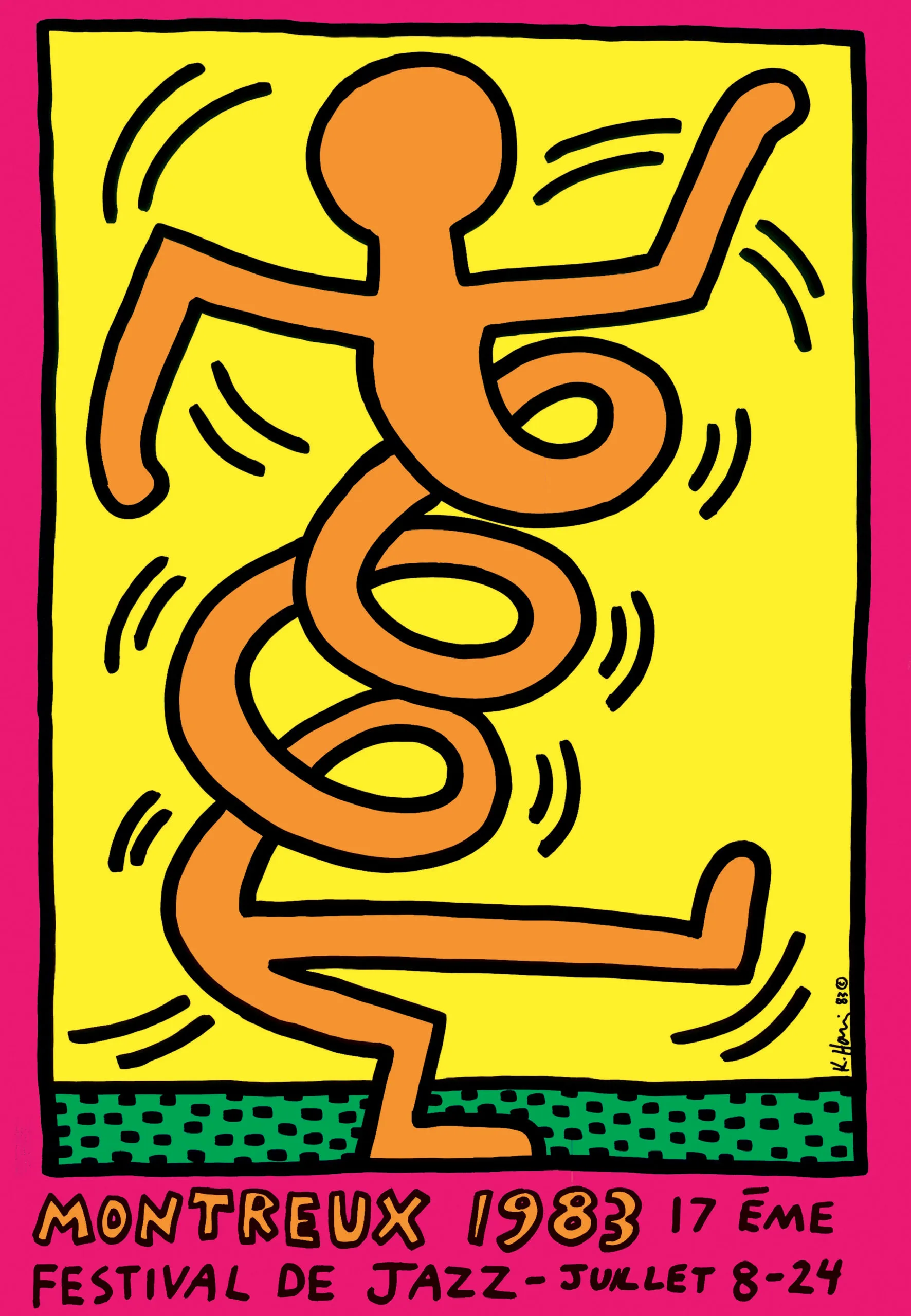
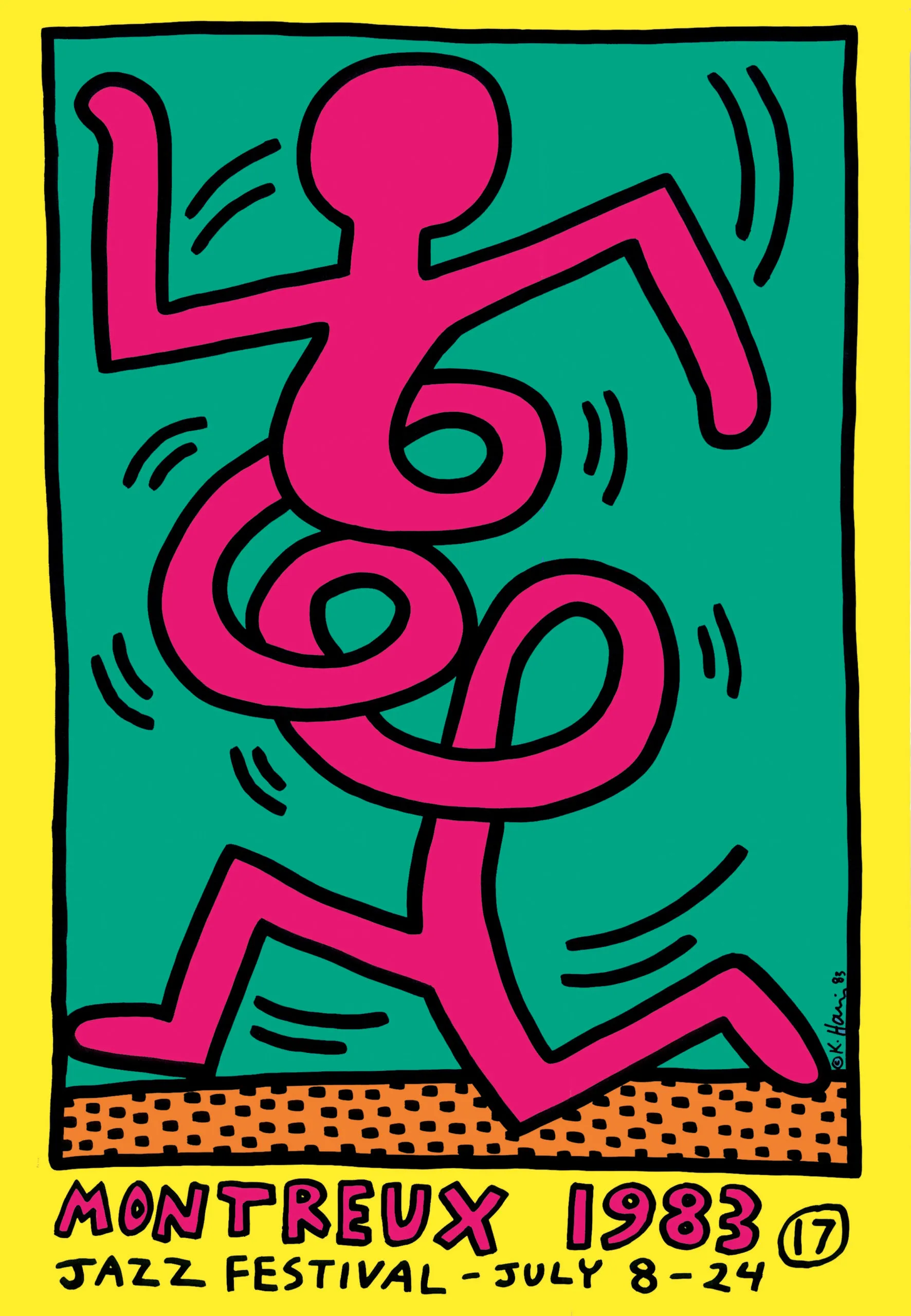
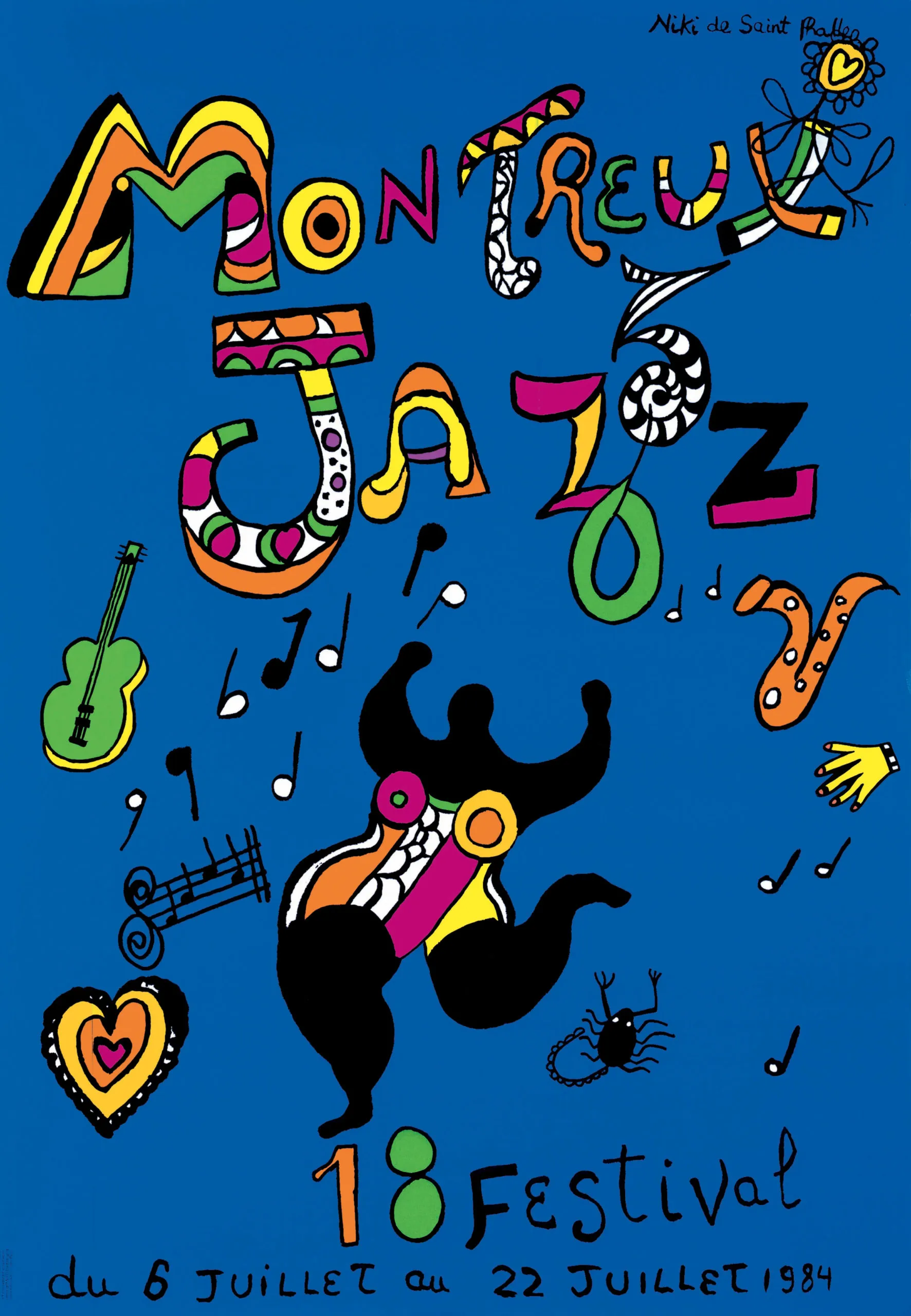
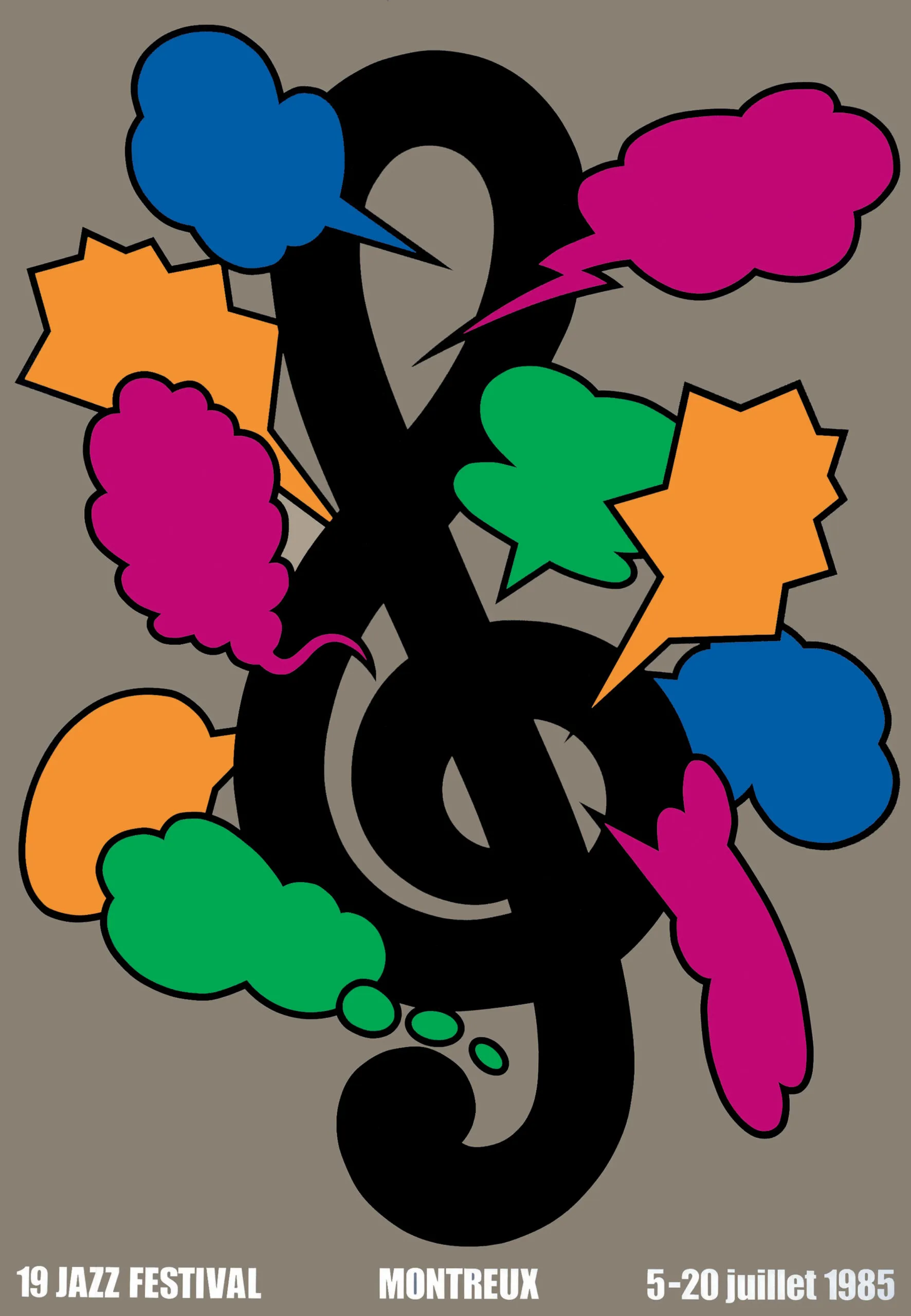
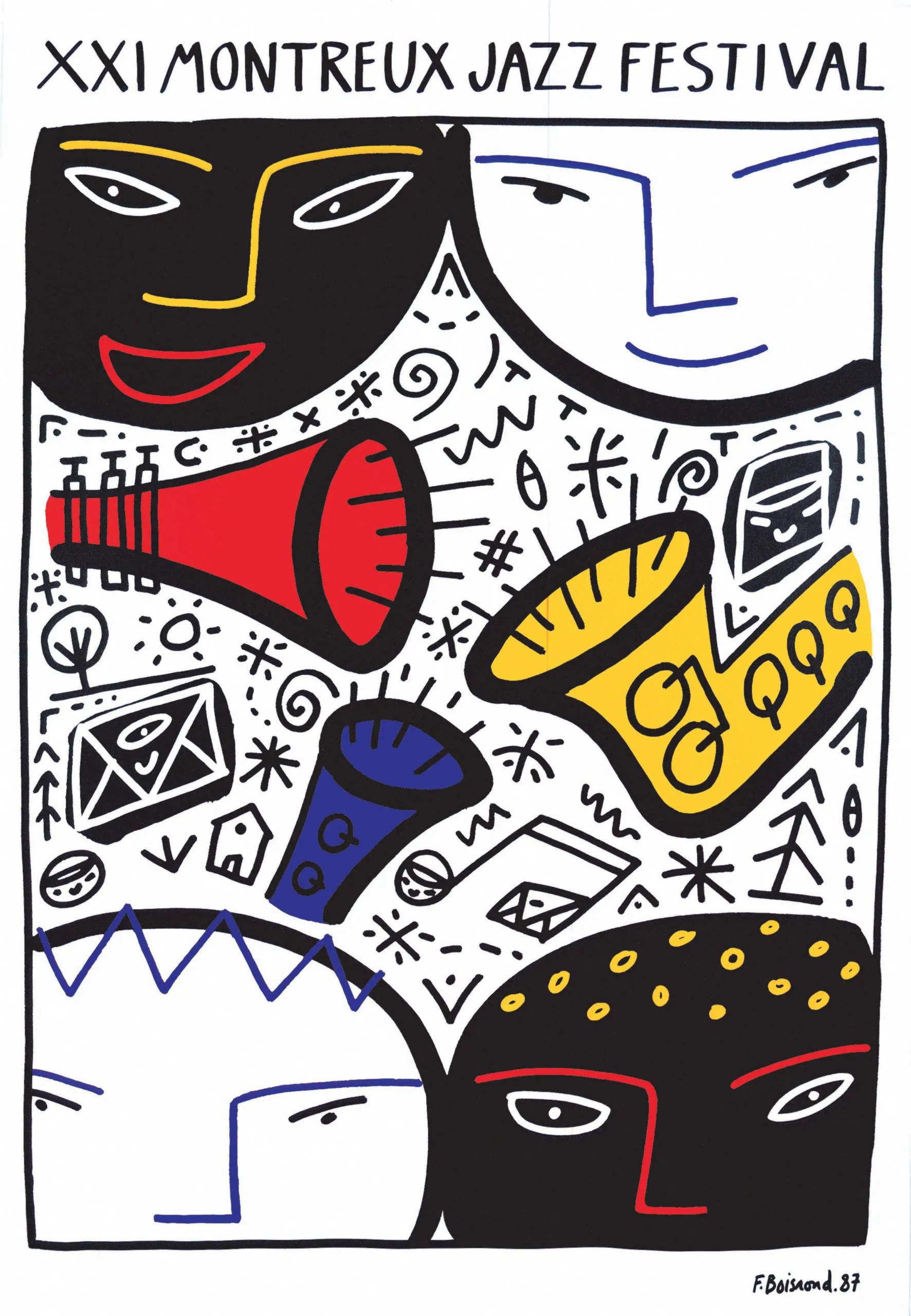
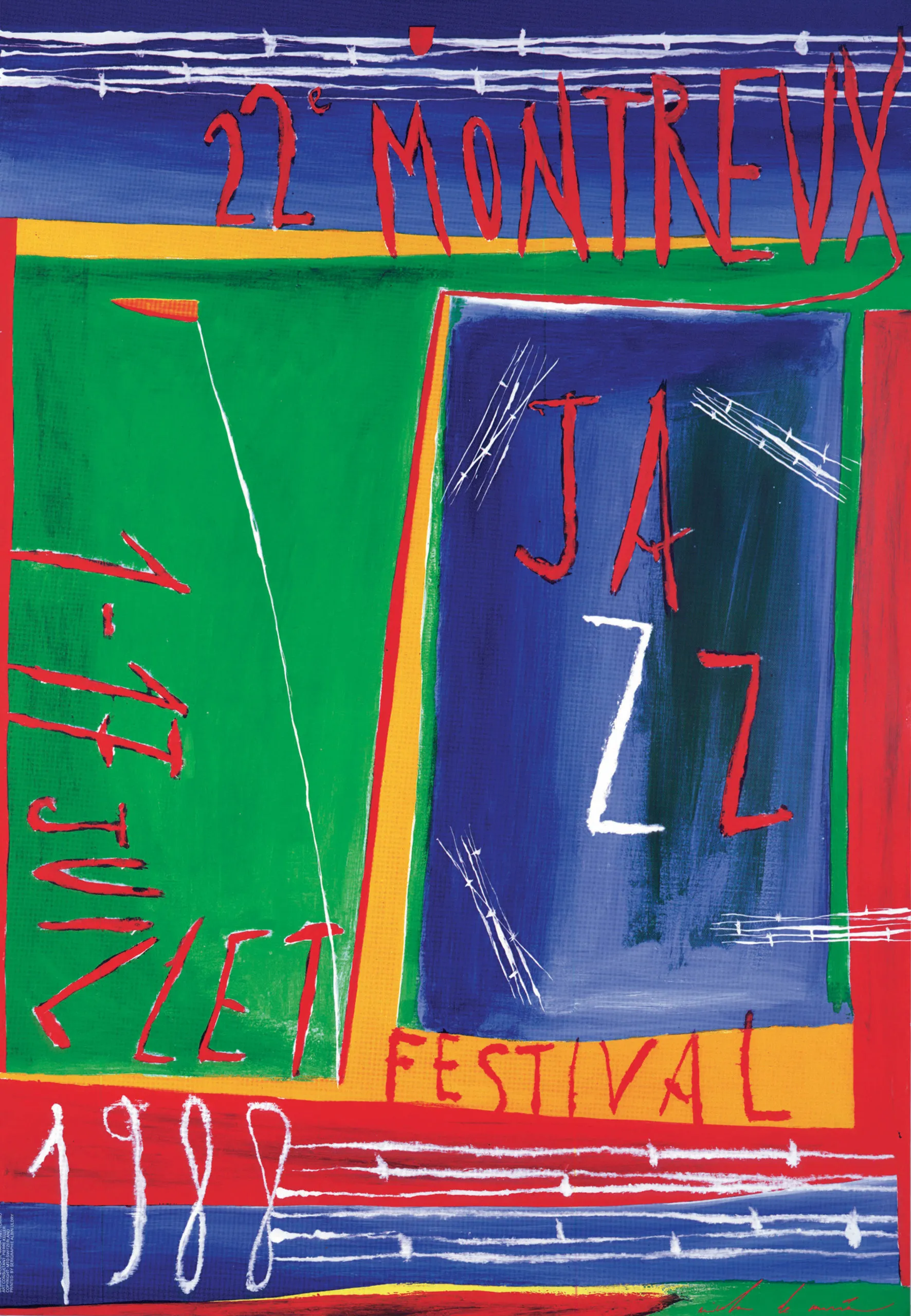
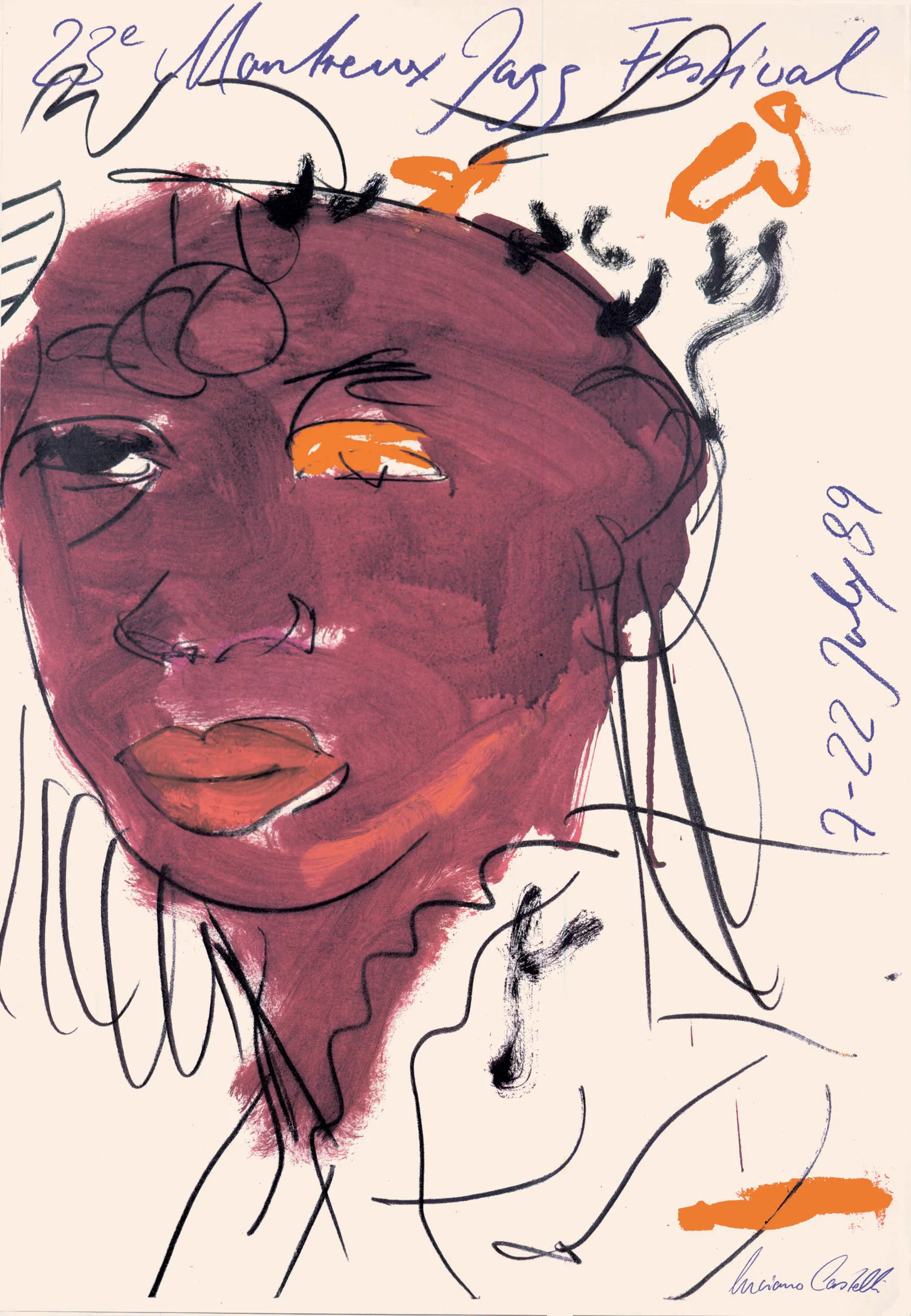
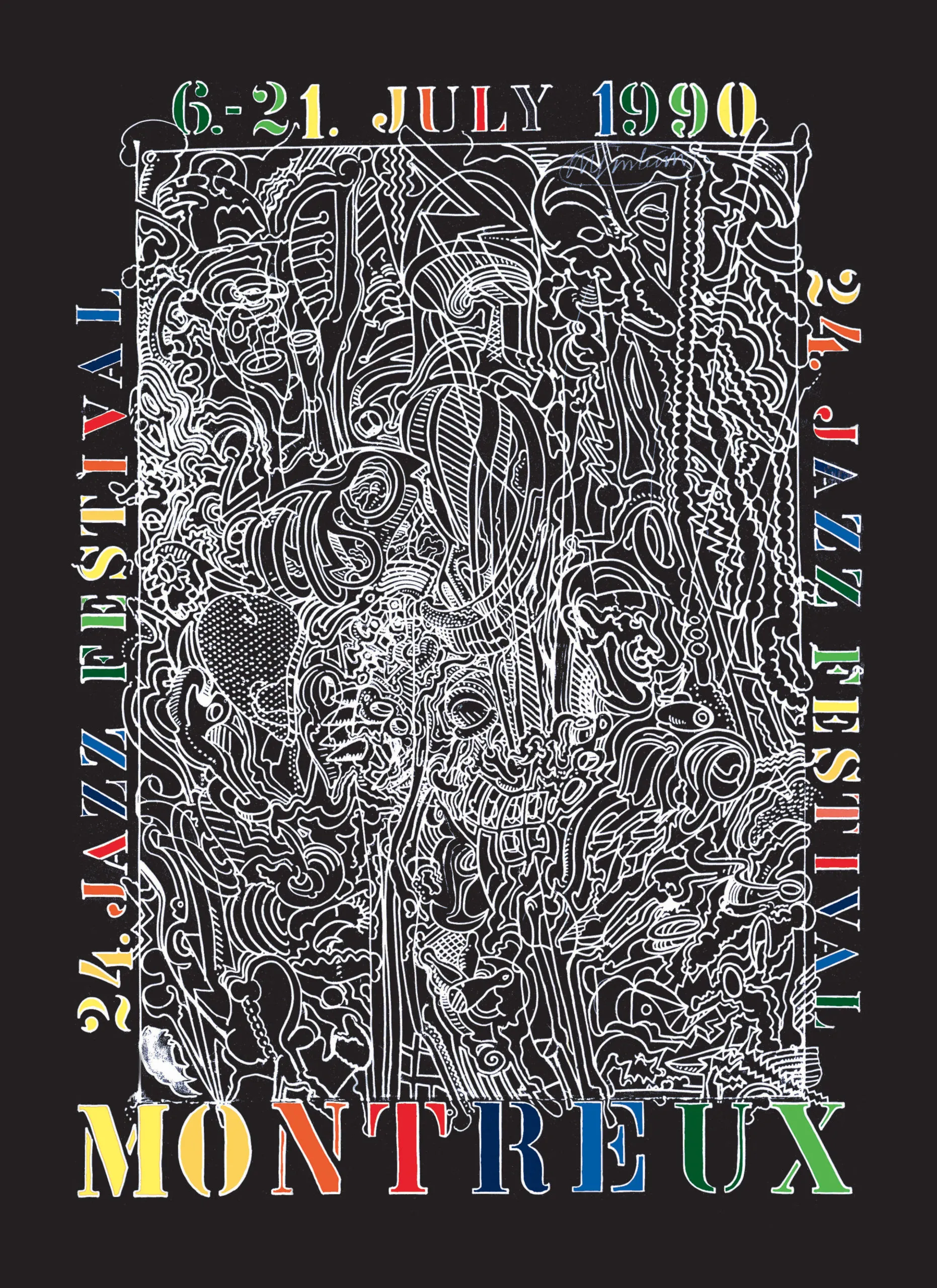
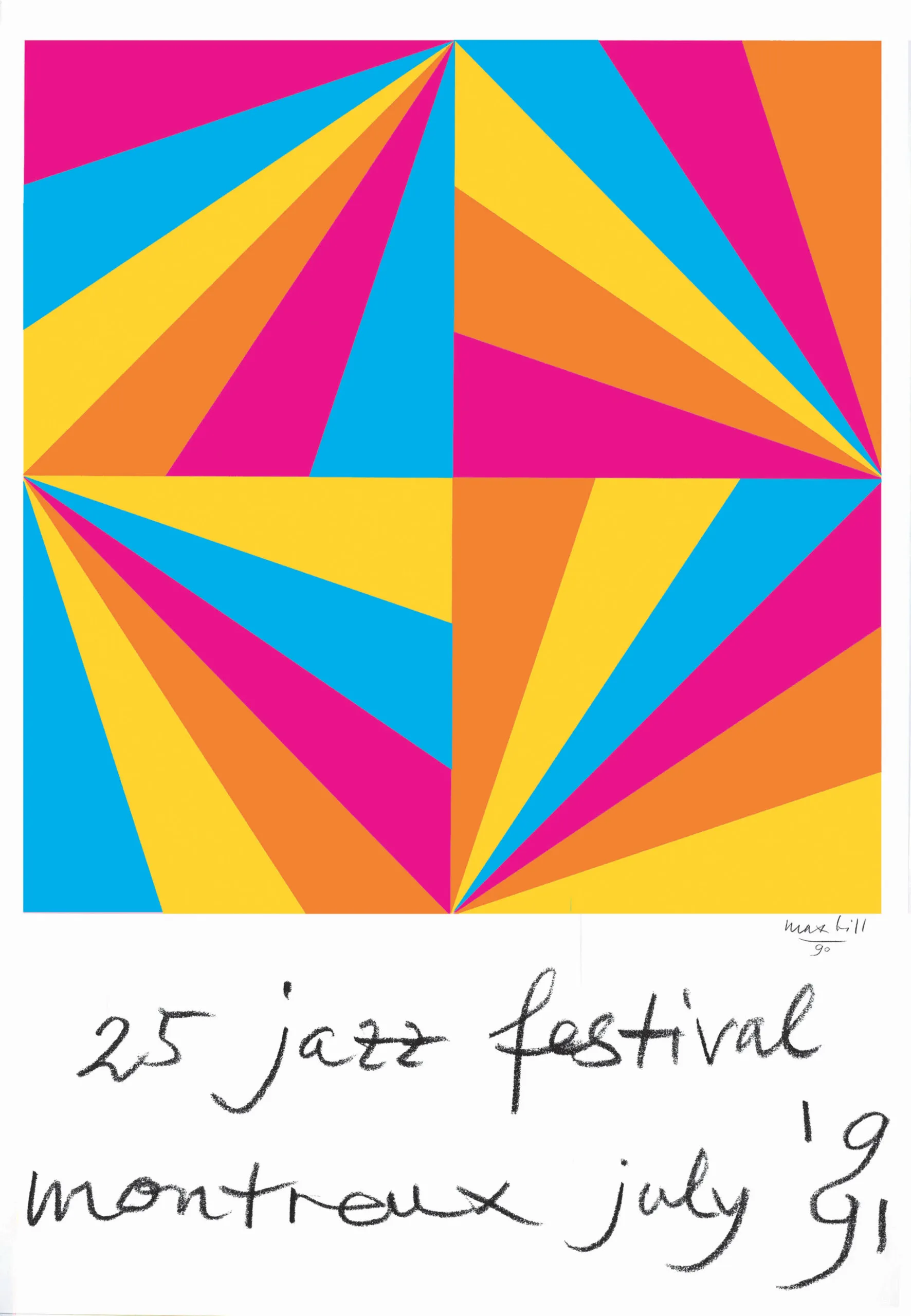
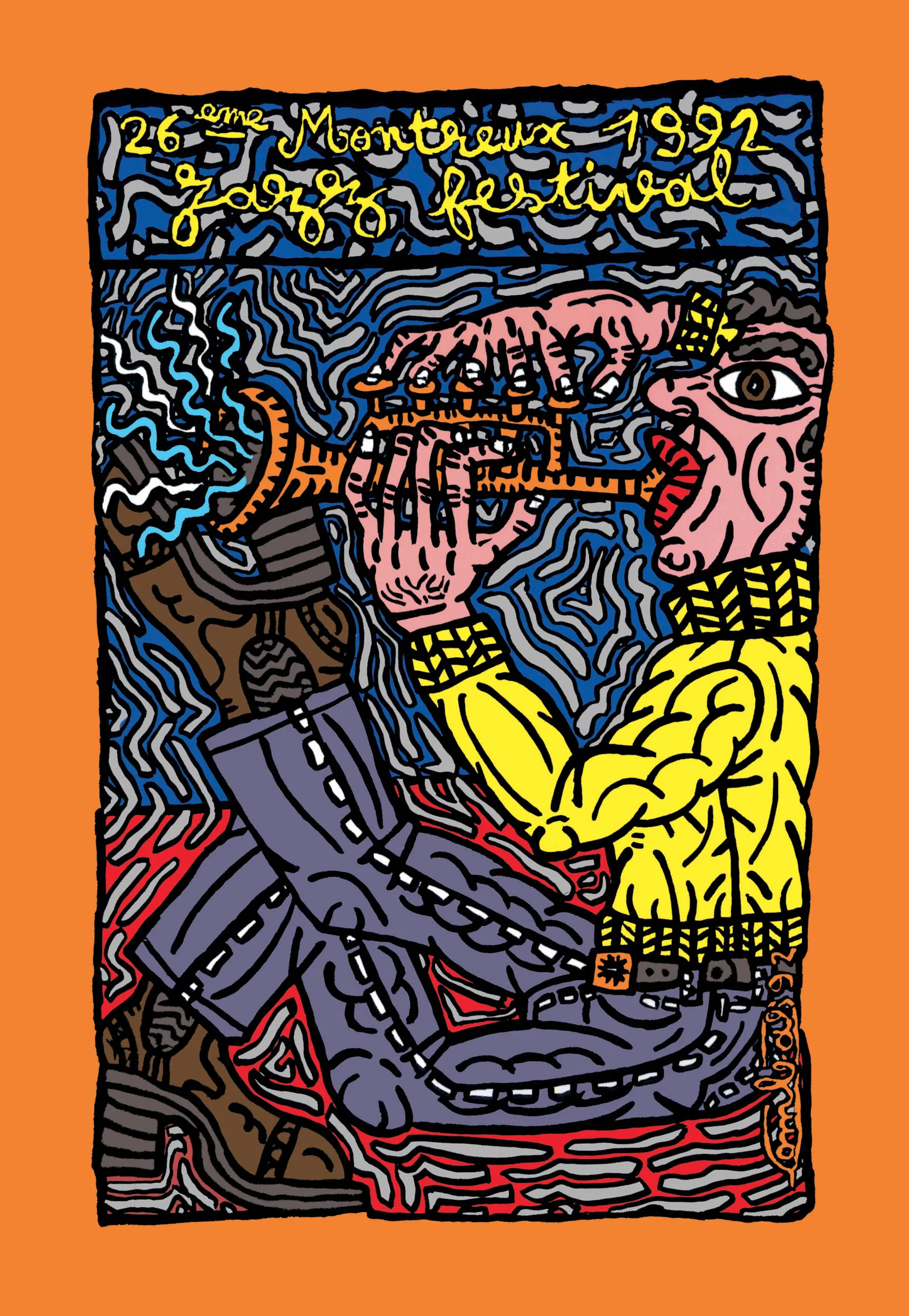
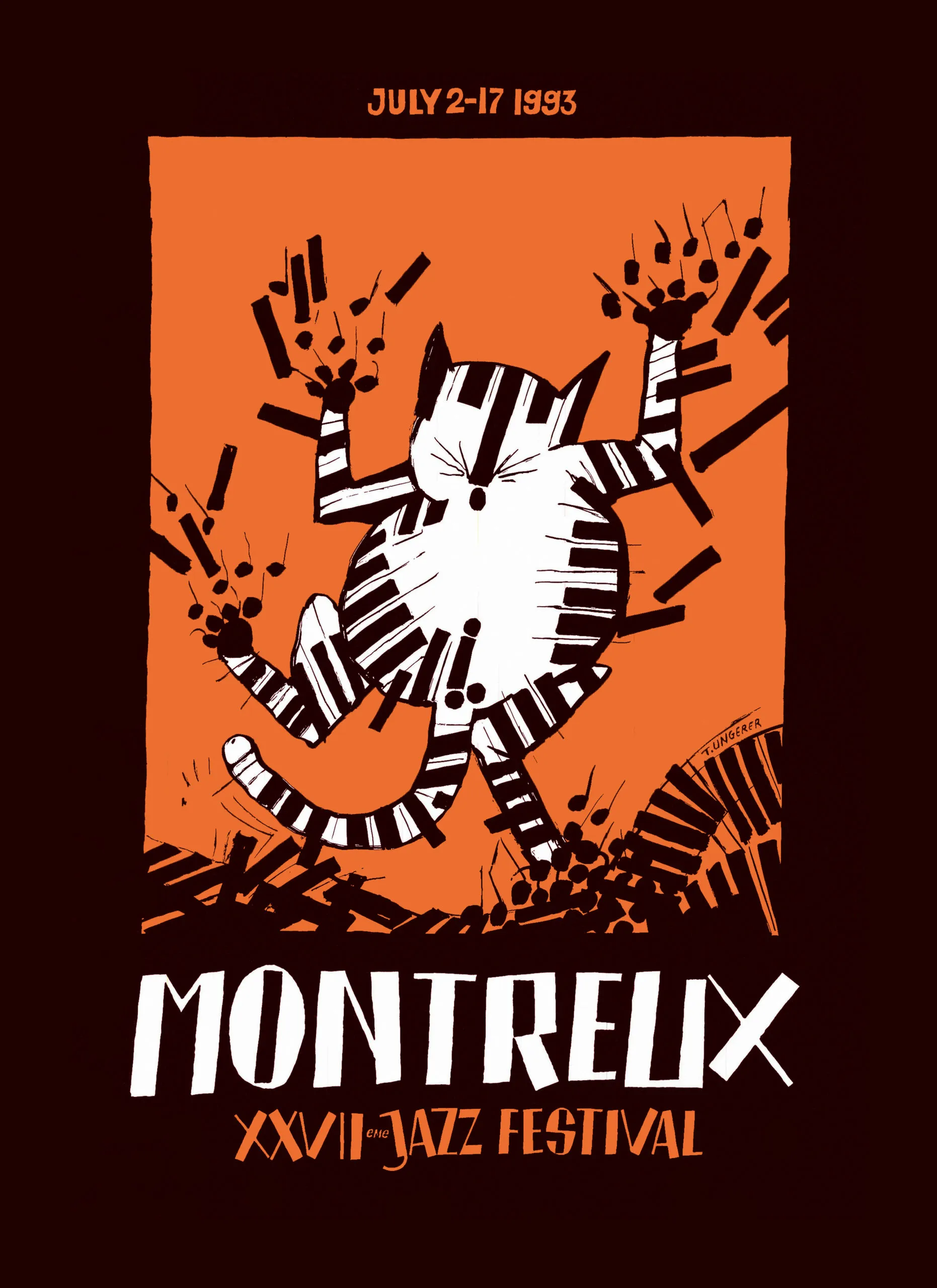
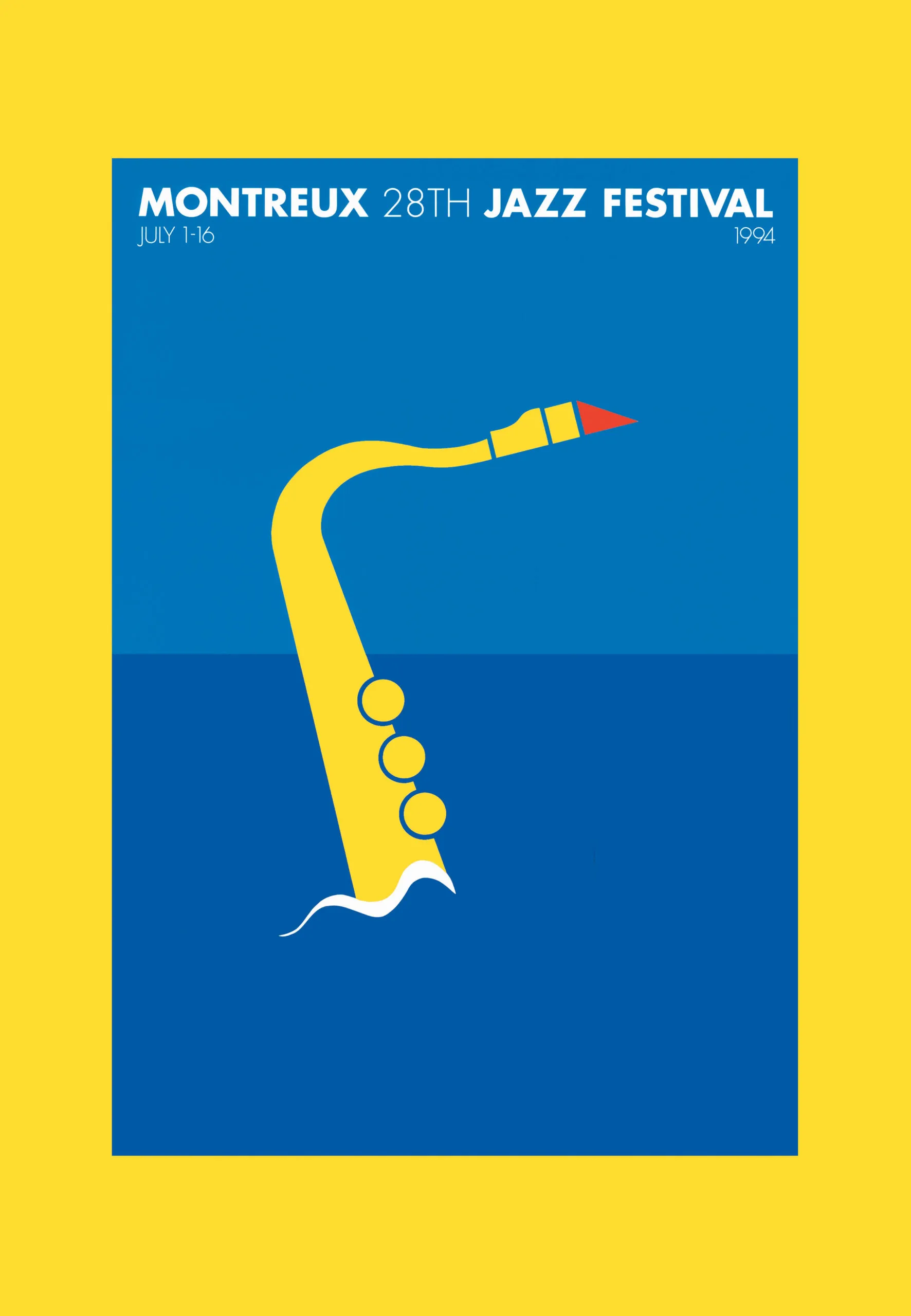
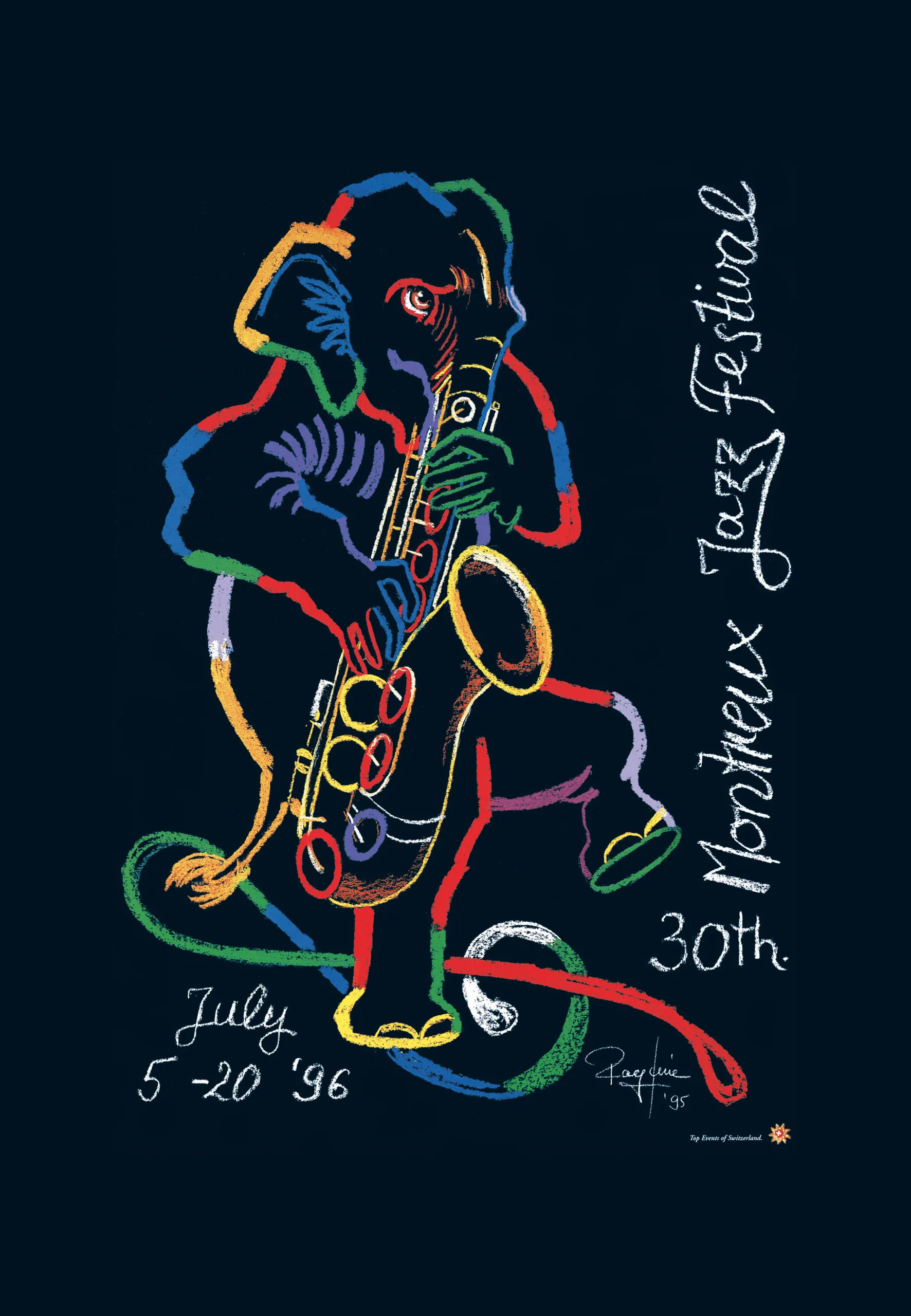
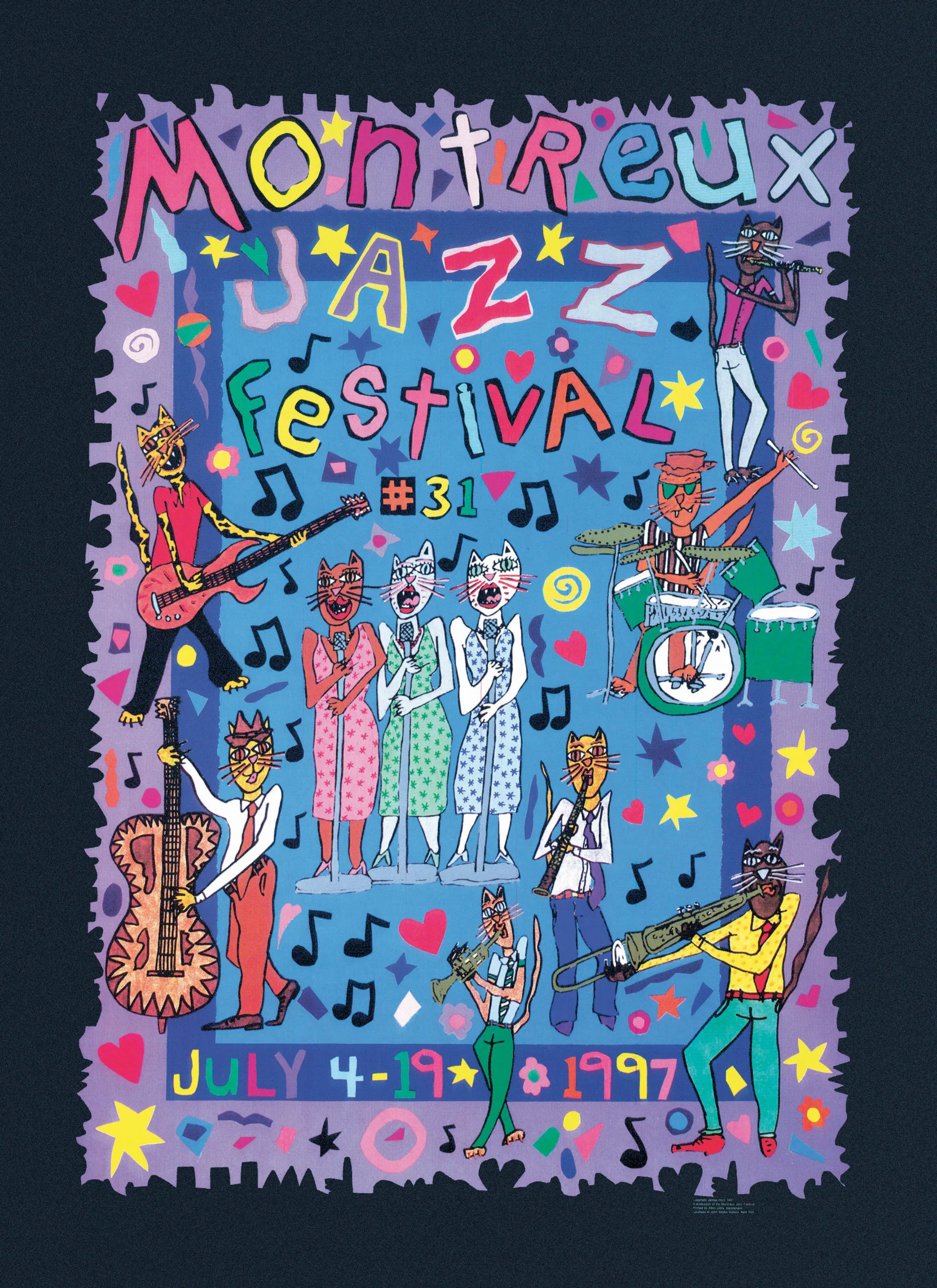
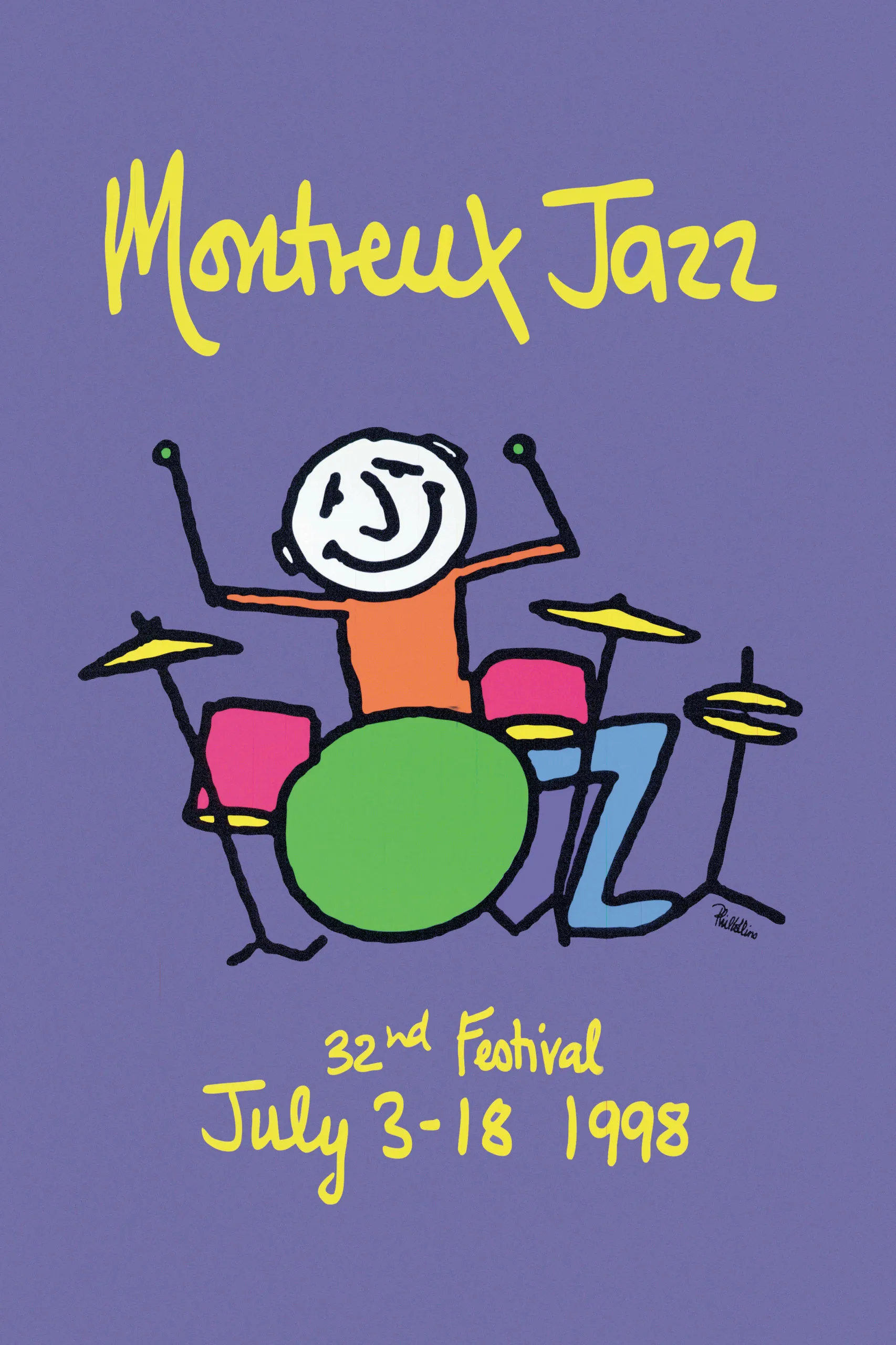
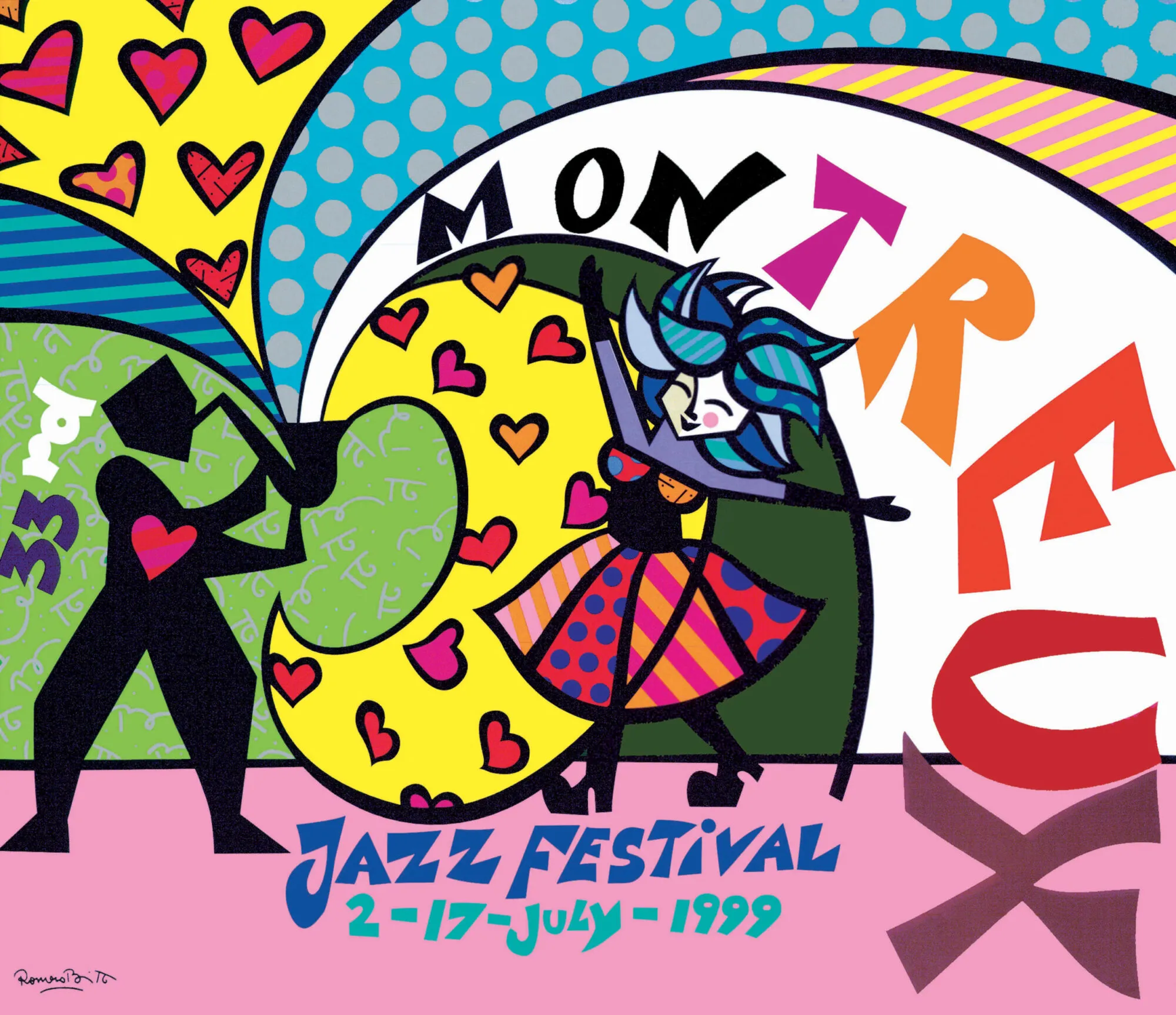
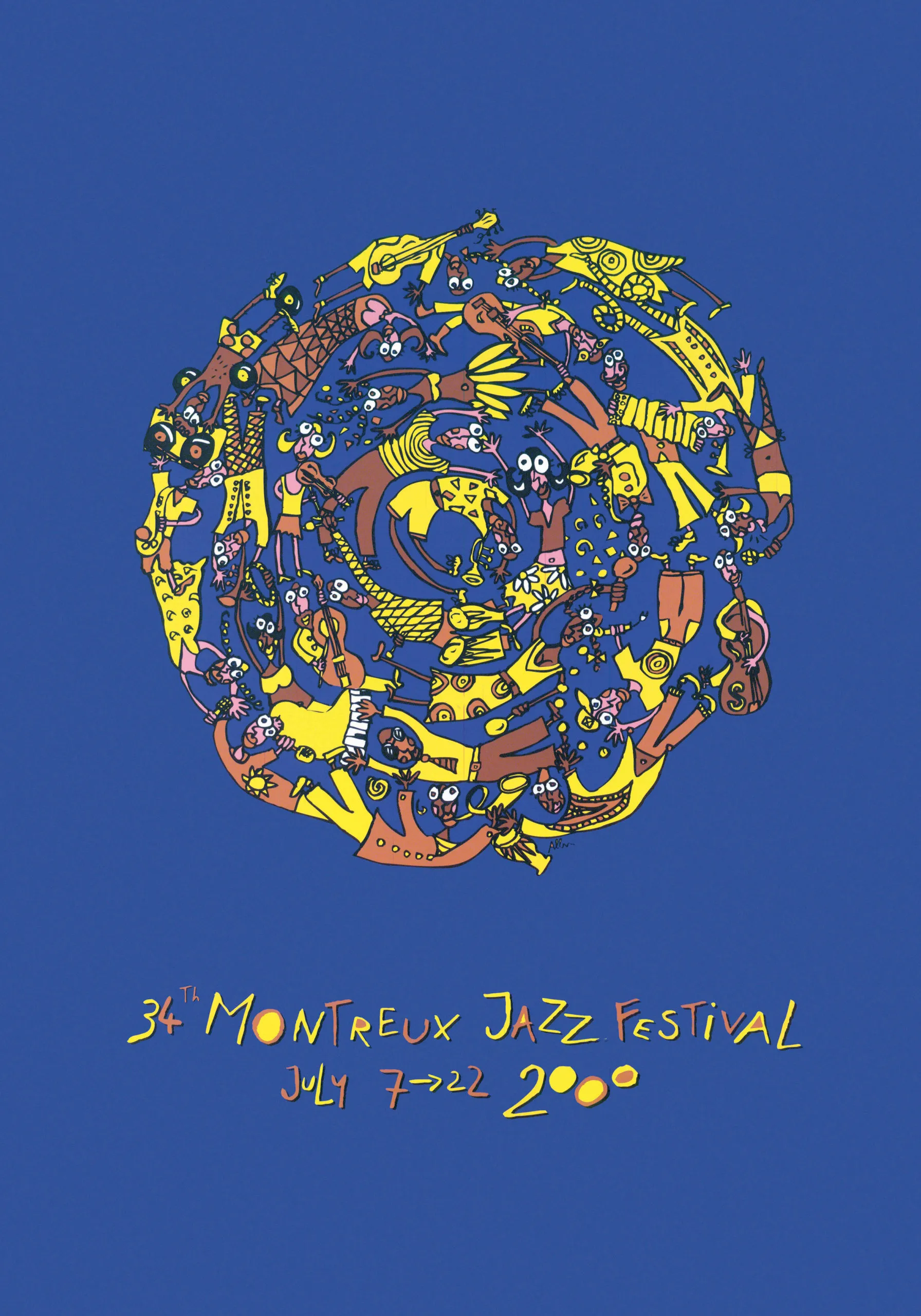
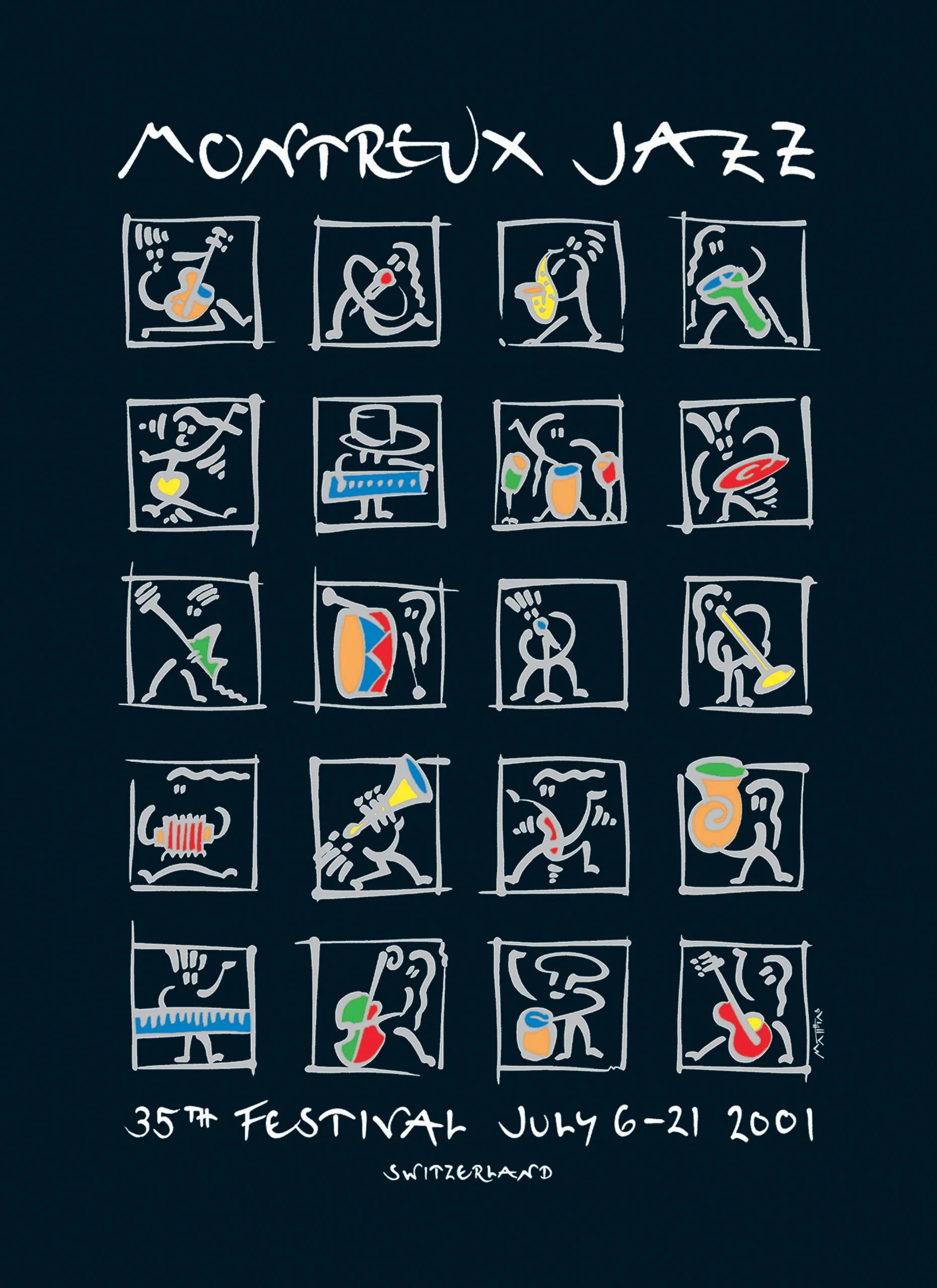
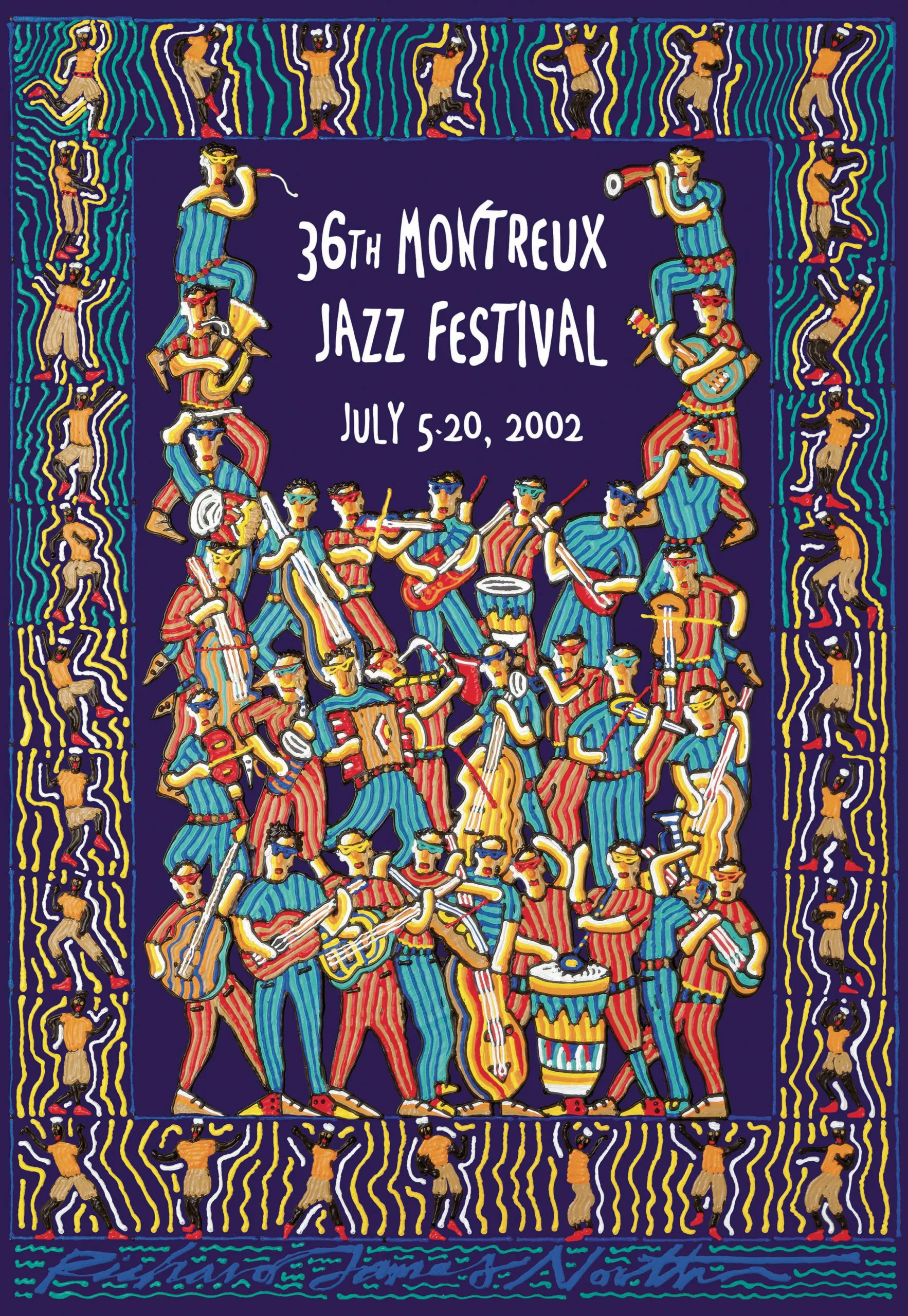
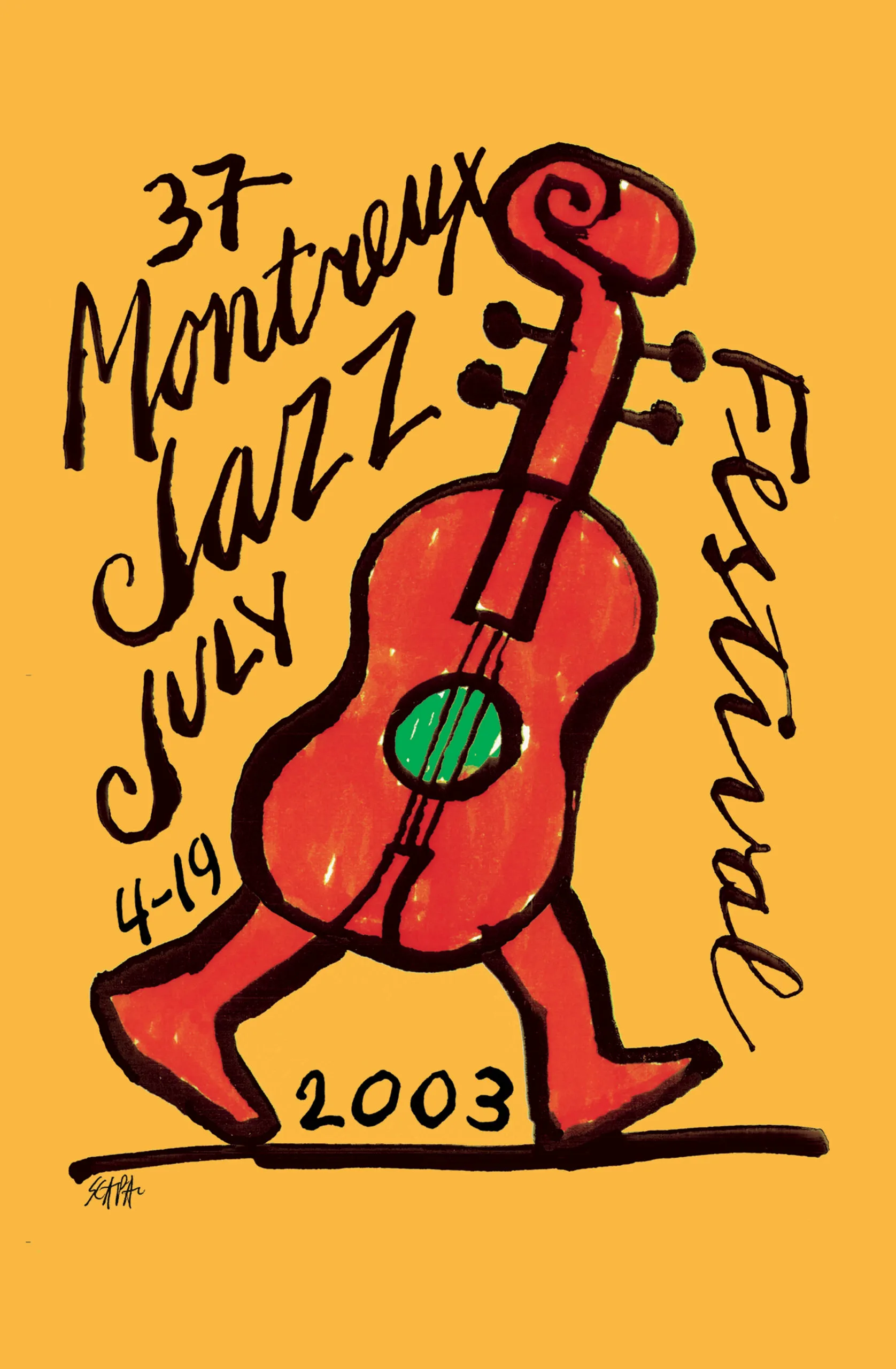
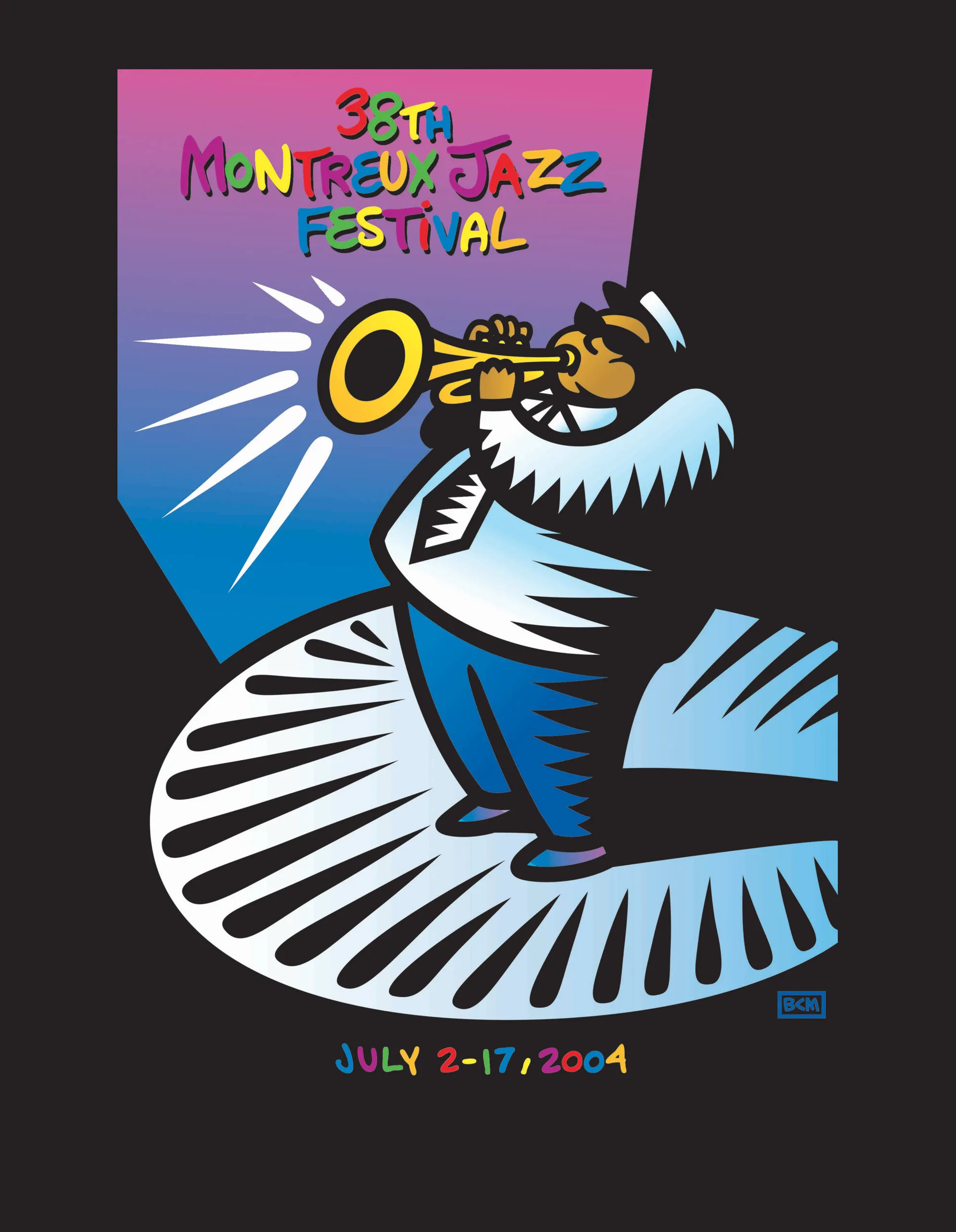
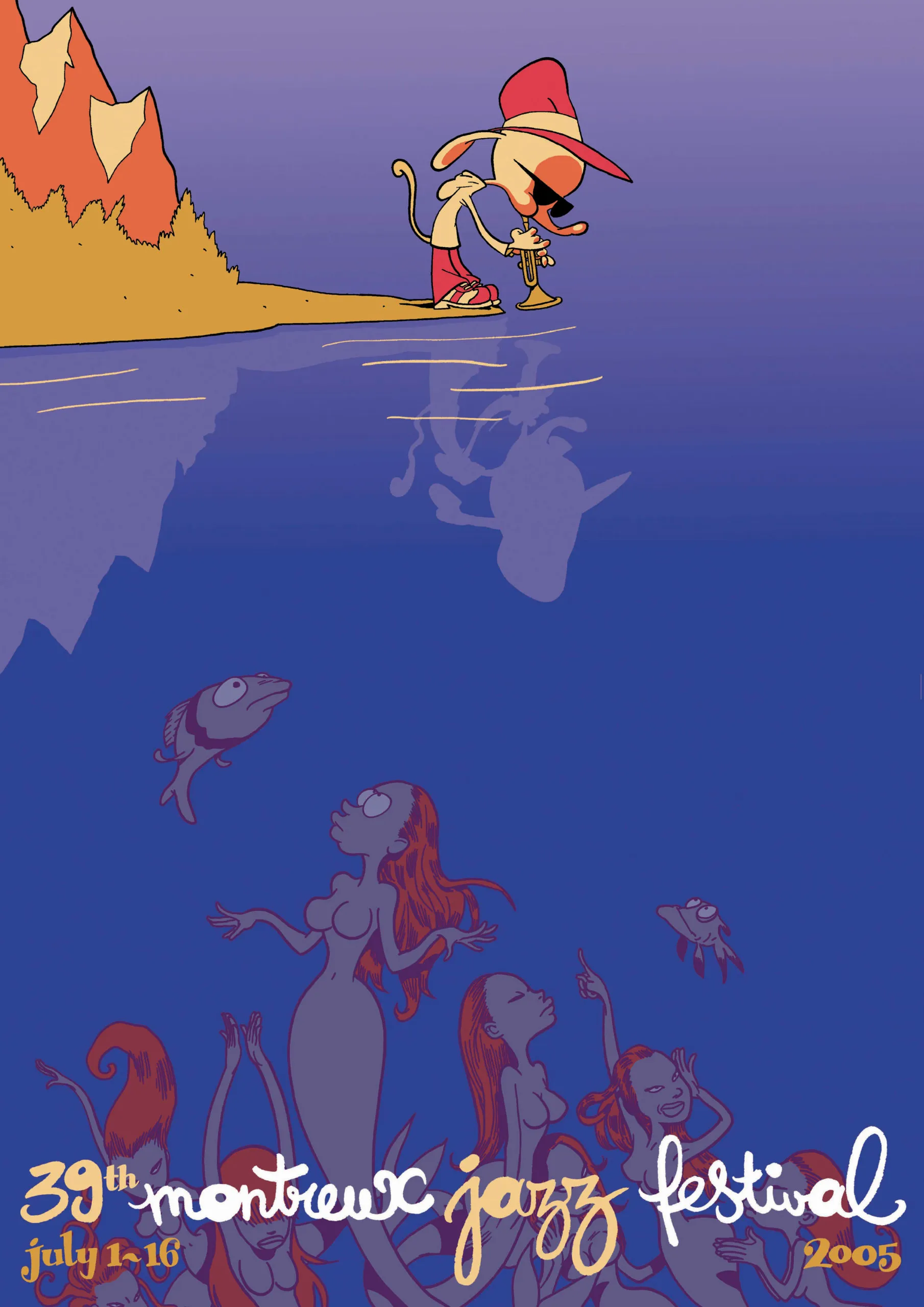
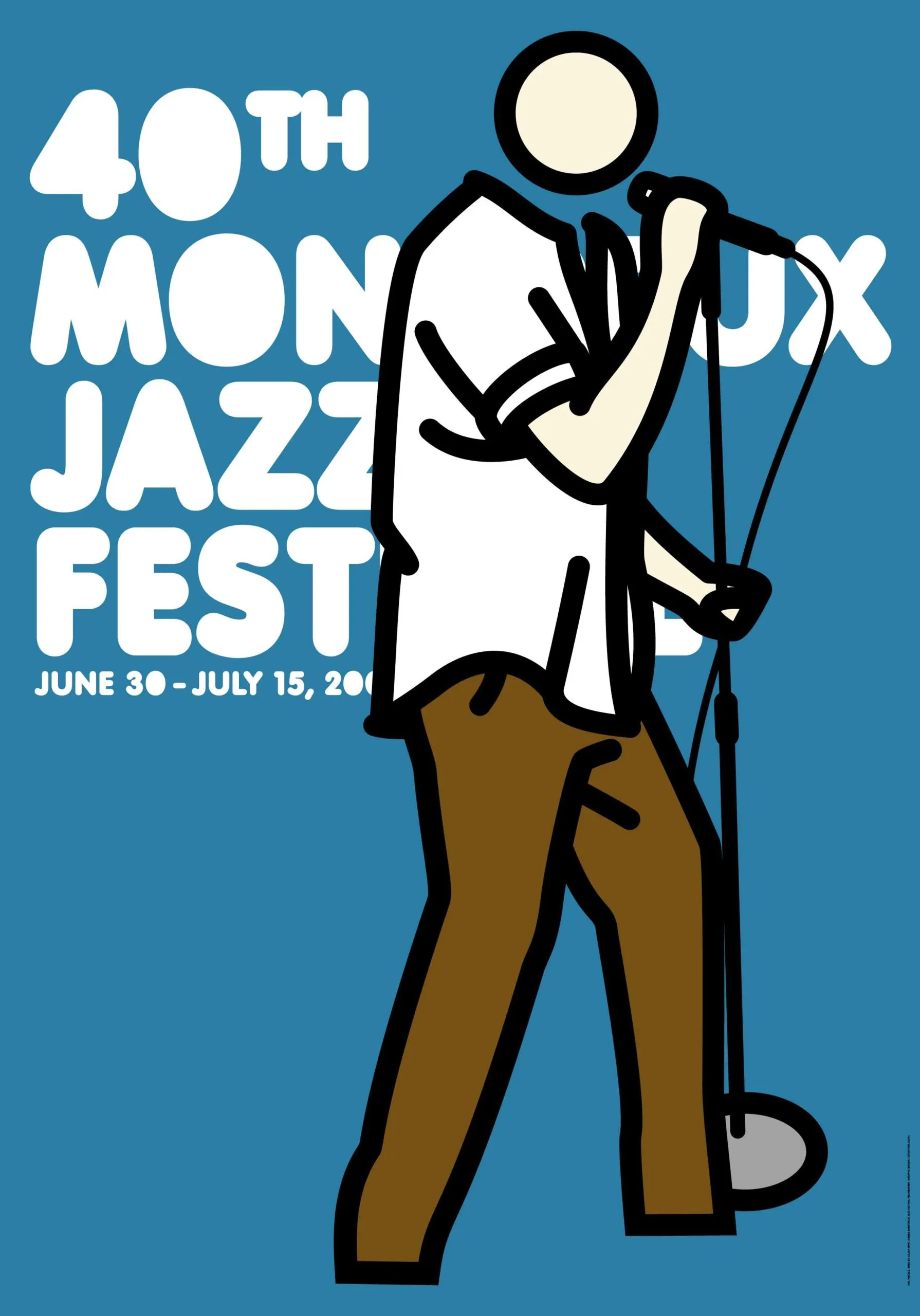
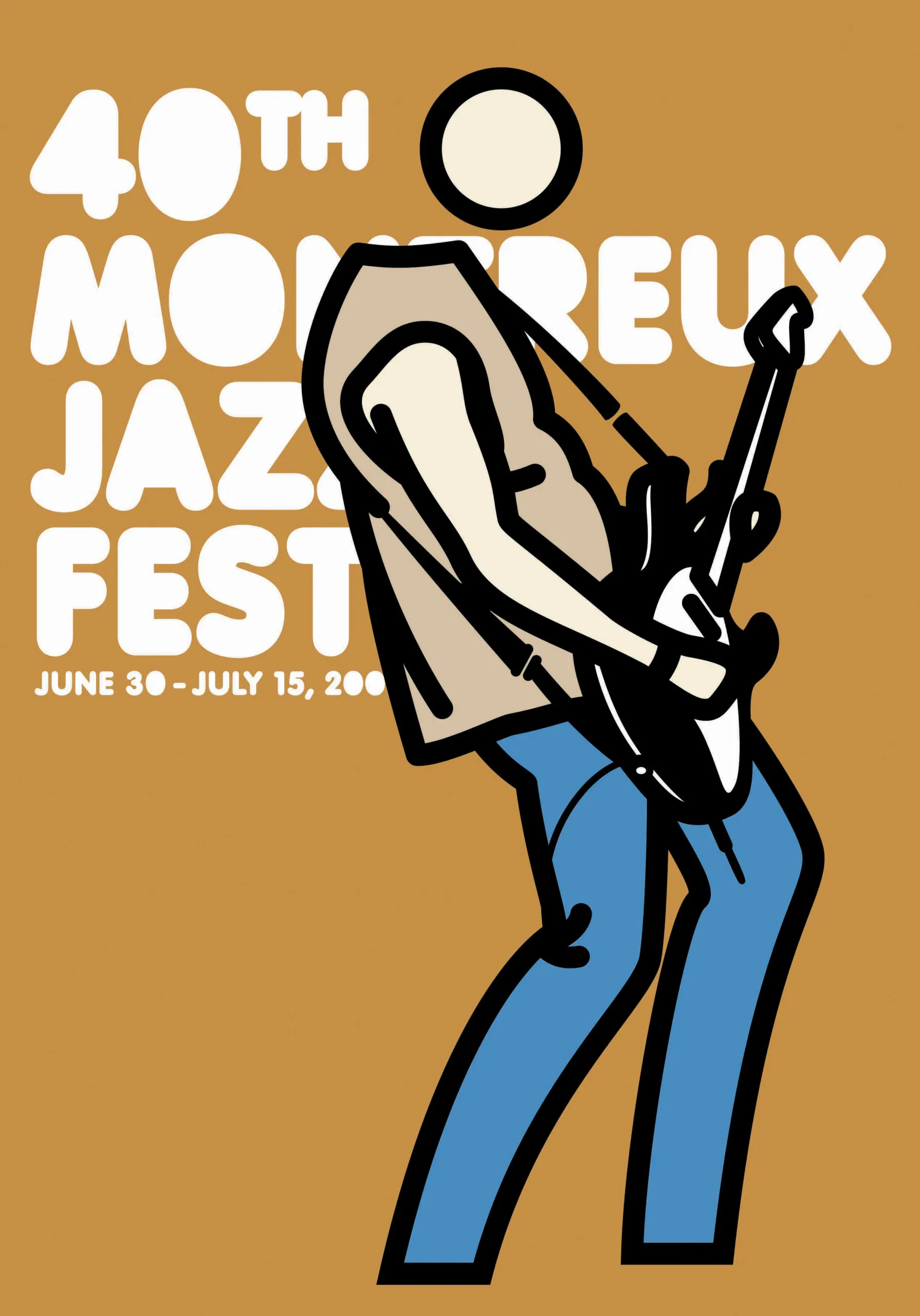
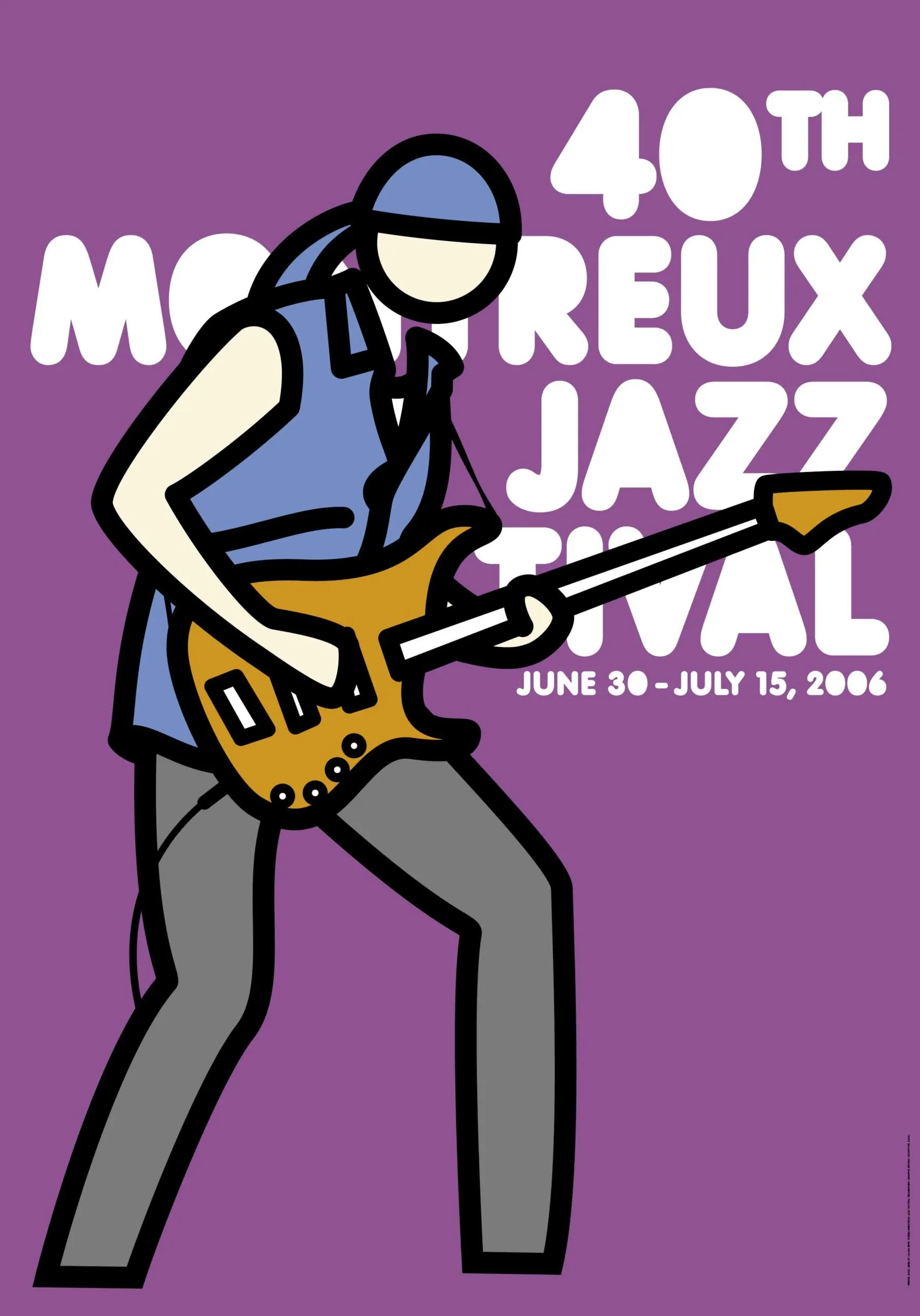
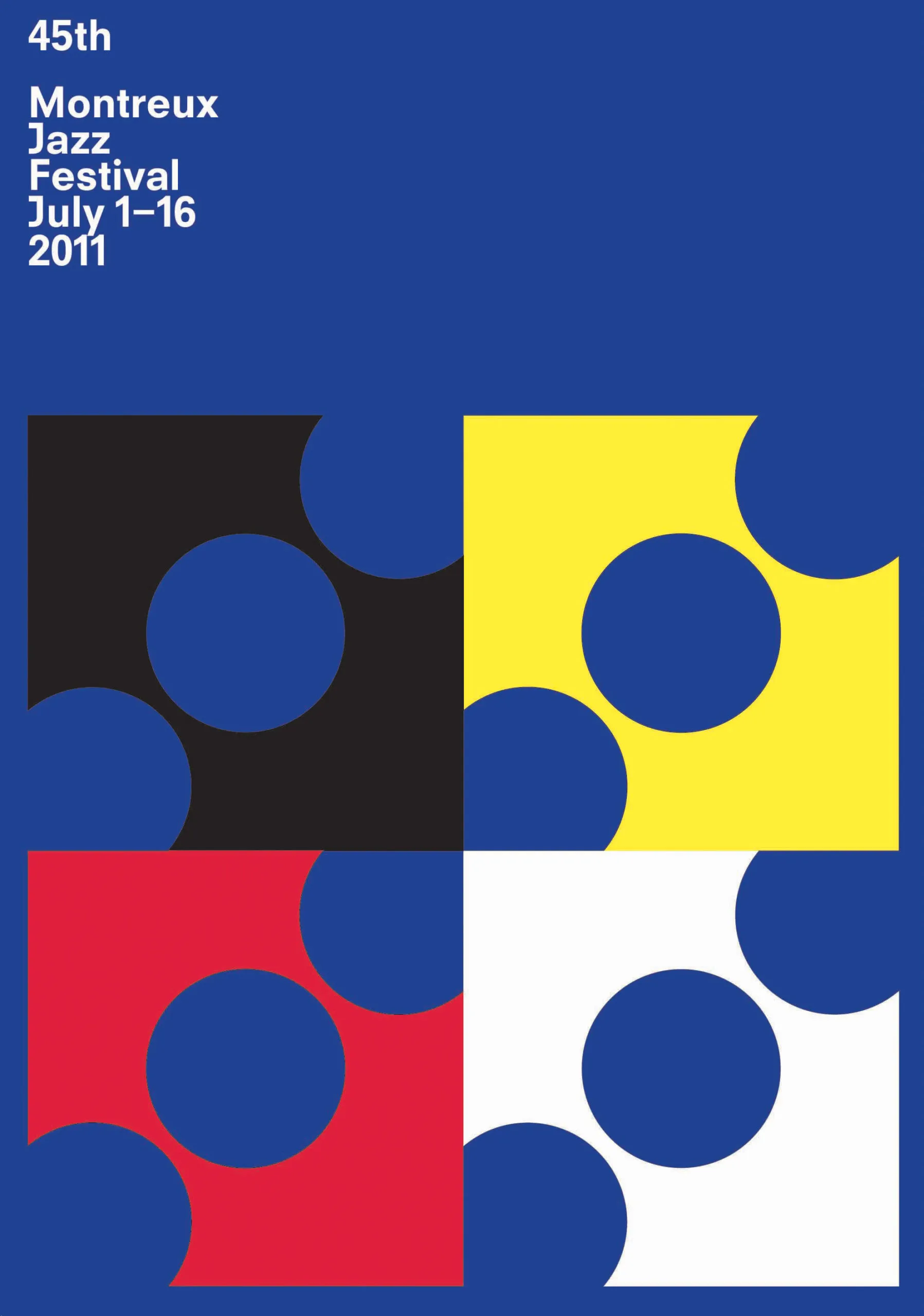
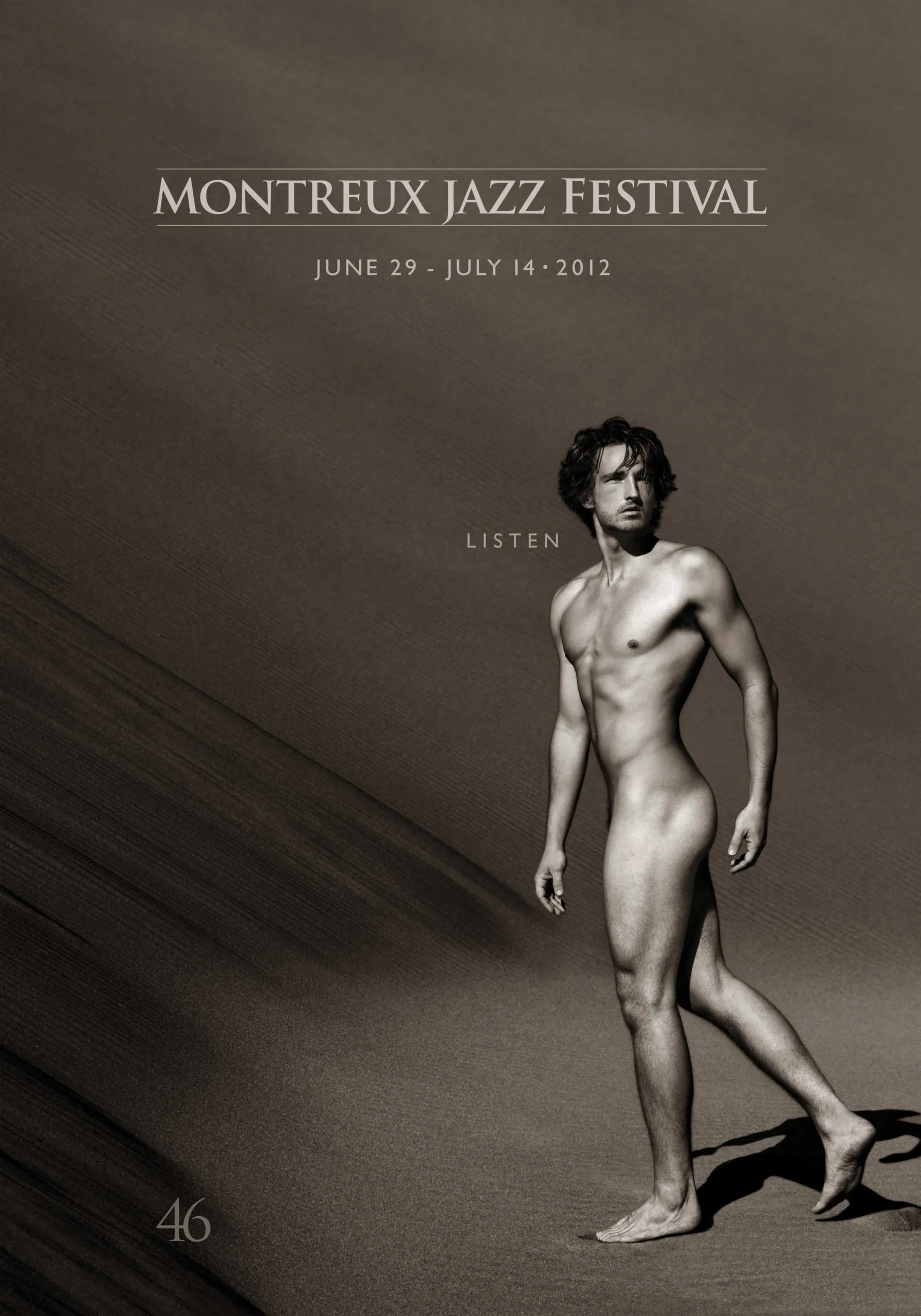
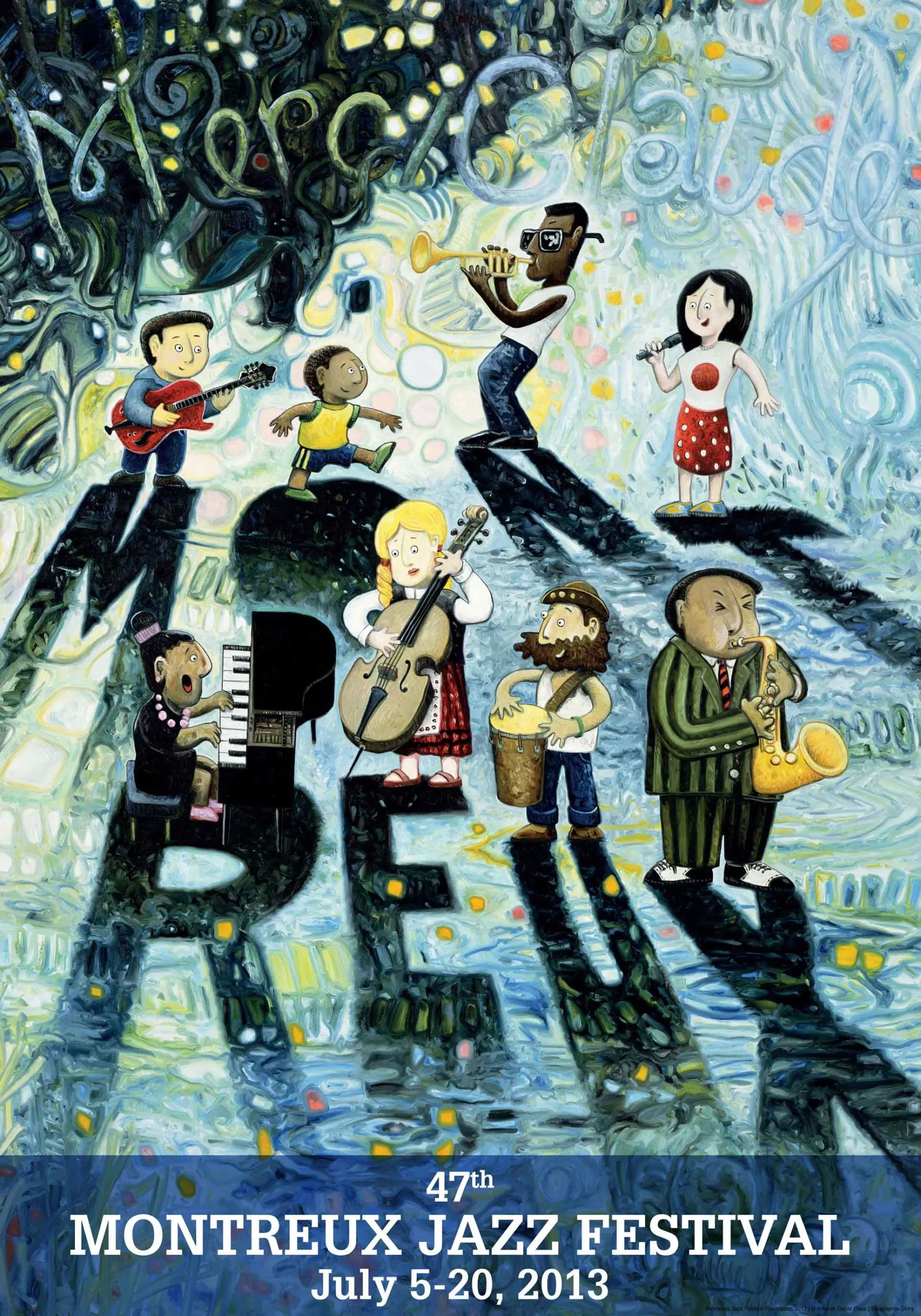
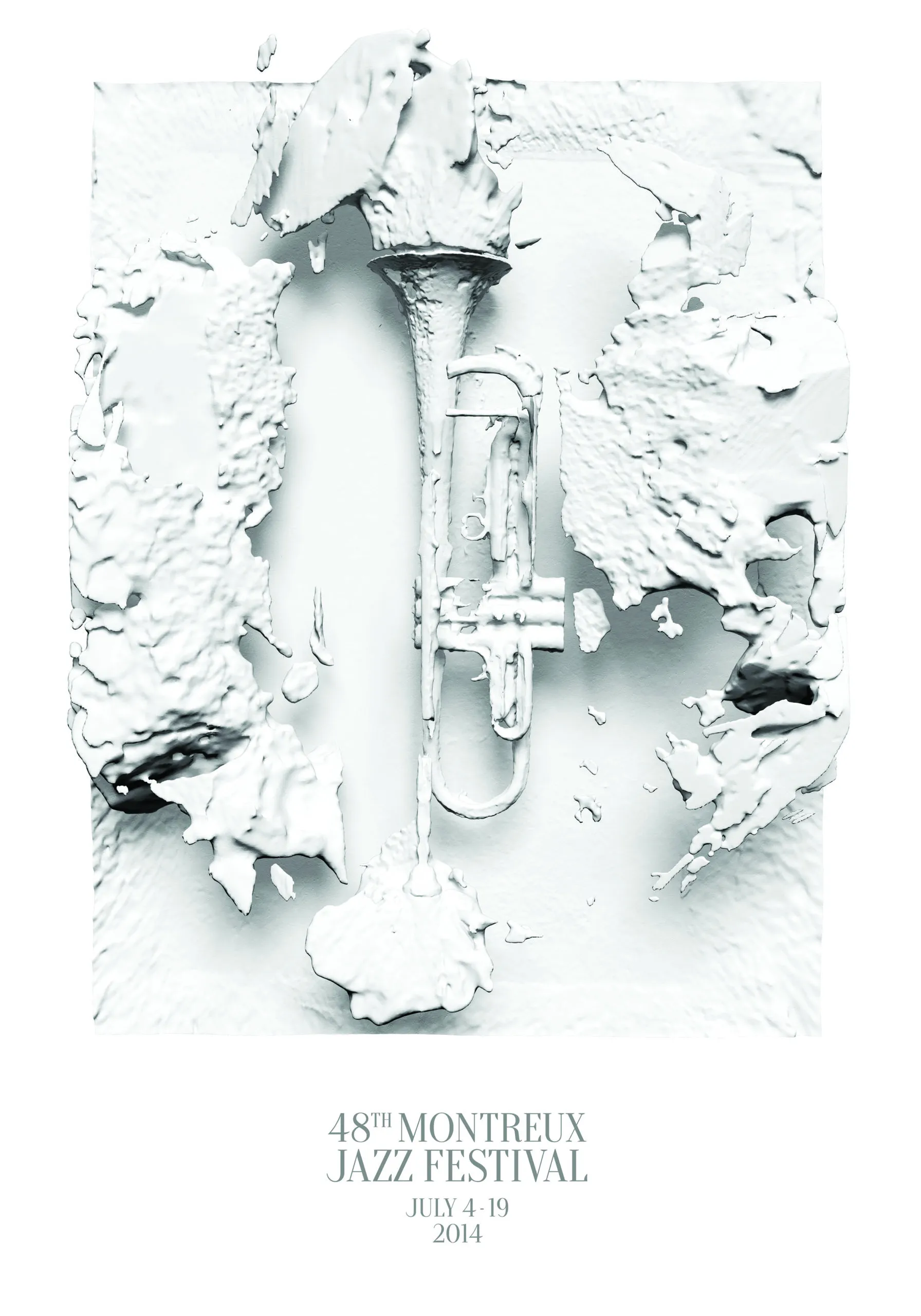
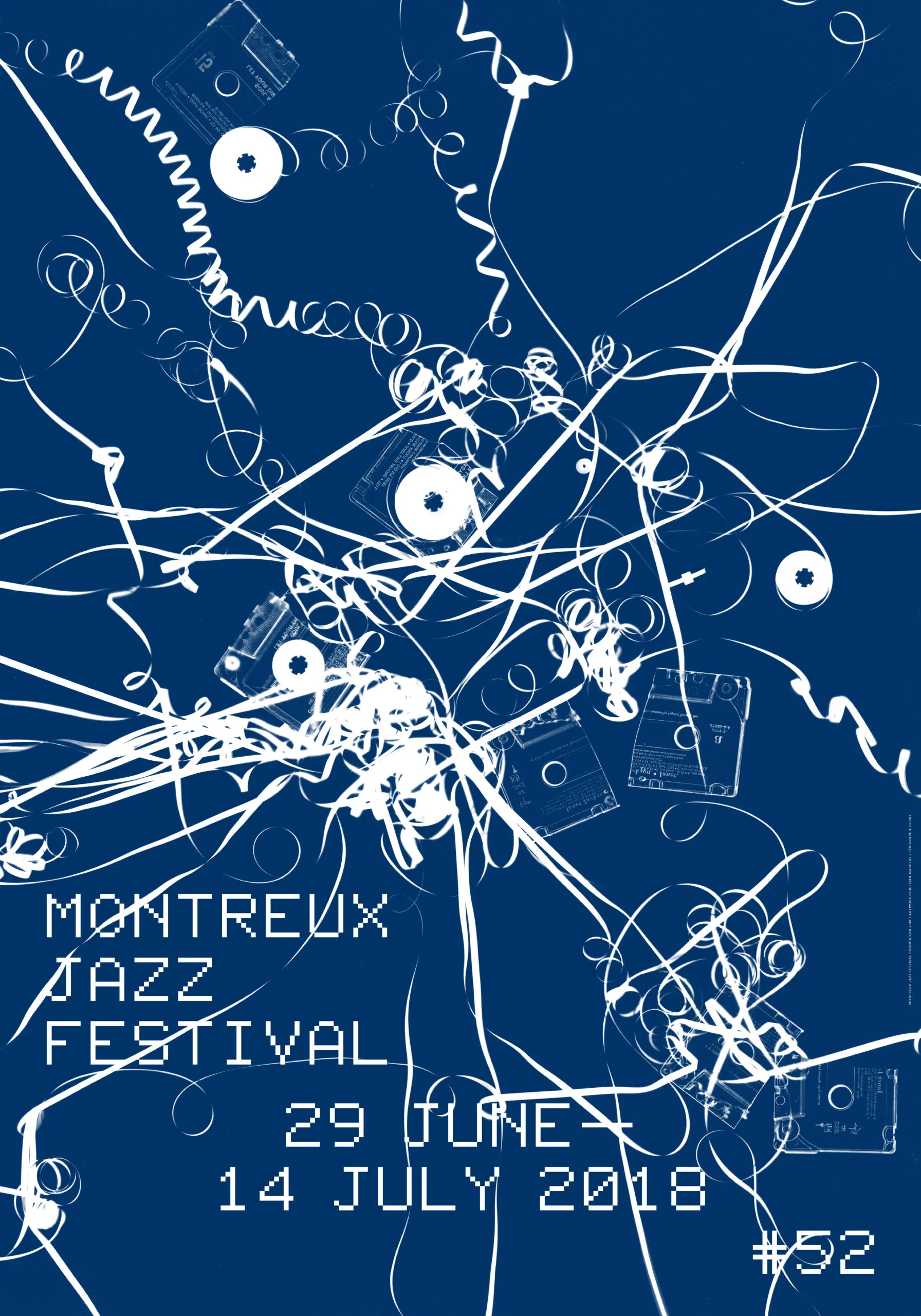
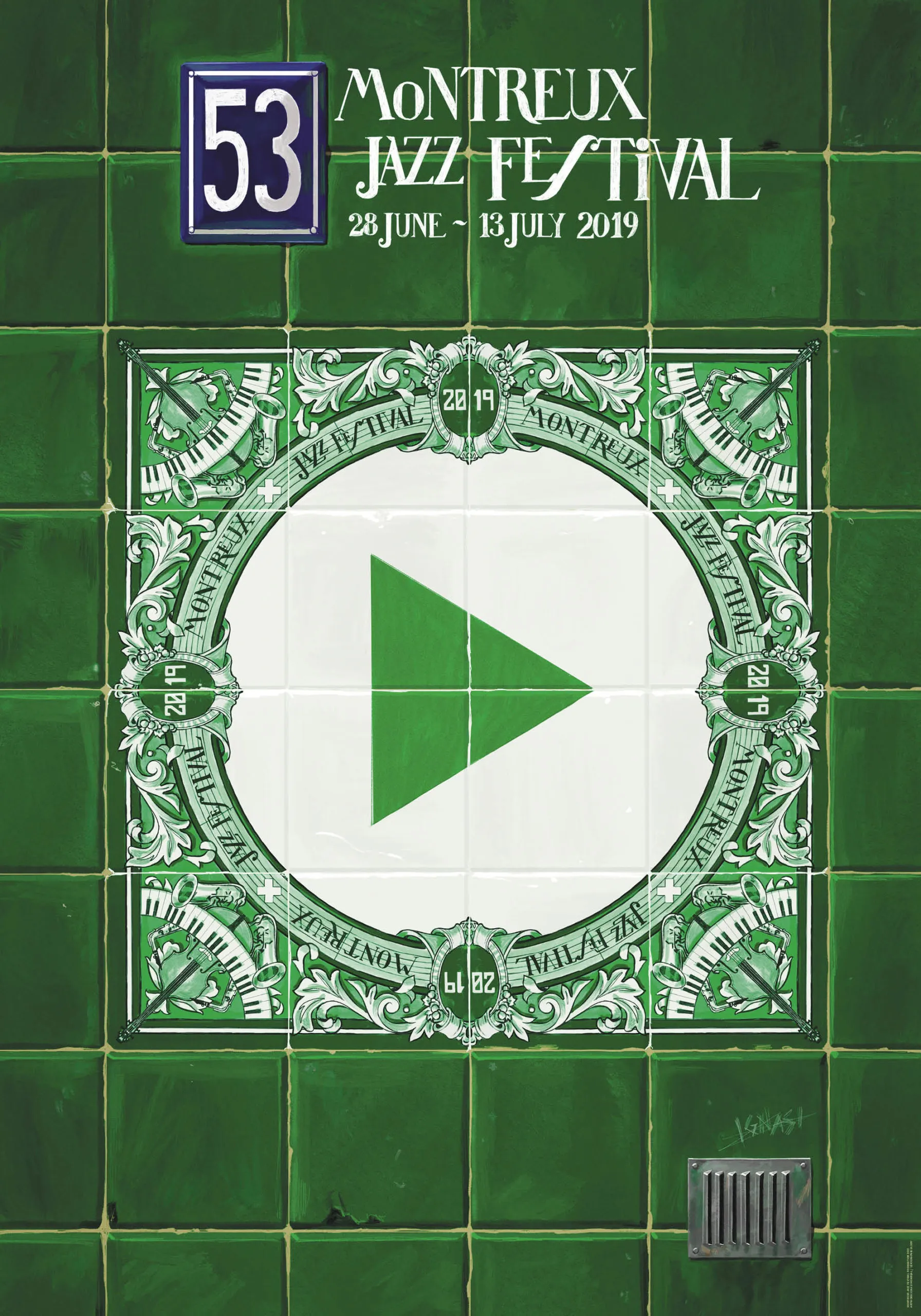
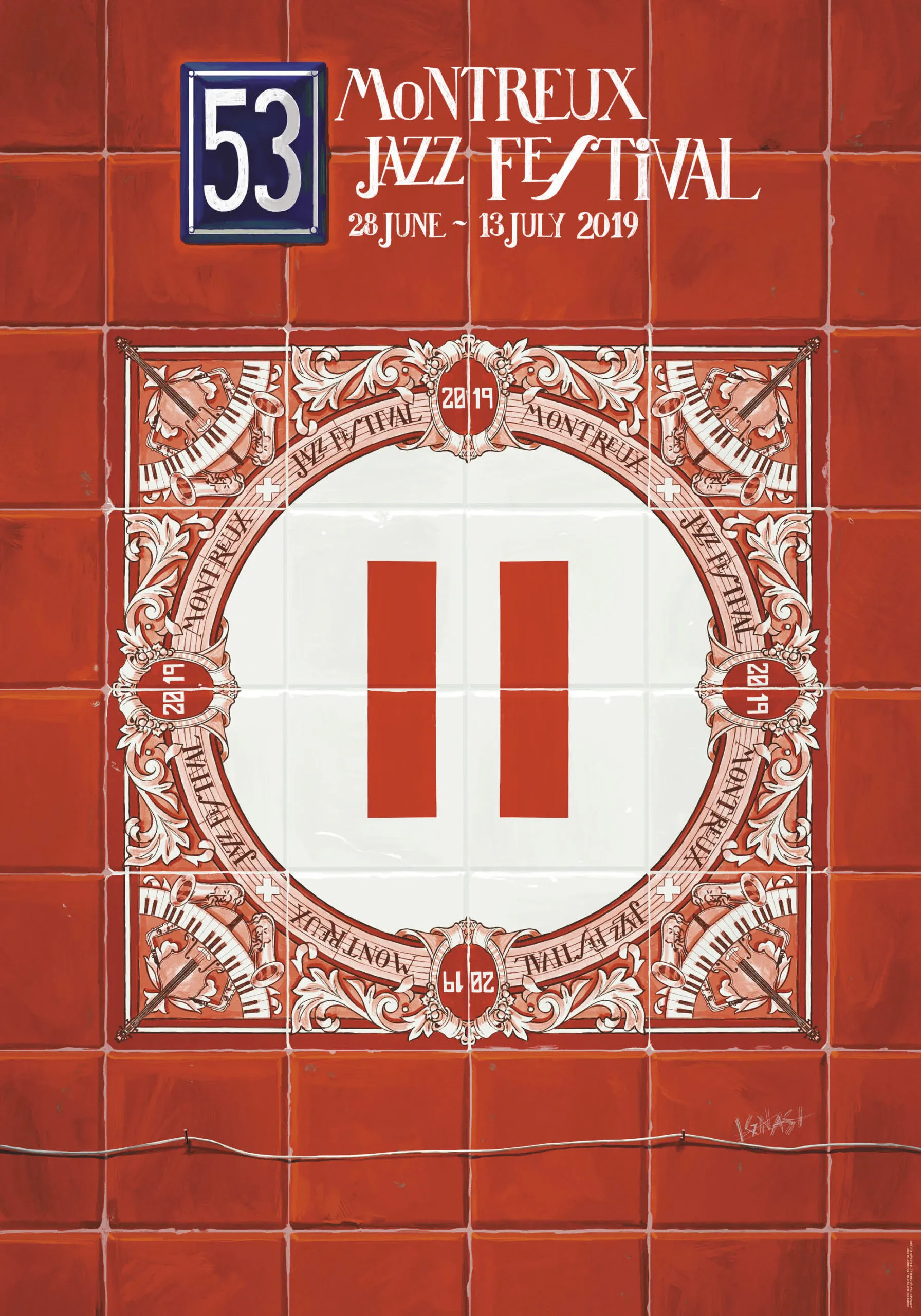
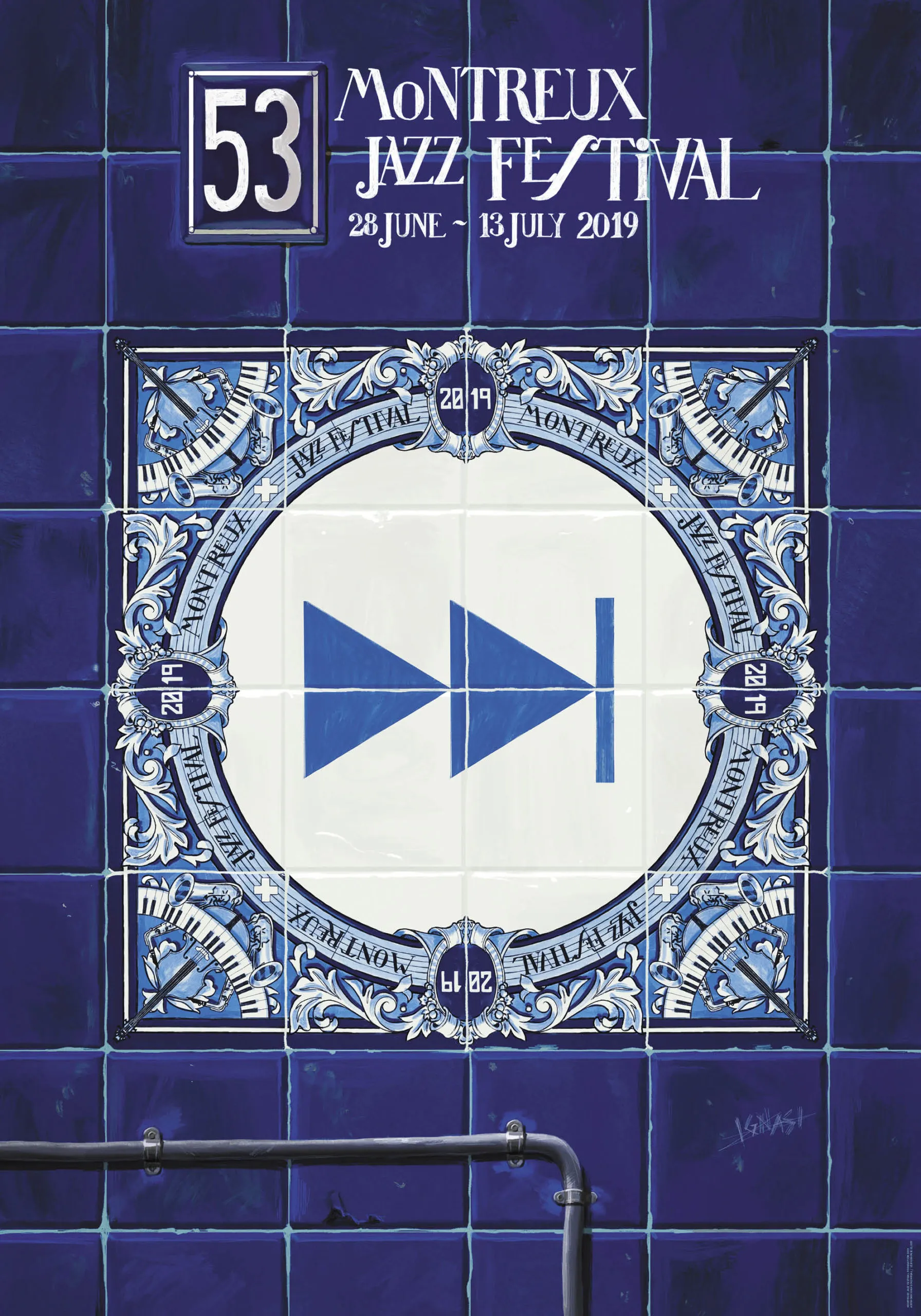
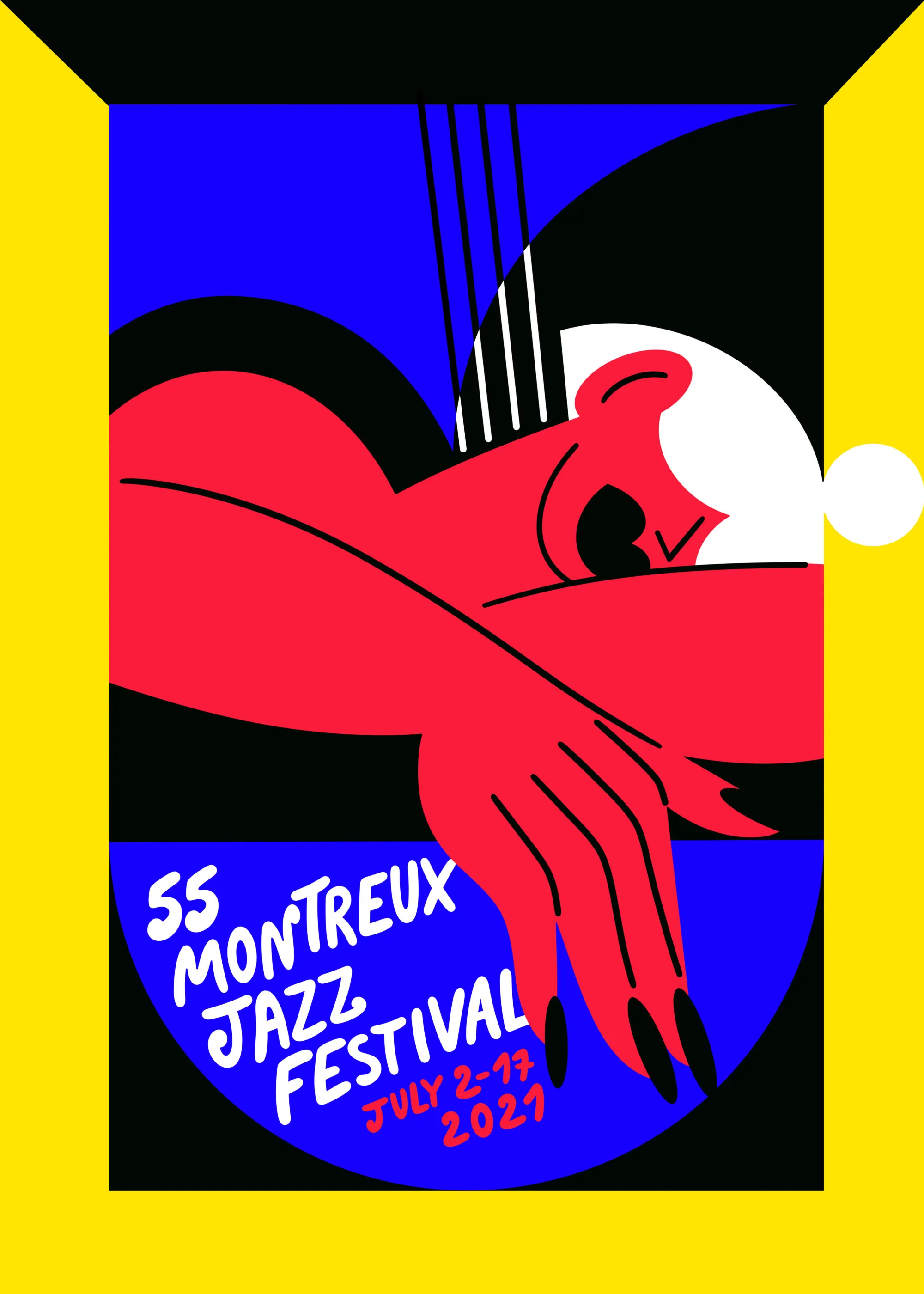
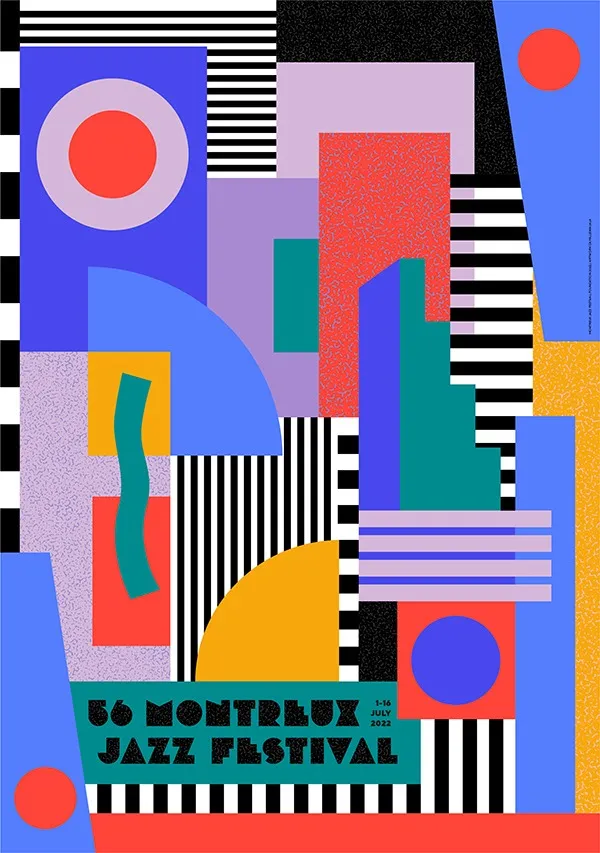
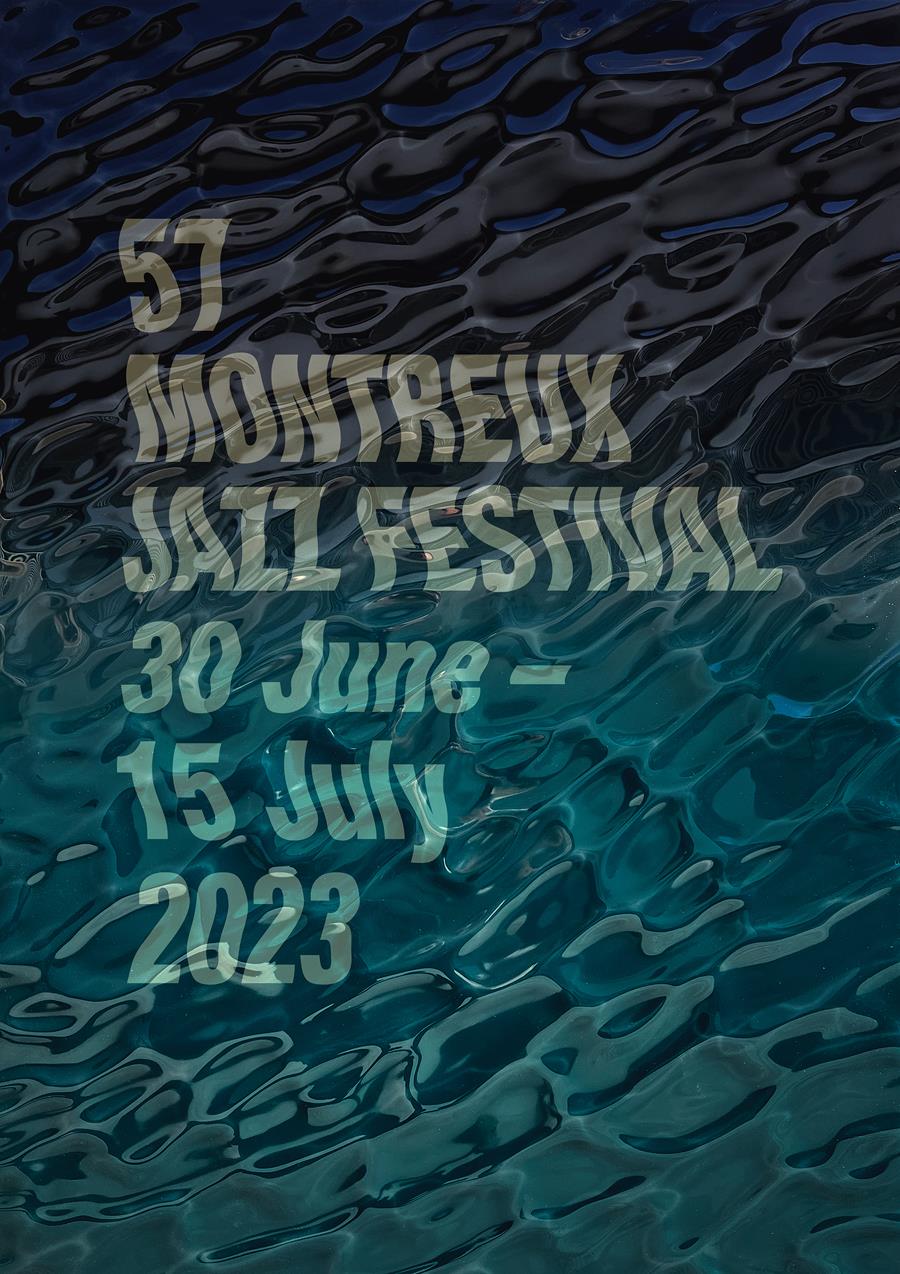
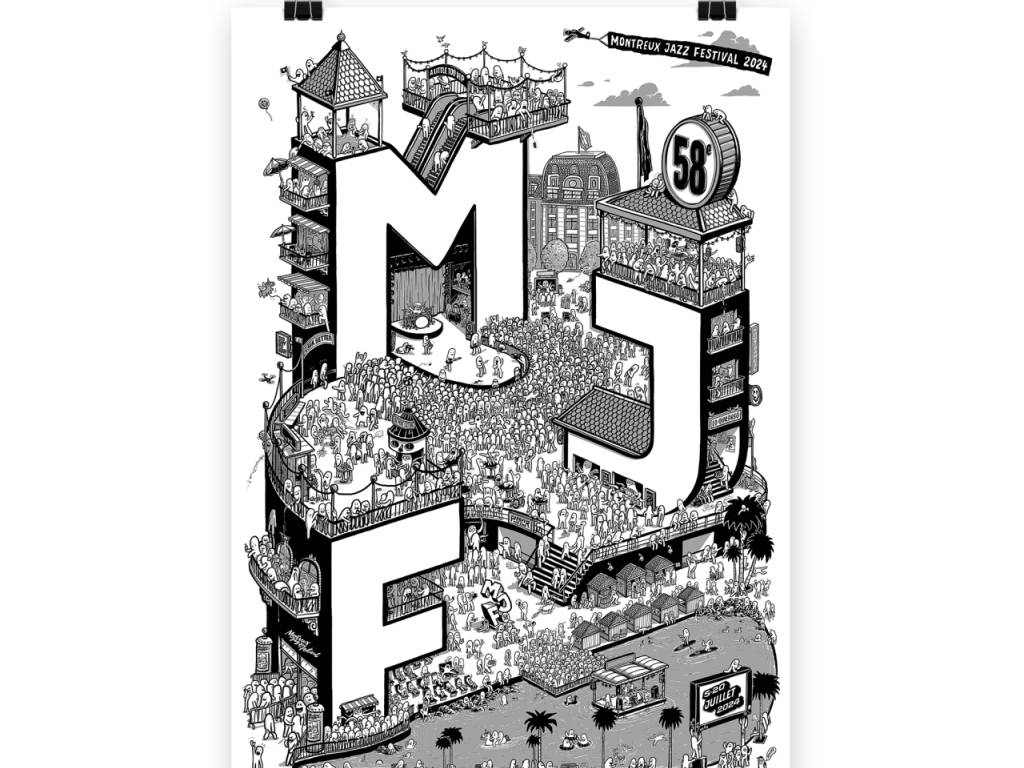
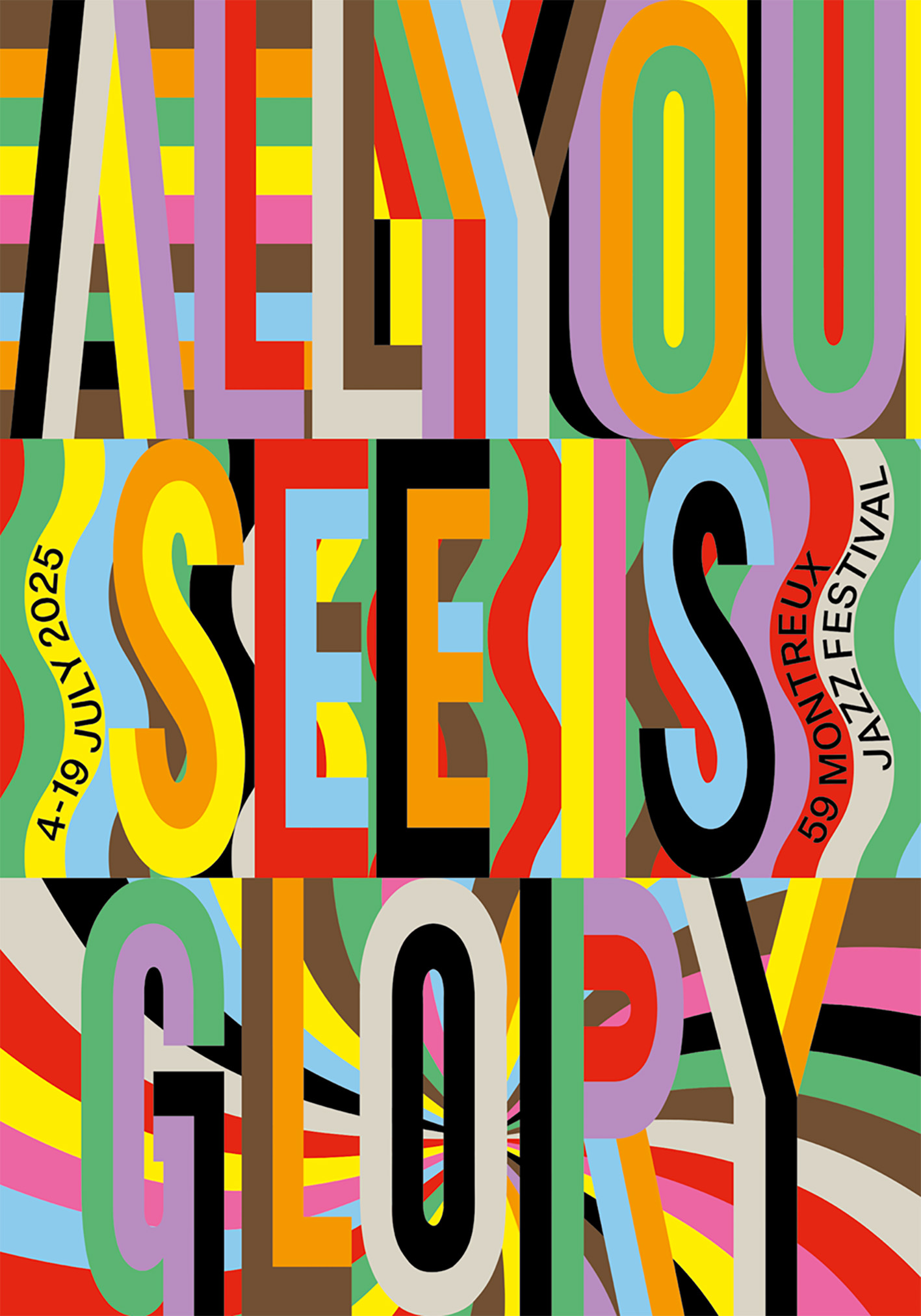
Every edition has its poster, and the festival turned it early on into an art object in its own right. Everything changed with the arrival of Pierre Keller, a teacher and later director of the ECAL: he set a radical rule. The poster would no longer be a marketing product but a work of art, screen-printed, always in the 70 × 100 cm format, without the musicians’ names or the sponsors’ logos.
“In 1982 I asked my friend Jean Tinguely: Draw me a festival” Keller recalls. The Fribourg artist sketched a firework, whose lettering would give rise to the festival’s logo. The following year, the triptych by New Yorker Keith Haring, spotted by Keller on a trip, propelled the posters “to another dimension”: they remain the best-selling to this day.
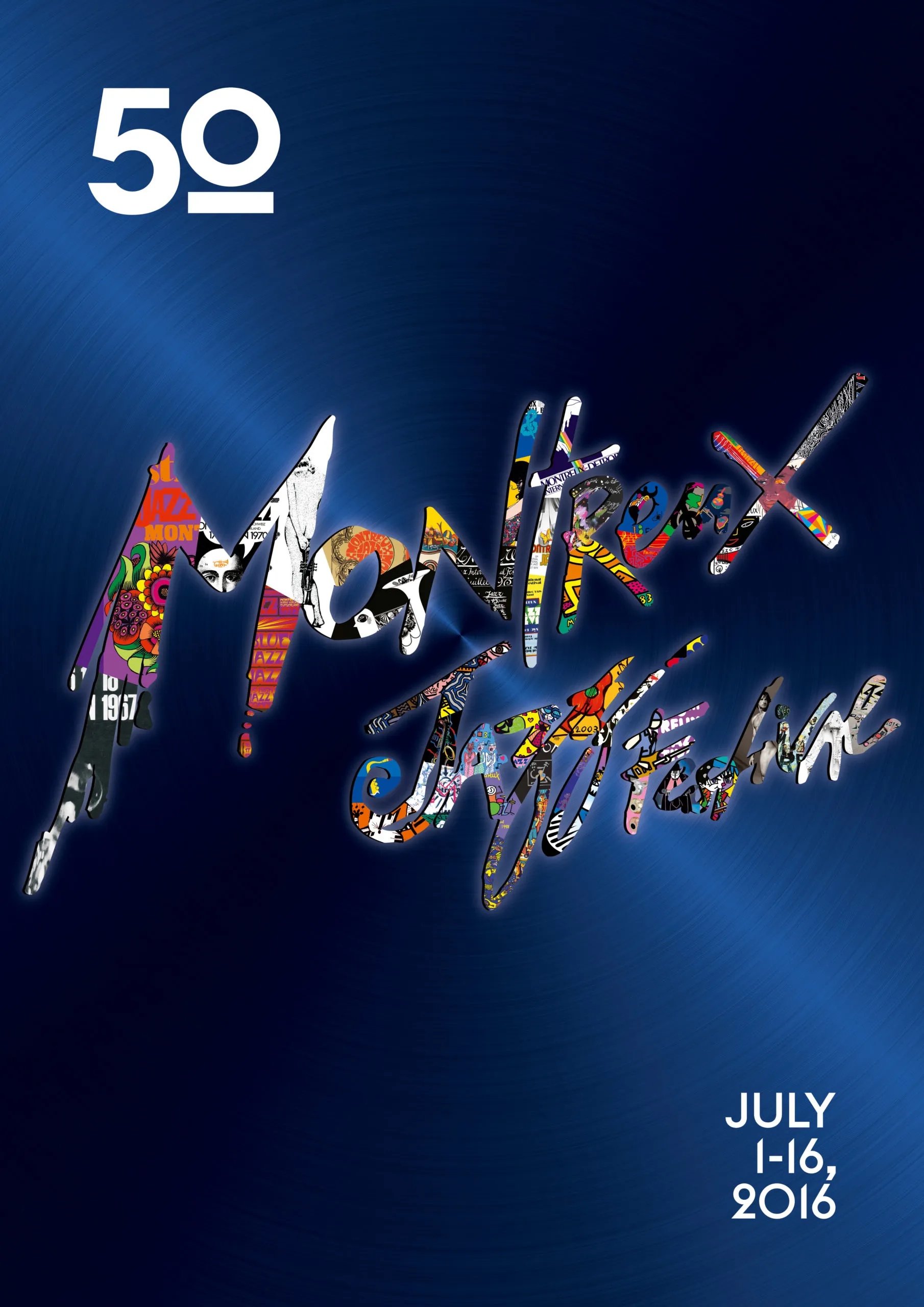
In 1986, for the twentieth anniversary, Haring joined forces with Andy Warhol: “Keith draws notes, Andy staves” Keller remembers. Over the years came Niki de Saint Phalle, Max Bill, Robert Combas and John M Armleder; for the 50th edition, in 2016, Giovanni Riva folded all the past posters into the festival’s logo.
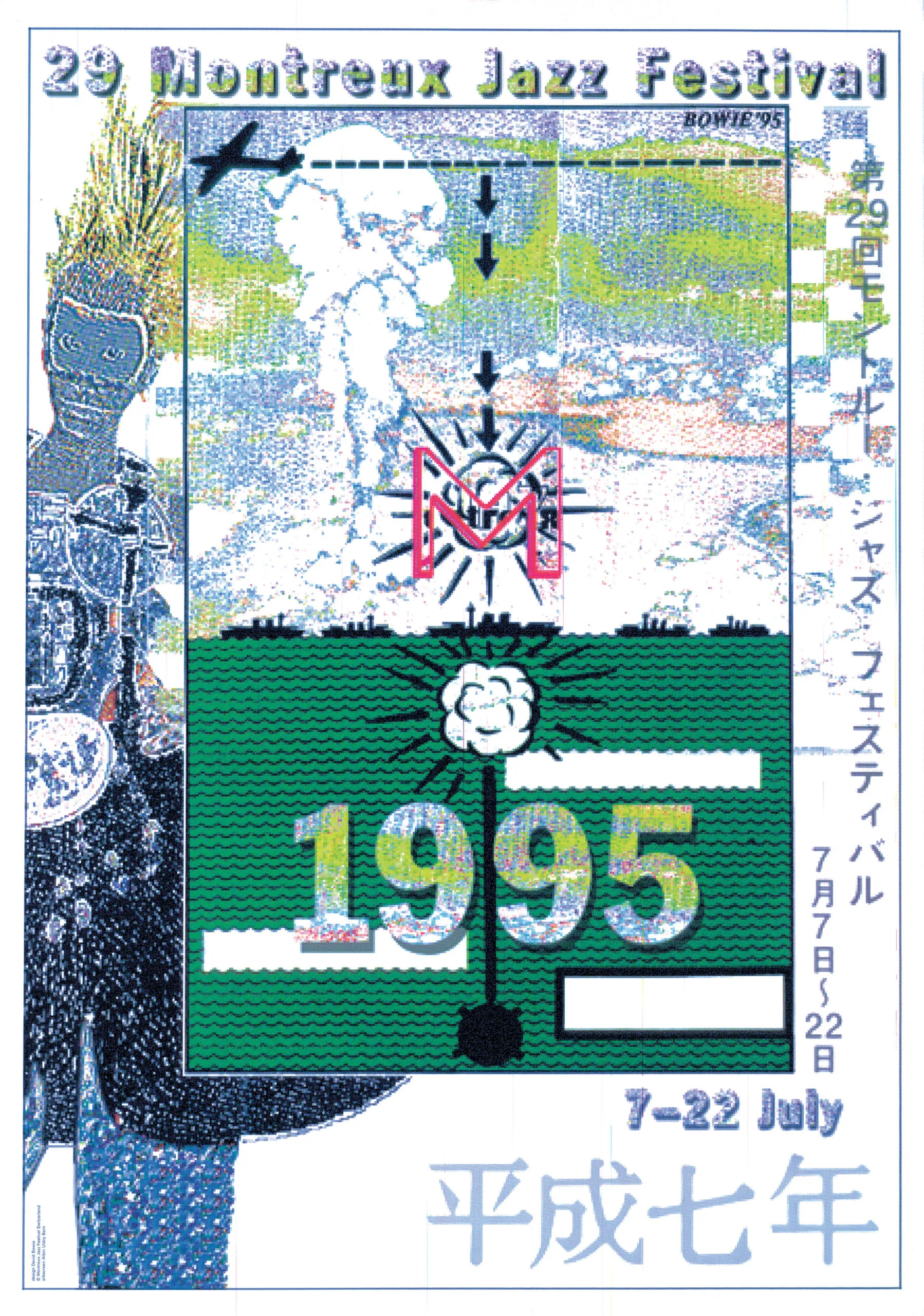
The line was not always smooth. At the festival’s head, Claude Nobs imposed in 1995 and 1998 posters signed by musicians, David Bowie then Phil Collins, rather than by artists, which displeased Keller. In 1993 the project by the artist Ben Vautier was dropped altogether: his two-part poster “Jazz Power / Black Power” was judged too political for the festival and was never printed. It has been known ever since as “the poster that does not exist” (see the poster).
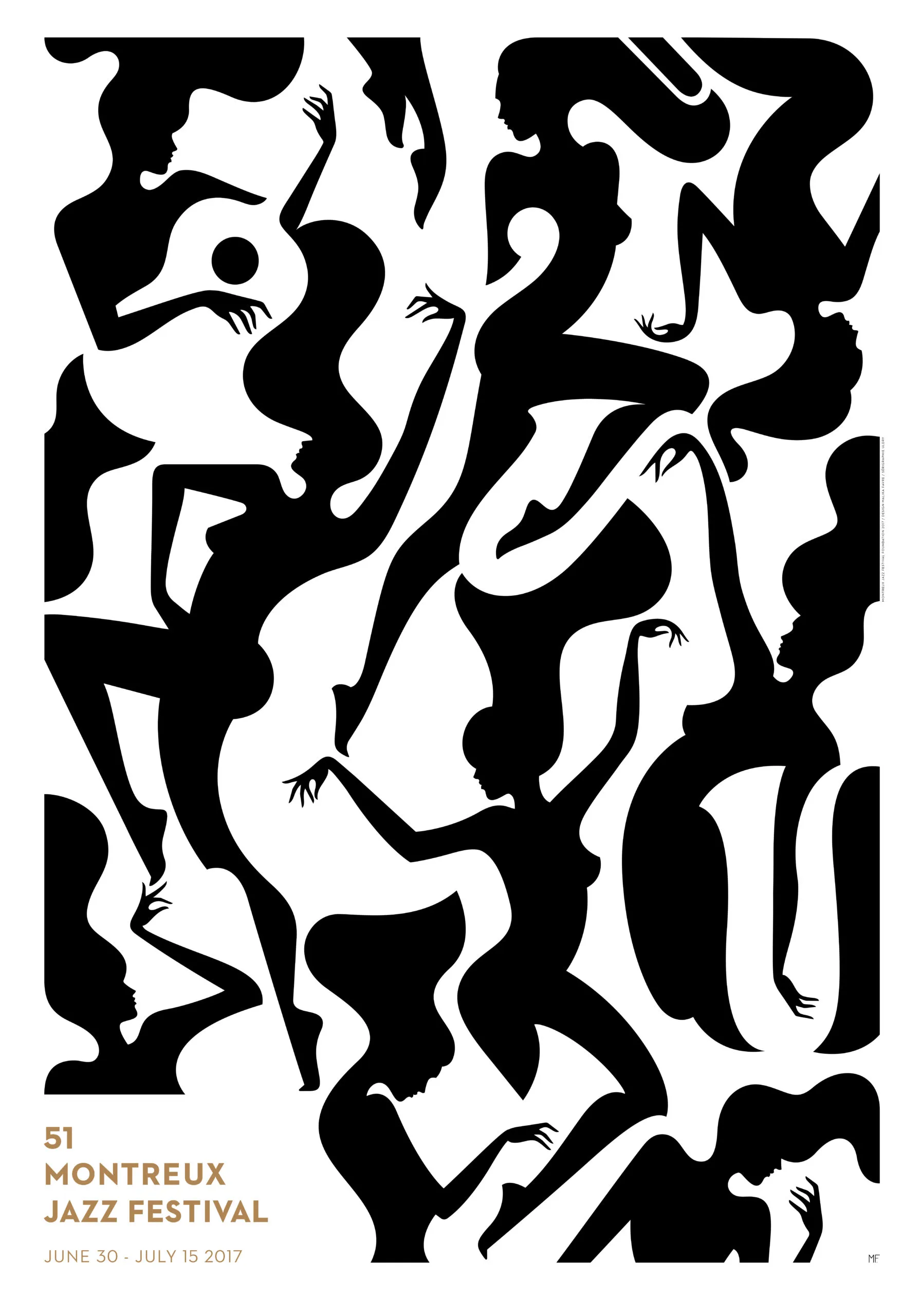
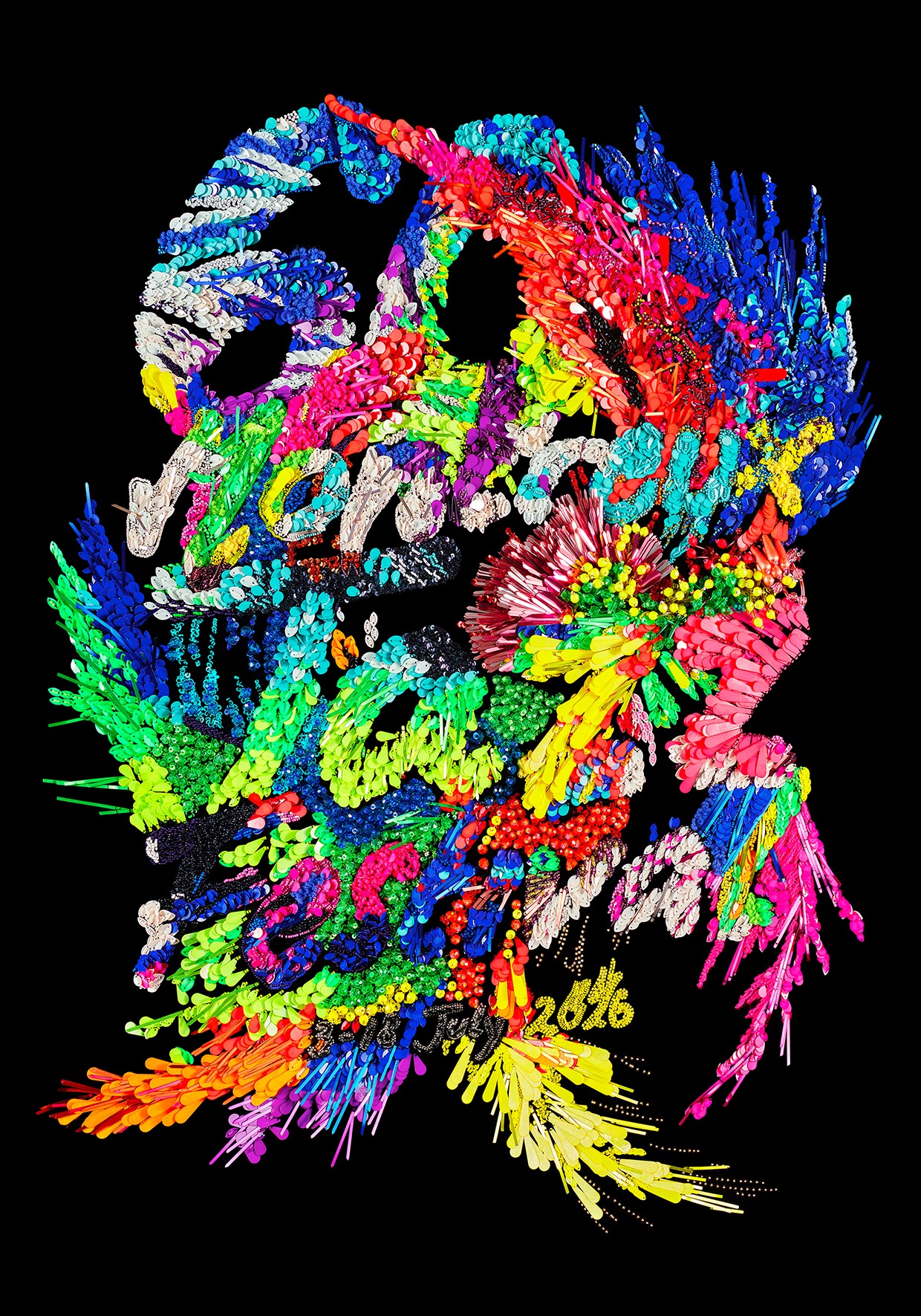
After Nobs’s death in 2013, Mathieu Jaton entrusted the posters to young creators, brought in more women (Malika Favre, Camille Walala…) and widened the field to fashion design with the Valais designer Kévin Germanier in 2026, whose feather motif explicitly echoes Tinguely (Le Temps).
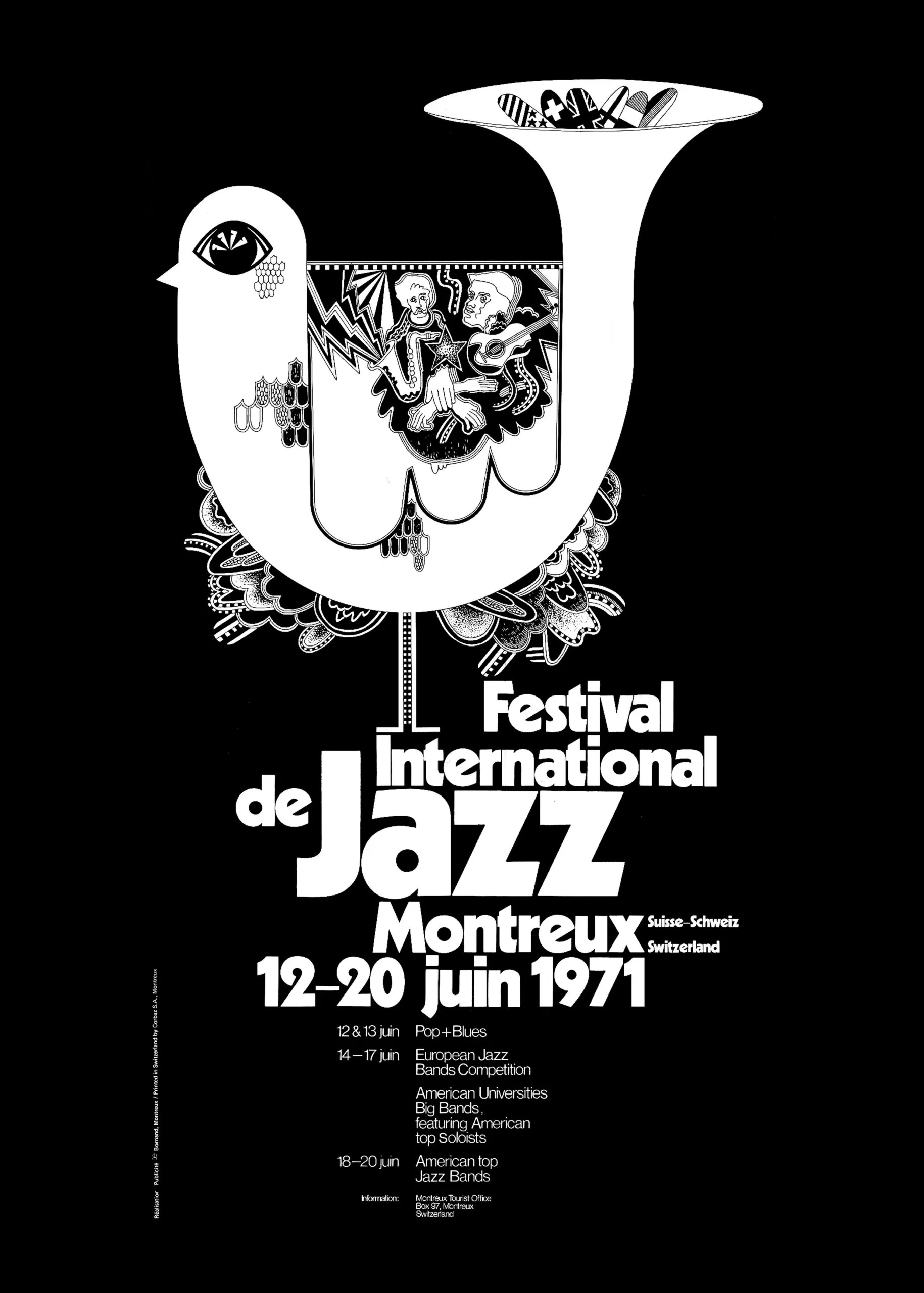
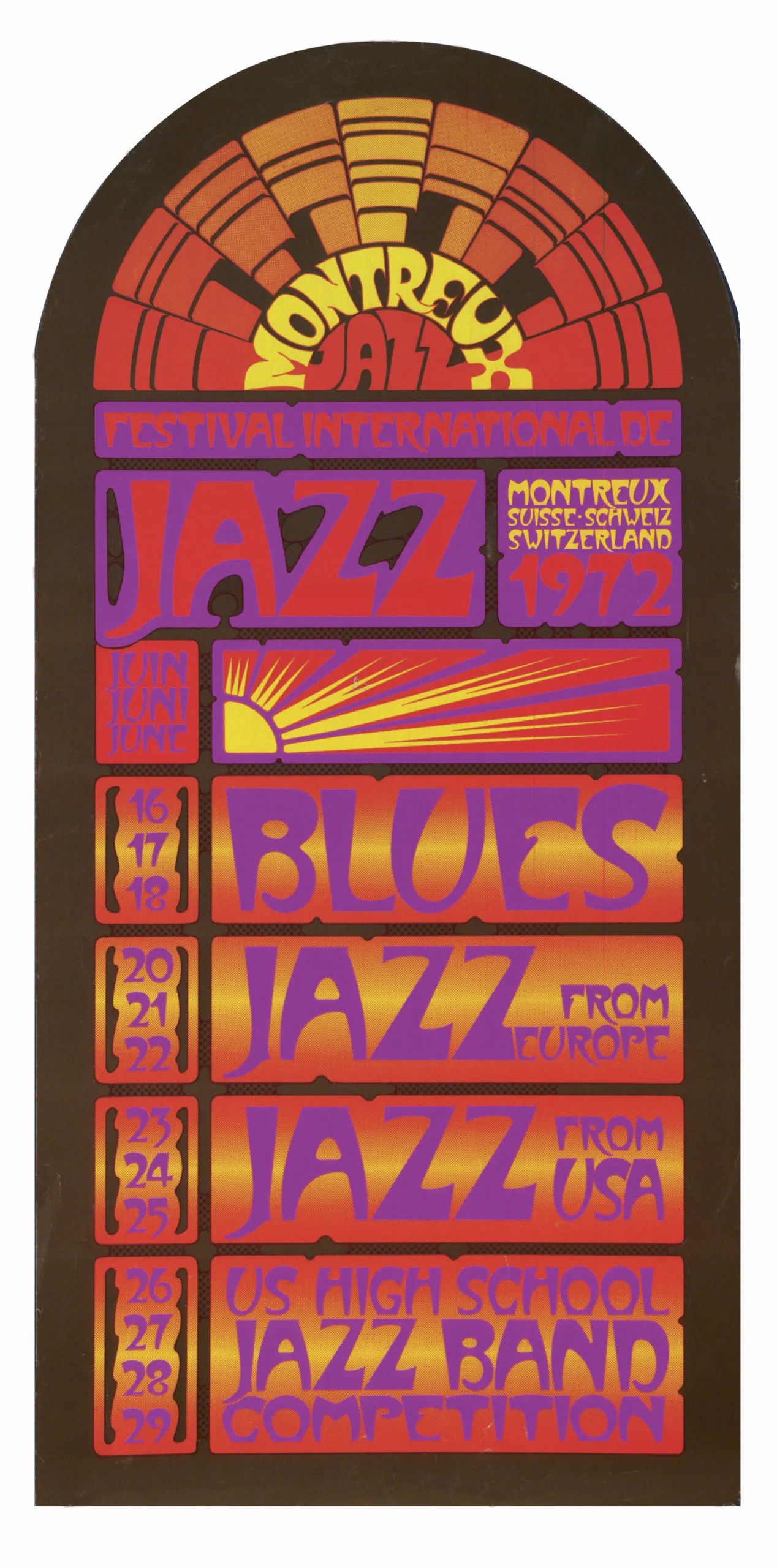
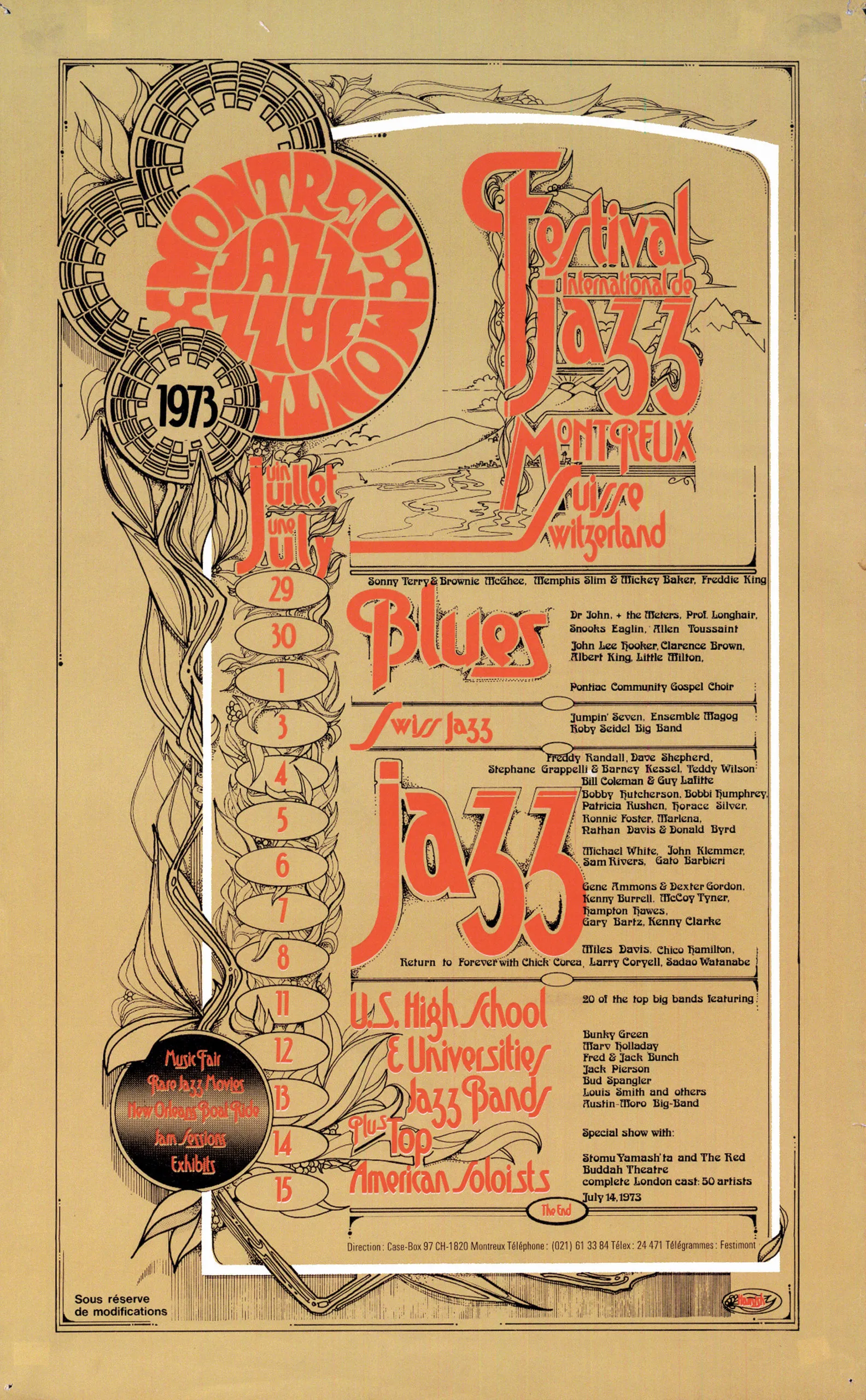
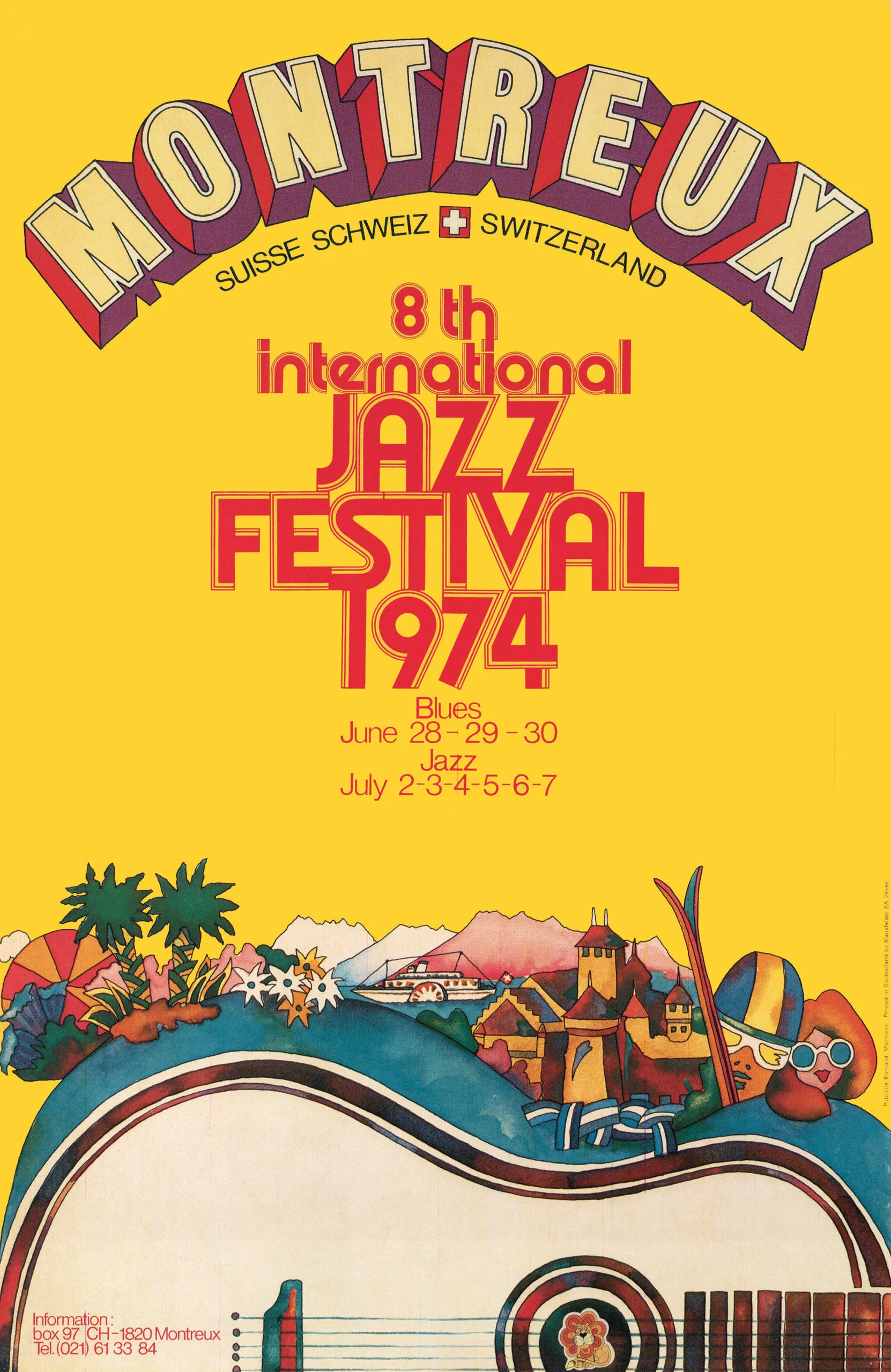
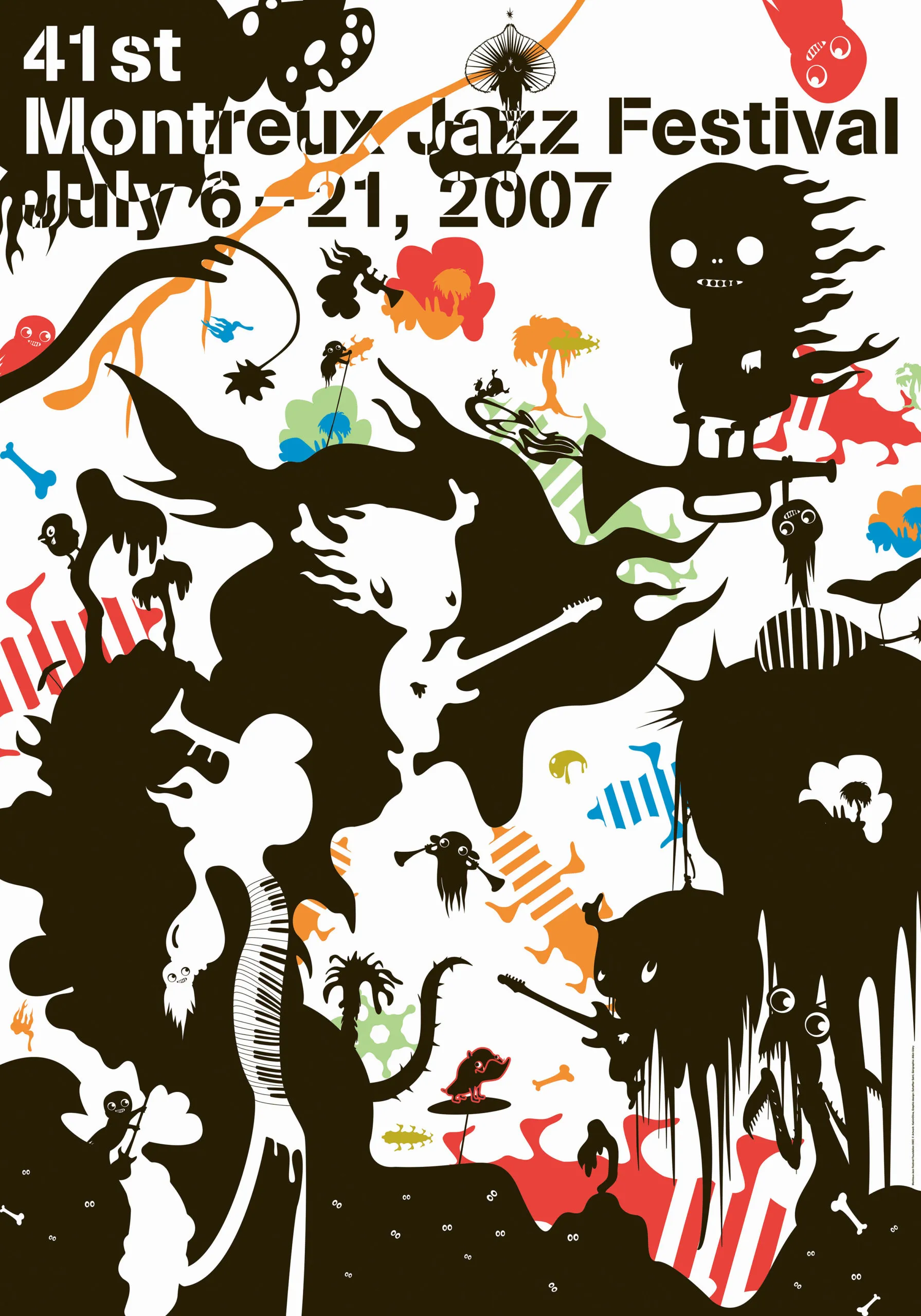
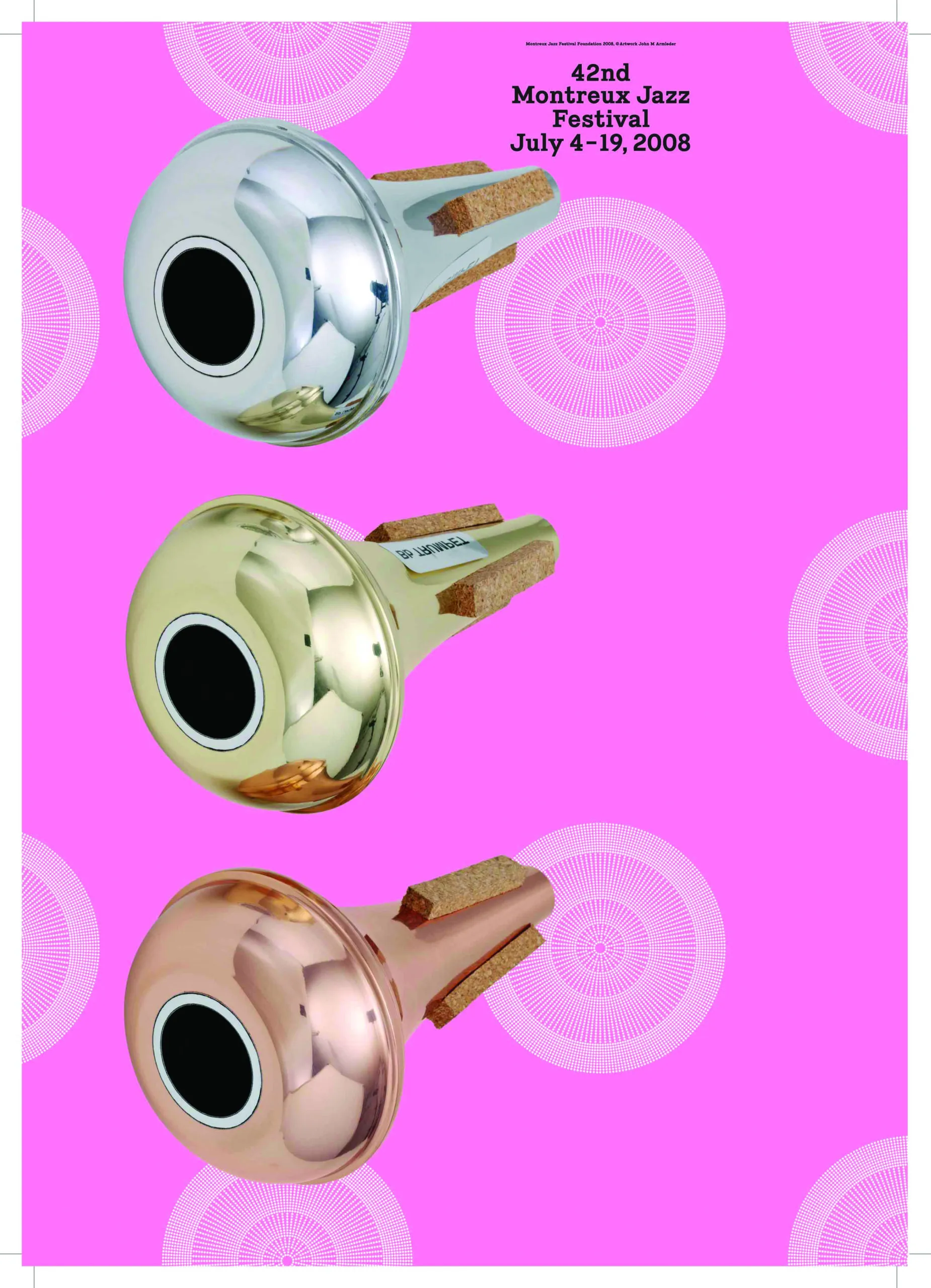
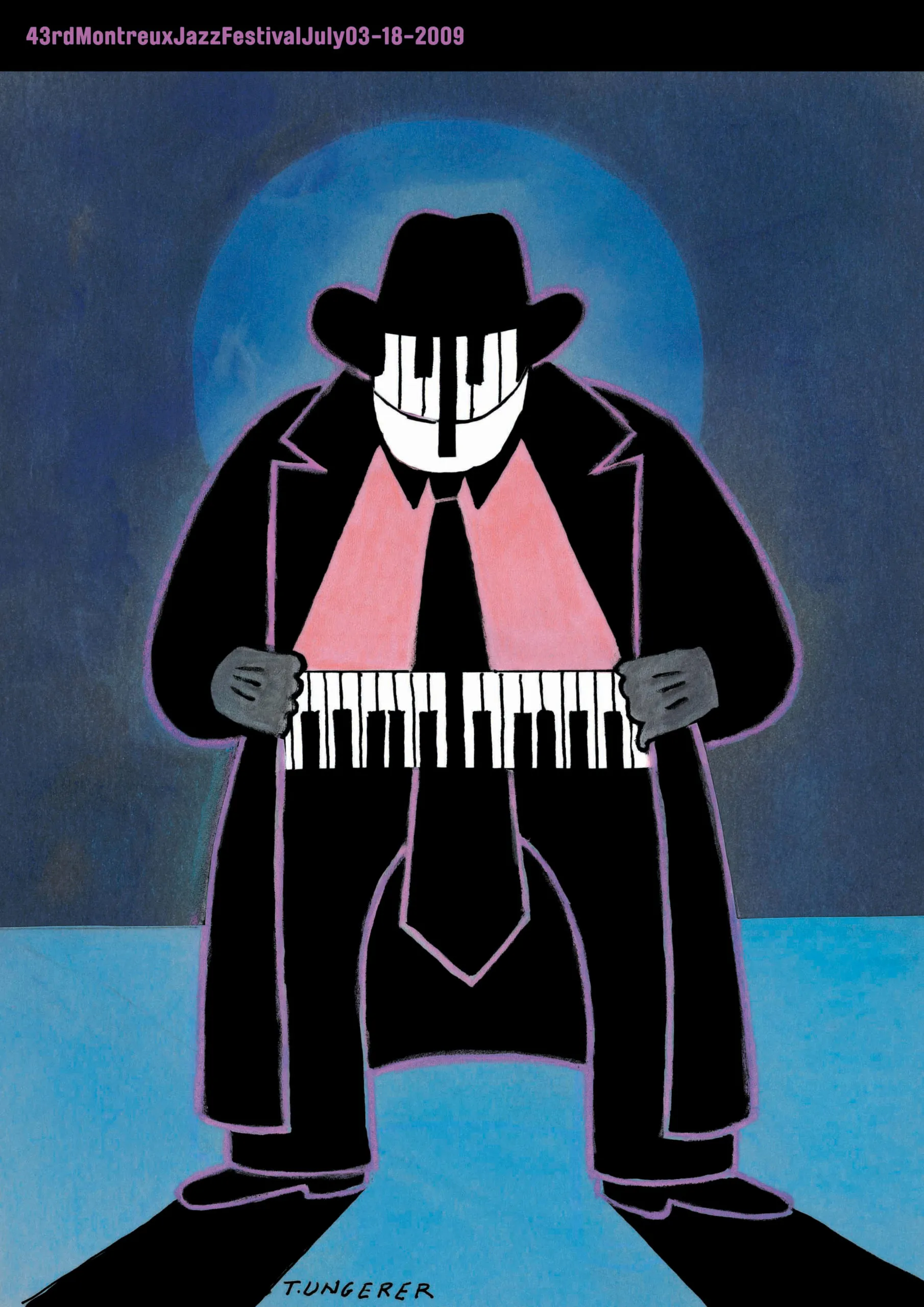
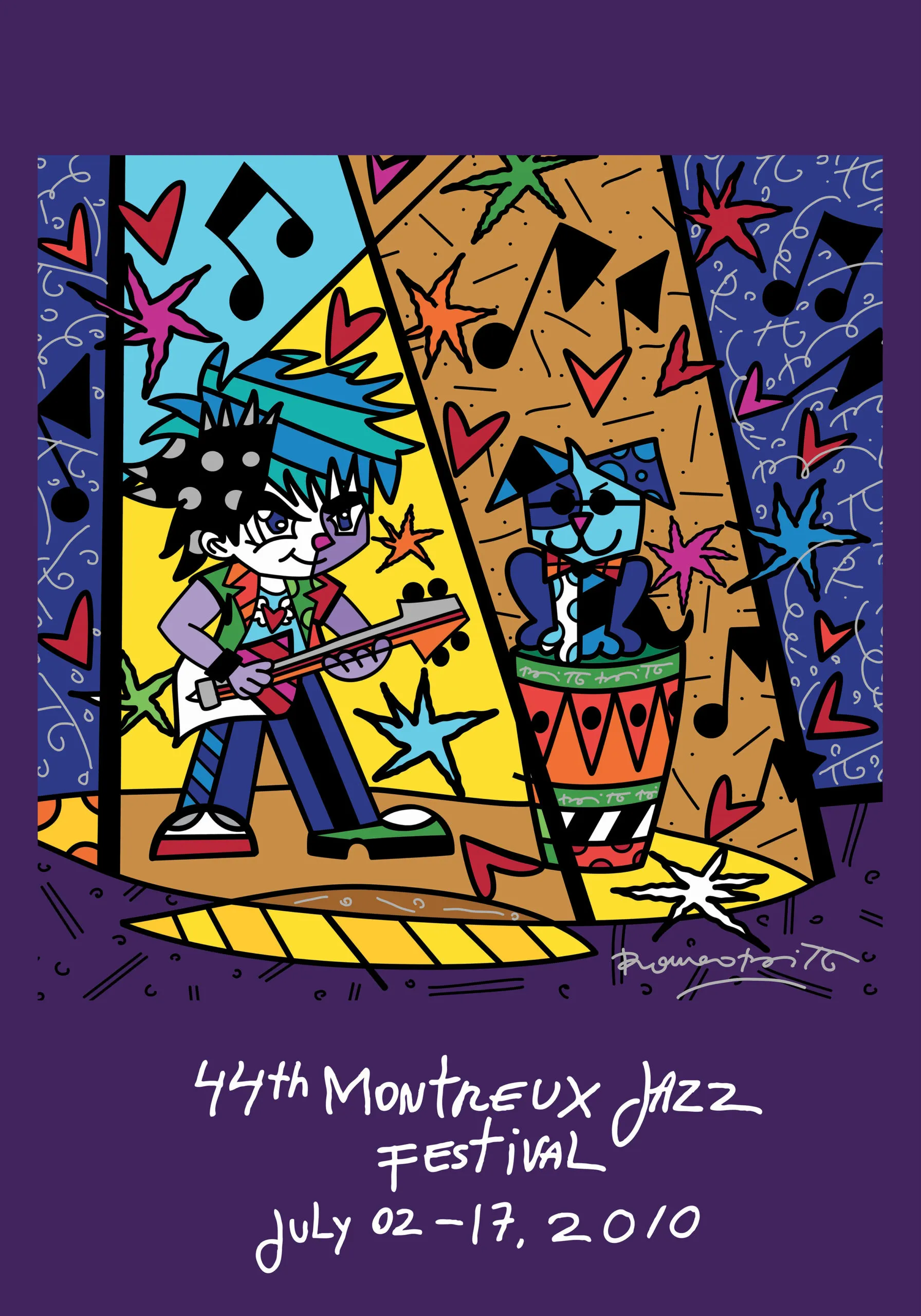
In pictures
Related artists :Claude NobsPierre KellerLil Nas XQuincy JonesMiles DavisRag'n'Bone ManSofiane PamartPhil CollinsDeep PurpleB.B. KingBill EvansElla FitzgeraldAretha FranklinRay CharlesCarlos SantanaHerbie HancockDavid BowieEtta JamesStevie Ray VaughanNile RodgersKeith HaringAndy WarholIggy PopPrinceNina SimoneAl JarreauYesAlbin ChristenRomero BrittoBarbara HendricksElton JohnLenny KravitzGrace JonesVanessa ParadisJohnny HallydayJohnny DeppMarvin GayeJames BrownWayne ShorterJamiroquaiSam SmithJohn McLaughlinRAYELady GagaChick CoreaHermeto PascoalGilberto GilCaetano VelosoSéu JorgeCharles LloydVan MorrisonDavid SanbornMonty AlexanderGeorge BensonAl Di MeolaStingSimply RedRené LangelGéo VoumardEmmanuel GétazIbrahim MaaloufLisa SimoneTony BennettAdelePharrell WilliamsKendrick LamarEd SheeranDua LipaMac MillerKeith JarrettJack DeJohnetteEddie GómezLes McCannChampion Jack DupreeClark TerryBuddy GuyDizzy GillespieSelah SueStephan EicherLeonard CohenPaul SimonStevie Wonder