Rock & metal

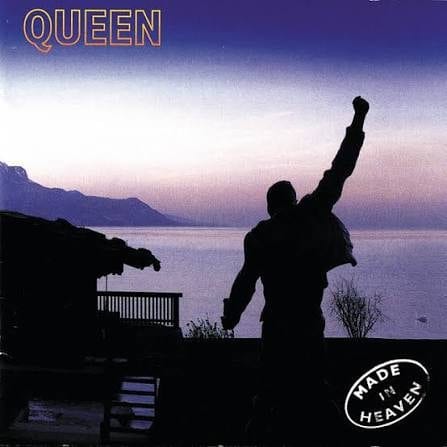
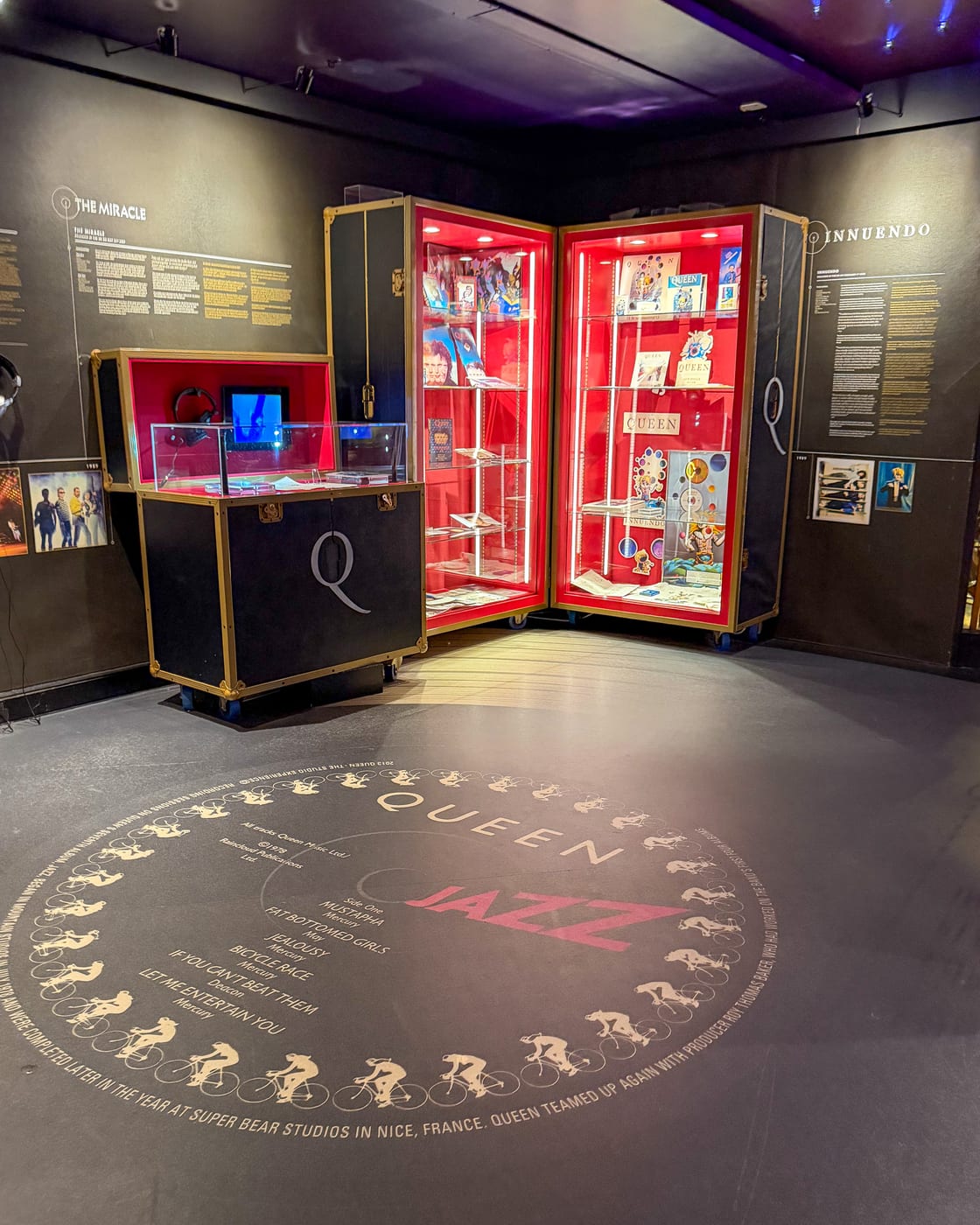
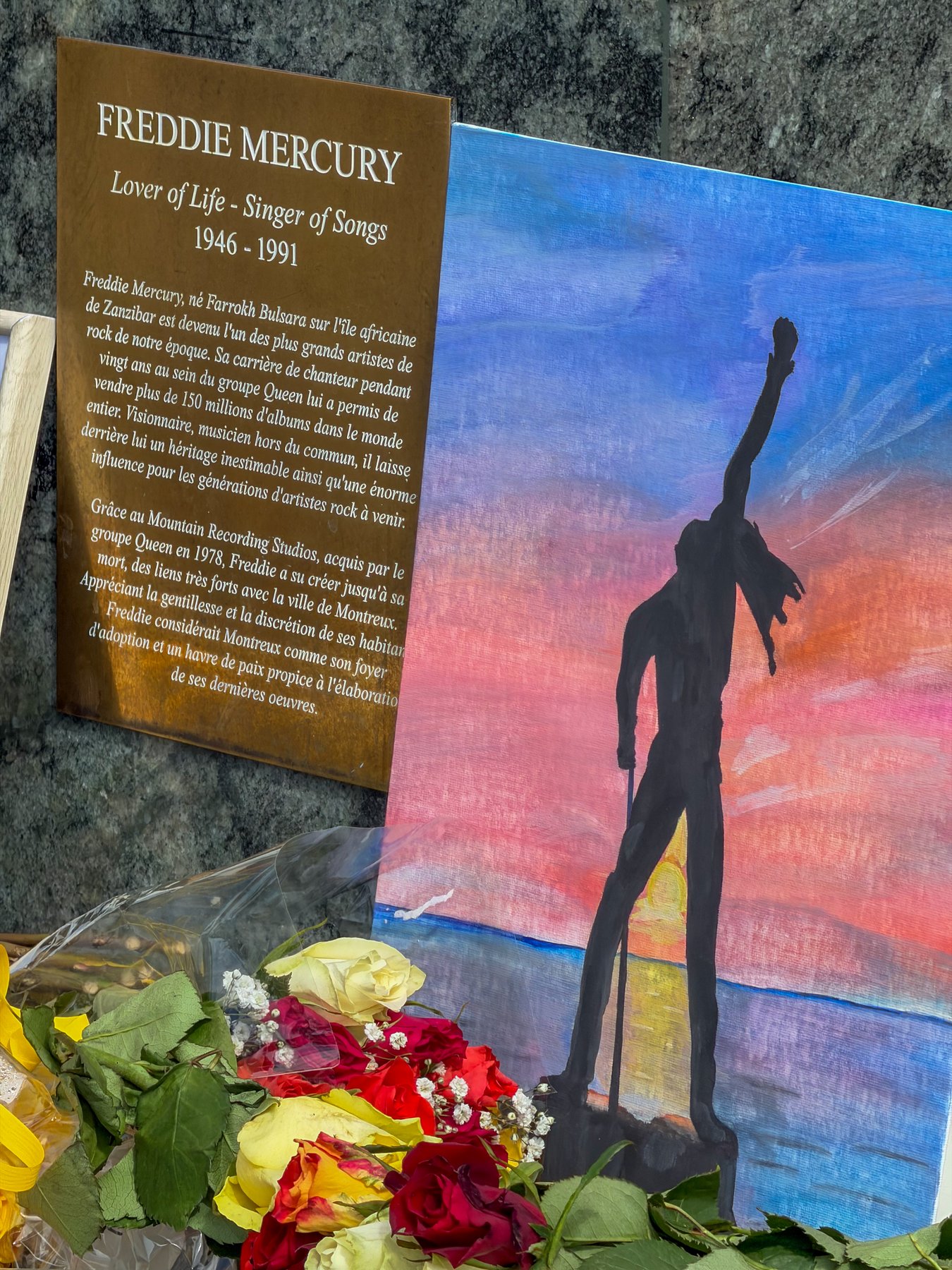
It was in Montreux that Queen truly settled. Won over while recording the album “Jazz” in 1978, the band bought Mountain Studios (housed in the Casino) the following year and made it their home base: seven albums were born there between 1978 and 1995, from “Jazz” to “Made in Heaven”. It was here, in 1981, that the hit “Under Pressure” emerged from an improvised session with David Bowie. After Freddie Mercury’s death, the three surviving members completed “Made in Heaven” in Montreux, choosing for its cover the singer’s statue silhouetted against Lake Geneva at dusk. Today, the exhibition Queen: The Studio Experience brings those years back to life in the original studio, while the neighbouring tribute wall is endlessly covered with messages from fans all over the world.
Queen & Mountain Studios: twenty years on the shores of Lake Geneva
Discovering Montreux
Queen arrived in Montreux in the summer of 1978 to finish the album “Jazz” at Mountain Studios. David Bowie, who had settled above Blonay in 1976, would record “Lodger” in that same studio a few months later.
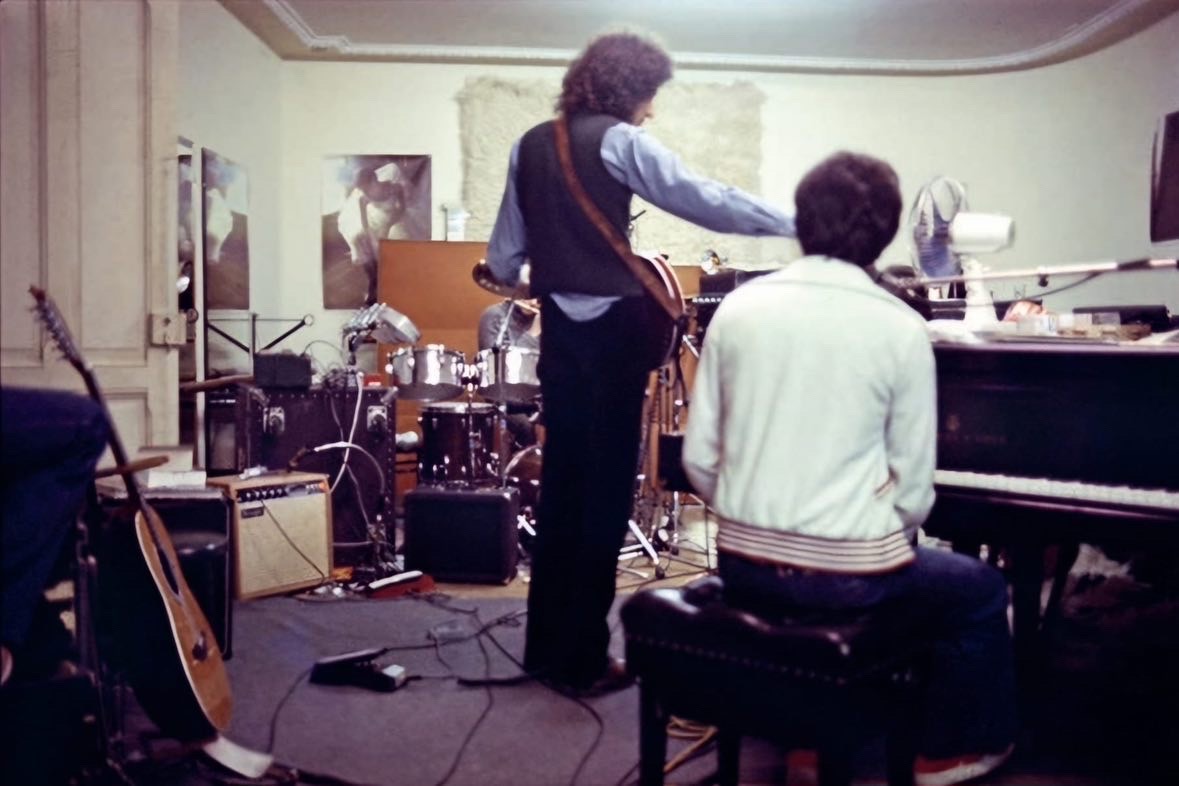
The band’s very first rehearsal in Montreux did not take place at Mountain Studios, though, but in a small École de ballet closed for the summer, whose use was granted only on the understanding that this was “a quartet of musicians doing a little practice”. Brian May cranked his Red Special there through a Mesa Boogie amp and his trusted AC30s. The photographer Peter Hince captured the scene in 1978 and remembers: “Fred’s Steinway piano, weighing in at over a tonne in its enormous flight case, badly damaged an antique parquet floor.”
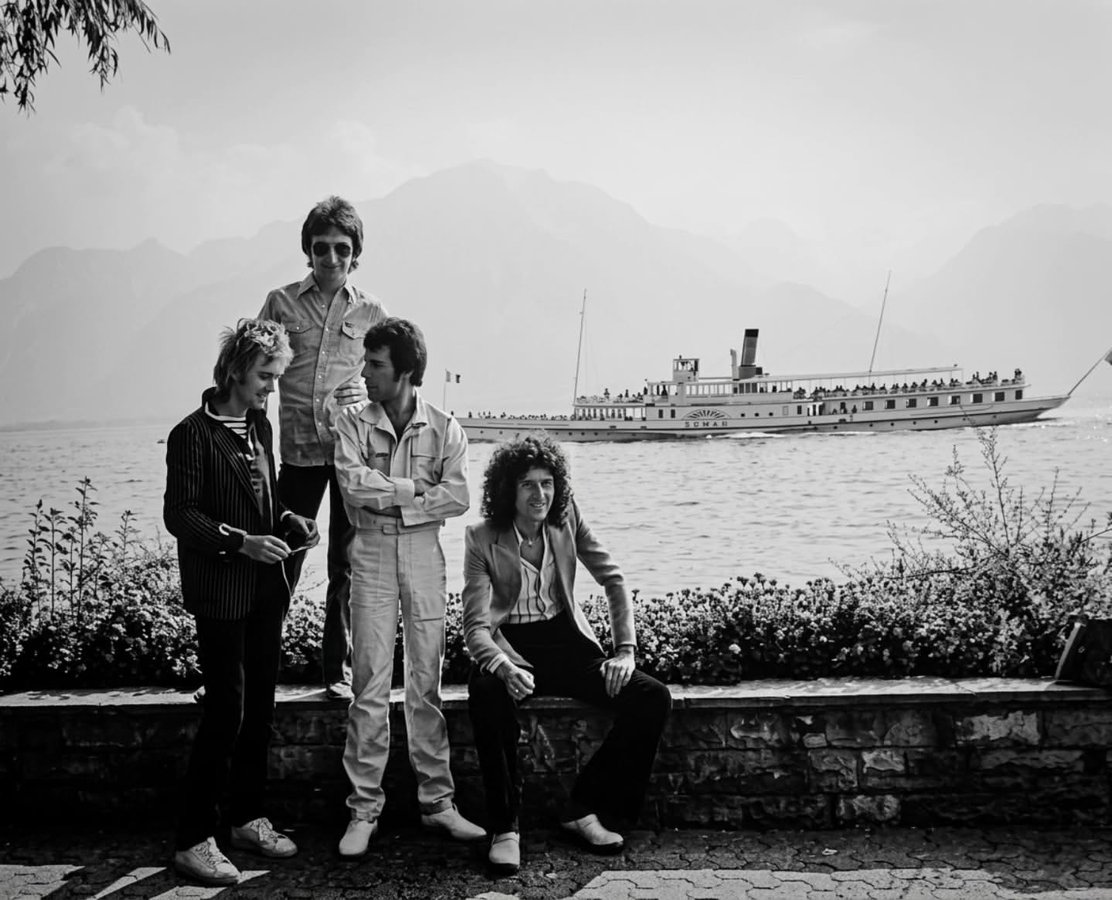
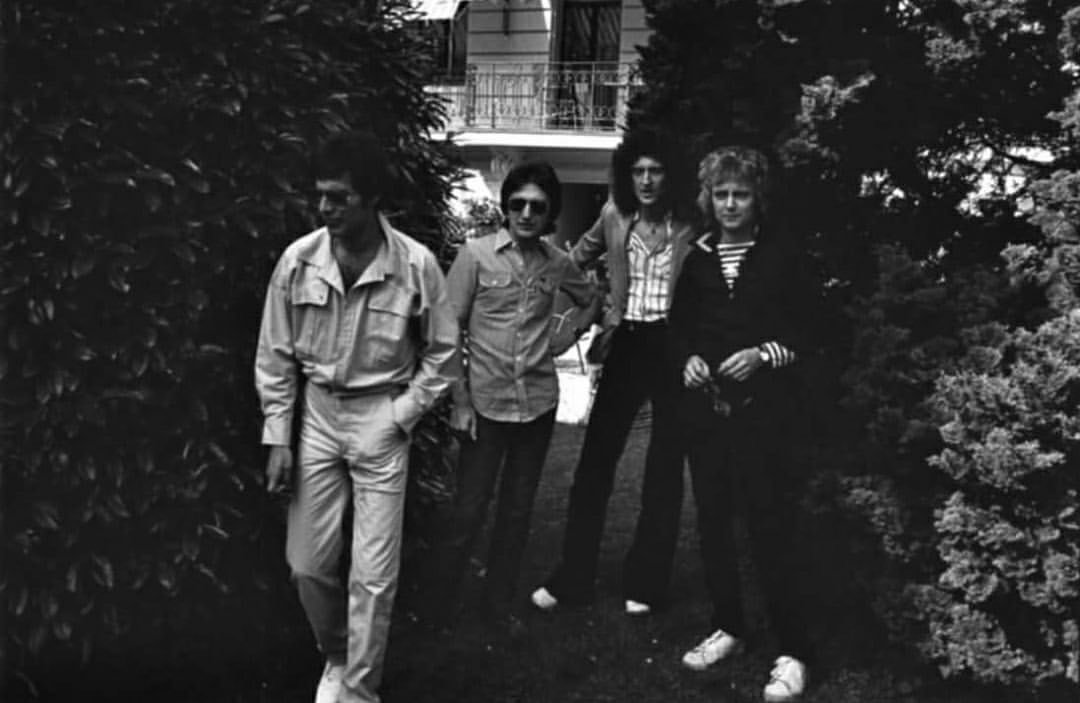
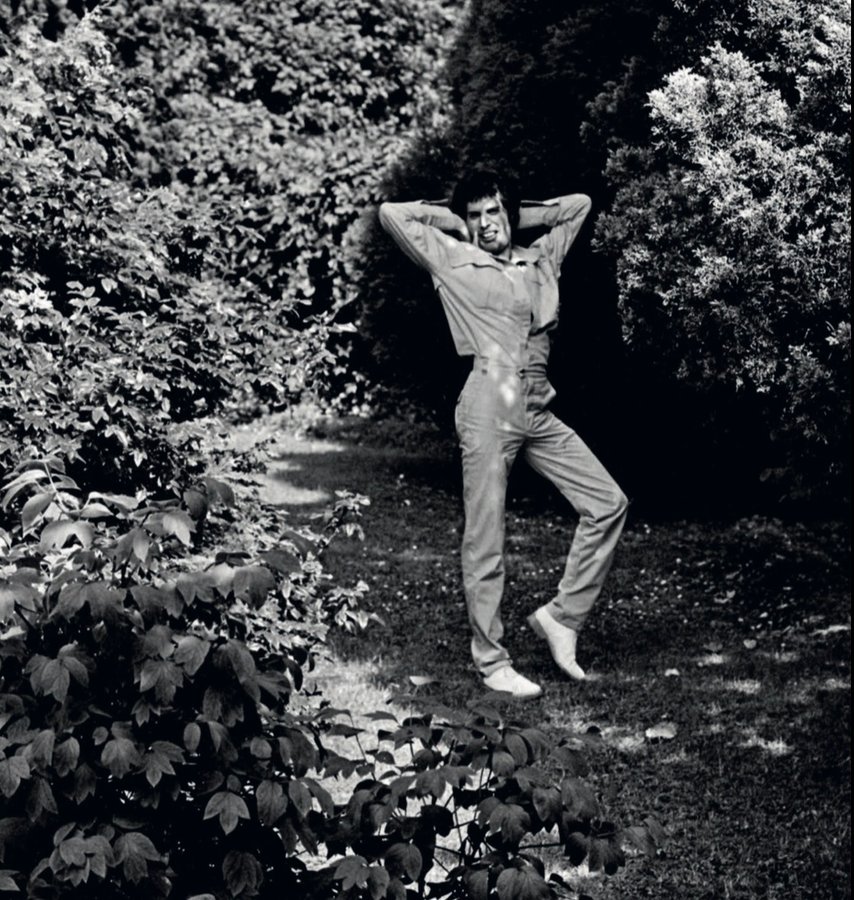
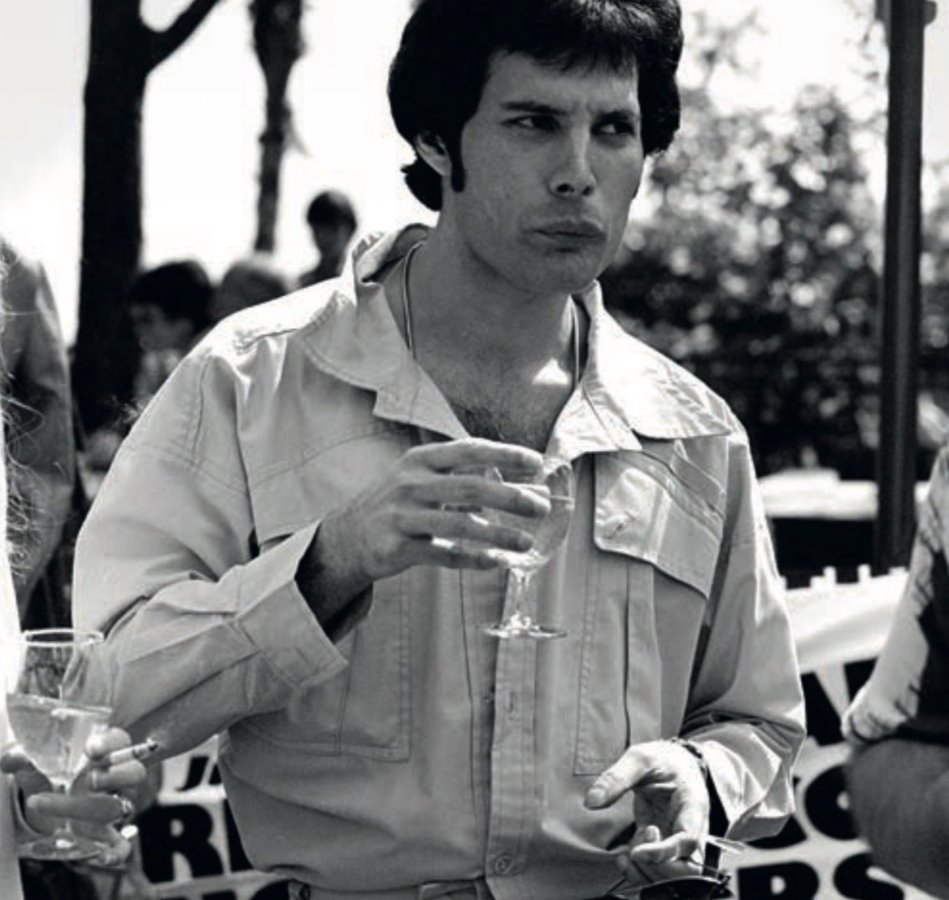
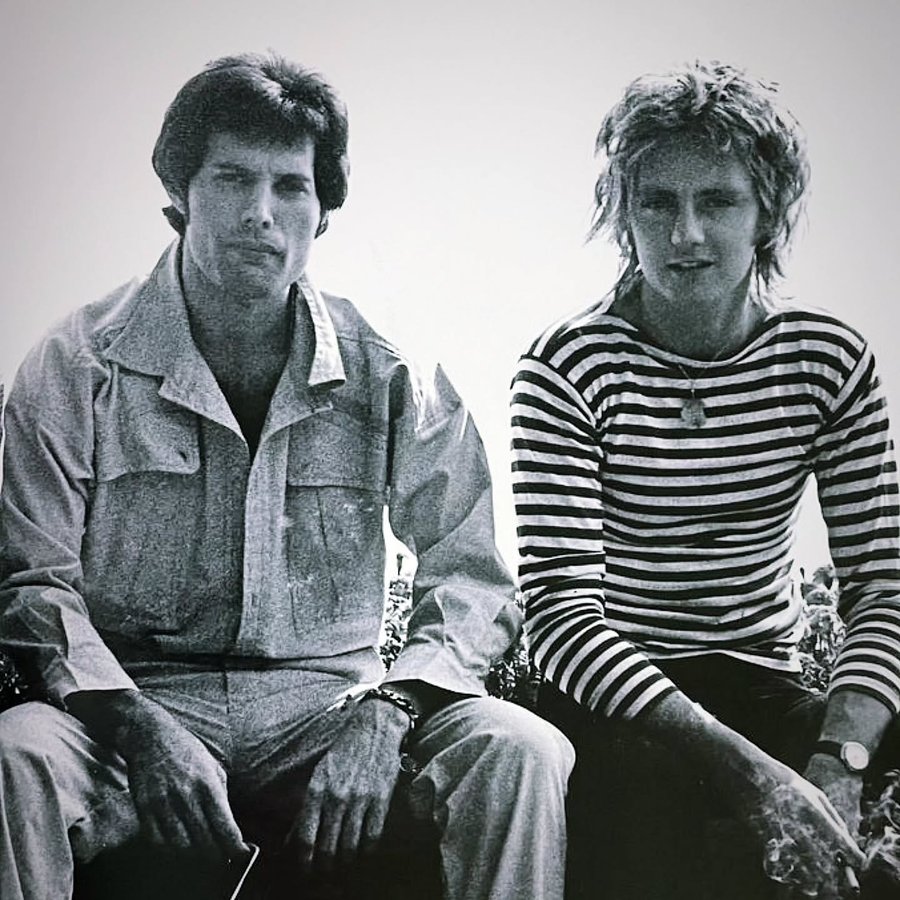
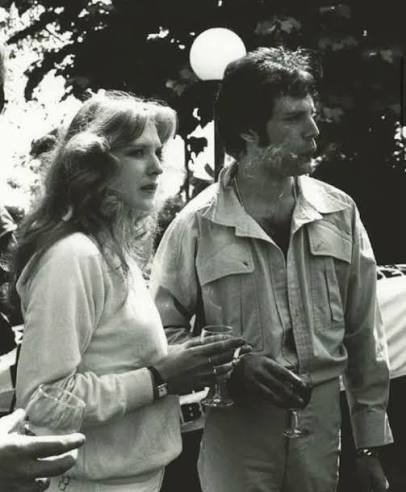
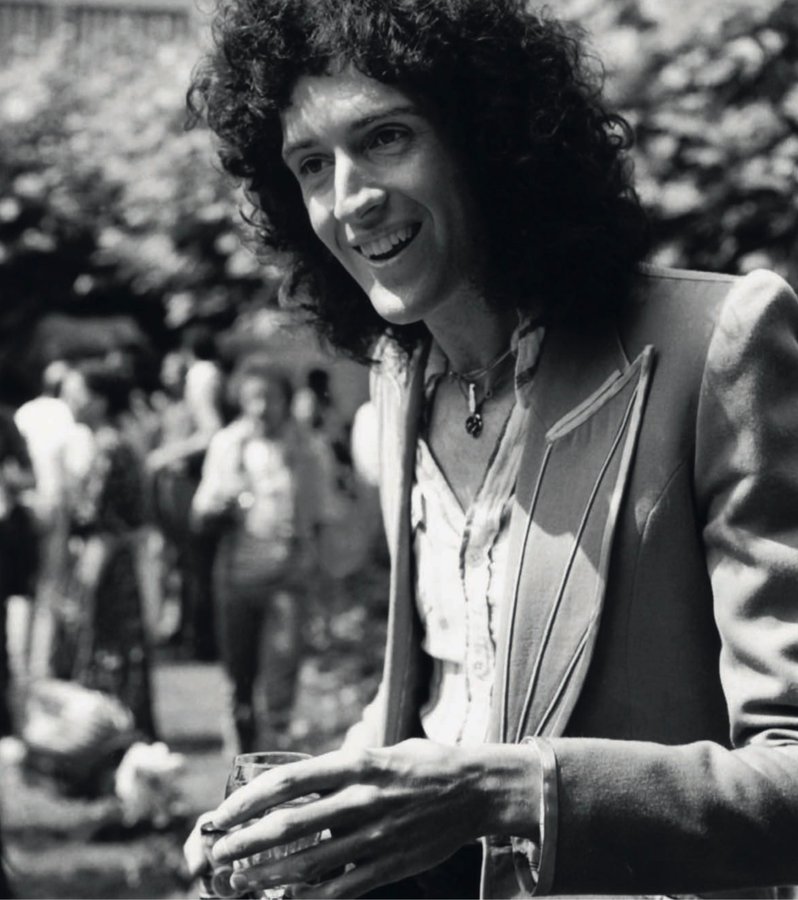
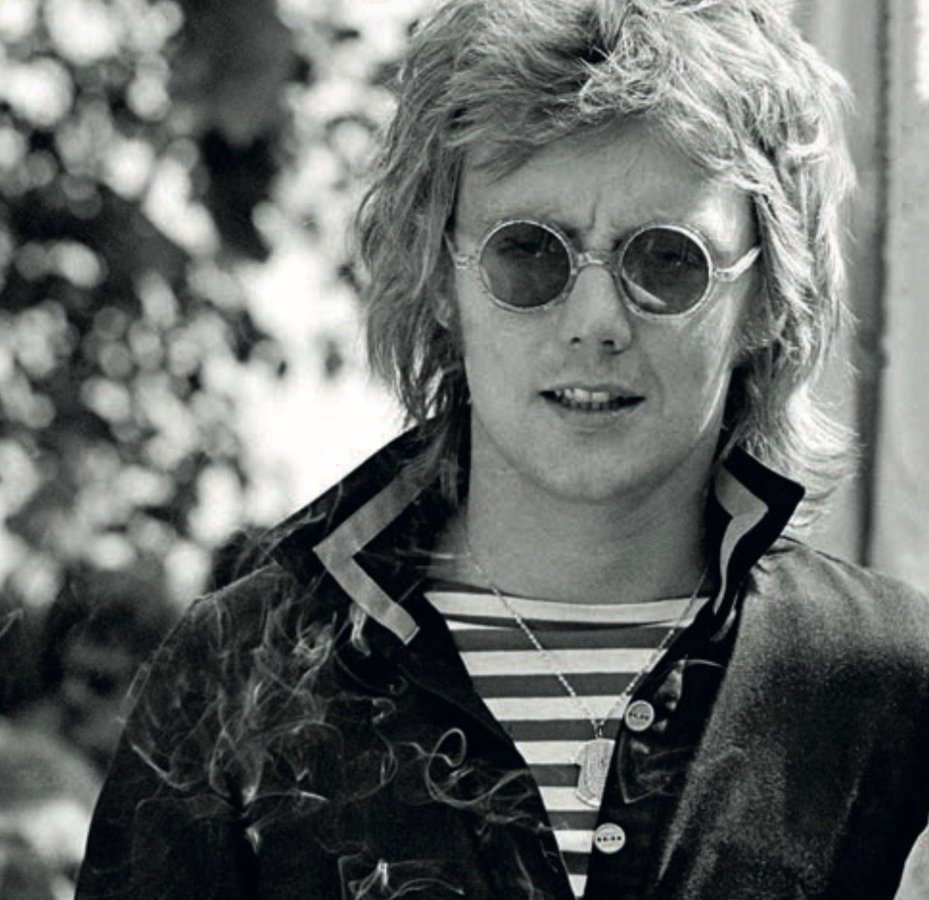
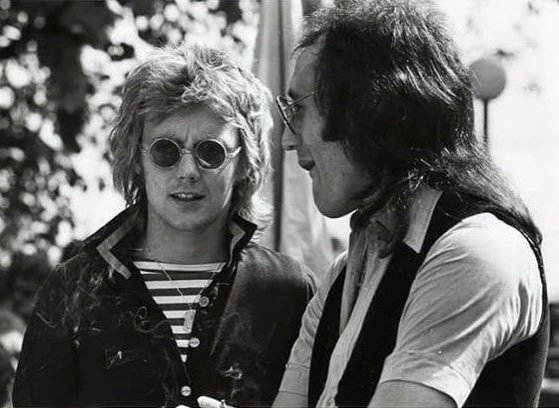
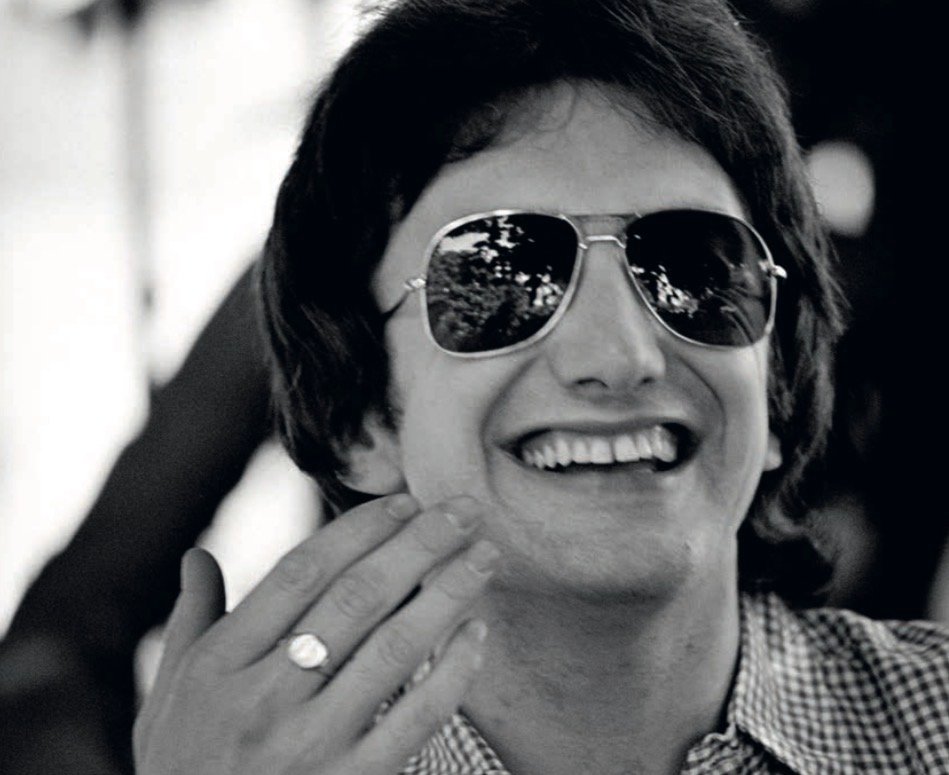
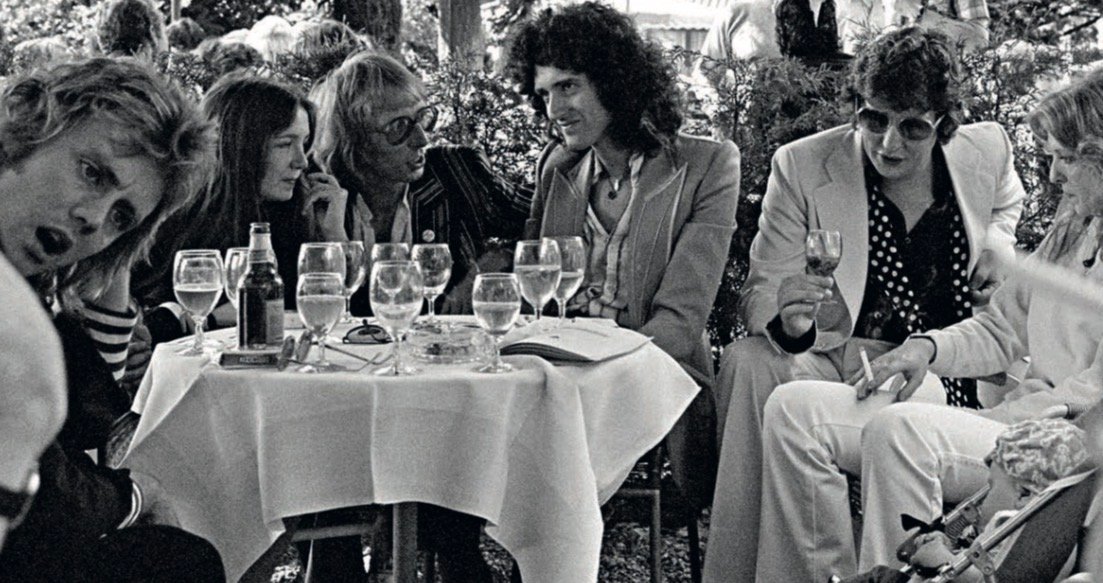
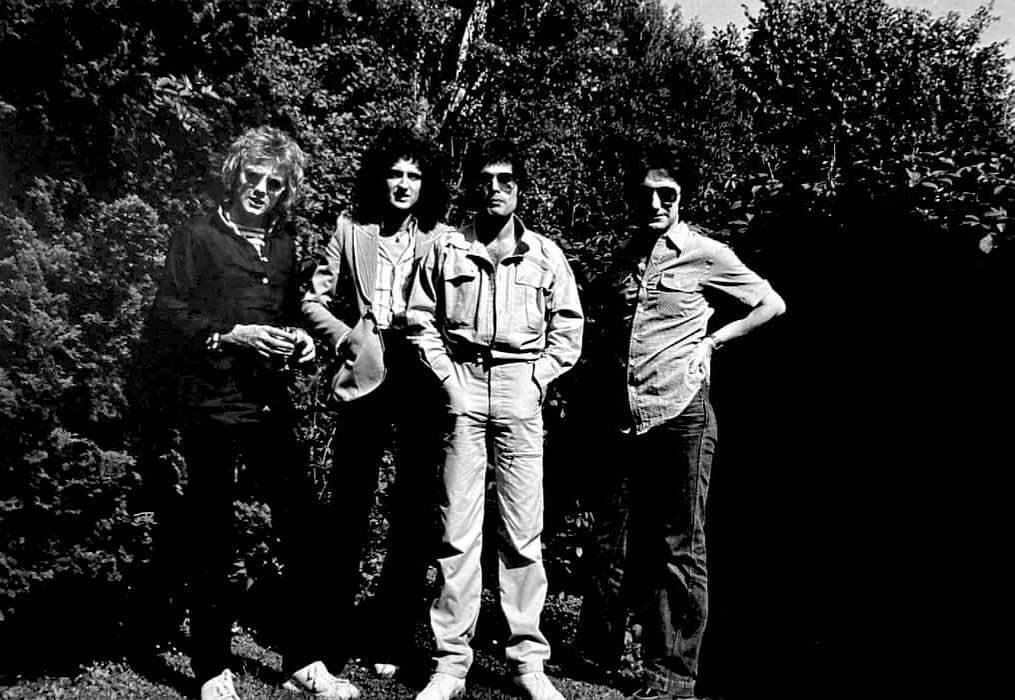
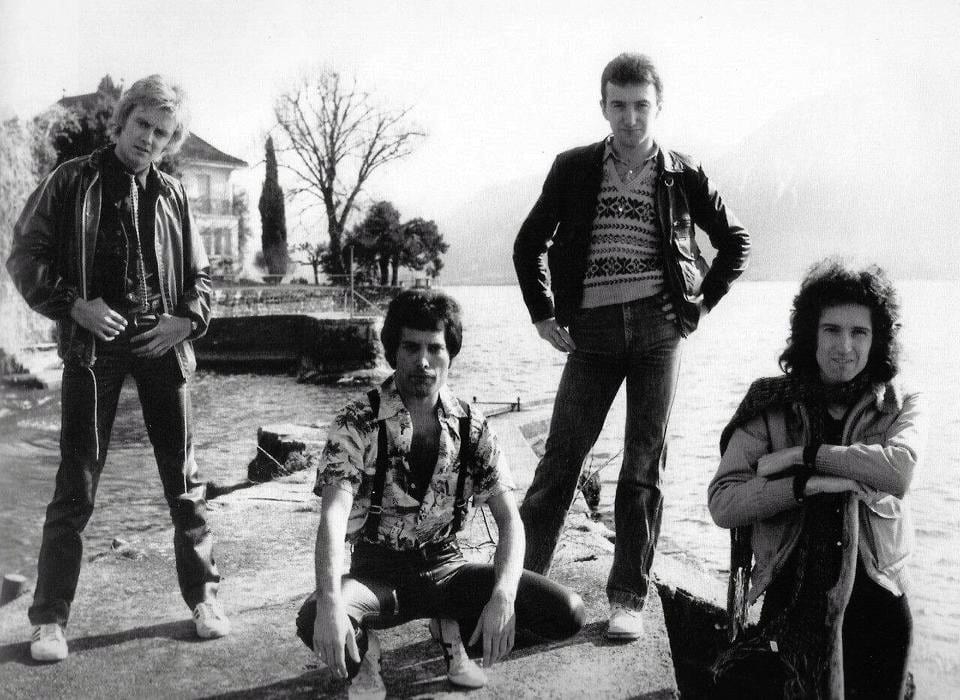
In 1978, a garden party brought the band together in the grounds of the Hôtel Eden au Lac, by the lake. The photographer Peter Hince caught them there, relaxed, between the park and the quay.
“Bicycle Race” and the Tour de France
In the summer of 1978, Queen were recording the album “Jazz” at Mountain Studios, set inside the Casino by the lake. On 19 July, the eighteenth stage of the Tour de France ran from Morzine to Lausanne along Lake Geneva: the riders passed along the quay in Montreux, and the band broke off the sessions for a moment to watch the race.
According to Lucien Muller, who shows fans around the town with his Freddie Tours, it was this that gave Freddie Mercury the idea for “Bicycle Race” (watson.ch, Ralf Meile, 17 July 2024). The guide notes that several versions circulate, some placing the singer on the balcony of the Montreux Palace, and that no one can say for certain where or how the idea came to him.
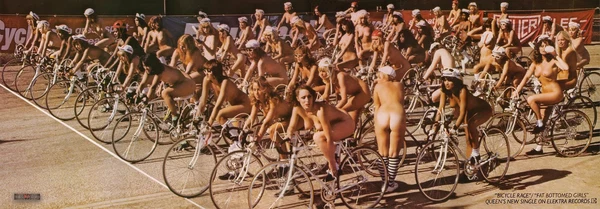
The song came out in October 1978, as a double A-side single with “Fat Bottomed Girls”. Many heard in it an ode to freedom, others a play on words; the single was certified gold in the United Kingdom and platinum in the United States.
The video, for its part, caused a stir. It was filmed at the Wimbledon greyhound stadium in London, where sixty-five naked young women rode a bicycle race. When the company that had hired out the bicycles learned what had happened, it demanded enough to replace every saddle (Le Messager, 5 March 2022).
Mountain Studios
Founded in 1975 by Anita Kerr and Alex Grob inside the Casino de Montreux, Mountain Studios was designed by engineer Tom Hidley and fitted with a Neve 8048 console. It was among the first studios in the world to synchronise two 24-track recorders, 48 tracks in total. The Casino housing it had just been rebuilt: on 4 December 1971, a flare fired during a Frank Zappa concert had set the old building ablaze, a fire Deep Purple immortalised in “Smoke on the Water”.
The place quickly drew the biggest names. Before and after Queen, it hosted recordings by David Bowie, Led Zeppelin, AC/DC, Iggy Pop, Chris Rea, Bryan Ferry, Stan Getz, Nina Simone, the Rolling Stones, Yes and Rick Wakeman, not to mention the Montreux Jazz Festival concerts and the televised Rose d’Or galas (Mercury Phoenix Trust).
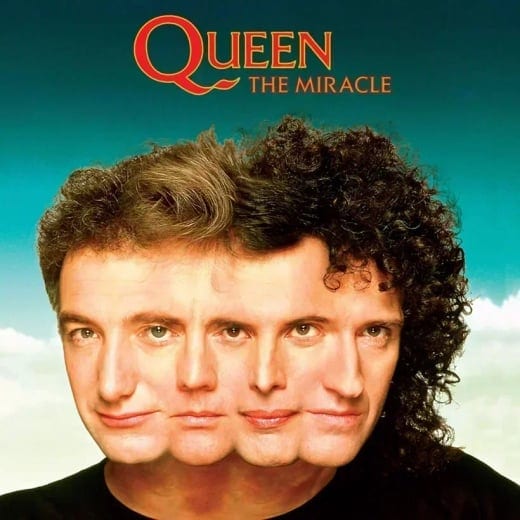
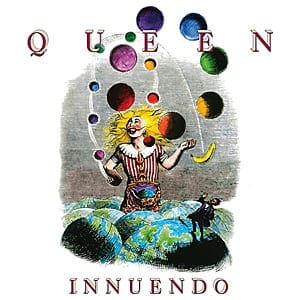
On 15 July 1979, Queen bought the studio and made it their home base. Engineer David Richards became its mainstay: he joined Mountain Studios when it opened, was chief engineer by the age of 21, bought the place in 1993, and co-produced the band’s last four albums, “A Kind of Magic” (1986), “The Miracle” (1989), “Innuendo” (1991) and “Made in Heaven” (1995).
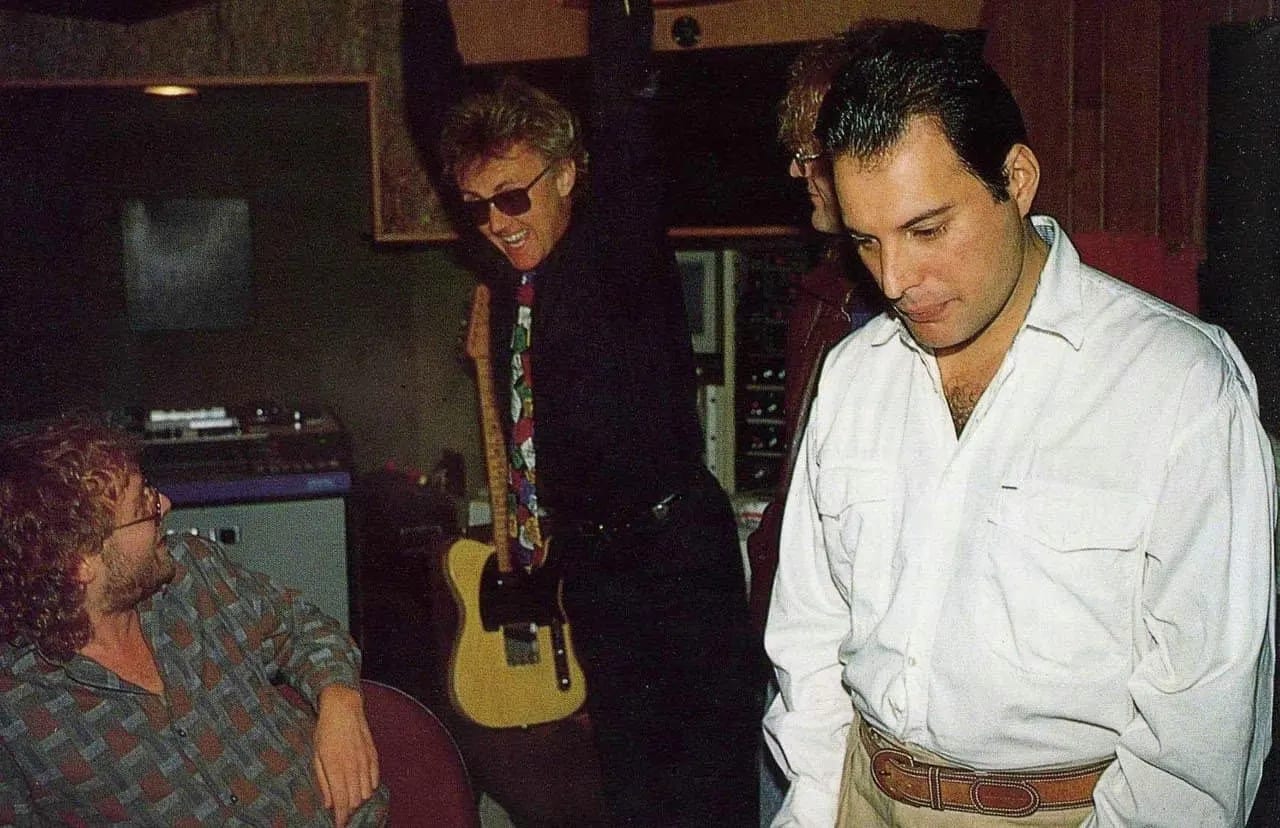
David Richards remembered their first meeting, during the “Jazz” sessions run with engineer Roy Thomas Baker: “The very first time I met them was when they came to make the Jazz album here. That was when they decided to buy the studio as well, so I suddenly became under new employment. I had new bosses: Queen.”
Seven albums recorded (at least partly) in Montreux
Seven Queen albums bear the mark of Montreux, in whole or in part: “Jazz” (1978), “Hot Space” (1982), “The Works” (1984), “A Kind of Magic” (1986), “The Miracle” (1989), “Innuendo” (1991) and “Made in Heaven” (1995).
Montreux was above all a place of work and of life for Queen. Their two public appearances in town, in 1984 and 1986, both took place at the Golden Rose, a television festival that no longer exists today.
In 2022, while preparing a reissue of “The Miracle”, Queen’s archive team came upon a forgotten track from the 1988 sessions, partly held at Mountain Studios: “Face It Alone”, carried by Freddie’s voice. Released on 13 October 2022, it was the singer’s first unreleased song to appear in eight years. Roger Taylor called it “a little gem we’d kind of forgotten about”, and Brian May “something beautiful and touching”. The video, directed by Simon Lupton, recreates the Mountain Studios in Montreux.
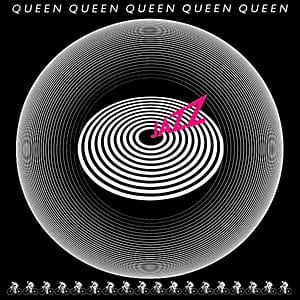
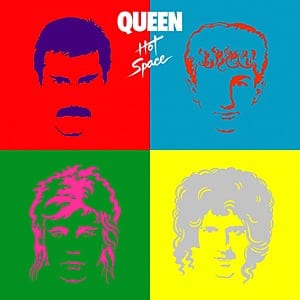
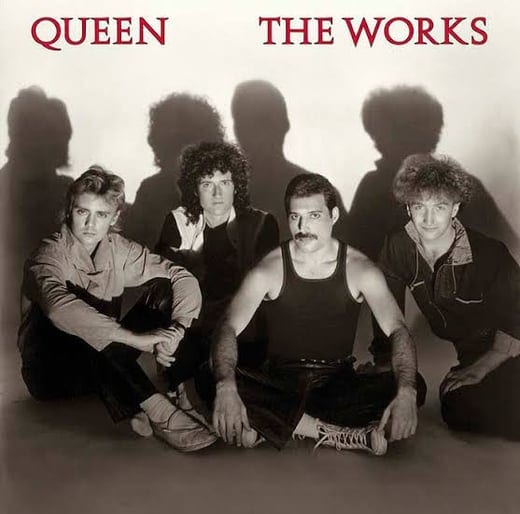
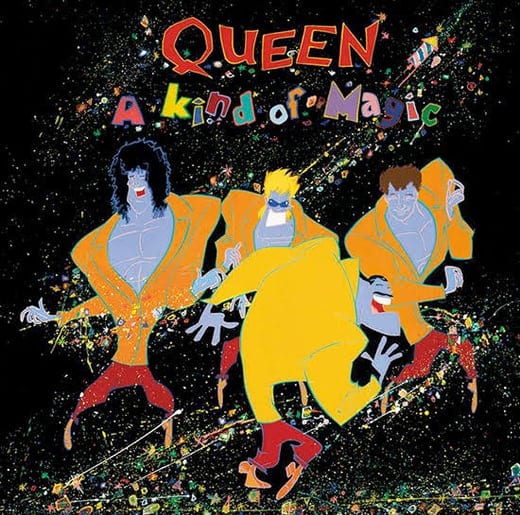


“Under Pressure”, with David Bowie
In the summer of 1981 Queen were working at Mountain Studios. David Bowie, then living on the Riviera, dropped by. The visit turned into a working session, and the session into a collective improvisation.
Claude Nobs told another version of the evening: a barbecue at his chalets, a suggestion around midnight that they go down to the studio, and the musicians coming back up two hours later with the song. Both accounts agree on the essential point, nothing was planned.
John Deacon’s bass line, four notes and a silence, is one of the most recognisable in rock, and it was recorded in Montreux. Bowie and Freddie Mercury answer each other on vocals, each pushing the other.
The single came out on 26 October 1981 and went to the top of the British charts. It would appear on “Hot Space” (1982). It is the only track Queen and David Bowie ever signed together.
On stage, Queen played it without him. The version filmed at the Montreal Forum in November 1981 is the one most often seen again: Freddie Mercury handles both vocal parts alone.
Claude Nobs, for his part, kept a simpler version: one evening he invited Queen and David Bowie to his home for a barbecue; at midnight he suggested the musicians go down to the studio; they went, came back two hours later, and “Under Pressure” was born.
Queen at the Golden Rose festival, 1984
It is often forgotten that Montreux long hosted a second major event: the Golden Rose, a television and light-entertainment festival whose pop strand drew international stars every spring. Queen came twice, in 1984 and again in 1986.
On 12 May 1984, at the Petit Palais, the band performed four tracks from their album “The Works”: “Radio Ga Ga”, “Tear It Up”, “It’s A Hard Life” and “I Want To Break Free”.
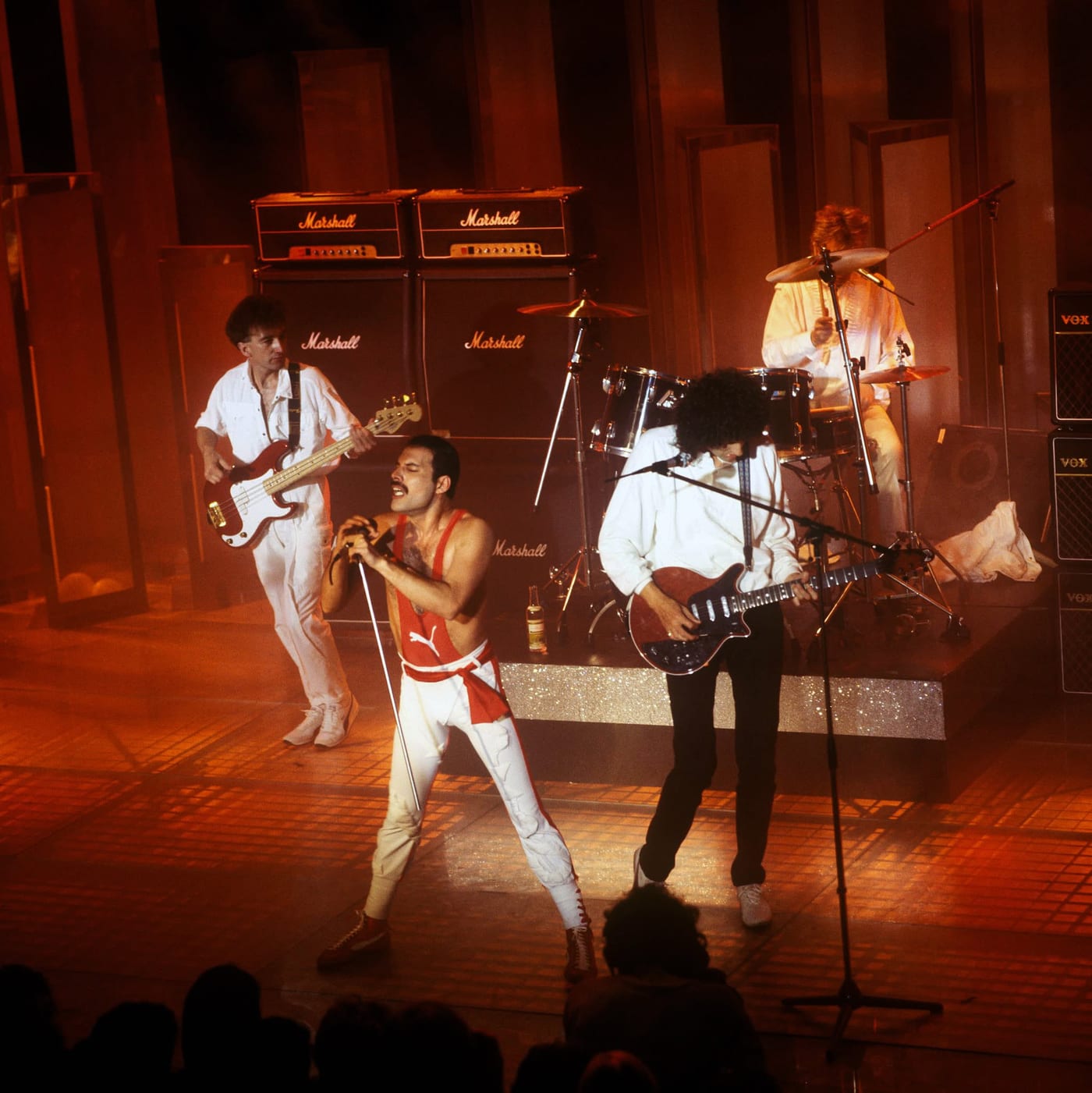
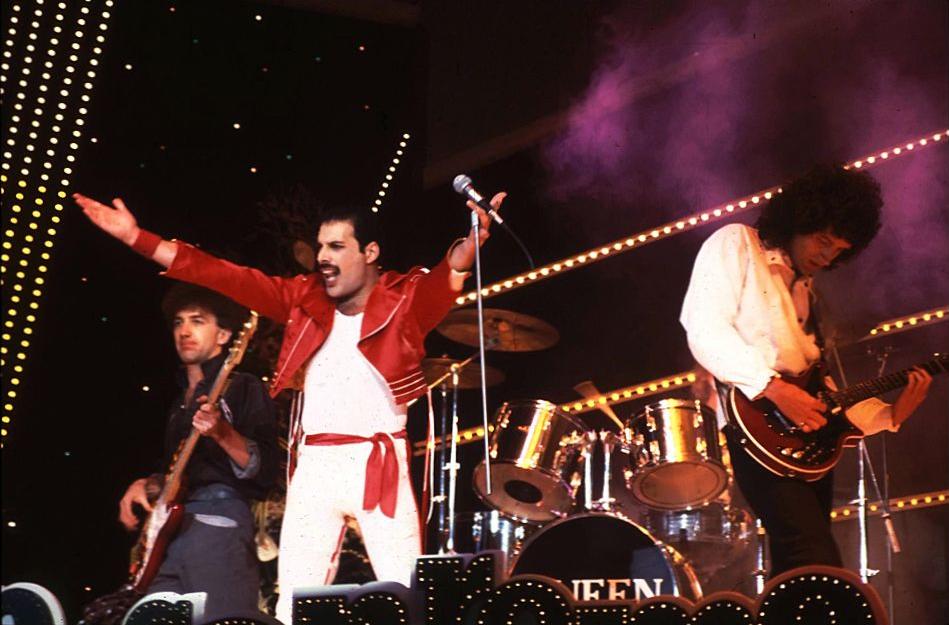
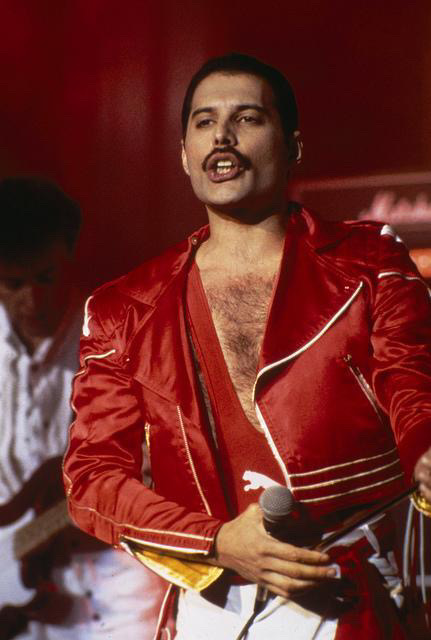
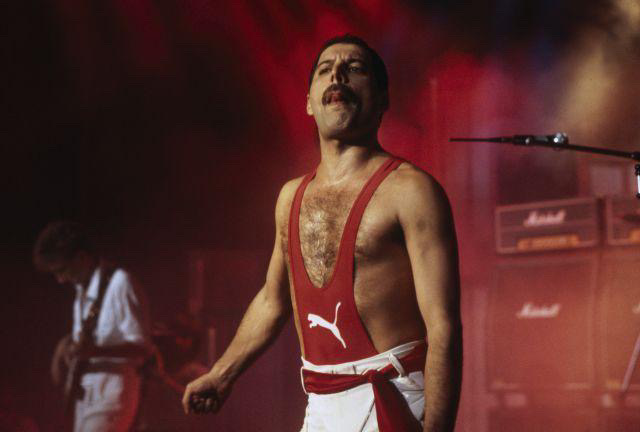
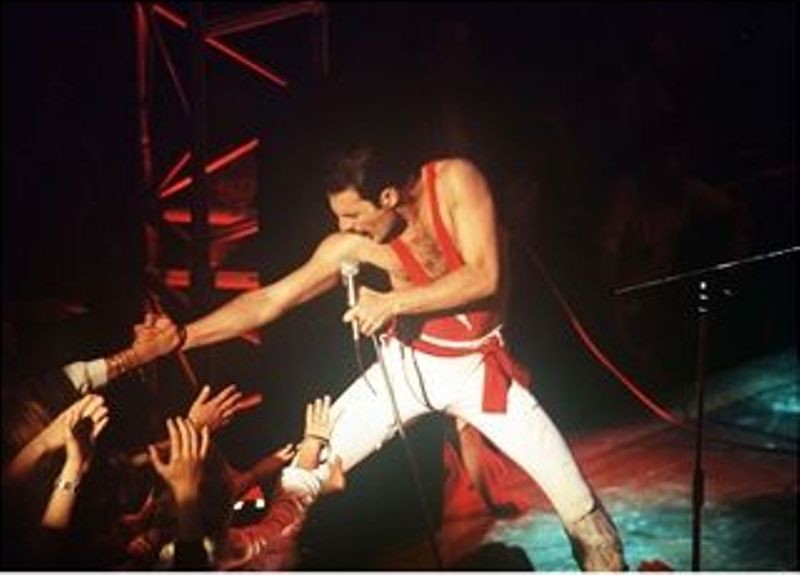
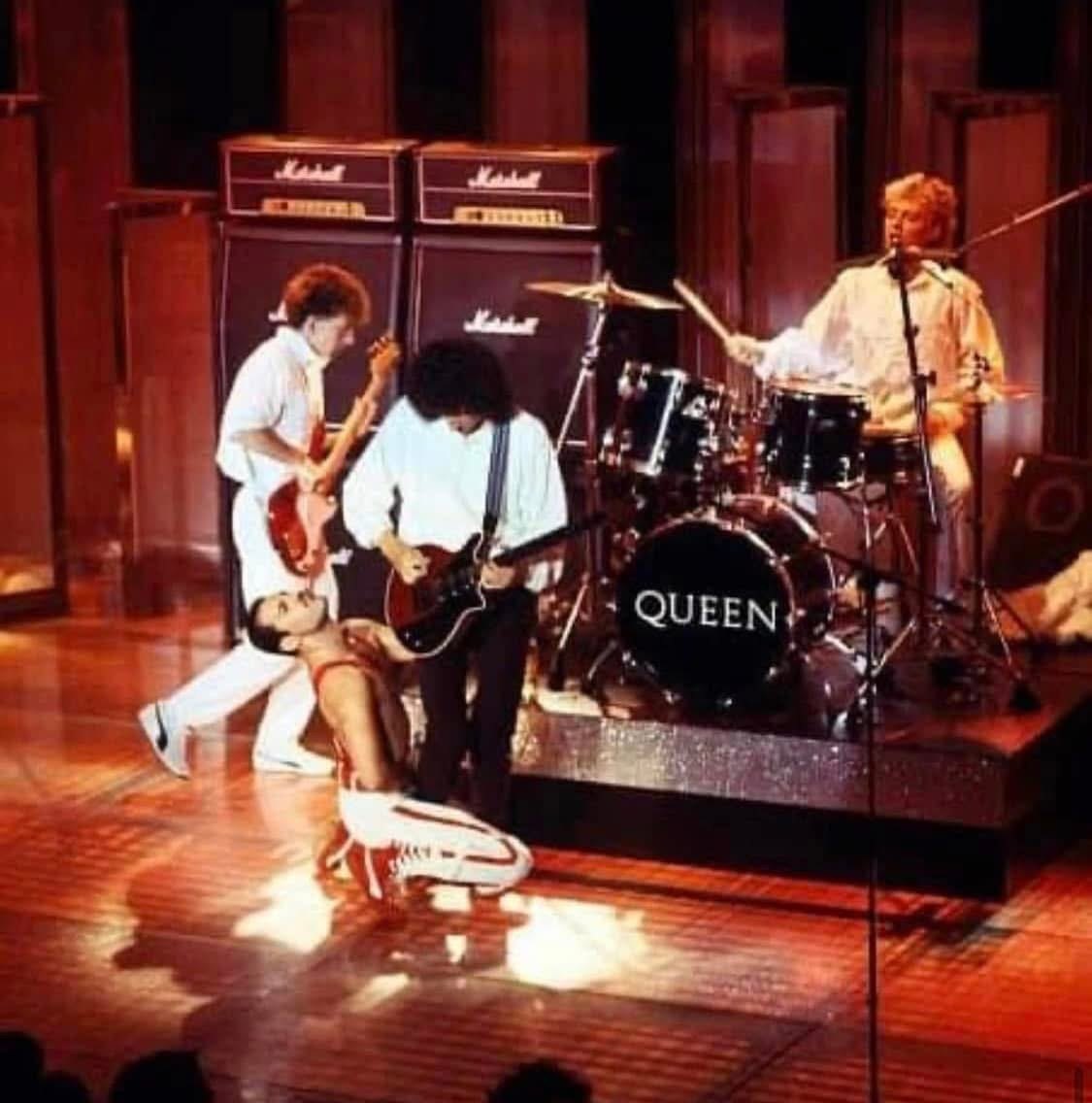
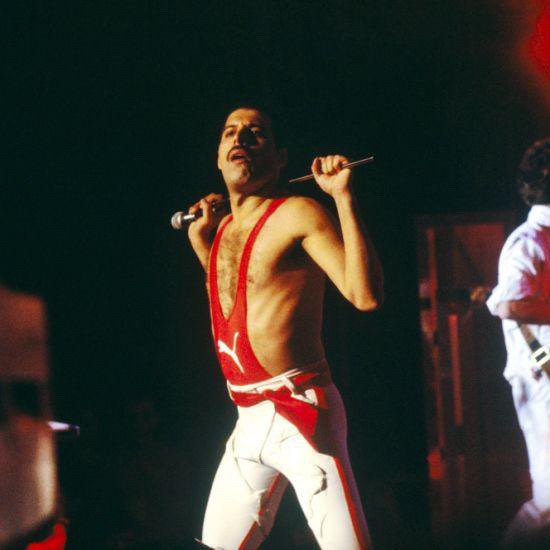
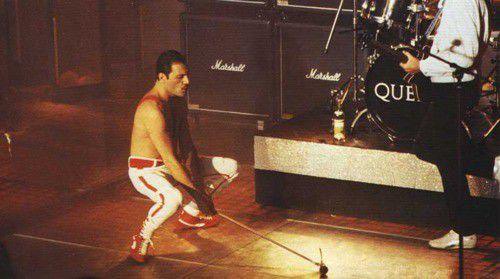
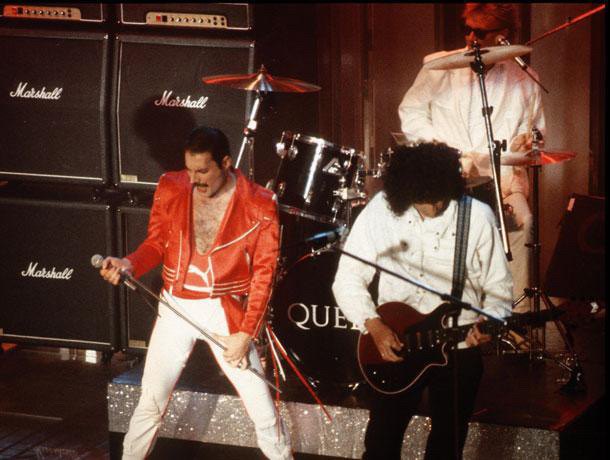
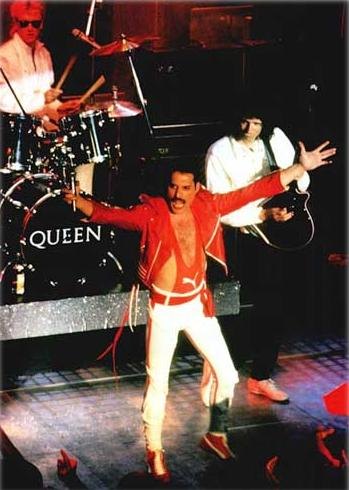
It was not a concert in the strict sense: the set was mimed, as television practice then required. The footage was reused in 2003 on the compilation “Greatest Video Hits 2”.
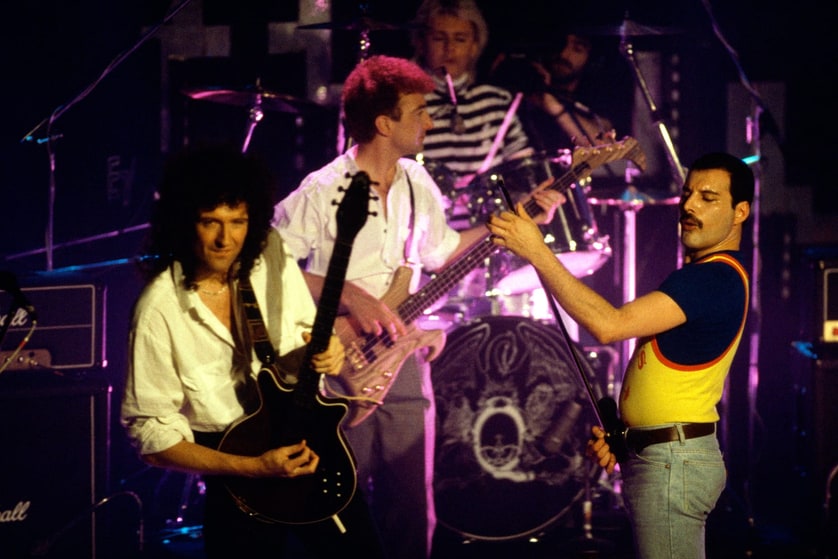
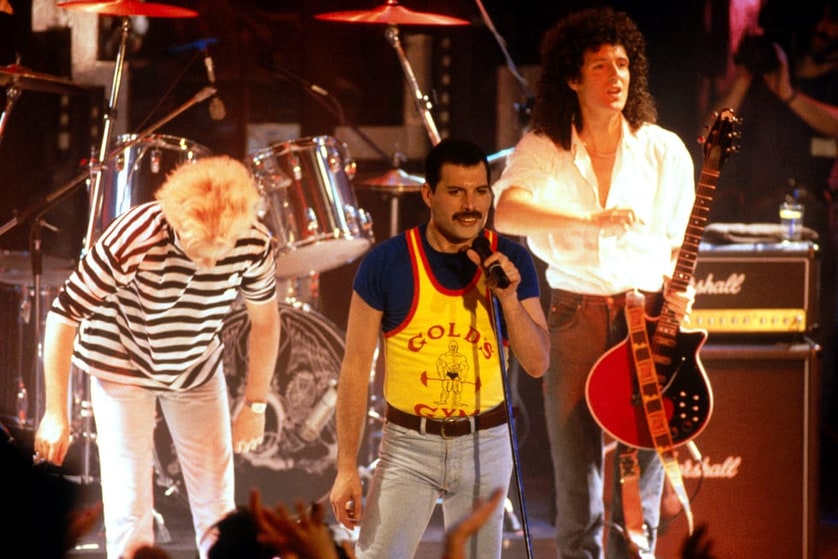
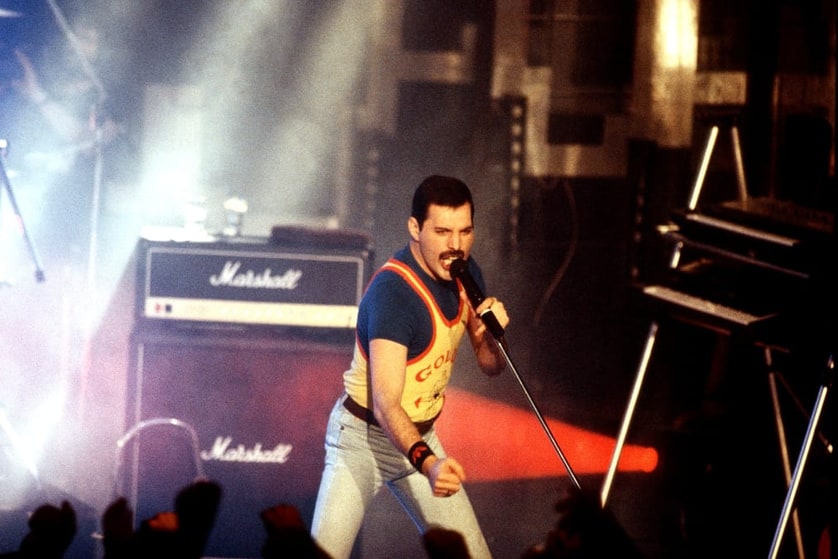
Queen at the Golden Rose festival, 1986
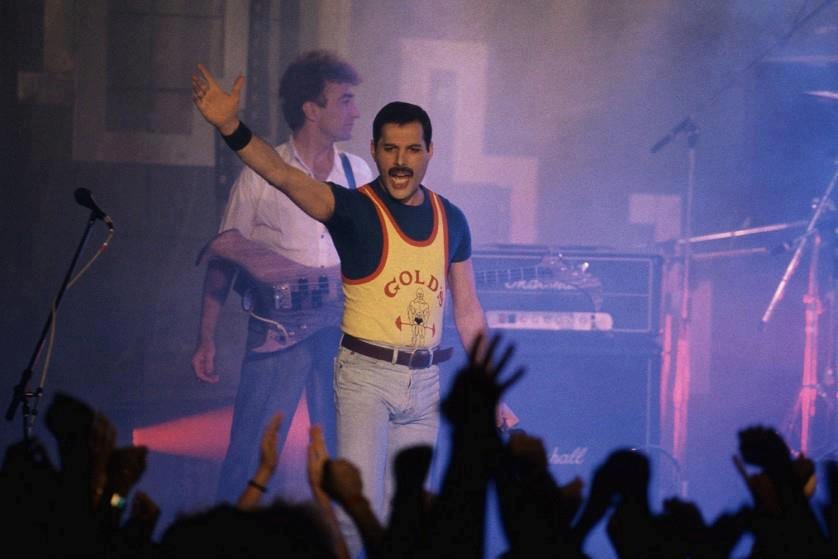
Two years later, on 11 May 1986, Queen returned for the third edition of the Golden Rose rock strand, this time at the Casino de Montreux.
The band performed four songs: “One Vision”, “A Kind of Magic”, “Friends Will Be Friends” and “Hammer to Fall”. That day Freddie Mercury wore his famous “Gold’s Gym” vest.
The press reception aboard the “Italie”
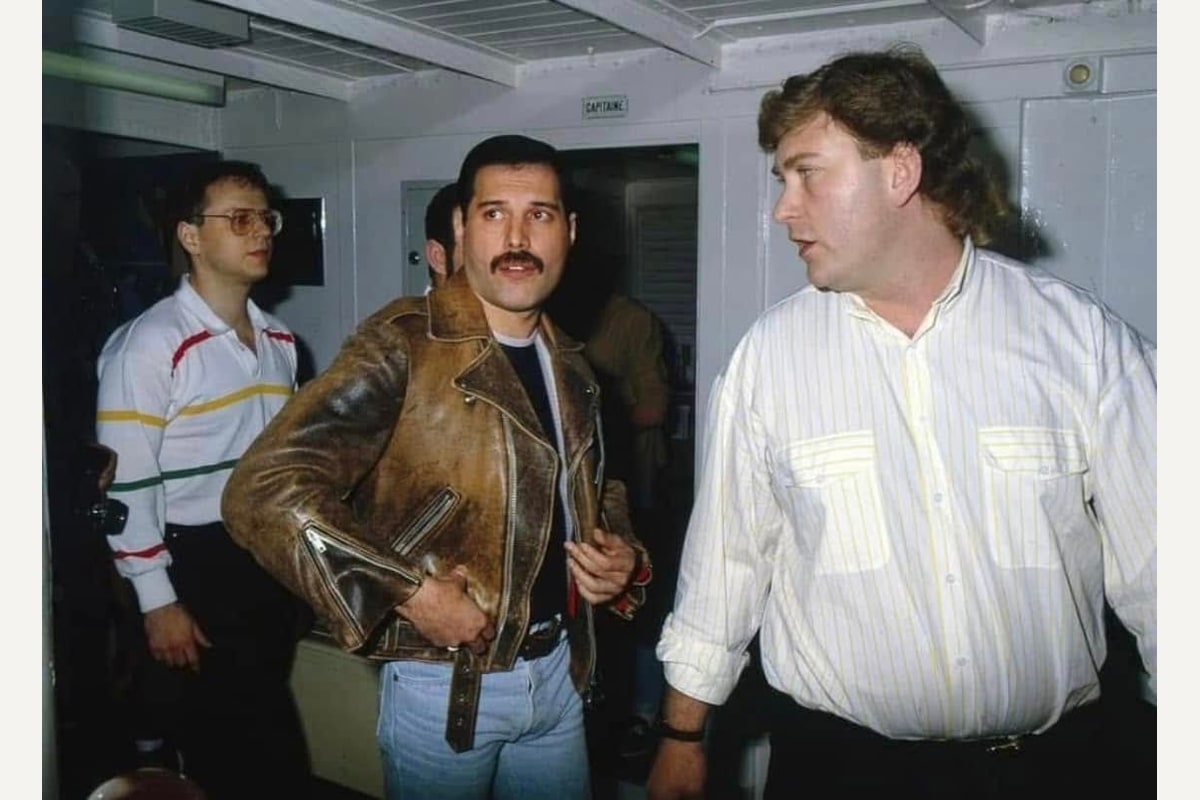
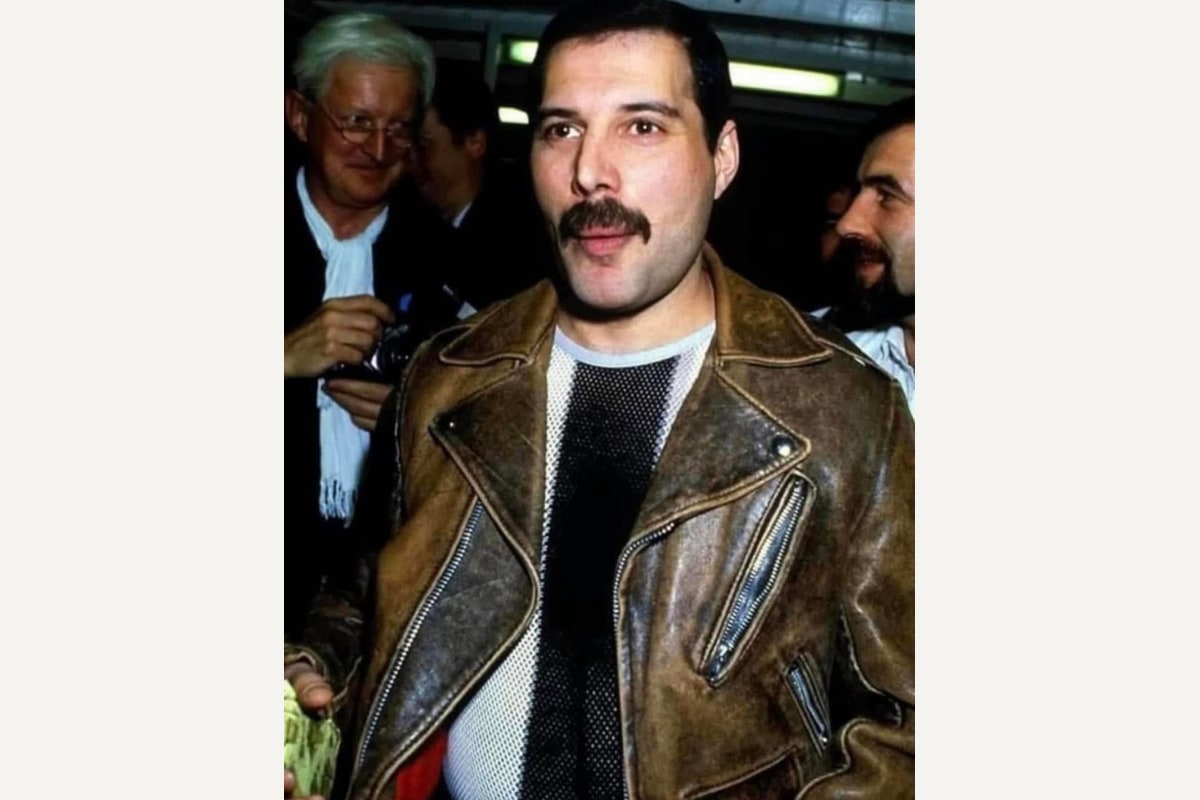
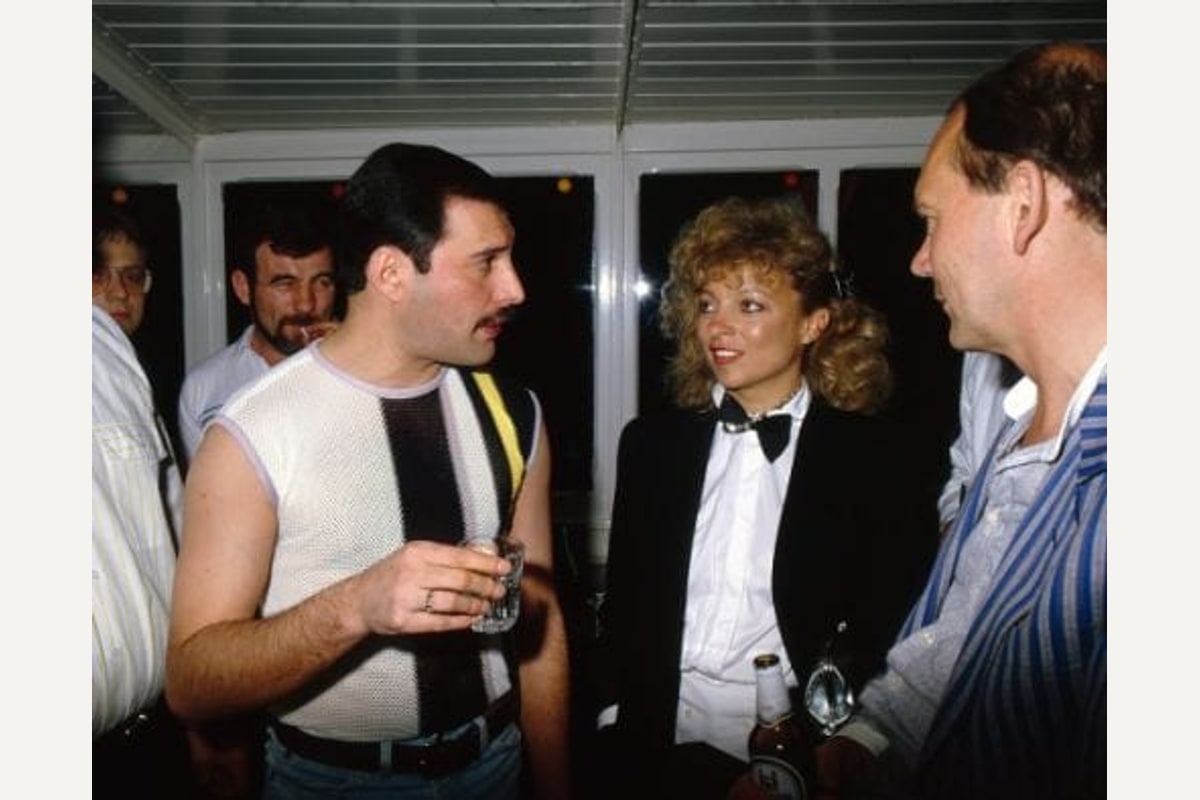
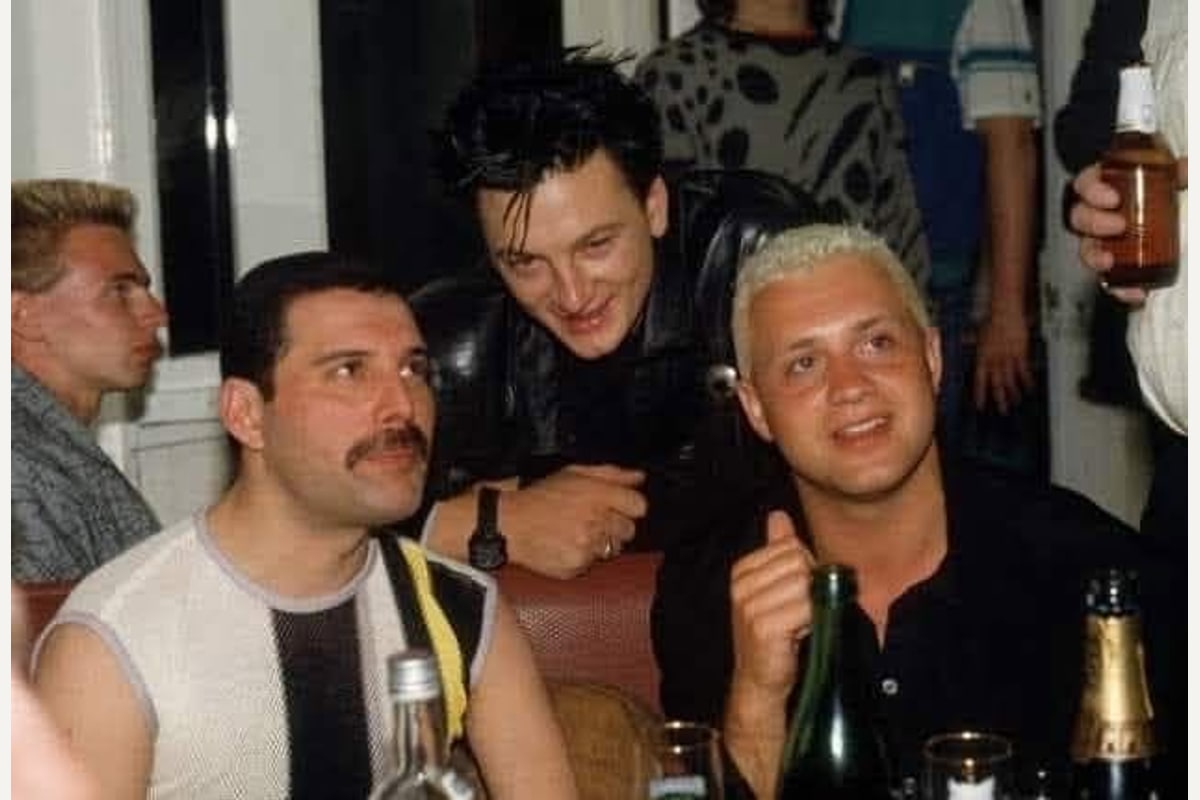
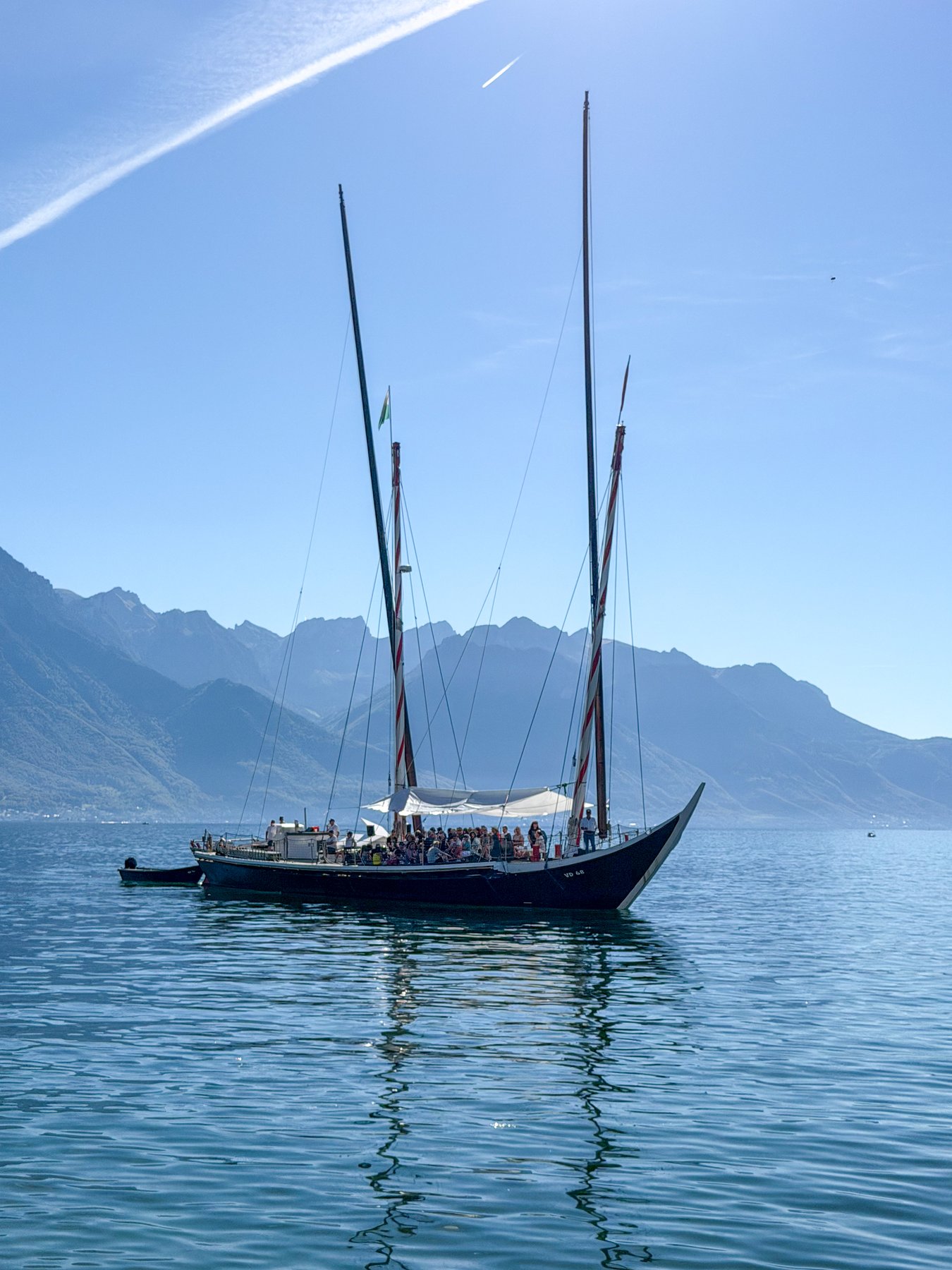
The day before that stage appearance, on 10 May 1986, the band had received the international press aboard the “Italie”, a 1908 boat chartered by their manager Jim Beach, for a cruise on Lake Geneva. The party was held around the new album, “A Kind of Magic”.
Among the guests were Mark O’Toole of Frankie Goes To Hollywood and the singer Belouis Some. The day left many photographs behind, and it is one of the rare occasions when Queen appeared at such length in public in Montreux.
To create a stir, performers from the Hungaria cabaret had mingled with the guests before undressing at the agreed moment; the next day the international press talked only of this “incident”. The anecdote is told by Vicky Vocat, who witnessed it.
Freddie Mercury’s final months
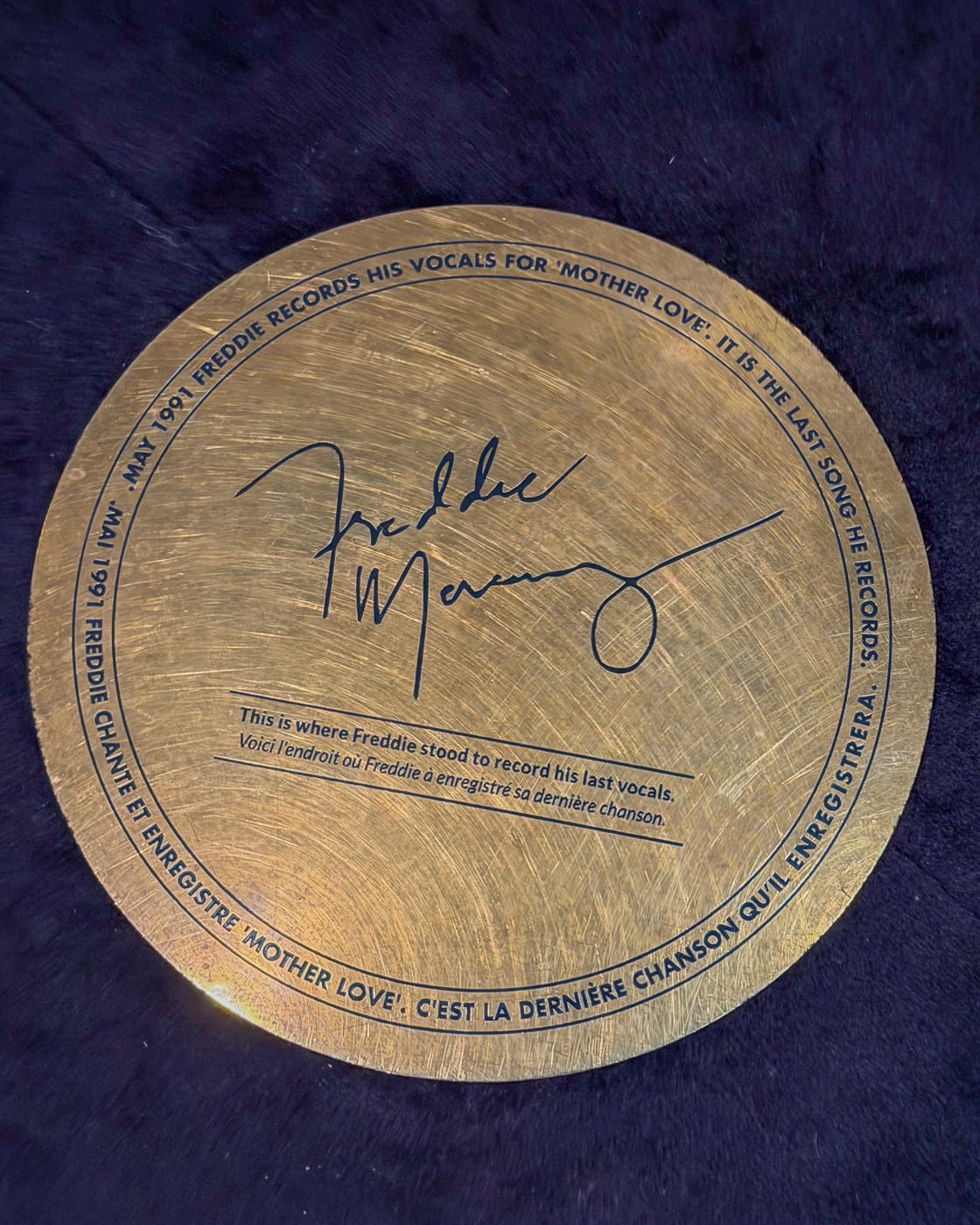
Freddie Mercury owned an apartment in Montreux, in Territet. But it was at Mountain Studios, inside the Casino, that he recorded his very last vocal take, in May 1991, a few months before his death on 24 November 1991.
A plaque set into the floor still marks the exact spot in the former studio today.
Queen in Montreux, away from the studio
Away from the studio, Queen lived in Montreux as if at home. The band rented the Duck House, a lakeside villa in Clarens whose little boathouse appears on the cover of “Made in Heaven”. Up in the hills, Claude Nobs welcomed the musicians to his chalets.
The band had its regular tables. It dined often at La Rouvenaz, where Freddie sat at table 19, went at least twice a week during the sessions to Denis Martin’s, then in Yvorne, and enjoyed the rösti of the La Bavaria brasserie, right by the studio. To unwind, Queen pushed open the door of Funky Claude's Bar at the Montreux Palace, then called Harry’s Bar. The bar’s manager, Tania Gauger, told the story of those nights in a 2007 interview (Montreux Celebration): the band arrived after recording, between midnight and one in the morning, and the evening sometimes carried on at her home, over spaghetti that Roger Taylor asked for at four in the morning.
The studio turned museum
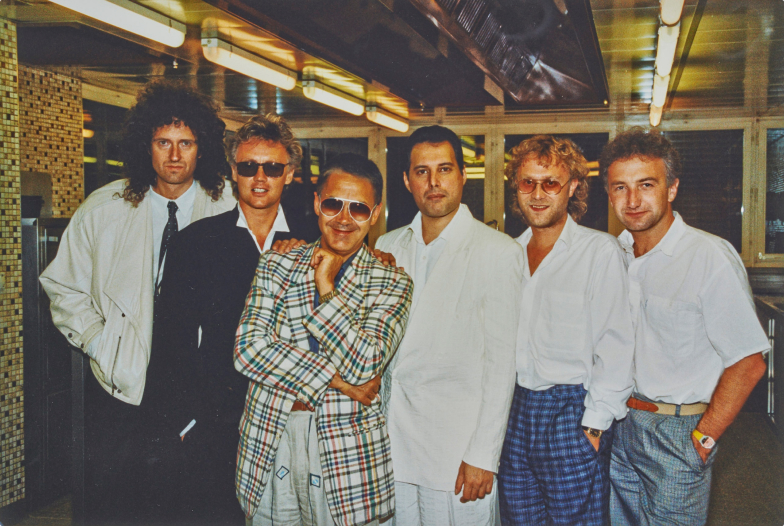
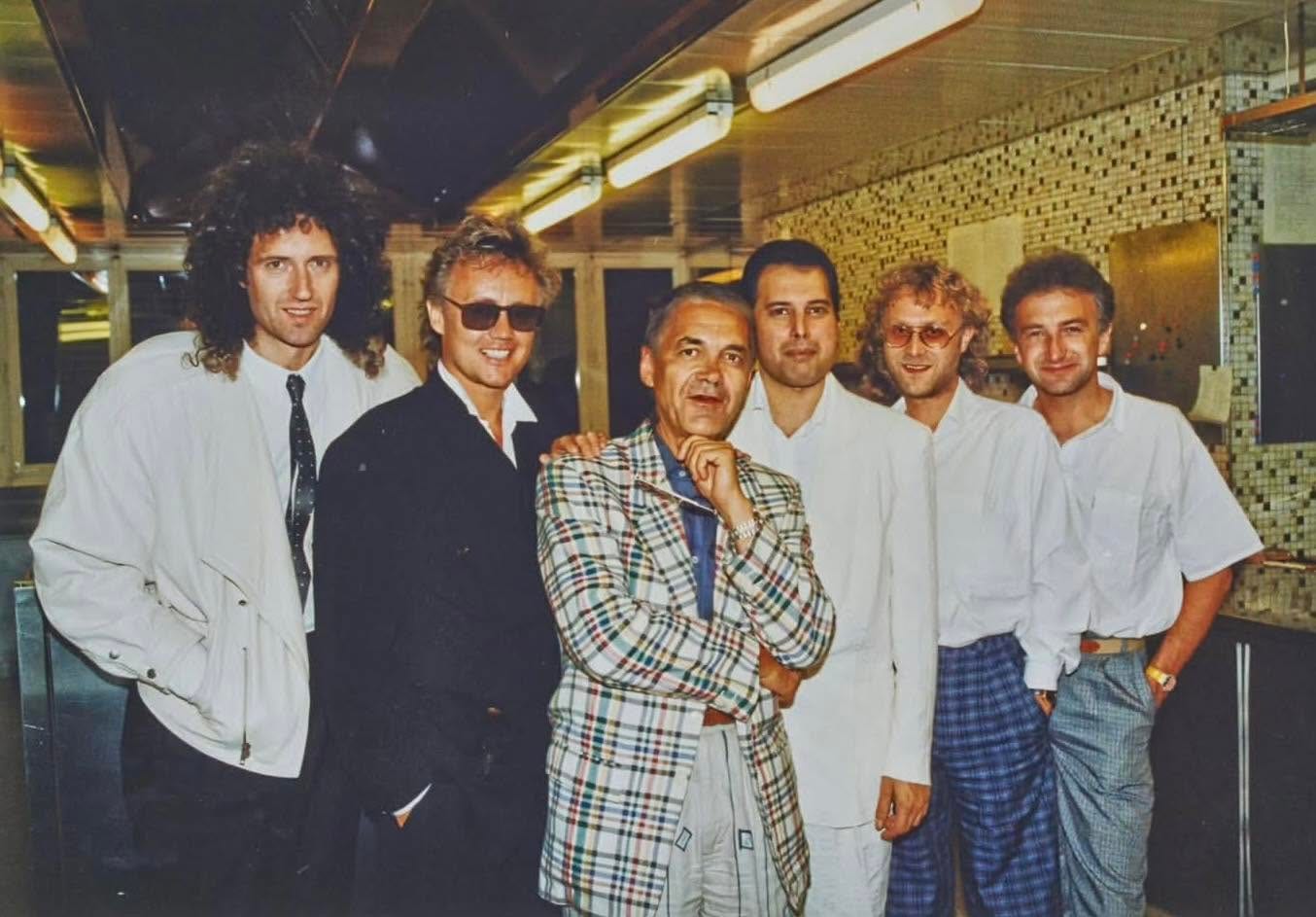
Queen kept the studio until early 1993, then sold it to David Richards, their long-standing sound engineer. The studio itself moved out in 2003, for renovation work. On Richards’s death, in December 2013, the place was reborn in another form.
On 2 December 2013, World AIDS Day, Brian May and Roger Taylor opened “Queen: The Studio Experience”, a free exhibition benefiting the Mercury Phoenix Trust. It was entrusted to the band’s official archivist Greg Brooks, designed by Marmalade London, and made possible by the Fondation du Casino Barrière de Montreux, in the very walls where the studio had begun (Mercury Phoenix Trust).
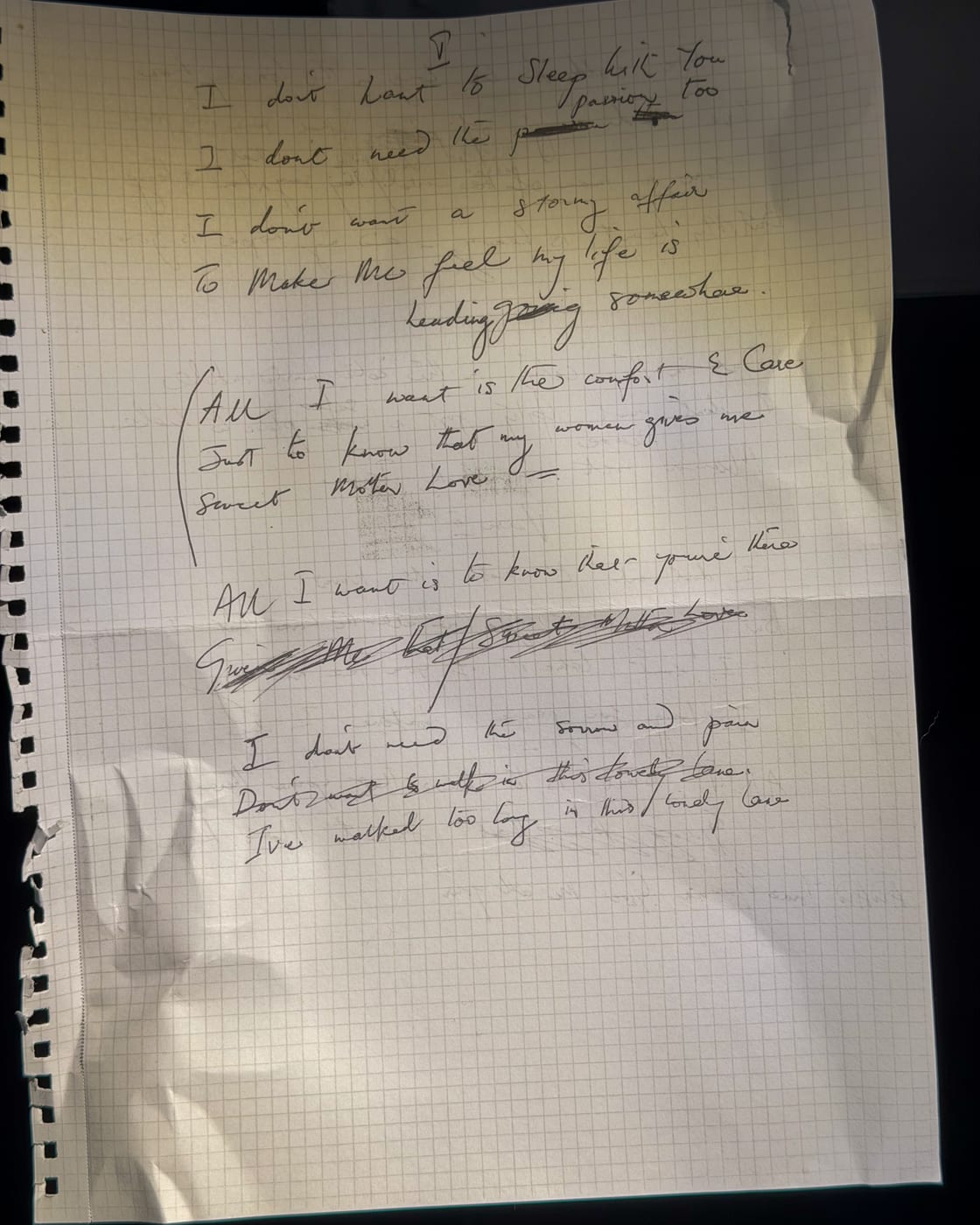
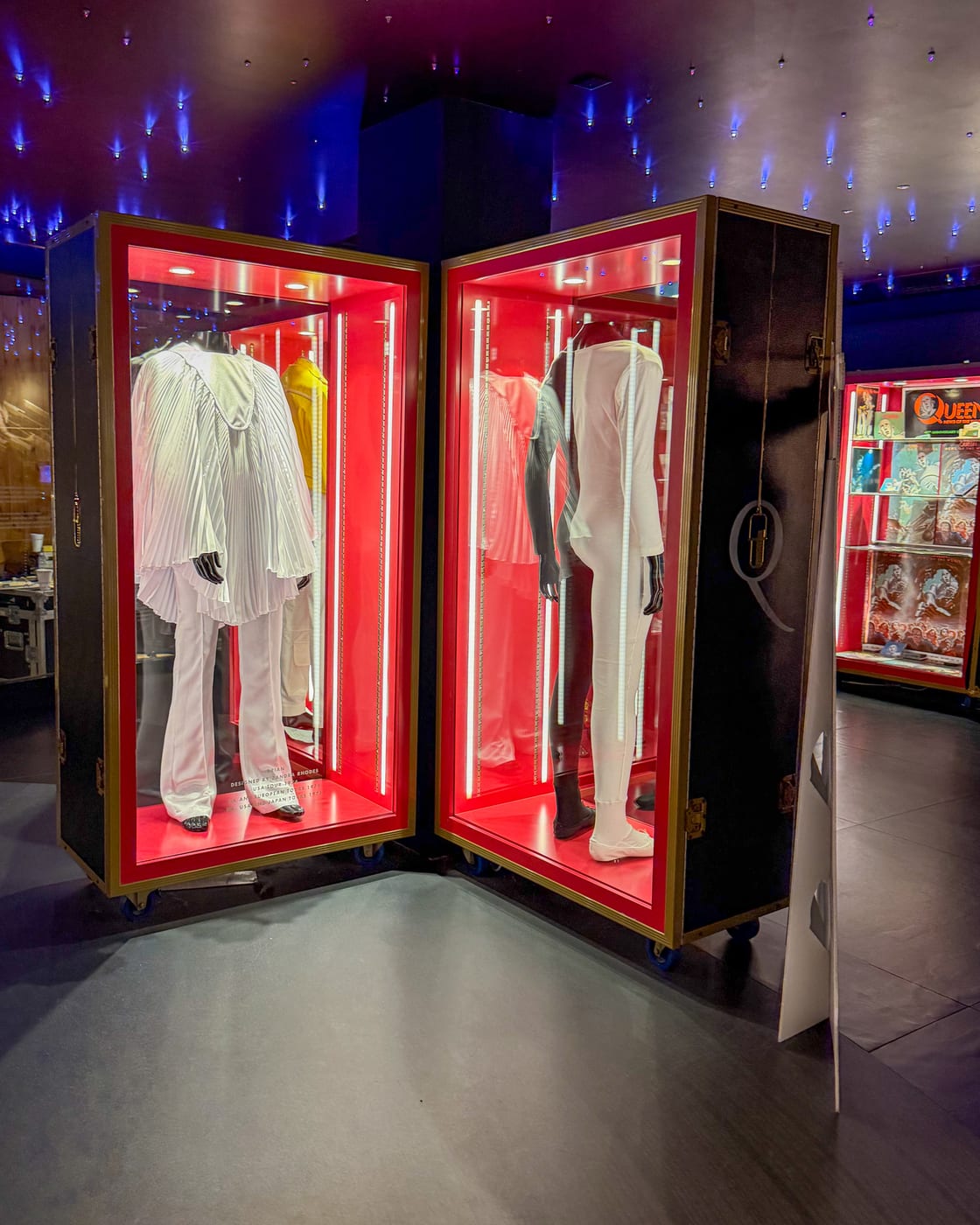
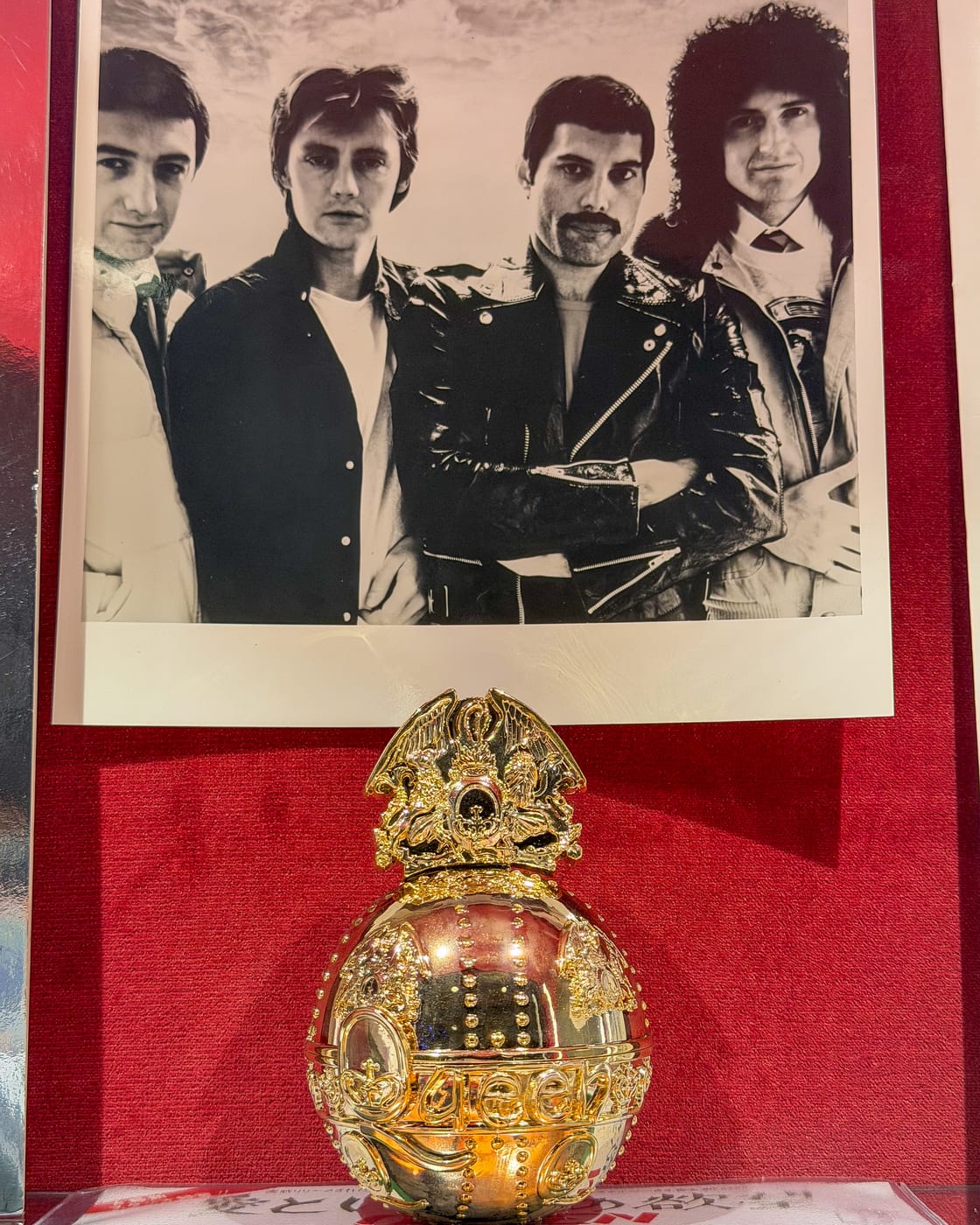
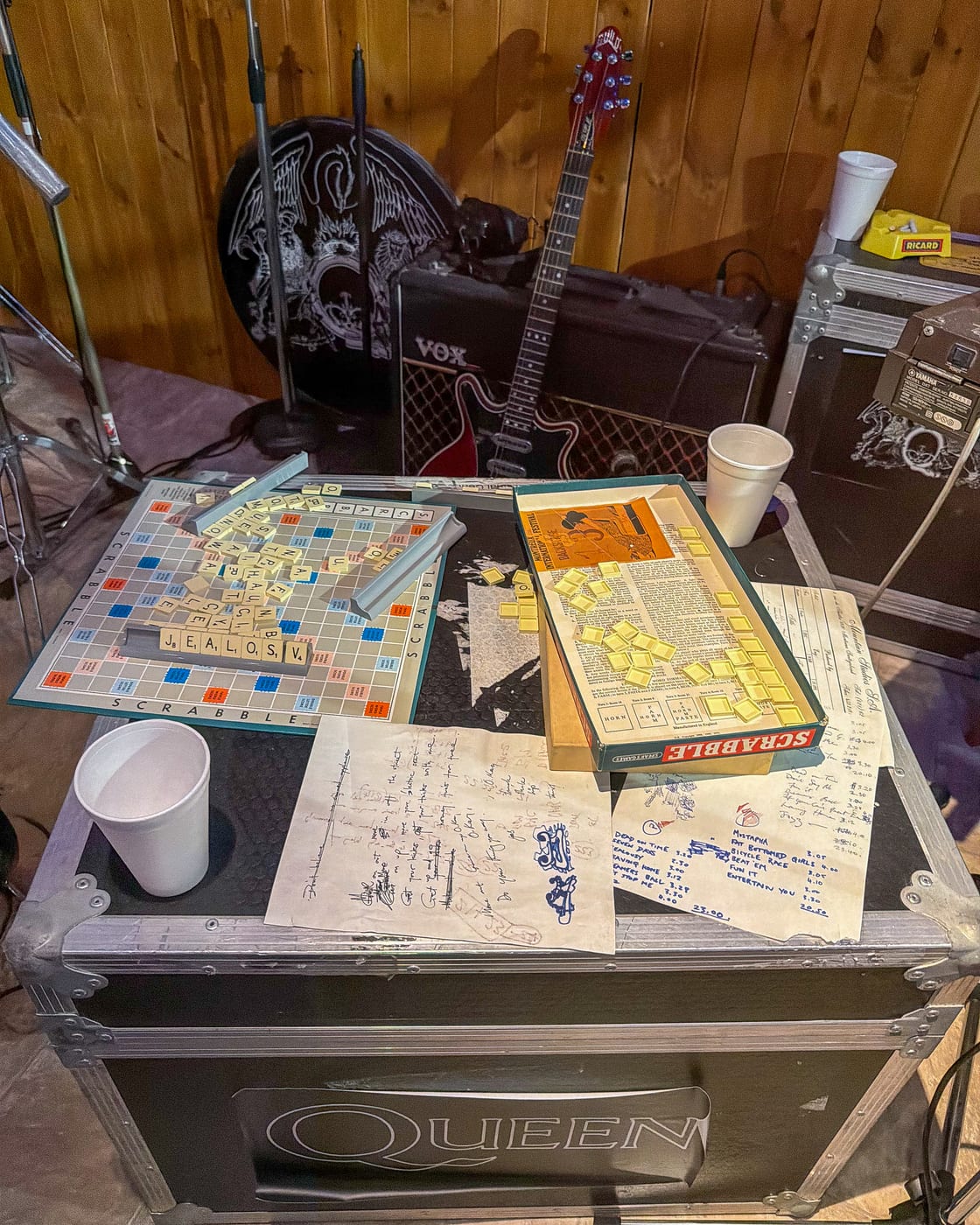
The original rooms were faithfully recreated there. You come across handwritten lyrics, the members’ own instruments and costumes, and tape boxes that still sometimes bear a track’s original title before it changed.
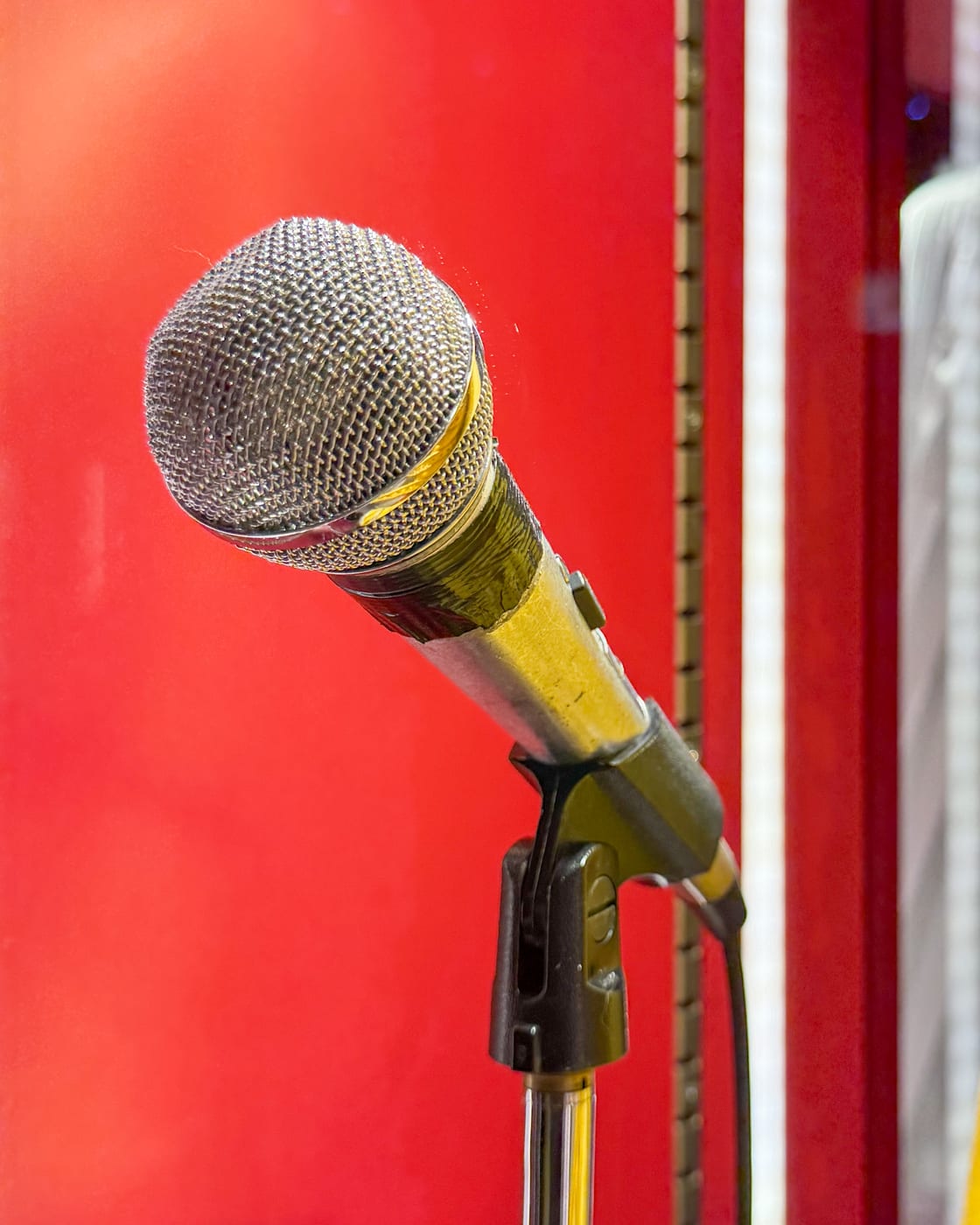
The heart of the exhibition is the control room. You can see the microphone Freddie used for his last vocals, sit in the chair he worked in then, and take control of David Richards’s desk to build your own mix of a “Made in Heaven” track: keep only the piano and backing vocals, or Freddie’s voice alone. A plaque on the floor marks the exact spot where he stood.
Outside, the original wall and door fill up with visitors’ messages, who are invited to sign them: this is the Queen Tribute Wall. That is what the film below recounts.
The Freddie Days, every September
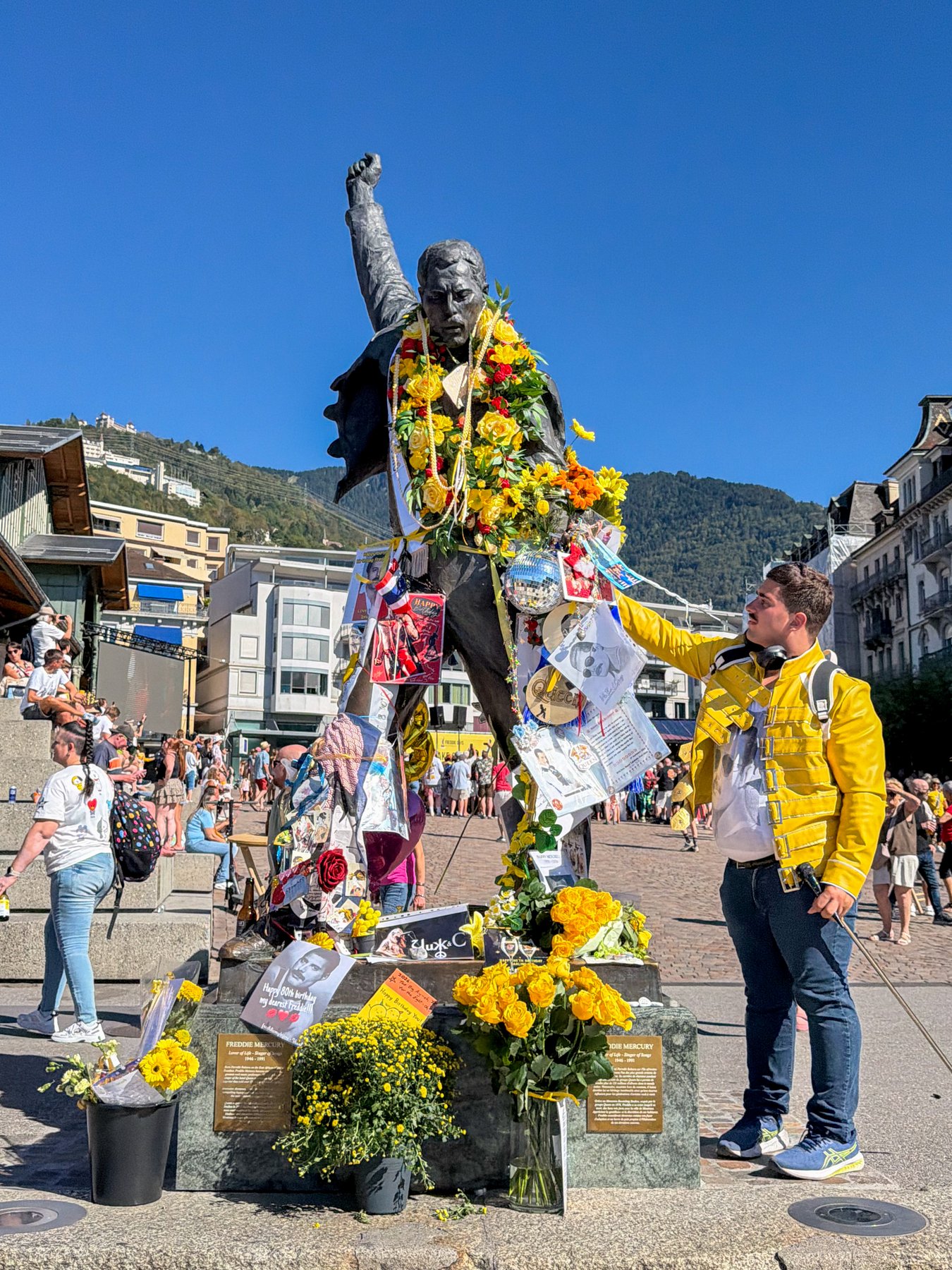
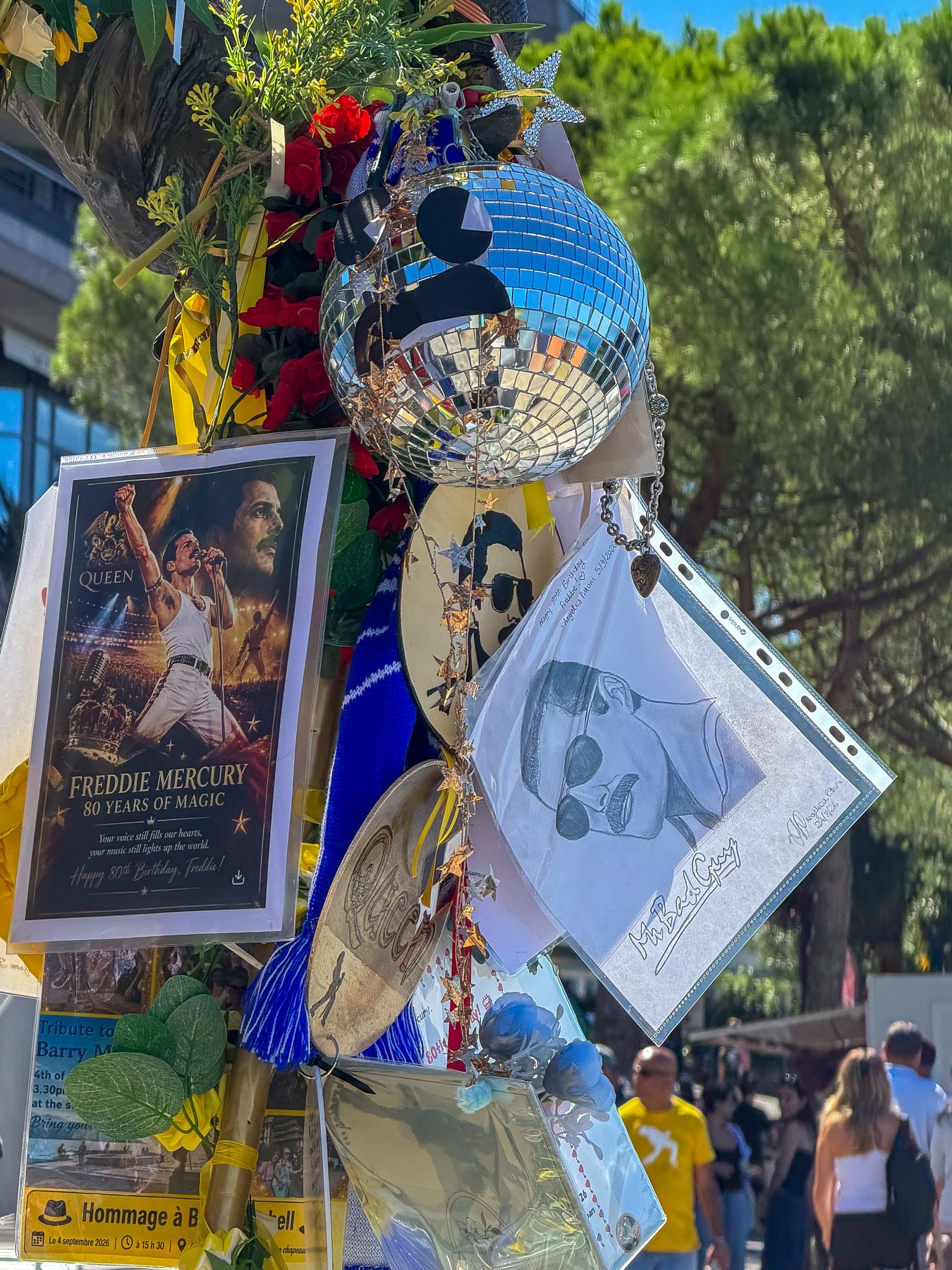
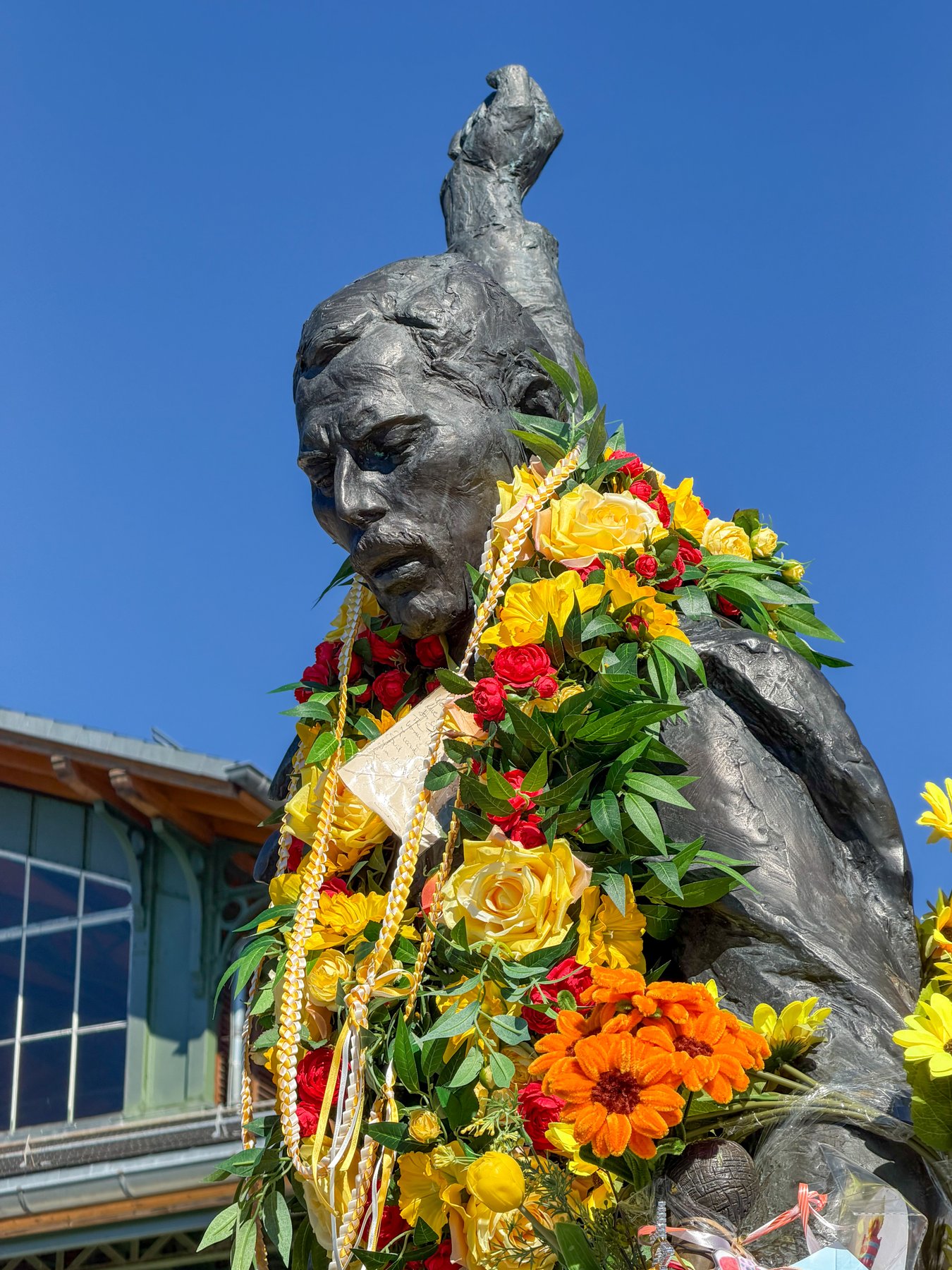
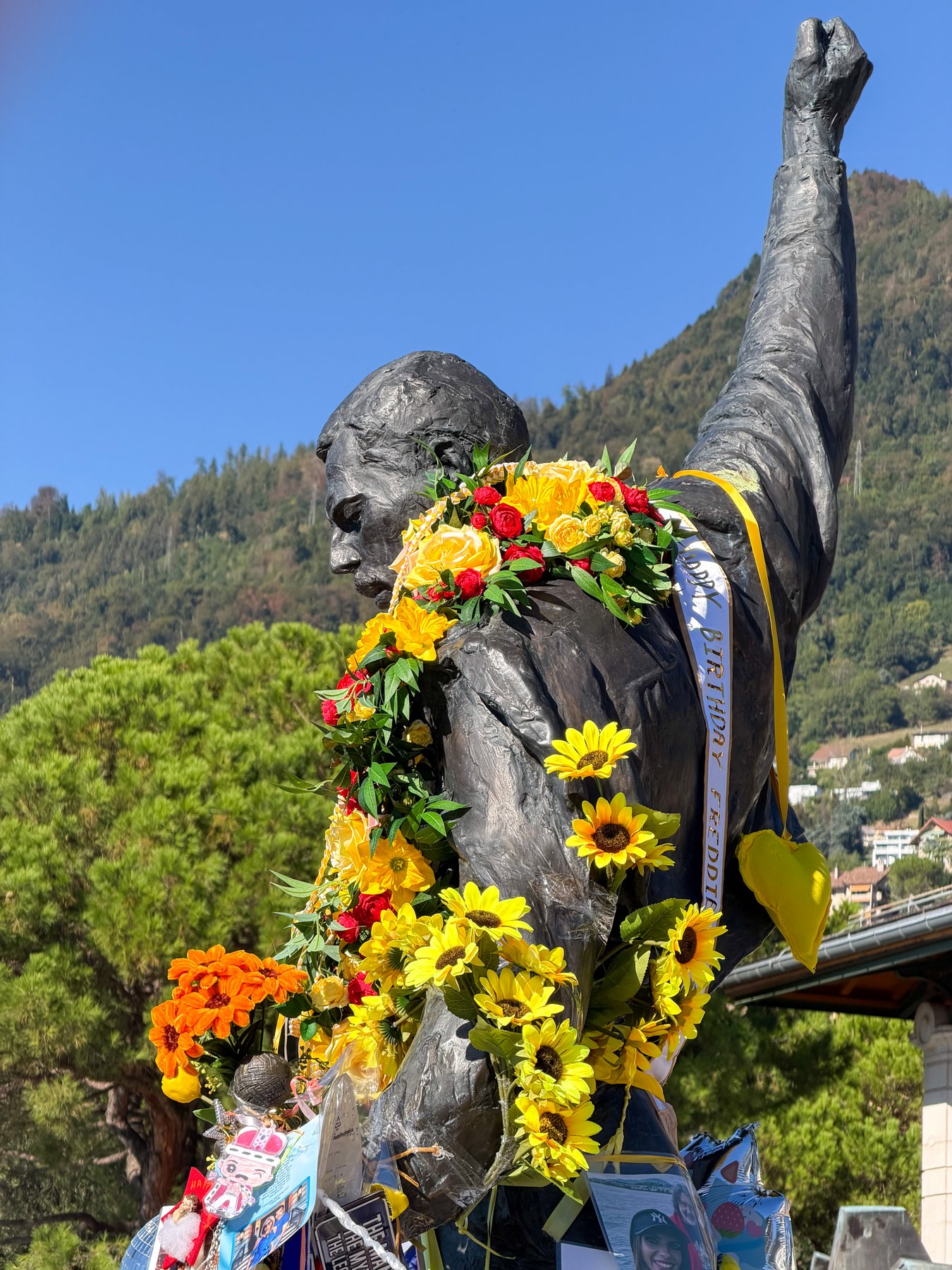
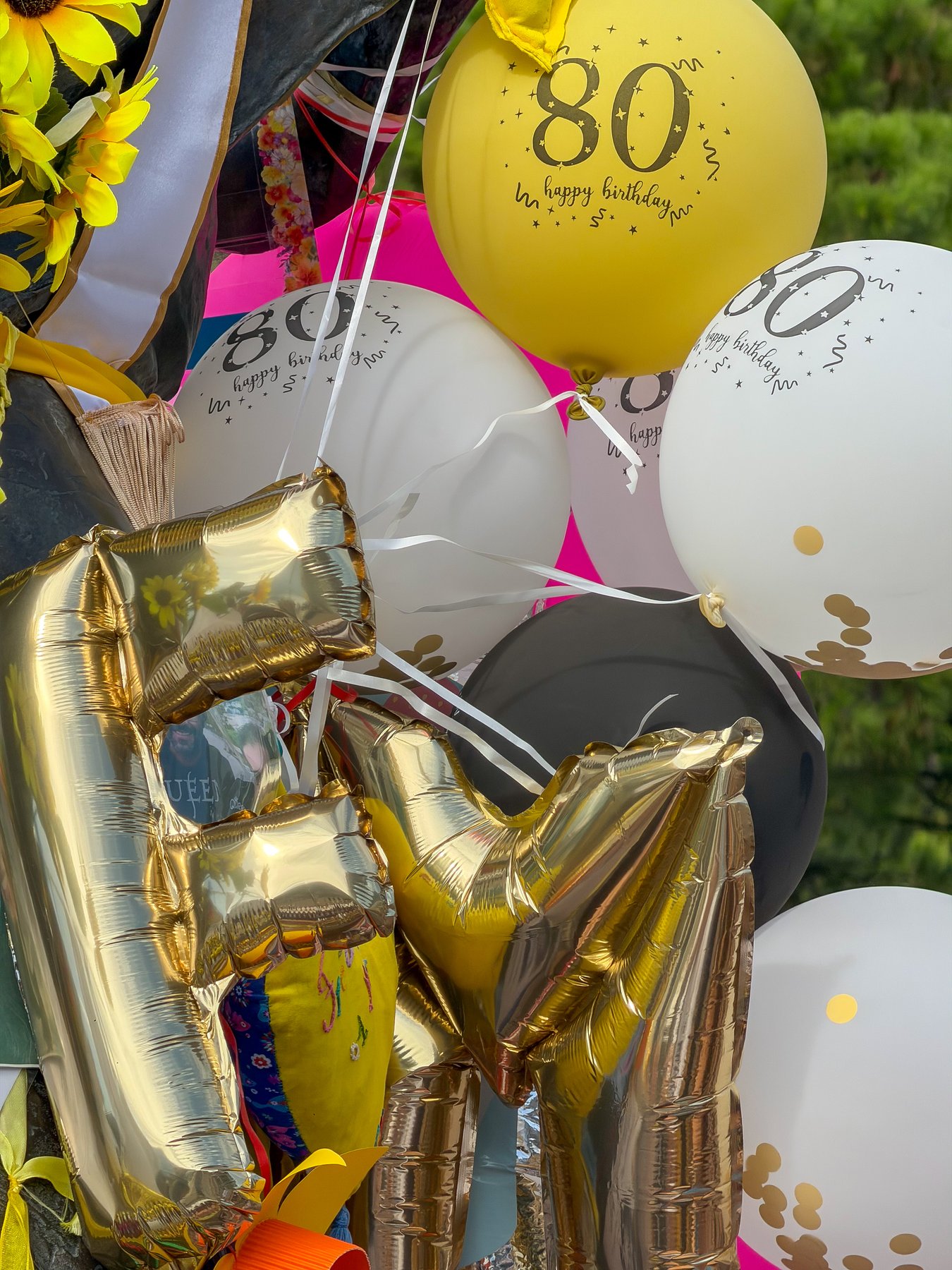
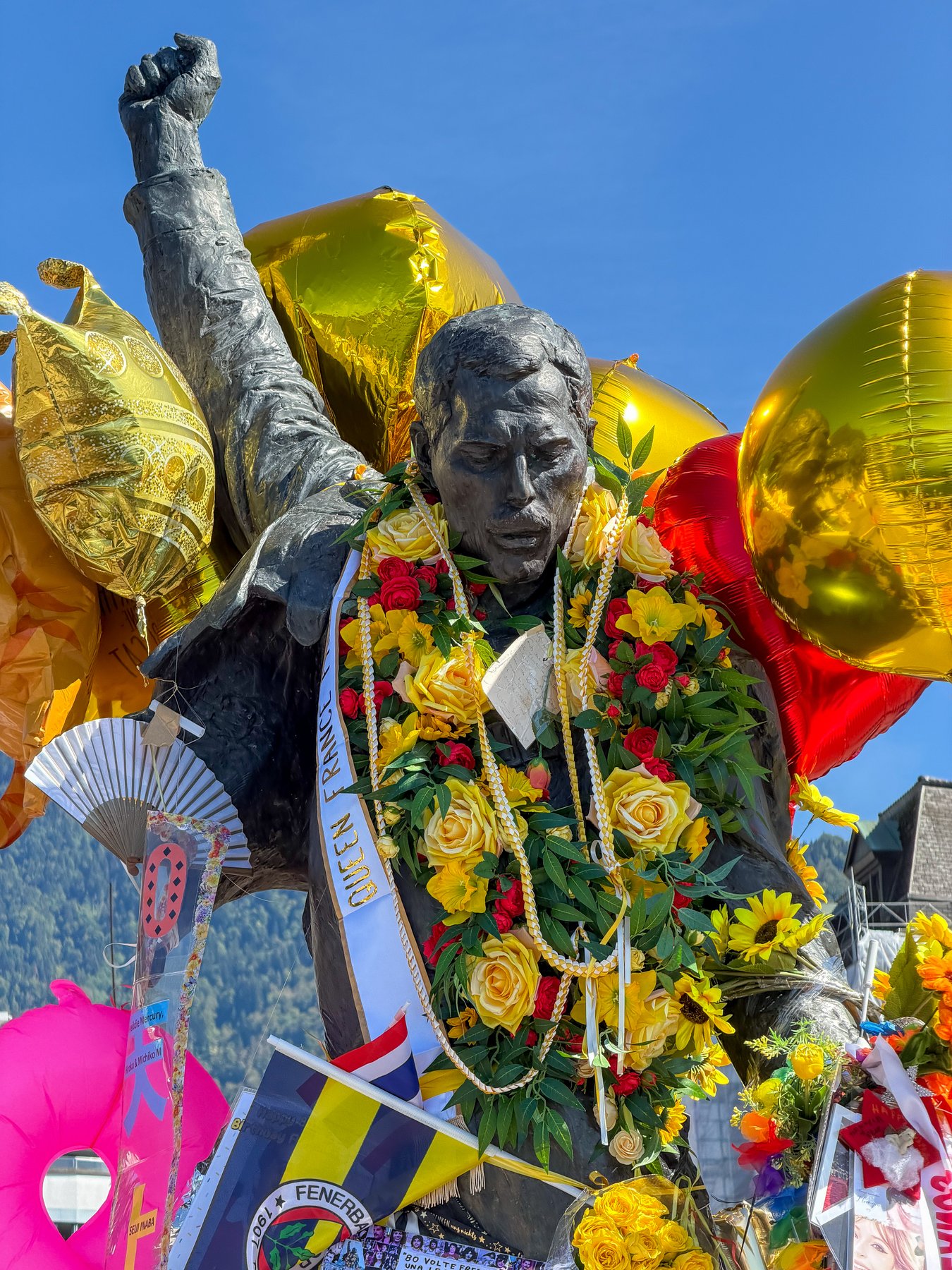
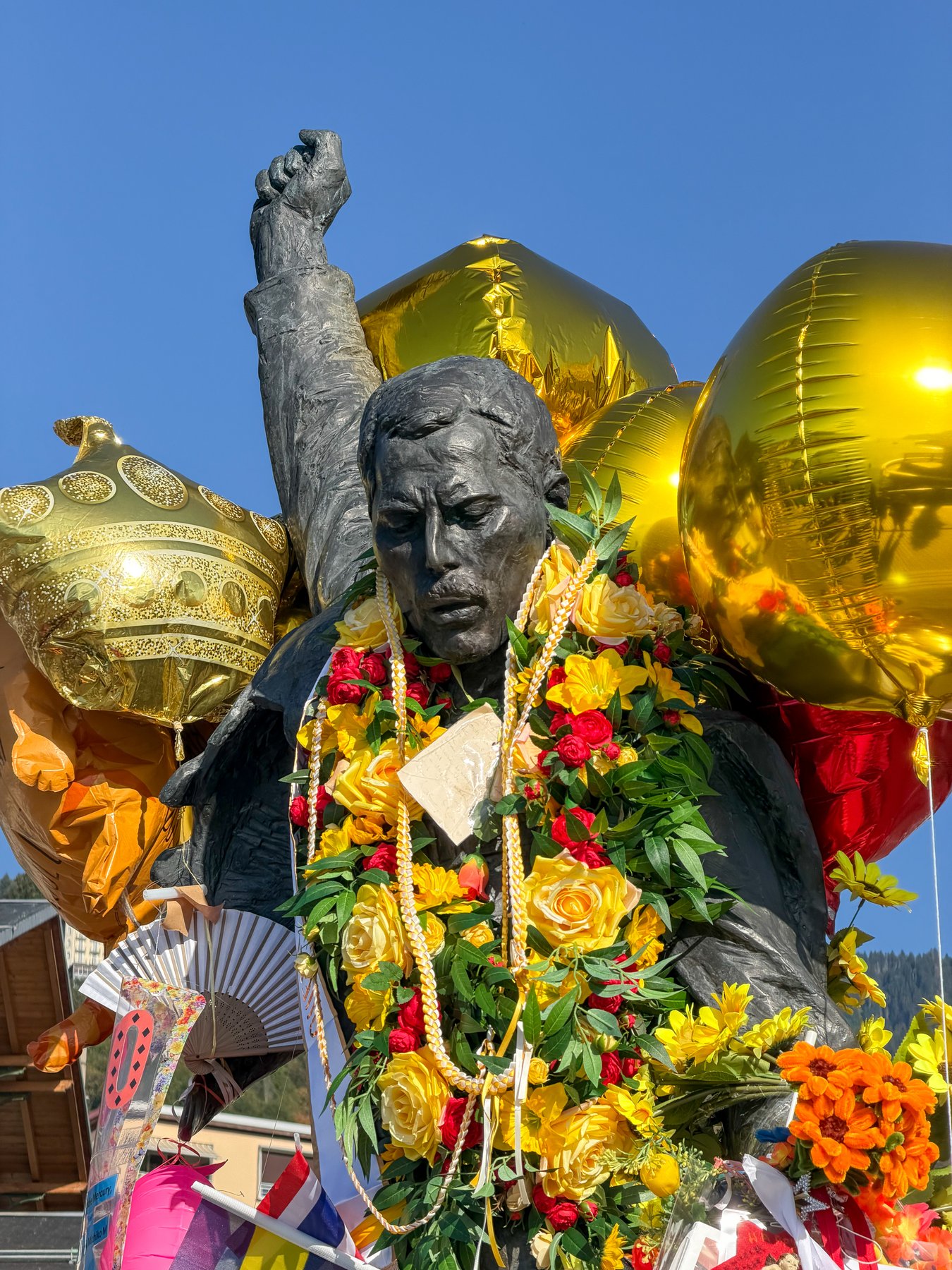
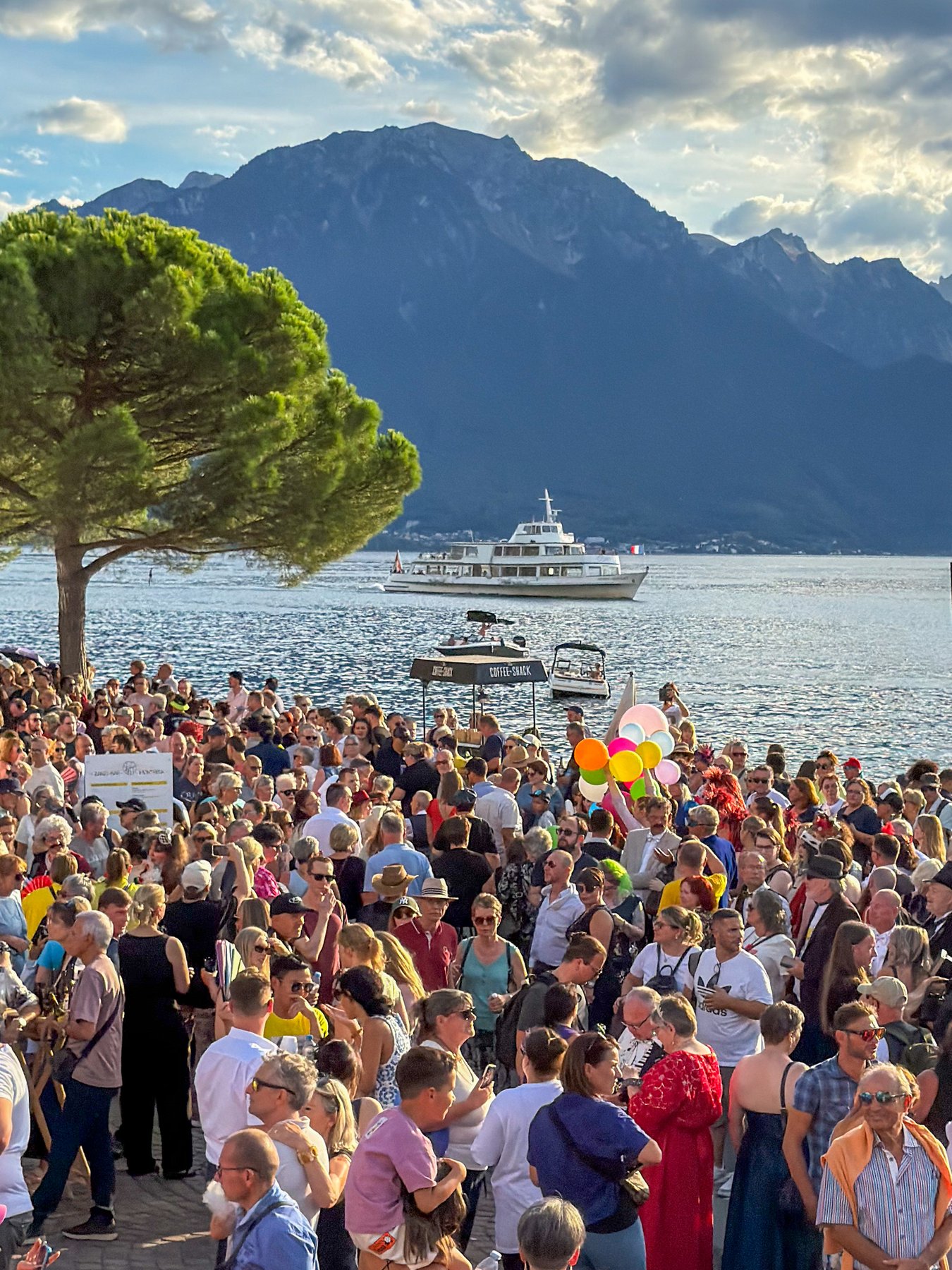
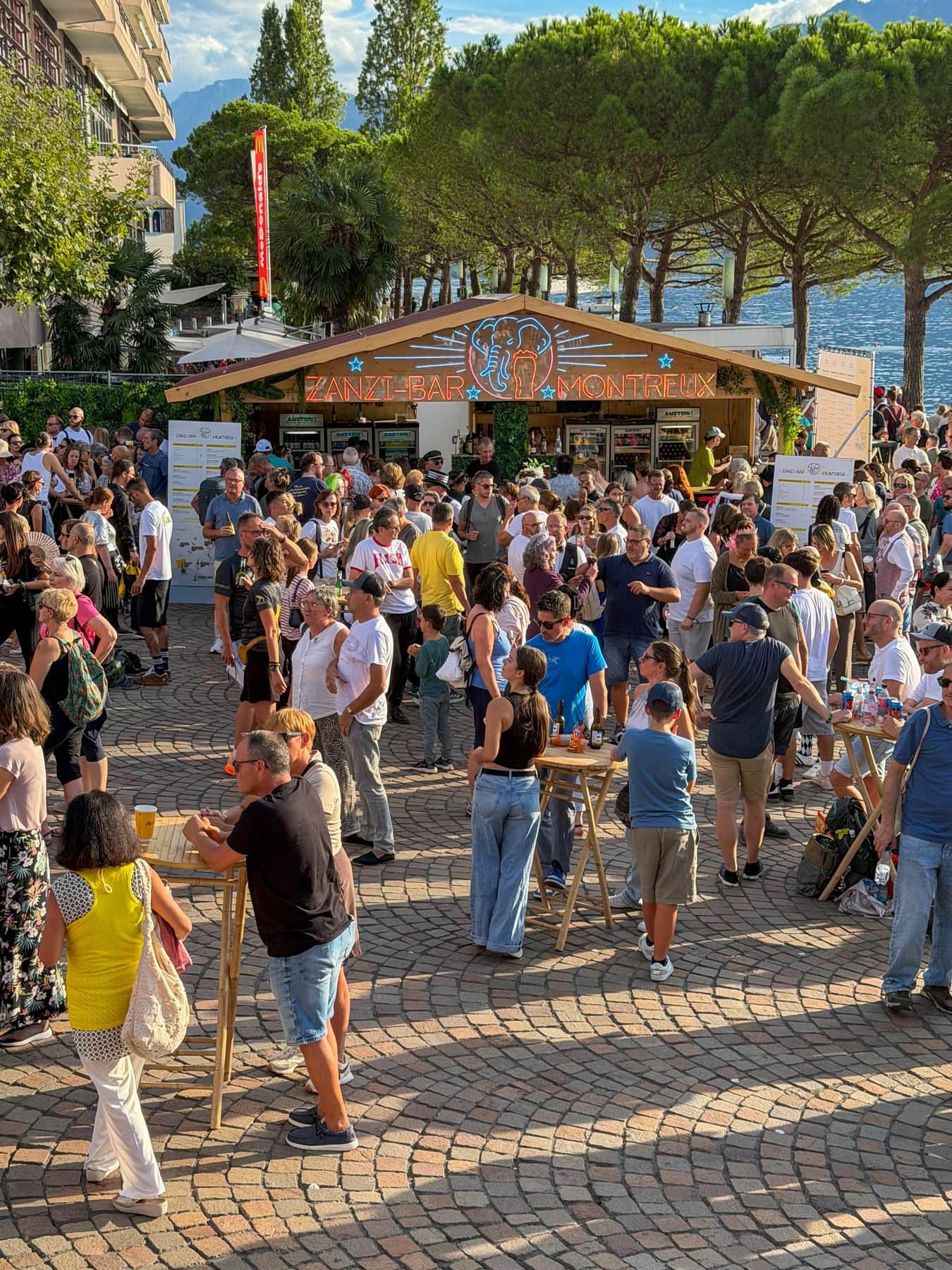
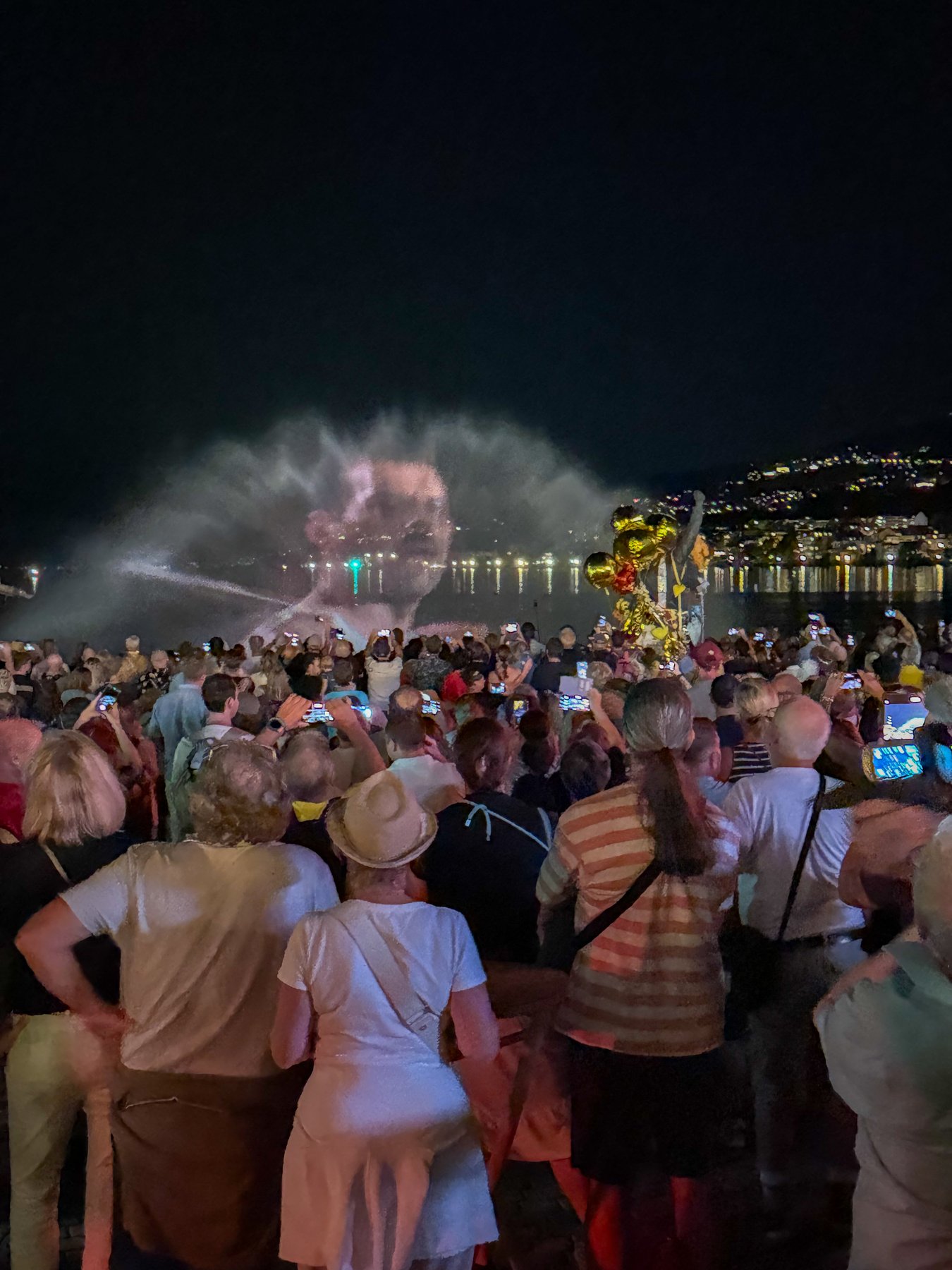
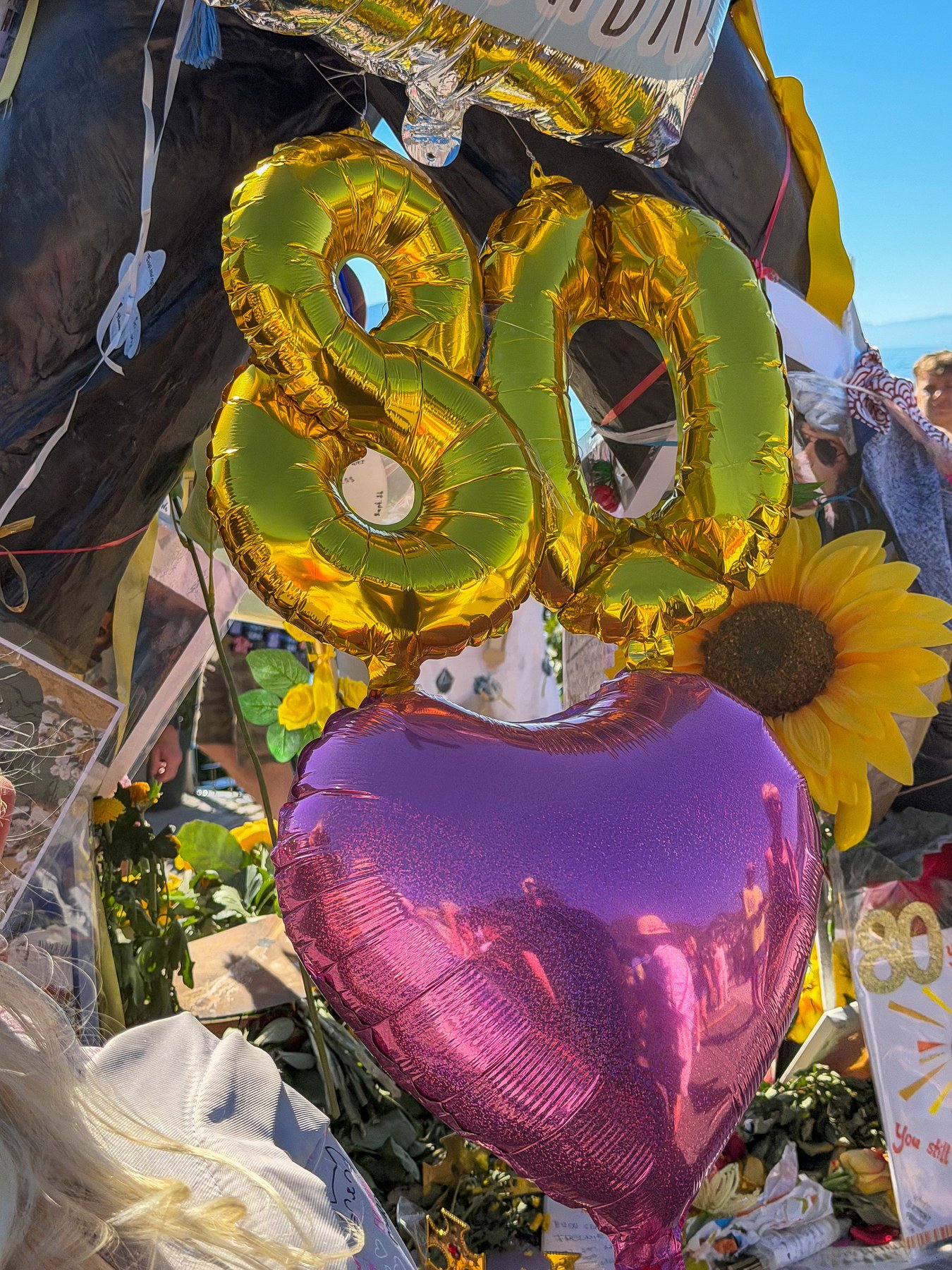
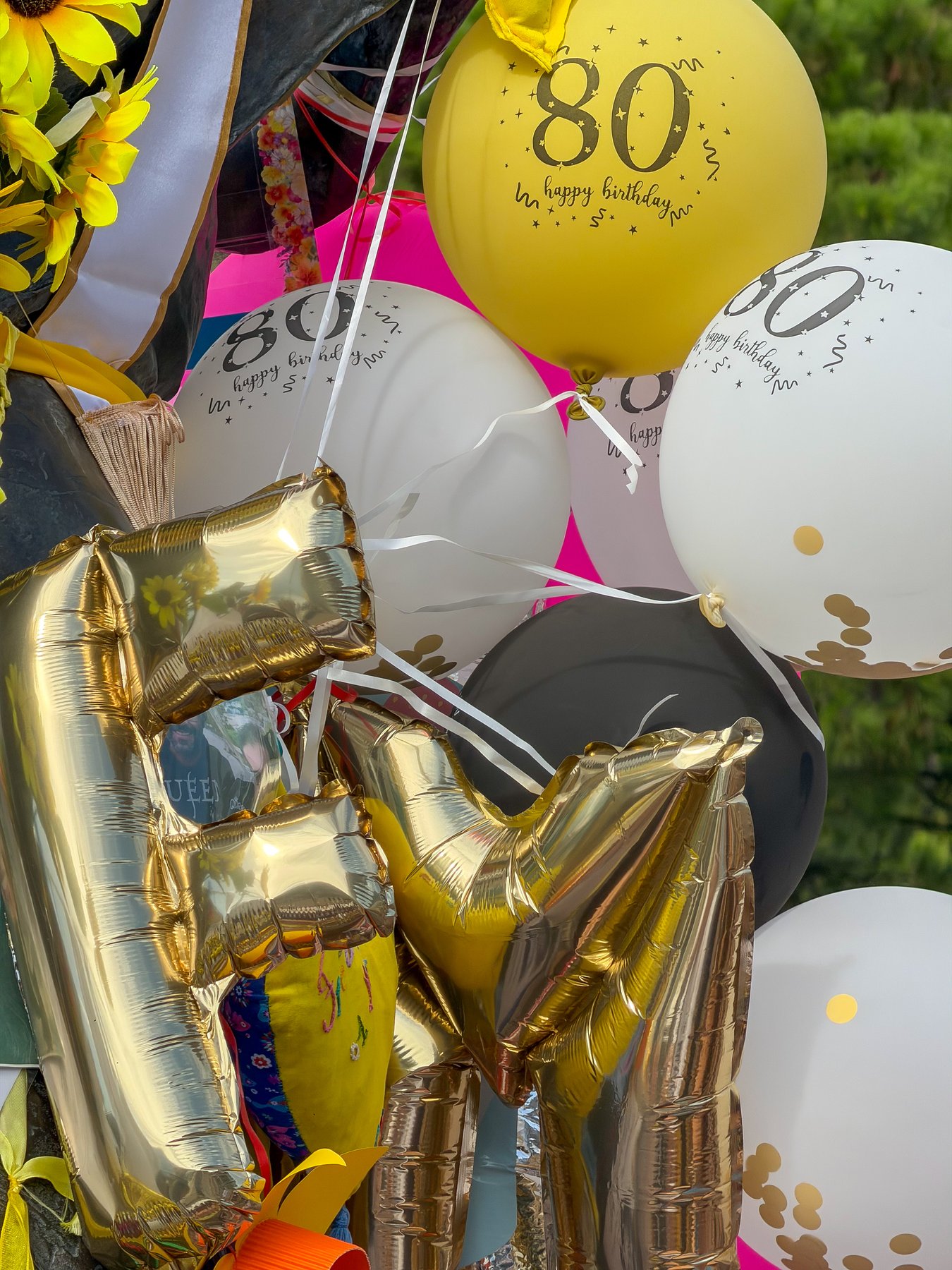
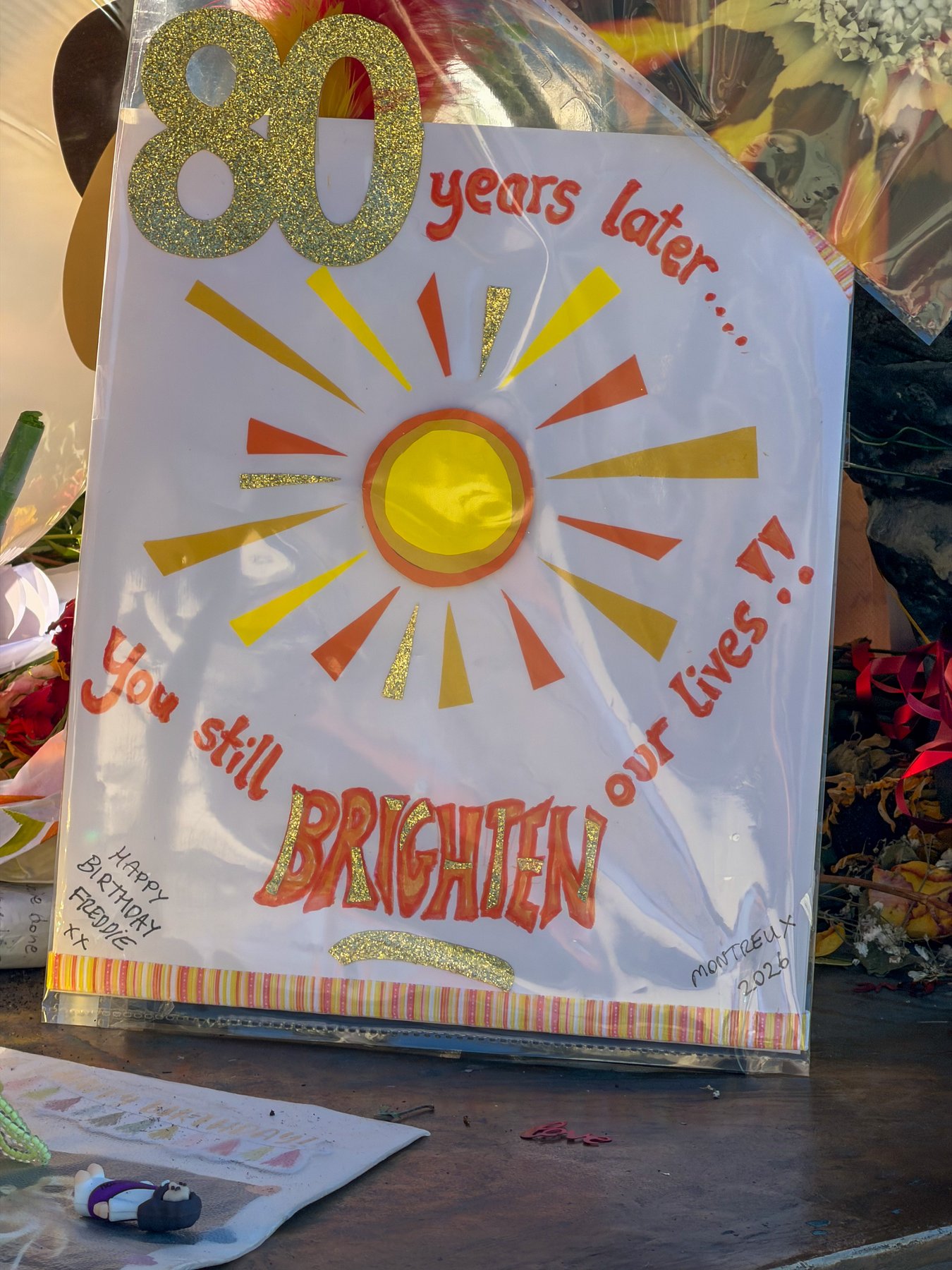
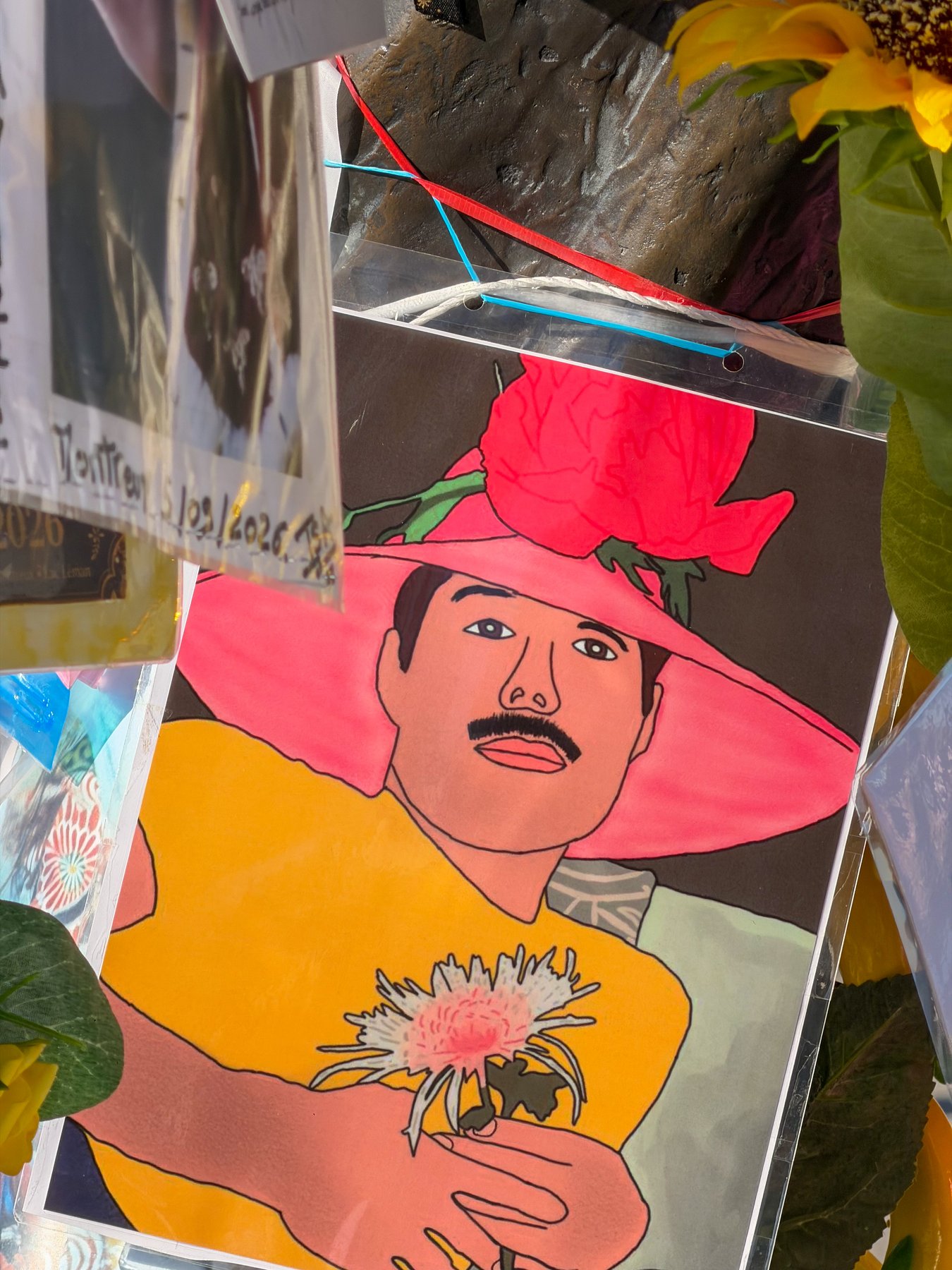
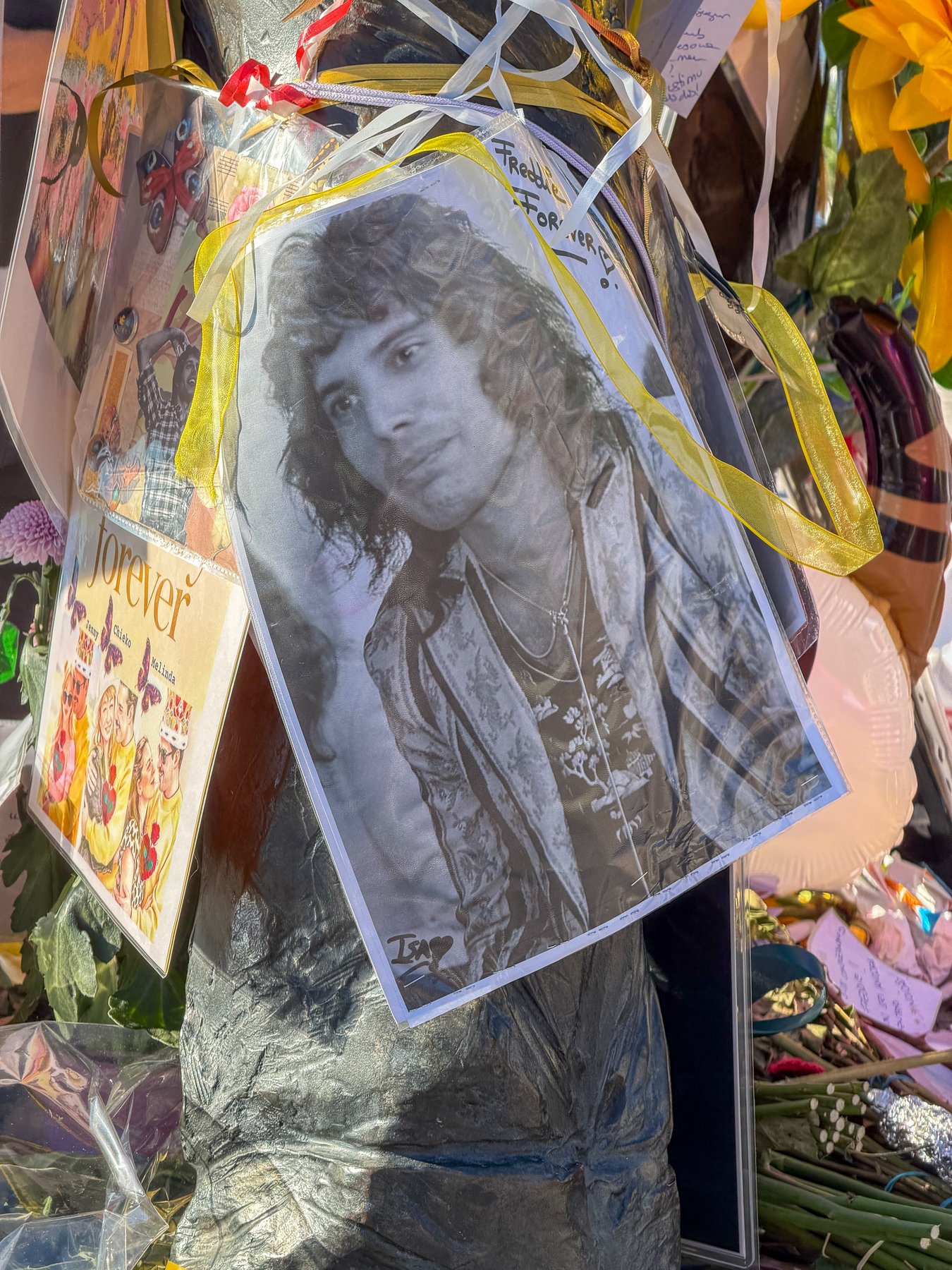
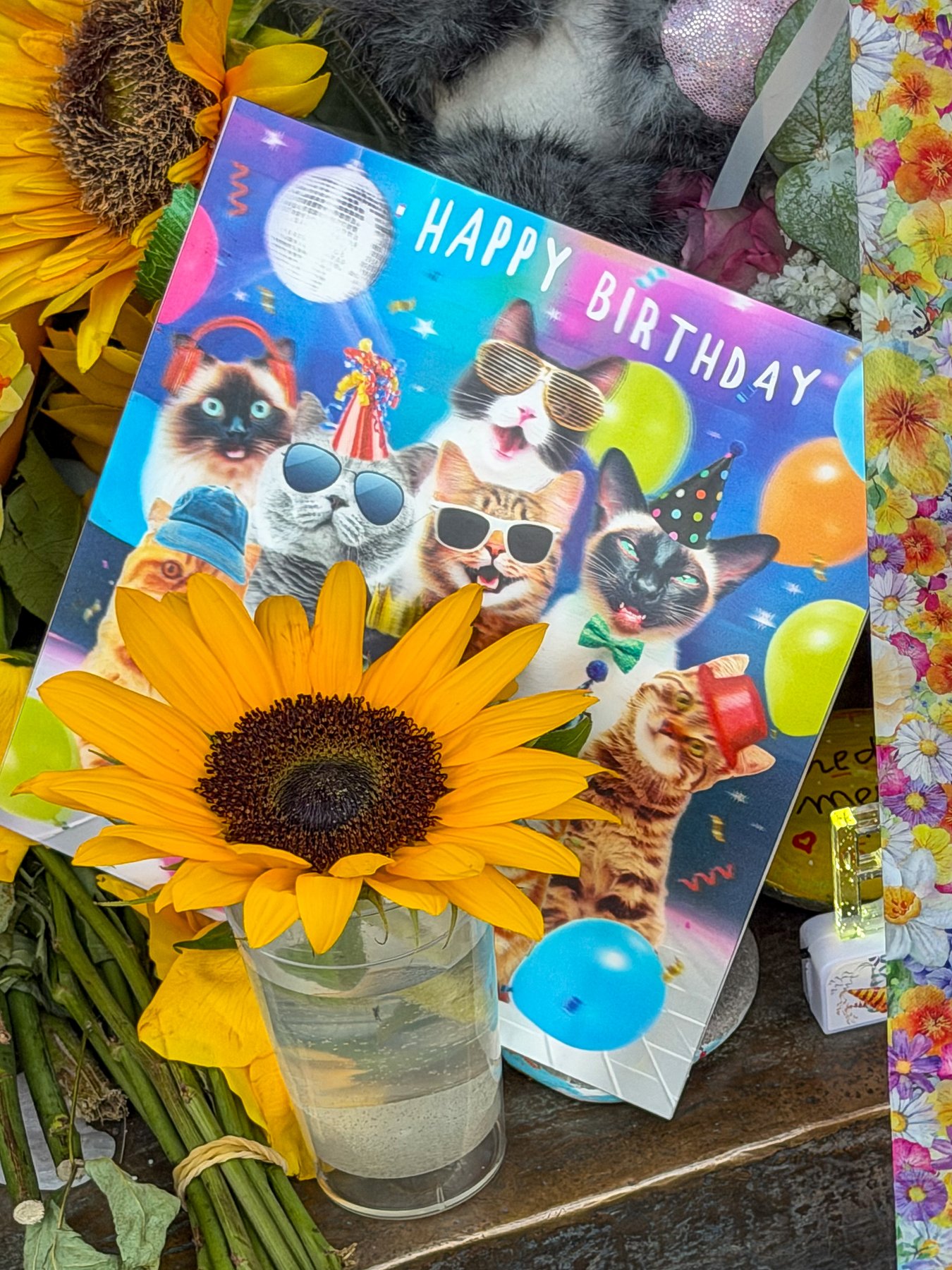
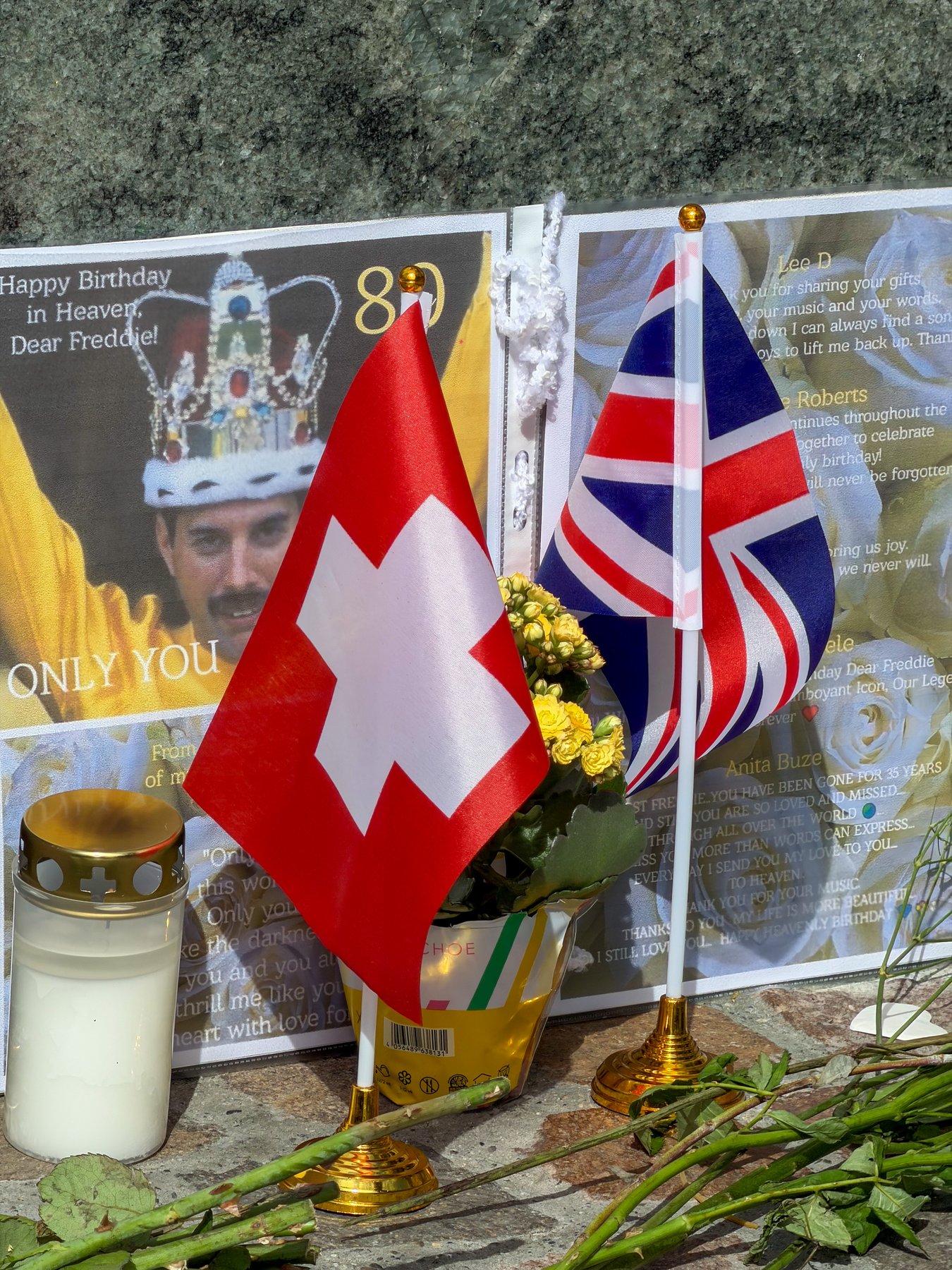
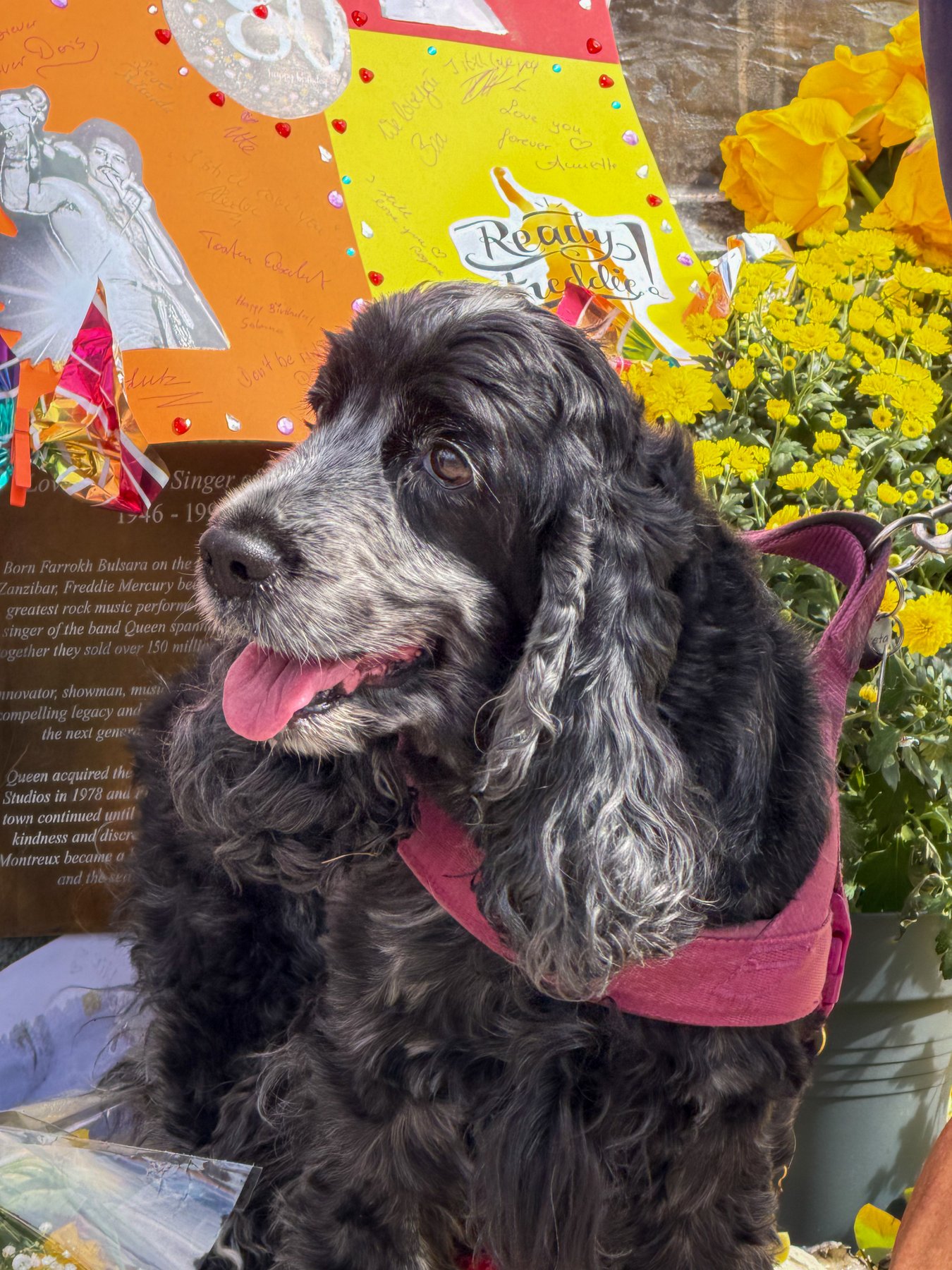
Long after Freddie Mercury’s death, Montreux keeps Queen’s legacy alive. Every year around 5 September, the Freddie Days gather fans from all over the world around his statue. In 2026 the edition celebrated the 80th anniversary of the singer’s birth and the 30 years of the monument, beneath an avalanche of flowers, golden balloons and messages.
These places on the map
Tap a marker to open the place page.