Festivals & events
Festival de la Rose d'Or

- Type
- Television festival (defunct)
- Address
- Montreux Palace, Petit Palais et Casino, Montreux
No longer exists today
Created in 1961 by the town of Montreux, Swiss broadcasting (SSR) and the European Broadcasting Union, the Rose d’Or, known internationally as the Golden Rose, was an international television contest that each spring rewarded the world’s best entertainment programmes. Its initiator, Marcel Bezençon, was also one of the fathers of the Eurovision. For more than forty years the festival made Montreux a television capital; in the 1980s its “Rose d’Or rock festival” drew the biggest pop stars, who came to play for the cameras. After the 2003 edition the event left Montreux for Lucerne (2004-2012), then Brussels, Berlin and London: the Rose d’Or still exists as a television award, but is no longer a Montreux gathering.
The Rose d’Or: when Montreux went out to the world’s television
1961: Montreux, a television capital
In the early 1960s, Montreux was looking to extend its tourist season beyond the summer. In 1961 the town joined forces with Swiss broadcasting and the European Broadcasting Union to create an international television contest, on an idea by Marcel Bezençon, a co-founder of the Eurovision, together with Edouard Haas and Raymond Jaussi, then head of the tourist office.
Every spring, television channels from all over the world came to present their best entertainment programmes; the finest received the Rose d’Or. The festival first made its home at the Montreux Palace, whose Pavillon (today the Petit Palais) hosted the concerts, then at the Casino and the convention centre; it lastingly placed Montreux on the media map, a few years before the Montreux Jazz Festival was born in that same Casino.
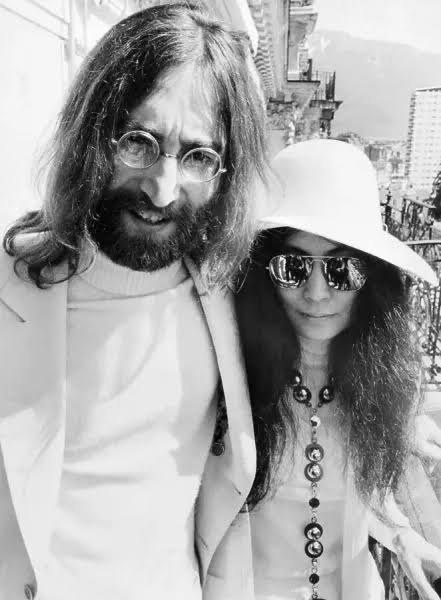
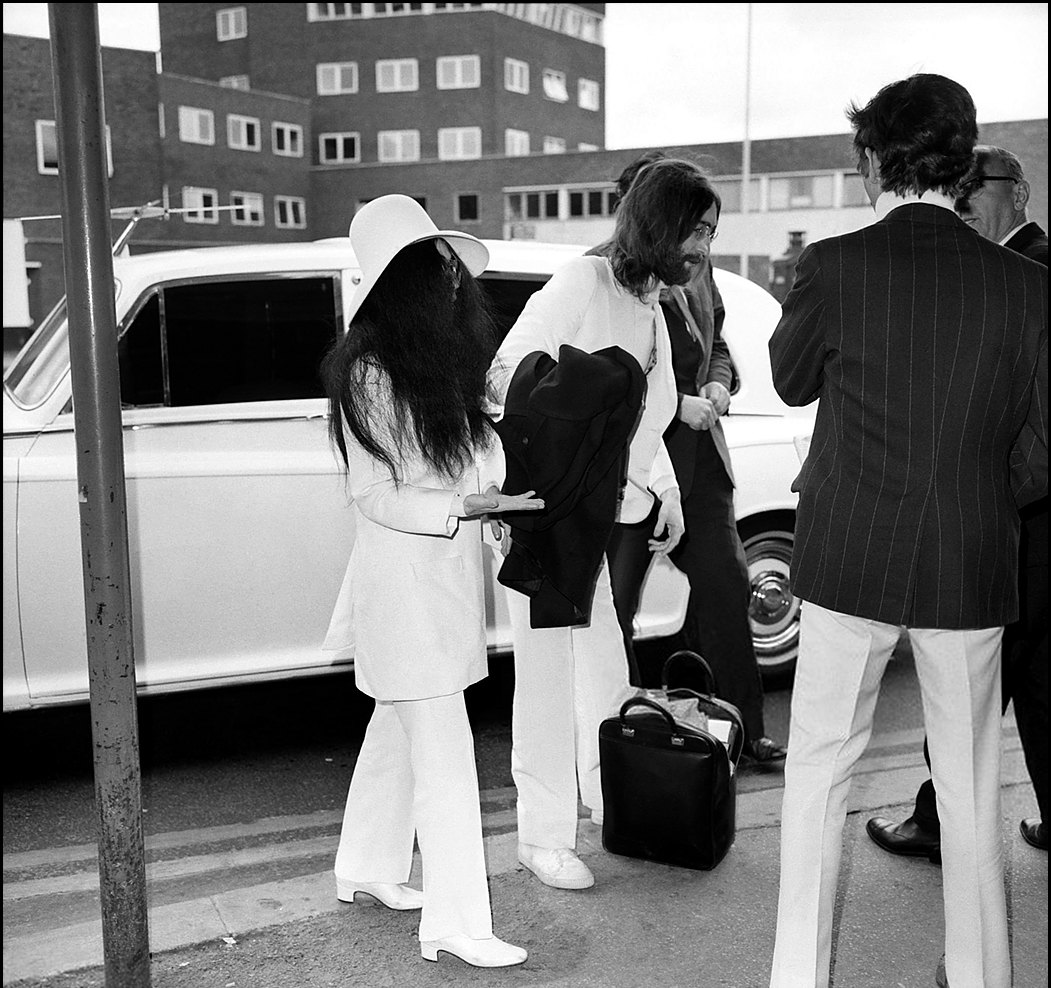
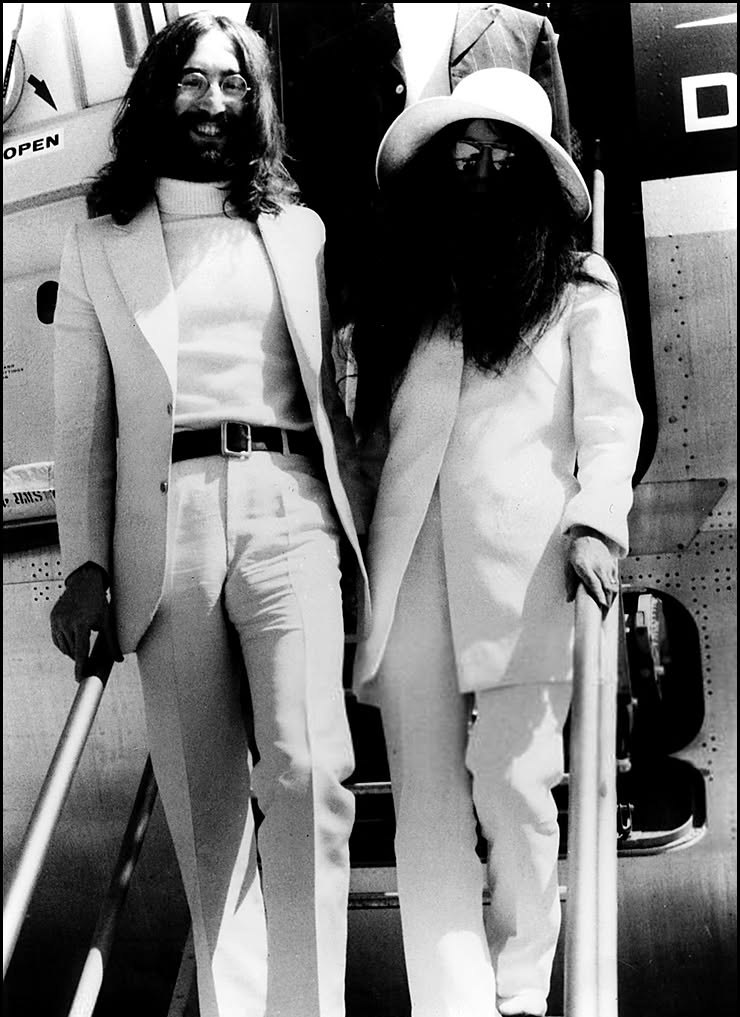
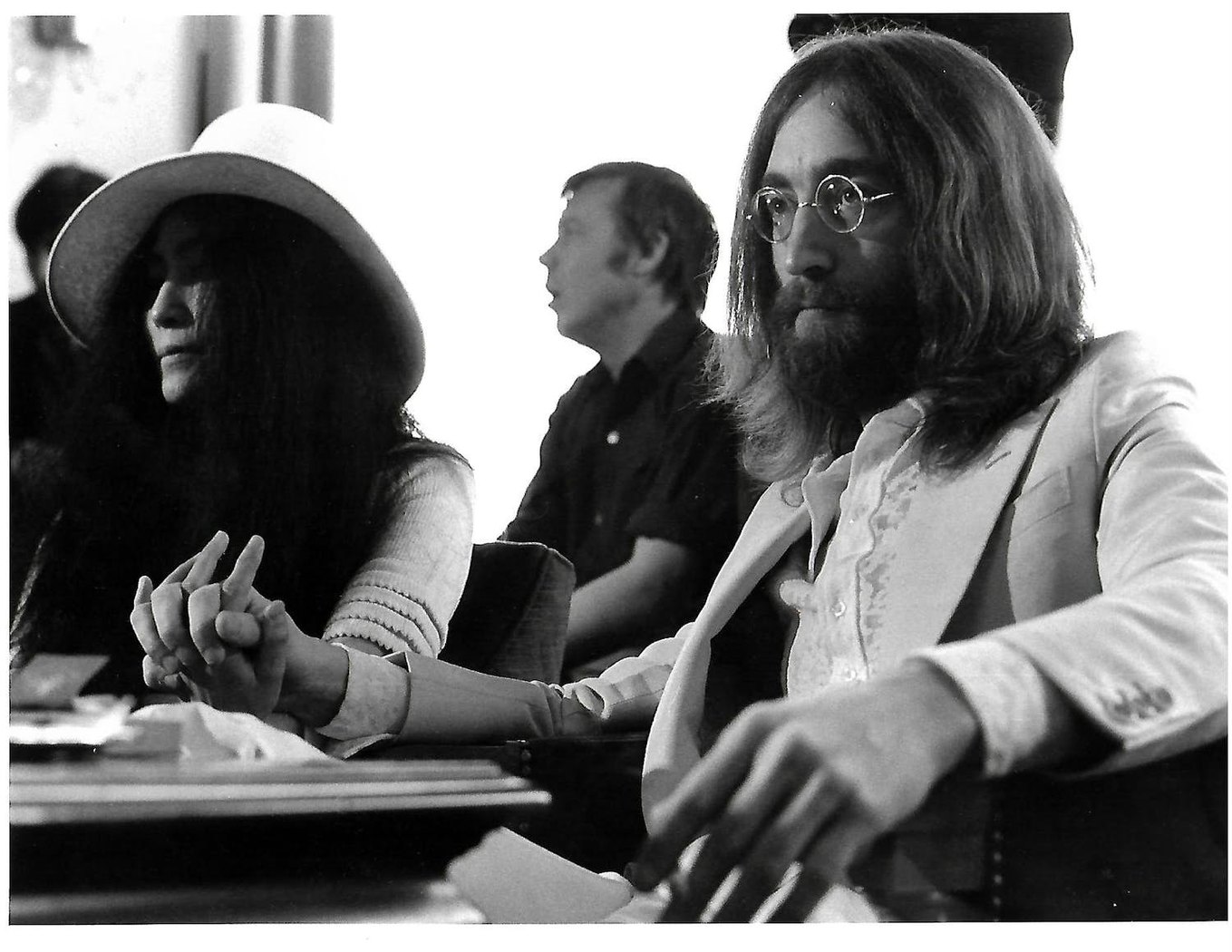
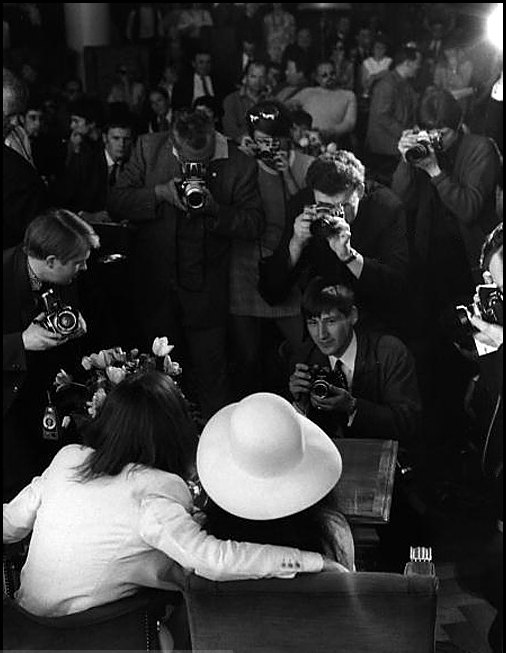
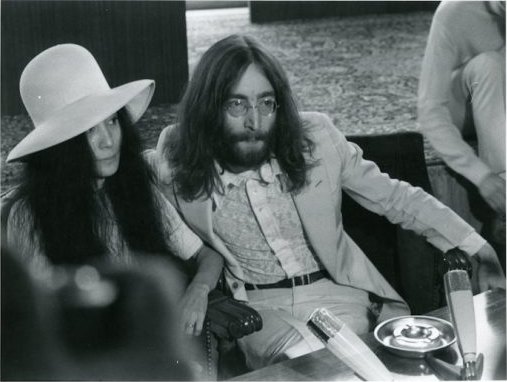
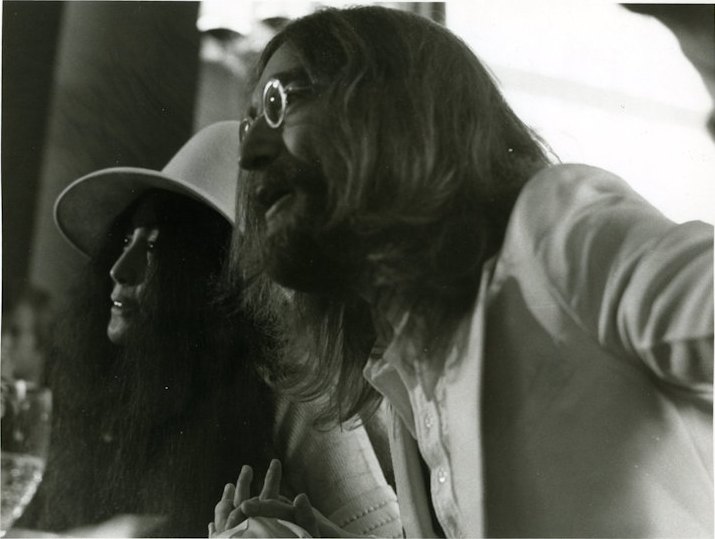
1969: John Lennon and Yoko Ono at the Rose d’Or
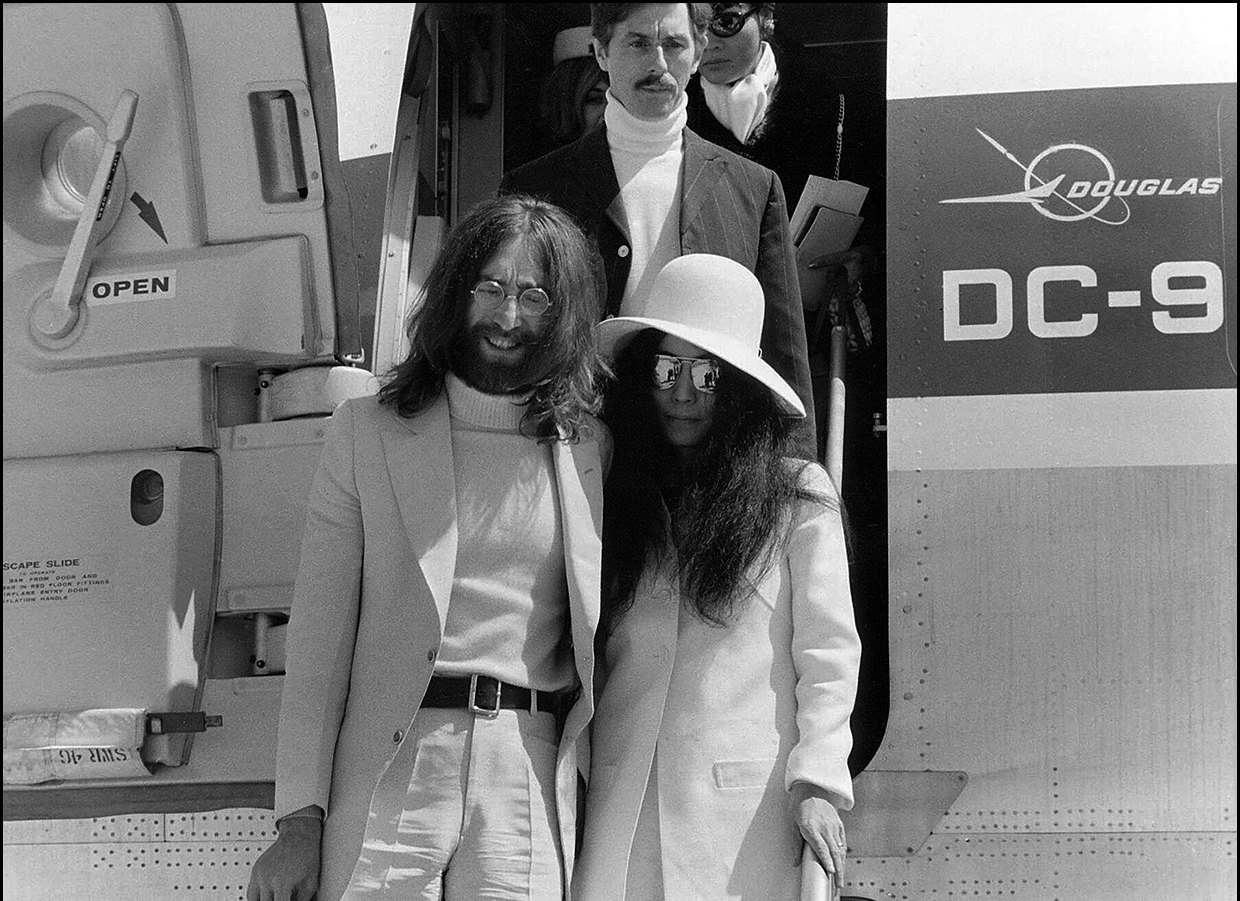
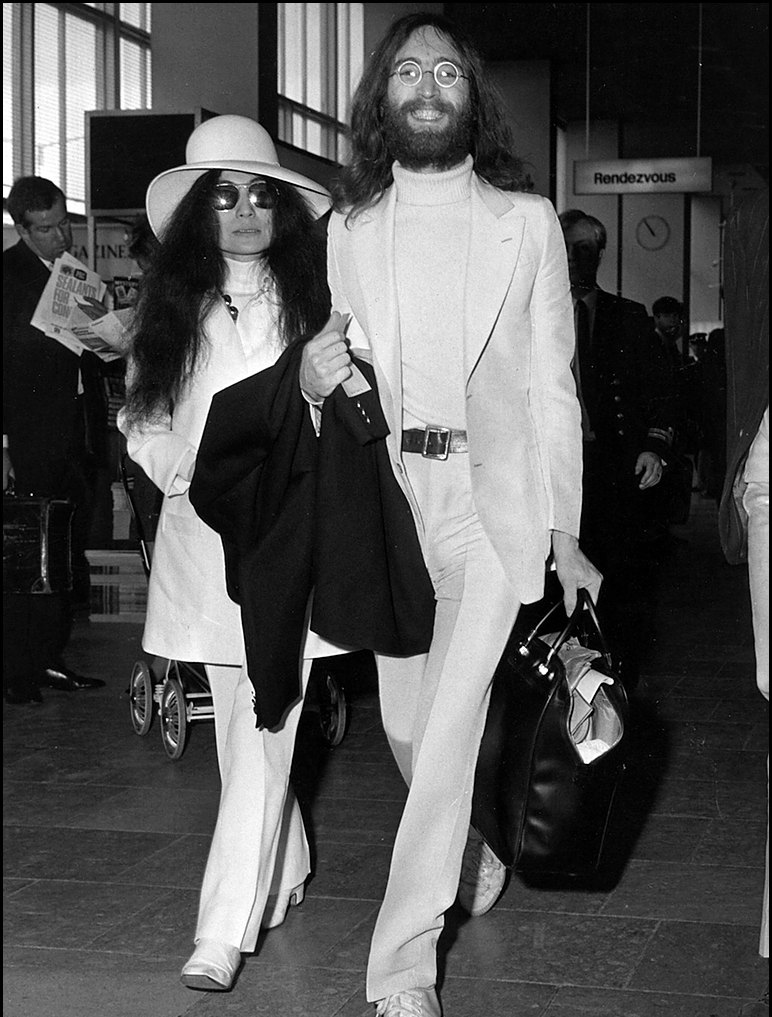
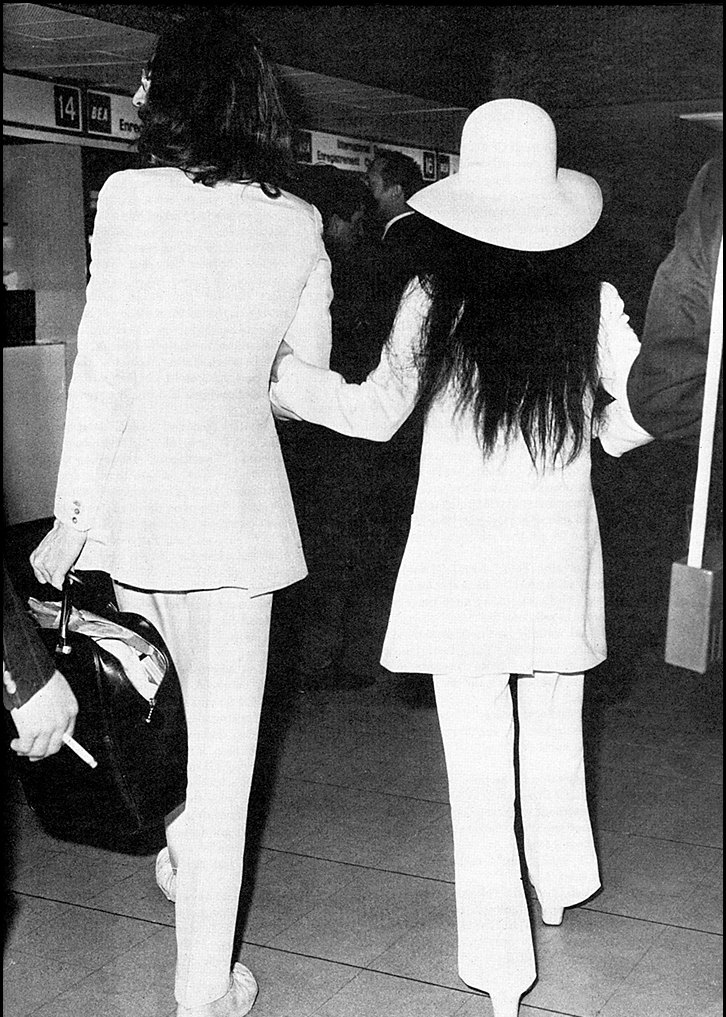
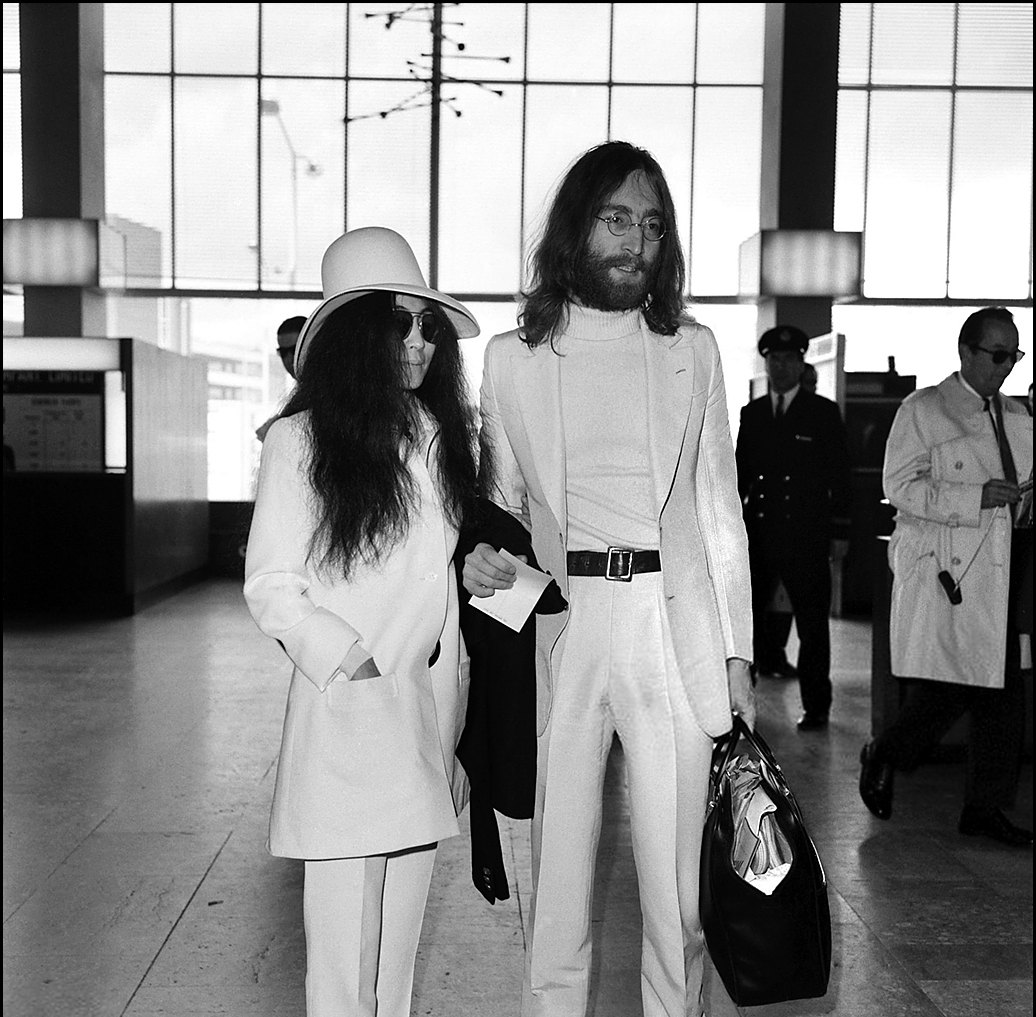
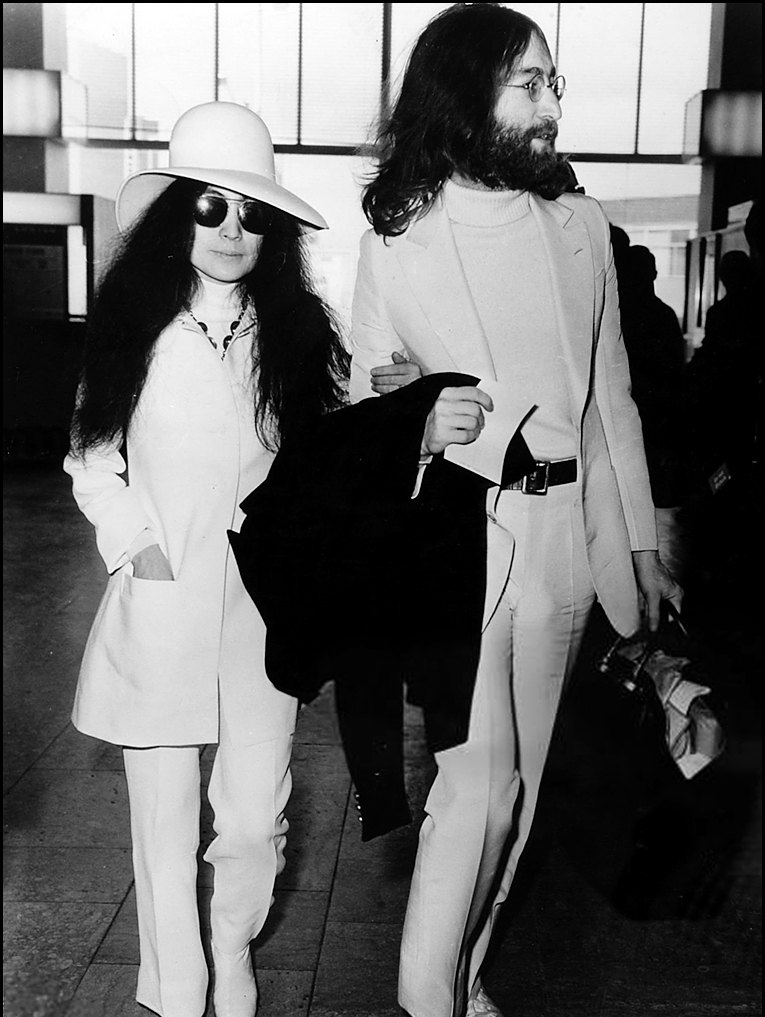
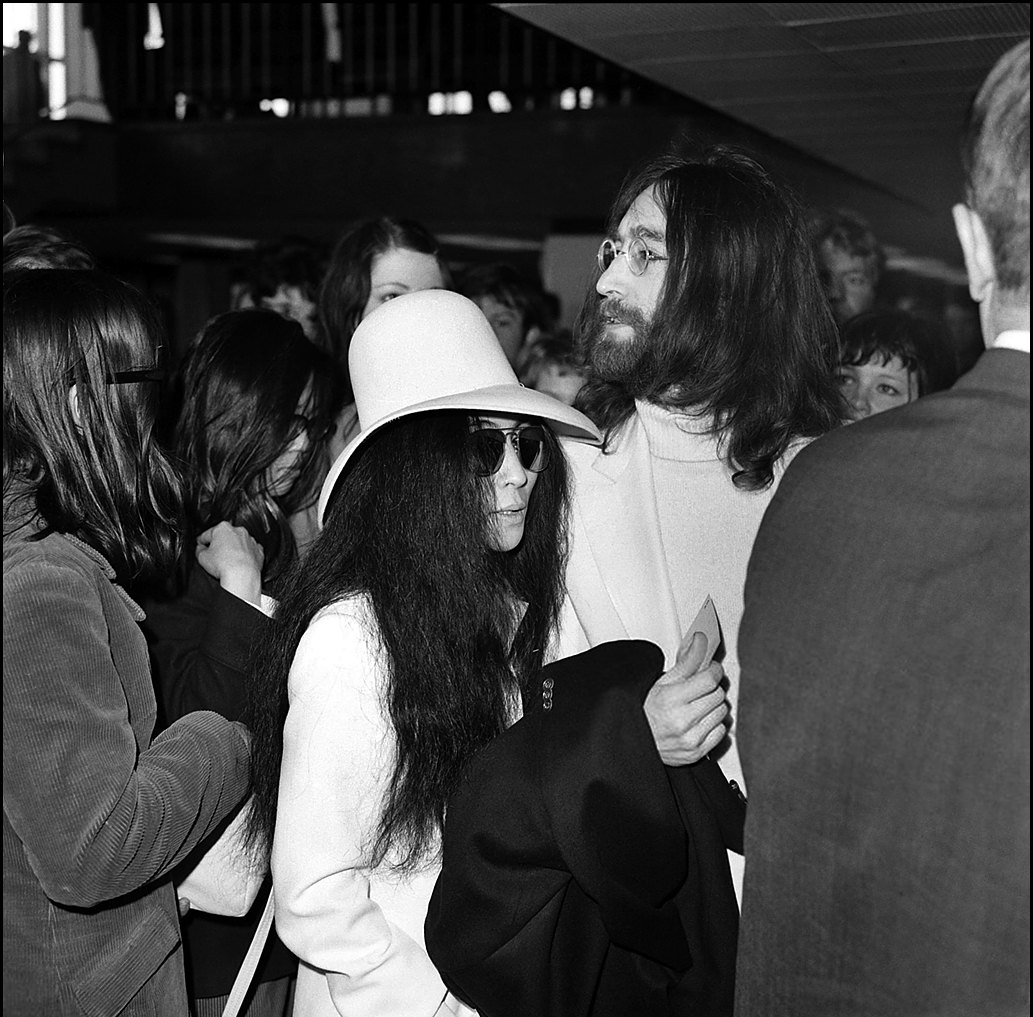
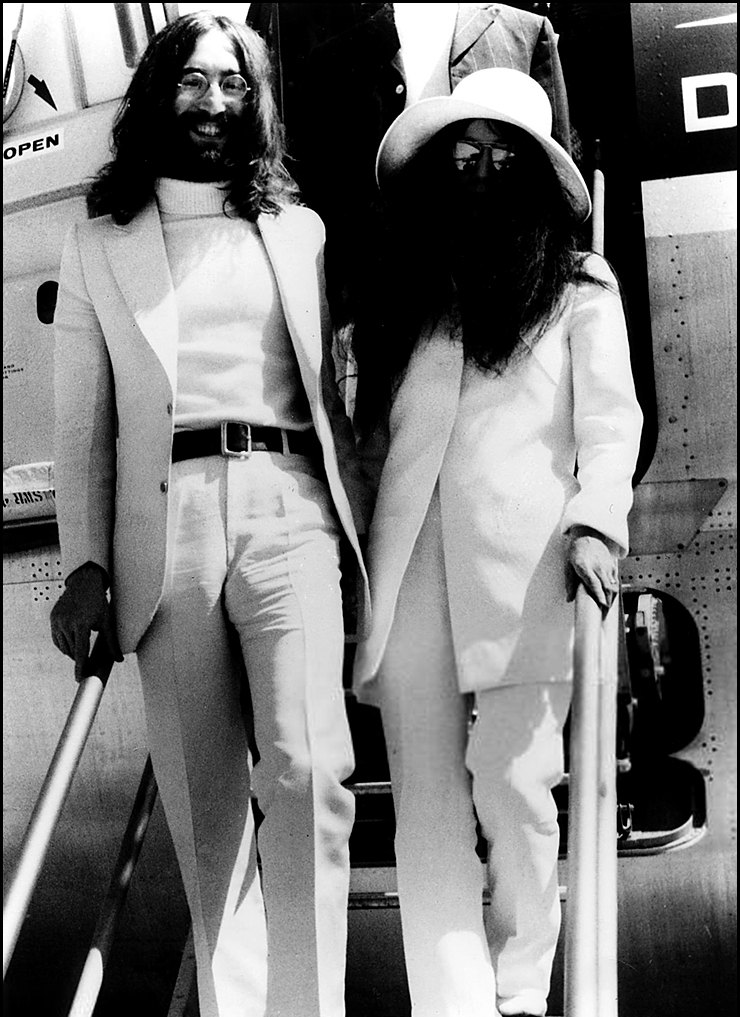
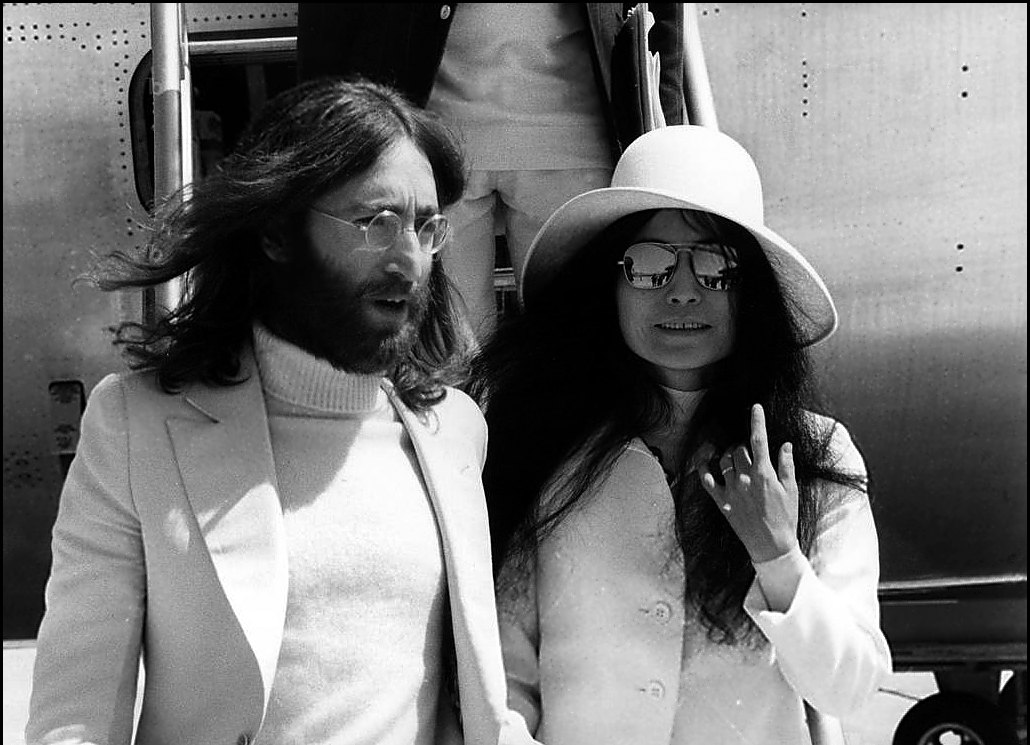
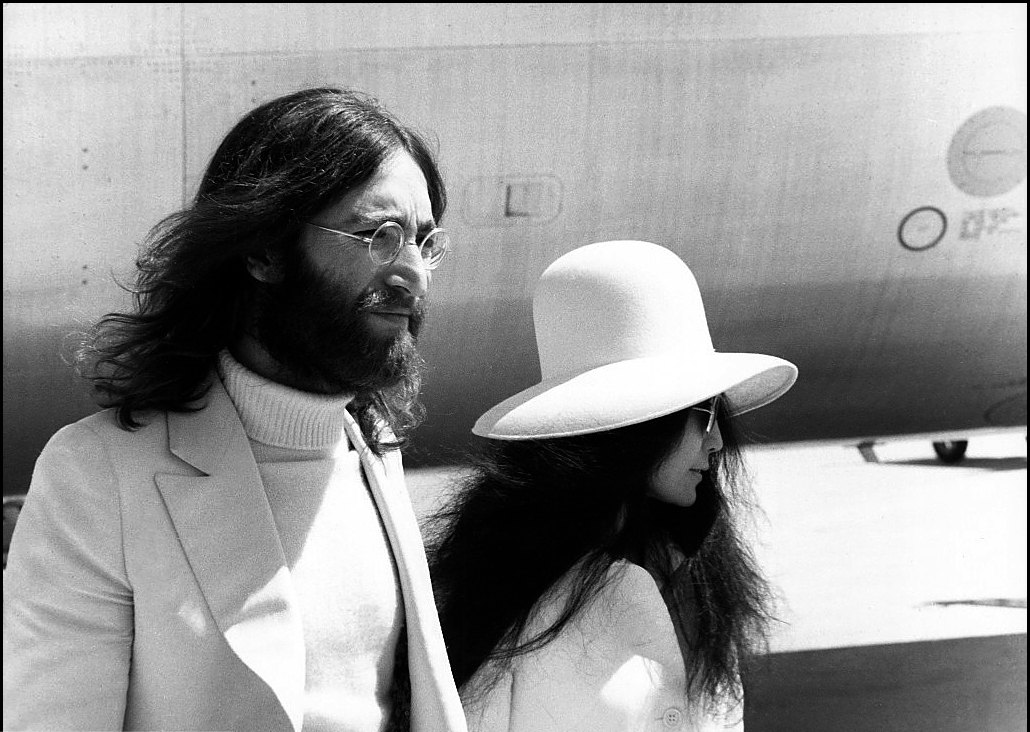
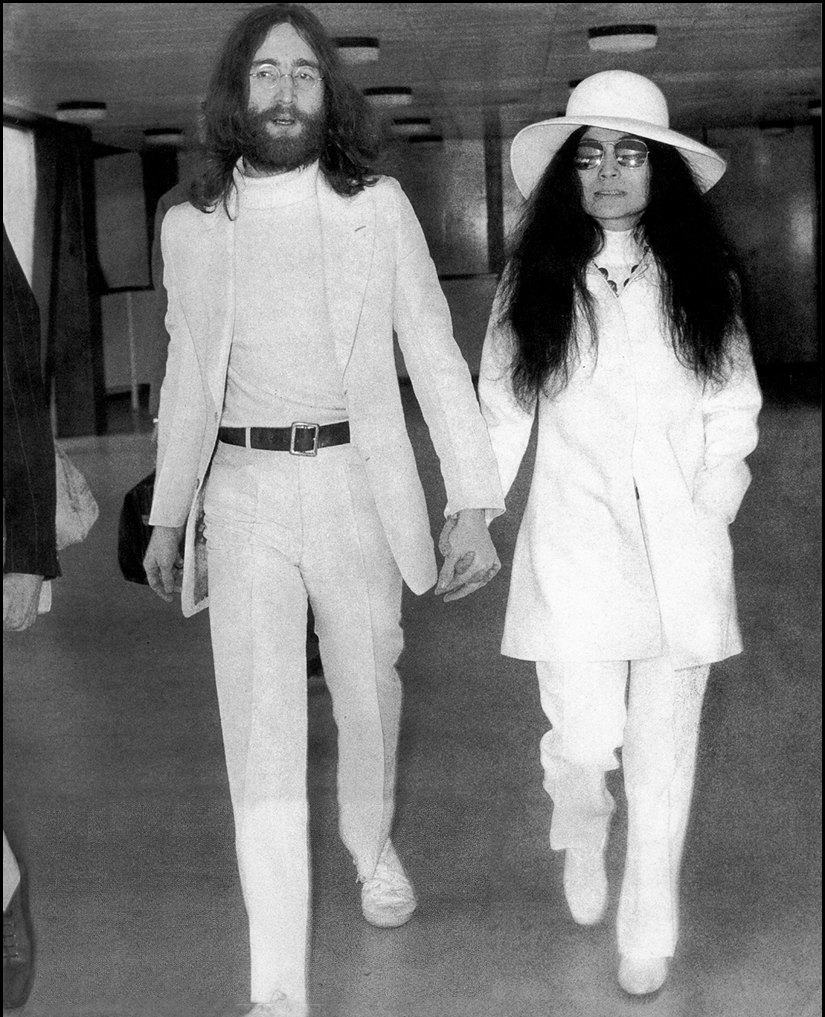
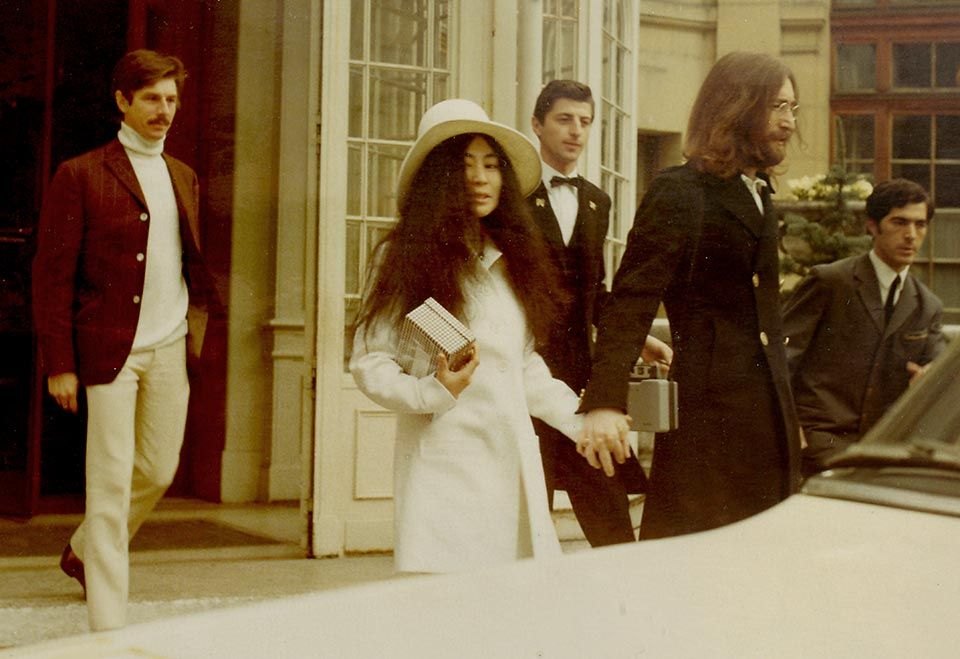
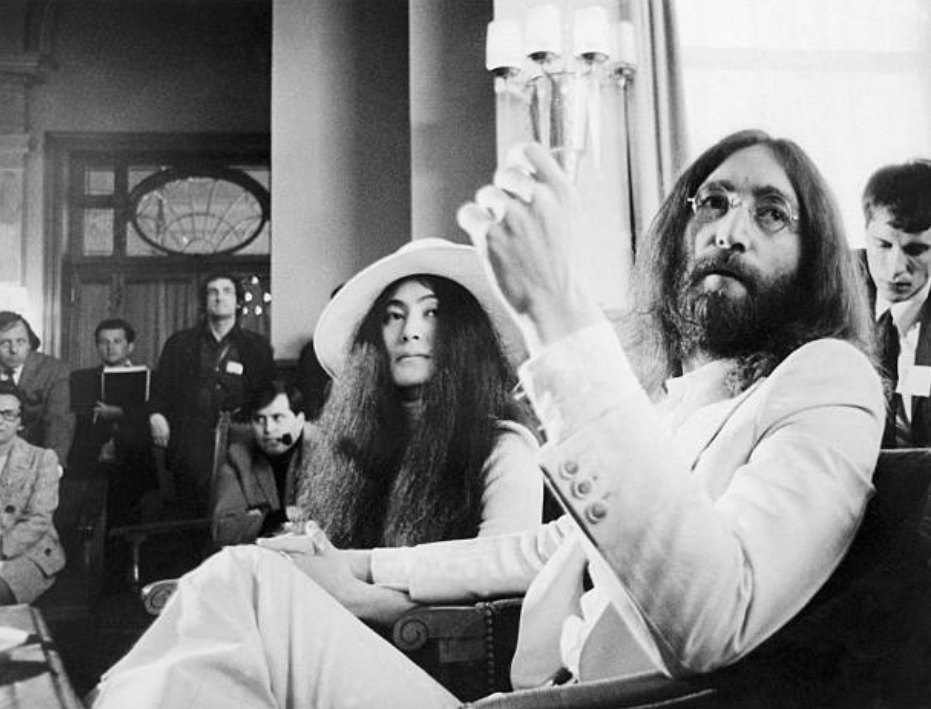
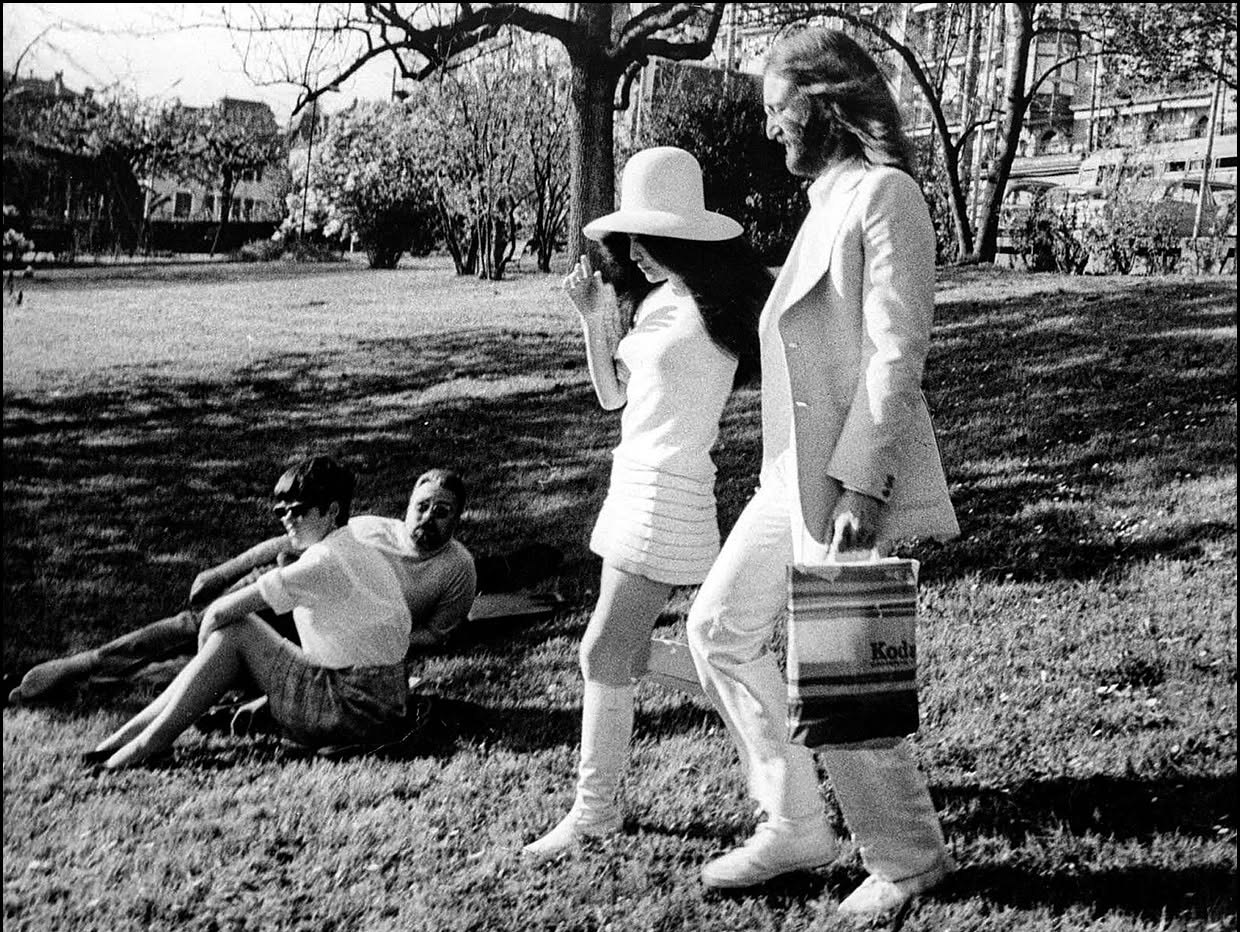
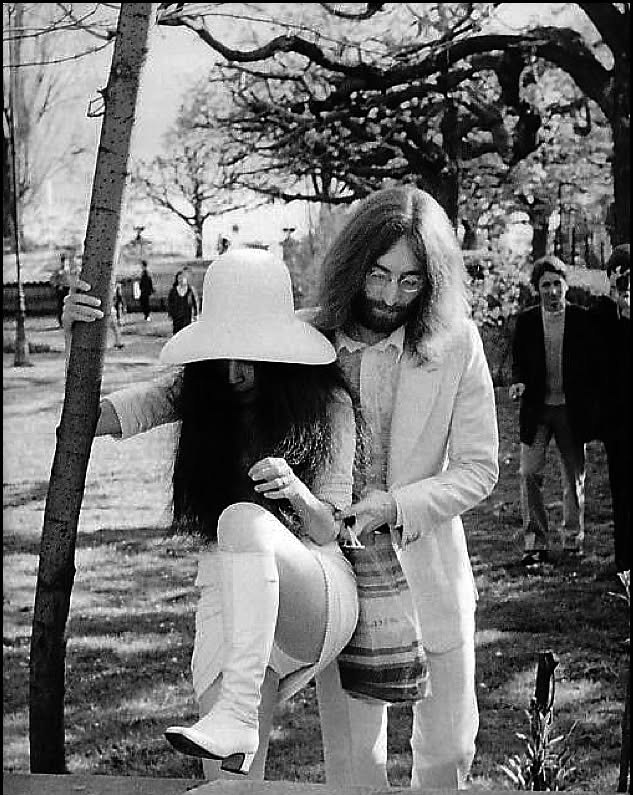
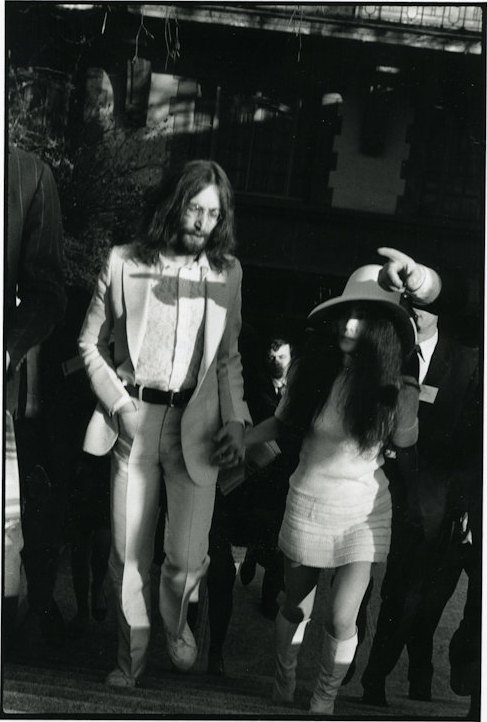
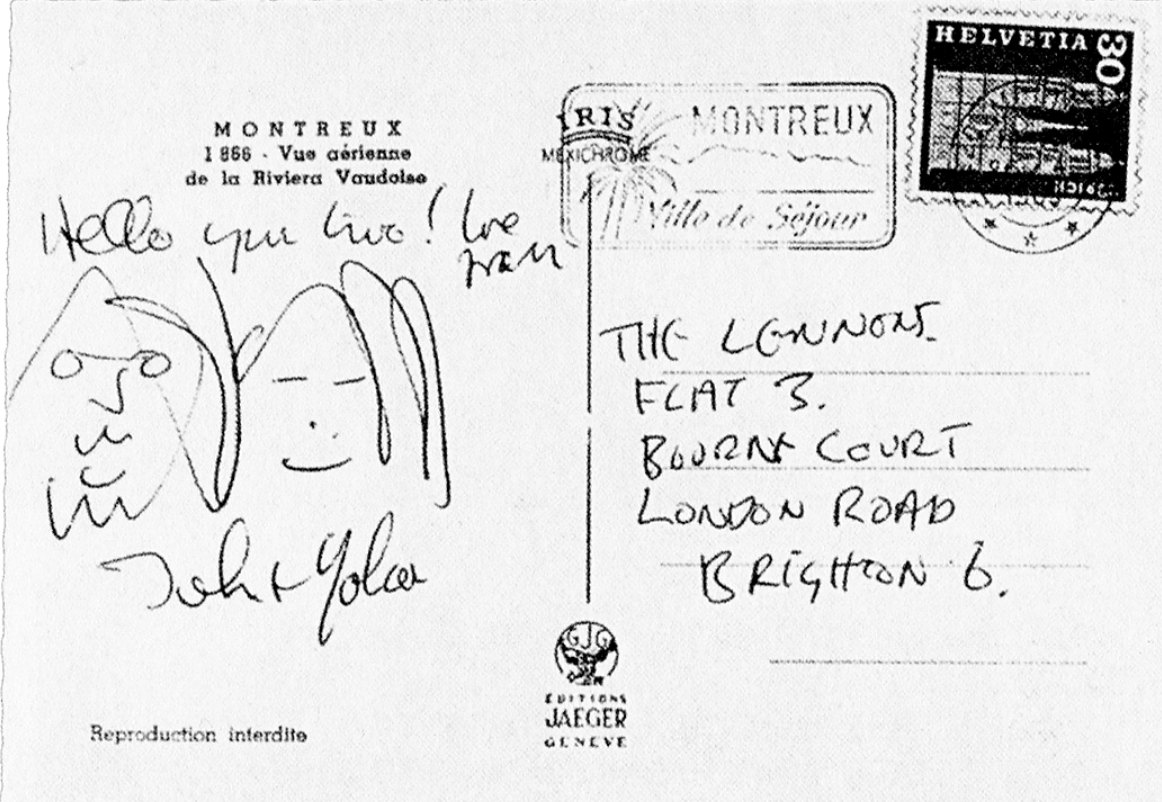
In April 1969 the Rose d’Or screened “Rape”, an experimental film by John Lennon and Yoko Ono. The couple, at the height of their “peace and love” period, travelled from London to Montreux to accompany it: dressed all in white, they stepped off the plane in Geneva before reaching the Riviera.
They stayed at the Montreux Palace, where a young Claude Nobs, the future founder of the Montreux Jazz Festival, welcomed them at the hotel entrance. A busy press conference followed on 27 April, along with walks in the gardens and streets of the town.
“Rape” (also Film No. 5) follows a young woman chased through the streets by a camera until she is cornered: an unsettling work about the gaze and the hunt, shown here on television. The set of photographs below tells the story of their whole Montreux stay.
From Jeanne Moreau to Santana: music at the Rose d’Or
Long before the rock, the Rose d’Or was a musical gathering. The contest rewarded television programmes, but its galas and concerts were open to the public, and both variety and jazz passed through. As early as 1963, Jeanne Moreau sang there; the following year, on 20 April 1964, the Rolling Stones made their very first appearance outside Great Britain there, for the British television show “Ready, Steady, Go!” (the Beatles, approached in 1963, had been judged too unknown); in 1966 the jazz pianist Erroll Garner performed; in 1967 Nino Ferrer sang “Si tu m’aimes encore”, his French adaptation of James Brown’s “It’s a Man’s Man’s Man’s World”.
The Riviera did the rest. In 1971, a twenty-four-year-old Carlos Santana enjoyed the pleasures of the lakeside between two sets; Roger Daltrey, the singer of The Who, filmed a sequence on the quays for American television and summed Montreux up in a phrase: “the Palm Beach of Switzerland”. Henri Salvador, the Humphries Singers and the band Captain Beyond were among the festival’s other musical guests.
In 1984 a singer-songwriter even took the top prize: Leonard Cohen won the Golden Rose with “I Am a Hotel”, a half-hour musical film shot in a grand Toronto hotel, where his songs — “Suzanne”, “Chelsea Hotel #2” — carry the romances of guests and staff.
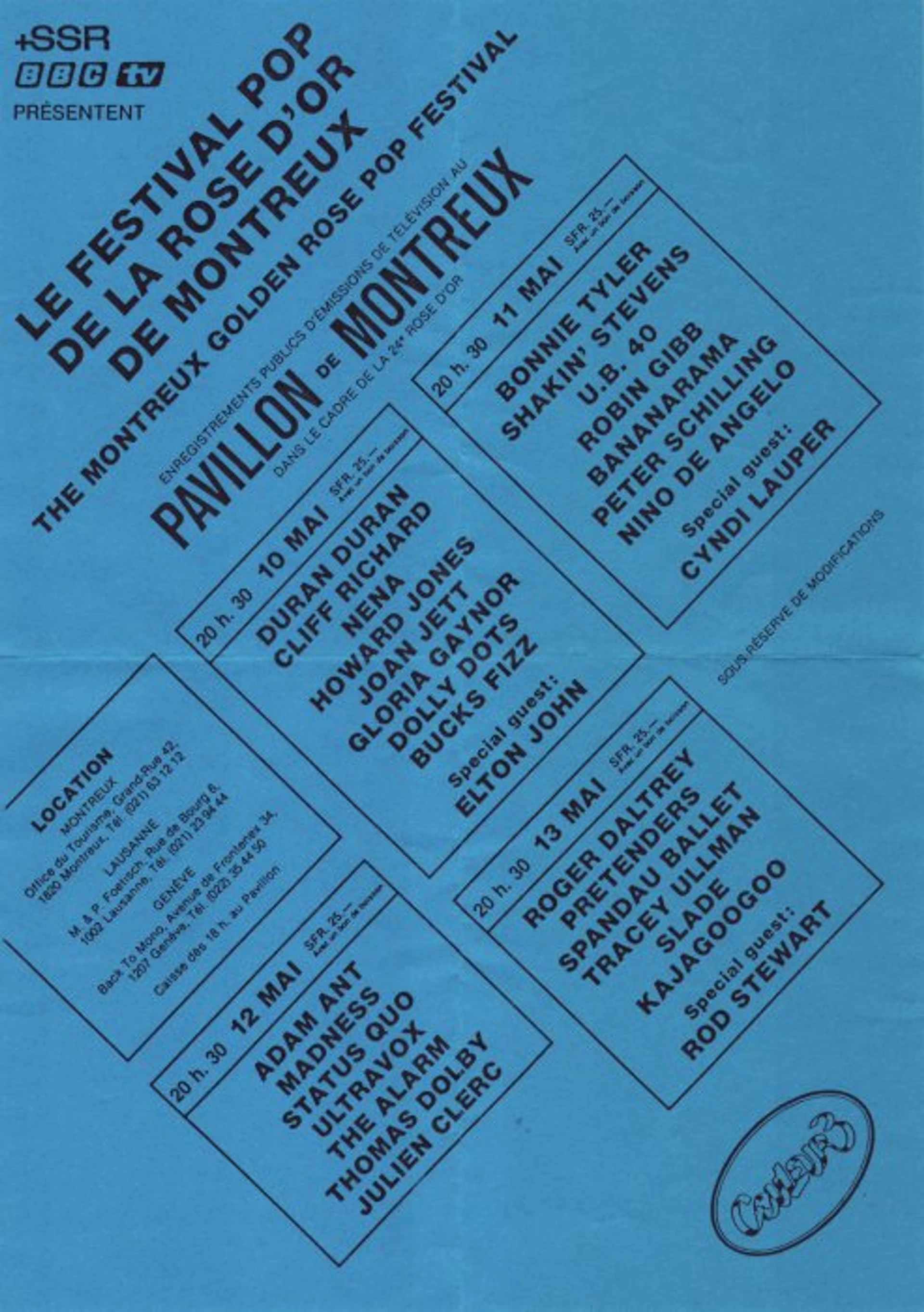
The Rose d’Or rock festival (1984-1988)
This is the strand that brings the Rose d’Or close to our subject. From 1984 to 1988, in partnership with the radio station Couleur 3 and the BBC, the festival added a “rock festival” modelled on chart shows such as Top of the Pops. On a television set, the biggest stars of the moment came to play, often miming, for the cameras: four to five evenings in a row, six to sixteen artists a night, up to about forty in all.
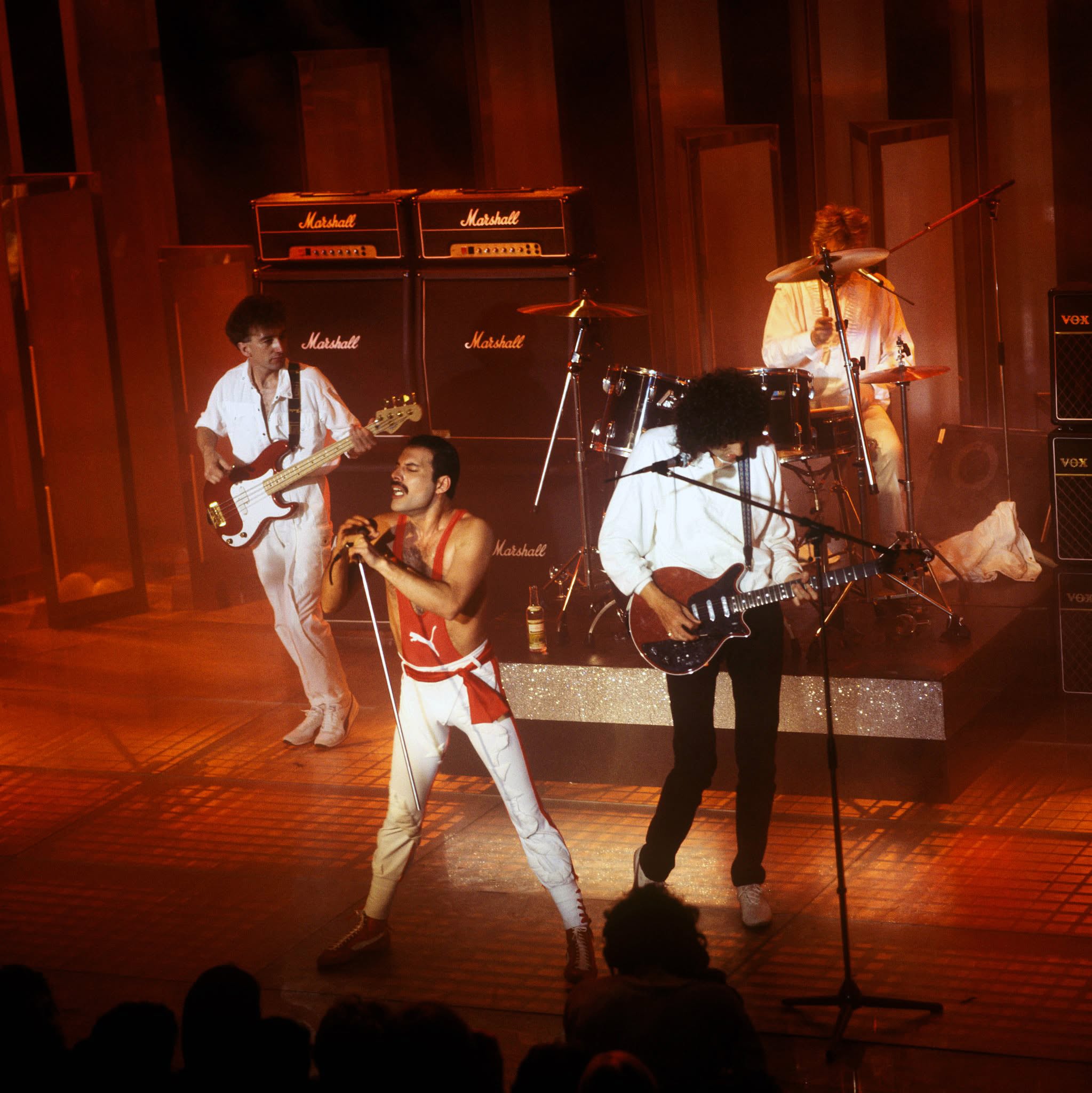
Among them Queen, Genesis, Status Quo, Elton John, Duran Duran, Rod Stewart, Dire Straits, Bryan Ferry, Whitney Houston, Eurythmics and Simply Red. On 12 May 1984, Queen mimed four tracks from their album “The Works”, including “Radio Ga Ga” and “I Want to Break Free”; the band returned in 1986 and even hosted a reception on a Lake Geneva boat. Phil Collins came through with Genesis in 1986, then in concert at the Casino in 1987.
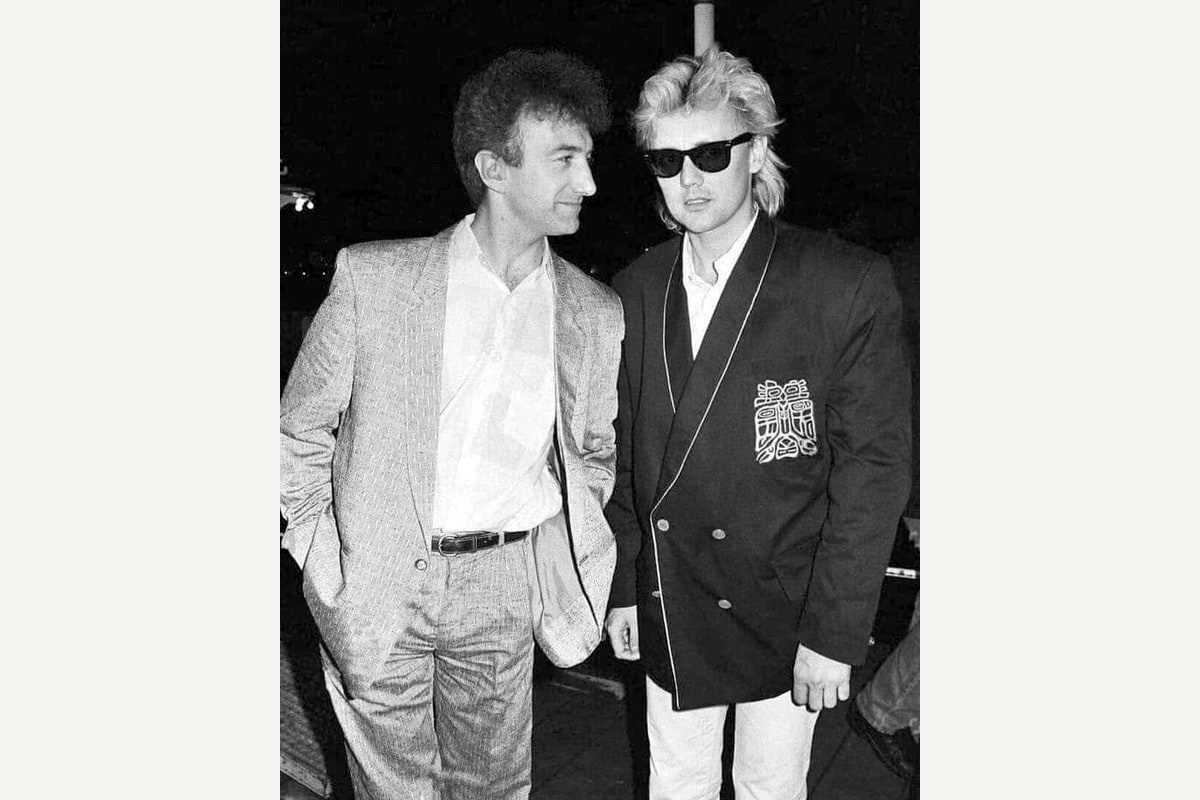
The 1985 edition brought a new wave of pop stars to Montreux: Boy George and Culture Club performed “Karma Chameleon”, while Chris Rea, Sting, Dire Straits and Depeche Mode followed one another before the cameras.
The end of the Montreux adventure
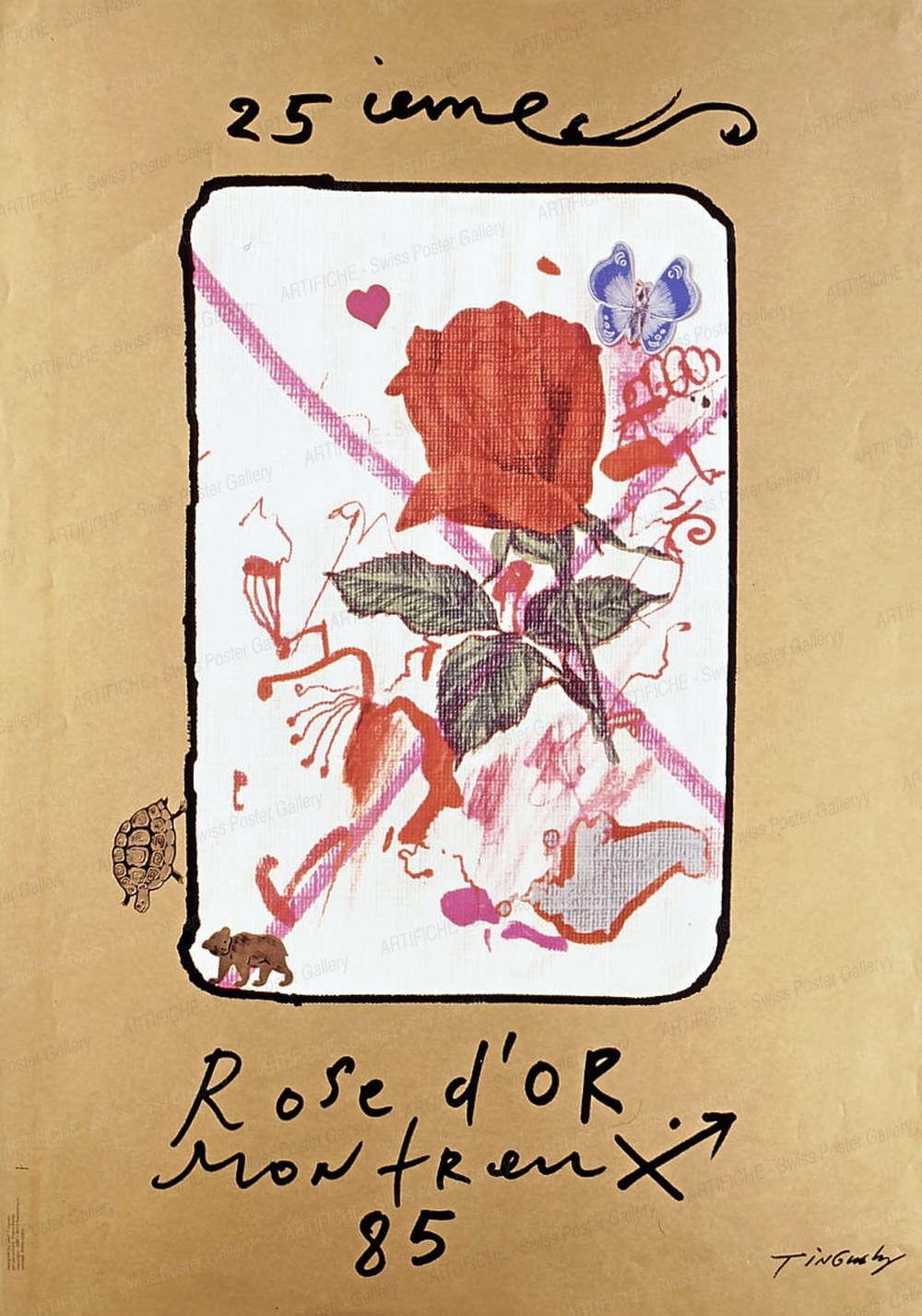
After more than forty years, and the 2003 edition, the Rose d’Or left Montreux: it settled in Lucerne from 2004 to 2012, then passed through Brussels (2013), Berlin (2014) and London, where the 2015 ceremony was held at the British Museum. The award still exists internationally, but the festival is no longer a Riviera gathering.
What remains is the memory of a time when the little lakeside town made, every spring, the front pages of the world’s television, and when pop and rock came to show themselves there before even returning, in summer, for the jazz.
Related artists :QueenFreddie MercuryBrian MayRoger TaylorPhil CollinsStatus QuoCarlos SantanaThe Rolling StonesBoy GeorgeChris ReaJean TinguelyElton JohnClaude NobsVanessa ParadisJohnny HallydayWhitney HoustonErroll GarnerStingThe CureABBAJeanne MoreauLeonard Cohen