The builders
Claude Nobs

Without Claude Nobs (1936-2013), Montreux would not be the musical capital we know. A local son, he founded the Montreux Jazz Festival in 1967 and, through his flair and connections, drew the whole history of jazz, soul, rock and pop to it. “Funky Claude” entered rock legend in 1971 when he helped the audience escape the burning Casino, an episode immortalised by Deep Purple in “Smoke on the Water”. An unrivalled host, he welcomed the greatest names to his chalets in Caux, perched on the heights, over fondue and a unique collection of records and jukeboxes. Montreux has dedicated to him a statue, a bench and the avenue running past its grand hotels; the Claude Nobs Foundation now watches over his legacy and the festival archives, inscribed in UNESCO’s Memory of the World. From the late 1970s he also took the Montreux name abroad: Detroit, São Paulo, Atlanta, Tokyo, Singapore… an adventure continued today by the festival’s international editions (Montreux Jazz Festival International).
Claude Nobs: a tourist-office accountant who brought the world to town
Territet, 1936: trained as a cook
Claude Nobs was born on 4 February 1936 in Territet, a stone’s throw from the lake. Nothing marked him out for music: he trained as a cook, with an apprenticeship in Basel and a spell at the Lausanne Hotel School, then became an accountant at the Montreux tourist office, working under Raymond Jaussi.
Very early, another passion filled him: trains. As a child he spent his days at Territet station, right near his home, and kept a love of the railway all his life, which he would later transpose by linking his chalets with a model train. His parents had a chalet at the Liboson, on the heights.
Everything started from that modest post. A jazz enthusiast, he used his place at the office to convince his town that a festival was possible, in an ageing spa resort miles from the American jazz circuit. The cook in him never left: welcoming and feeding his guests remained his signature.
“Le Petit Nobs”: a childhood above the bakery oven
Claude was the son of the baker Henri Nobs and Anna Wiedenmayer, a nurse from Altstetten near Zurich who had come to learn French at the Florimont clinic in Territet, where she met Henri. “It’s me or the motorbike”, she told him; it was her. The boy grew up above the family bakery, in the villa Victoire, just below his future festival offices. The house lived to the rhythm of the oven and the grand hotels nearby: “We delivered up to five thousand rolls and croissants a day”, he recalled (Le Temps).
Life was “extremely simple”: he wore the hand-me-downs of his elder brother Jean-Pierre and had no toys. “I don’t complain about it: it makes you value what you have. I like to touch objects.” His kingdom was the drawer of crumbs, where the broken pastries ended up: “When I turned up among my pals at Montreux-plage with my bag full of crumbs, I was a bit of a star. They called me le Petit Nobs.”
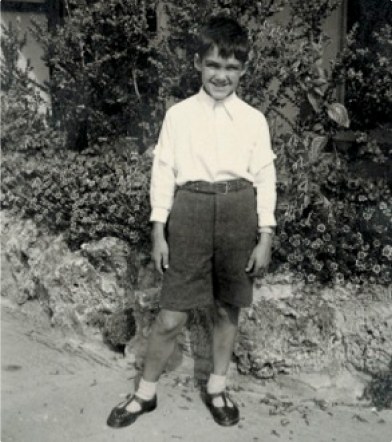
It was at the Liboson, on the heights above Montreux, in an alpine chalet belonging to his parents, that he discovered jazz “in spite of himself”. His father had brought back a wind-up gramophone and some ten kilos of loose 78s; the child sorted them by giving them marks and stars, and noticed that he “systematically gave three stars to jazz”. His father nicknamed him “Duke Ellington”, because he beat time as he listened. The taste was confirmed by Daniel Filipacchi’s radio show “Pour ceux qui aiment le jazz” on Europe 1; the producer later became his friend.
After poor results at school, his father gave him twenty-four hours to choose a trade. He went for cooking, “the least bad thing next to the bakery”, and came top cook in Switzerland at his final apprenticeship exam, in Basel. “You can see why my parents worried when I launched the festival”, he summed up (Le Temps).
Three days of jazz
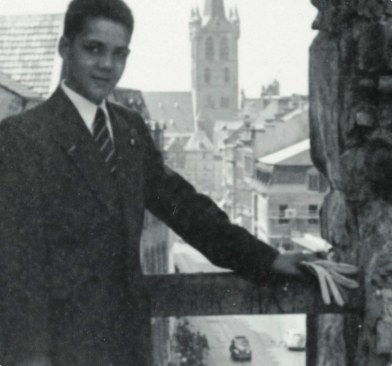
The first Montreux Jazz Festival was held at the Casino in June 1967. Three days, a handful of spectators, and a line-up that would go down in history: the quartet of American saxophonist Charles Lloyd, with a young pianist named Keith Jarrett.
Nobs did not do it alone. He founded the festival with the pianist and broadcaster Géo Voumard and the journalist René Langel, a trio that would remain at the helm for many years.
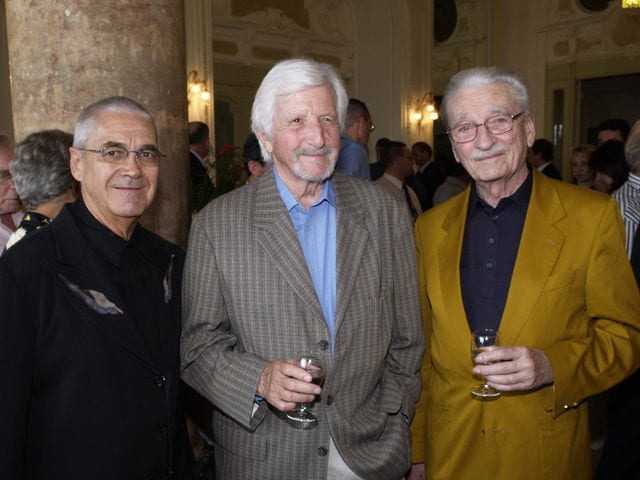
What followed came down to a method: Nobs went to fetch the artists himself, received them himself, and made them come back. The festival very soon reached beyond jazz, to soul, blues, rock and pop, without ever changing its name. That is why a festival called “jazz” also welcomed rock, soul and pop, from Santana to Prince.
Claude Nobs had a rare instinct and a way of doing business built on trust. In 1969 he invited Chicago, his very first rock concert; the band gave him a signed poster “to the greatest promoter in the world”. With Led Zeppelin, whom he had met at Newport, the deal was sealed with no contract and no talk of money, on a single line from their manager: “Claude, make sure the guys are happy.” As for Bob Dylan, in 1994, he crossed the Casino corridor in full racing-cyclist gear, race bike in hand, before going on stage (Claude Nobs, “Le petit prince du jazz”, Le Matin, 2011).
Very soon, it was recordings too that carried the Montreux name around the world. As early as the second edition, in June 1968, the trio of Bill Evans recorded “Bill Evans at the Montreux Jazz Festival” there, which won the 1969 Grammy for Best Jazz Instrumental Album; its cover, graced by a photograph of the Château de Chillon, tied the young festival lastingly to the Lake Geneva landscape. Barely a year after beginnings funded with a 10,000-franc budget, that international recognition vindicated Claude Nobs’s gamble straight away.
Welcoming John Lennon and Yoko Ono
In late April 1969, John Lennon and Yoko Ono came to Montreux for the Rose d’Or, which screened their film “Rape”. Dressed all in white, they stayed at the Montreux Palace, where a young Claude Nobs welcomed them at the hotel entrance. Swiss television filmed their arrival for the programme Carrefour; the commentary, delivered live, was not kept, so the footage has come down to us silent.
“Funky Claude”
During Frank Zappa’s concert at the Casino, a member of the audience fired a flare into the rattan ceiling. The building went up in flames. Part of the audience was trapped in the basement: Claude Nobs went down and got them out.
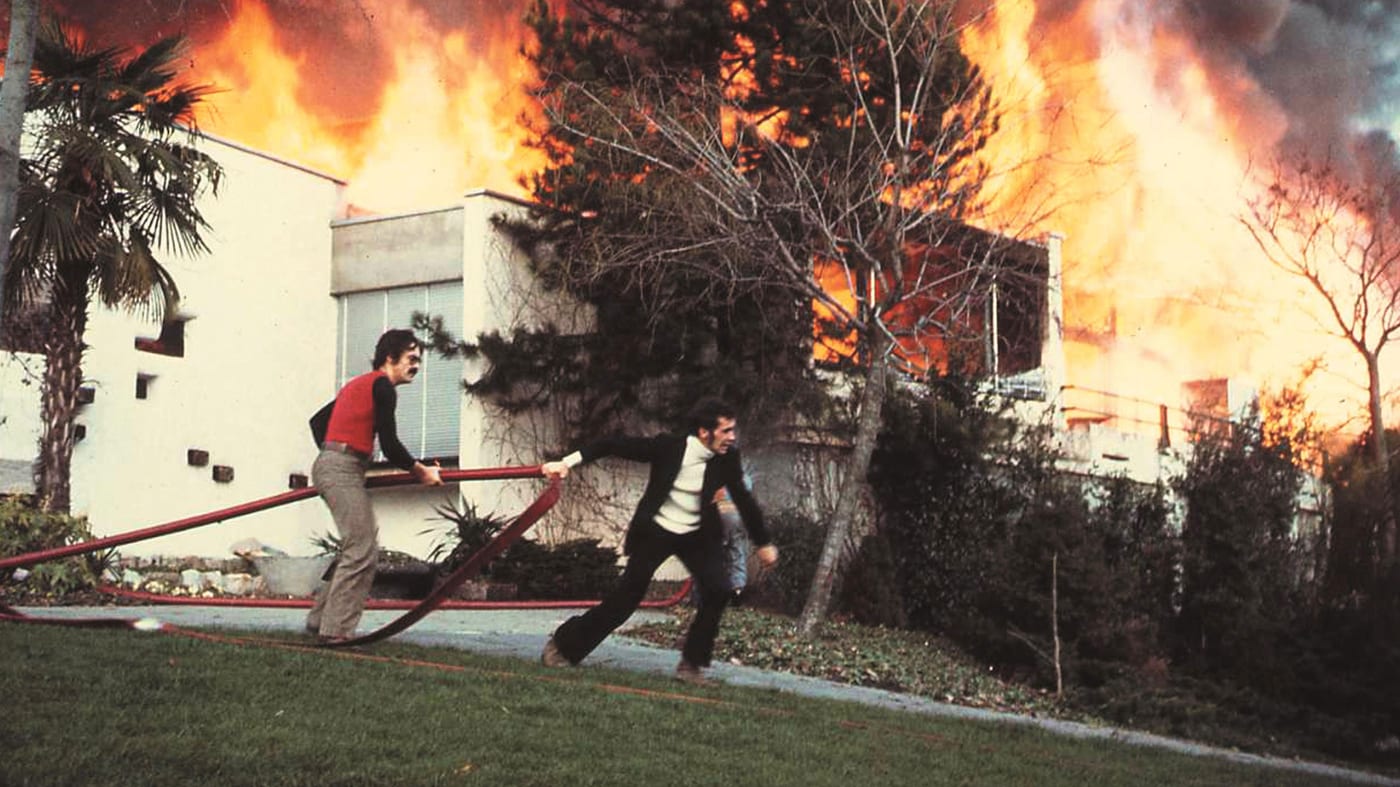
Deep Purple, who were due to record in that hall and watched the scene from across the bay, would draw “Smoke on the Water” from it. A whole verse is devoted to the man going in and out of the blaze. That is how a Swiss festival director became, under the name “Funky Claude”, a character in the global rock repertoire.
Nobs did not stop there: he found the band another hall, the Pavillon, then, after they were thrown out for noise, let them move into the Grand Hôtel de Territet, empty for the winter. “Machine Head” would be recorded there.
The chalets at Caux
Above Montreux, in the hamlet of Caux, Claude Nobs owned two chalets, linked, a detail that says everything about the man, by a model railway.
That is where he received his guests after the concerts: fondue, a collection of records and jukeboxes, conversation until dawn. More than ten thousand of the world’s most famous musicians passed through, Thierry Amsallem reckons, in an intimacy no festival dressing room could offer. That hospitality was not an extra: it was the reason artists came back to Montreux. The fondue was sometimes a family affair: his younger sister Sylvia remembers making one for David Bowie and his secretary (RTS, July 2013).
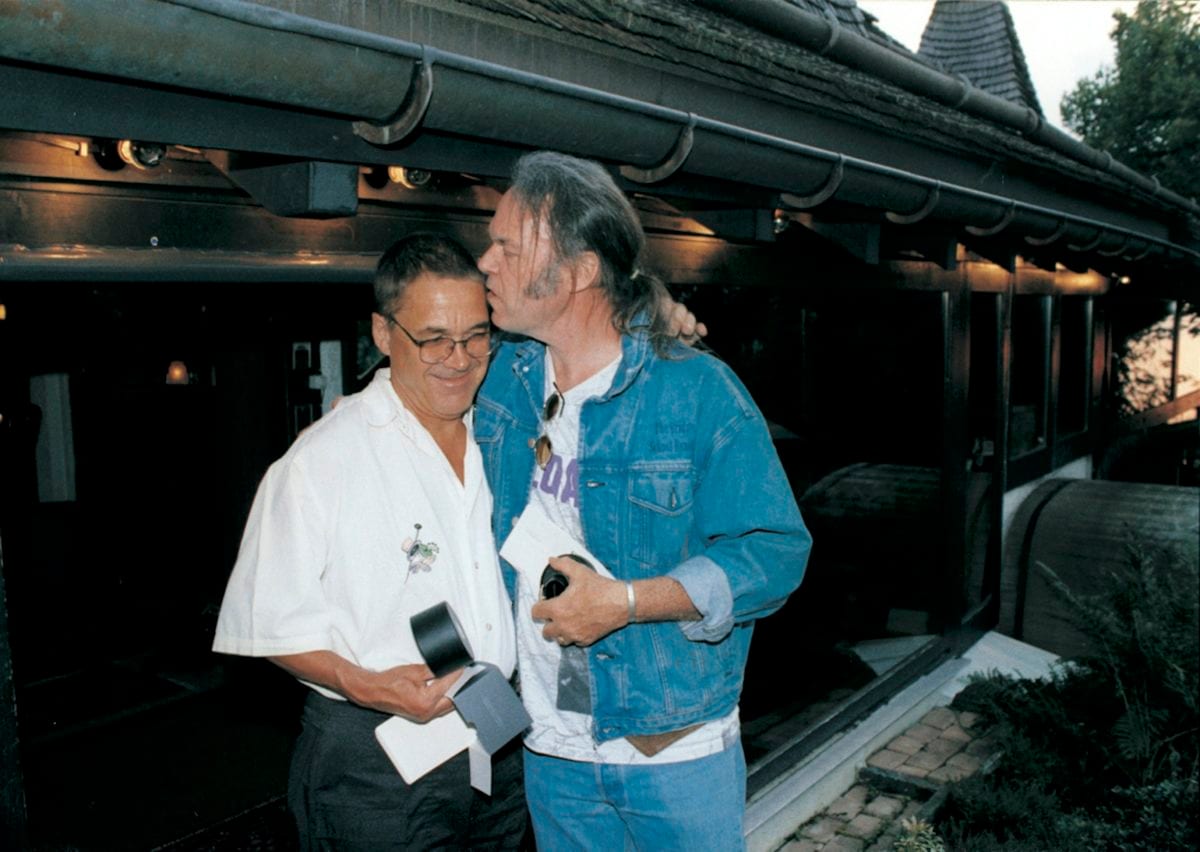
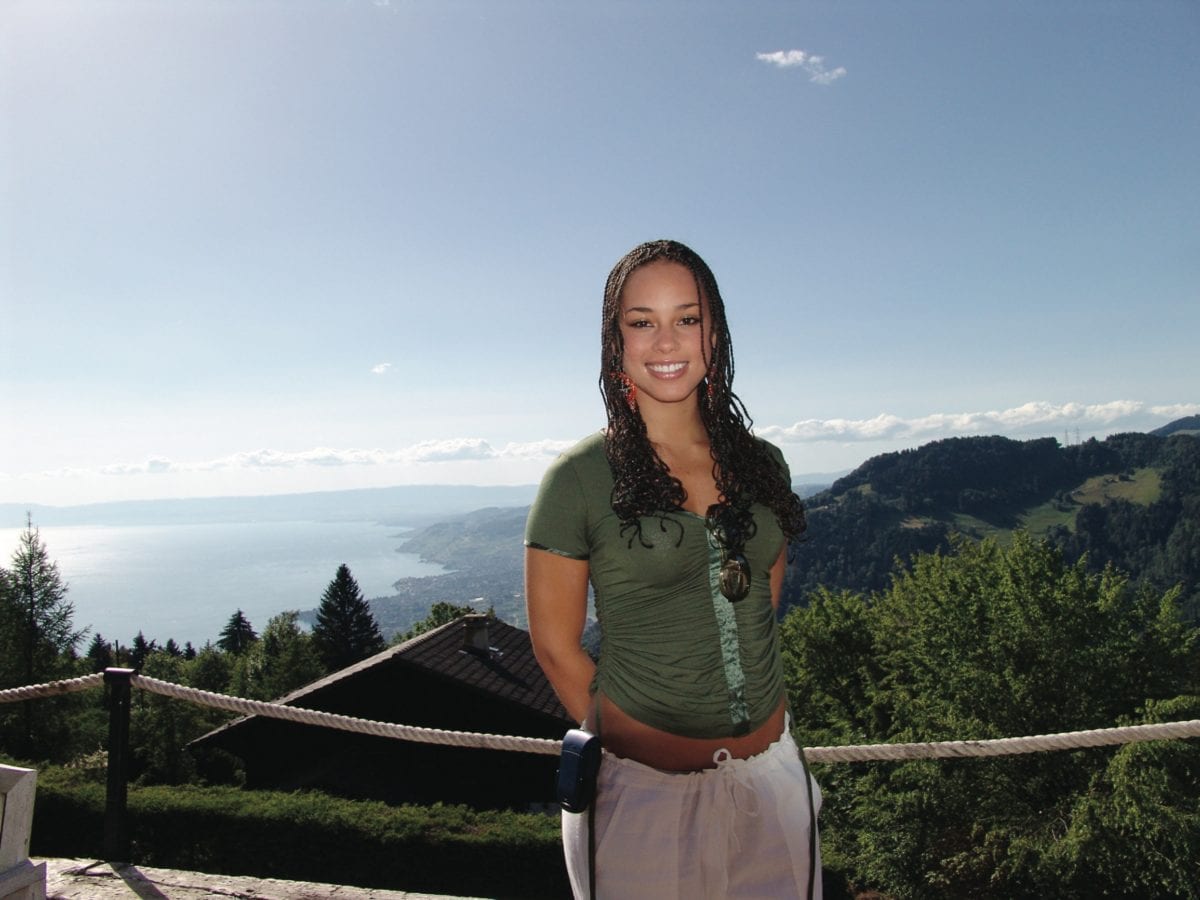
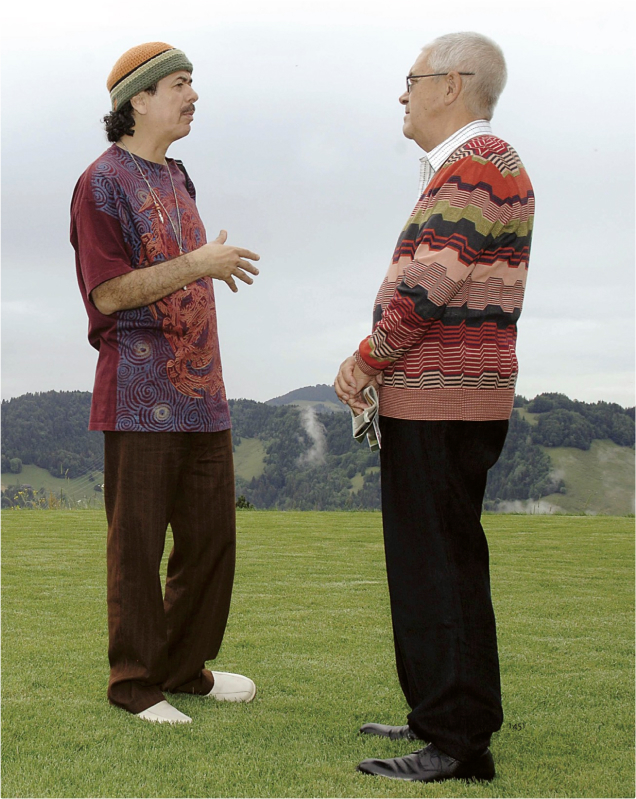
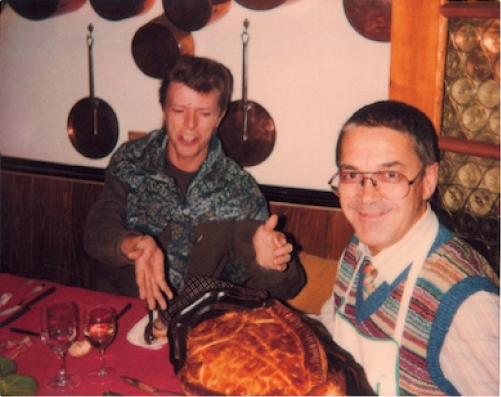
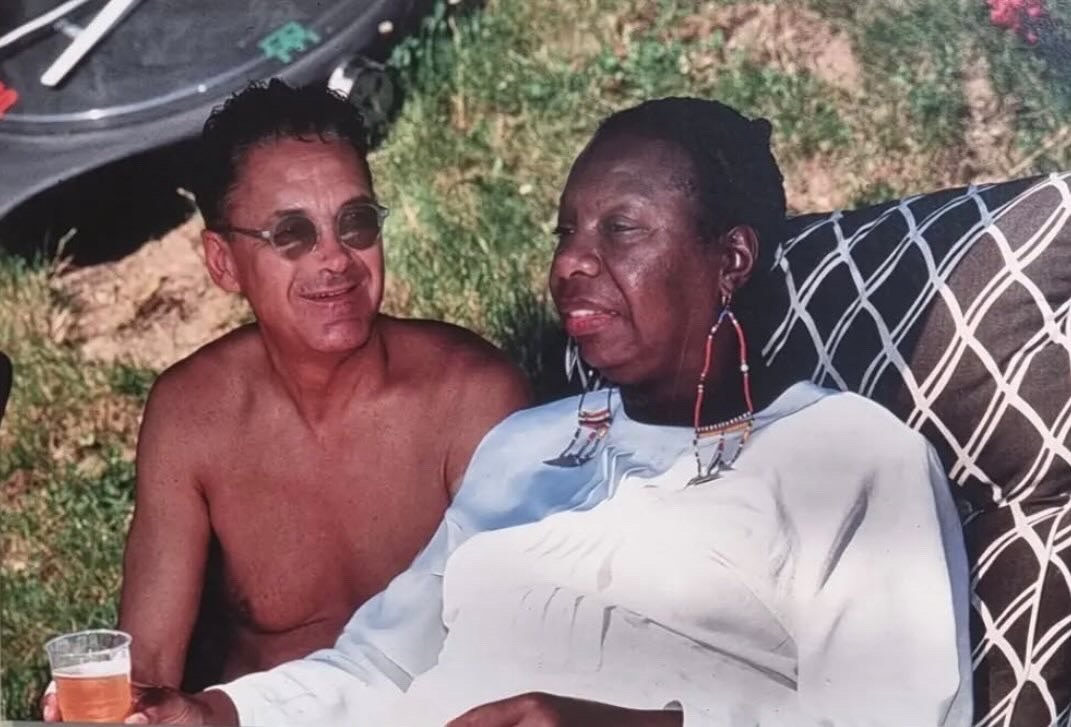
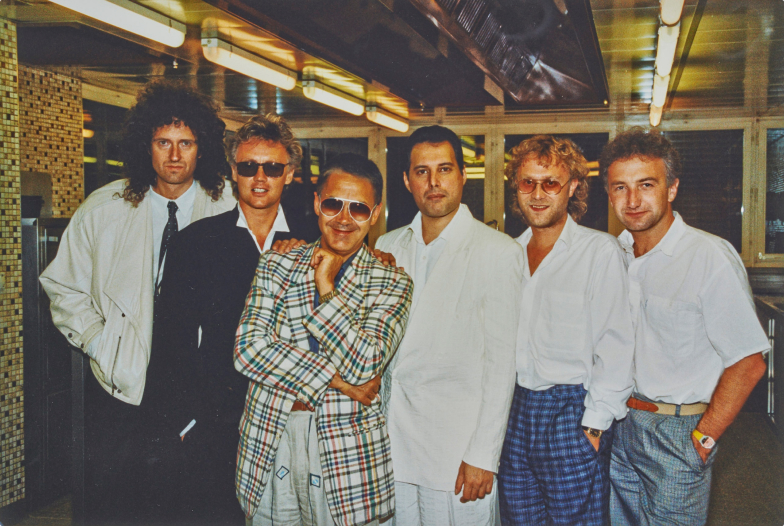
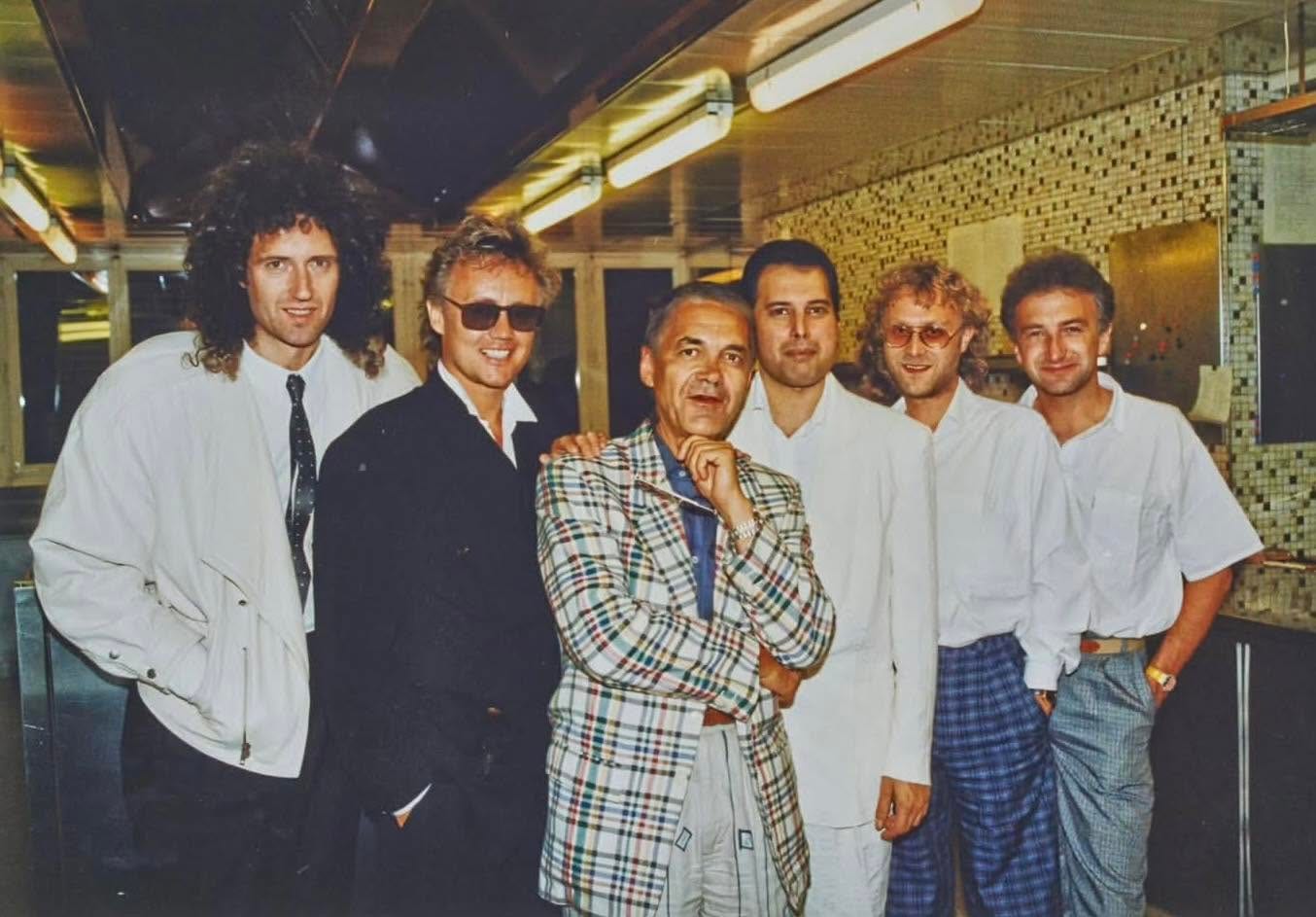
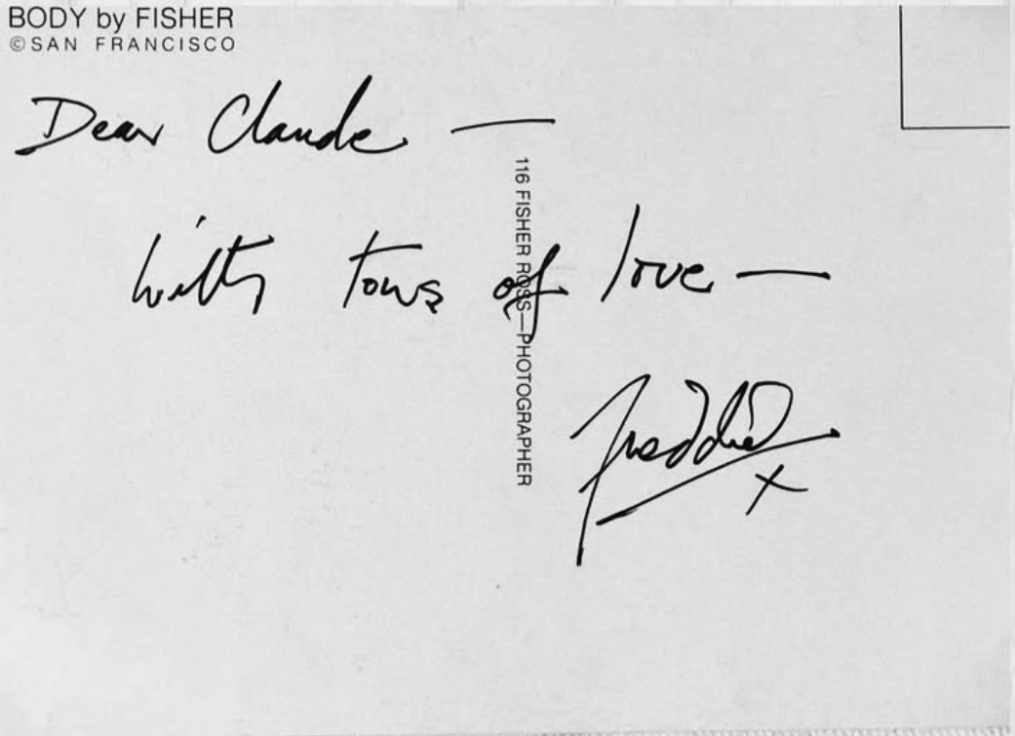
The chalets also housed his two Bernese mountain dogs, Kiku and Kuki, and one of the largest archives of filmed music in the world. The bric-a-brac piled up there told the story of Nobs’s friendships on its own: a Flash Gordon pinball machine given by Queen, B.B. King’s Gibson “Lucille” guitar, a work by David Bowie, a portrait of Nobs painted by Romero Britto (Reuters, July 2010). Freddie Mercury had also brought him, one day, two Japanese kimonos, one for Nobs and one for Thierry Amsallem; worn at a few parties, everyone flew about like birds in the garden, the latter remembers. The chalet’s piano, for its part, came from Freddie Mercury’s apartment at Les Tourelles, in Territet.
A passion for trains
Claude Nobs’s love of the railway never left him. Thierry Amsallem, his partner and president of the foundation that bears his name, recalls his soft spot for steam trains, whose mechanics reminded him of musical rhythms. Nobs encouraged the festival’s stars to come up to his chalets at Caux by train: Miles Davis, B.B. King, Quincy Jones and many others took the Montreux–Rochers-de-Naye line. His great gag was to assure them that, to go back down to Montreux, they had to take platform 2… when there is only one.
At the chalet, a vast space was given over to a magnificent and intricate model railway. Olivier Français, father of Lausanne’s M2 metro, remembers causing a small model-train accident there, which Nobs repaired with a smile. It was the same spirit that linked his two chalets, Le Picotin and Le Grillon, by a model railway.
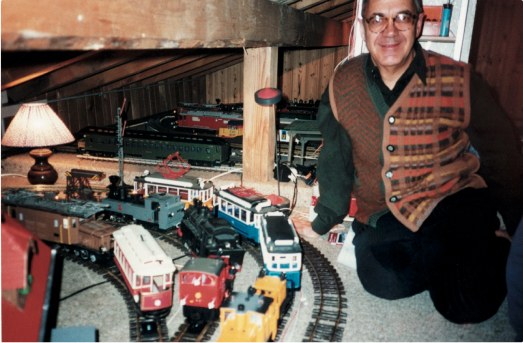
In June 2015, the GoldenPass company paid tribute to that passion: it dedicated to Claude Nobs its railcar 301 and a stop on the Montreux–Glion–Caux–Jaman–Rochers-de-Naye line, renamed “Haut-de-Caux, Vers-chez-Claude”, a few steps from his chalets. His two Bernese mountain dogs, Kiku and Kuki, were even given a lifetime pass on the line: they often followed walkers up to the Rochers-de-Naye and, too tired to walk back down, came home by train, now without fare-dodging. An interactive bench, by the lake near the Casino, now lets him speak of his trains.
The friendships that built the festival
Claude Nobs’ address book was not a card index: it was friendships, kept up over decades. B.B. King, who came twenty-three times, Ella Fitzgerald, Etta James and Aretha Franklin came back because he went to fetch them himself and received them at his home.
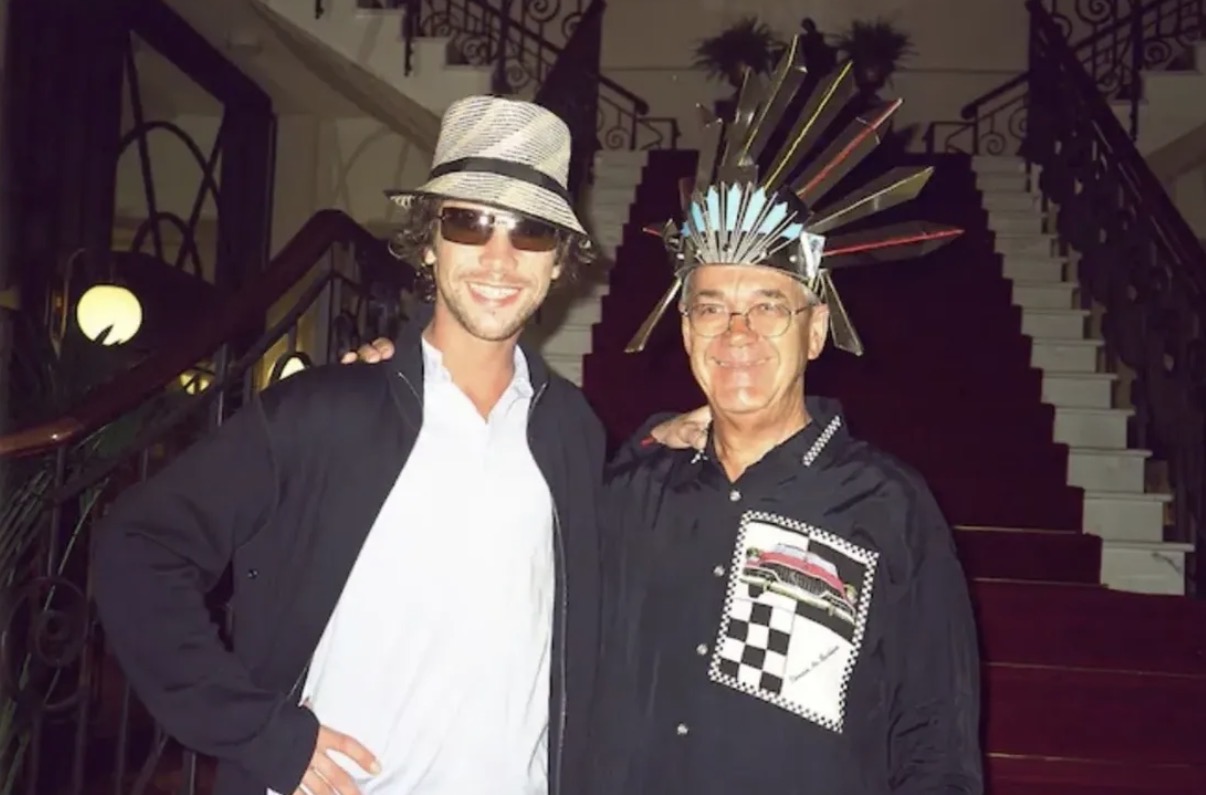
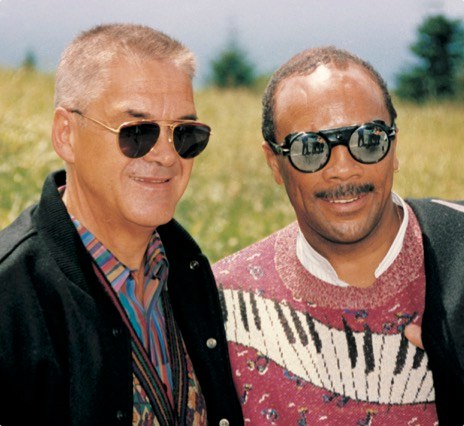
The most decisive was with Quincy Jones. The producer became the festival’s artistic director from 1991 to 1993 and returned almost every summer until his death in November 2024; he liked to call Montreux the “Rolls-Royce of music festivals”. It was that bond, too, that brought Miles Davis to Montreux for his final concert in July 1991.
It was Nesuhi Ertegün, the head of Atlantic Records, who opened the doors of the industry to him: in 1973 he took him on at WEA International (Warner), where Claude Nobs stayed until he retired in 2001, keeping direct access to the biggest artists (Live from Montreux). But the spirit of the festival came above all from his vision: “Claude designed the festival for the artists; they came for Montreux and improvised a great deal” sums up his partner Thierry Amsallem (« L’invité », TV5MONDE).
In July 1970, an RTS camera caught Claude Nobs and his long-time partner in crime, the blues pianist Champion Jack Dupree, in a wild improvisation for the bathers at the Casino pool. That year, Champion Jack’s contract, he was an excellent cook, stipulated that he would cook if the audience was hungry, or play if they had no appetite. Years later he returned Claude Nobs’s friendship by coming to play for the residents of the Burier care home, where Nobs’s parents lived (RTS, directed by Pierre Matteuzzi and Christian Zeender).
His partner Thierry Amsallem remembers an evening of fireworks by the lake, when Freddie Mercury and David Bowie wanted to stand fifty centimetres from the mortar tubes, at the risk of taking a rocket in the face: “I had a knot in my stomach. Claude was laughing. He was afraid of nothing.” The greatest possible fun, whatever the circumstances, remained his motto (“Montreux Jazz Festival, 50 Summers of Music”, Arnaud Robert, 2016).
“I have never drawn a salary”
Claude Nobs never drew an income from the festival itself: he lived off a parallel job, notably nearly thirty years running WEA Switzerland, the label combining Warner, Elektra and Atlantic. “Like everybody I wanted to be a musician” he admitted. “All I became was a bad, amateur harp player. But then I found out I had some ways to get special connections to musicians” (Reuters, July 2010).
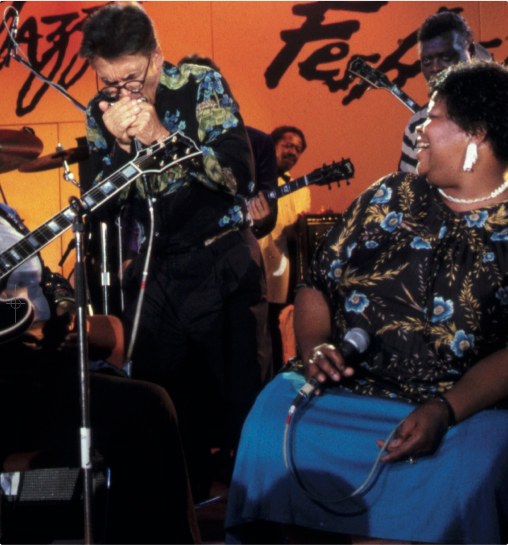
The festival’s budget grew from 10,000 Swiss francs in 1967 to around 20 million, employing 1,200 people during the festival fortnight and 16 full-time staff. Nobs put quality before profit and refused huge capacities: “I never liked the idea of 50,000 people in the same place. I have too much respect for the audience. I want the sound to be perfect and the vision to be perfect, not just have a place where the people smoke, drink, talk and the music is just a side attraction.”
That bet on trust rather than numbers led him to gamble big: in 2009 he spent more on a single artist than ever before to persuade Prince to play two rare dates, which sold out the 4,000-capacity main hall within minutes, for a fee rumoured to run to seven figures. “When I did Prince, nobody knew what I was doing. They all thought it was suicidal” he recalled. “But if I didn’t do things I strongly believe in, I might still be a cook.”
His death and his legacy
Claude Nobs died on 10 January 2013, from the consequences of a cross-country skiing accident near his chalets. He had run his festival for forty-six editions, and had prepared his succession: it has since been led by Mathieu Jaton.
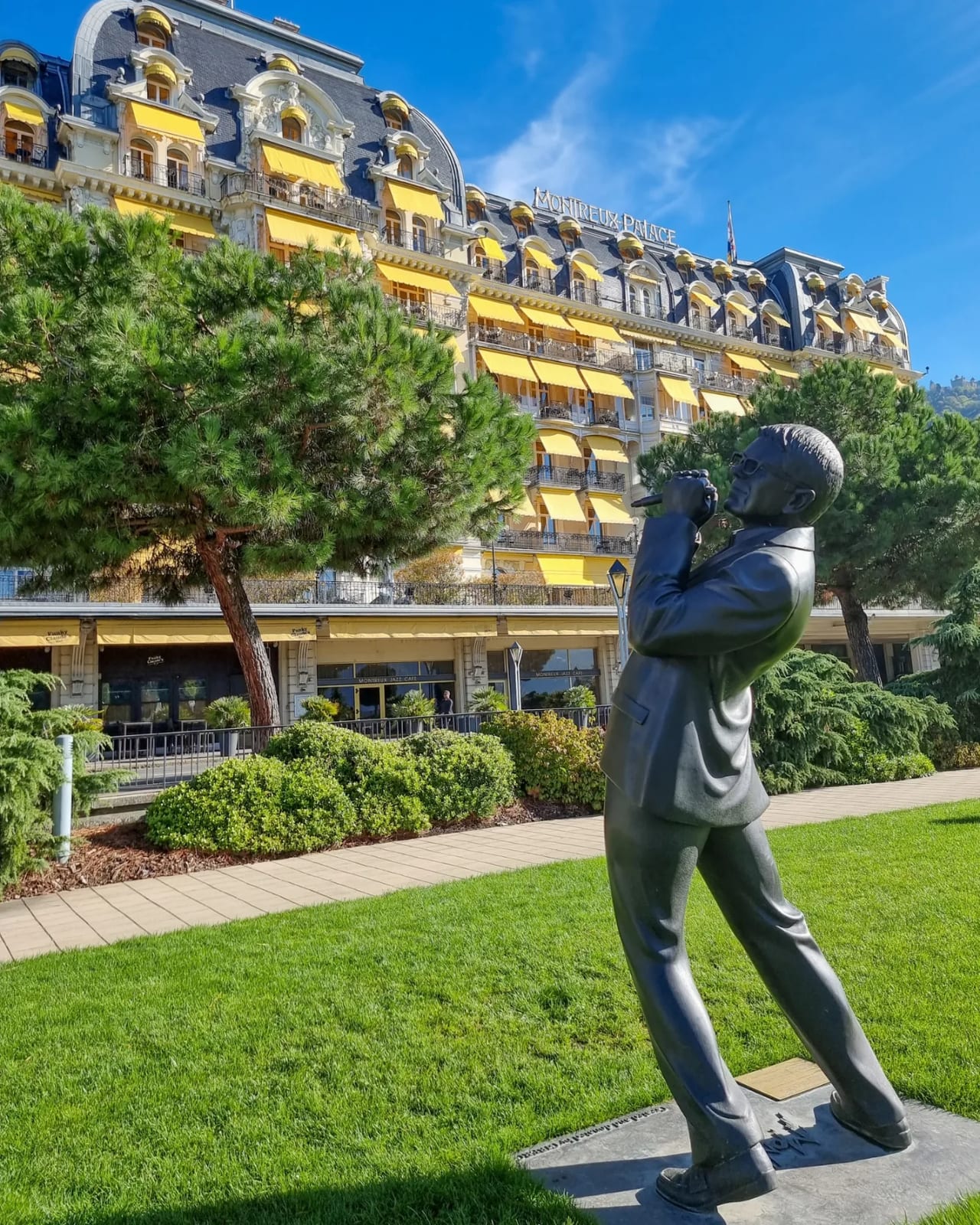
In 2013 the 47th edition, the first without him, closed on a tribute orchestrated by Quincy Jones. That same year Montreux renamed part of its Grand-Rue as Avenue Claude Nobs, the artery running past the 2M2C, the Vernex park and the festival quays. The town also gave him a statue, with his harmonica, and a bench facing the lake.
His companion of twenty-five years, Thierry Amsallem, created in 2014 the Claude Nobs Foundation, recognised as of public interest, to keep his archives and his values alive. With the EPFL, it continues the digitisation of more than eleven thousand hours of concerts filmed and recorded since 1967 by Montreux Sounds, his production company, added in 2013 to UNESCO’s Memory of the World register. It also brings together the “Funky Claude All Star Band”, some thirty musicians who meet in Caux, in Zurich and in the United States.
In his lifetime Claude Nobs had been honoured far beyond Montreux: honorary doctor of the EPFL, “man of the year” 2007 at the Midem in Cannes, commander of the French Order of Arts and Letters, honorary citizen of Atlanta and New Orleans, and honorary burgher of Montreux.
These places on the map
Tap a marker to open the place page.