Jazz, soul & blues
Miles Davis

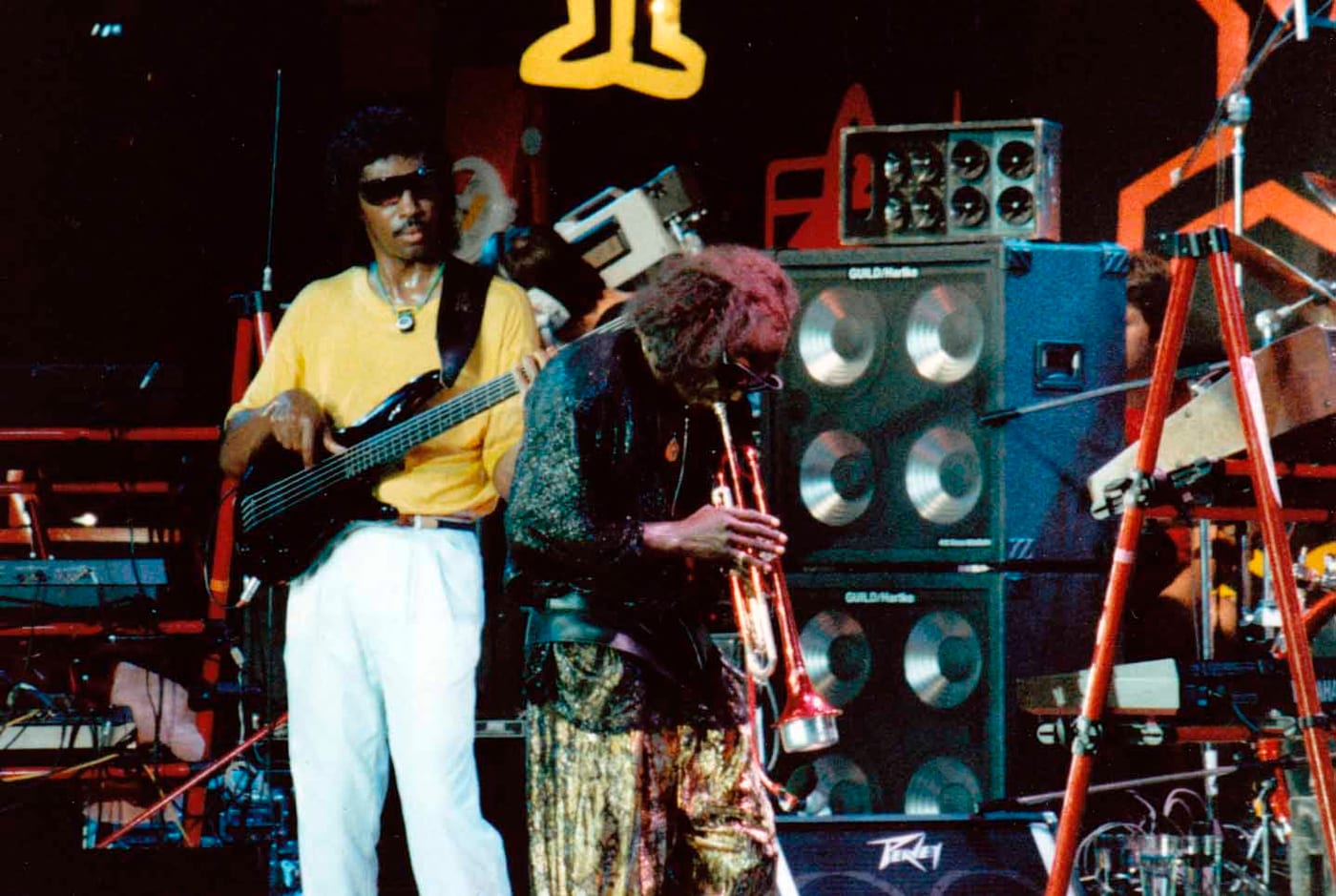
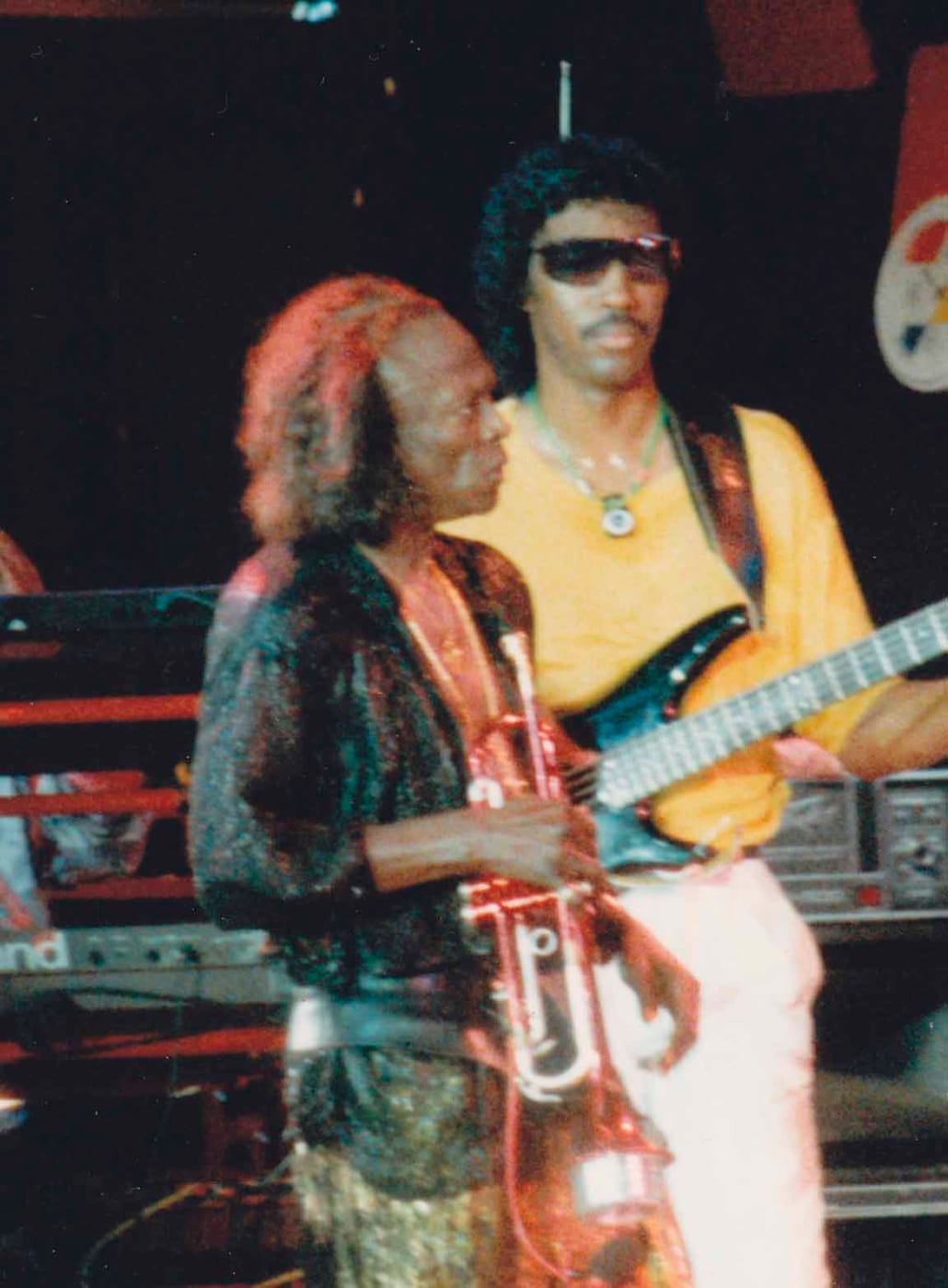
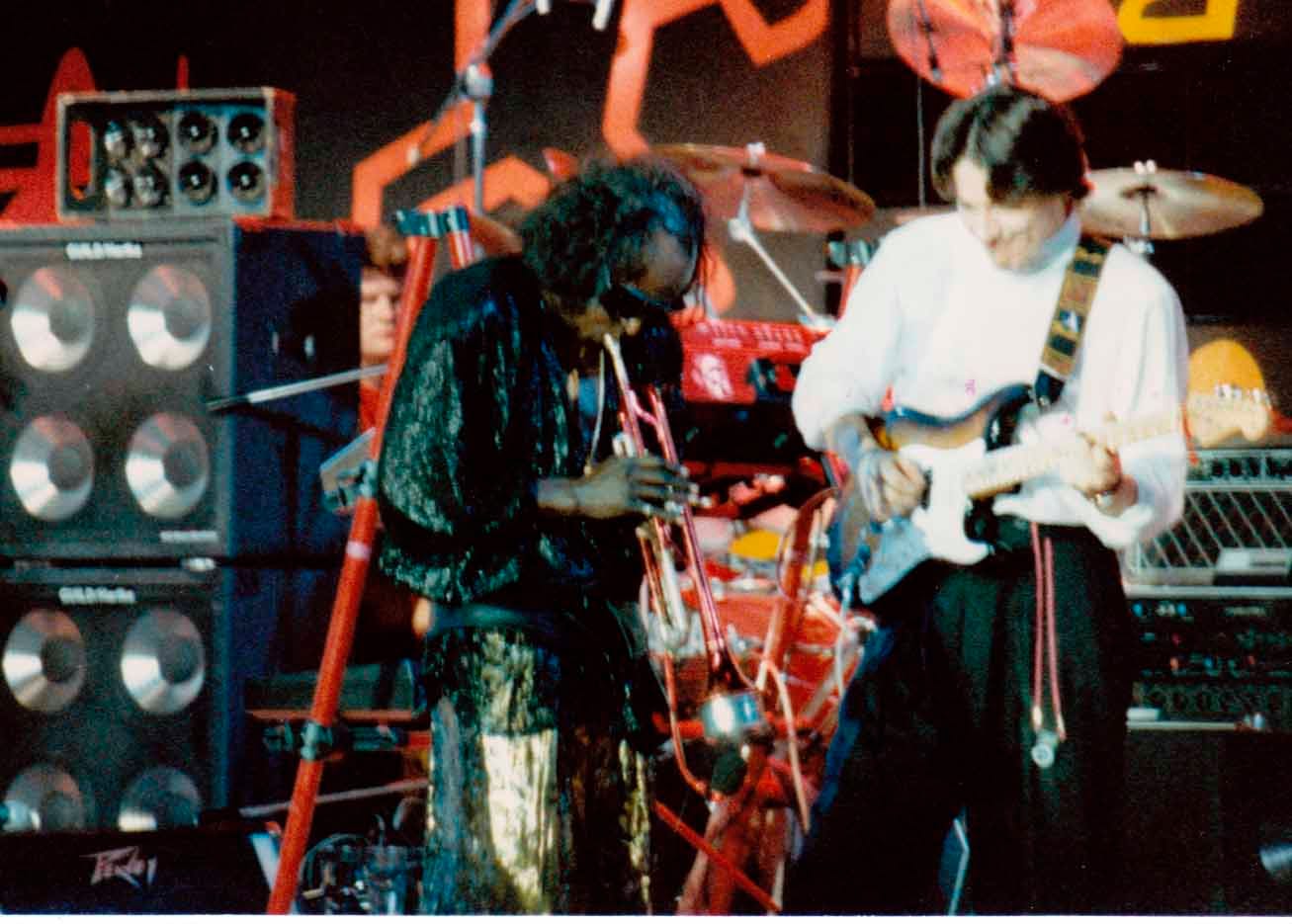
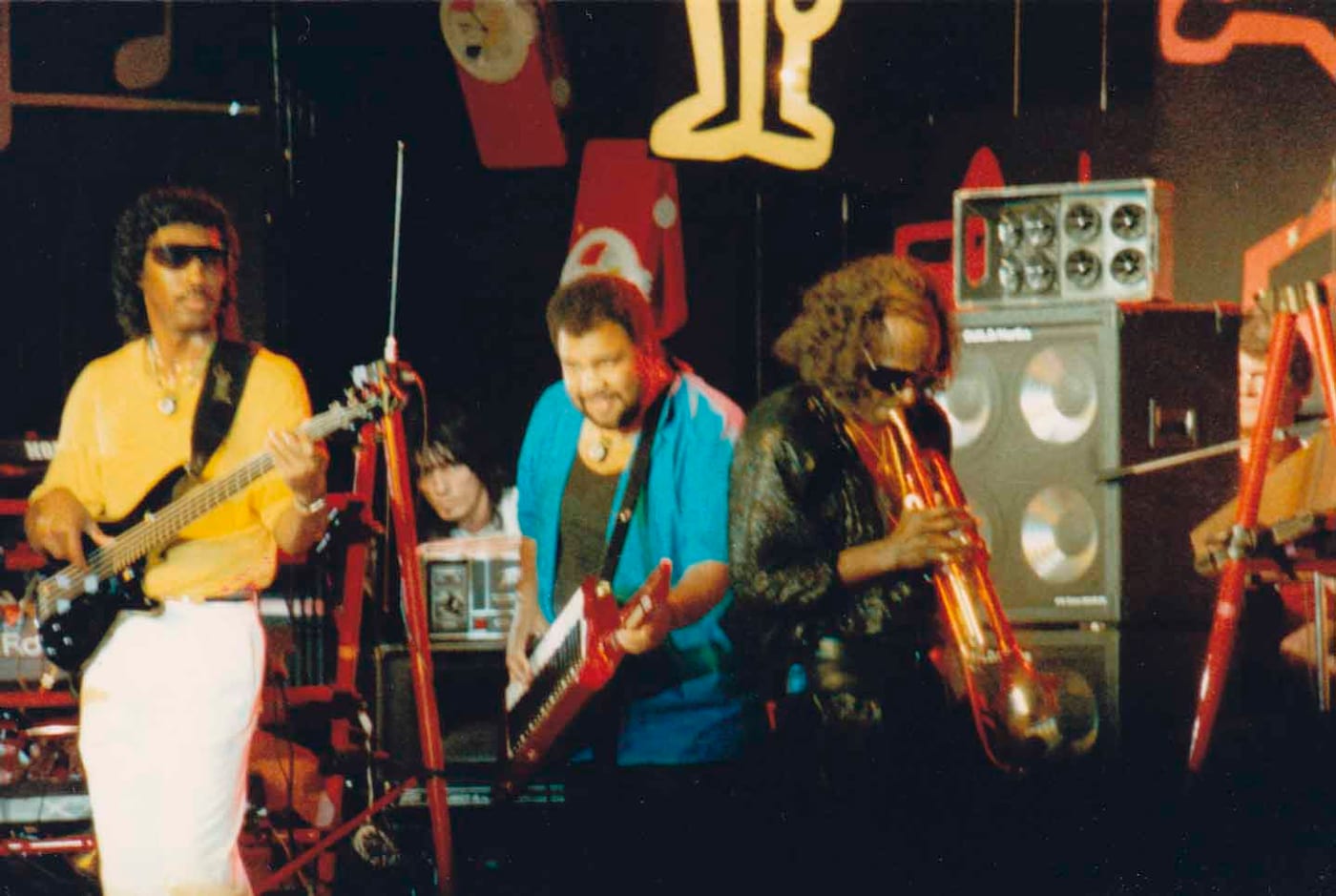
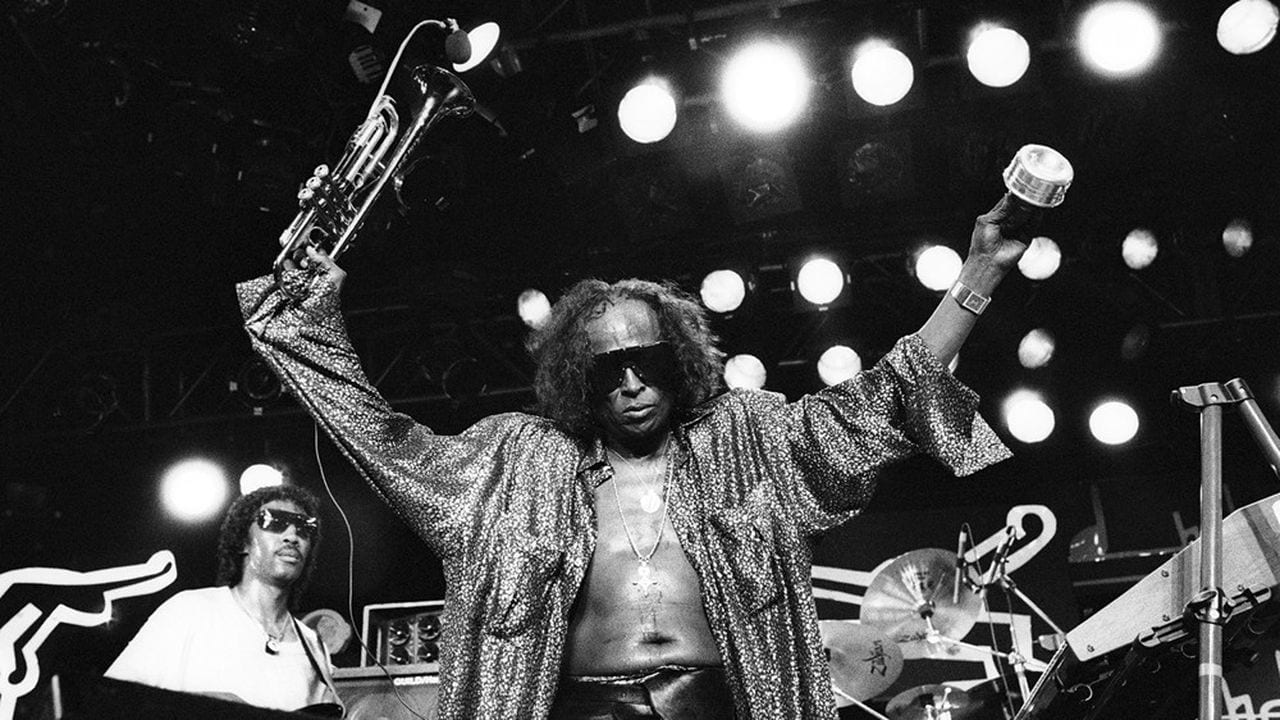
Trumpeter Miles Davis (1926-1991) was one of the artists most closely tied to the Montreux Jazz Festival, where he performed ten times and built a deep bond with Claude Nobs. His very last concert took place in Montreux, in July 1991: there he agreed, rarely for him, to revisit his 1960s repertoire arranged by Gil Evans, conducted by Quincy Jones, a moving farewell, captured a few weeks before his death. The town honours his memory with a bust set by the lake, facing the Alps, and with the Miles Davis Hall, one of the festival’s emblematic venues. One of his trumpets has also been on display since 1990 at the La Rouvenaz restaurant, where fans come to see it, even though he himself never dined there.
Miles Davis in Montreux: eighteen years of loyalty, and a farewell
The first time
Miles Davis stepped onto a Montreux stage for the first time in 1973. He was then in the middle of his electric period, the most disconcerting of his career, the one that divided critics and drove away part of the jazz audience.
Claude Nobs programmed him all the same, and would programme him again. It was the start of an eighteen-year relationship, made of regular returns and of a genuine friendship between the trumpeter and the festival’s founder, punctuated by regular returns right up to his final concert.
Their bond went back even further. In 1964, at the Newport festival, Claude Nobs, then unknown, was wearing an embroidered folk shirt he had brought back from Tunisia. “Hey man, that’s a nice shirt,” said Miles Davis. Nobs took it off at once and gave it to him, bare-chested. “This is the first time anybody gives me his shirt, off his back,” the trumpeter replied, astonished. Claude Nobs told the story in “Le petit prince du jazz” (Le Matin, interview by Peter Rothenbühler, 2011).
Their friendship went back to 1964. At Newport, Claude Nobs, still unknown, was wearing an embroidered shirt brought back from Tunisia that Miles Davis noticed: “Nice shirt.” Nobs took it off at once and gave it to him, bare-chested. “That’s the first time anyone gives me his shirt,” the trumpeter marvelled (Claude Nobs, “Le petit prince du jazz”, Le Matin, 2011).
What he had refused for thirty years
Miles Davis had a rule: never look back. He did not replay his old repertoire, he refused nostalgia, and he had said so over and over for decades.
It took Quincy Jones and Claude Nobs, together, to persuade him to break that rule once. The occasion: a tribute to Gil Evans, the arranger with whom he had made his orchestral masterpieces and who had died in 1988. So on 8 July 1991, Miles Davis played again the arrangements Evans had written in the late 1950s and early 1960s, those of “Miles Ahead” (1957), “Porgy and Bess” (1959) and “Sketches of Spain” (1960).
Quincy Jones conducted the orchestra. It was the first and only time in their lives that the two men shared a stage.
It was also Miles Davis’s last appearance in Montreux. He died on 28 September 1991, less than three months later.
The record, and a seventh Grammy
The concert had been recorded. It was released in 1993 by Warner Bros. under the title “Miles & Quincy Live at Montreux”, two years after the trumpeter’s death.
The record earned Miles Davis his seventh Grammy Award, in the category of best large jazz ensemble performance. A farewell captured almost by chance on a Swiss stage thus became one of his most awarded albums.
Related places
▸Buste de Miles DavisBustOpen the place →
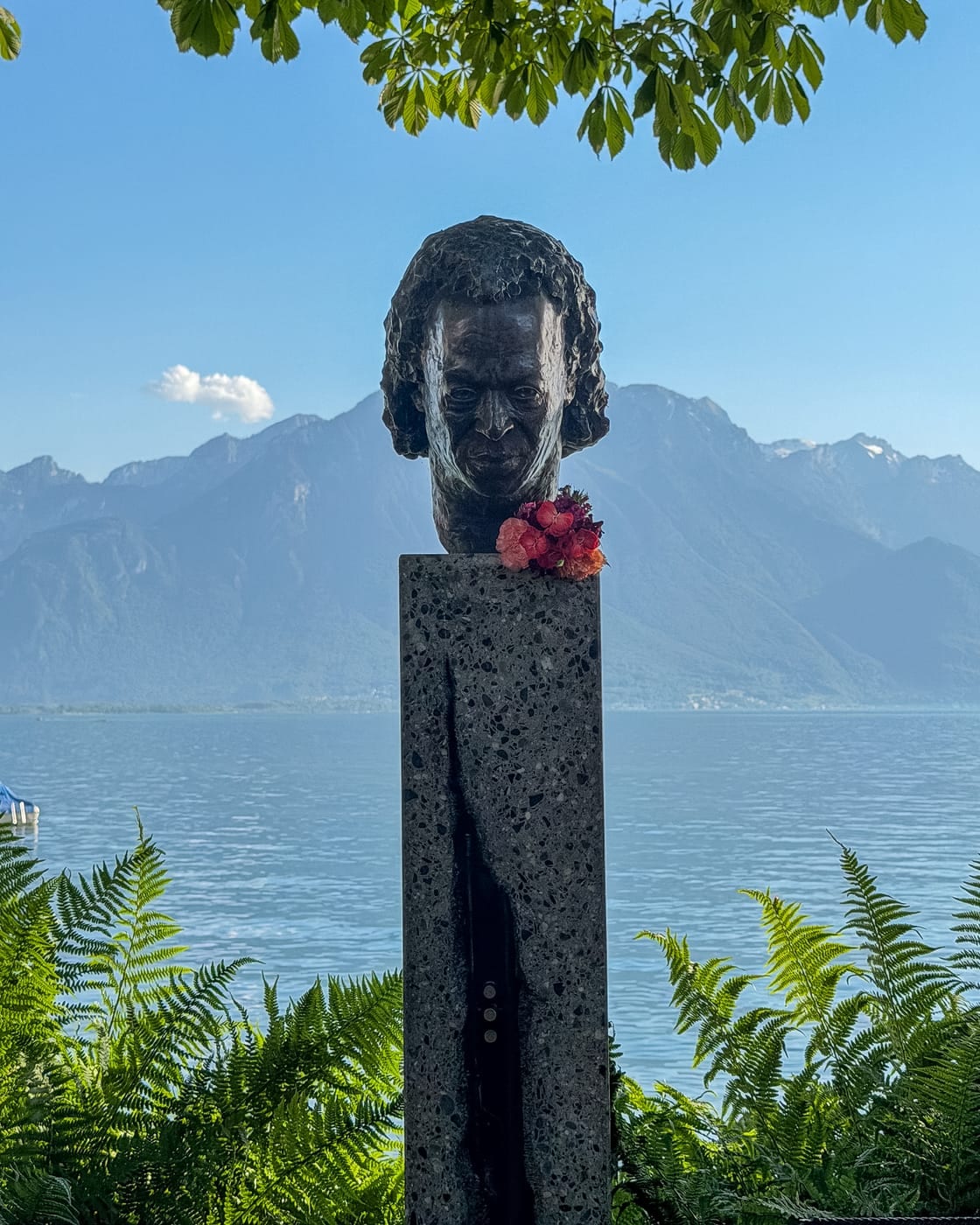
© Visit Montreux A tribute to the legendary trumpeter, a major figure of the Montreux Jazz Festival, by Montreux sculptor Bernard Bavaud.
▸Miles Davis HallConcert hallOpen the place →
Photo coming soonThe festival’s legendary second hall, named in tribute to the trumpeter so faithful to Montreux.
▸Montreux Jazz FestivalFestival / 2M2C convention centreOpen the place →
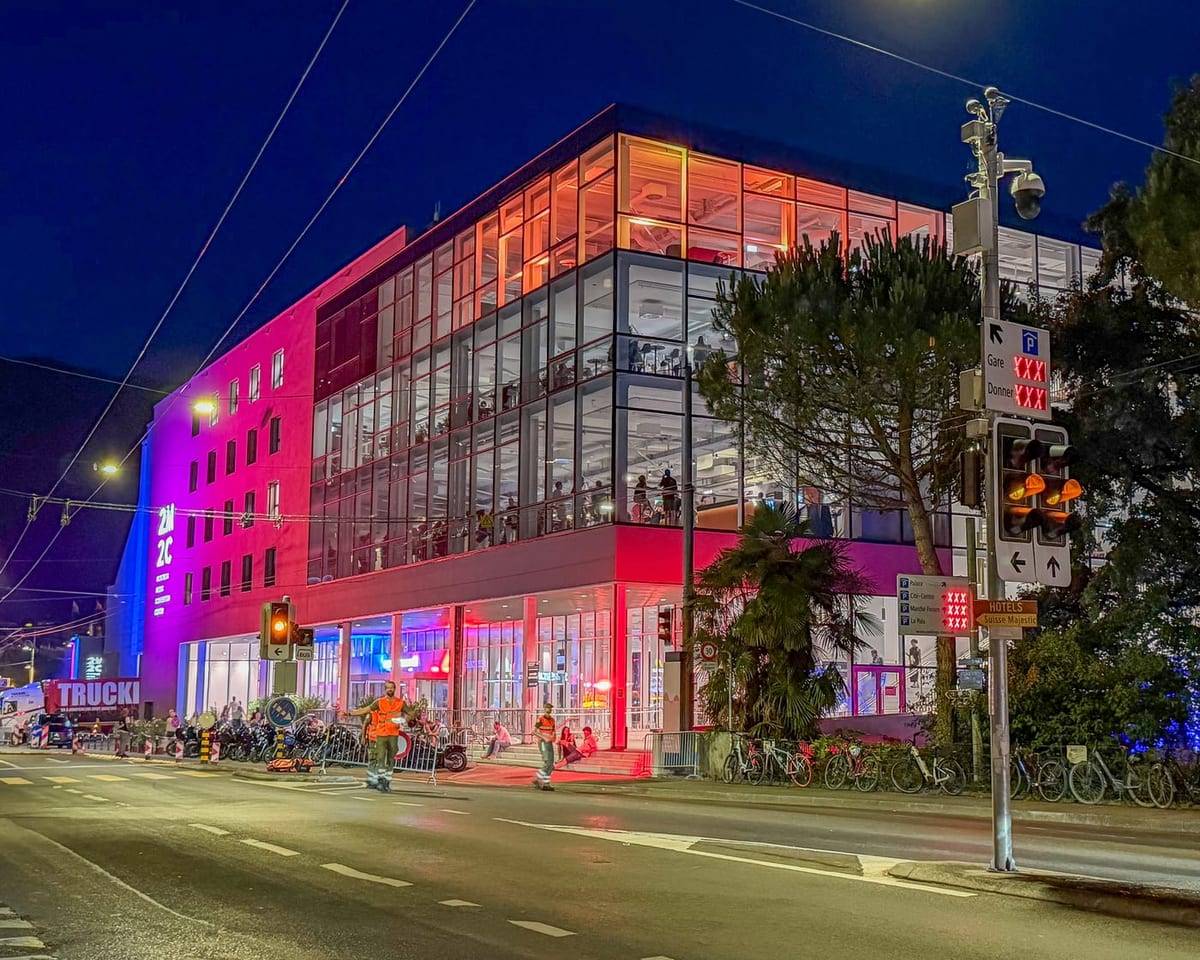
© Visit Montreux The heart of the festival since 1993: under one roof, the Auditorium Stravinski and the halls that host half the history of music every summer.
▸La RouvenazRestaurantOpen the place →
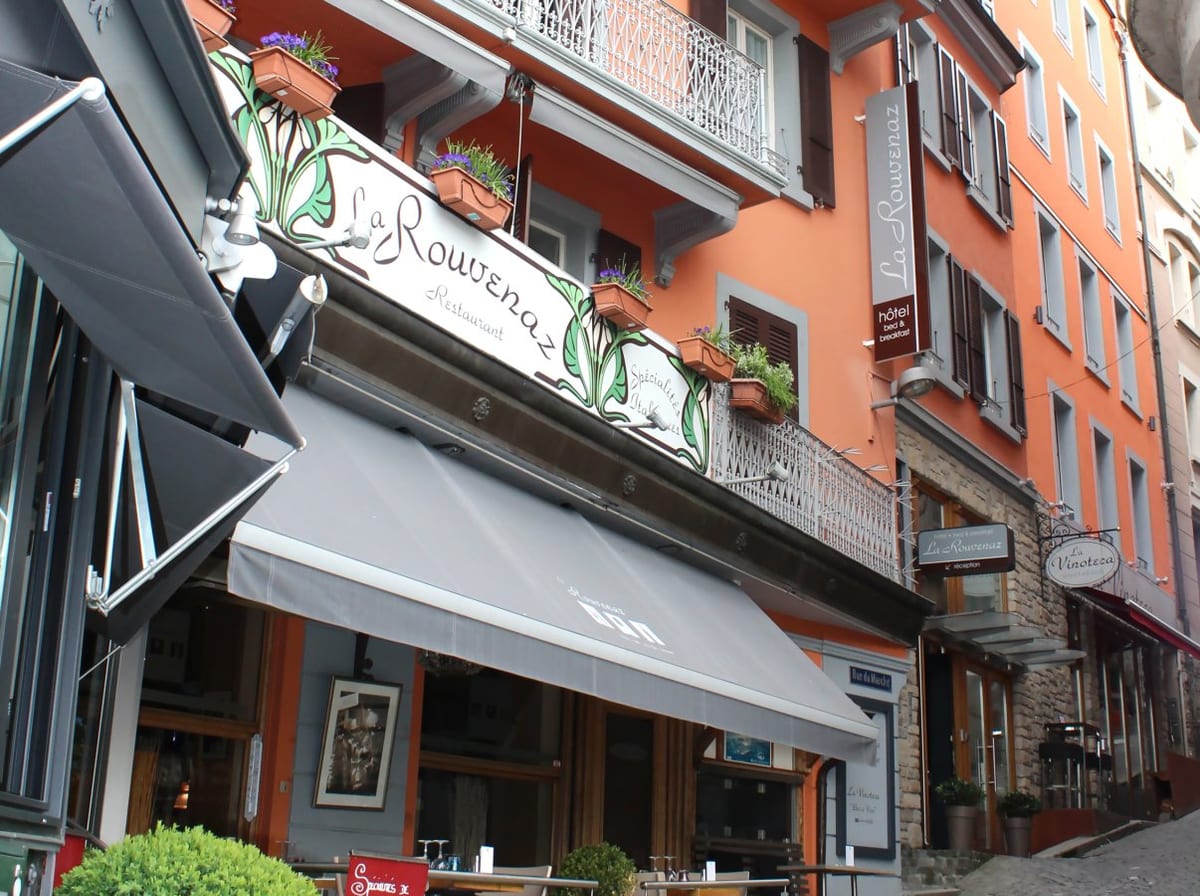
The Italian restaurant where Queen dined and where Freddie Mercury had his table, number 19.


