Festival & studios
Claude Nobs

Without Claude Nobs (1936-2013), Montreux would not be the musical capital we know. A local son, he founded the Montreux Jazz Festival in 1967 and, through his flair and connections, drew the whole history of jazz, soul, rock and pop to it. “Funky Claude” entered rock legend in 1971 when he helped the audience escape the burning Casino, an episode immortalised by Deep Purple in “Smoke on the Water”. An unrivalled host, he welcomed the greatest names to his chalets in Caux, perched on the heights, over fondue and a unique collection of records and jukeboxes. Montreux has dedicated to him a statue, a bench and the avenue running past its grand hotels; the Claude Nobs Foundation now watches over his legacy and the festival archives, inscribed in UNESCO’s Memory of the World.
Claude Nobs: a tourist-office accountant who brought the world to town
Territet, 1936: trained as a cook
Claude Nobs was born on 4 February 1936 in Territet, a stone’s throw from the lake. Nothing marked him out for music: he trained as a cook, with an apprenticeship in Basel and a spell at the Lausanne Hotel School, then became an accountant at the Montreux tourist office, working under Raymond Jaussi.
Everything started from that modest post. A jazz enthusiast, he used his place at the office to convince his town that a festival was possible, in an ageing spa resort miles from the American jazz circuit. The cook in him never left: welcoming and feeding his guests remained his signature.
Three days of jazz
The first Montreux Jazz Festival was held at the Casino in June 1967. Three days, a handful of spectators, and a line-up that would go down in history: the quartet of American saxophonist Charles Lloyd, with a young pianist named Keith Jarrett.
Nobs did not do it alone. He founded the festival with the pianist and broadcaster Géo Voumard and the journalist René Langel, a trio that would remain at the helm for many years.
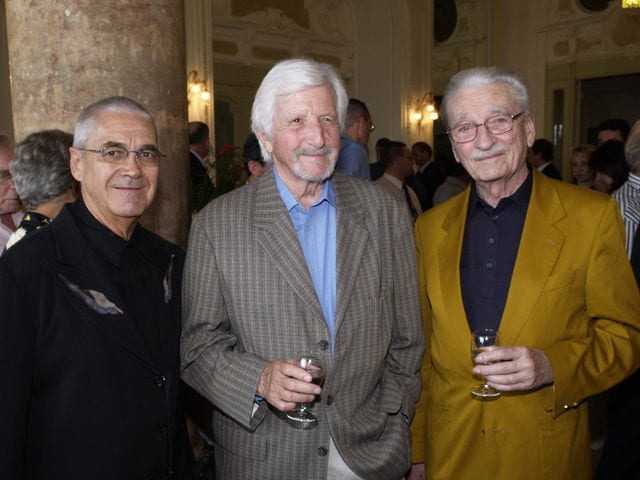
What followed came down to a method: Nobs went to fetch the artists himself, received them himself, and made them come back. The festival very soon reached beyond jazz, to soul, blues, rock and pop, without ever changing its name. That is why a festival called “jazz” welcomed Deep Purple, Queen and Michael Jackson.
Claude Nobs had a rare instinct and a way of doing business built on trust. In 1969 he invited Chicago, his very first rock concert; the band gave him a signed poster “to the greatest promoter in the world”. With Led Zeppelin, whom he had met at Newport, the deal was sealed with no contract and no talk of money, on a single line from their manager: “Claude, make sure the guys are happy.” As for Bob Dylan, in 1994, he crossed the Casino corridor in full racing-cyclist gear, race bike in hand, before going on stage (Claude Nobs, “Le petit prince du jazz”, Le Matin, 2011).
“Funky Claude”
During Frank Zappa’s concert at the Casino, a member of the audience fired a flare into the rattan ceiling. The building went up in flames. Part of the audience was trapped in the basement: Claude Nobs went down and got them out.
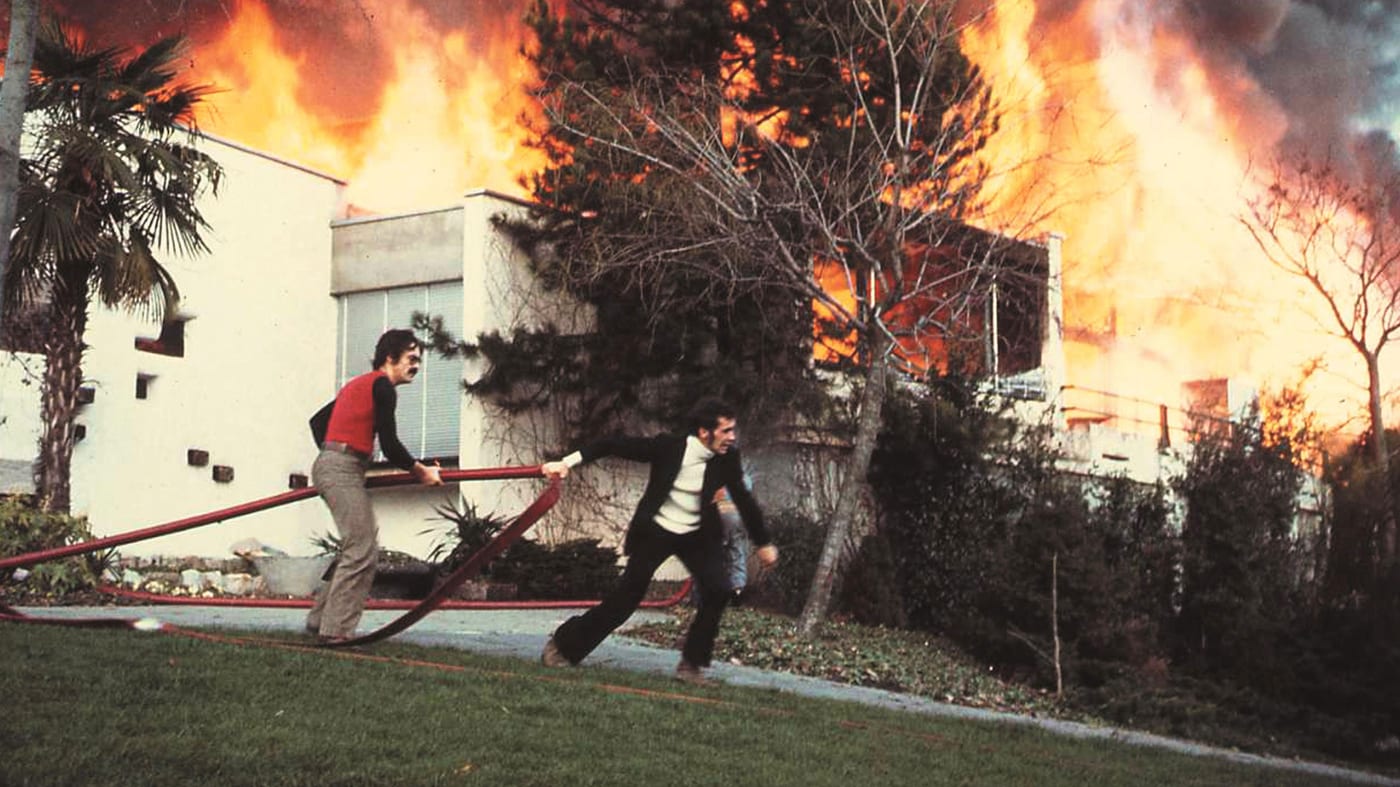
Deep Purple, who were due to record in that hall and watched the scene from across the bay, would draw “Smoke on the Water” from it. A whole verse is devoted to the man going in and out of the blaze. That is how a Swiss festival director became, under the name “Funky Claude”, a character in the global rock repertoire.
Nobs did not stop there: he found the band another hall, the Pavillon, then, after they were thrown out for noise, let them move into the Grand Hôtel de Territet, empty for the winter. “Machine Head” would be recorded there.
The chalets at Caux
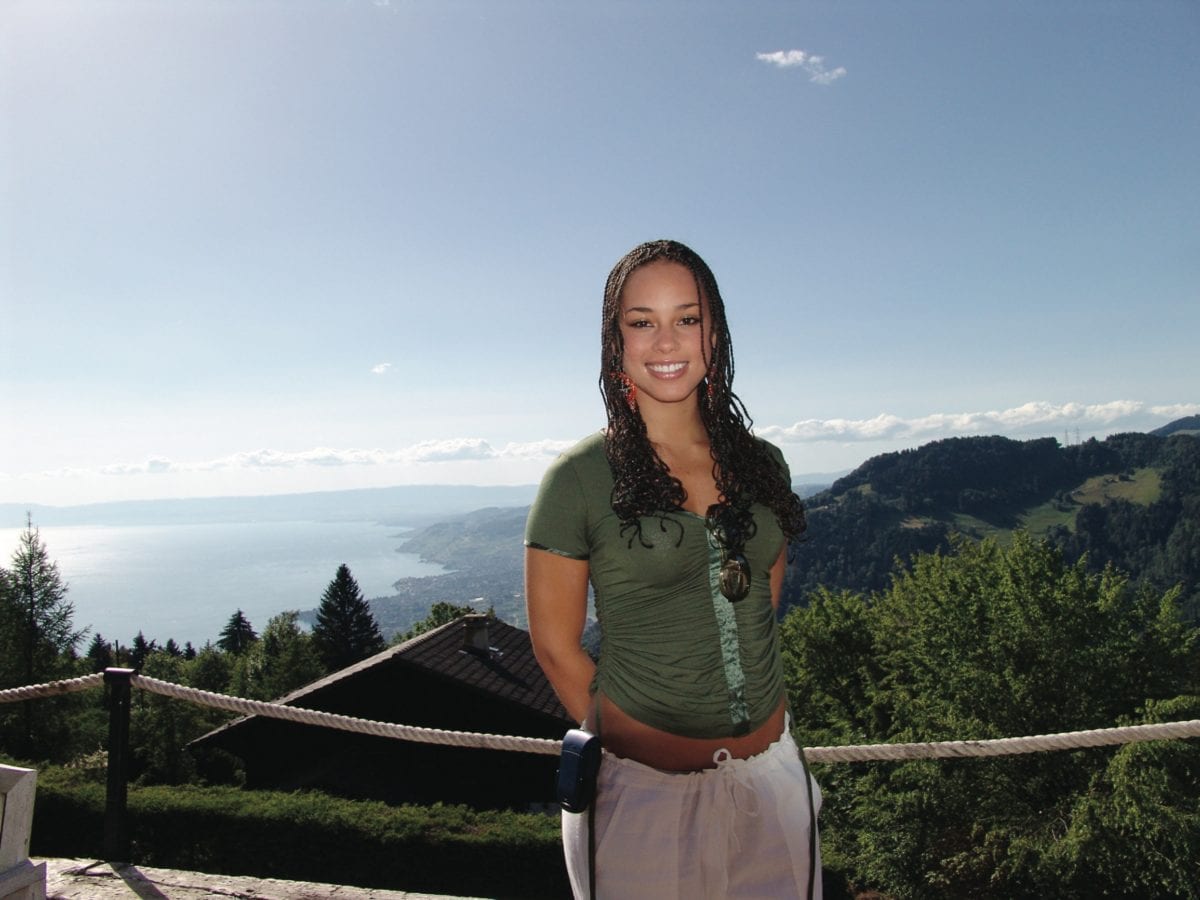
Above Montreux, in the hamlet of Caux, Claude Nobs owned two chalets, linked, a detail that says everything about the man, by a model railway.
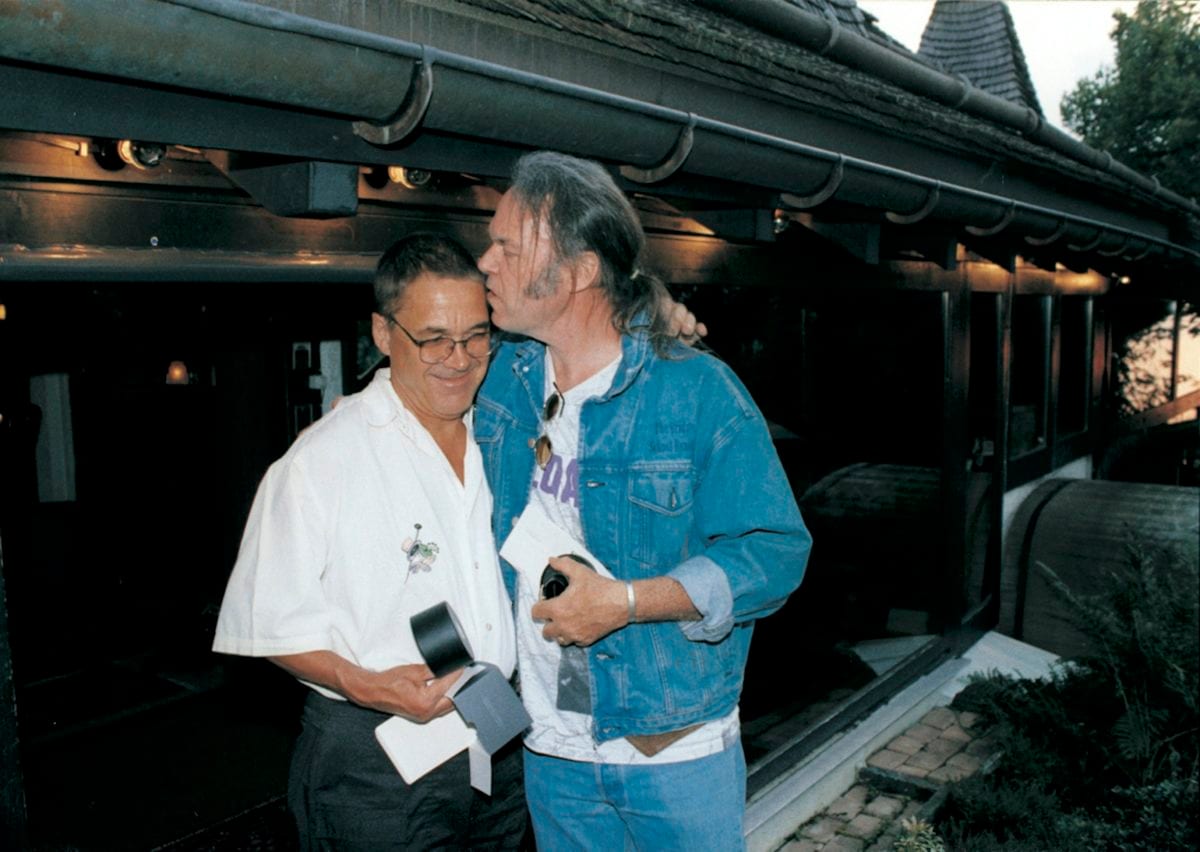
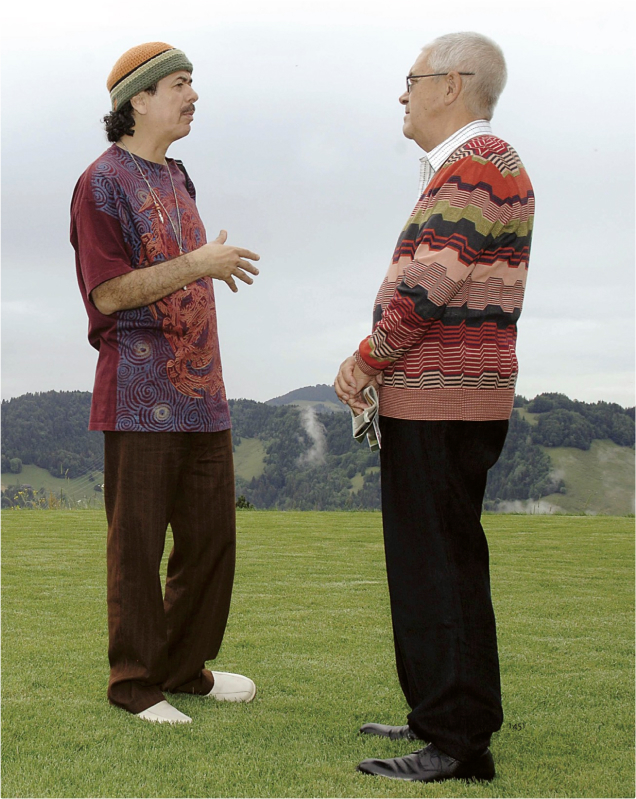
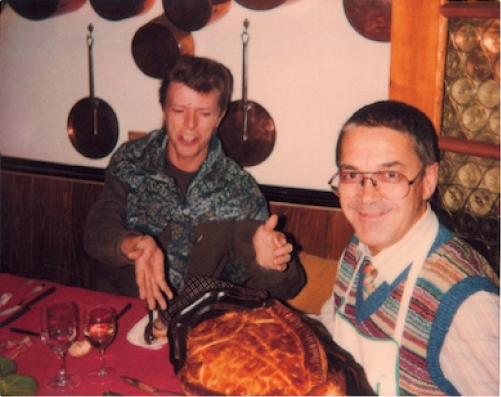
That is where he received his guests after the concerts: fondue, a collection of records and jukeboxes, conversation until dawn. More than ten thousand of the world’s most famous musicians passed through, Thierry Amsallem reckons, in an intimacy no festival dressing room could offer. That hospitality was not an extra: it was the reason artists came back to Montreux.
The friendships that built the festival
Claude Nobs’ address book was not a card index: it was friendships, kept up over decades. B.B. King, who came twenty-three times, Ella Fitzgerald, Etta James and Aretha Franklin came back because he went to fetch them himself and received them at his home.
The most decisive was with Quincy Jones. The producer became the festival’s artistic director from 1991 to 1993 and returned almost every summer until his death in November 2024; he liked to call Montreux the “Rolls-Royce of music festivals”. It was that bond, too, that brought Miles Davis to Montreux for his final concert in July 1991.
It was Nesuhi Ertegün, the head of Atlantic Records, who opened the doors of the industry to him: in 1973 he took him on at WEA International (Warner), where Claude Nobs stayed until he retired in 2001, keeping direct access to the biggest artists (Live from Montreux). But the spirit of the festival came above all from his vision: “Claude designed the festival for the artists; they came for Montreux and improvised a great deal,” sums up his partner Thierry Amsallem (« L’invité », TV5MONDE).
In July 1970, an RTS camera caught Claude Nobs and his long-time partner in crime, the blues pianist Champion Jack Dupree, in a wild improvisation for the bathers at the Casino pool. That year, Champion Jack’s contract — he was an excellent cook — stipulated that he would cook if the audience was hungry, or play if they had no appetite. Years later he returned Claude Nobs’s friendship by coming to play for the residents of the Burier care home, where Nobs’s parents lived (RTS, directed by Pierre Matteuzzi and Christian Zeender).
His death and his legacy
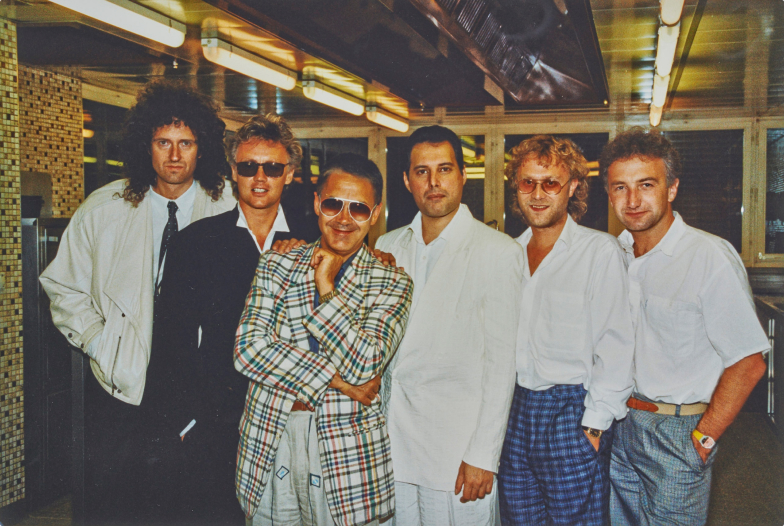
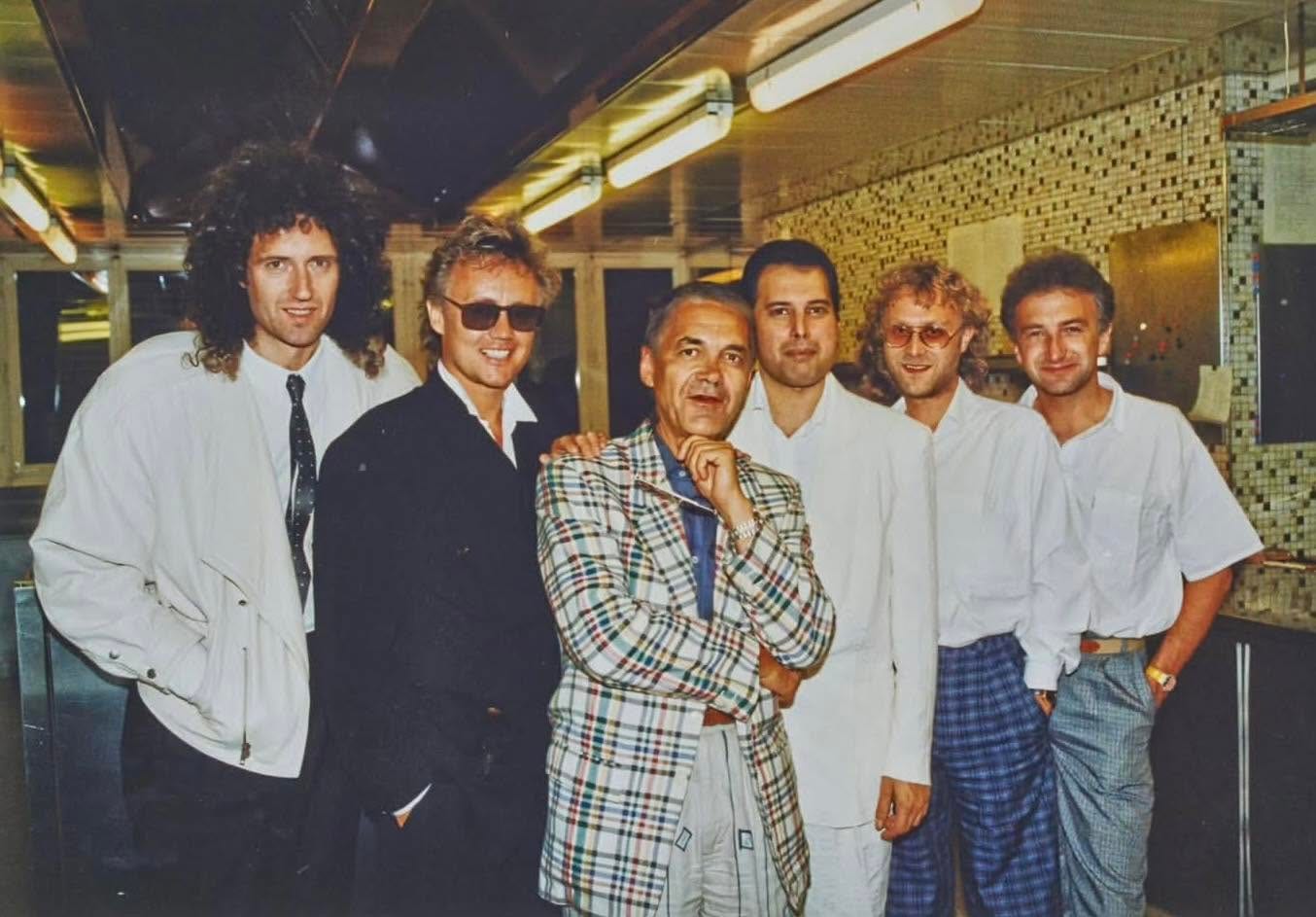
Claude Nobs died on 10 January 2013, from the consequences of a cross-country skiing accident near his chalets. He had run his festival for forty-six editions. The festival has since been led by Mathieu Jaton.
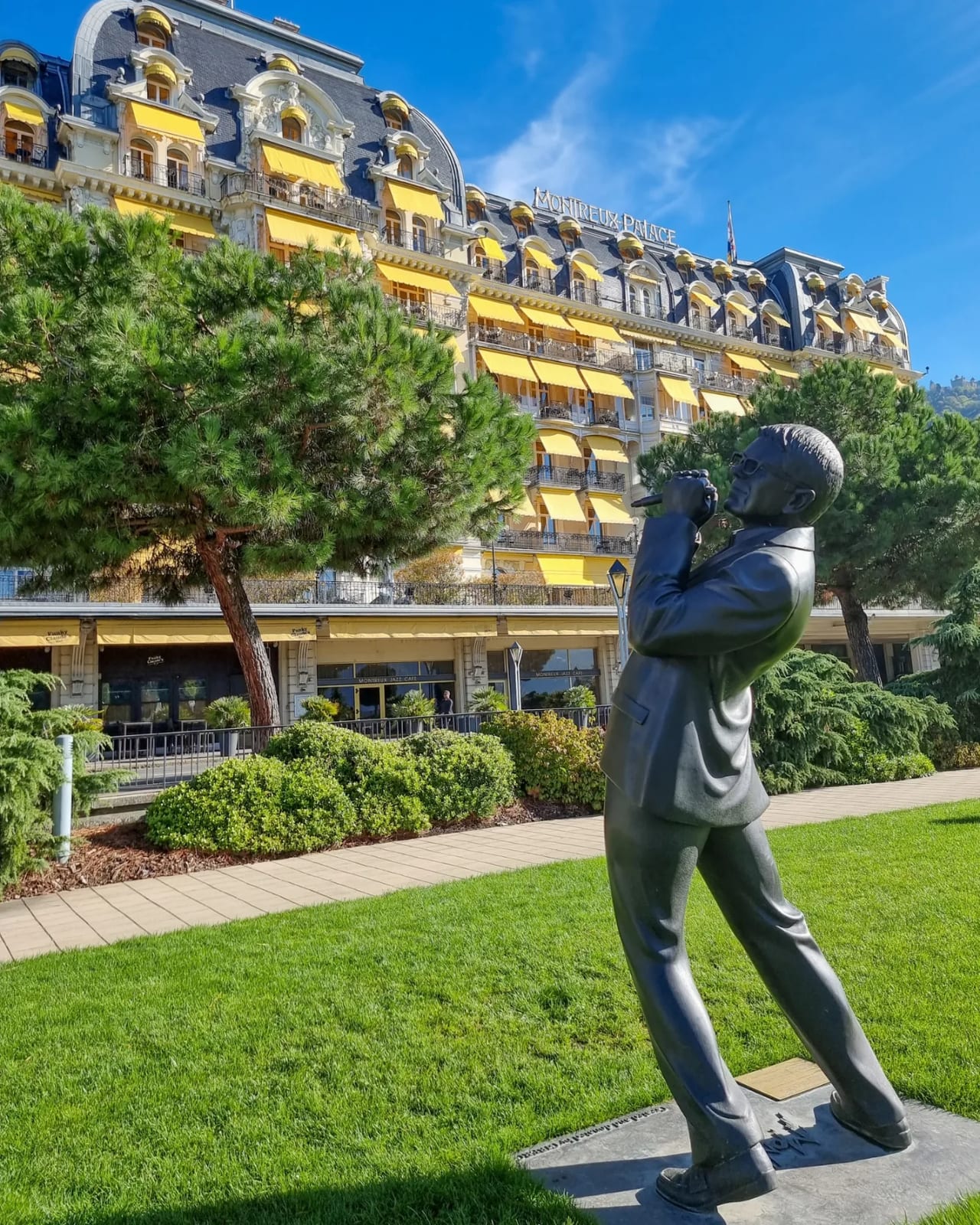
Montreux has given him a statue on the quays, a bench facing the lake and the avenue running alongside the 2M2C. The Claude Nobs Foundation looks after his legacy and the festival’s archives: more than eleven thousand hours of concerts filmed and recorded since 1967, added in 2013 to UNESCO’s Memory of the World register.
Related places
▸Statue de Claude NobsStatueOpen the place →
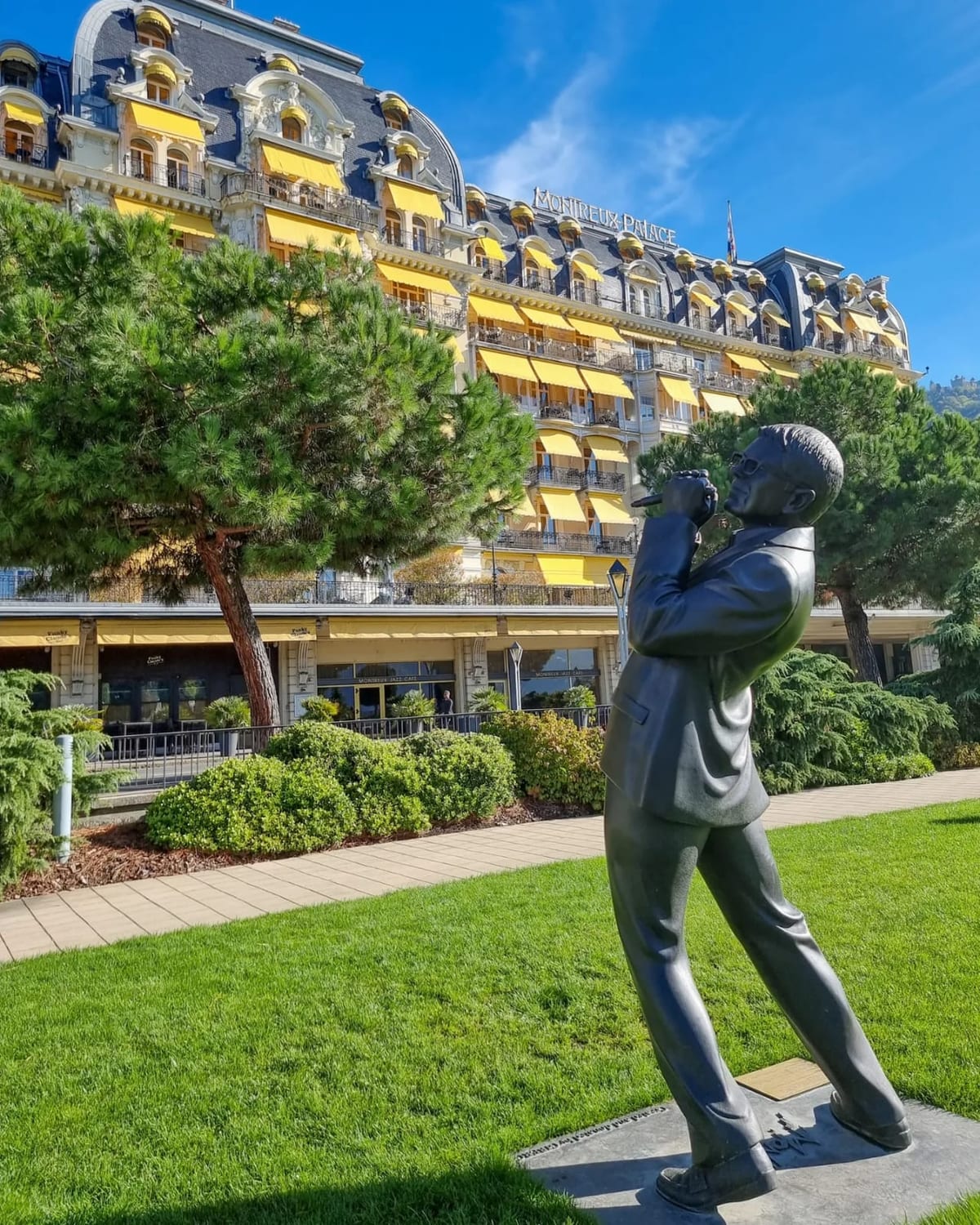
© Visit Montreux The festival’s founder, harmonica to his lips, watching over his pantheon in the Palace garden.
▸Plaque Smoke on the WaterPlaqueOpen the place →
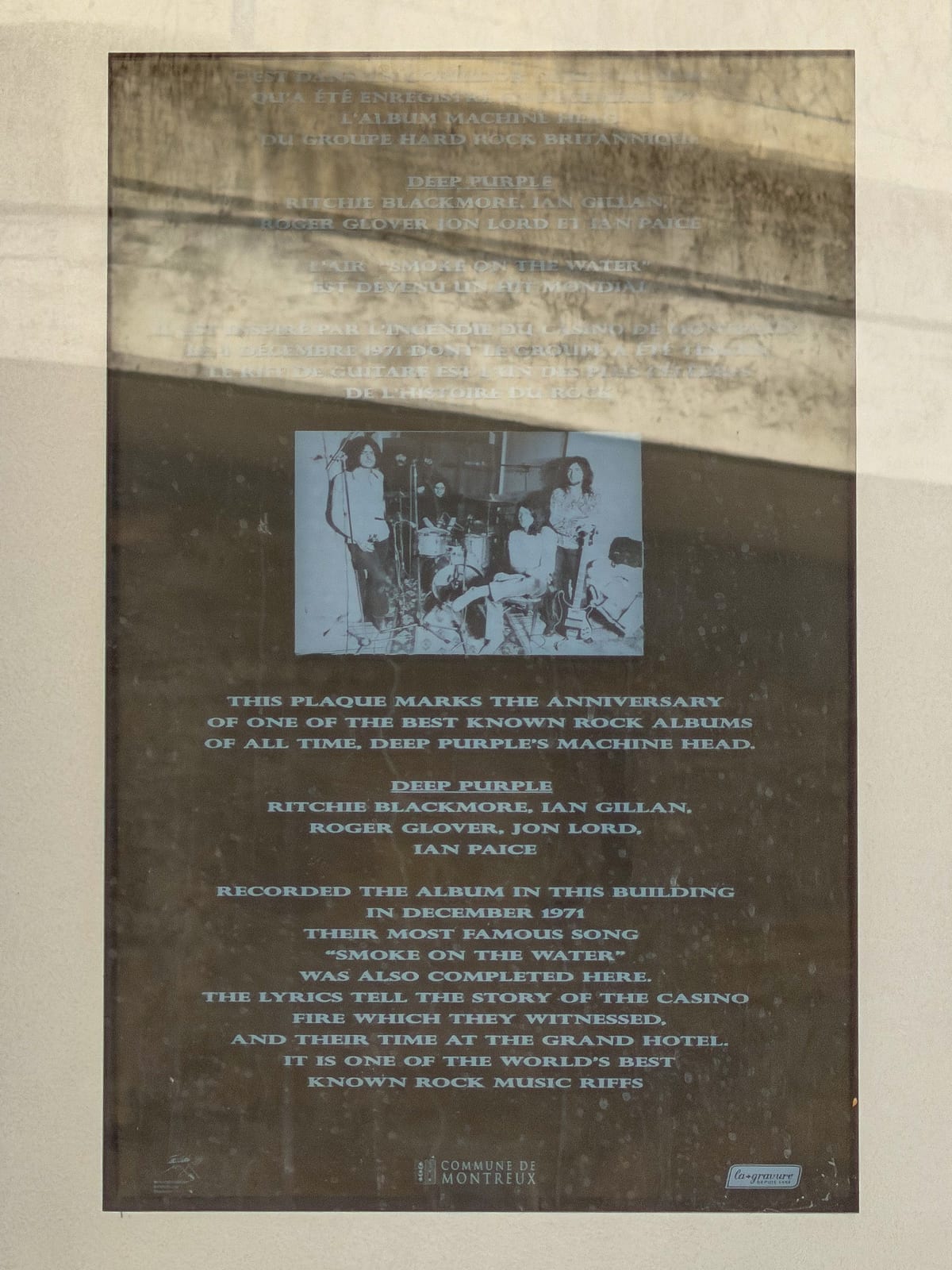
© Visit Montreux Where Deep Purple recorded “Machine Head” in December 1971, after the Casino fire. The most famous riff in rock was born here.
▸Montreux Jazz CaféVenue with memorabiliaOpen the place →
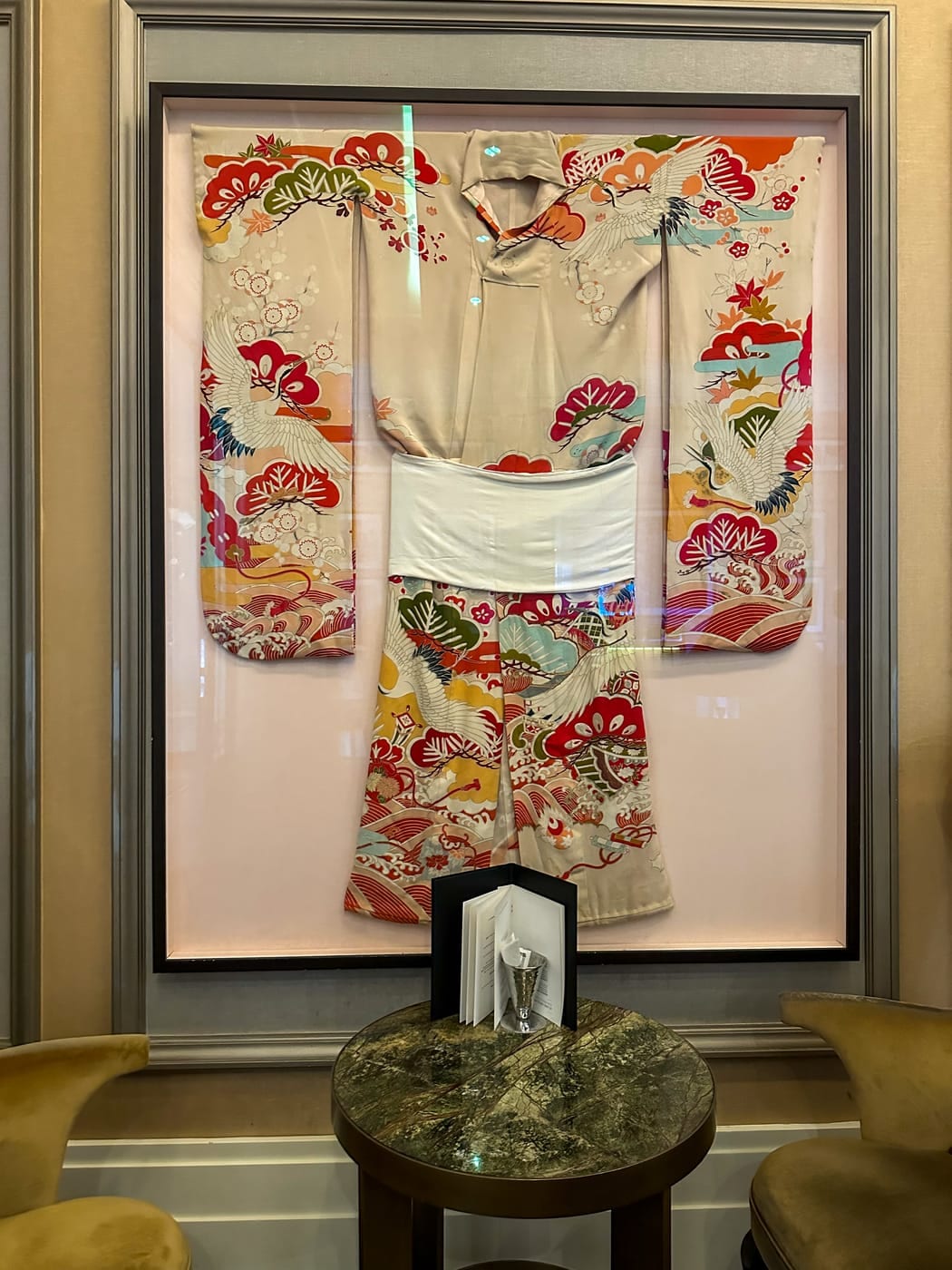
© Visit Montreux The festival’s official café, decorated with archives and objects retracing nearly sixty years of Montreux Jazz.
▸Funky Claude's BarVenue with memorabiliaOpen the place →
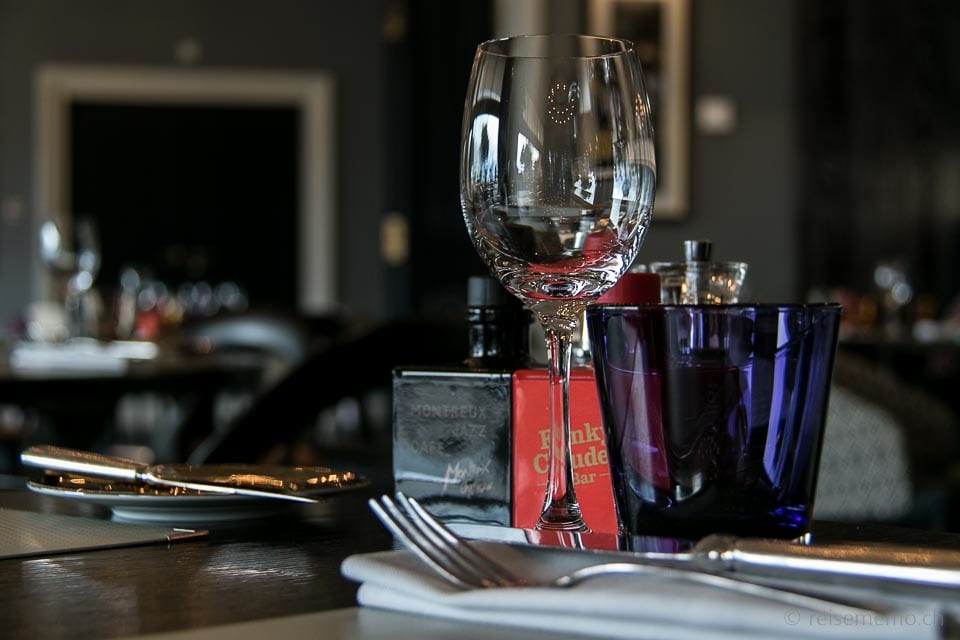
© Reisememo.ch, CC BY The former Harry’s Bar, haunt of the stars and of the festival’s jam sessions, renamed in tribute to Claude Nobs.
▸Banc Claude Nobs (Rencontres & Inspiration)Memorial benchOpen the place →
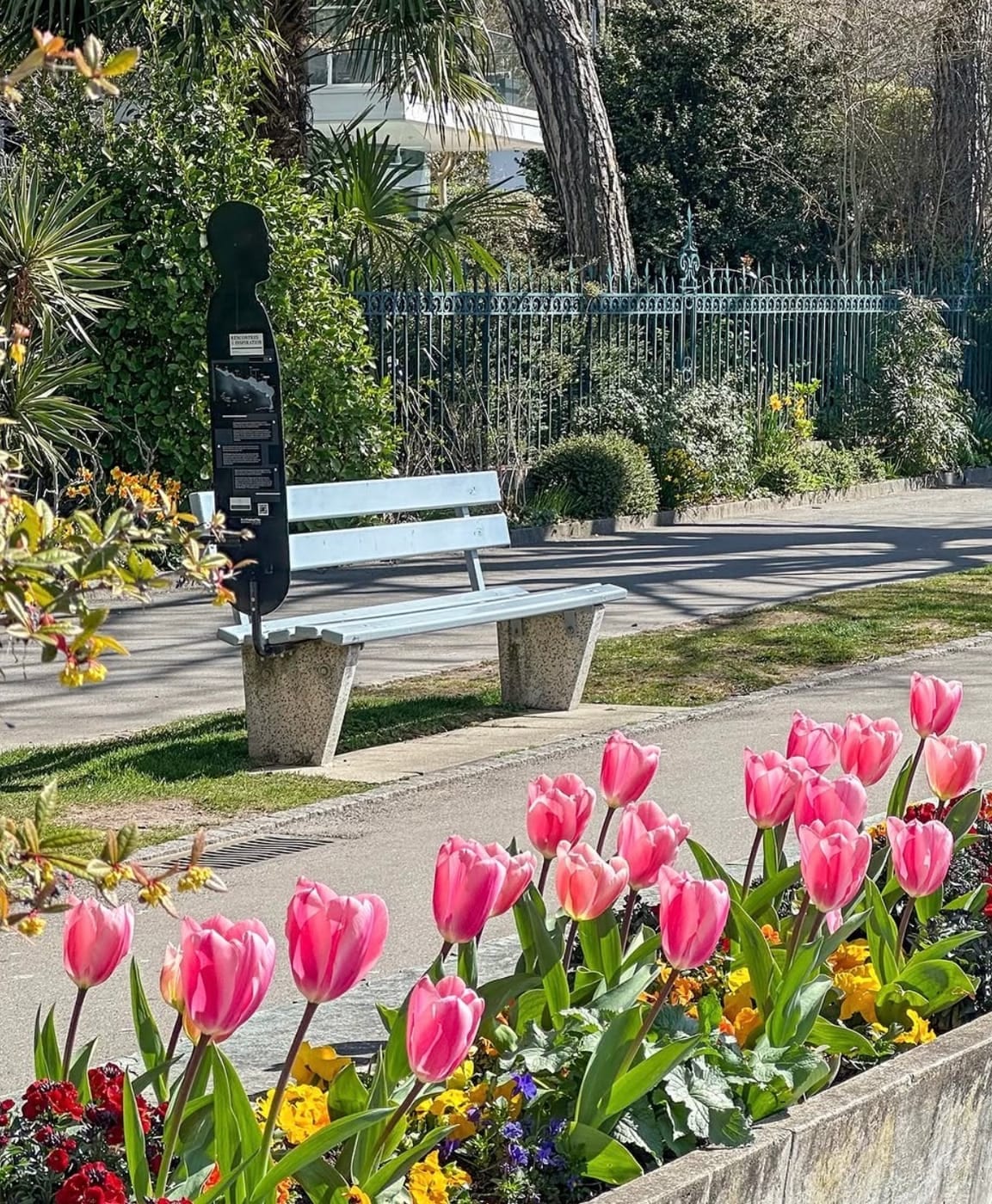
© Visit Montreux The silhouette of the Montreux Jazz Festival’s founder, seated facing the lake, near the Casino he marked so deeply.
▸Fairmont Le Montreux PalaceHistoric hotelOpen the place →
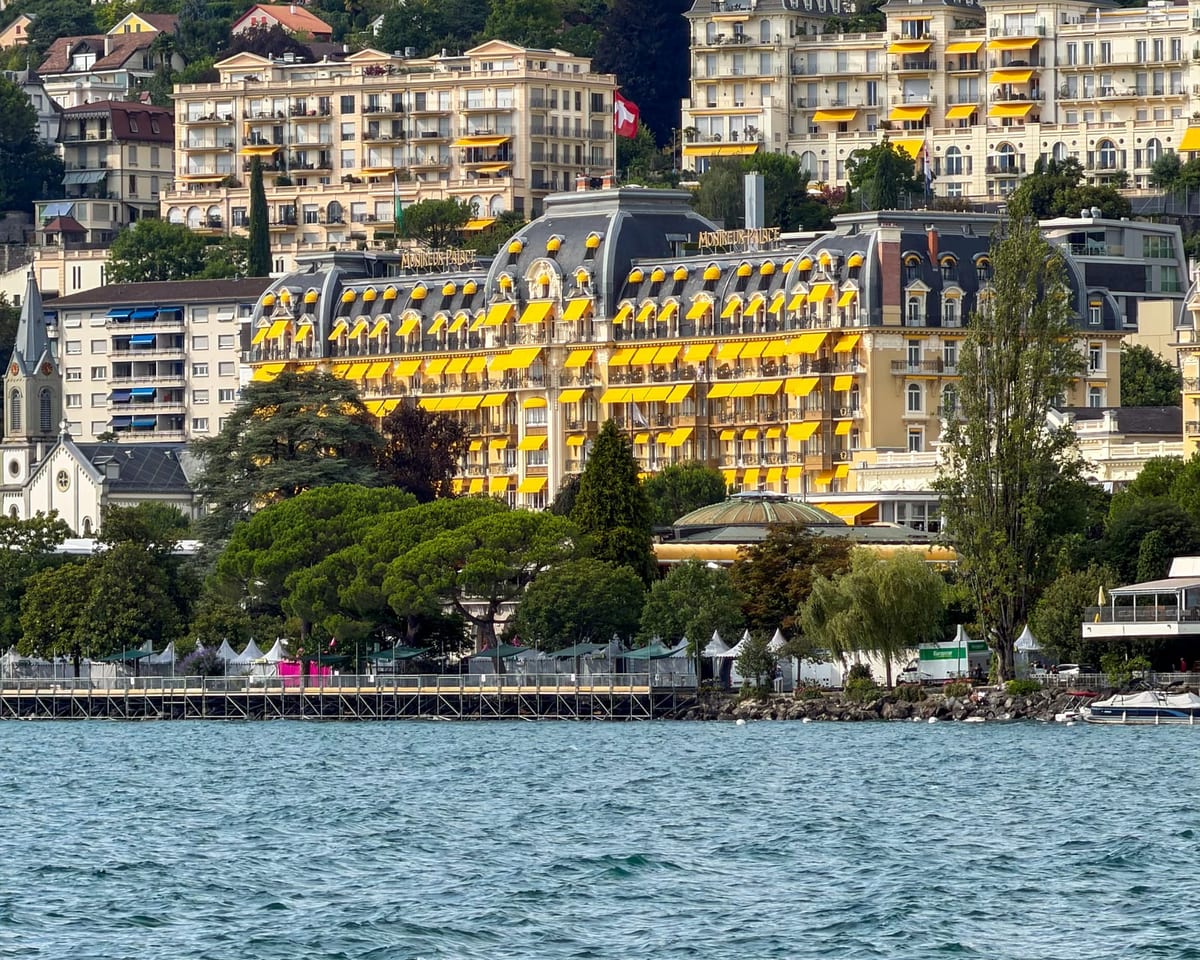
© Visit Montreux The Belle Époque grand hotel of the stars: Michael Jackson lived there for two weeks in 1997 during his Mountain Studios sessions.
▸Chalets de Claude NobsPrivate residenceOpen the place →
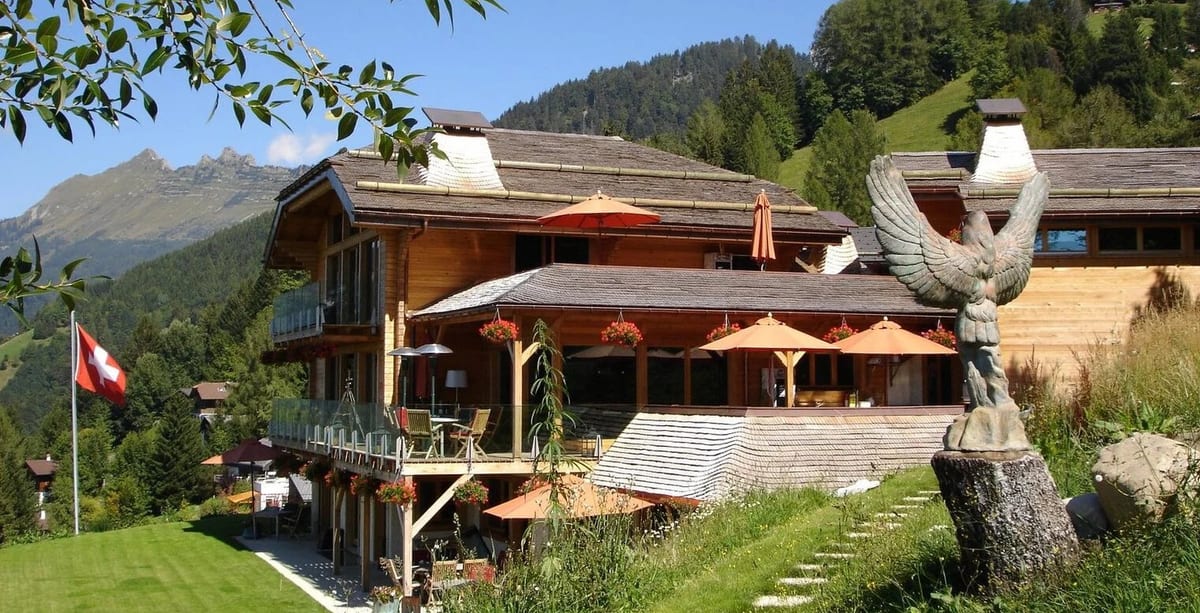
© Simon Lepêtre The legendary chalets of the festival’s founder in Caux, where he hosted the greatest stars in music.
▸Plaque Claude Nobs (Petit Palais)PlaqueOpen the place →
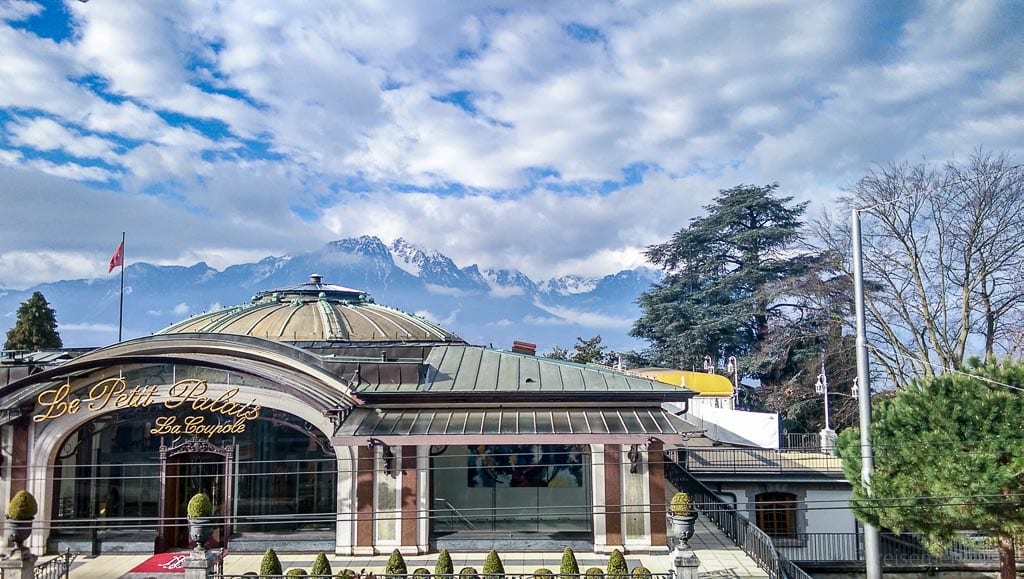
© travelmemo.com, CC BY The plaque of the avenue renamed in 2013 in honour of the festival’s founder, near the entrance to the Petit Palais.
▸Le MuseumHistoric restaurantOpen the place →
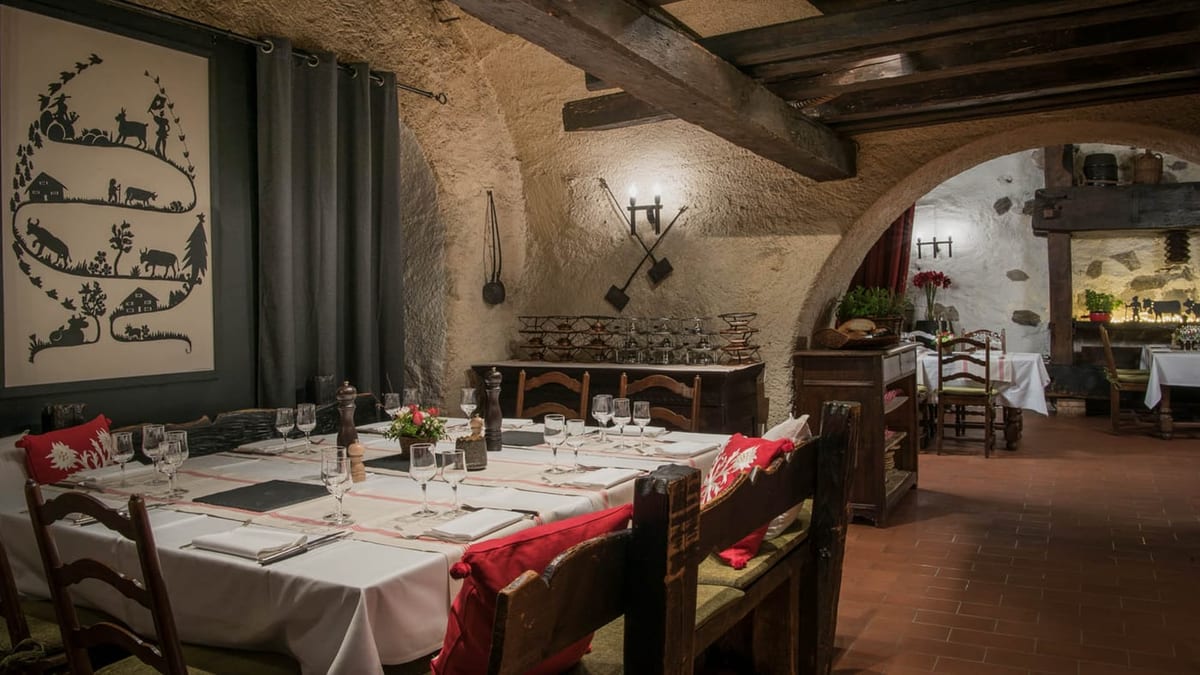
Founded in 1965 by Claude Nobs, this former hotspot of Montreux nightlife is today a traditional restaurant.
▸Le Petit PalaisHistoric venueOpen the place →
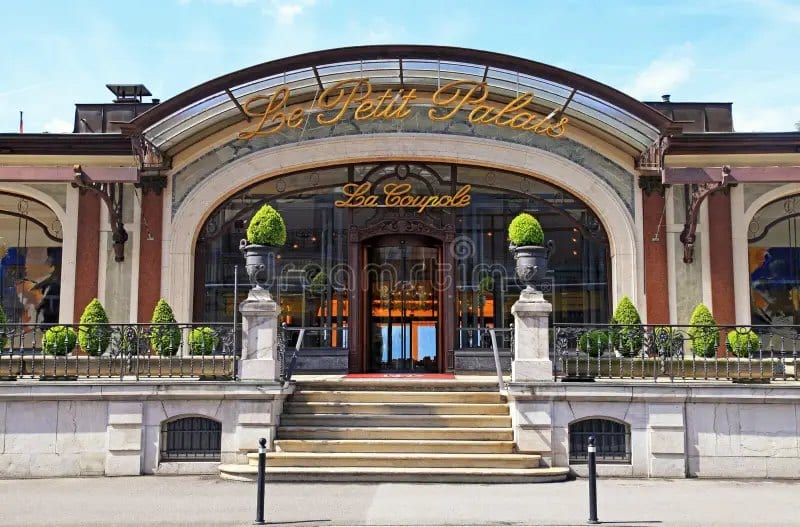
© Inna Felker The Palace’s Belle Époque pavilion: from Rose d’Or-era concerts to the free concerts of the Montreux Jazz Festival.
▸Montreux Jazz ShopShopOpen the place →
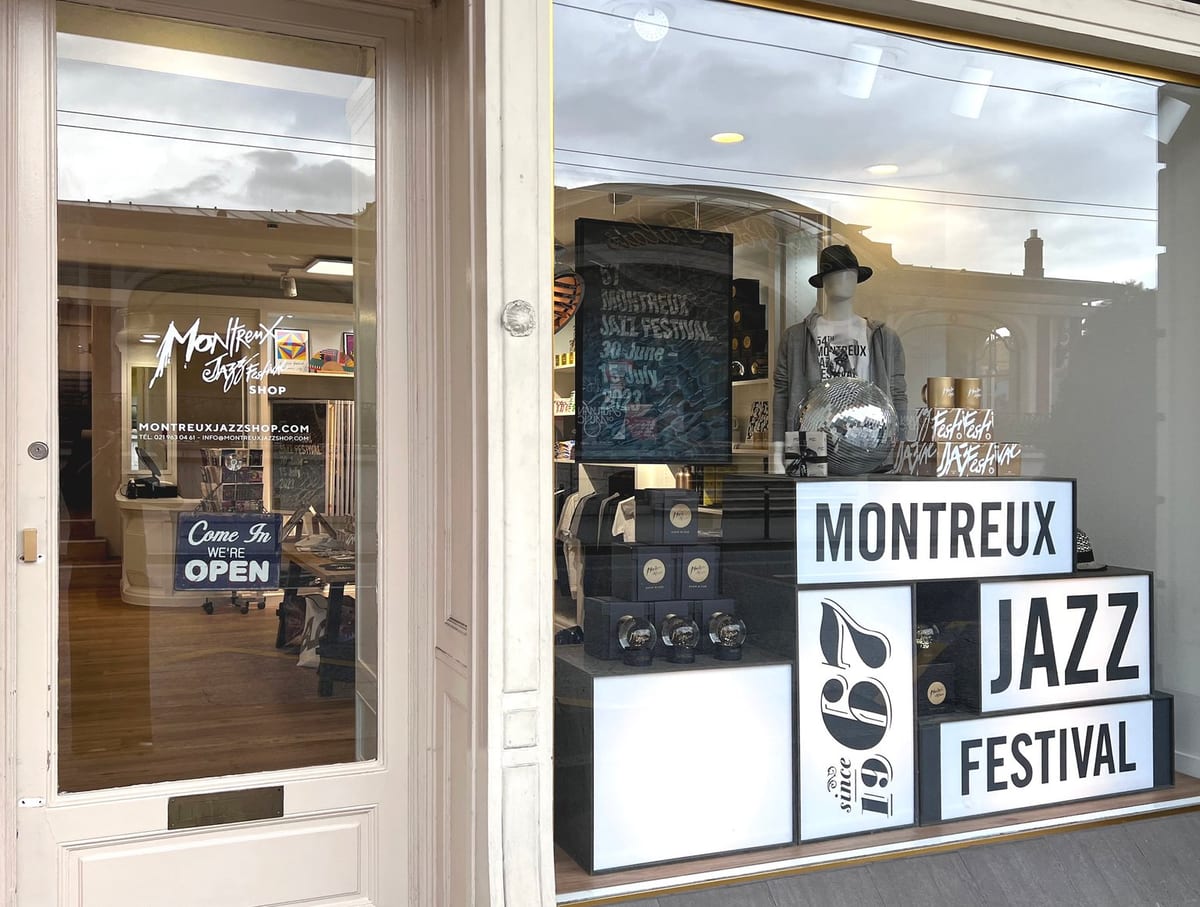
The official shop of the Montreux Jazz Festival, on Avenue Claude-Nobs.
▸Auditorium StravinskiConcert hallOpen the place →
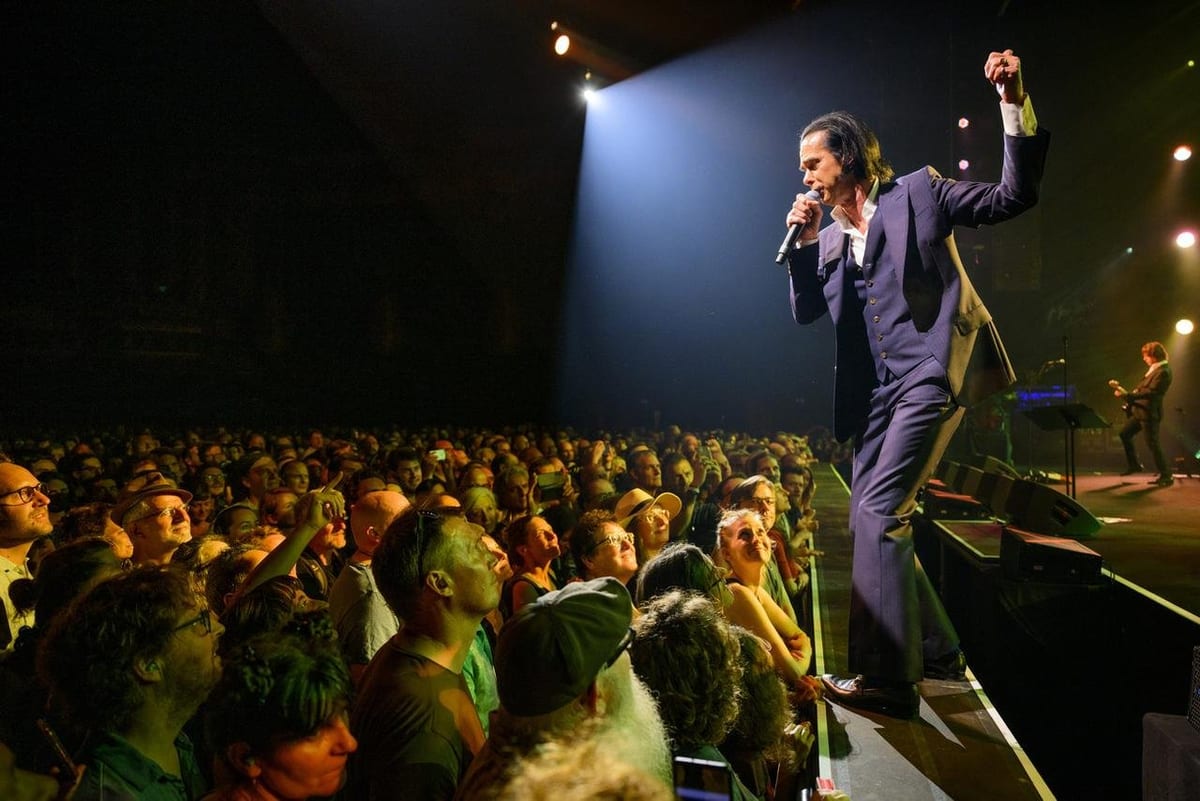
© Keystone / Laurent Gillieron The legendary main hall of the Montreux Jazz Festival, named after the composer of “The Rite of Spring”.
▸Montreux Jazz FestivalFestival / 2M2C convention centreOpen the place →
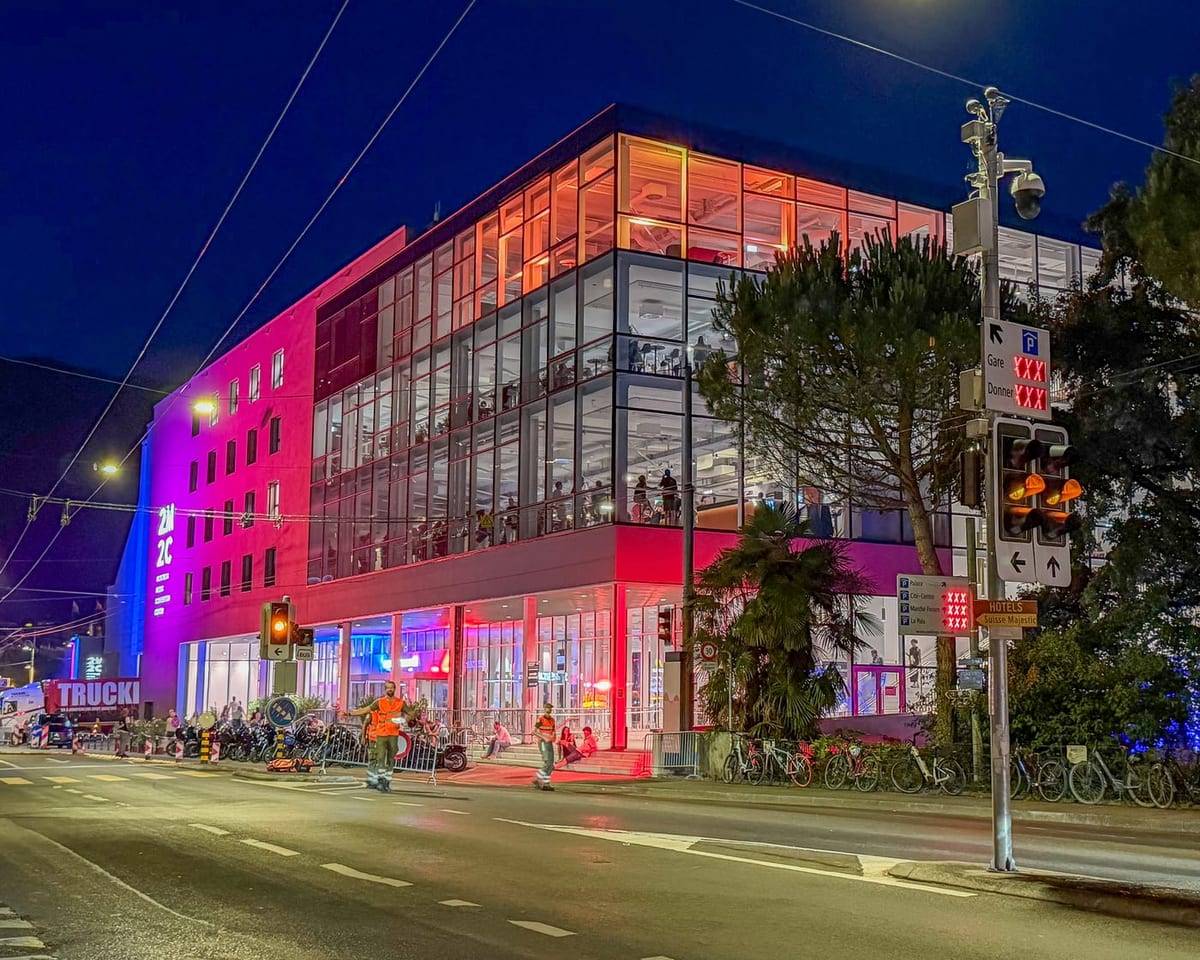
© Visit Montreux The heart of the festival since 1993: under one roof, the Auditorium Stravinski and the halls that host half the history of music every summer.
▸Casino de MontreuxCasino / entertainment venueOpen the place →
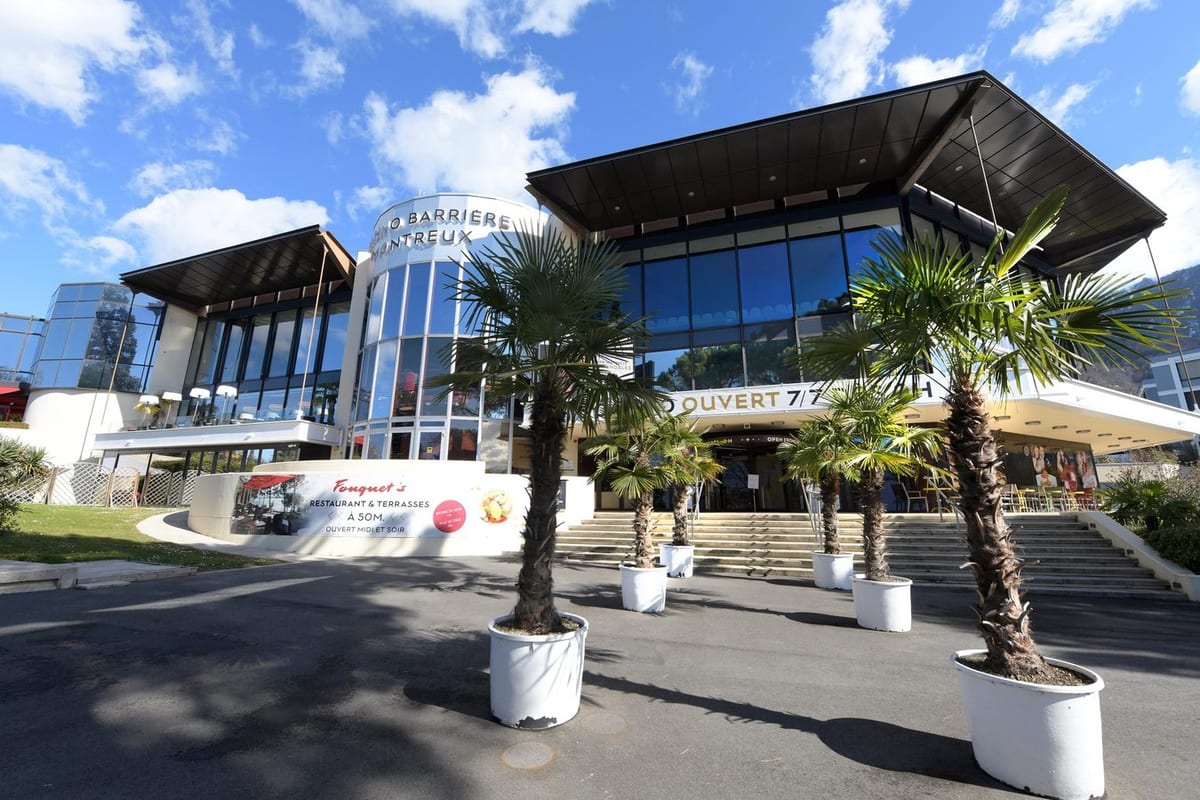
© Chantal Dervey The building around which the whole musical history of Montreux revolves: burned down in 1971, rebuilt, it houses Queen’s studio and saw the festival born.
▸Riviera CaféRestaurant / music memorabiliaOpen the place →
Photo coming soonA downtown restaurant where you dine beneath signed guitars, on loan from the Claude Nobs Foundation.
▸2M2C, Montreux Music & Convention CentreConvention centre / concert hallsOpen the place →
© Visit Montreux The permanent building that hosts the Montreux Jazz Festival each summer, and the town’s cultural season the rest of the year: the Auditorium Stravinski and the neighbouring halls under one roof.


