1997
Blood on the Dance Floor: HIStory in the Mix
In January 1997, Michael Jackson spent two weeks in Montreux, between the Tower Suite of the Montreux Palace and Mountain Studios, to finalise this remix album and its flagship track.
Rock, pop & metal

Michael Jackson (1958-2009) kept coming back to French-speaking Switzerland for thirty years, without ever giving a concert in Montreux itself. He first came with his brothers, in February 1979, for a television shoot in Leysin. He returned as an admirer, in June 1988, to be received at the Manoir de Ban by Oona Chaplin, widow of the man he had worshipped since childhood. He sang there three times, at the Pontaise stadium in Lausanne. And he worked there, in January 1997, for two weeks at Mountain Studios in Montreux, staying at the Palace in the suite that now bears the name of Quincy Jones, producer of “Off the Wall”, “Thriller” and “Bad”. In between, he had tried to buy a house by the lake.
In February 1979 The Jacksons went up to Leysin during their Destiny Tour. On the 14th and 15th they filmed television sequences in the resort and presented their new album against a backdrop of snow and chalets, an incongruous setting for a group from Gary, Indiana.
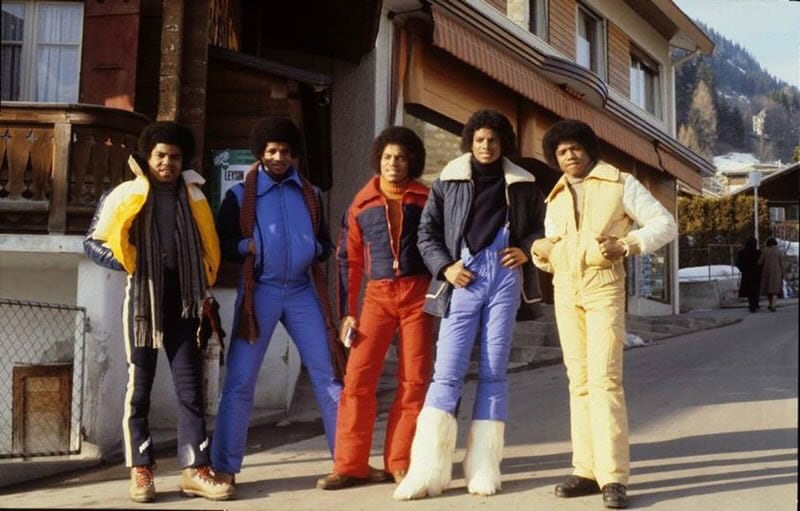
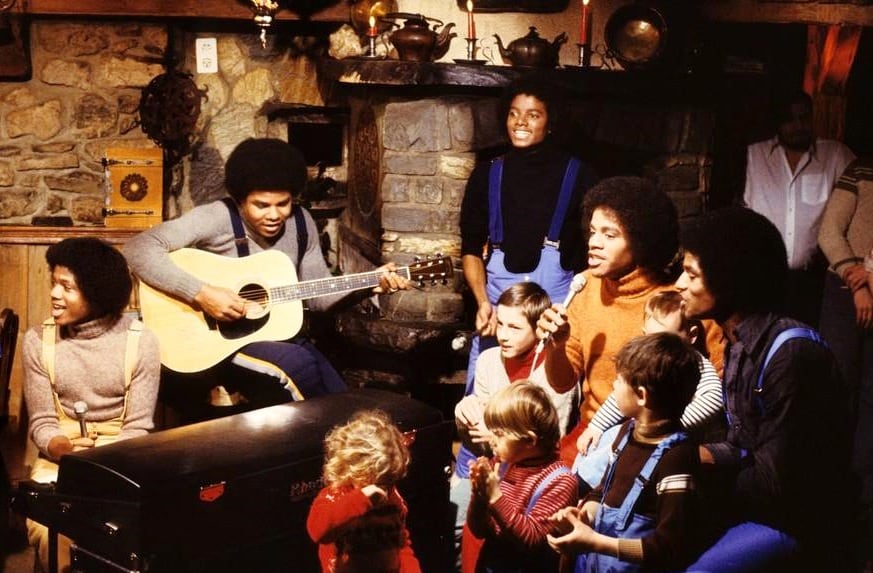
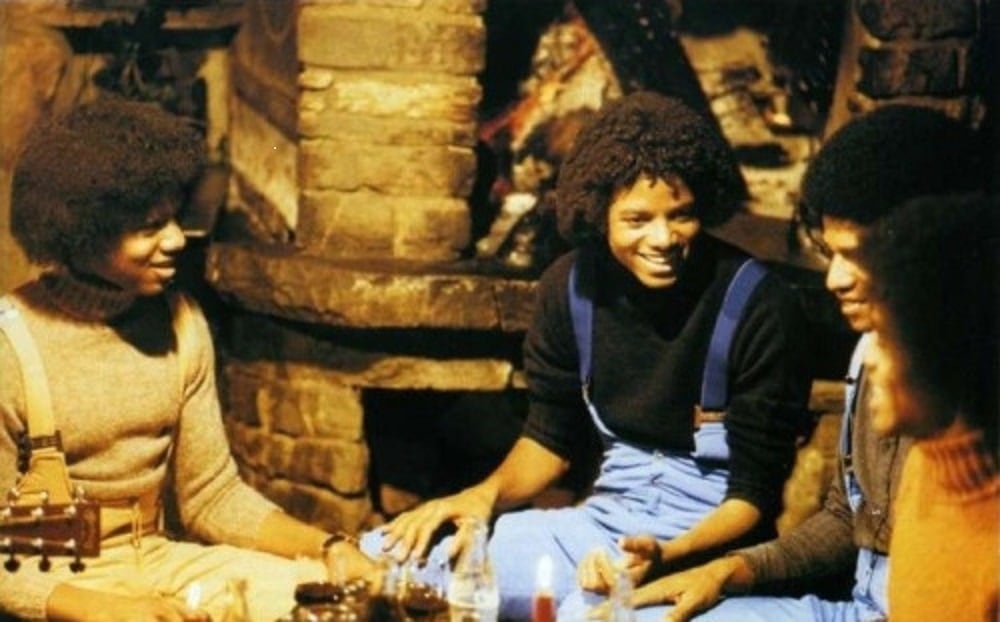
The shoot also took them to the Restaurant Le Leysin, where the five brothers posed at the table. On the evening of the 15th they came down to play at Geneva’s Victoria Hall. Michael was twenty. The visit was brief and easy to overlook, but it opened a story that would last thirty years.
Michael Jackson had admired Charlie Chaplin since childhood. Chaplin spent his last twenty-five years at the Manoir de Ban, in Corsier-sur-Vevey, and died in 1977. The two men never met.
The meeting with his family was arranged by Géraldine Chaplin, Charlie’s eldest daughter, who had met the singer at one of his shows and heard him speak of his love for her father. She turned to a family friend, the circus performer Rolf Knie, who reached Jackson at his Basel hotel.
The appointment was set for three o’clock, on 17 June 1988, the day after the Bad Tour concert in Basel. According to Rolf Knie’s account, published in “L’illustré” in 2009, the star arrived half an hour late, having got lost on the way, and phoned from a service station in Vevey to apologise. He came without bodyguards, with a single assistant, and struck his host as shy and very polite: he waited for Oona Chaplin to sit before taking his own seat, and did not dare ask for a Pepsi.
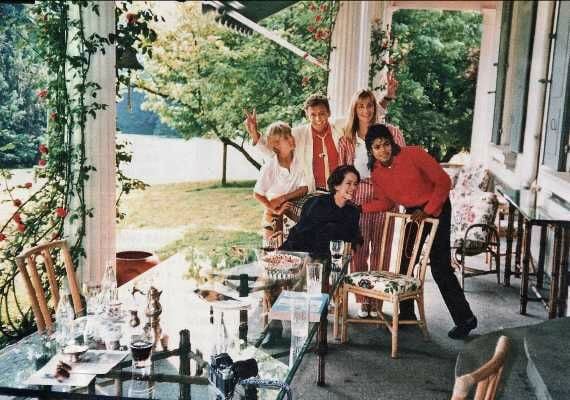
In Chaplin’s study he posed for photographs holding two of his Oscars. Downstairs, among the reels, books and posters of the archive, Knie said he had rarely seen anyone so moved: Jackson knew every film, every book, every detail. He spent part of the afternoon playing in the grounds with Gregory Knie, Rolf’s son. Two days later, the “Sonntags Blick” ran a headline saying the star’s greatest childhood dream had just come true.
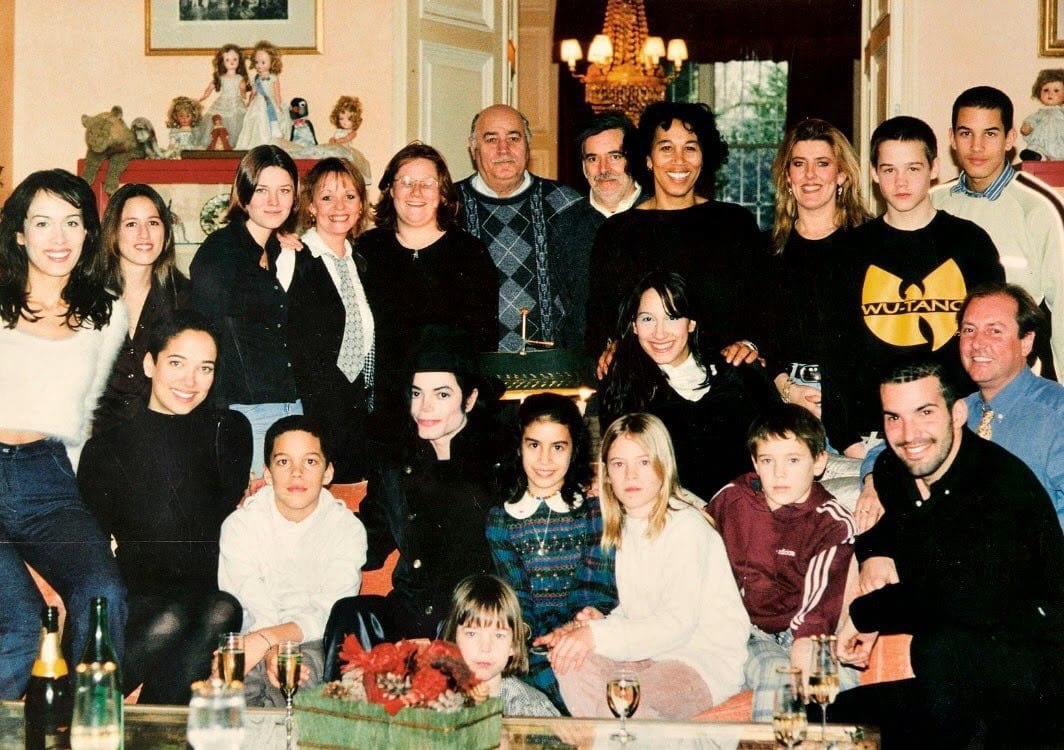
He came back. Granddaughter Laura Chaplin remembers three visits in all, “like a child”. In January 1997, during his working stay in Montreux, he returned to the manor and dined with the family. Jackson said the first visit had fulfilled a childhood dream; in thanks, Oona sent two white swans to his Neverland ranch. Rumour has it that he later tried to buy the house and that the family refused.
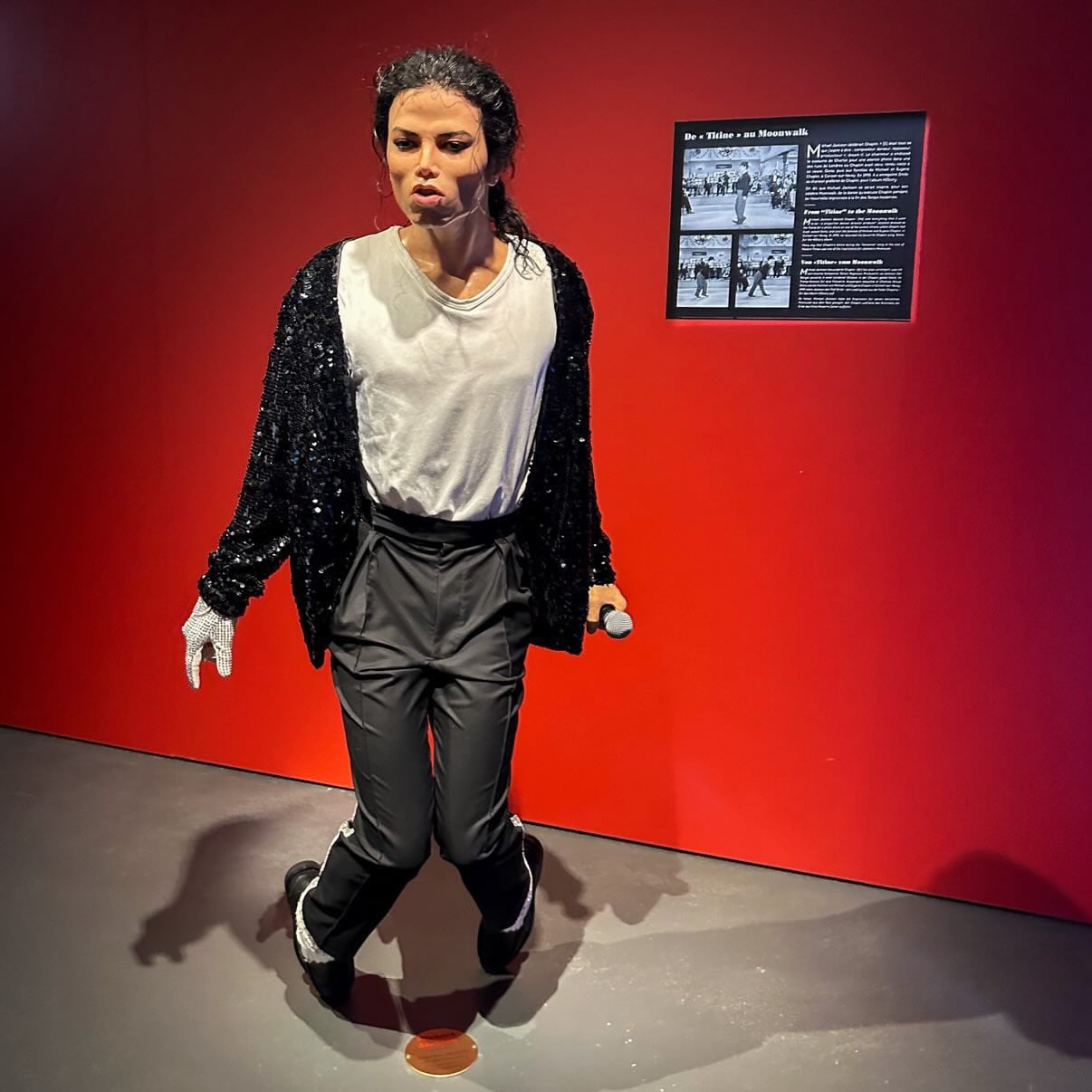
The manor is today the Chaplin’s World museum, opened in 2016. A wax figure of Michael Jackson is displayed there, beneath a panel titled “From ‘Titine’ to the Moonwalk” recalling what the dancer owed to the tramp.
Michael Jackson never sang in Montreux itself. His concerts took place a little further west, at the Pontaise stadium in Lausanne. On 19 August 1988, two months after his visit to the Manoir de Ban, he drew 45,000 people there for the Bad World Tour.
He returned on 8 September 1992 with the Dangerous Tour. The following year, in the middle of that tour, he would take refuge in the Alps, far from the spotlight.
On 20 June 1997, five months after his working stay in Montreux, he came back one last time for the HIStory World Tour, before some 35,000 spectators. It would be his last concert in French-speaking Switzerland.
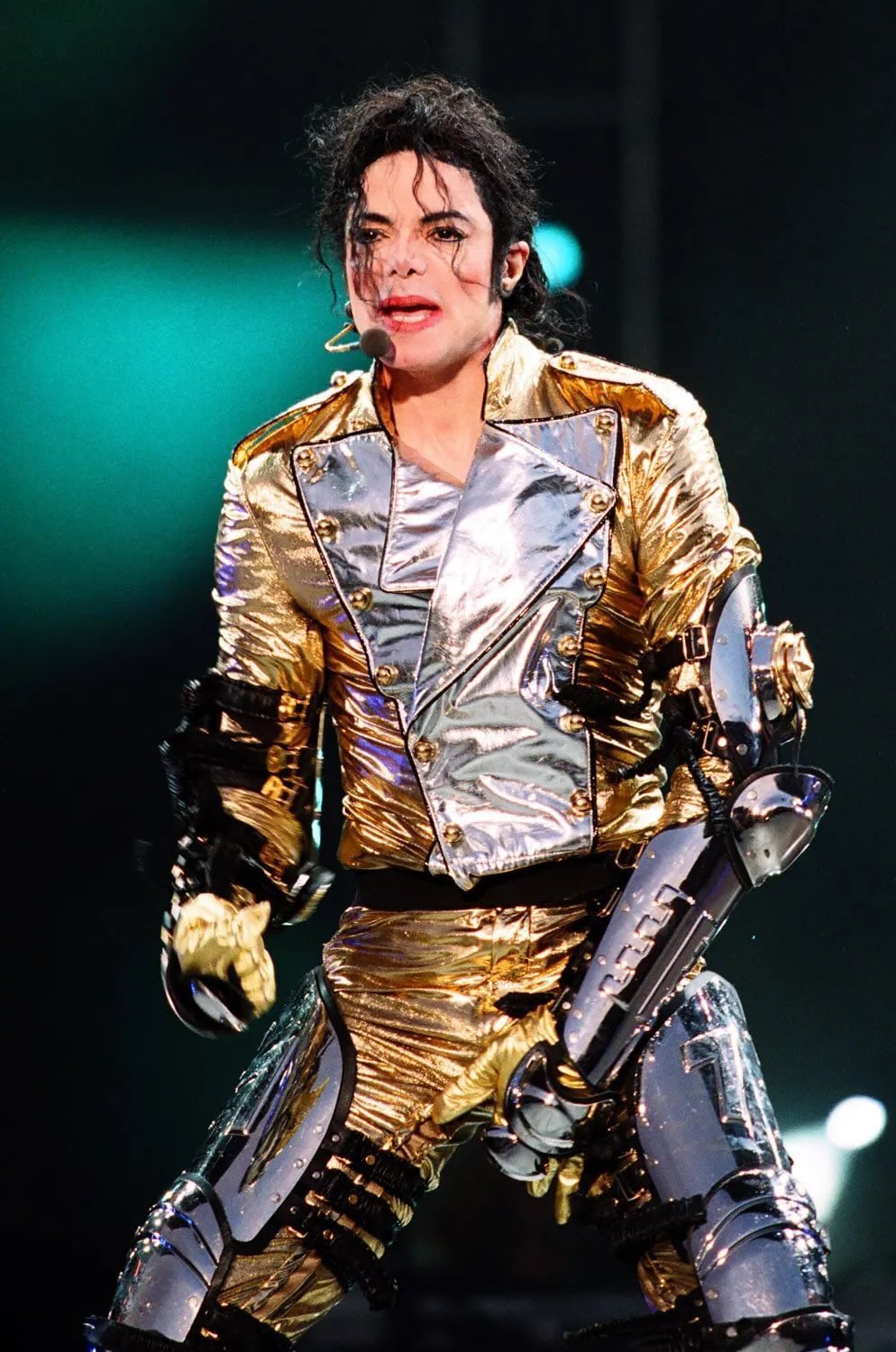
If Lausanne was the stage, Gstaad was the refuge. Jackson arrived in the Bernese resort the day after his concert in Tenerife, and stayed from 27 September to 2 October 1993.
He was in the middle of the Dangerous Tour, under the first wave of false accusations against him. With the Cascio children, he took refuge in Chalet Ariel, the house his friend Elizabeth Taylor had bought in Gstaad in 1962 and which later became her European base with Richard Burton. The actress kept it until her death in 2011; it is serviced by the nearby Gstaad Palace.
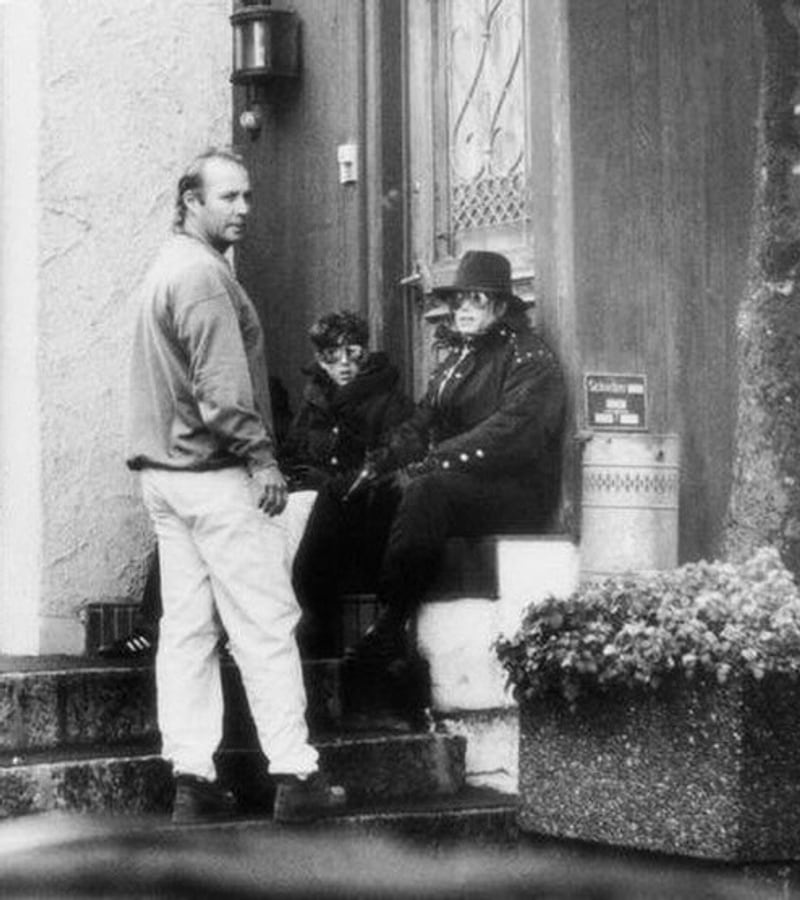
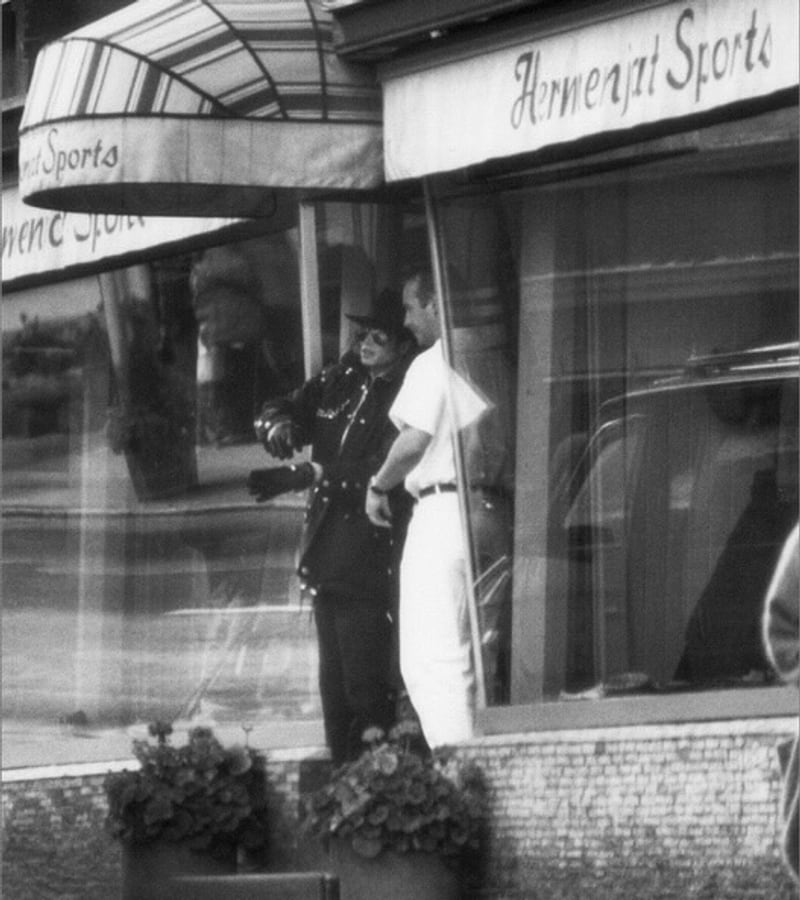
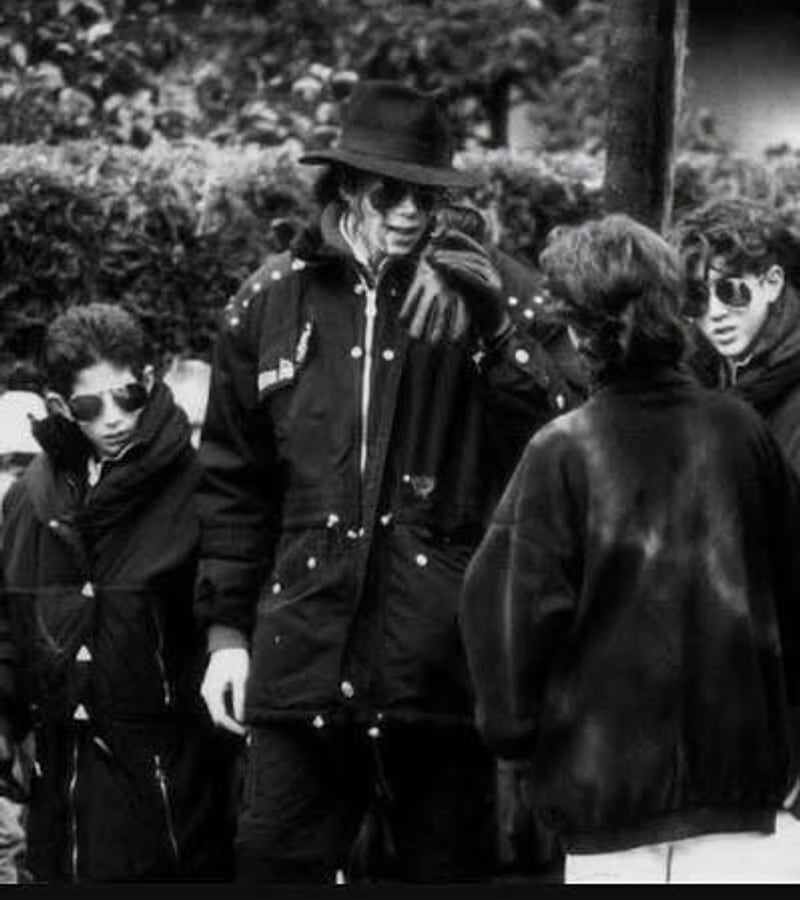
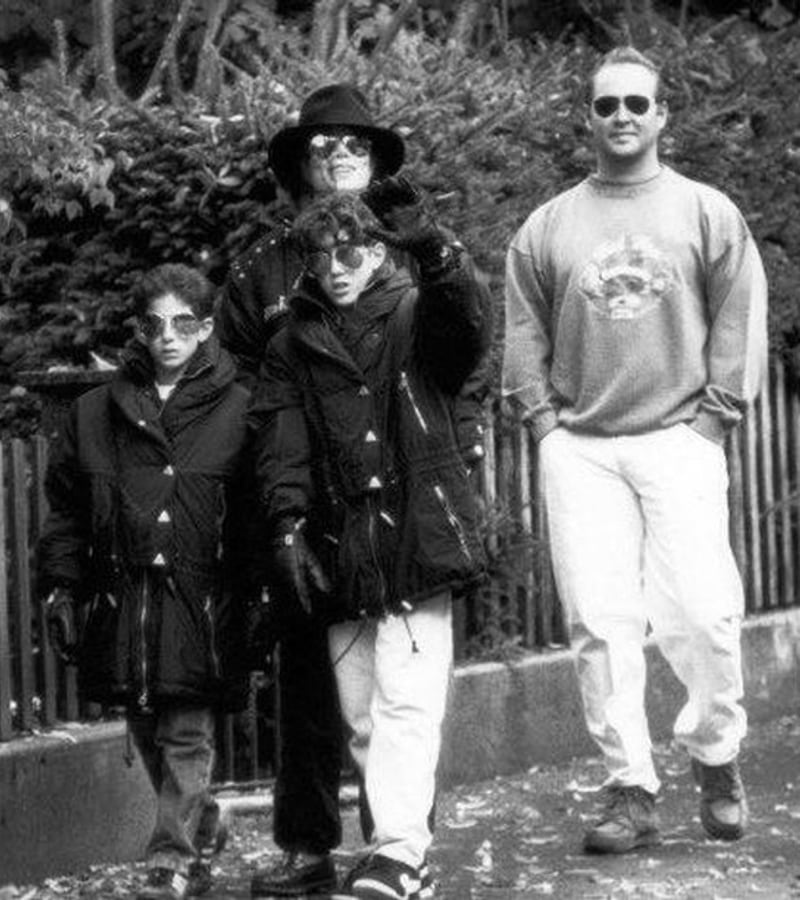
Michael Jackson did not come to Montreux to rest: he came to work, during the only window his schedule allowed. In mid-January 1997, between the first and second legs of his HIStory tour, he reached the Riviera with Frank Cascio and settled at the Fairmont Le Montreux Palace, in the Tower Suite, the one that now bears the name of Quincy Jones.
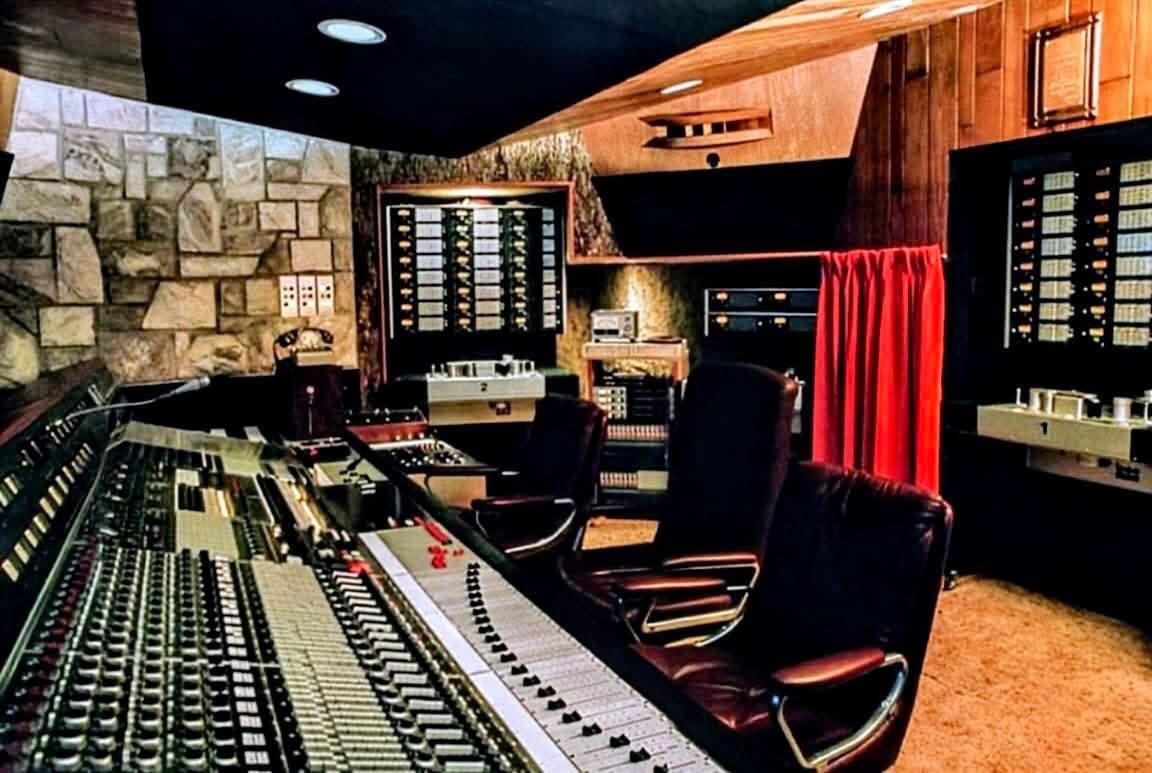
For two weeks he completed his remix album “Blood on the Dance Floor” at Mountain Studios, inside the Casino. He is said to have been drawn by the calm of the town, the same tranquillity that had led Freddie Mercury and Queen to record there before him, in the same rooms, facing the same water. The studio no longer exists as a working space, but the room remains: it is now the Queen Studio Experience.
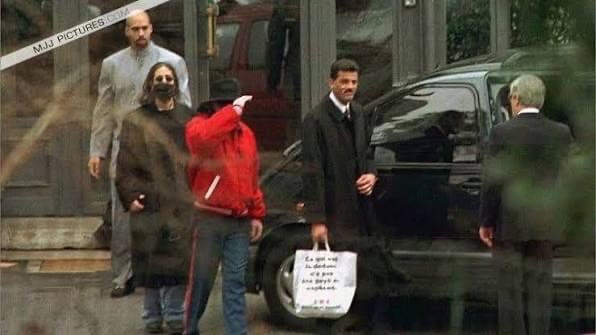
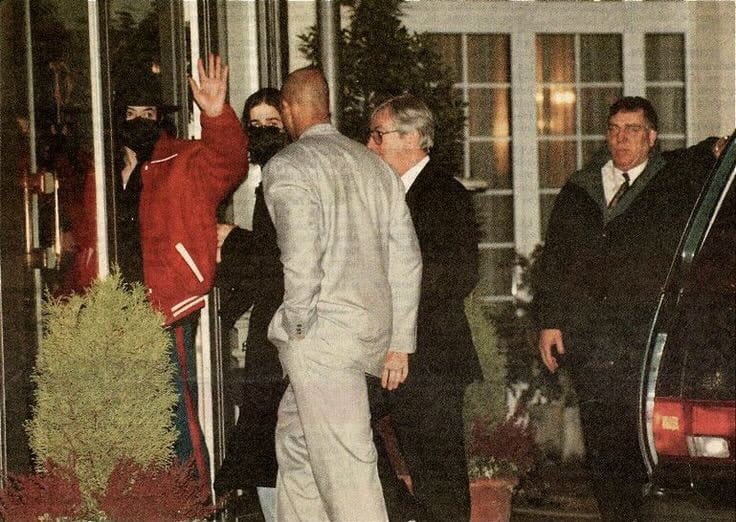
The peace was short-lived: once his presence became known, admirers arrived from abroad, and Jackson took to leaving and returning through discreet doors, including the staff entrance.
Between sessions he walked through Montreux and Vevey, a blue surgical mask over the lower half of his face, a hat pulled low and dark glasses. On Montreux’s Grande-Rue he went into Cadeau Impossible, the shop next to his hotel, the Tabashop at number 46, and the Bazar Suisse at number 24, where, according to the press, he bought a Barbie doll and a pair of handcuffs. In Vevey he was seen at the Bally shoe shop and the Saley bakery on the rue du Lac.
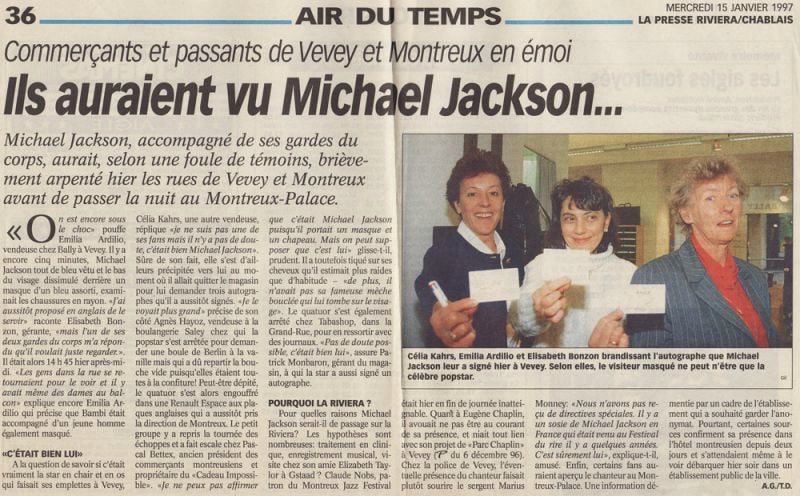
On 15 January 1997 the newspaper “La Presse Riviera/Chablais” devoted a page to these sightings, under the headline “Ils auraient vu Michael Jackson…”. Three shop assistants posed with the autograph he had signed for them: Célia Kahrs, Emilia Ardilio and Elisabeth Bonzon. All described the same slight figure, masked in blue, trying on discounted shoes and signing his name at the Tabashop. The journalists were already asking the right question, why here, and their hypotheses have held up: the studio sessions, a personal connection with Eugène Chaplin, and the nearby draw of Gstaad.
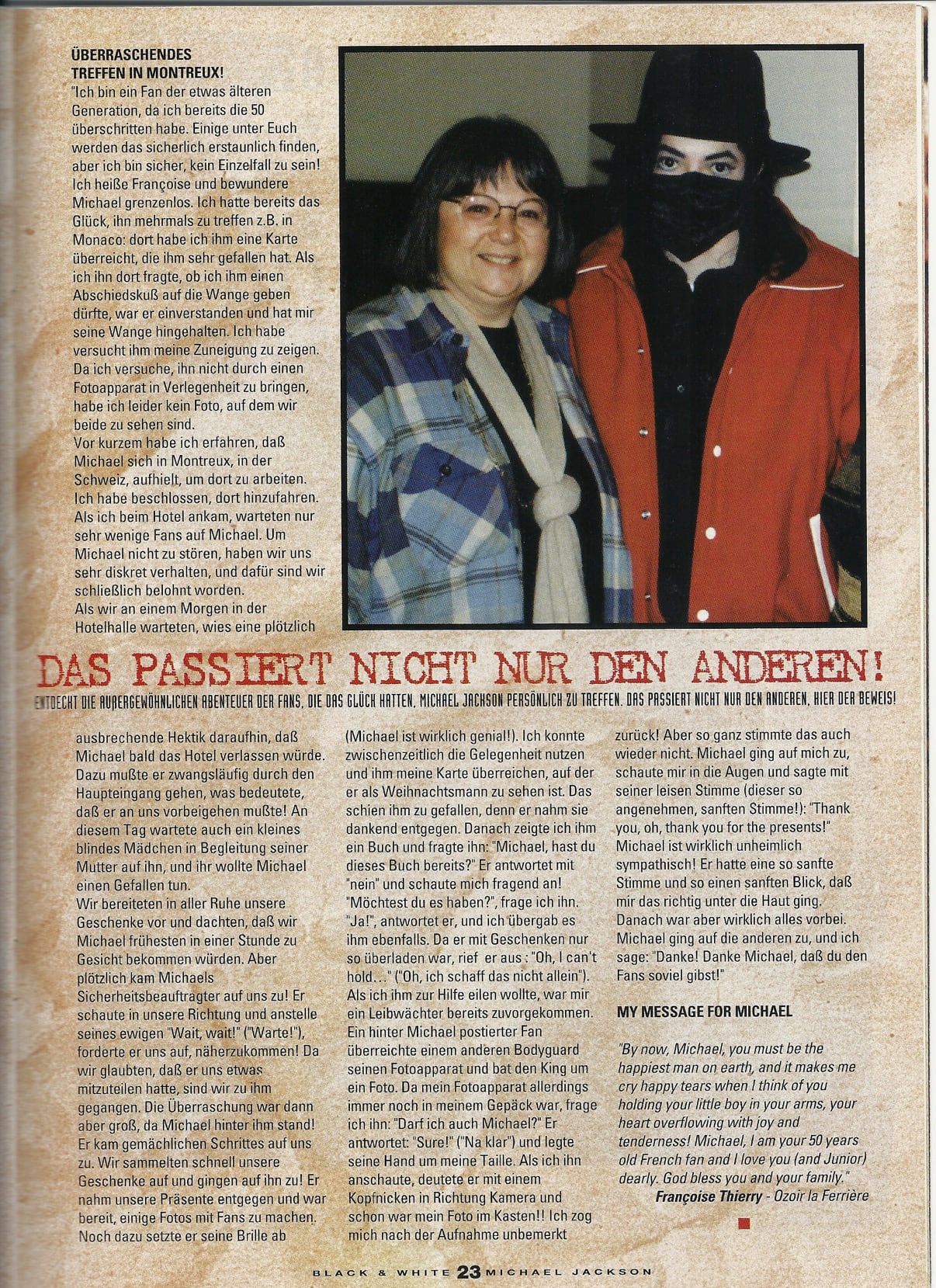
A French admirer, Françoise Thierry, had made the journey after learning he was working in Montreux. One morning Jackson left by the main entrance: he accepted the gifts of the few fans present, lowered his glasses and posed for photographs. Buried under presents, he laughed, “Oh, I can’t hold…”, then thanked them in his soft voice: “Thank you, oh, thank you for the presents!” She told the story of that morning in “Black & White” magazine.
Time has thinned the map. Cadeau Impossible, Bally and Saley have closed; the Tabashop and the Bazar Suisse are still there.
As early as a 1995 interview, Jackson said he found Switzerland beautiful and could imagine living there one day. In the summer of 2000 the “Tribune de Genève” reported that he had visited several lakeside estates in the canton of Vaud, among them the small Château Solveig in Gland. The owner’s son remembered Jackson telling him he wanted to buy in the region.
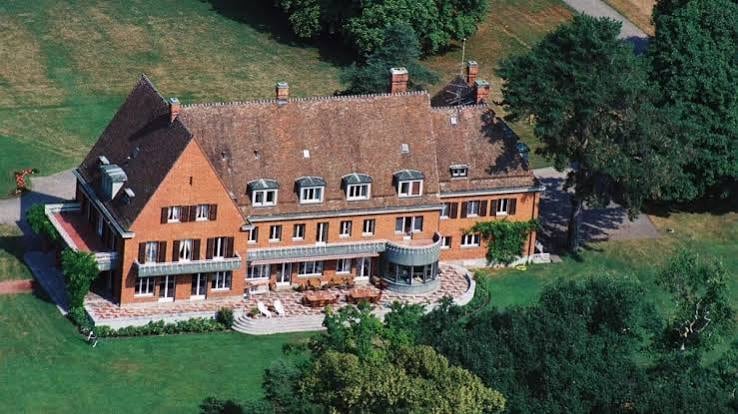
Another property, valued at 24 million francs, is said to have slipped away because heritage protection rules would not allow the privacy wall he wanted.
The search did not stop at Lake Geneva. In 2006 the British press reported that he was negotiating the purchase of Château Gütsch, a former thirty-one-room hotel overlooking Lucerne, for seven million dollars. The agent Kurt Illi, then seventy, said he was “seriously interested” and was due to fly on 5 May to Bahrain, where the singer was living, to discuss it.
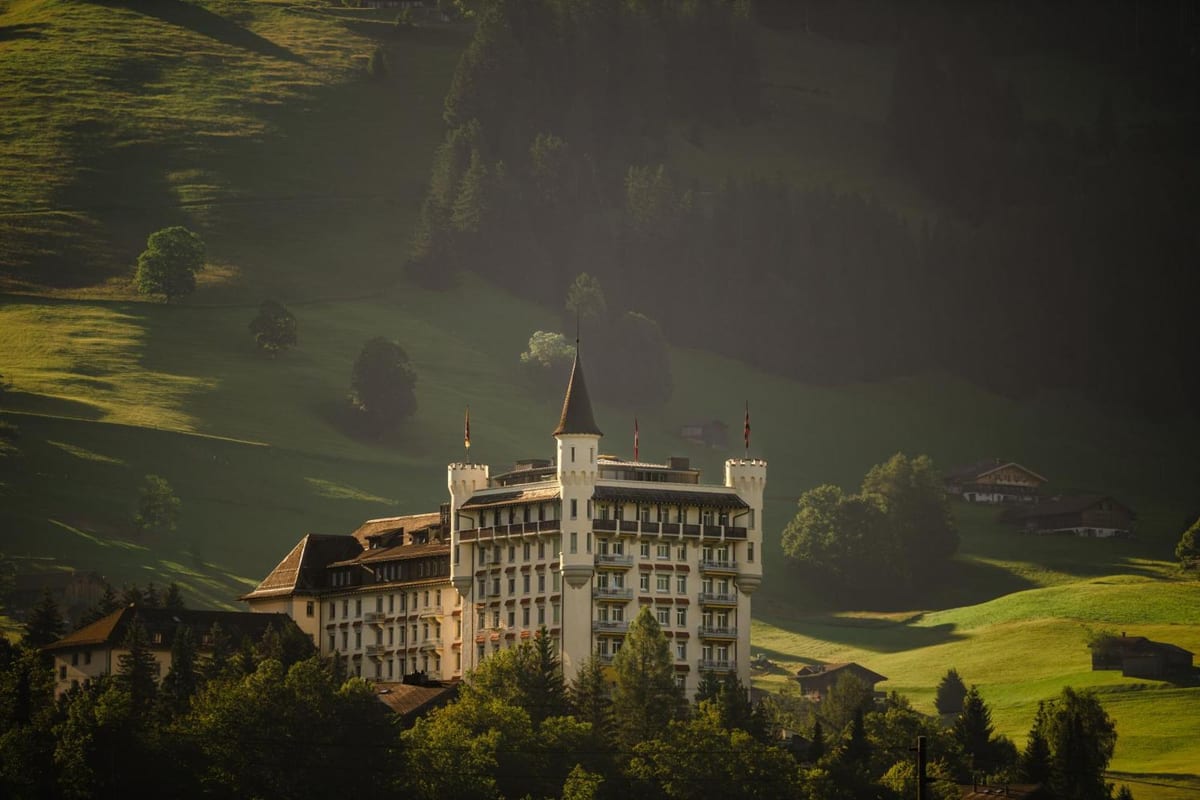
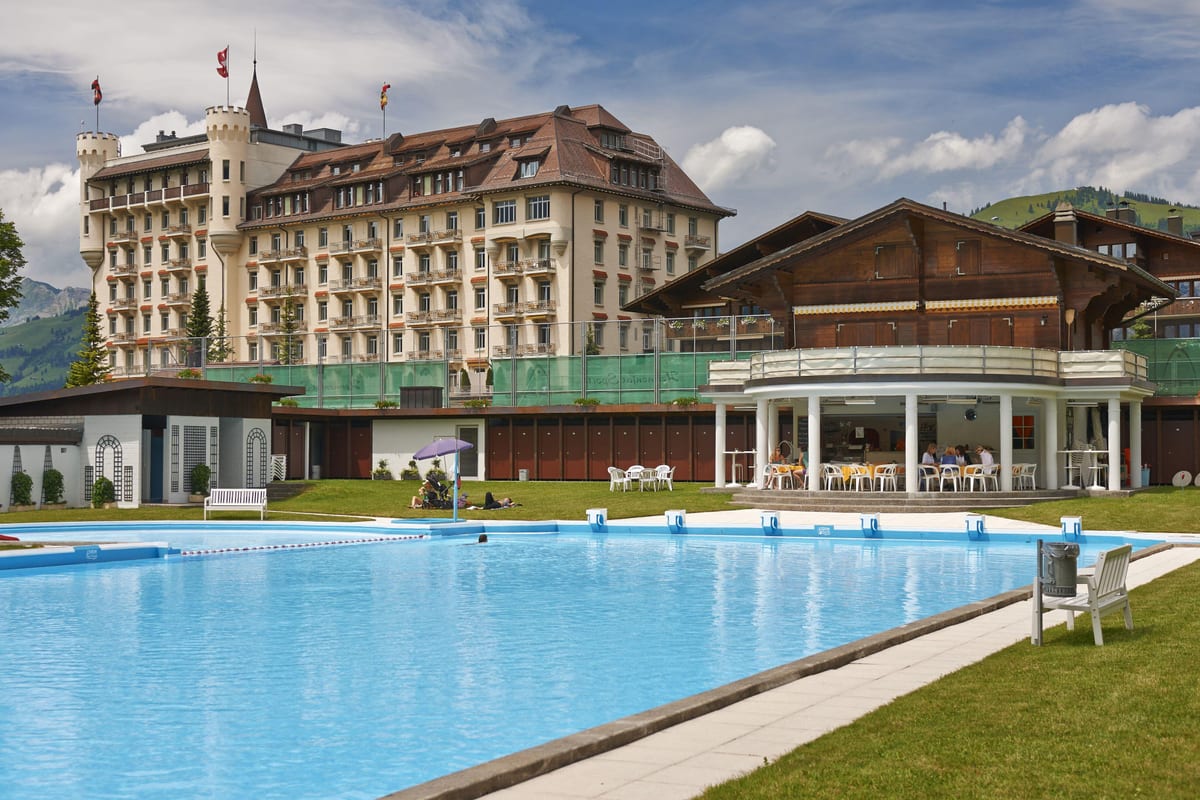
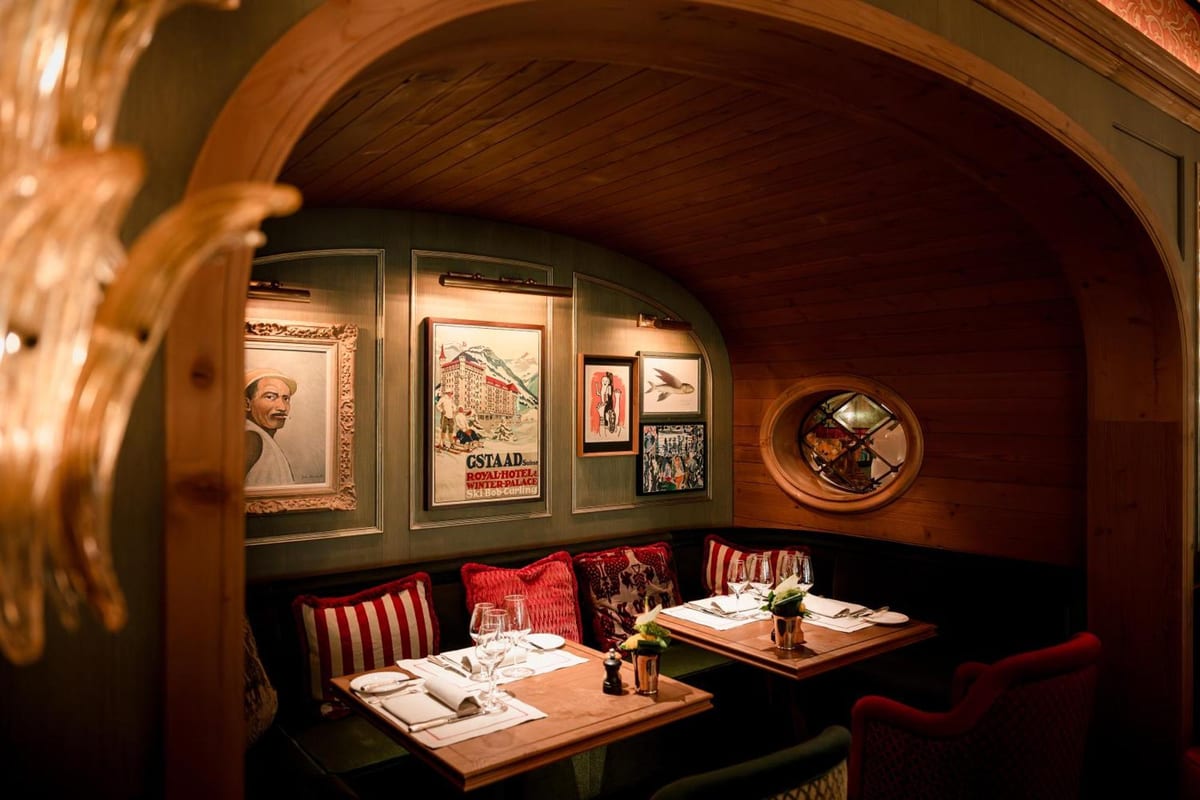
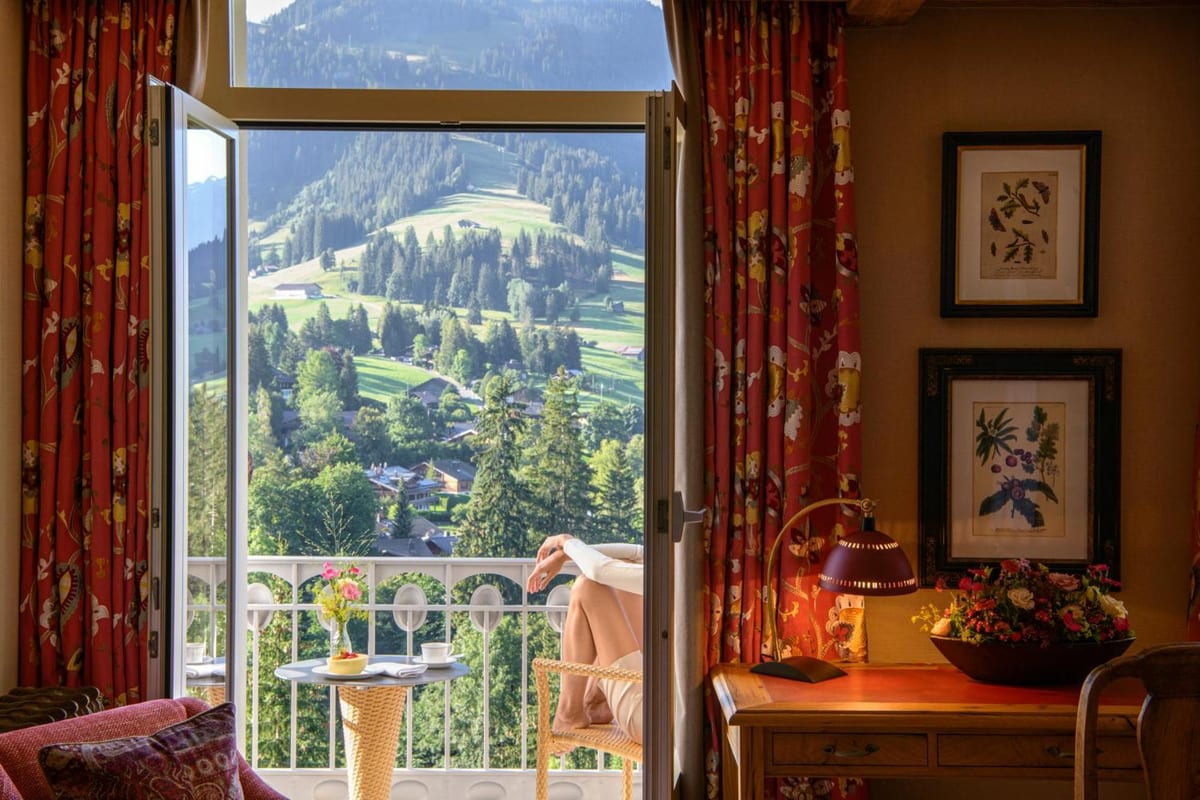
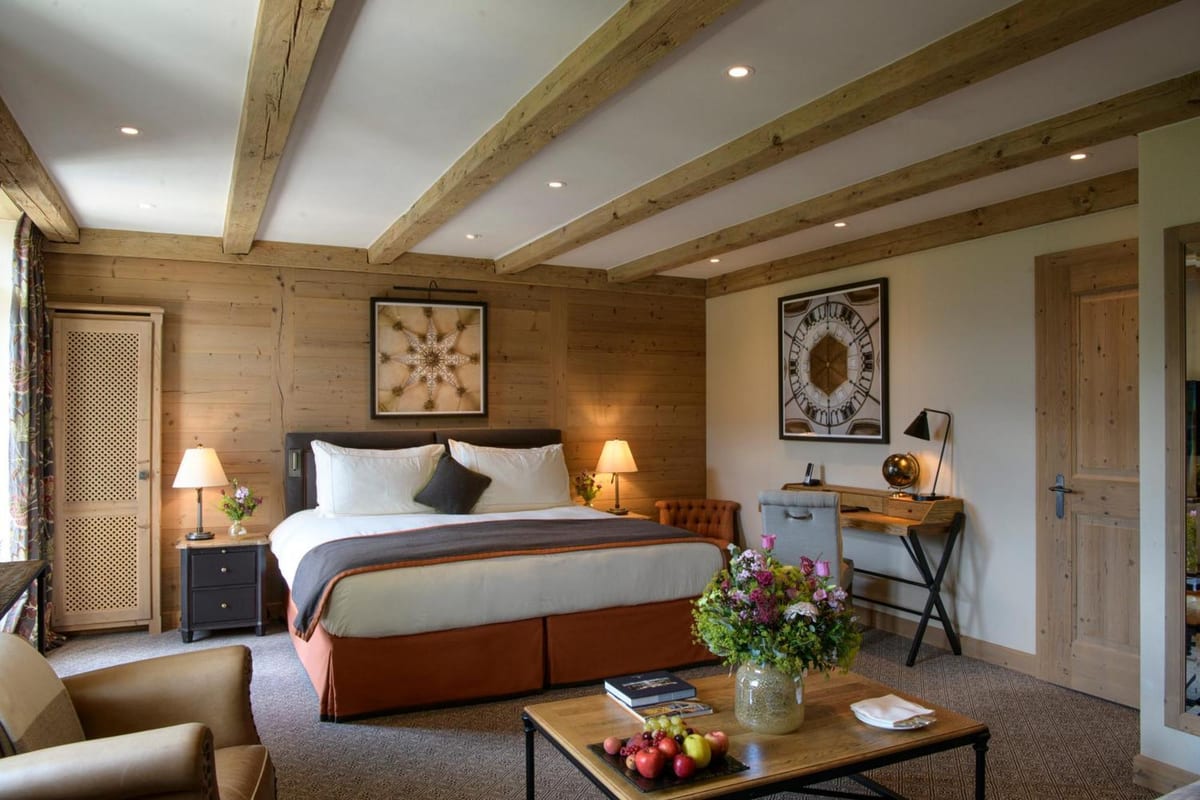
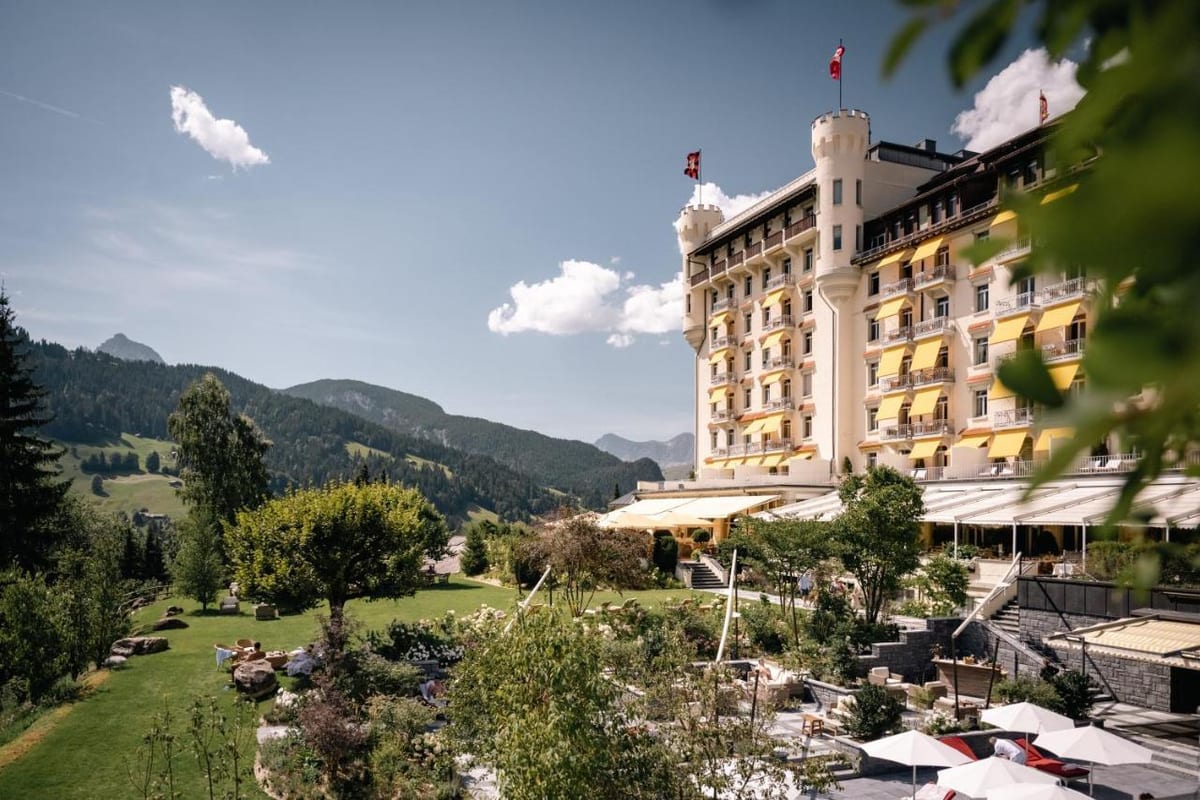
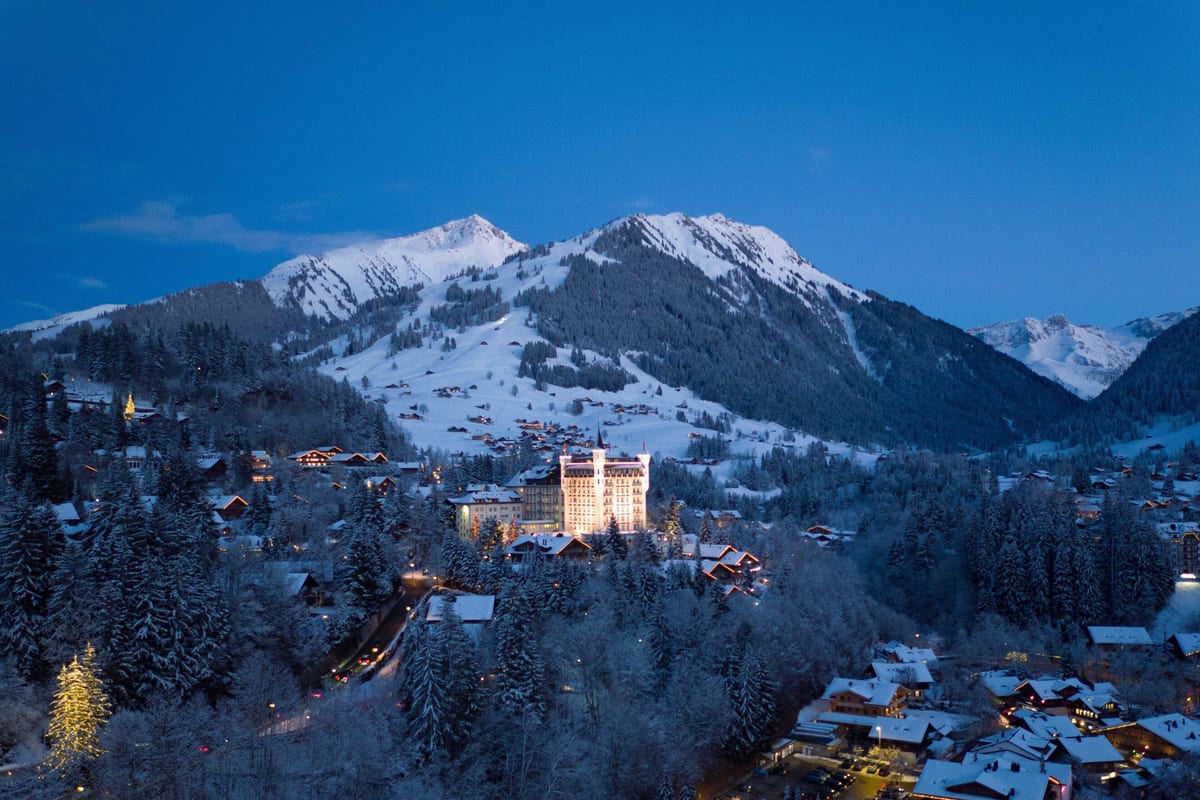
The last of those dreams was a hotel. Michael Jackson was a familiar face at the Gstaad Palace, the grand establishment overlooking the Bernese resort, ninety minutes by train from Montreux. In 2006, after visiting Elizabeth Taylor, he considered buying it.
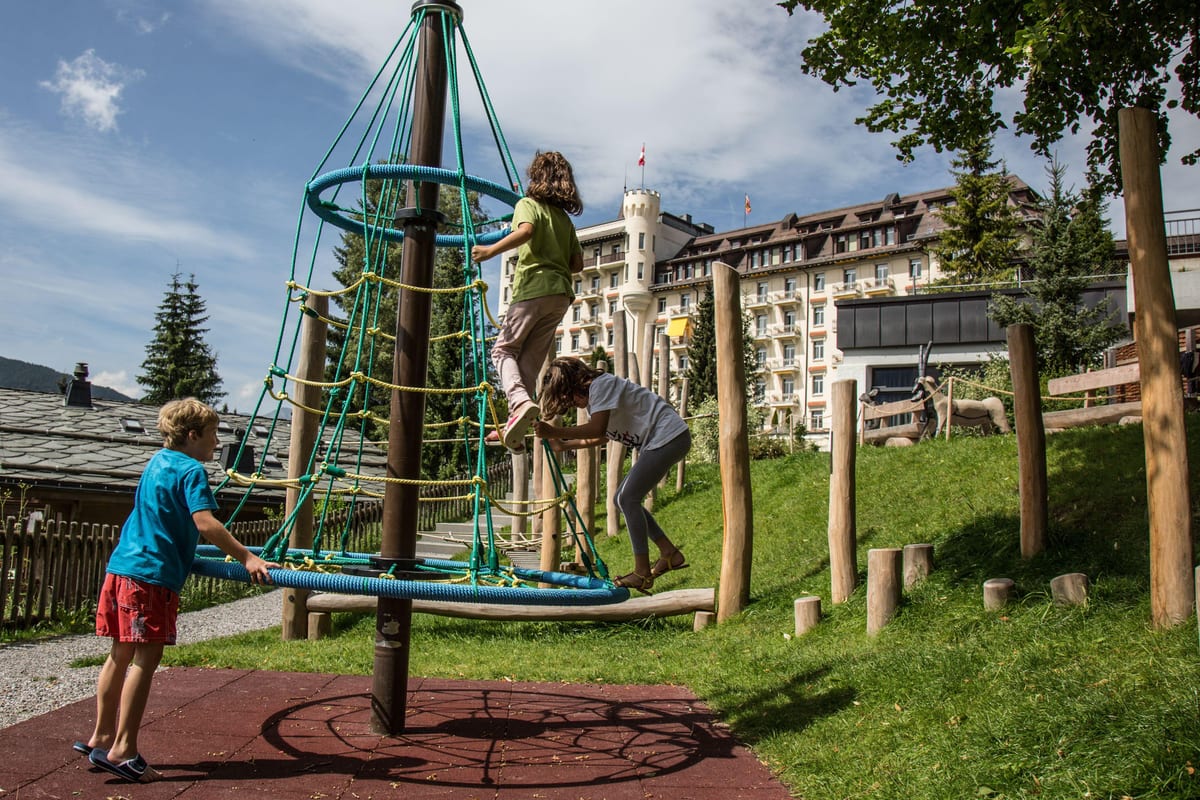
The manager, Andrea Scherz, offered to rent him the Penthouse Suite; the singer had another idea, the whole hotel, which would make a perfect base. The building and its cartoon-like towers reminded him of the castles he had looked at as a child in a book about the world’s finest palaces. “Why would you want to buy the hotel?” Scherz asked. “Because I love it,” the star replied (account reported by “Bilan” magazine).
“I love Switzerland. It’s so clean and cool. We don’t get much snow where I live so I get real excited in Lausanne and Geneva. I’d like to buy a house there when I’m older and settle down. It’s all so cute that it looks like a movie set,” he said.
Quincy Jones produced the three albums that made Michael Jackson the pop star of the century: “Off the Wall” (1979), “Thriller” (1982) and “Bad” (1987).
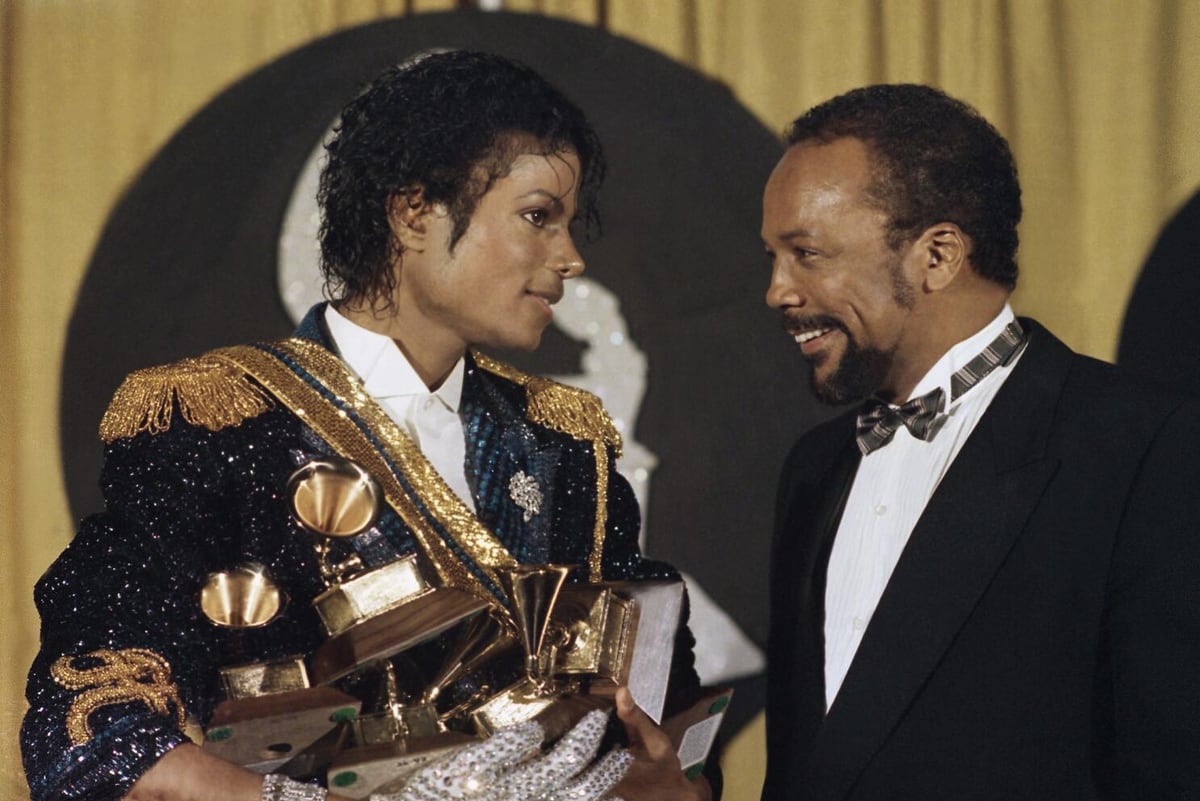
He was also a Montreux regular. A close friend of Claude Nobs, he was artistic director of the Montreux Jazz Festival from 1991 to 1993 and came back almost every summer until his death in November 2024. In 2018 the town gave him its medal of honour and named the main hall of its convention centre after him.
In 2019 a life-size bronze statue by the sculptor Marco Zeno was unveiled in the gardens of the Fairmont Le Montreux Palace, replacing a bust presented to Claude Nobs in 2008. It stands in the garden of the hotel where Jackson slept in 1997, outside the suite that now bears Quincy Jones’s name.
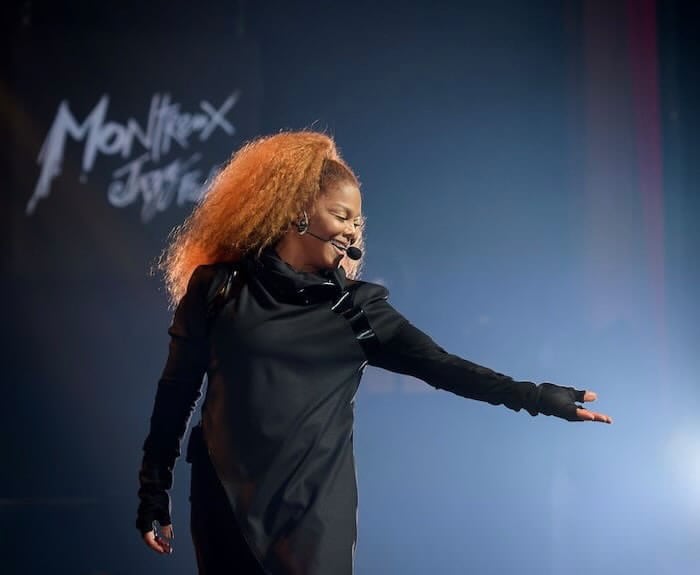
Ten years after Michael’s death, his younger sister Janet Jackson came to play in Montreux. On 30 June 2019 she made her Montreux Jazz Festival debut at the Auditorium Stravinski, a few months after her induction into the Rock and Roll Hall of Fame. It was one of her rare festival appearances that summer, in the final stretch of her State of the World Tour.
The evening held a surprise. Quincy Jones came on stage to introduce her himself: “You’re about to see an exceptional human being. I’ve known her since she was 12. Please welcome my little sister: Janet Jackson.”

The legendary producer, conductor’s arms raised, a historic partner of Claude Nobs.

The free exhibition inside the real Mountain Studios, where Queen recorded seven albums between 1978 and 1995.

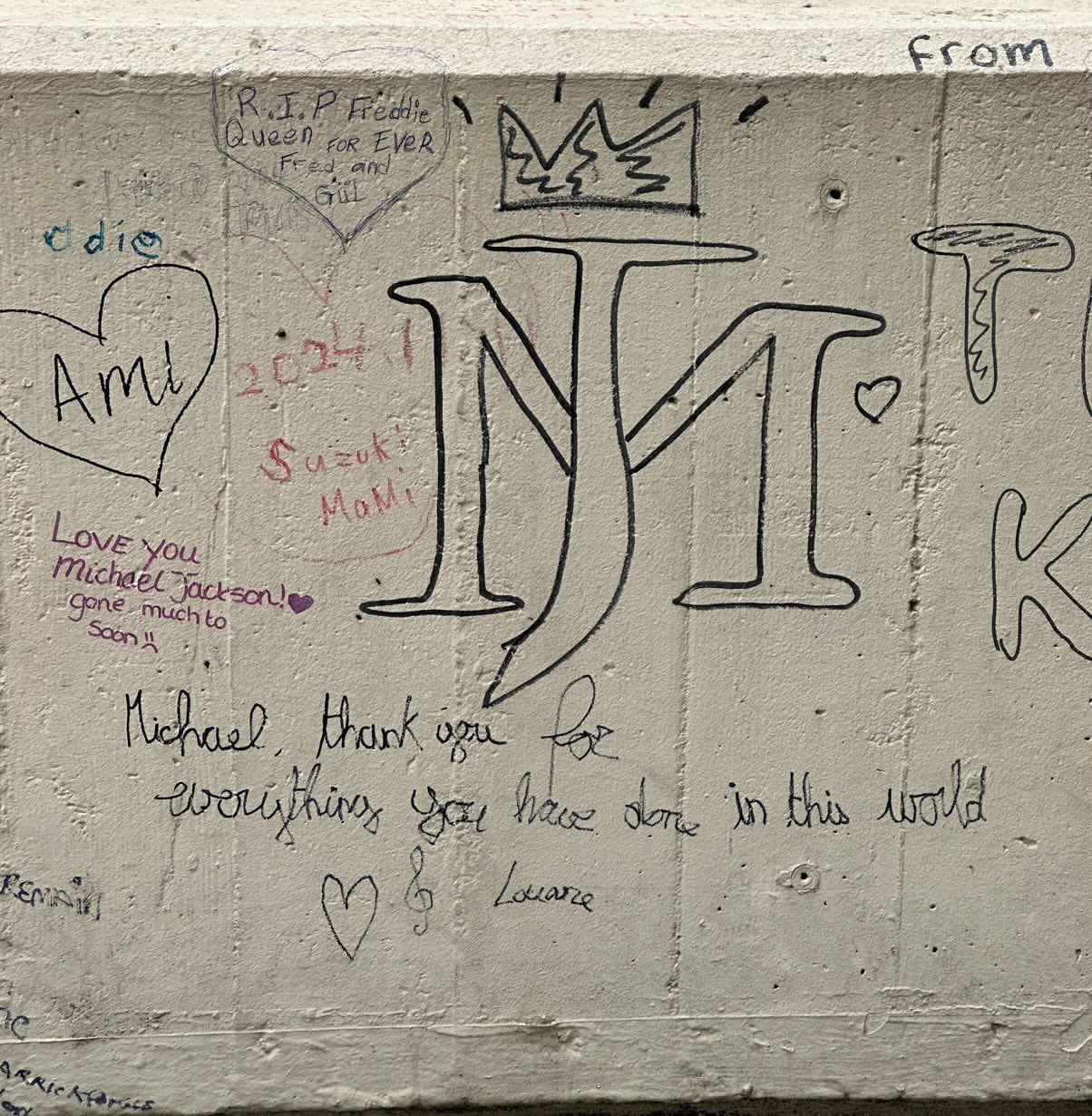
The wall where Queen fans from all over the world leave their messages, right next to the former Mountain Studios.

The Belle Époque grand hotel of the stars: Michael Jackson lived there for two weeks in 1997 during his Mountain Studios sessions.

The Grand-Rue shop where Queen fans find what they are looking for, a stone’s throw from Freddie’s statue.

The house where Charlie Chaplin spent his last twenty-five years. His son Eugène grew up here before becoming a sound engineer at Mountain Studios in Montreux.

Lausanne’s big stadium, thirty minutes from Montreux, where Michael Jackson performed three times between 1988 and 1997.

The Vaud Alps resort where The Jacksons, Michael among them, filmed for television in February 1979.

The Bernese Oberland resort at the end of the MOB panoramic line from Montreux, where Michael Jackson came to take shelter.
1997
In January 1997, Michael Jackson spent two weeks in Montreux, between the Tower Suite of the Montreux Palace and Mountain Studios, to finalise this remix album and its flagship track.