Rock, pop & metal
Freddie Mercury

Freddie Mercury (1946-1991), Queen’s singer, had an intimate, almost secret relationship with Montreux. He discovered the town while recording there with the band and made it his refuge: “If you want peace of mind, come to Montreux,” he confided. Away from the bustle, he loved to settle by the lake, to paint, to stroll along the quays and take in the panorama of Lake Geneva and the Alps that inspired the cover of “Made in Heaven”. It was at Mountain Studios, in the Casino, that he recorded some of his very last vocal takes, including “Mother Love” in May 1991, a few months before his death. The town paid tribute to him in 1996 with a bronze statue facing the lake, now a place of pilgrimage the world over, and celebrates him each year during the Freddie Days, around 5 September, his birthday.
Freddie Mercury: “If you want peace of mind, come to Montreux”
A first visit in 1978
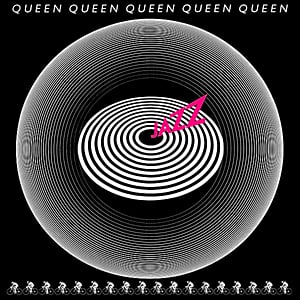
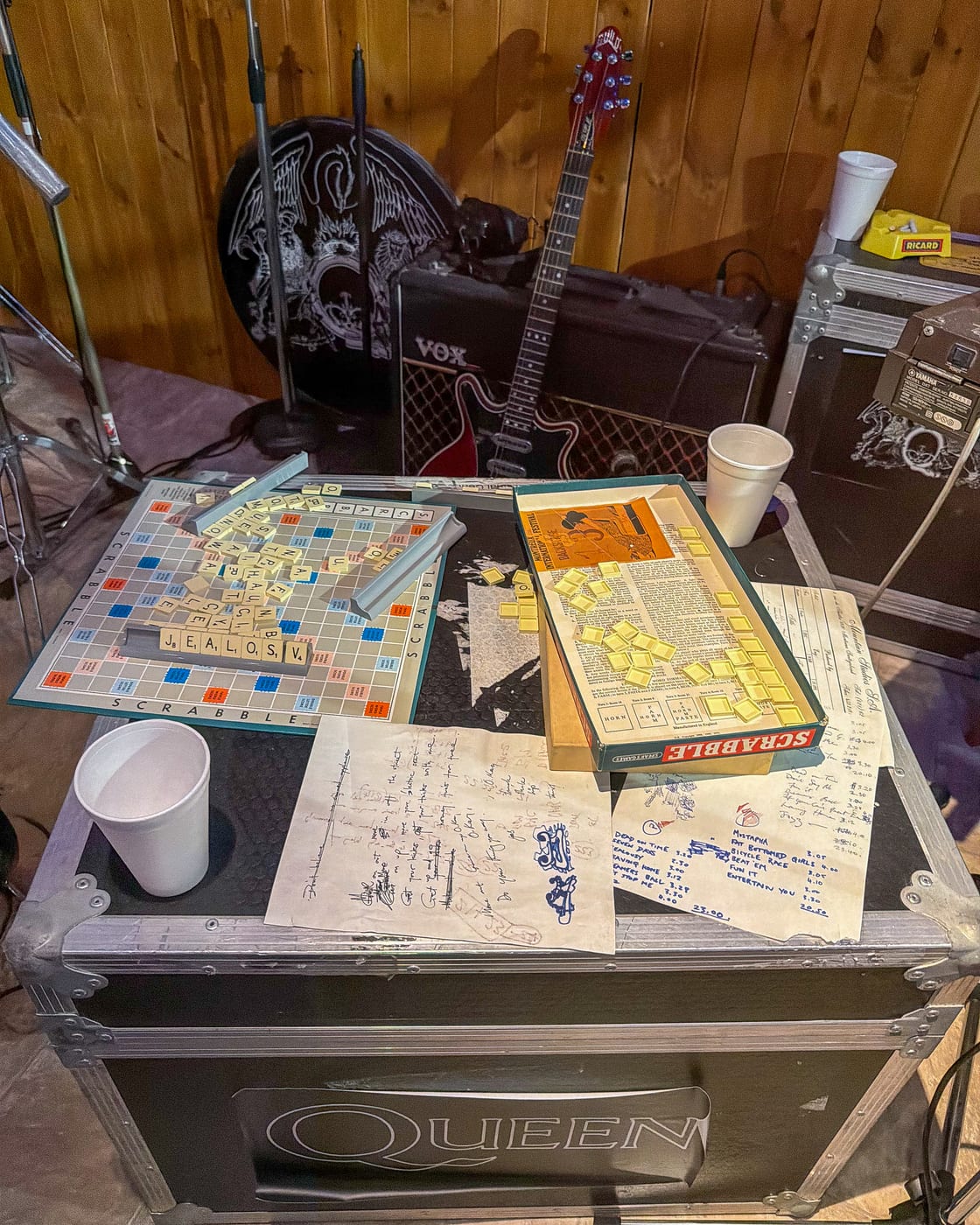
Freddie Mercury did not come to Montreux for a holiday. He came to work, in the summer of 1978, when Queen moved into Mountain Studios to finish the album “Jazz”. The band would buy the studio the following year.
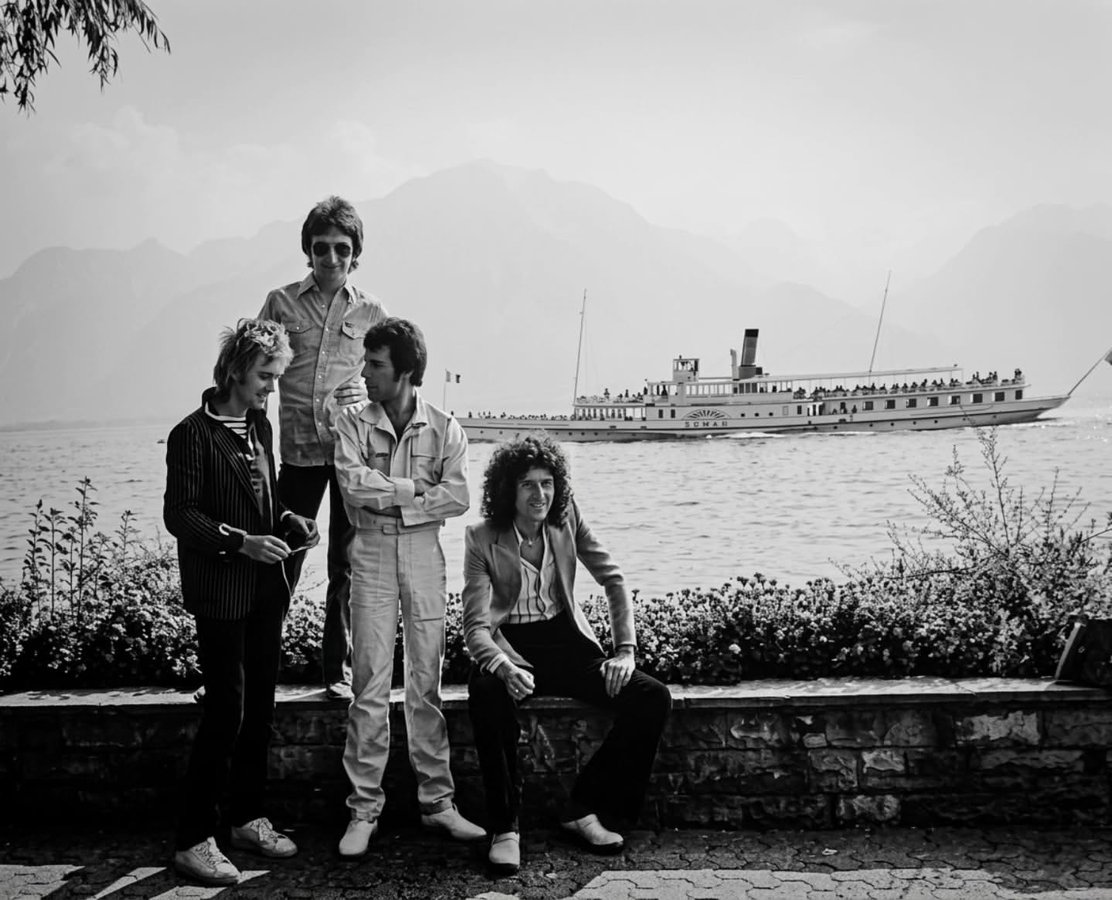
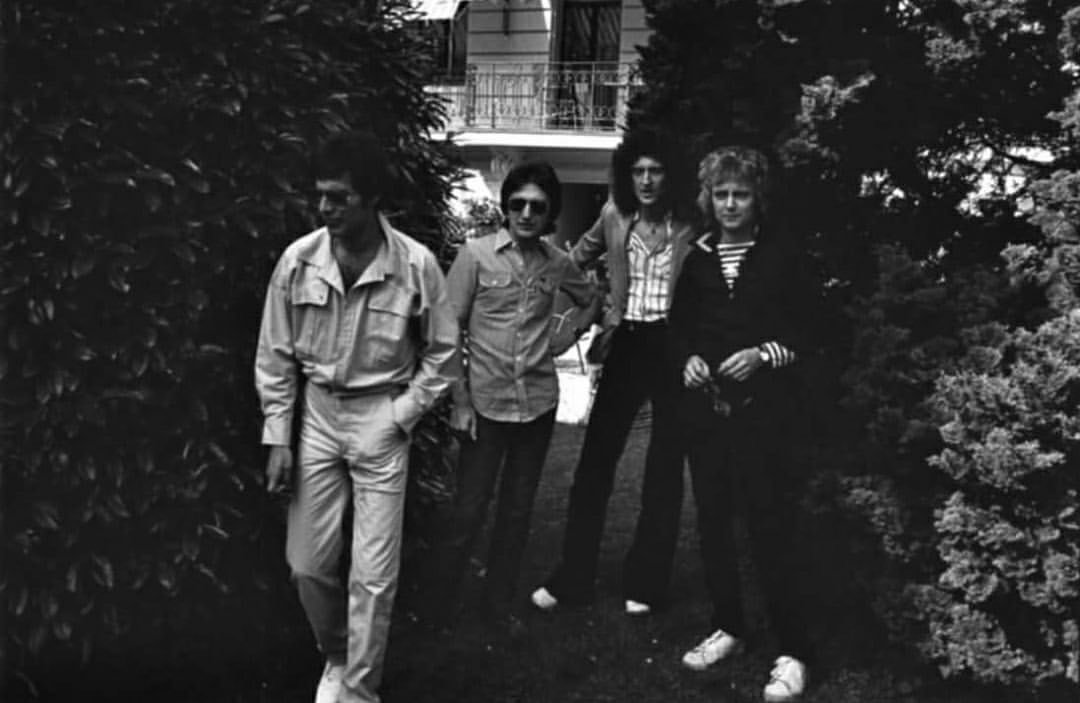
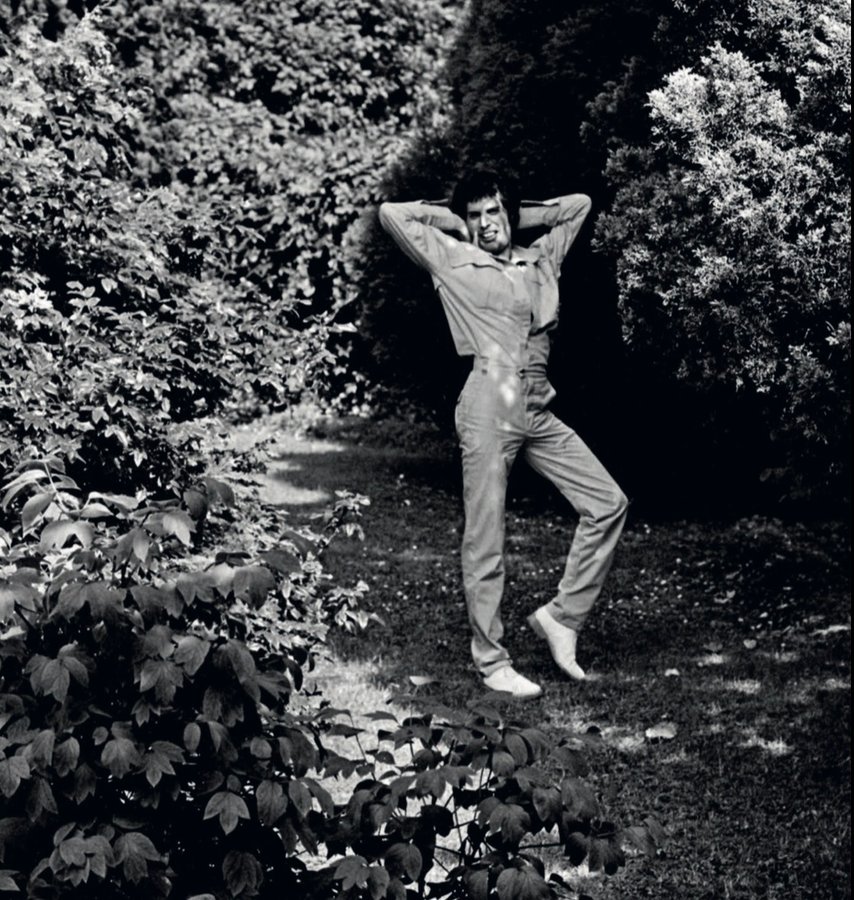
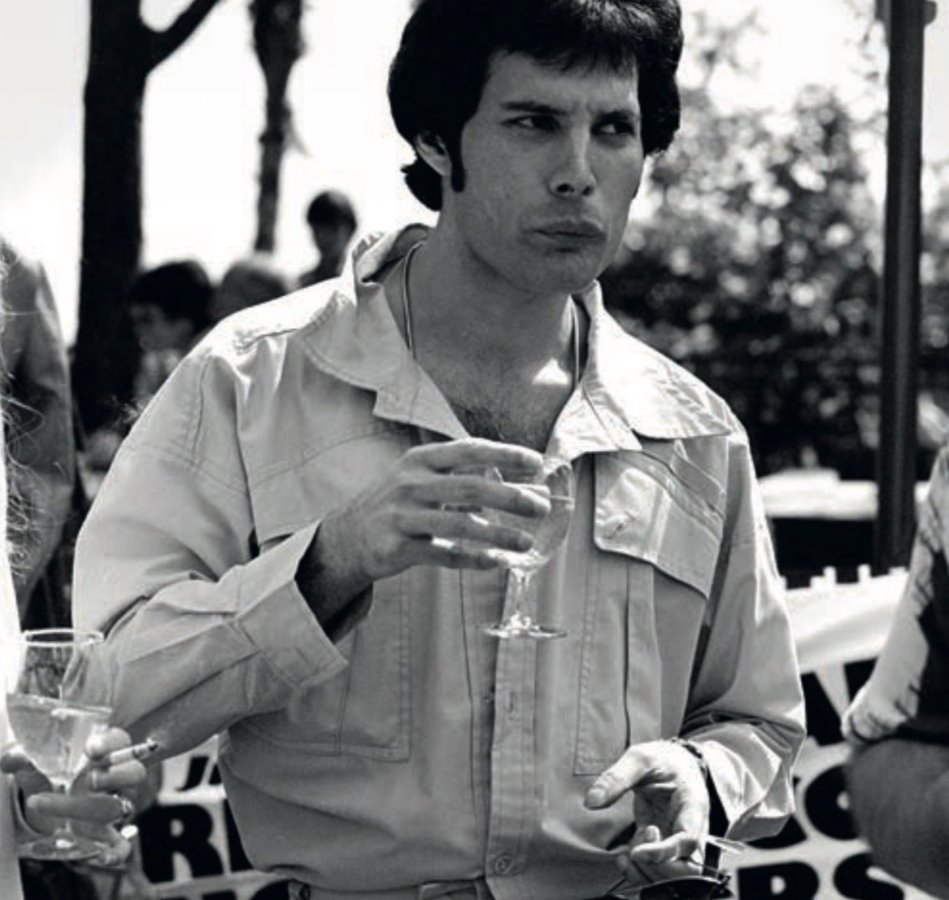
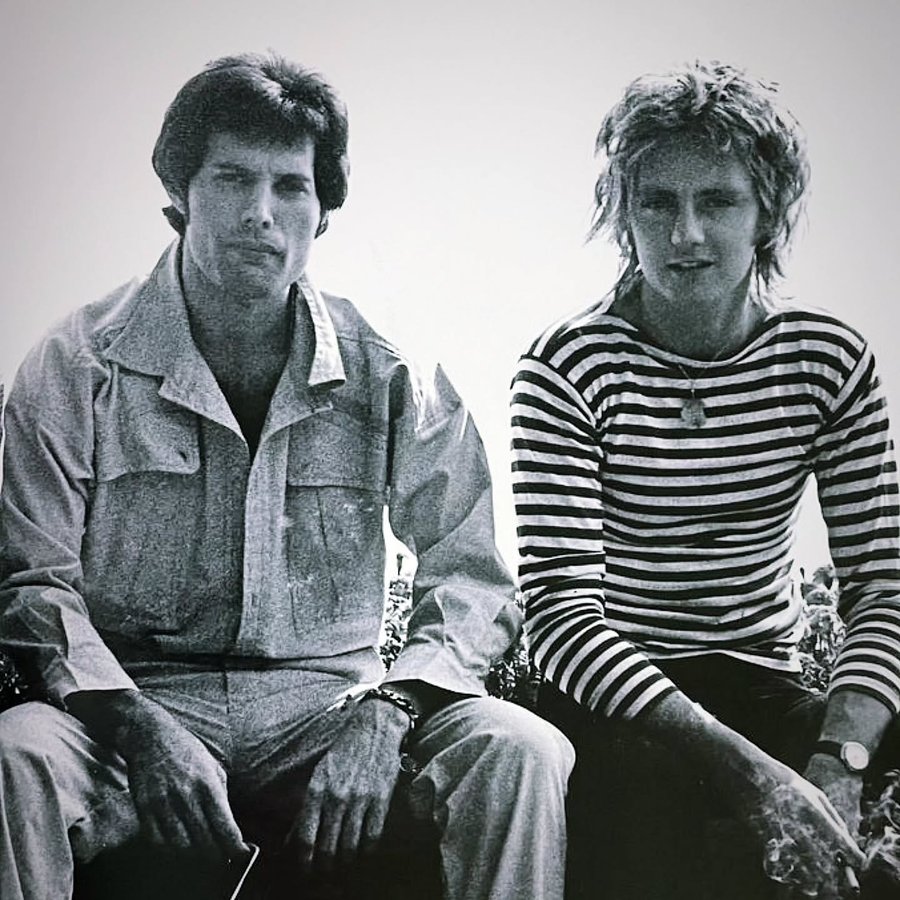
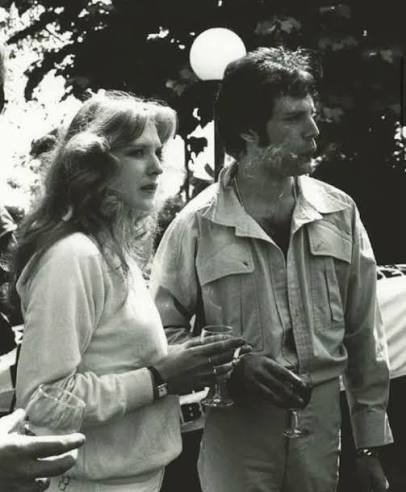
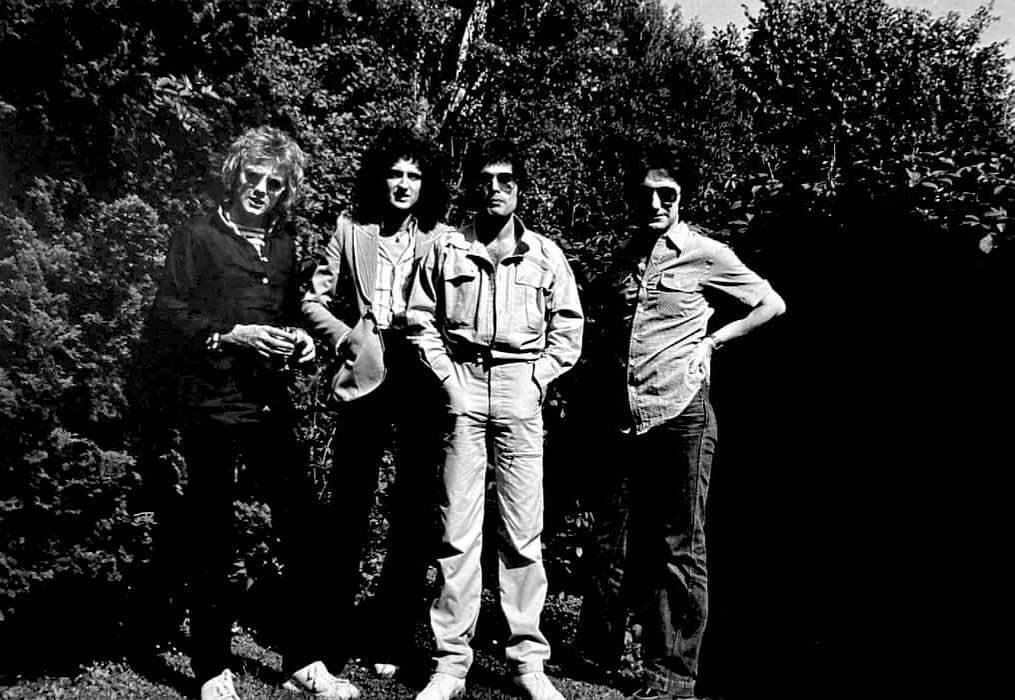
What was meant to be a working stop became a lasting attachment. Far from London and its pressure, he found here a town where no one chased him: he could walk along the quays, sit facing the lake, paint. It is from that experience that the line most often quoted of him in Montreux comes: “If you want peace of mind, come to Montreux.”
It was to the singer Montserrat Caballé, his partner on “Barcelona”, that he said the words that have remained the most famous: “If you want peace of mind, come to Montreux.”
One of his most famous songs was born in Montreux. While recording “Jazz” in the summer of 1978, Freddie Mercury watched the Tour de France go by along the lake. That is where “Bicycle Race” came from (watson.ch, Ralf Meile, 17 July 2024), even if no one can say for certain how the idea reached him.
The single came out in October 1978 alongside “Fat Bottomed Girls” and became a Queen classic. Its video, filmed at the Wimbledon greyhound stadium with sixty-five women on bicycles, caused a scandal: when the company that had hired out the bikes learned that naked women had sat on the saddles, it demanded enough to replace them all (Le Messager, 5 March 2022).
The Duck House
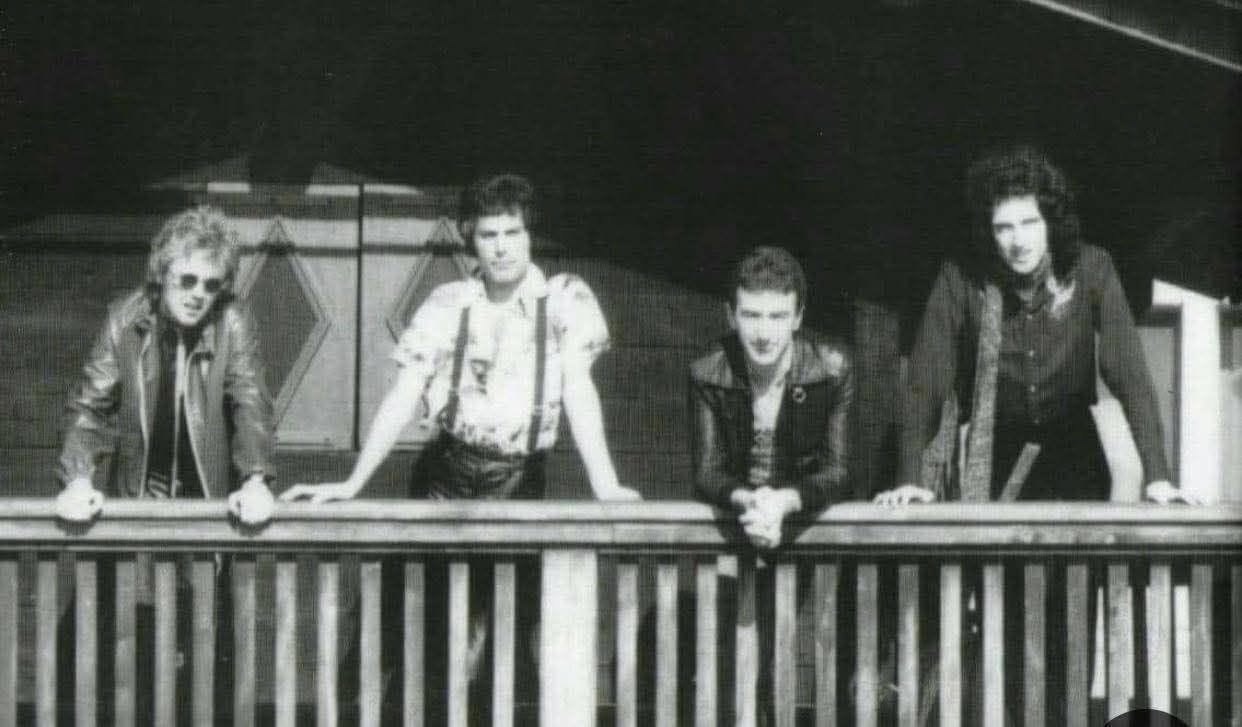
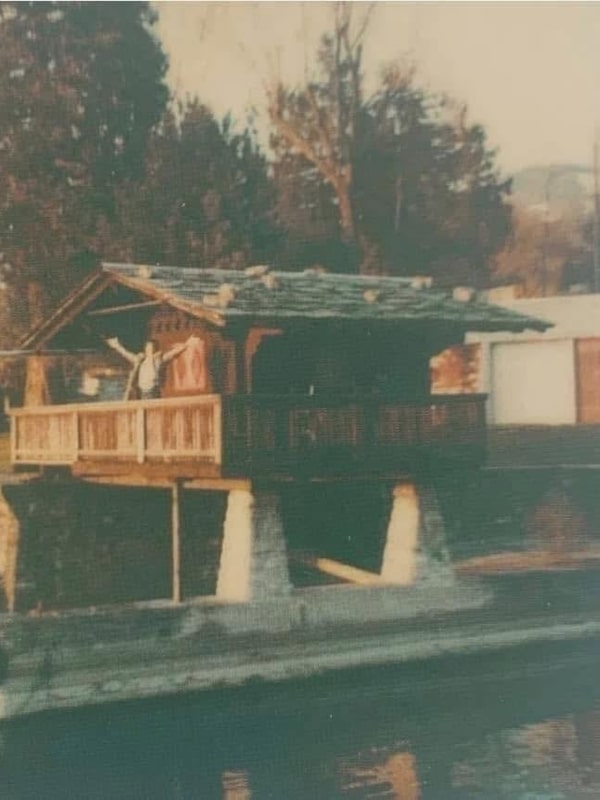
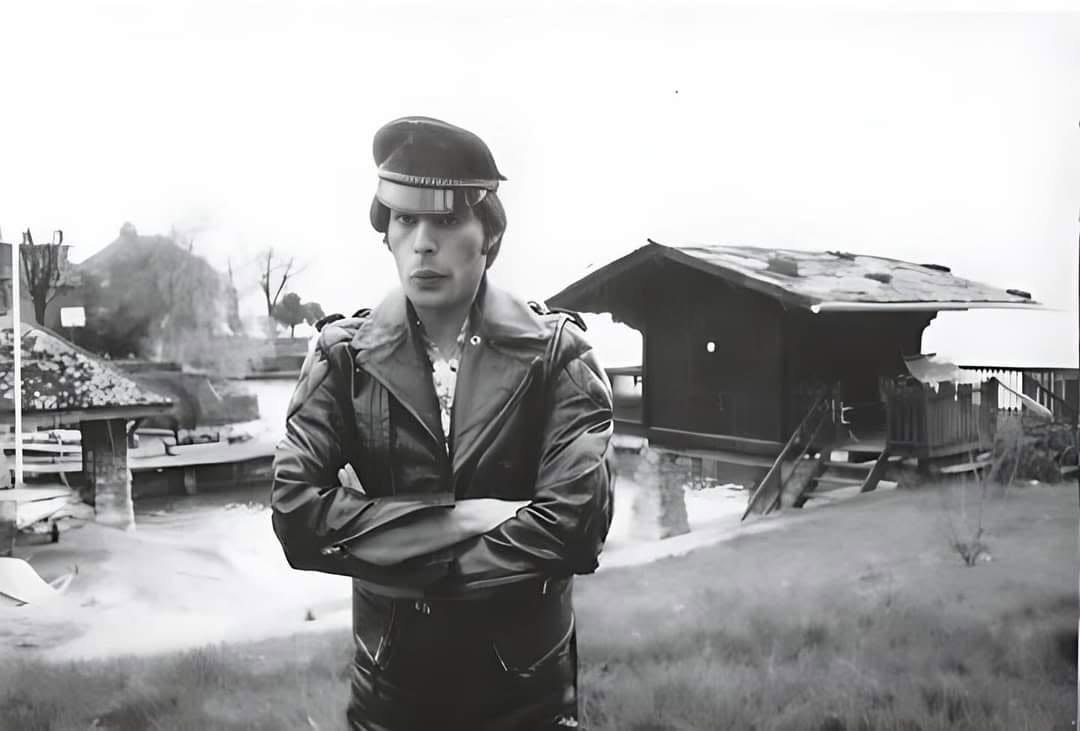
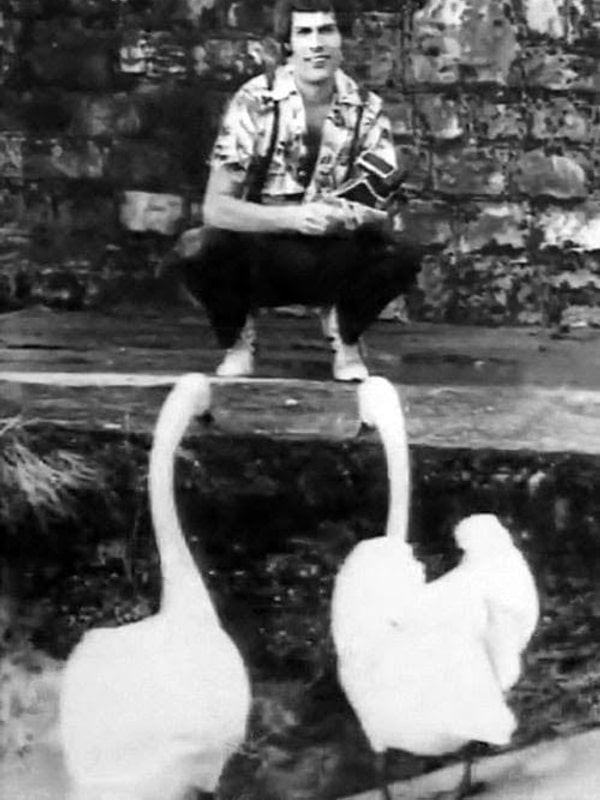
In the late 1970s, Freddie Mercury rented the Duck House several times, a lakeside villa in Clarens whose little boathouse appears on the cover of “Made in Heaven”. He stayed there before buying his own flat, in Territet.
“Under Pressure”, with David Bowie
In 1981, David Bowie, who lived right near Montreux, dropped by Mountain Studios one day while Queen were recording. To get to know one another, the musicians went down to play together. The improvisation started on the bass line found by John Deacon and, after a break at a local restaurant washed down with Vaud wine, the song took shape in a single burst, Brian May recalls (brianmay.com, 2016).
For the vocals, Bowie suggested a method: each of them went into the booth alone and sang, without listening to the others, the first ideas that came to mind. Freddie Mercury laid down his famous “De Dah Day” there, an improvised scat that survived all the way to the final mix, made a few weeks later in New York, where Freddie and Bowie did not quite agree on the result.
Eugene Chaplin, Charlie’s son, remembers it differently: it was he who is said to have gathered everyone for a birthday party, Bowie not having seen Queen for a long time, before Freddie invited the singer to come and listen to some sounds. One evening, “Under Pressure” was born (Eugene Chaplin).
That meeting left more than just “Under Pressure”: Peter Hince, Queen’s head roadie, who was in the studio, recalled that “a whole batch of never-released songs” came out of the same jam. “They were joking and playing each other’s songs; it was quite raw, but original,” he remembers (The Guardian, 13 July 2017).
1979: the Mountain Studios purchase
The band had come back to Montreux in 1978 for post-production on their live album, “Live Killers”. It was while working there that they decided to buy Mountain Studios rather than keep renting it, for its technical quality but also to shelter, in Swiss property, a fortune the British taxman was watching closely. Queen owned it from 1979 to 1993, recording all or part of seven albums there, from “Jazz” to “Made in Heaven” (Mercury Phoenix Trust).
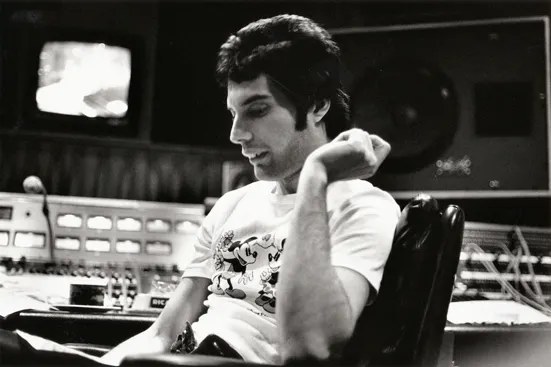
The idea was far from obvious to him at first. “The best place for this studio would be at the bottom of the lake!”, he once quipped, according to the assistant sound engineer of Mountain Studios: the place, too peaceful, ended up boring him, even if the studio proved remarkably productive. He changed his mind nonetheless, to the point of making it his home base (podcast “Under Pressure”, by Carole Harari and David Brun-Lambert, 2023).
Freddie Mercury saw a simple advantage in it: the studio belonged to the band, so studio time cost nothing. You could come back without counting the hours, stop, start again. That is why he was still recording there in his last working weeks. It is also where he cut a large part of “Barcelona”, his album with the soprano Montserrat Caballé.
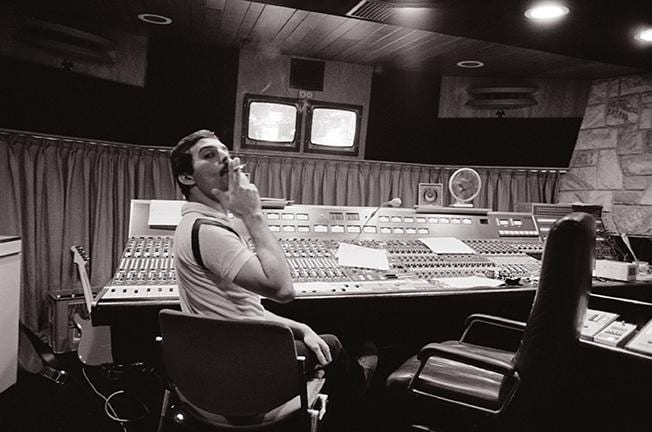
The studio stood in the Casino building, a few minutes from everything he liked here — the lake, the shops on the Grand-Rue, the tables where he was left in peace.
Montreux, his second home
From 1987, Freddie Mercury gradually grew attached to the area, so much so that he decided to divide his life between the Garden Lodge, his main London residence, and Montreux.
Montreux then became far more than a place of work. He kept his habits and his haunts there, and eventually acquired an apartment by the lake, in Territet: the town had become his second home.
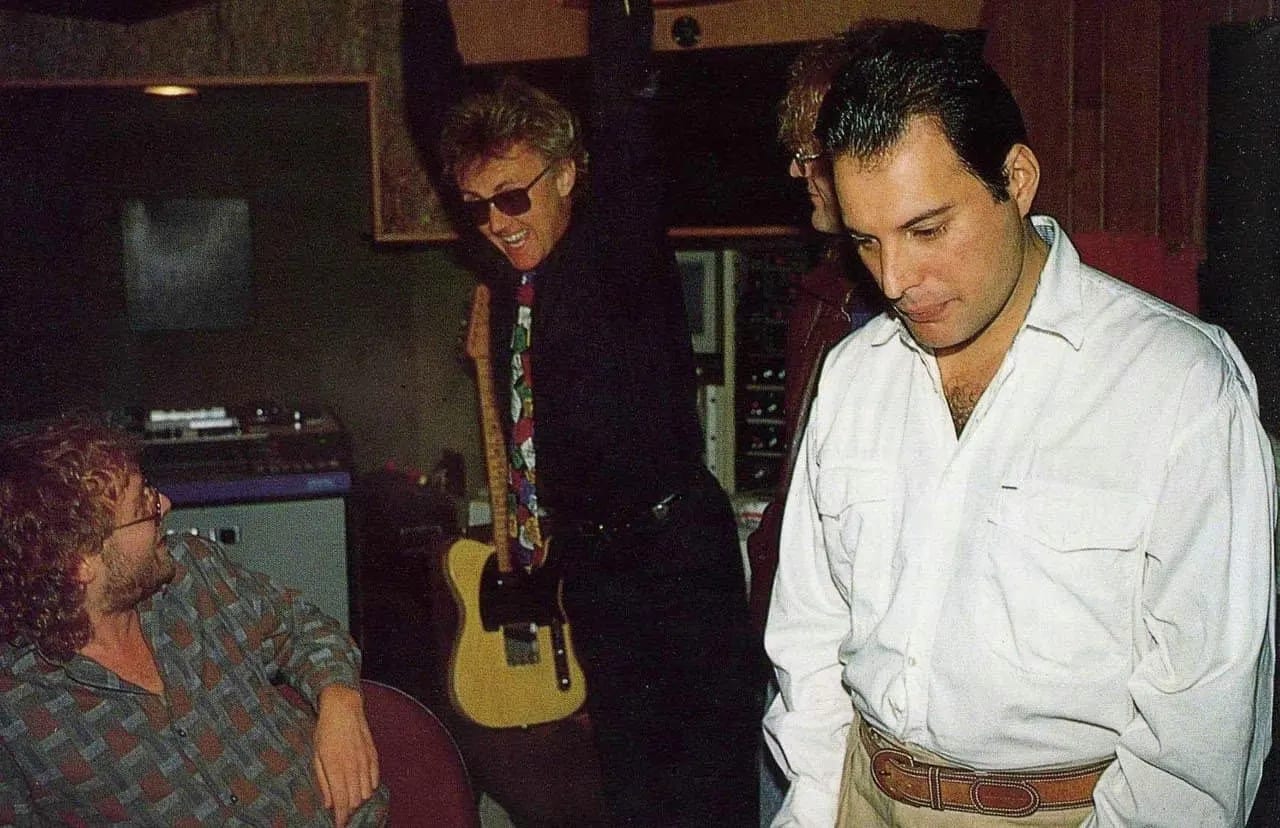
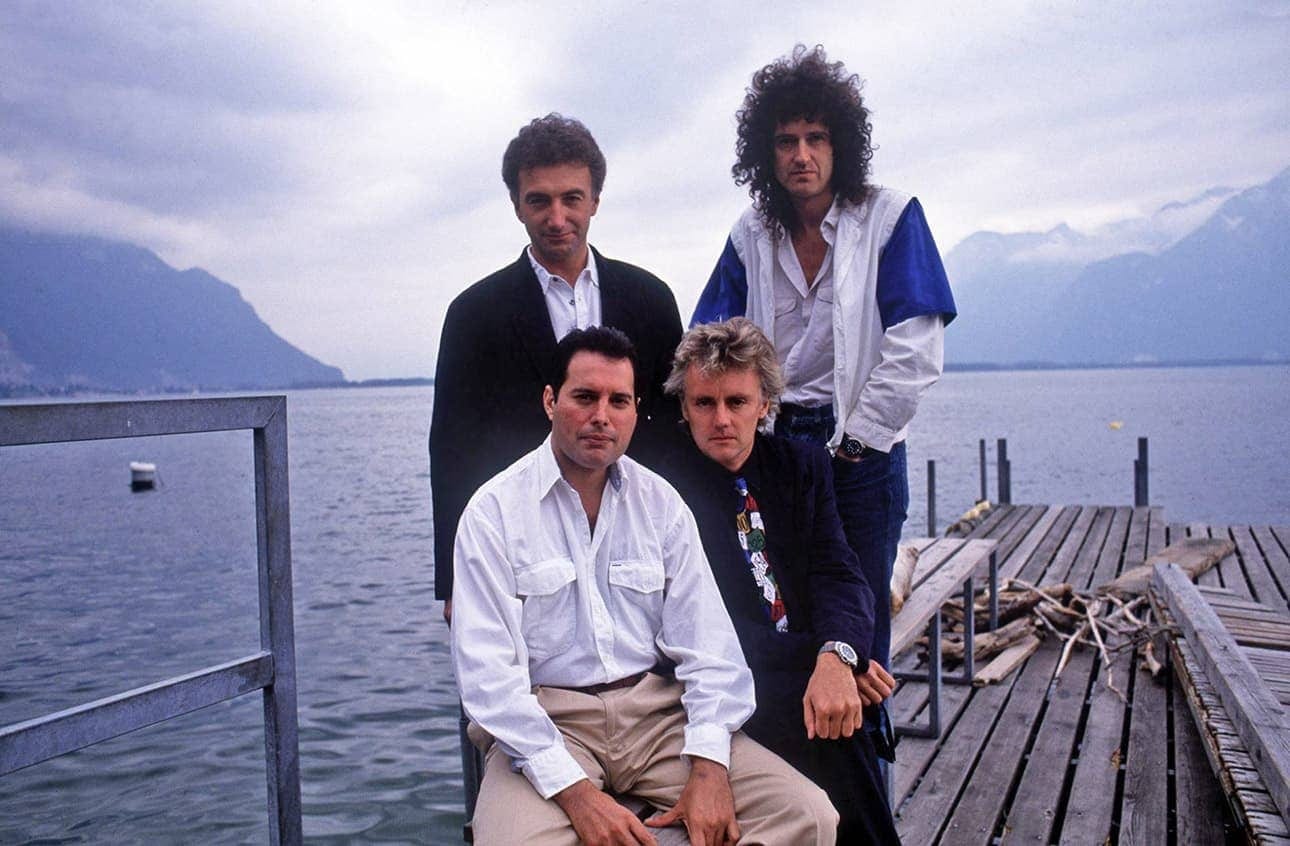
His personal assistant for twelve years, Peter Freestone, summed up what the singer found in Montreux: “Here, he was left in peace. We would walk from the Palace to the Mountain Studios by the Casino and no one came up to him on the way, which was unthinkable in England. He loved that calm, and the beauty of the landscape inspired him” (Riviera Chablais, Laurent Grabet, 1 July 2026). With his bodyguard and driver Terry Giddings, taken on in 1982, Freestone went with him on every stay and was one of the close circle he treated as family.
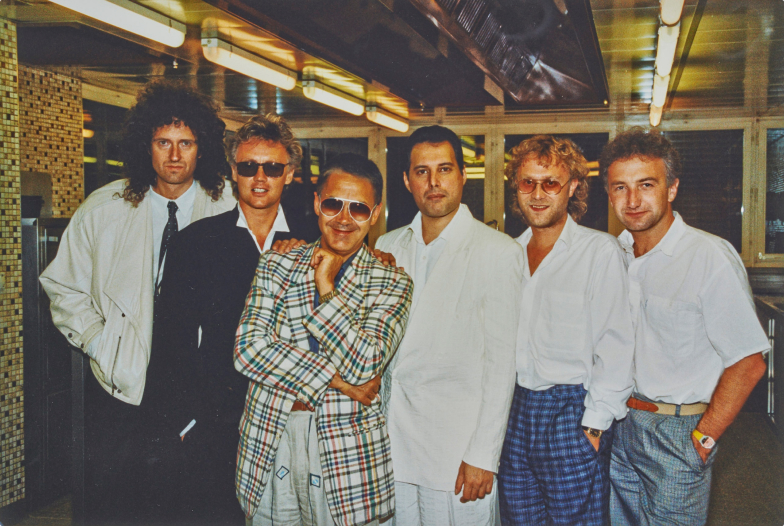
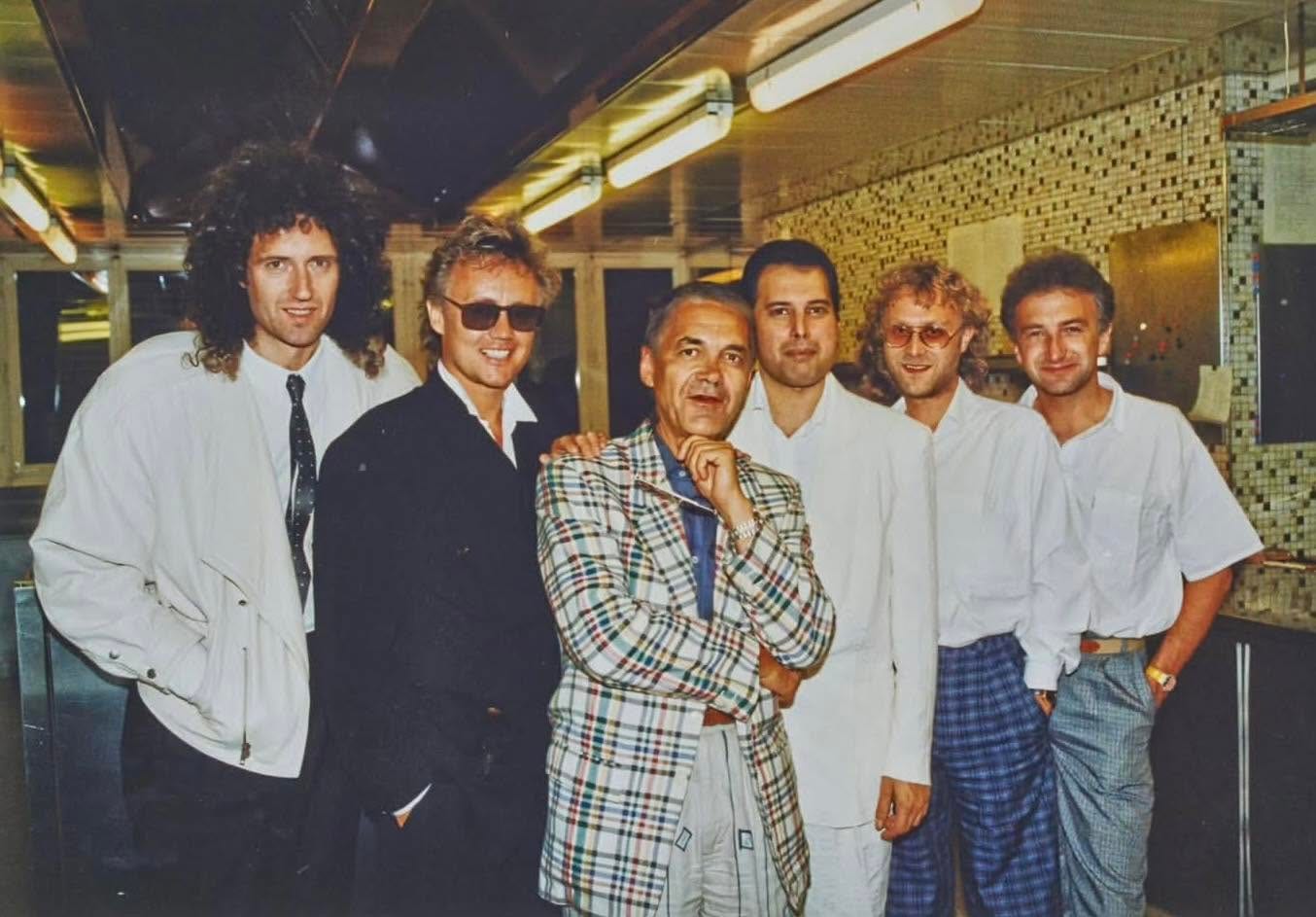
Queen’s two appearances at the Golden Rose
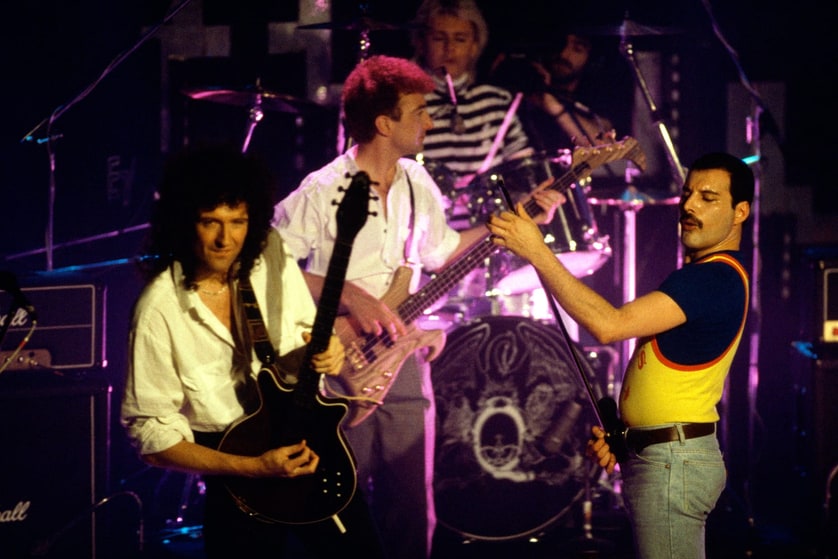
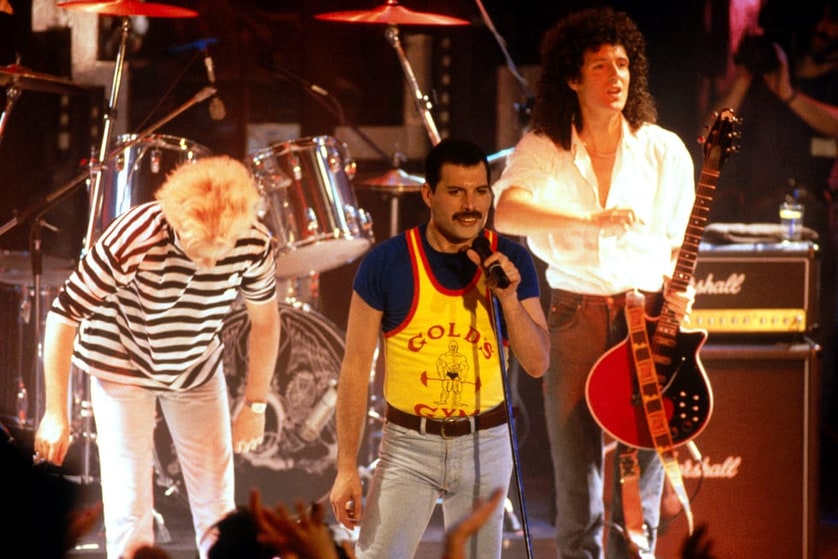
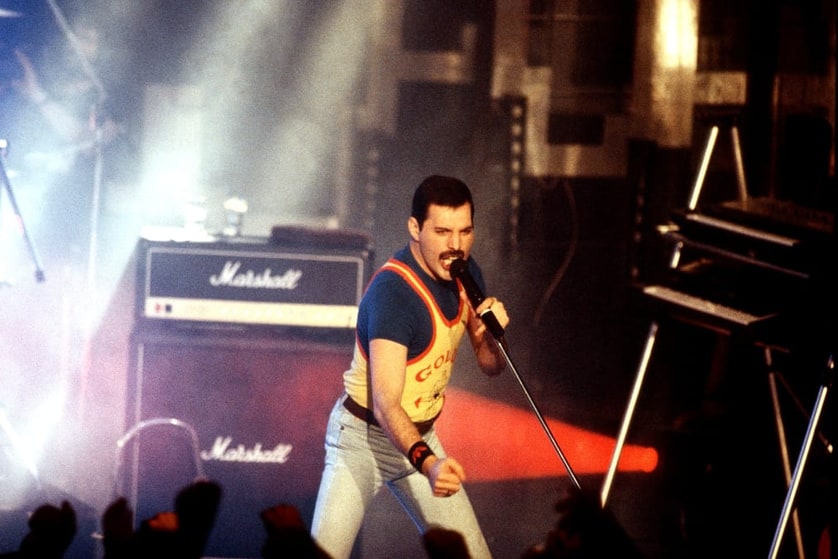
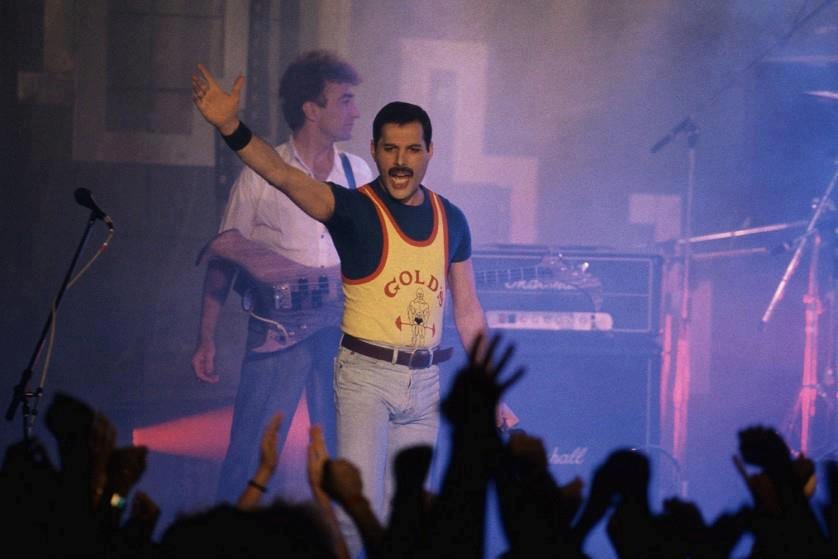
Queen appeared twice at the Golden Rose, Montreux’s television festival. The first time on 12 May 1984, at the Petit Palais, the former Pavillon des Sports: the band mimed four songs in support of “The Works” — “Radio Ga Ga”, “Tear It Up”, “It’s A Hard Life” and “I Want To Break Free”.
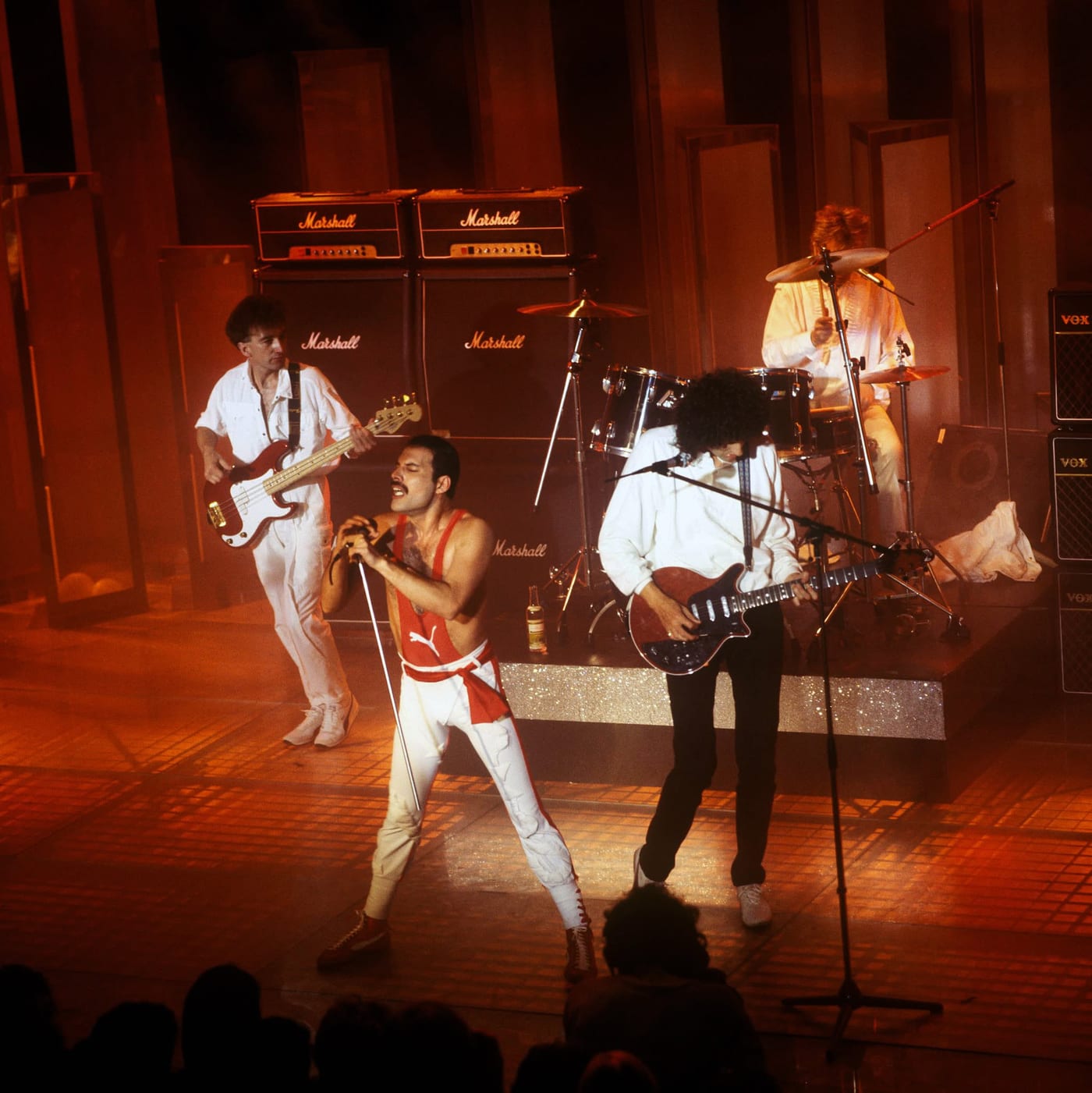
The second time on 11 May 1986, at the Casino, the day after the famous press reception aboard the “Italie”. Queen, on the other hand, never played the Montreux Jazz Festival: for the band the town was a place to work and to live, not a festival stage.
The press reception aboard the “Italie”
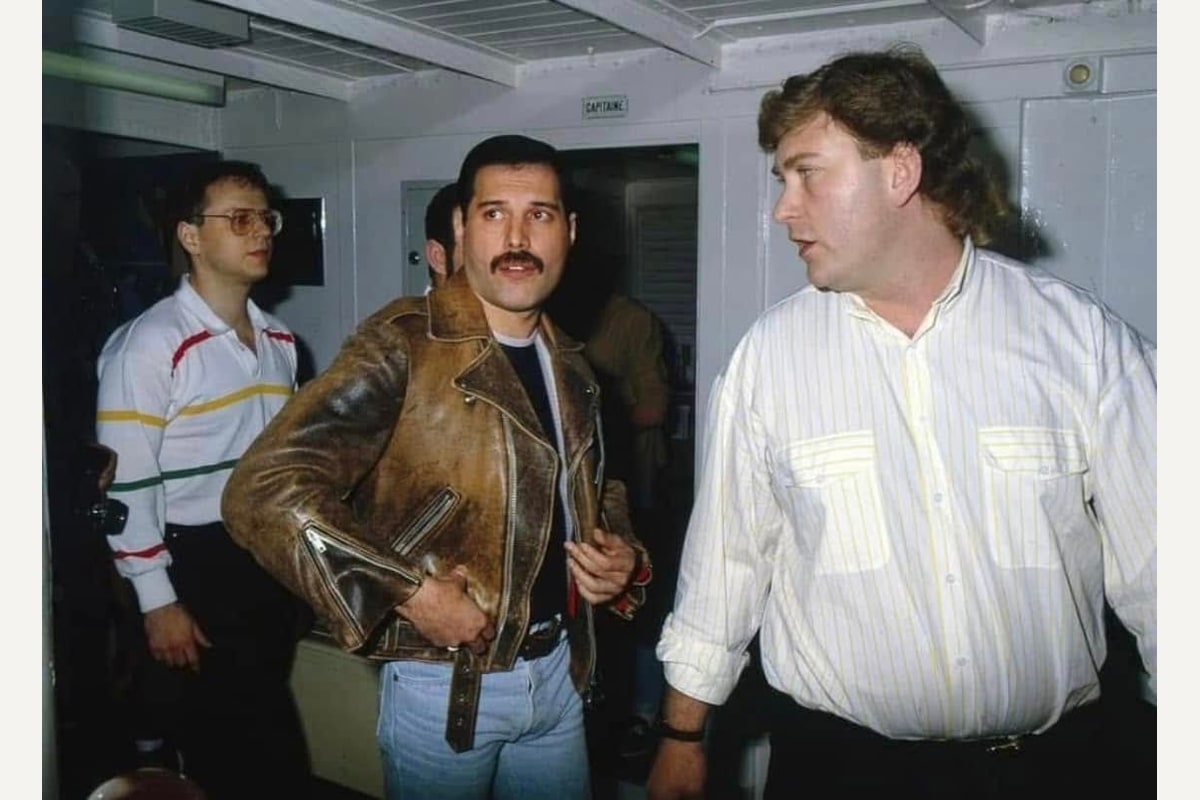
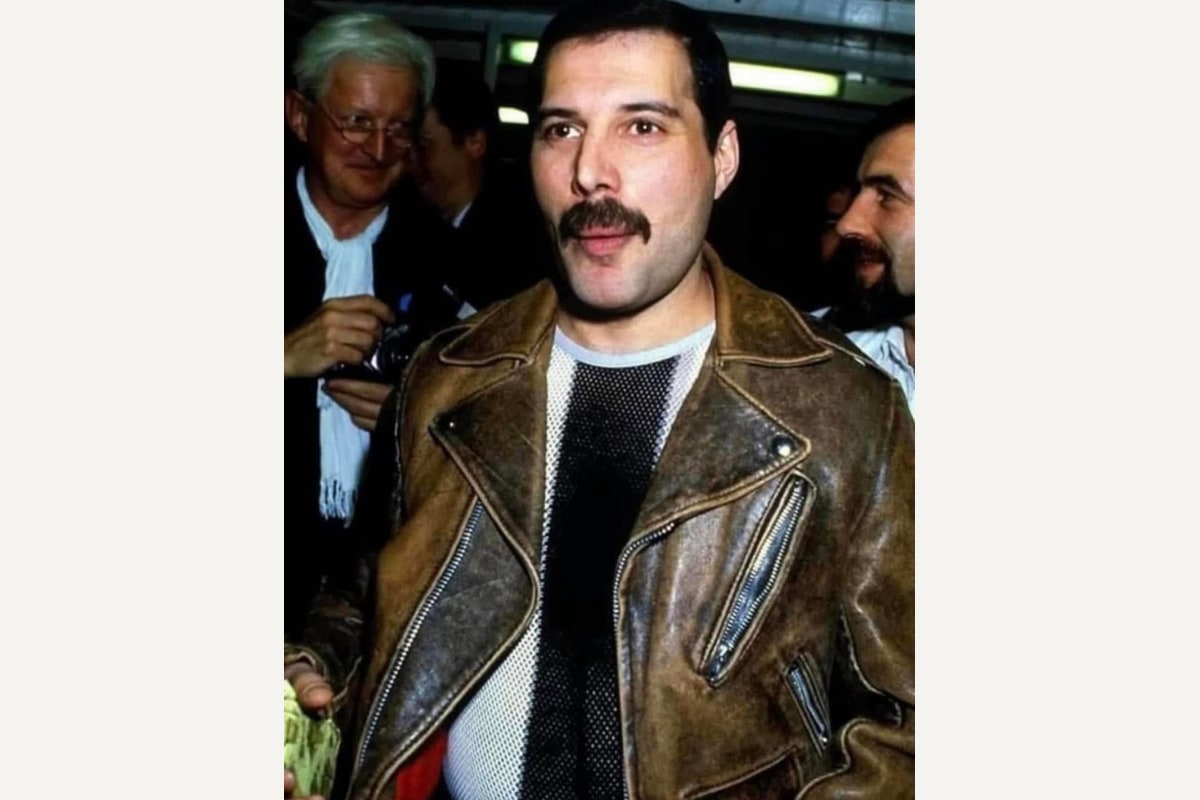
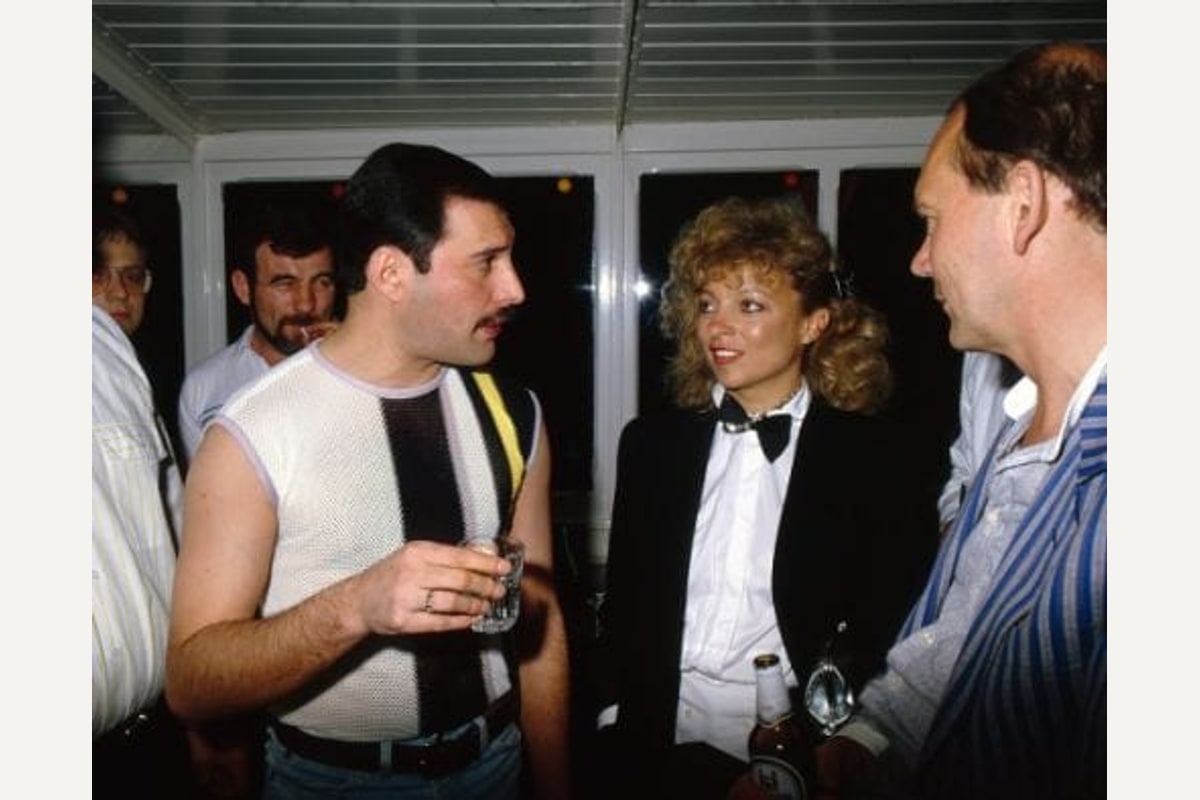
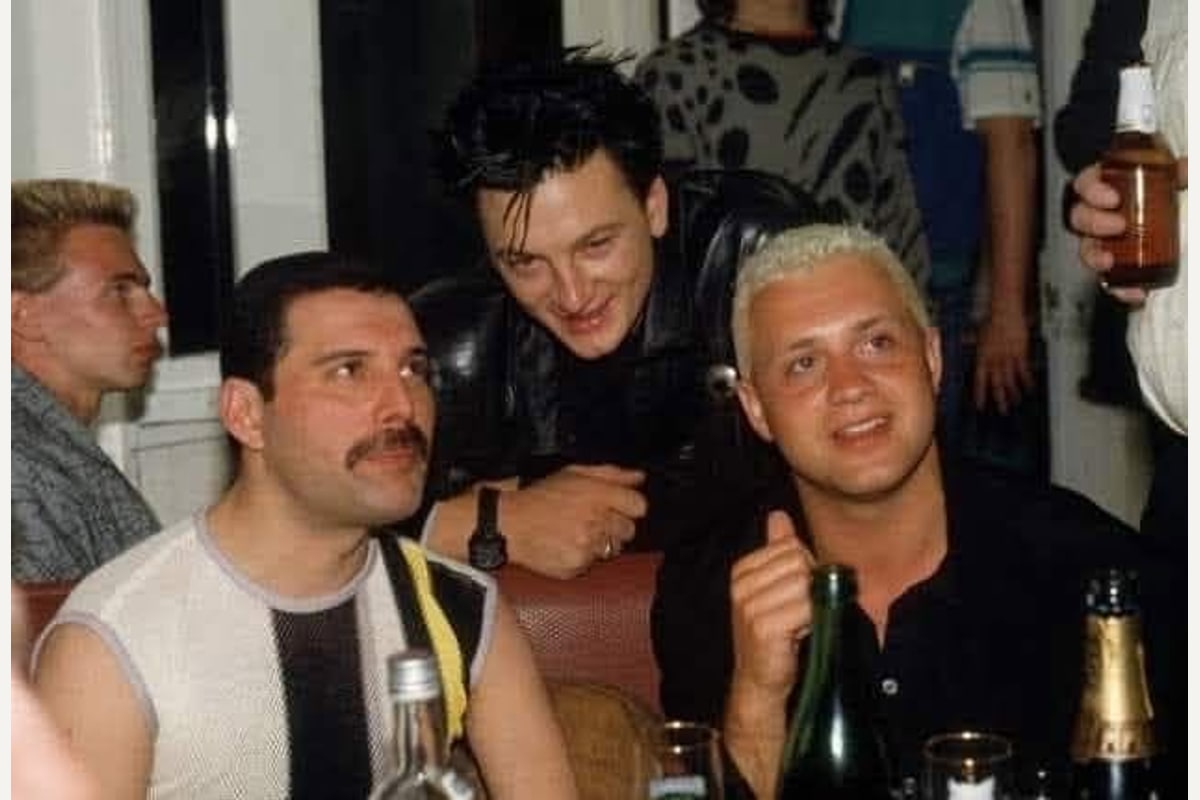
The day before that stage appearance, on 10 May 1986, the band had received the international press aboard the “Italie”, a 1908 boat chartered by their manager Jim Beach, for a cruise on Lake Geneva. The party was held around the new album, “A Kind of Magic”.
Among the guests were Mark O’Toole of Frankie Goes To Hollywood and the singer Belouis Some. The day left many photographs behind, and it is one of the rare occasions when Queen appeared at such length in public in Montreux.
To create a stir, performers from the Hungaria cabaret had mingled with the guests before undressing at the agreed moment; the next day the international press talked only of this “incident”. The anecdote is told by Vicky Vocat, who witnessed it.
His life in Montreux
Away from the studio, he lived in Montreux like a resident. He would push open the door of the Bazar Suisse, the little souvenir shop facing the square where his statue now stands, and go up to Funky Claude's Bar at the Montreux Palace — then called Harry’s Bar — where Queen came to unwind. Tania Gauger, who ran the bar at the time, came to know him well there: in a 2007 interview (Montreux Celebration) she described him as the calmest of the group, “very shy and polite”, arriving after the sessions between midnight and one in the morning. Up in the hills, he was also a regular at Claude Nobs’s chalets, where the festival’s founder gathered his friends.
He had his tables. La Rouvenaz, where the band dined regularly and where Freddie sat at table 19. The La Bavaria brasserie, right by the studio, for its rösti. Le Pont de Brent, up in the hills. And Denis Martin’s restaurant, then in Yvorne, where Queen went at least twice a week during the sessions: Freddie would turn up in a blue suit and a yellow tie.
He had even adopted a local wine, the Saint-Saphorin from the Lavaux vineyards, which he had shipped to London by the case.
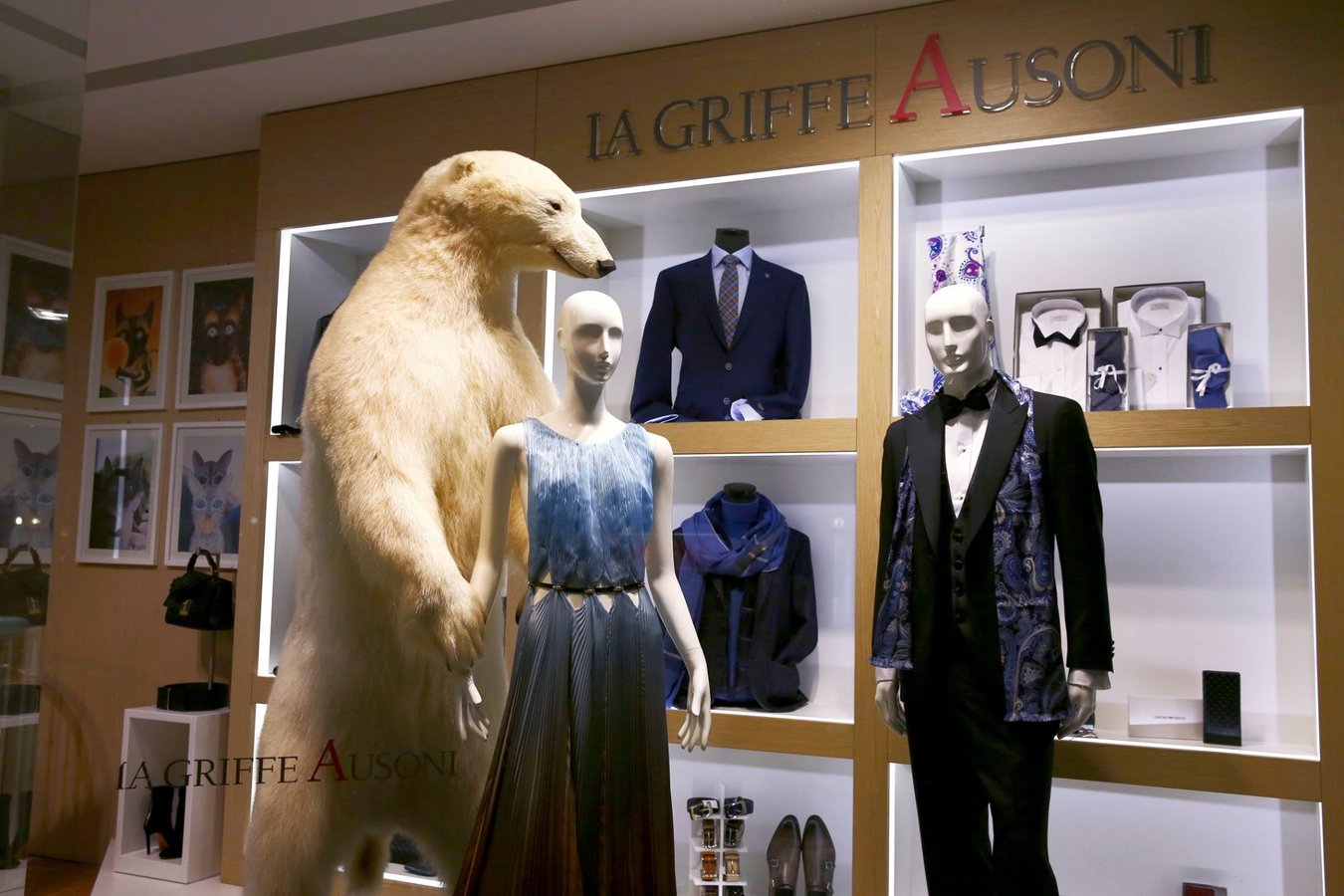
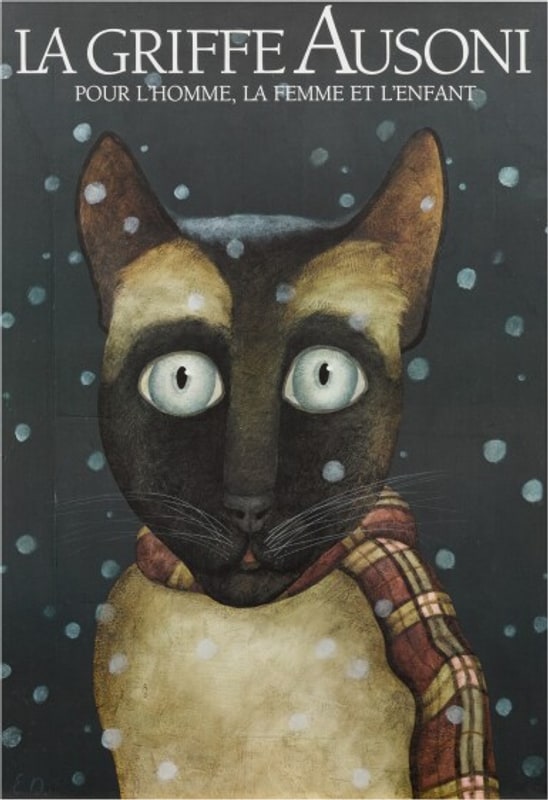
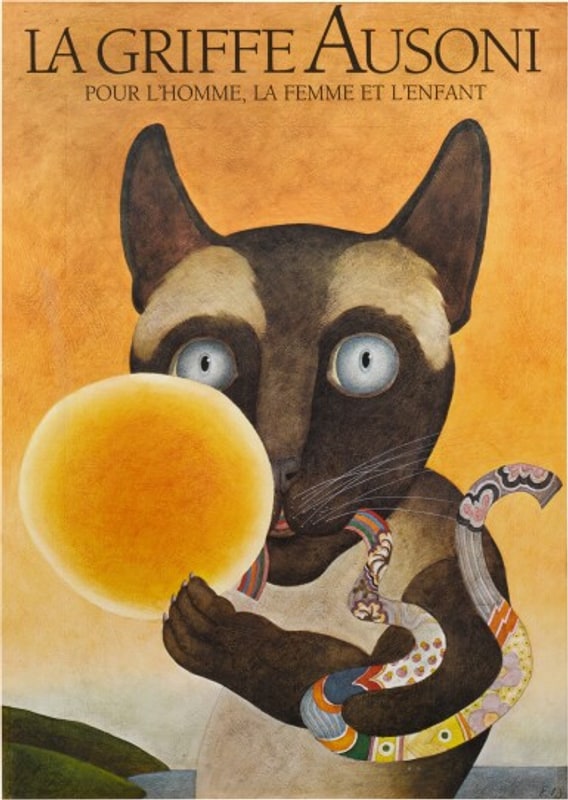
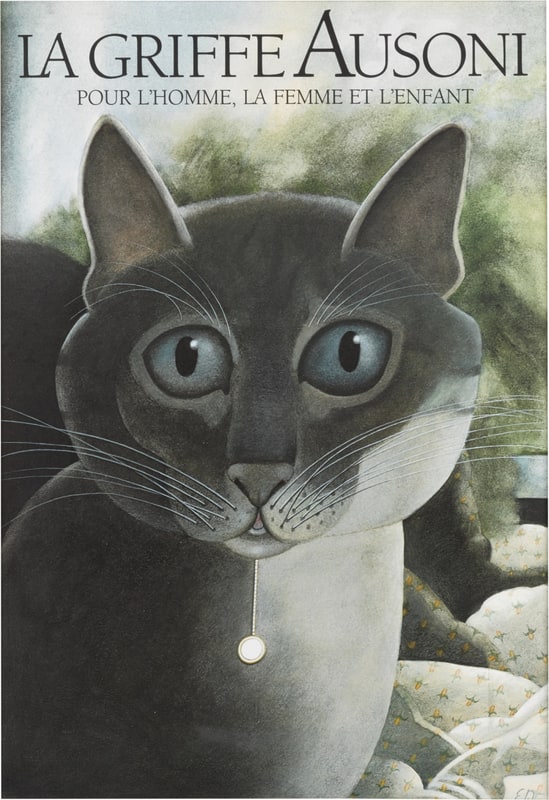
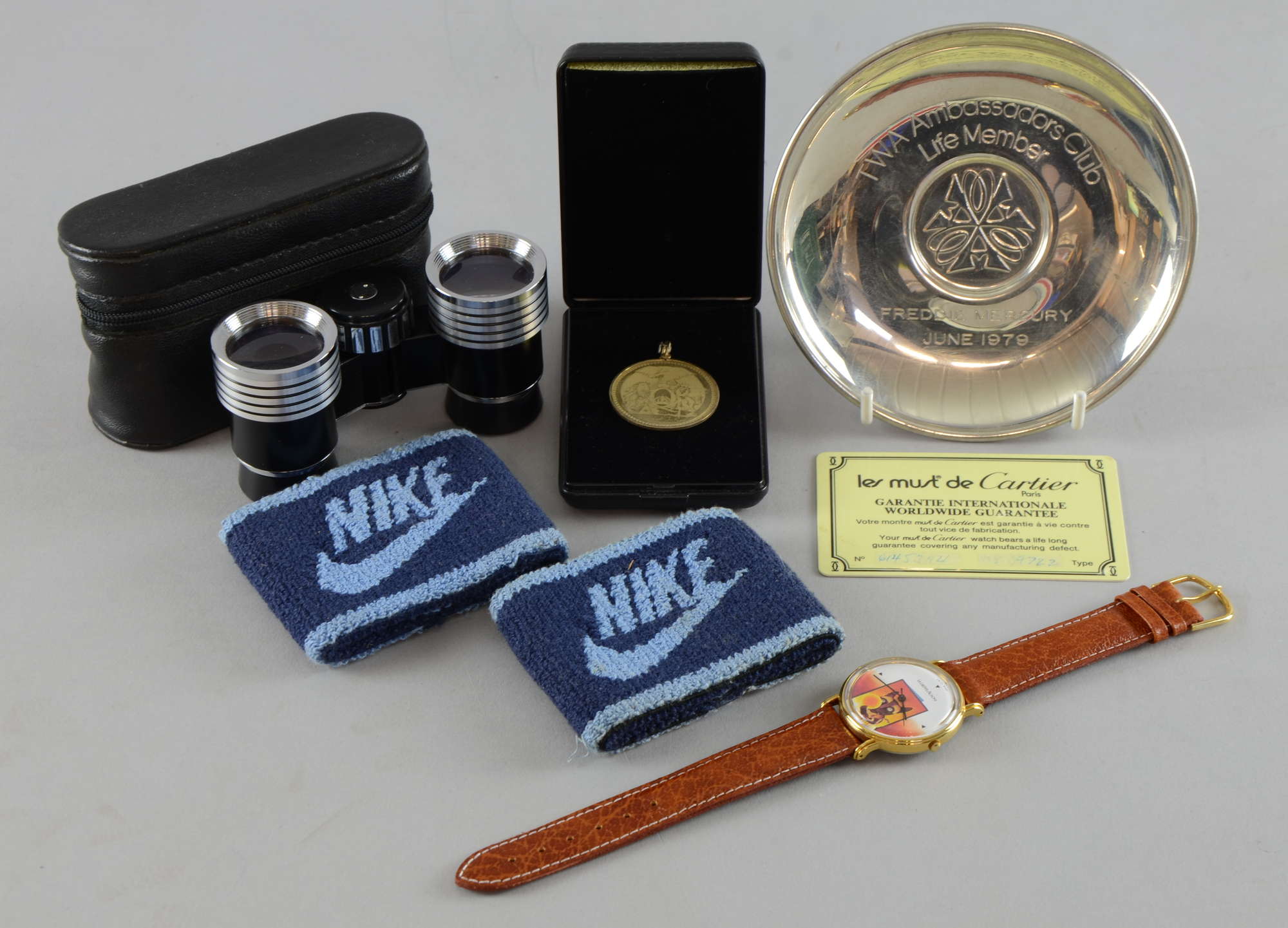
In the evening he would sometimes drop in at the Platinum, the Casino’s discotheque, where Patrick Juvet crossed his path several times. At the ready-to-wear house La Griffe Ausoni, on the Grand-Rue, he bought cashmere, especially towards the end of his life, lighter and more comfortable to wear, recalls Maria Ausoni. He would also give friends absurdly expensive shoes from the same house, simply “for the pleasure of giving”, his bodyguard Terry Giddings recalls (Riviera Chablais, Laurent Grabet, 1 July 2026).
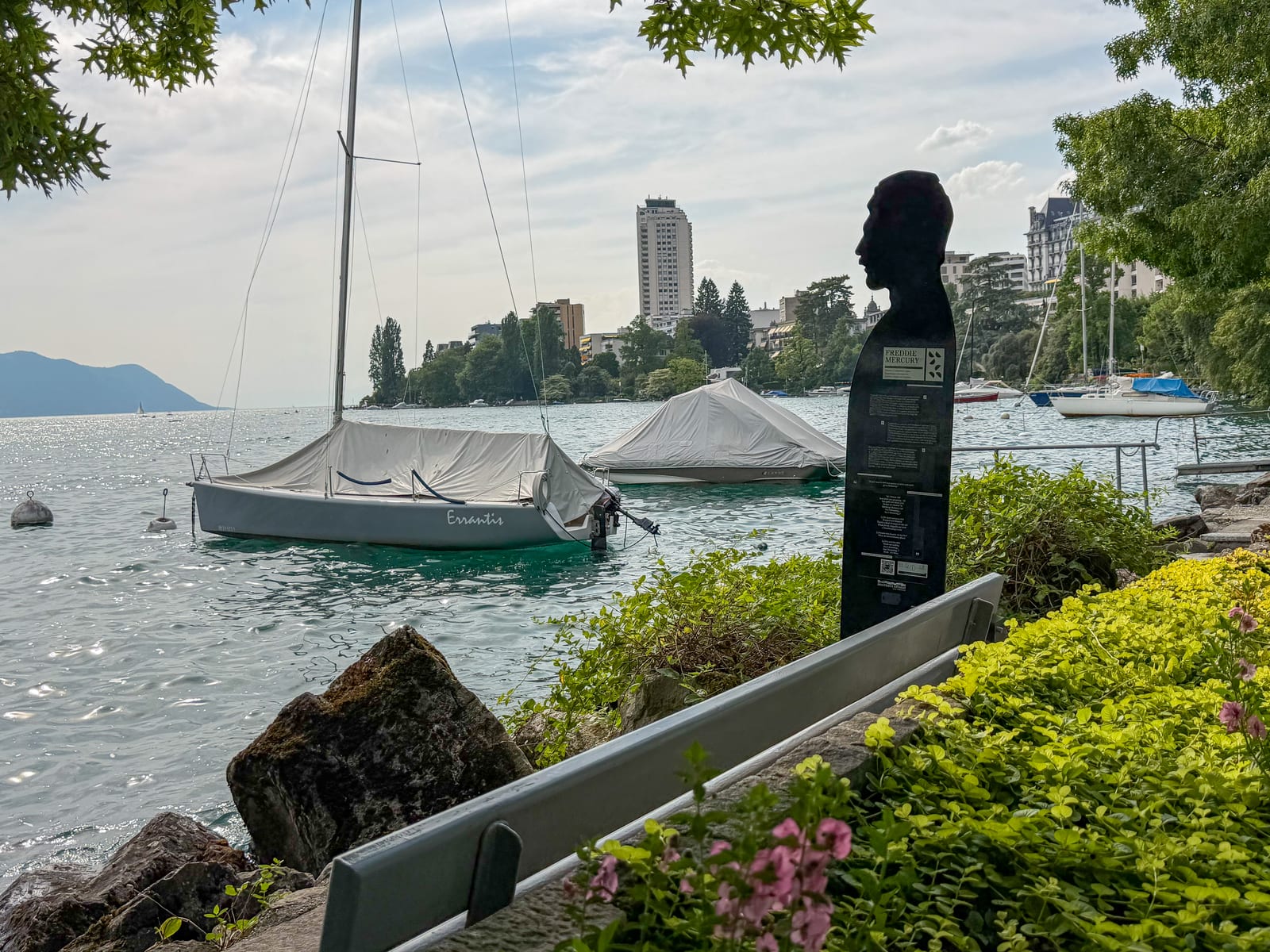
After his death, the tributes multiplied. The Banc Freddie Mercury, a silhouette on the “Rencontres & Inspiration” trail, stands right by his Les Tourelles flat, in Territet. The Japanese kimono he gave to Thierry Amsallem and Claude Nobs is on show at the Montreux Palace. And near the station, The Freddie Mercury Hotel pays tribute to him throughout its décor.
The Montreux Palace and suite 721
Freddie Mercury stayed at the Montreux Palace. He lodged there during the recording of “Jazz” in 1978, then for “Hot Space” in 1982 and “A Kind of Magic” in 1985. A 1990 photograph, taken on a balcony of the palace with Jim Hutton and Barbara Valentin, shows that he came back later still.
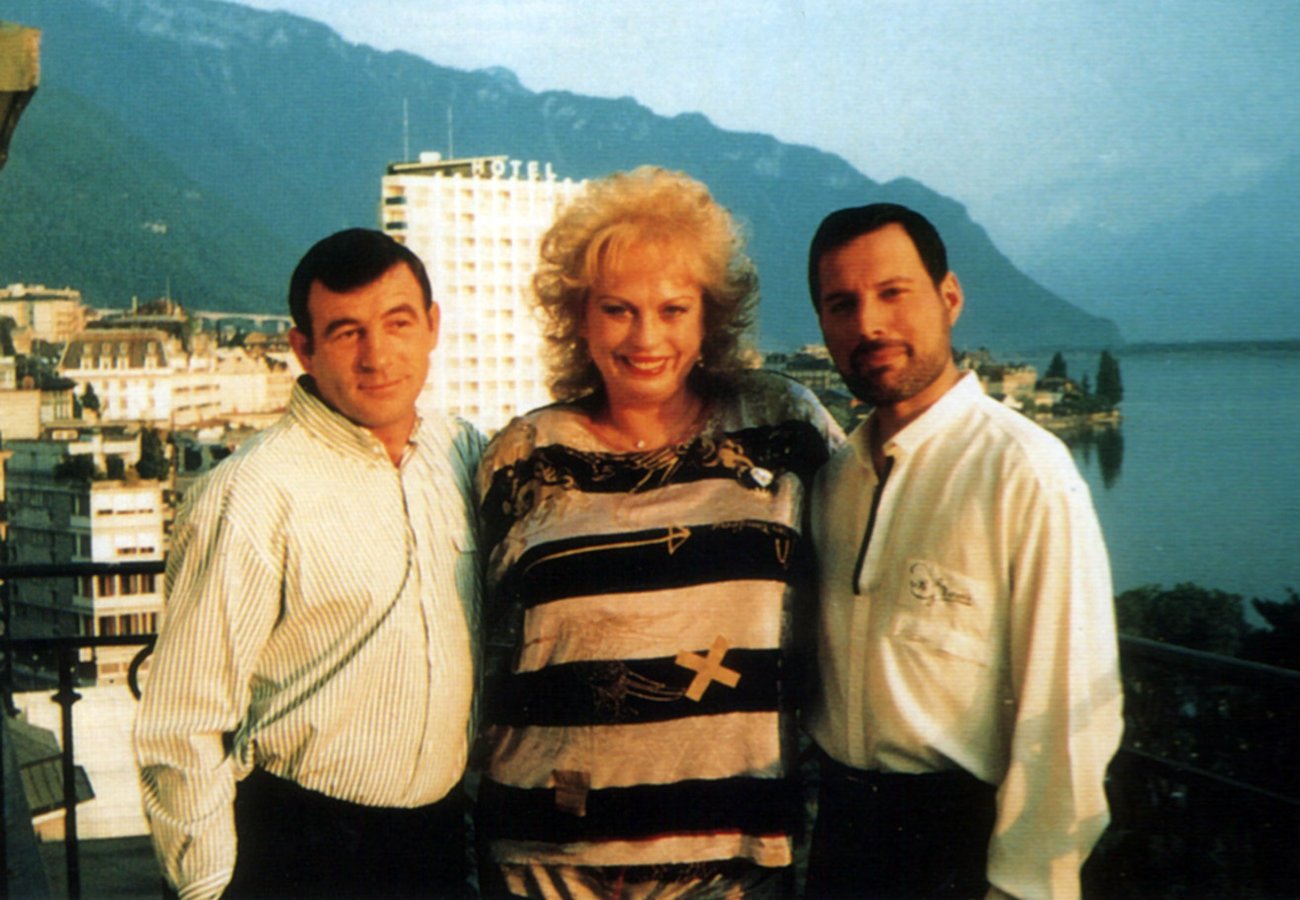
The hotel now keeps a suite that bears his name, number 721. It came from the conversion of the attic in 1981: three suites were fitted out on the seventh floor, each with a garden terrace, at the cost of long months of scaffolding on the façade.
According to his assistant Peter Freestone, on his blog in November 2012, it is the last suite where Freddie stayed. A plaque bearing his name hangs in the corridor, and the suite gathers several of his portraits and an authentic autograph.
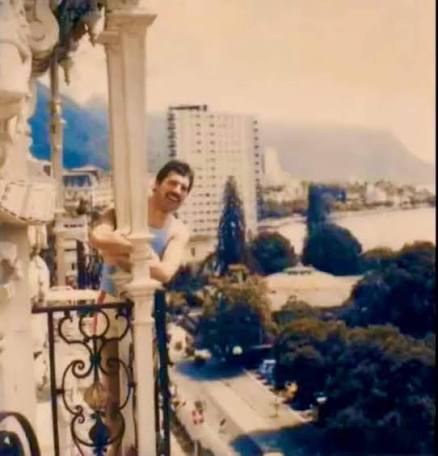
The apartment at Les Tourelles
In 1991, as his illness progressed, Freddie Mercury bought a penthouse apartment at Les Tourelles, a Belle Époque building on the Quai des Fleurs in Territet, found for him by Jim Beach, Queen’s manager. Four and a half rooms, 207 m², and above all an unobstructed view of Lake Geneva and the Dents-du-Midi.
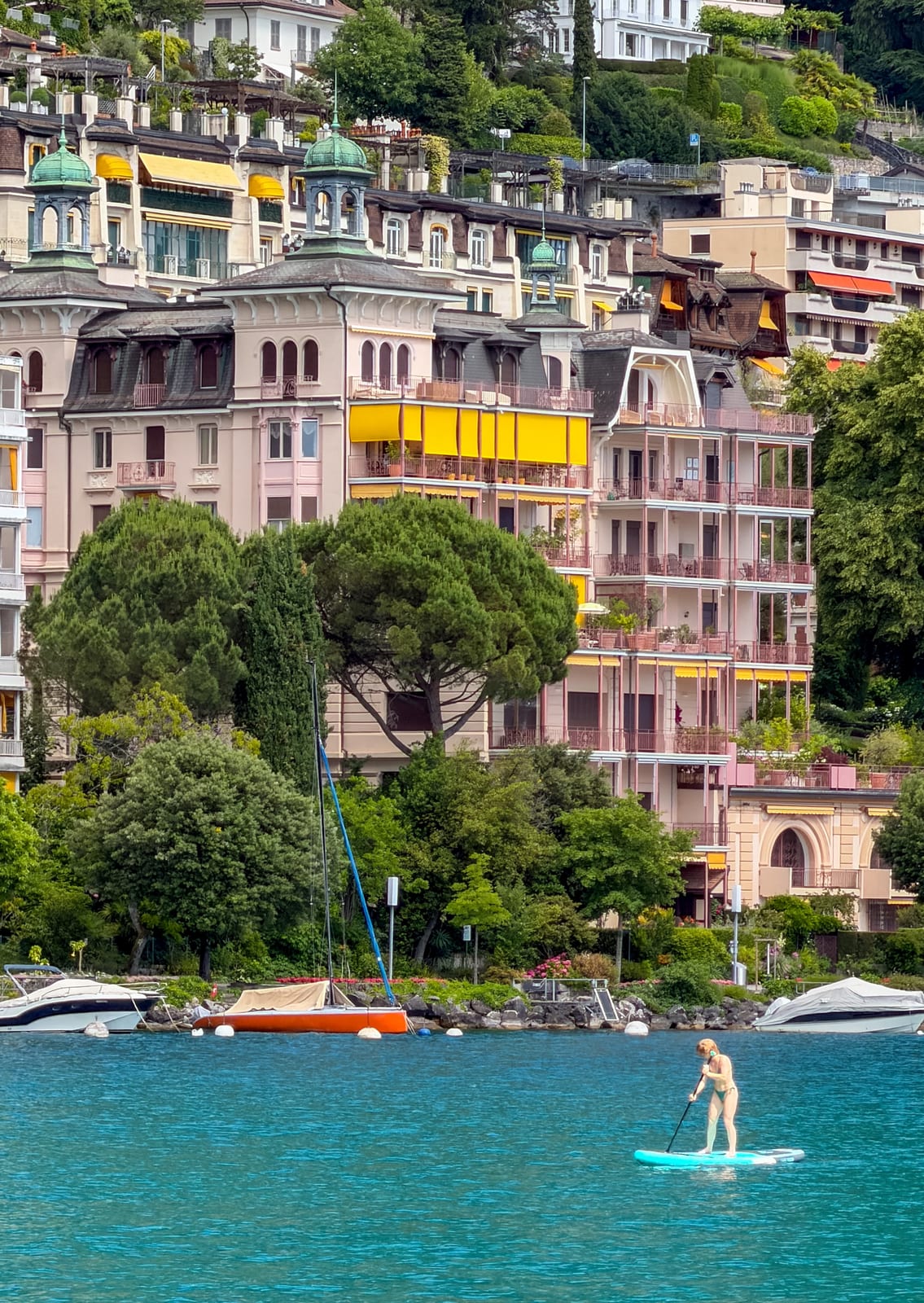
That view produced a song. After the “Innuendo” sessions, contemplating the lake from a Montreux window, he wrote and composed “A Winter’s Tale”, a piece that simply describes the landscape before his eyes. Accounts differ on the exact spot. Brian May places the writing at the Duck House, the lakeside villa in Clarens seen on the cover: “Freddie wrote the song in Montreux, in a little house on the lake that we called the Duck House,” he told Mojo magazine. His partner Jim Hutton, in “Mercury and Me” (1994), and his assistant Peter Freestone place it instead at the window of the Les Tourelles apartment, in Territet. They also recall that Freddie made his last stay in Montreux only a few weeks before his death. He would record it in a single take, live in the studio, a way of working extremely rare for him. The song would only be released four years after his death. The official video, directed by Hannes Rossacher and Rudi Dolezal, is a montage of Montreux under the snow; two versions exist, one in which the lyrics appear on screen in Freddie Mercury’s own handwriting, the other without.
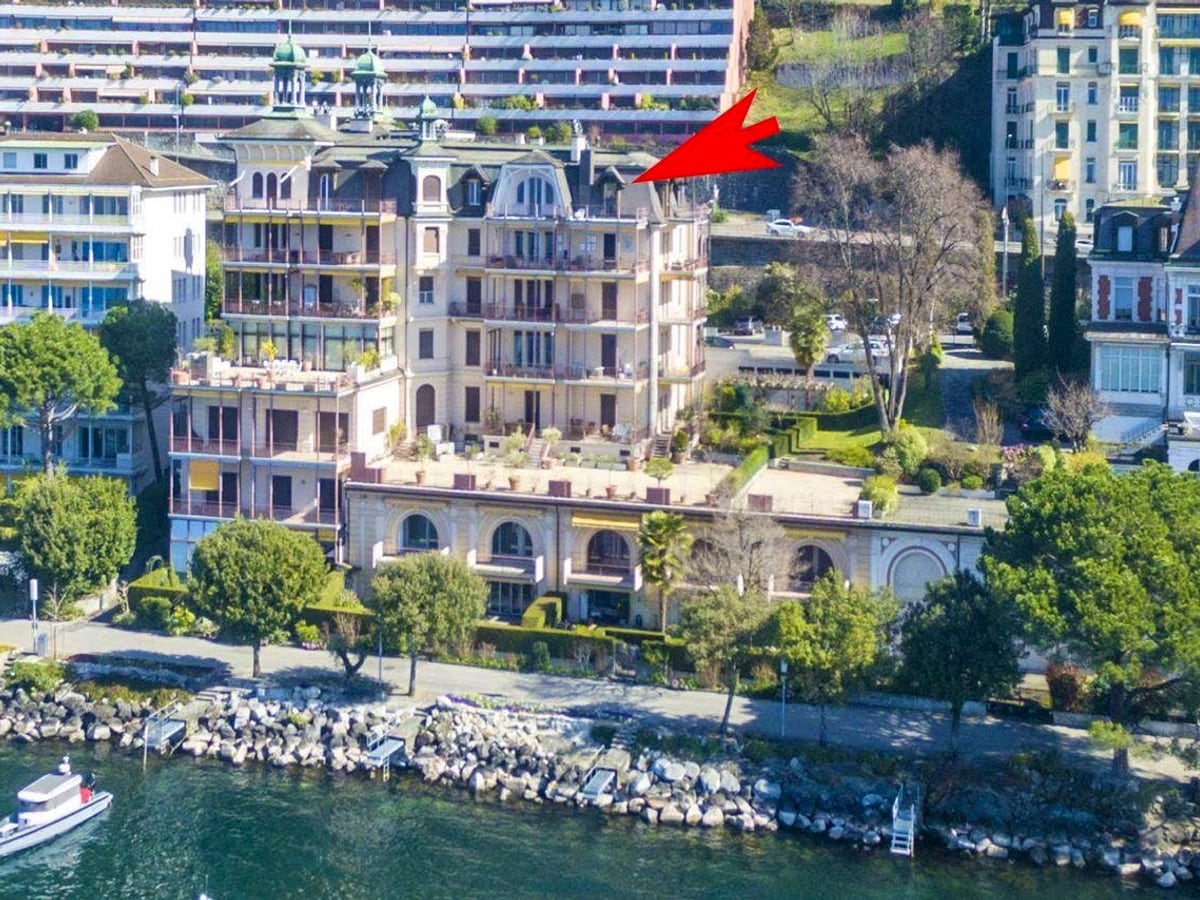
To furnish that flat, in the summer of 1991, he went to Viquerat Décoration in Clarens and put together a set of Directoire and Empire pieces, mixed with Japanese and Chinese lacquerware. Persian by origin, he had also met at the Montreux Palace Shahriar Gharibi, the Persian-rug dealer of the Palais Oriental, and, taken with one of his rugs, had invited him to his home.
He lived there for about a year: the last year of his life. The apartment was sold at auction in 2020.
The final takes
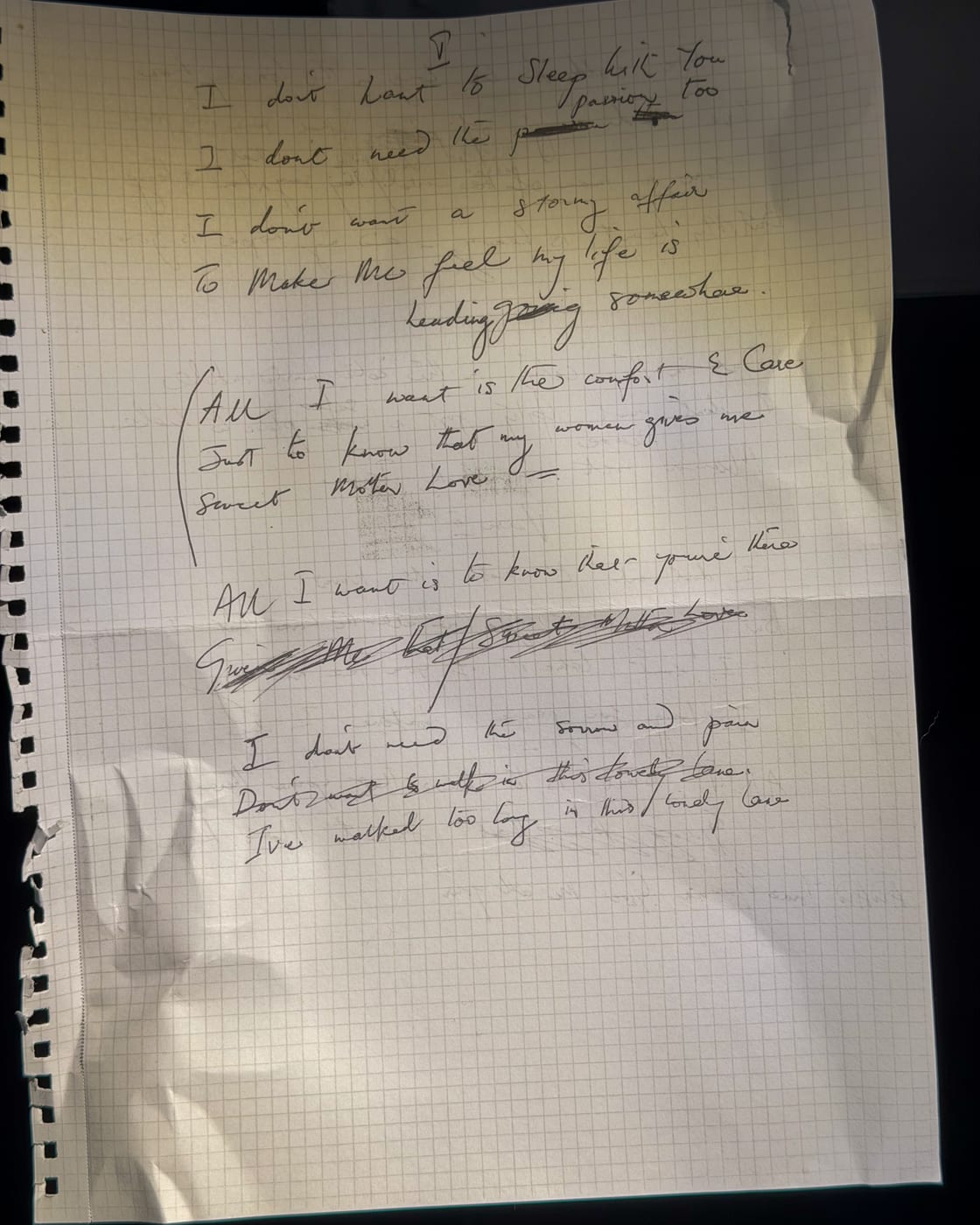
From 13 to 16 May 1991, at Mountain Studios, Freddie Mercury recorded “Mother Love”, written with Brian May. He sang most of the song on 13 May. Then he stopped: he would never record the final verse.
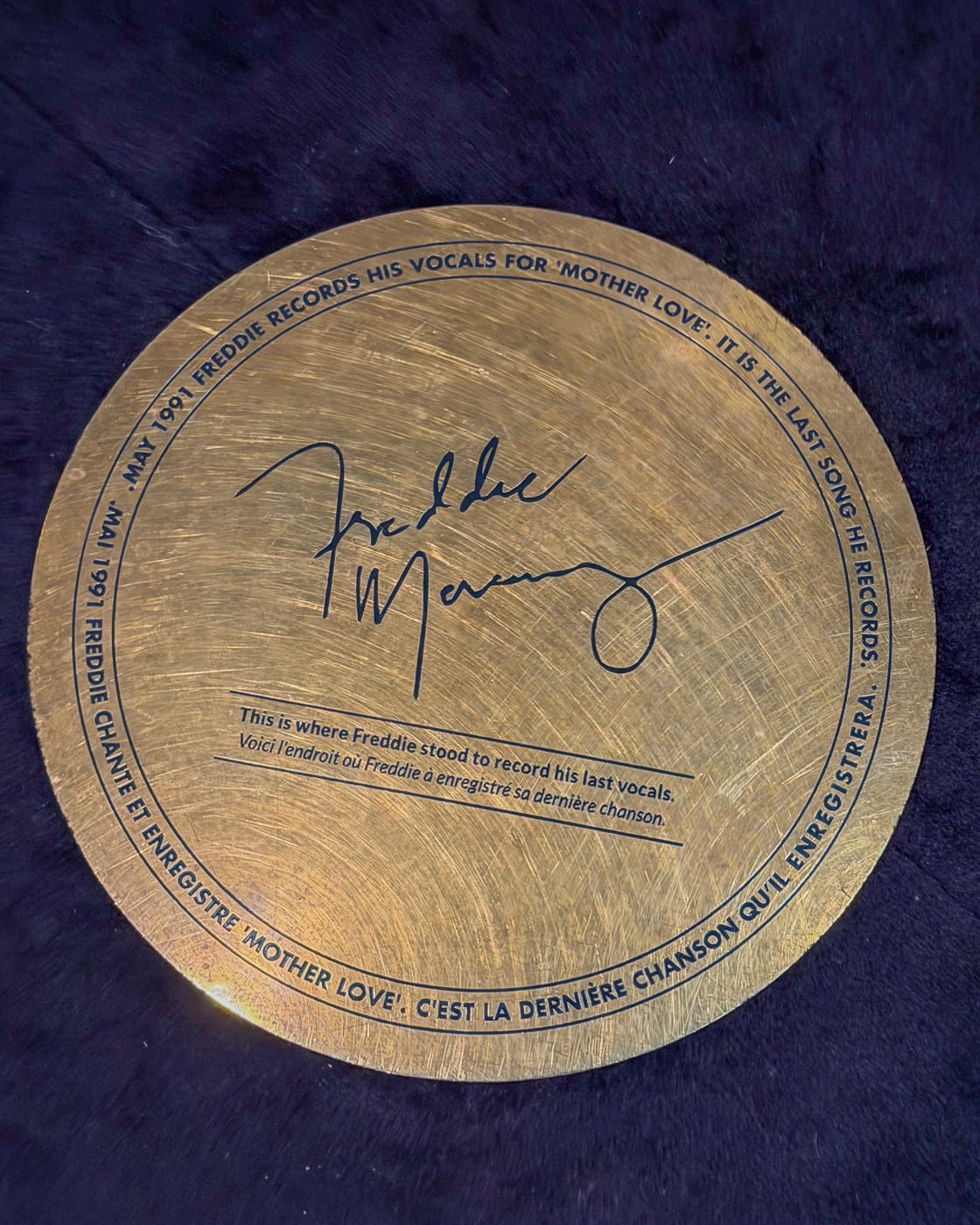
It was Brian May who sang it, later, using Freddie’s demo vocal as a guide. The track remains, as it stands, Freddie Mercury’s last vocal take.
A plaque set into the floor of the former studio, now a museum, marks today the exact spot where he stood to record his last vocals.
10 November 1991: the last departure
After the May 1991 takes, he came back to Montreux a few more times. He left for the last time on Sunday 10 November 1991 (Mercury Phoenix Trust).
He died in London fourteen days later, on 24 November.
His circle stayed loyal to the very end. One day in 1987, he told his staff of his illness, one by one, face to face. “He said to me: ‘You know, I’m not well… you know what I’ve got, don’t you?… I’ve got AIDS, and this is the last time we’ll talk about it, because I have a life to live!’ And that’s exactly what happened, because Freddie didn’t want our pity,” recalls his assistant Peter Freestone. His bodyguard Terry Giddings kept the secret, even from his own family (Riviera Chablais, Laurent Grabet, 1 July 2026).
The posthumous album “Made in Heaven”
In 1993 Brian May, Roger Taylor and John Deacon came back to Mountain Studios to finish the tracks begun with him in early 1991. The result was “Made in Heaven”, released on 6 November 1995: thirteen tracks assembled from recordings spanning fifteen years, from 1980 to 1995.
Some existed only as vocals laid down before his death — “A Winter’s Tale”, written in Montreux from a window looking onto the lake, is one of them.
For the cover they chose his Montreux statue, silhouetted against Lake Geneva at dusk. The same lakeside landscape can be seen from the Duck House, the villa on the shore at Clarens where the band had stayed.
The emblematic Freddie Mercury statue
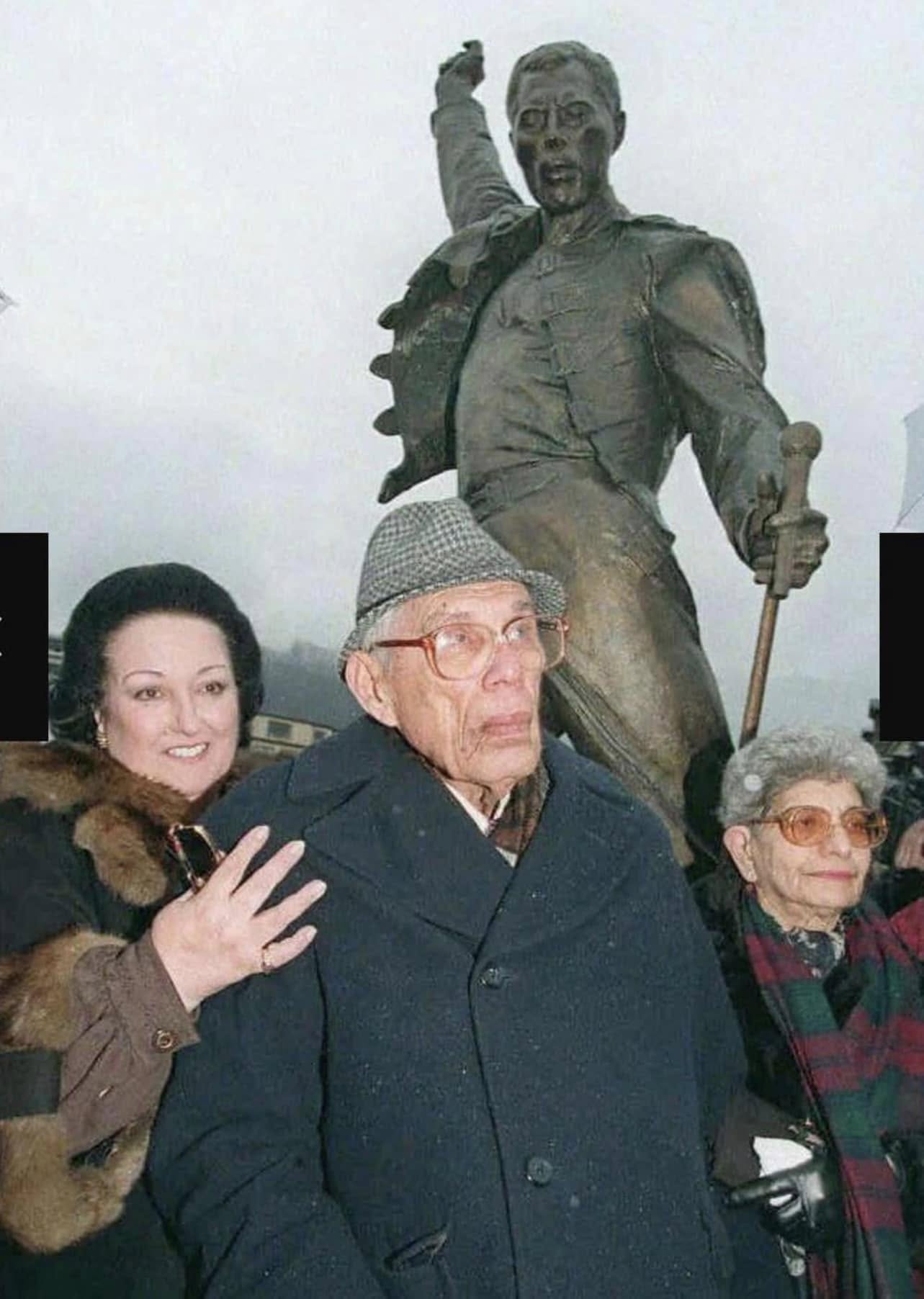
The statue itself was unveiled on 25 November 1996, at the Place du Marché, five years and one day after his death. Three metres high, the work of Czech sculptor Irena Sedlecká, it shows him in his stage pose, fist raised, turned towards the lake. It was unveiled by Brian May in the presence of Montserrat Caballé and the singer’s family.
The Mercury Phoenix Trust
After Freddie’s death, in November 1991, his Queen bandmates Brian May and Roger Taylor, with manager Jim Beach, founded the Mercury Phoenix Trust in April 1992, launched thanks to the Wembley tribute concert. The foundation fights AIDS worldwide; since 2013 it is the one that runs, in Montreux, the Queen: The Studio Experience exhibition, set up in the band’s former studio. Outside, the original wall and door, covered with messages left by fans, form the Queen Tribute Wall.
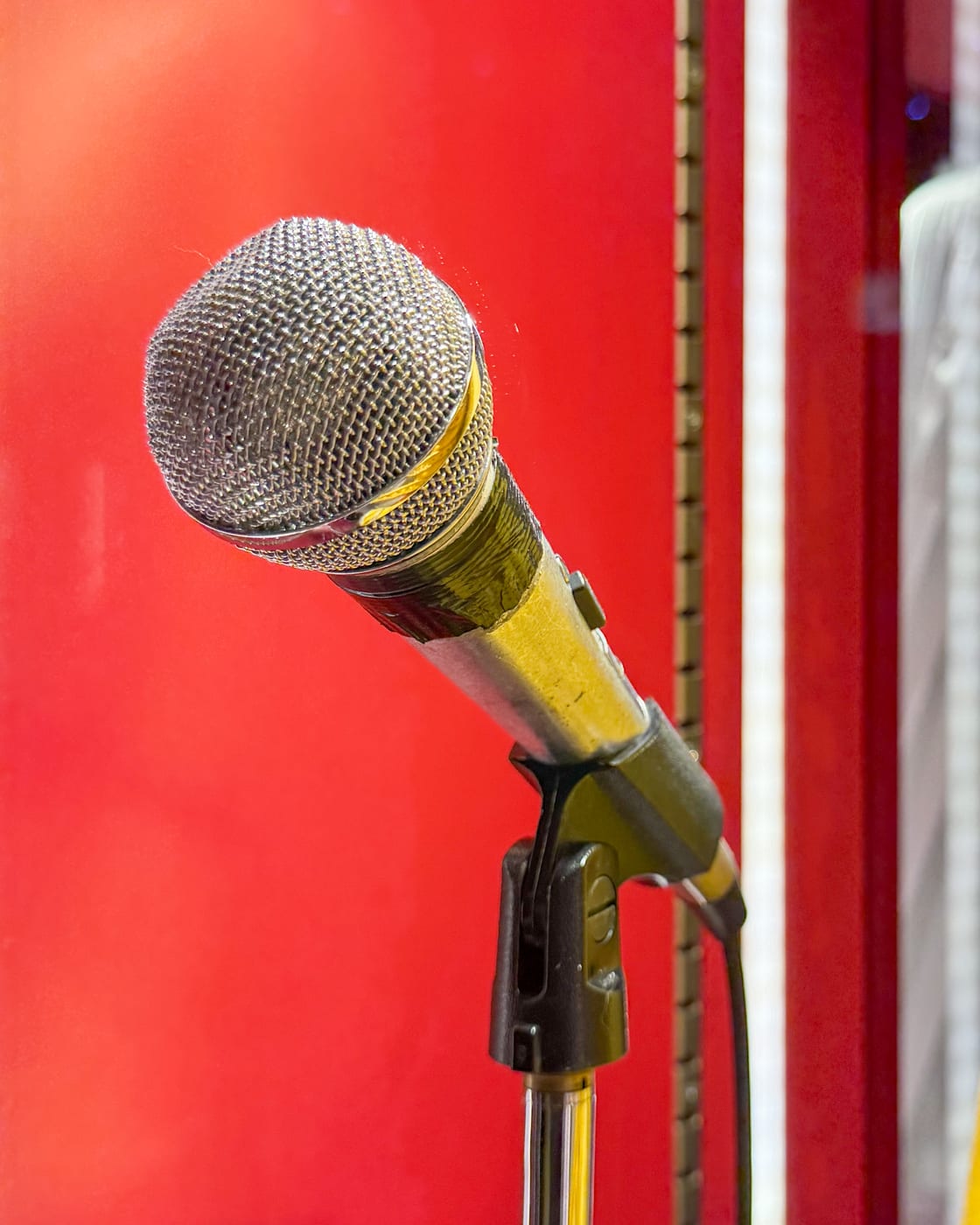
“Face It Alone”
In 2022, while preparing a reissue of “The Miracle”, Queen’s archive team came upon a forgotten track from the 1988 sessions, partly held at Mountain Studios: “Face It Alone”, carried by Freddie’s voice. Released on 13 October 2022, it was the singer’s first unreleased song to appear in eight years. Roger Taylor called it “a little gem we’d kind of forgotten about”, and Brian May “something beautiful and touching”.
Directed by Simon Lupton, the video recreates the Mountain Studios in Montreux and blends animation and kaleidoscope effects with images from the videos of the “The Miracle” era. It explores solitude, bravery and the strength of friendship.
The studio turned museum
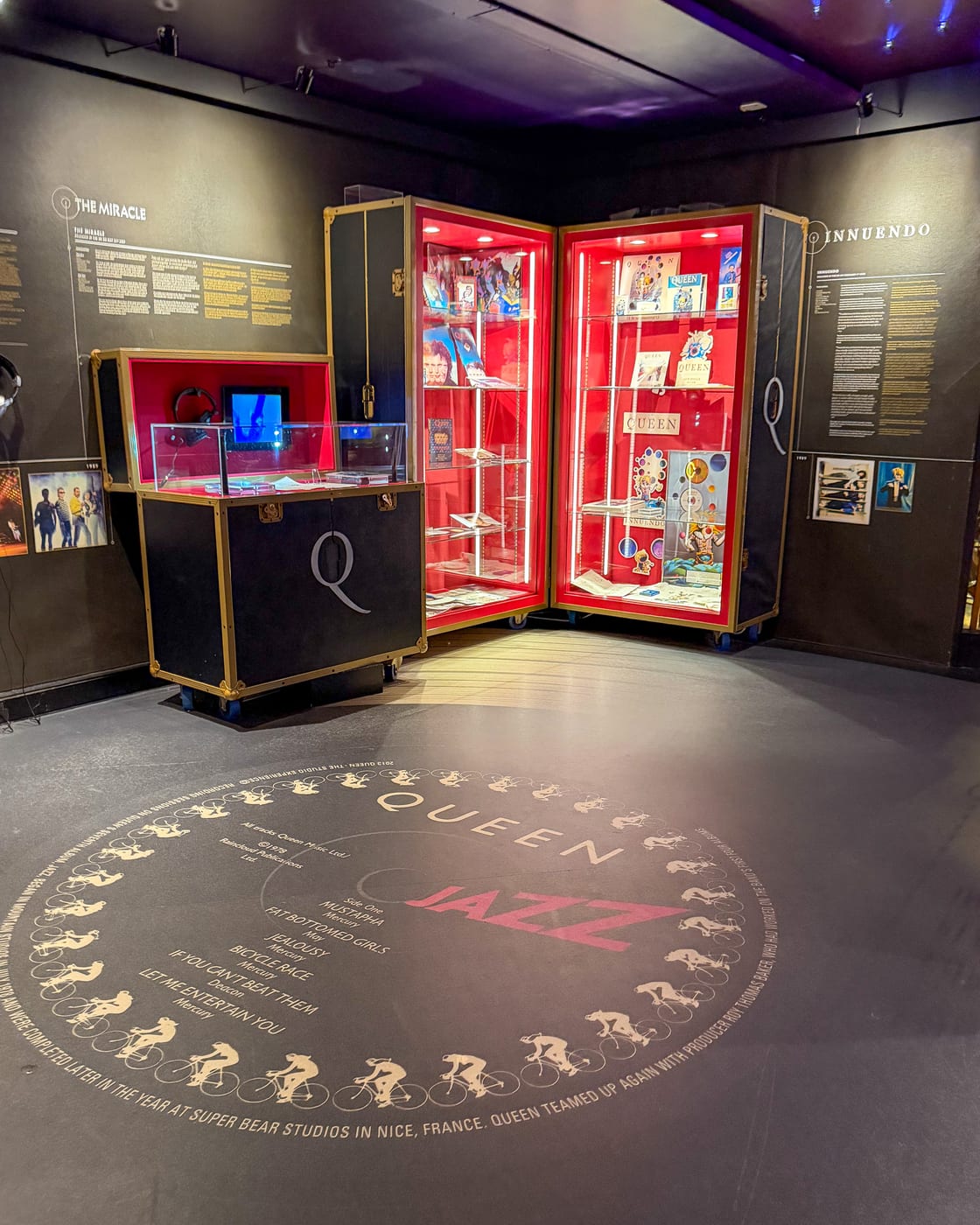
Mountain Studios did not vanish. In December 2013 the original studios, at the Casino, became “Queen: The Studio Experience”, a free exhibition. It brings together the band’s mixing console, stage costumes, gold discs and personal objects; visitors can even slip behind the glass to mix a Queen track.
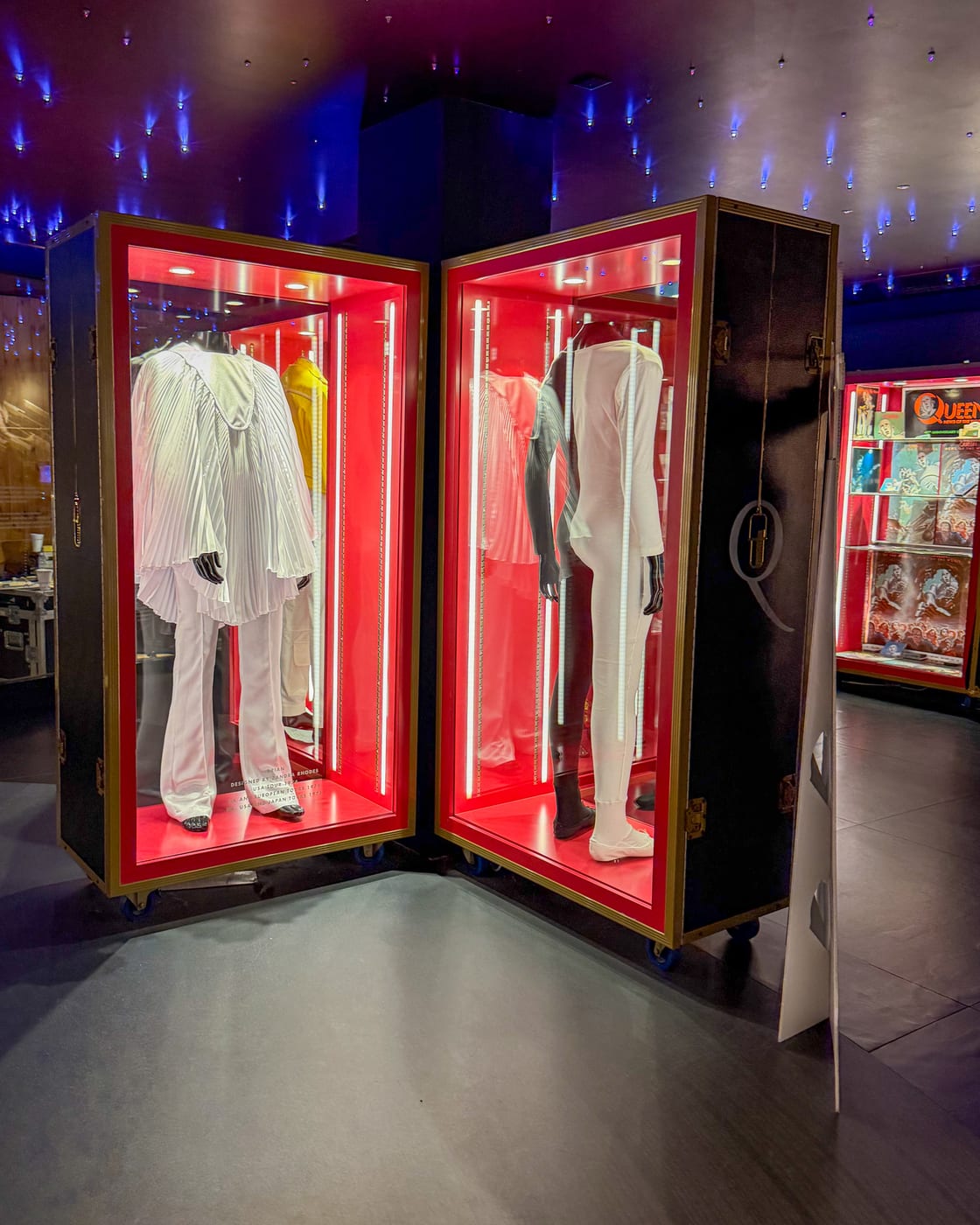
A plaque on the floor marks the exact spot where Freddie Mercury recorded his last vocals, and the handwritten lyrics of “Mother Love”, his very last take, are on show.
The place’s story goes well beyond Queen. Opened in 1975, the studio counted the Rolling Stones among its very first clients; “Under Pressure” was born there with David Bowie in 1981, Iggy Pop recorded “Blah-Blah-Blah” there in 1986, and Michael Jackson mixed “Blood on the Dance Floor” there in 1997. Yes, AC/DC, Chris Rea and Status Quo also worked there. Admission is free, every day.
The Mercury Phoenix Trust
Brian May, Roger Taylor and manager Jim Beach founded the Mercury Phoenix Trust in 1992, in the wake of the tribute concert held at Wembley on 20 April 1992; the foundation has since funded the fight against AIDS worldwide. It is the Trust that looks after the studio exhibition and that, each year in early September, holds Freddie’s official birthday evening at the Casino de Montreux — not to be confused with the free Freddie Days, held around the statue. Part of the proceeds of the Freddie Tours also goes to it (Mercury Phoenix Trust).
The Freddie Tours
Following in the footsteps of the singer and of Queen, the Freddie Tours set off each day from the Place du Marché, under the covered market, a few metres from the statue. Two options exist: a walk of about an hour along the lake, and an extended route of about two and a half hours that also takes in the town, starting at the corner of the Petit Palais. The circuit passes Mountain Studios, at the Casino, where Queen recorded, and ends at the foot of the statue, facing the lake.
The audio guide is offered in six languages: French, English, German, Italian, Spanish and Russian. The English version is narrated by Peter Freestone, Freddie Mercury’s personal assistant for twelve years, who adds his own memories, while the route reveals photographs and videos of 1980s Montreux. Part of the proceeds goes to the Mercury Phoenix Trust, the foundation created by Queen against AIDS.
The Freddie Days
Every year, around 5 September, his birthday, Montreux becomes the gathering place of the Freddie Days, a free festival launched in 2003 that brings together fans from all over the world. Around the statue and the covered market come tribute-band concerts, meetings with people close to the singer, exhibitions and lake cruises. Peter Freestone has been a regular since the very first editions; since 2013 the Mercury Phoenix Trust has also held its official evening there, at the Casino.
Related places
▸Freddie ToursMarket hallOpen the place →
© Freddie Tours The emblematic hall of the Place du Marché: starting point of the Freddie Tours and heart of the Freddie Days.
▸Statue de Freddie MercuryStatueOpen the place →
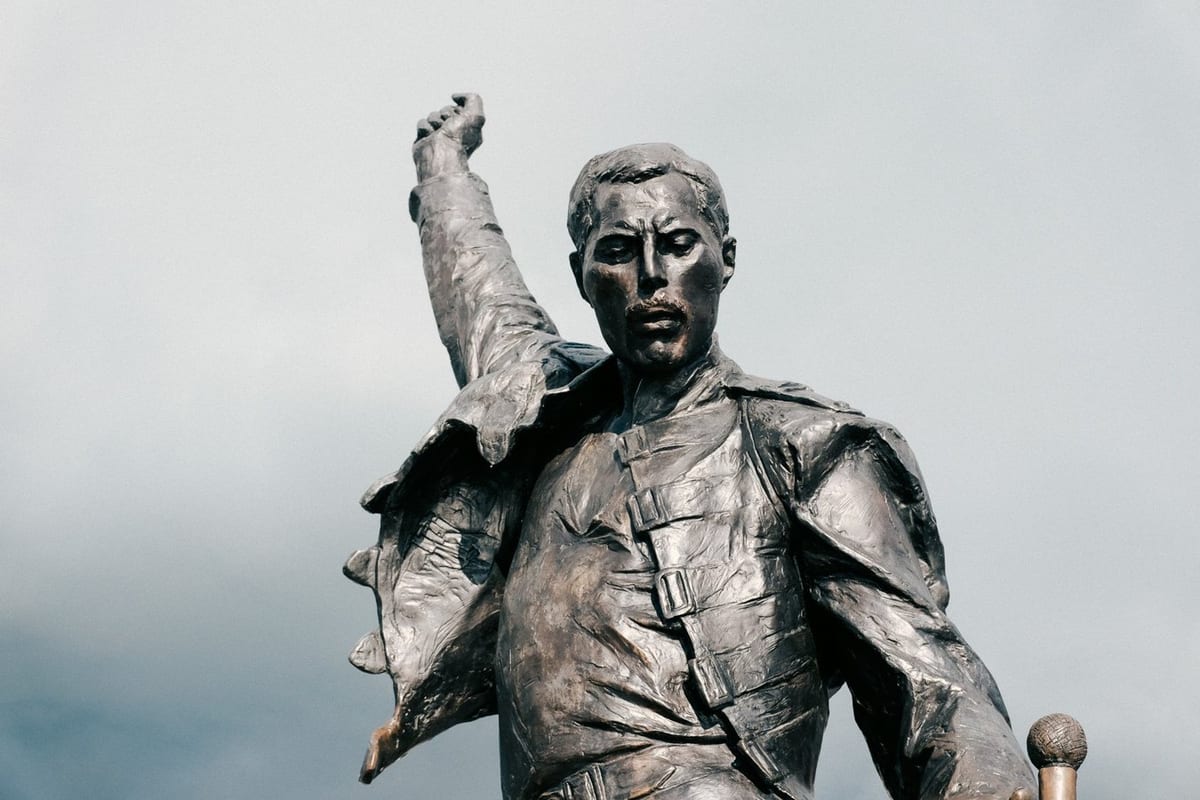
© Barnimages The most famous bronze statue on Lake Geneva: Freddie in his iconic stage pose, facing the water, fist raised.
▸Queen: The Studio ExperienceExhibitionOpen the place →
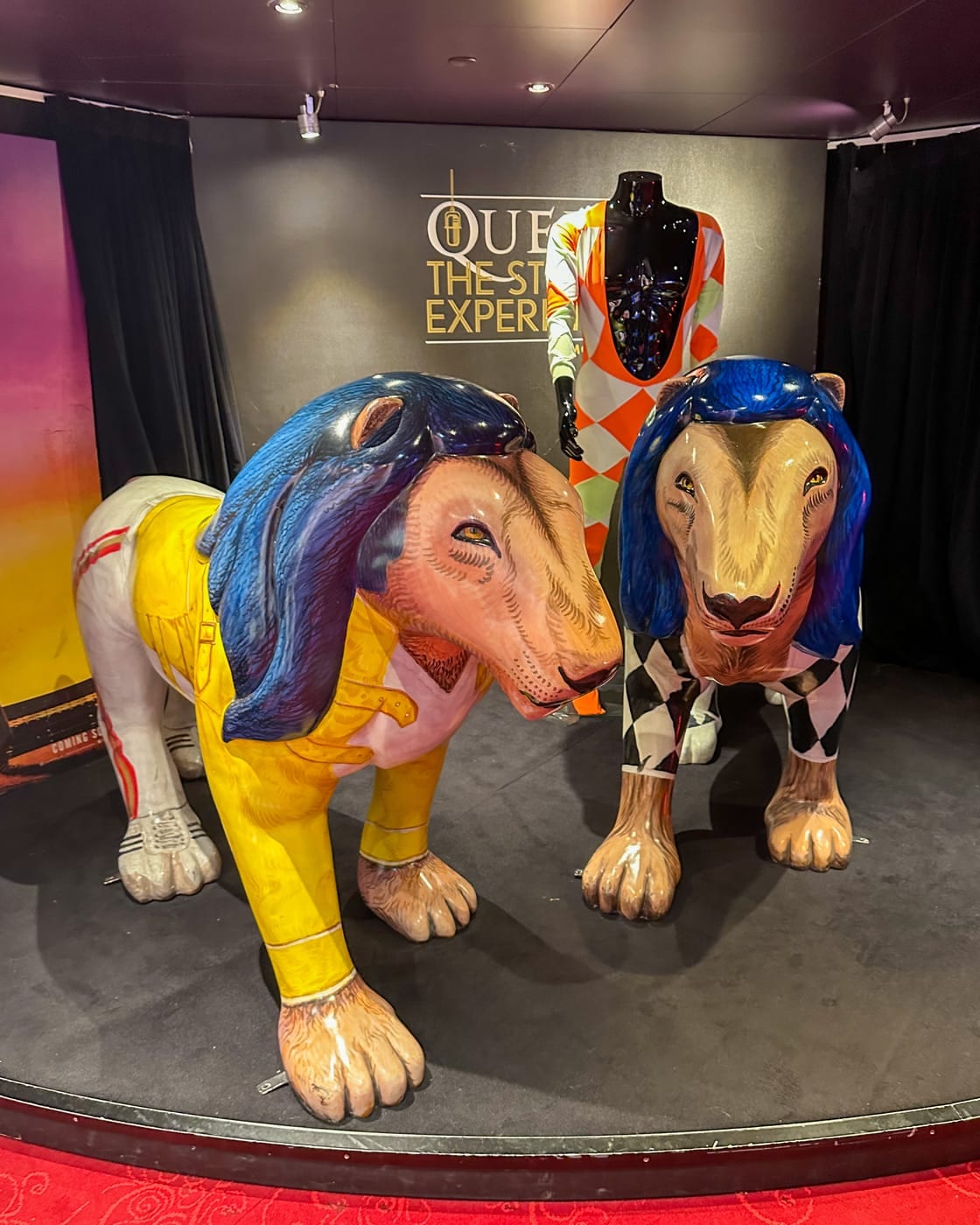
© Visit Montreux The free exhibition inside the real Mountain Studios, where Queen recorded seven albums between 1978 and 1995.
▸Queen Tribute WallTribute wallOpen the place →
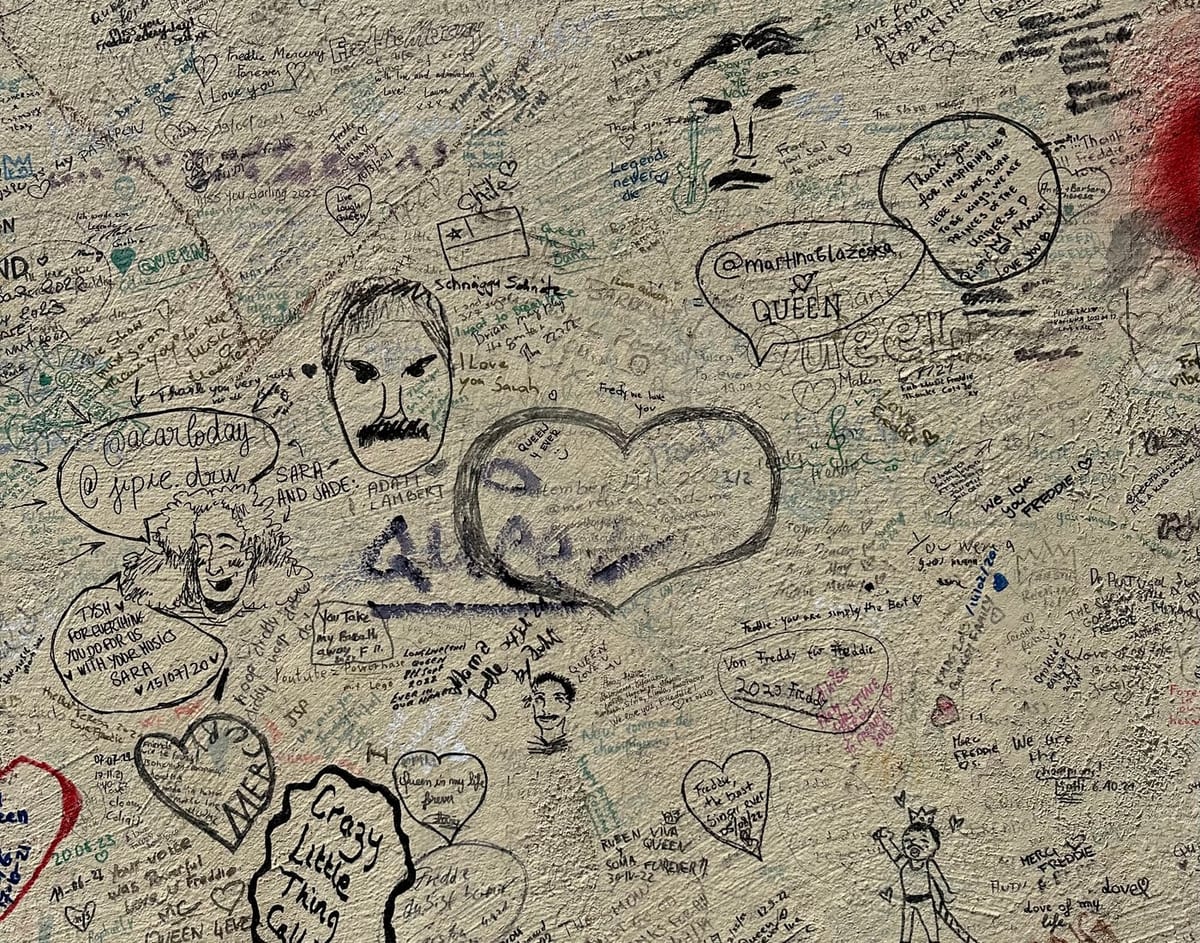
The wall where Queen fans from all over the world leave their messages, right next to the former Mountain Studios.
▸Funky Claude's BarVenue with memorabiliaOpen the place →
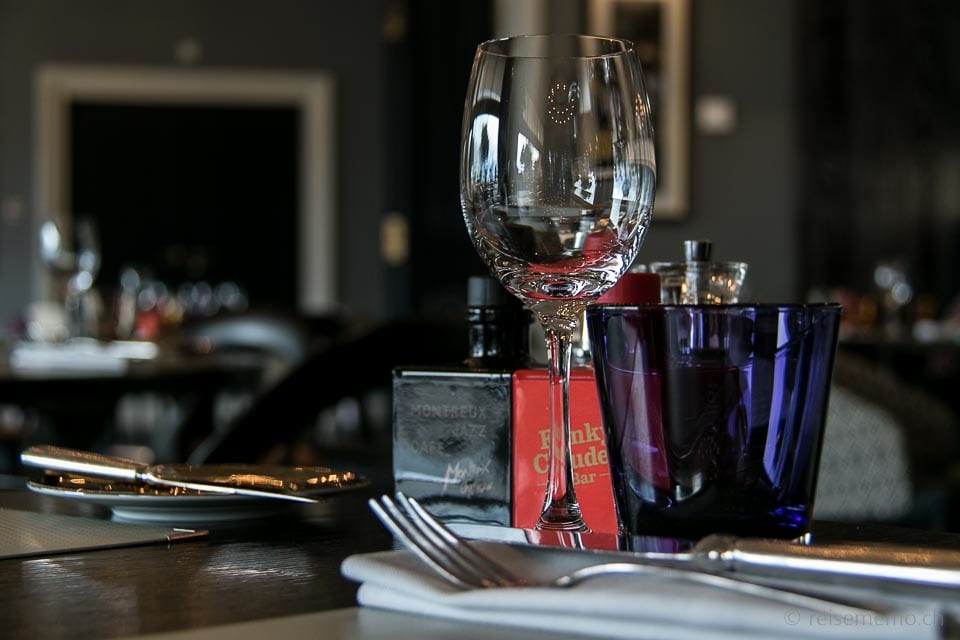
© Reisememo.ch, CC BY The former Harry’s Bar, haunt of the stars and of the festival’s jam sessions, renamed in tribute to Claude Nobs.
▸Banc Freddie MercuryMemorial benchOpen the place →
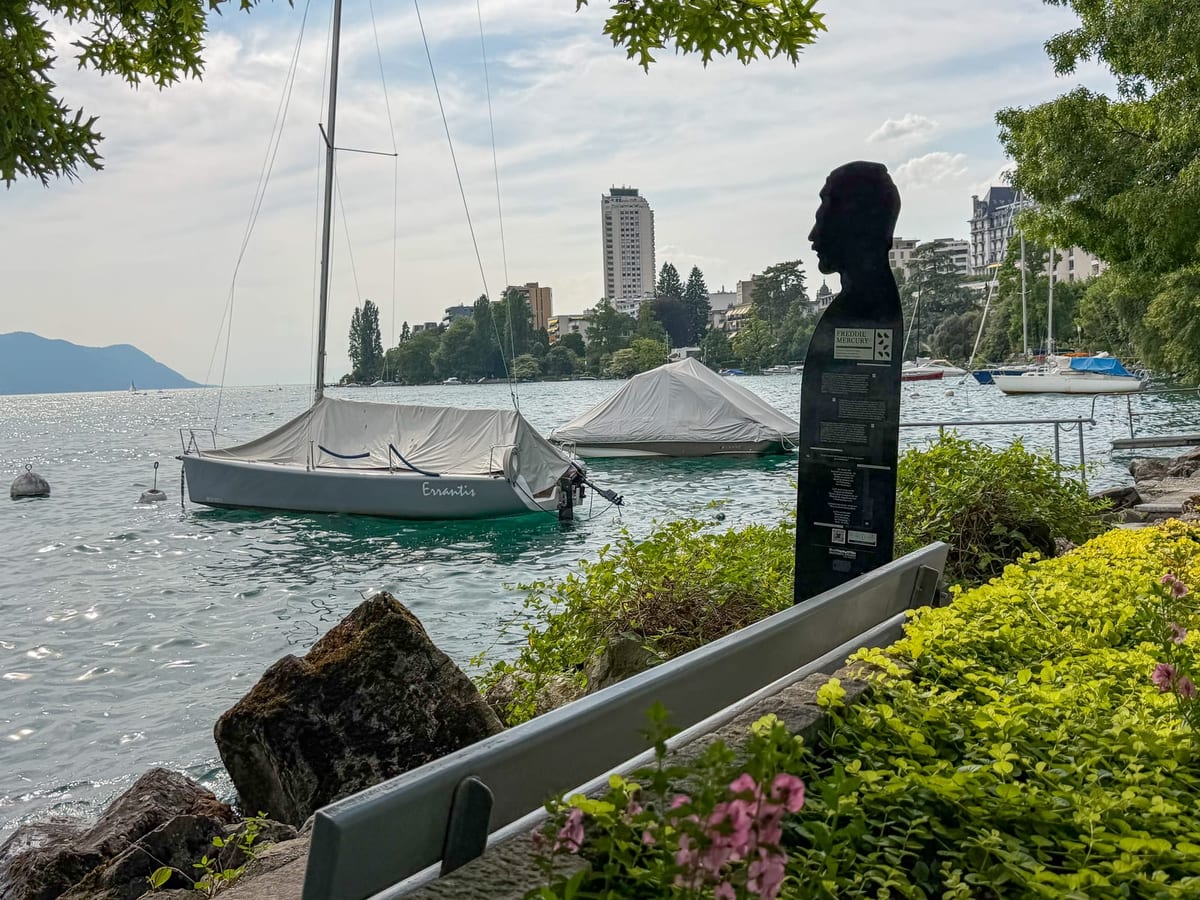
© Visit Montreux A silhouette bench on the “Rencontres & Inspiration” trail, facing the lake Freddie loved so much, in Territet.
▸Fairmont Le Montreux PalaceHistoric hotelOpen the place →
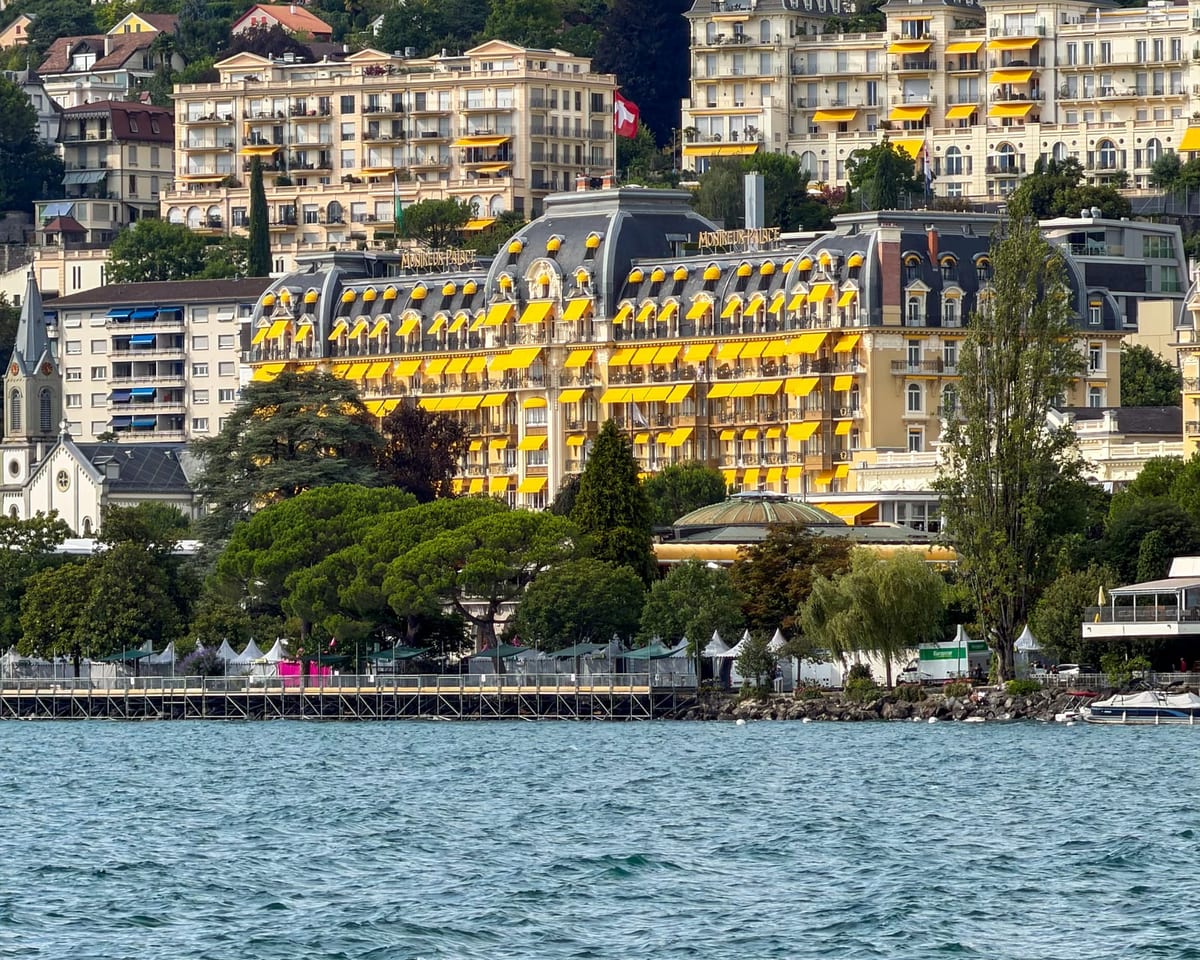
© Visit Montreux The Belle Époque grand hotel of the stars: Michael Jackson lived there for two weeks in 1997 during his Mountain Studios sessions.
▸Les TourellesPrivate residenceOpen the place →
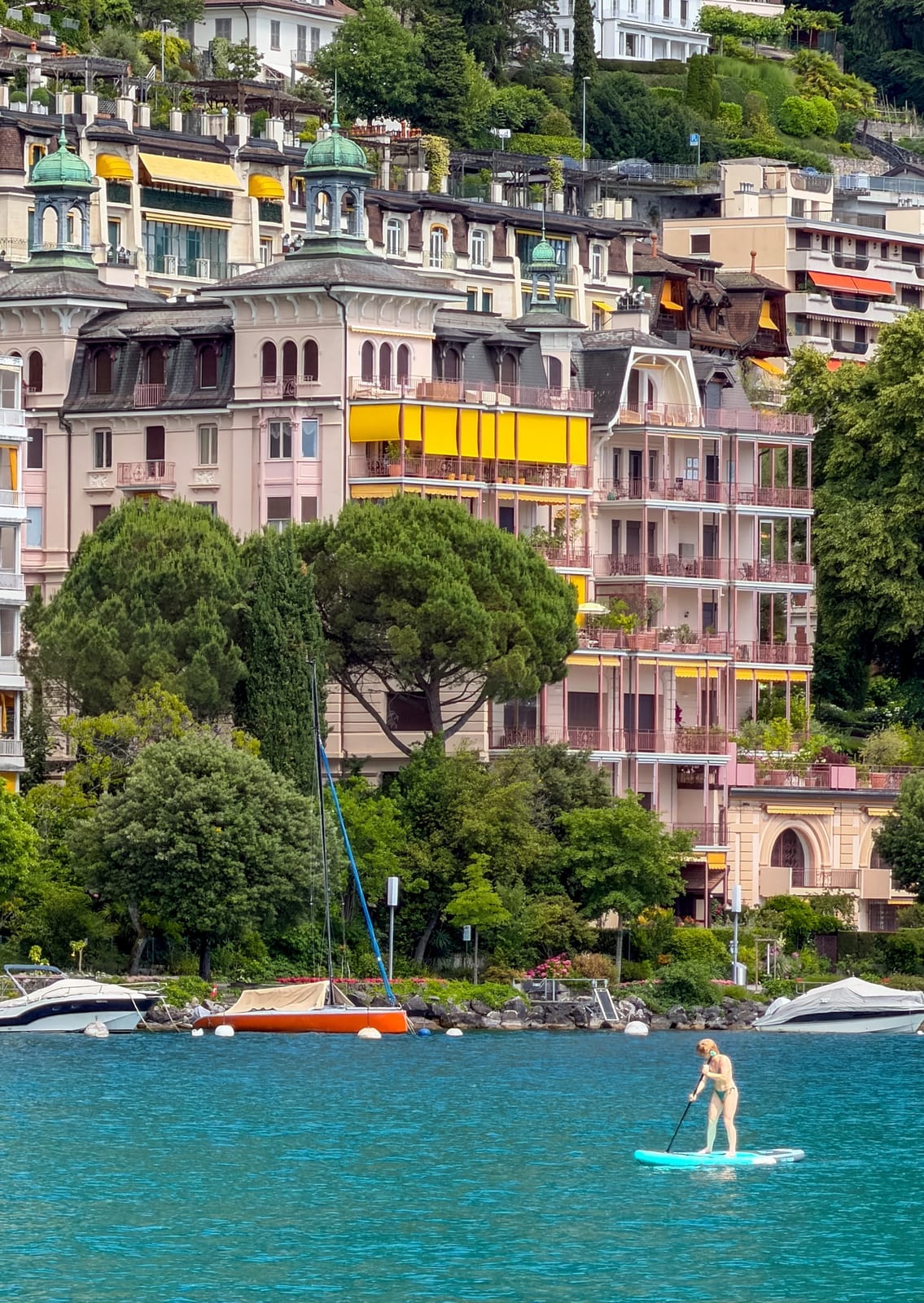
© Visit Montreux The Belle Époque lakeside building where Freddie Mercury owned his Montreux apartment, in the attic storey.
▸Duck HousePrivate residenceOpen the place →
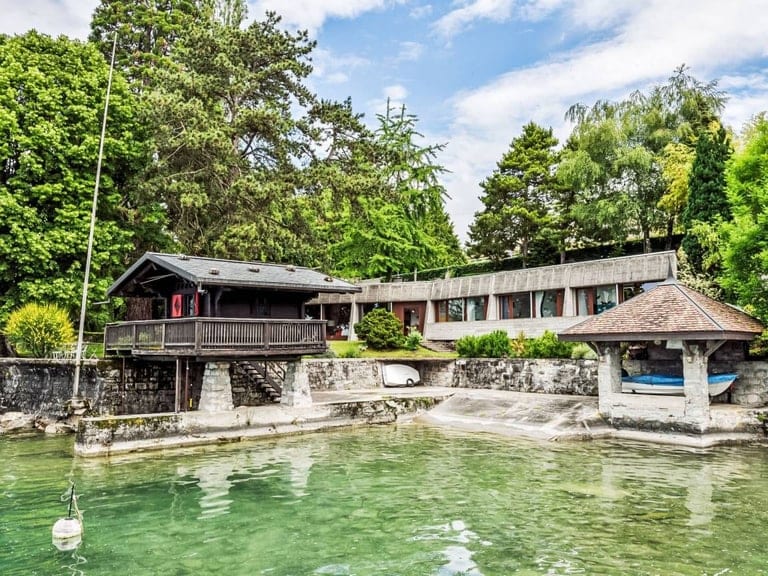
© Interhome The lakeside house Freddie rented in Clarens, where he wrote “A Winter’s Tale” facing Lake Geneva.
▸The Freddie Mercury HotelThemed hotelOpen the place →
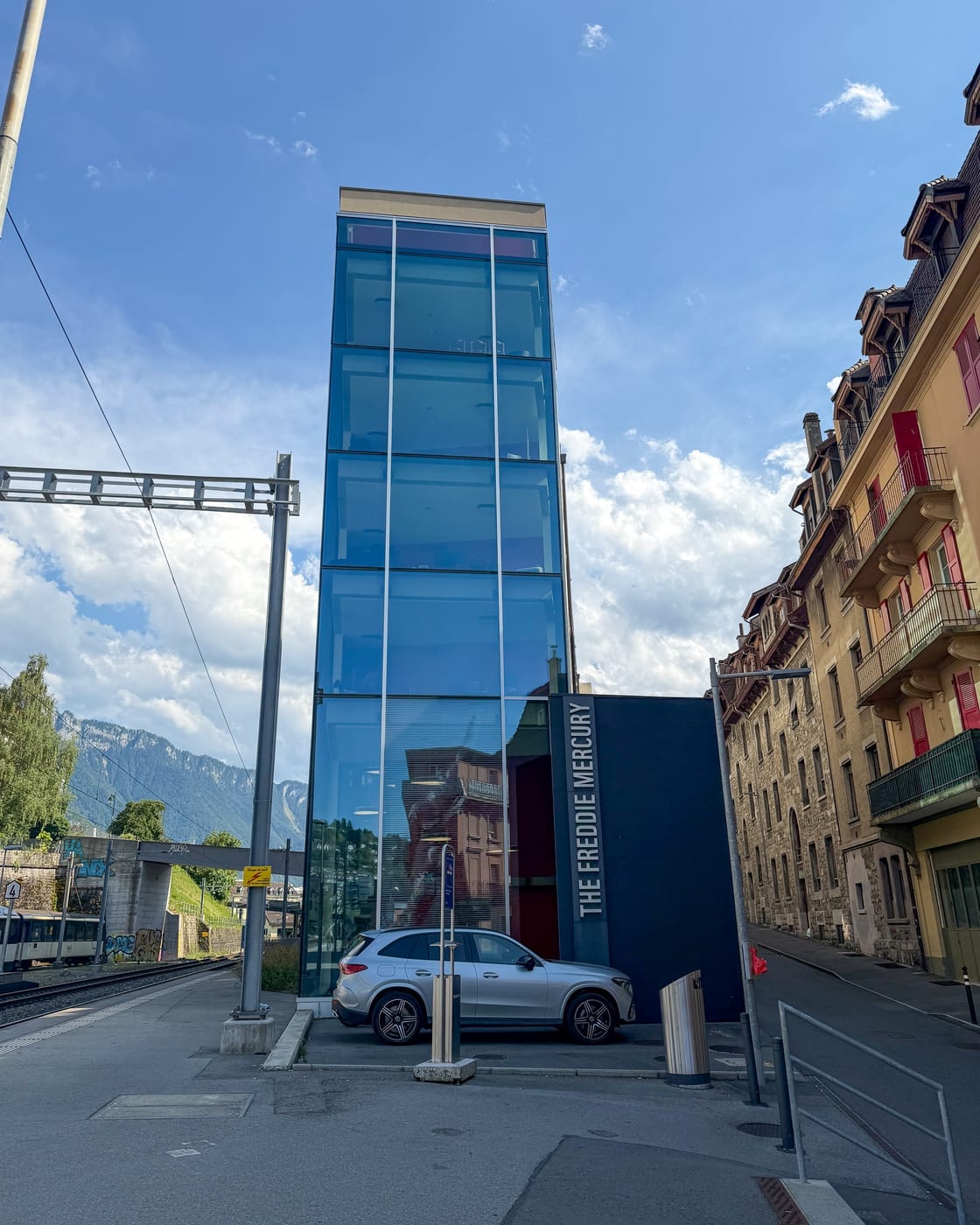
© Visit Montreux The hotel entirely dedicated to Freddie, reached directly from platform 1 of Montreux station.
▸Chalets de Claude NobsPrivate residenceOpen the place →
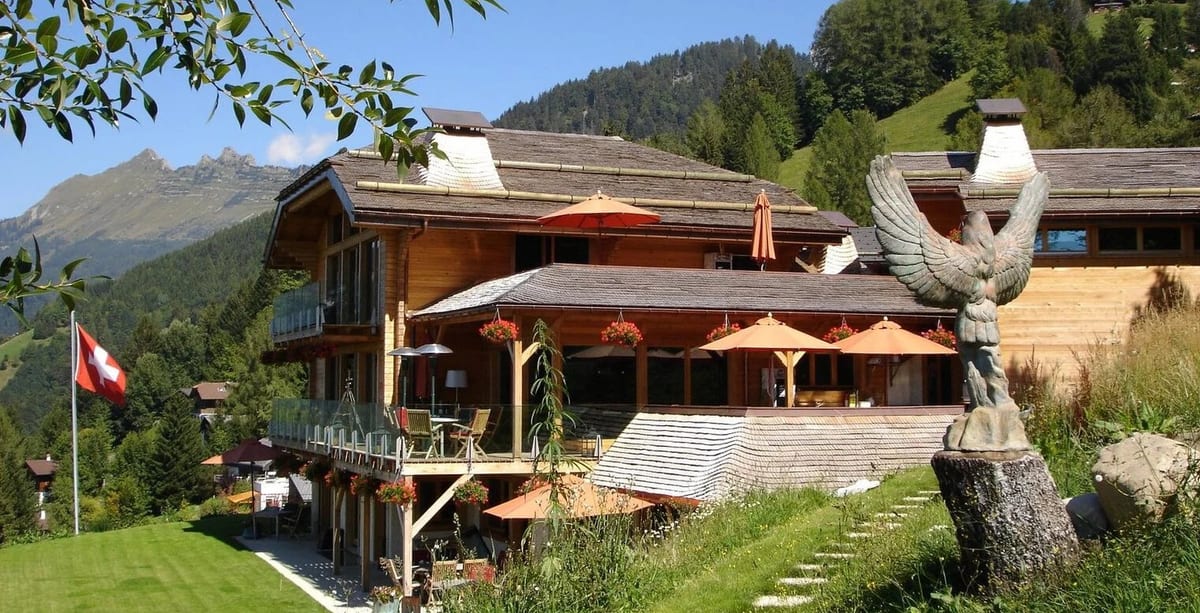
© Simon Lepêtre The legendary chalets of the festival’s founder in Caux, where he hosted the greatest stars in music.
▸Cimetière de ClarensCemeteryOpen the place →
Photo coming soonThe peaceful cemetery above Clarens where David Richards, the producer of Mountain Studios, rests.
▸Bazar SuisseShopOpen the place →
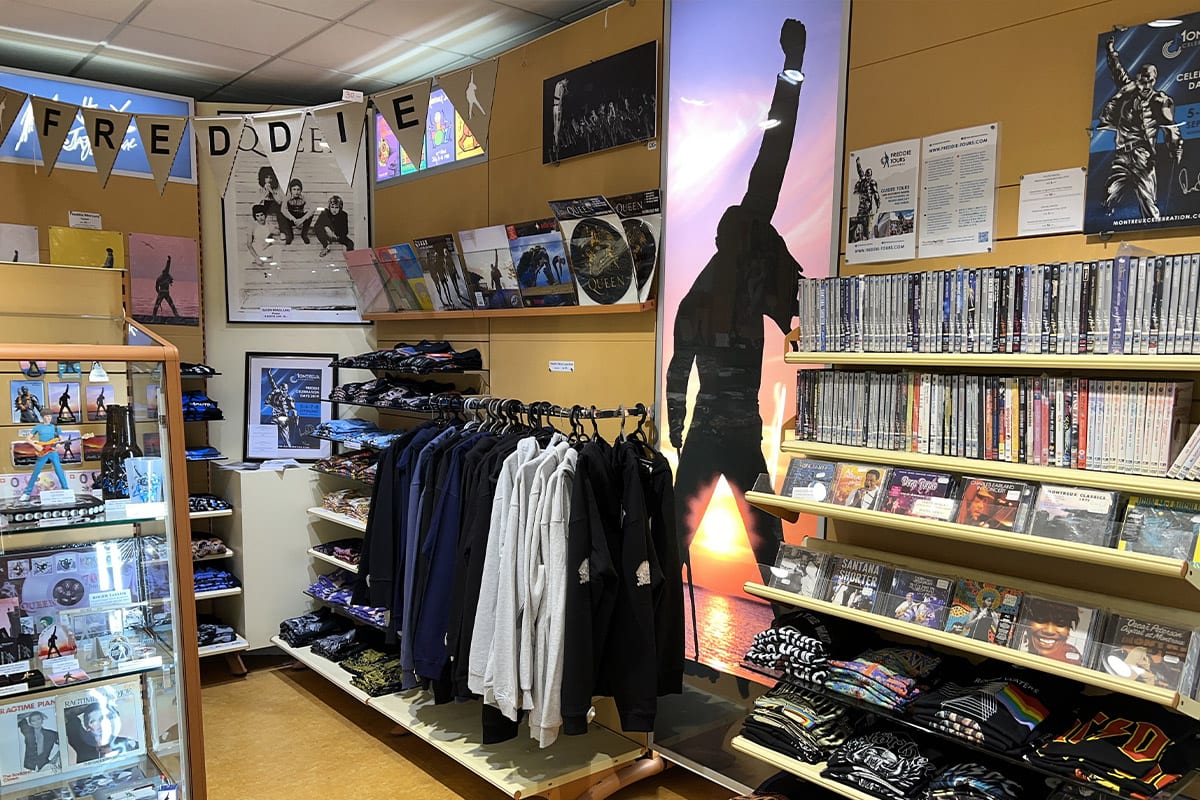
The Grand-Rue shop where Queen fans find what they are looking for, a stone’s throw from Freddie’s statue.
▸Le Petit PalaisHistoric venueOpen the place →
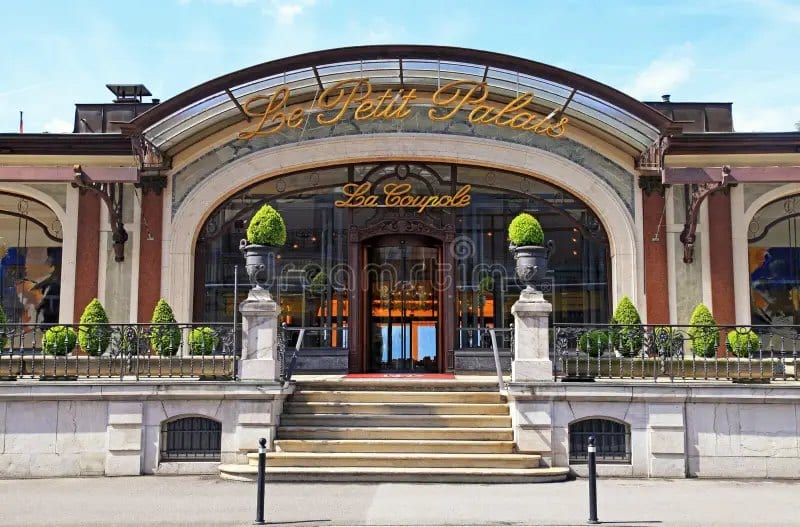
© Inna Felker The Palace’s Belle Époque pavilion: from Rose d’Or-era concerts to the free concerts of the Montreux Jazz Festival.
▸Le kimono de Freddie MercuryExhibited itemOpen the place →
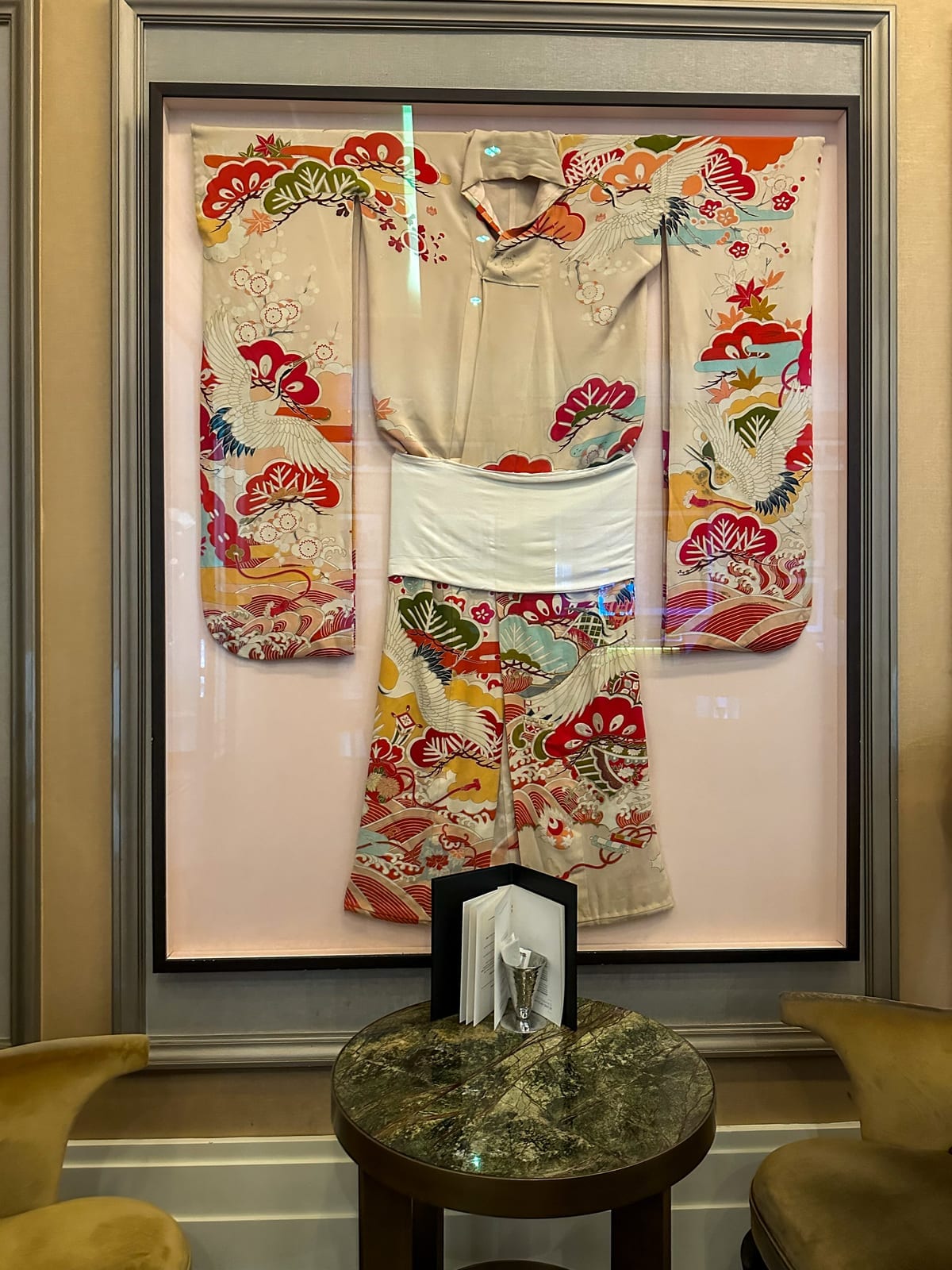
© Visit Montreux The white Japanese kimono given by Freddie Mercury to Thierry Amsallem and Claude Nobs, on display at the Montreux Jazz Café.
▸Débarcadère de MontreuxCGN landing stage / floating venueOpen the place →
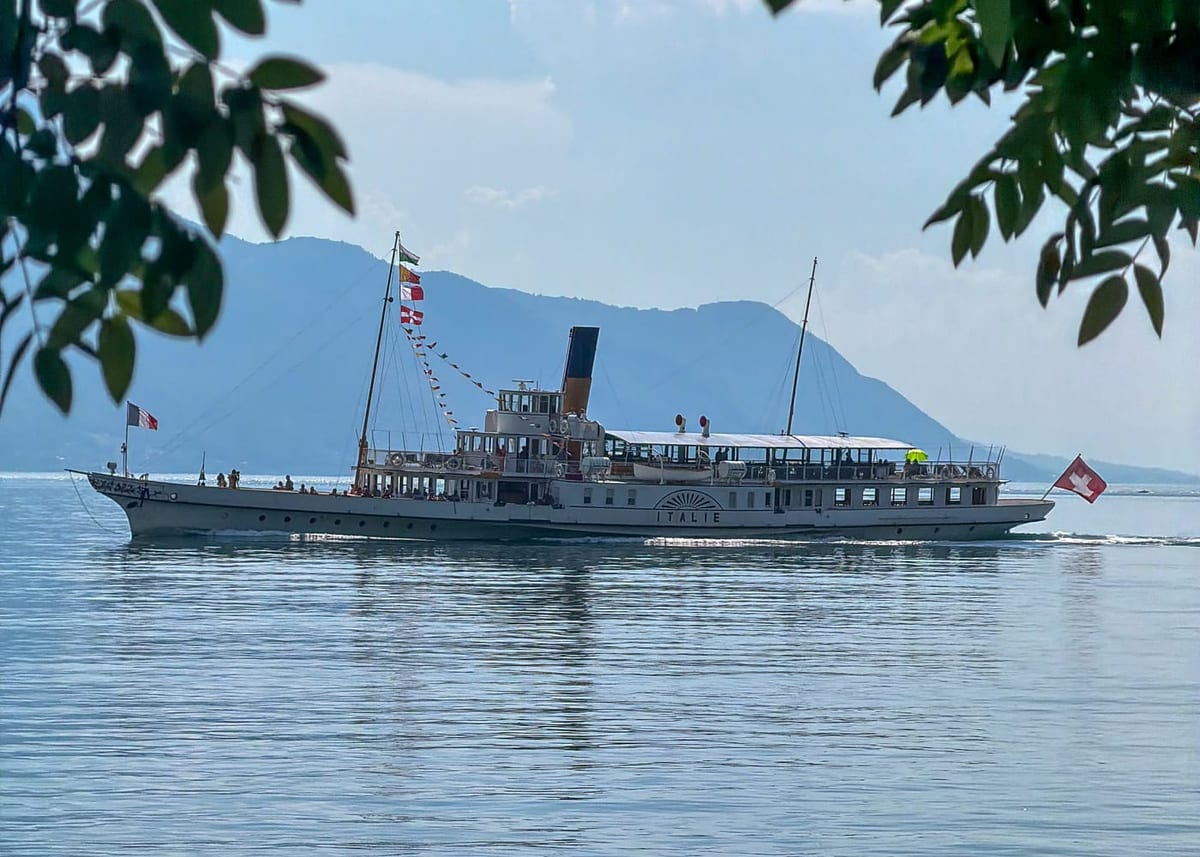
© Visit Montreux The boarding point for the CGN’s Belle Époque boats. Nothing took place on the landing stage itself: it was on board that Queen hosted the press in 1986 and B.B. King played a concert in 2006.
▸Casino de MontreuxCasino / entertainment venueOpen the place →
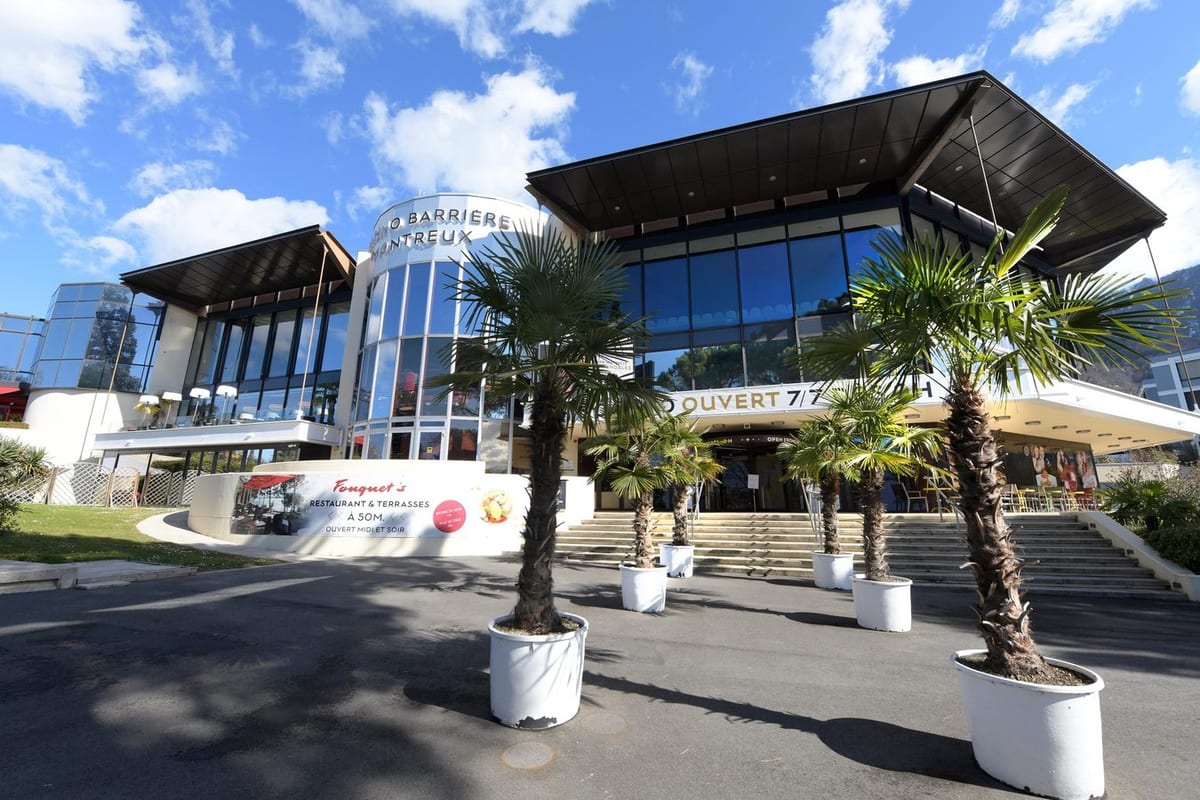
© Chantal Dervey The building around which the whole musical history of Montreux revolves: burned down in 1971, rebuilt, it houses Queen’s studio and saw the festival born.
▸Le Pont de BrentGourmet restaurantOpen the place →
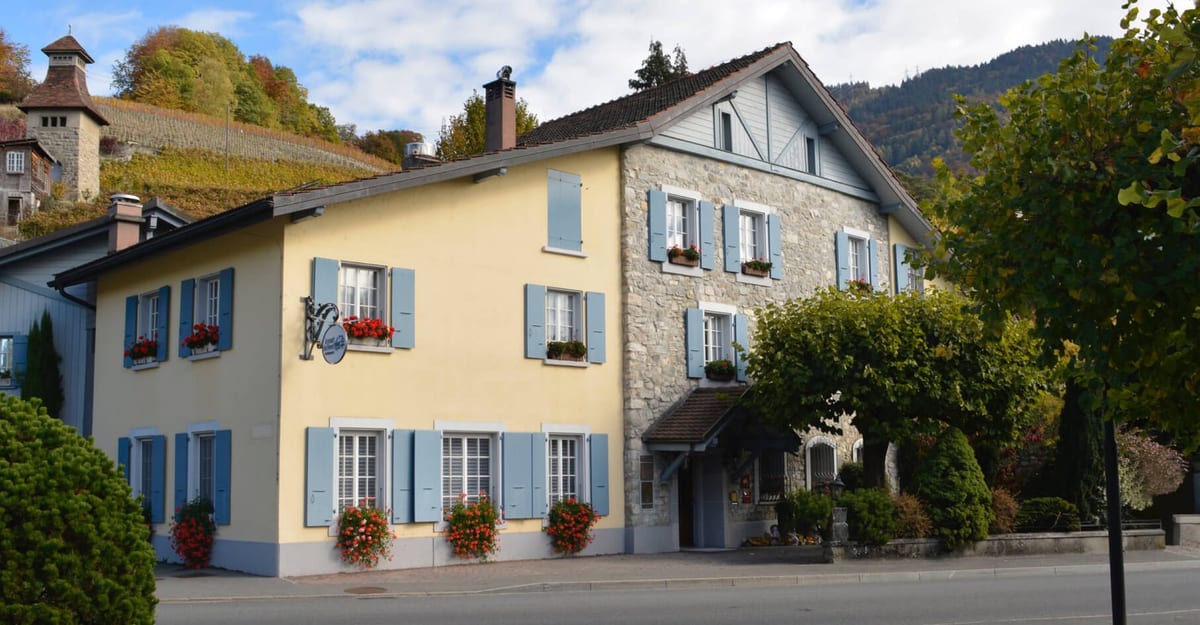
© Caroline Goldschmid The gourmet restaurant on the heights of Montreux, at Brent, where Freddie Mercury liked to dine.
▸La BavariaBrasserieOpen the place →
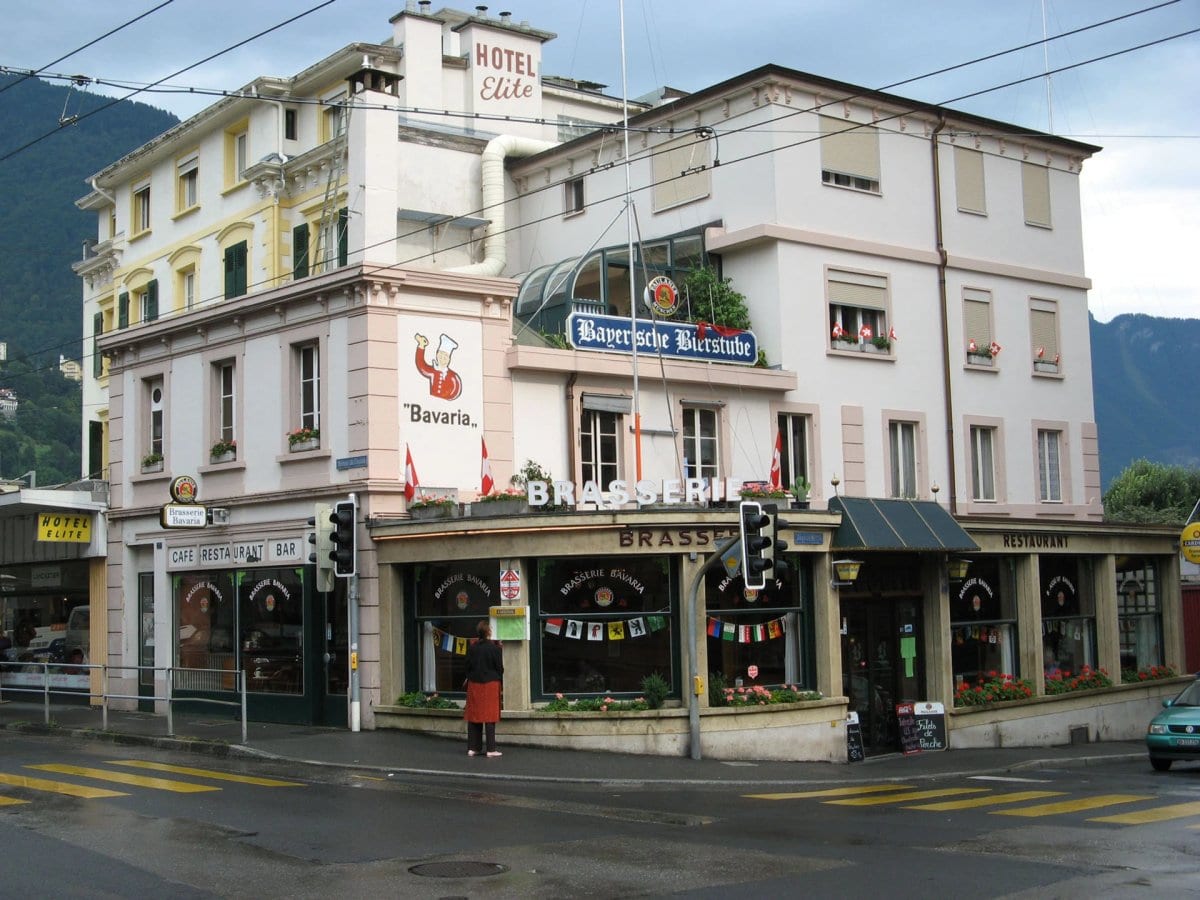
© Collection Cécile Chombard Gaudin The brasserie near the Casino and Mountain Studios where Freddie Mercury and Queen loved the German food.
▸Freddie DaysFestivalOpen the place →
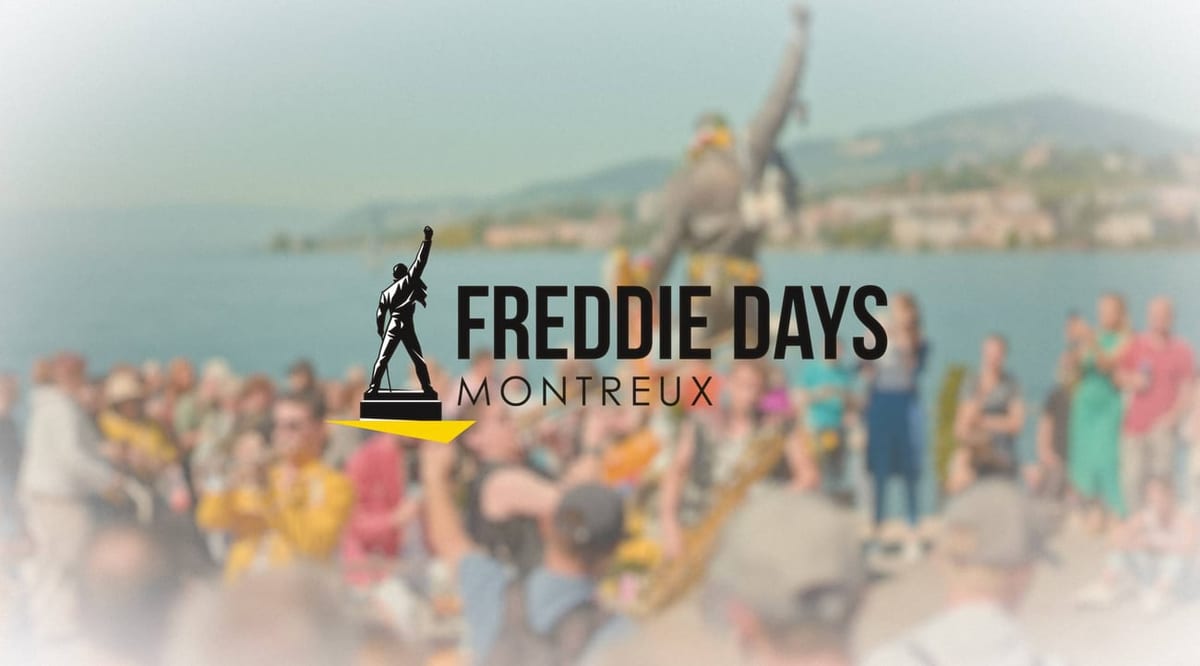
© Freddie Days The free festival paying tribute to Freddie Mercury, each year around 5 September, his birthday.
▸La Griffe AusoniShopOpen the place →
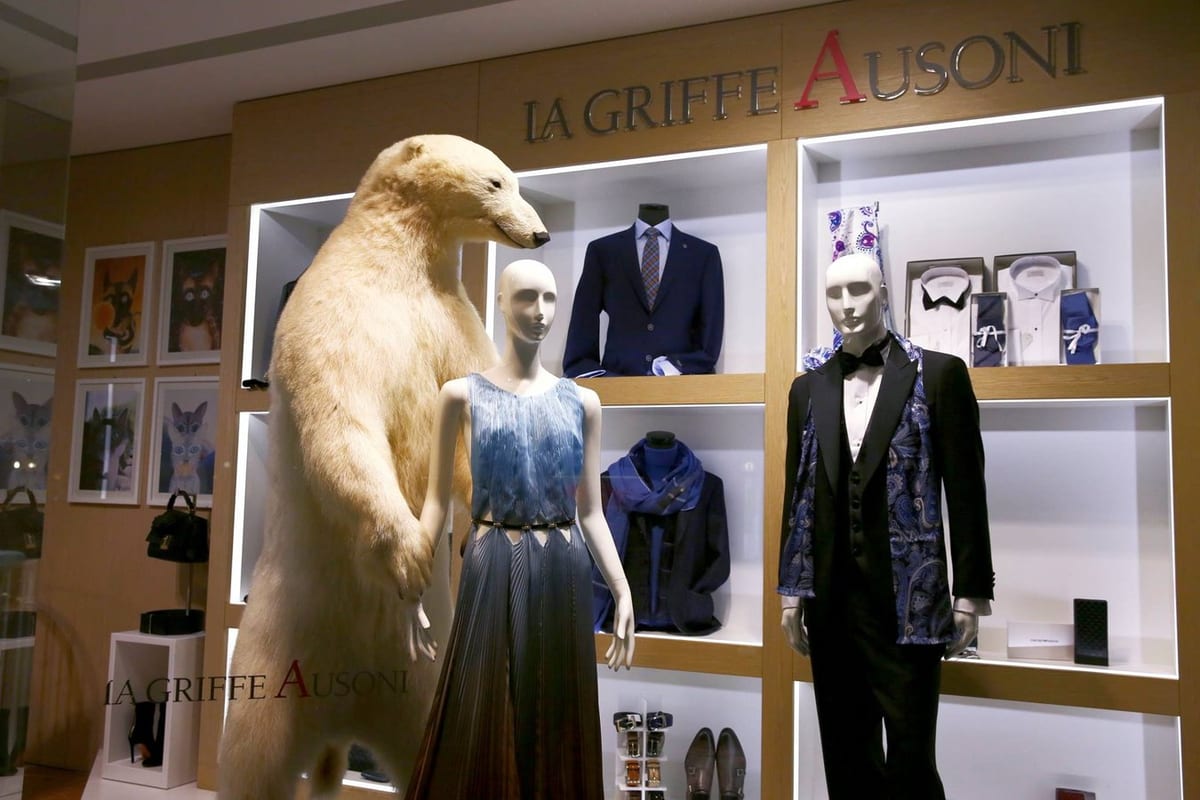
The Grand-Rue boutique whose four posters were found in Freddie Mercury’s London home.
▸La RouvenazRestaurantOpen the place →
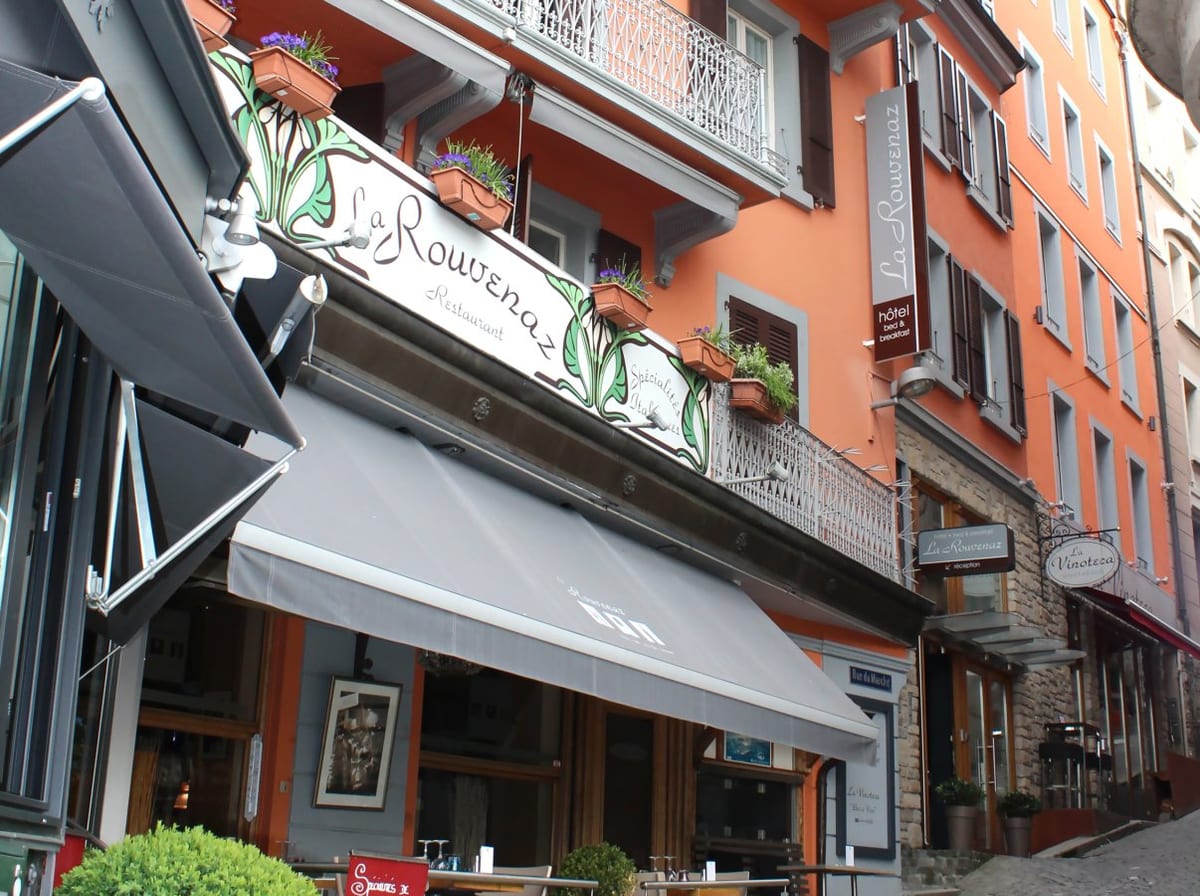
The Italian restaurant where Queen dined and where Freddie Mercury had his table, number 19.
▸Saint-SaphorinWine-growing villageOpen the place →
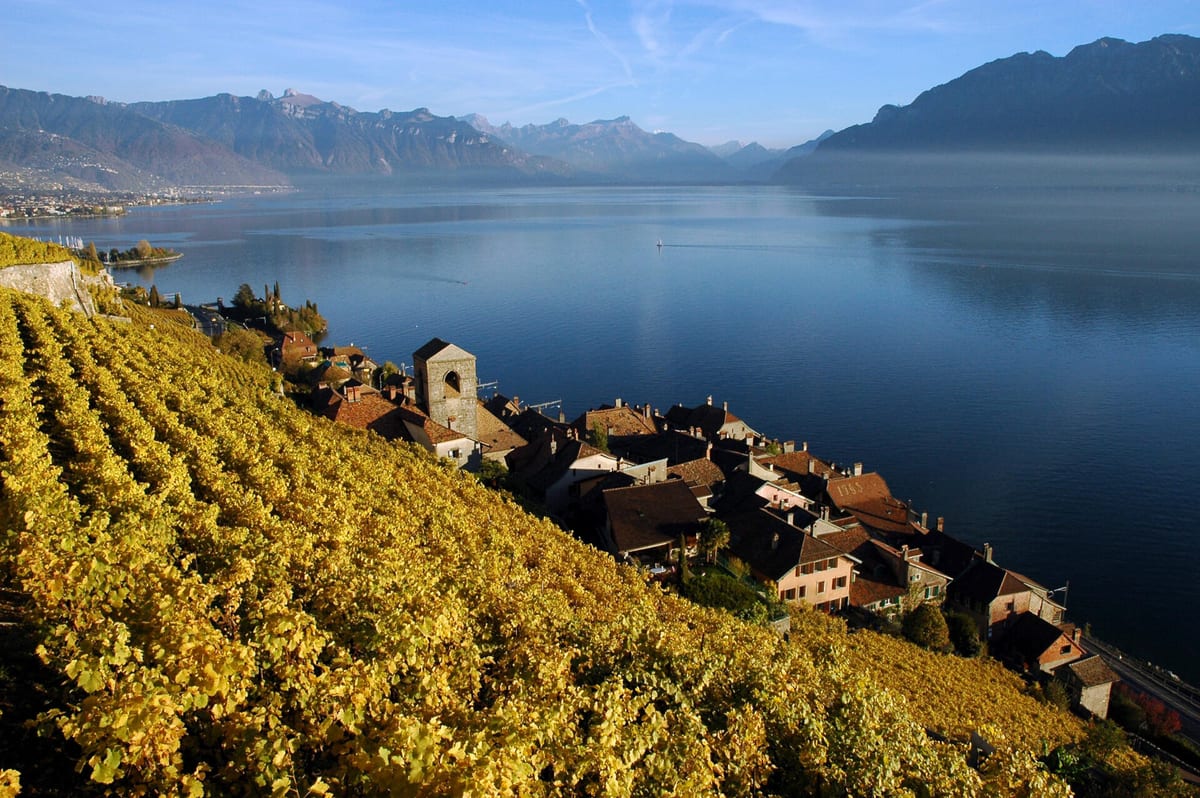
© Photo Alain Jarne The Lavaux village whose white wine Freddie Mercury had shipped to London by the case.
▸Le Palais OrientalRestaurant and galleryOpen the place →
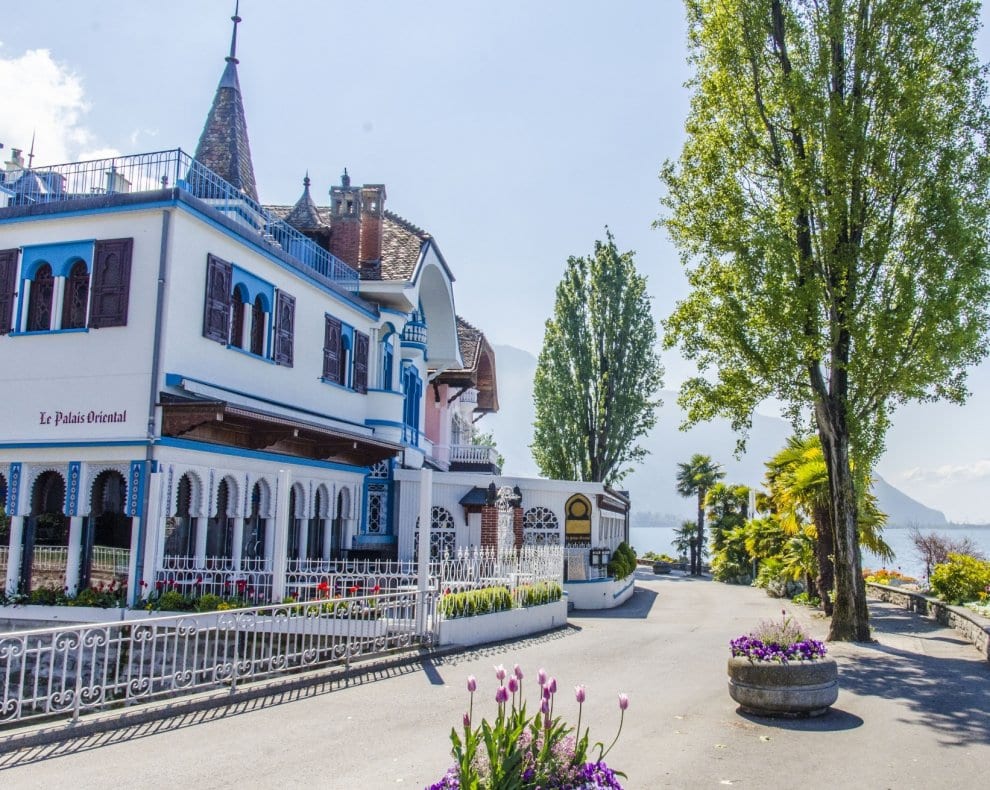
The Persian house on the quay, where a carpet connected its owner to Freddie Mercury.
▸Viquerat DécorationInterior designOpen the place →
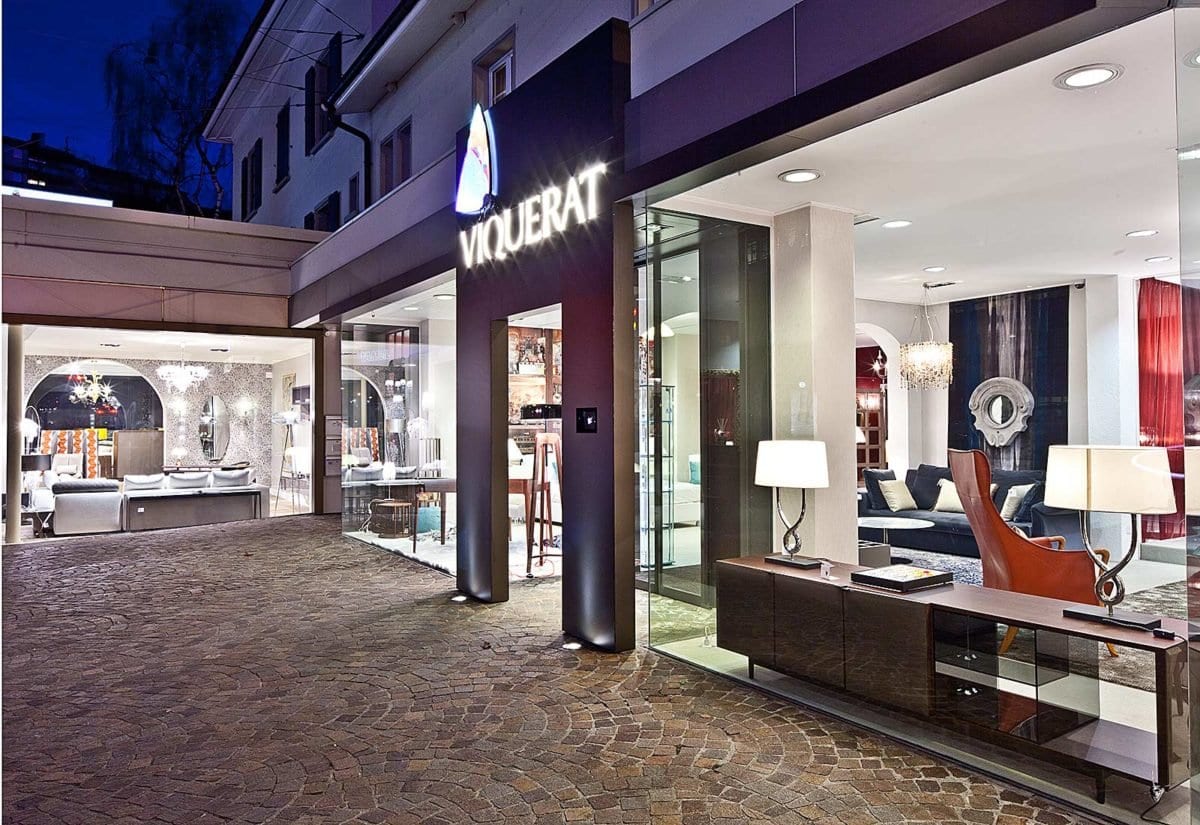
The Clarens firm that furnished Freddie Mercury’s flat, in the summer of 1991.
▸Restaurant Denis MartinVanished restaurantOpen the place →
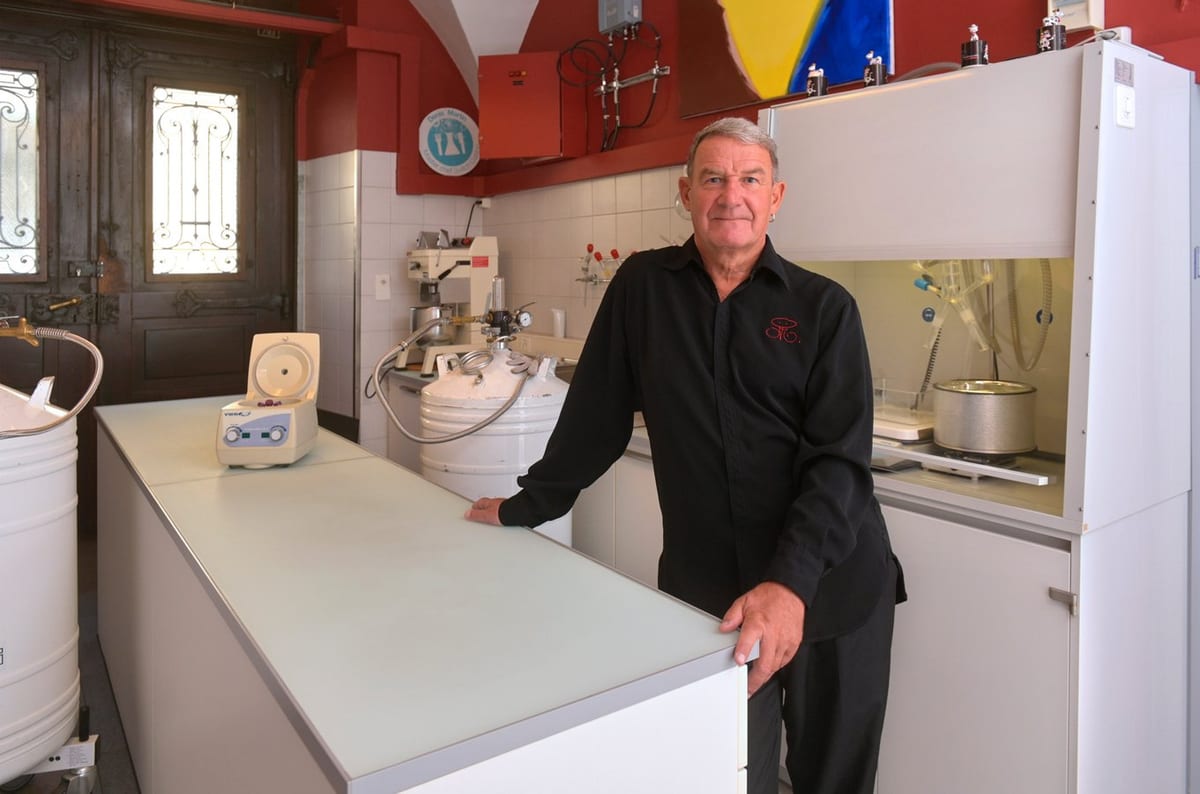
© Christian Brun The restaurant where Queen dined twice a week during the sessions. It has since gone.
▸Le PlatinumVanished nightclubOpen the place →
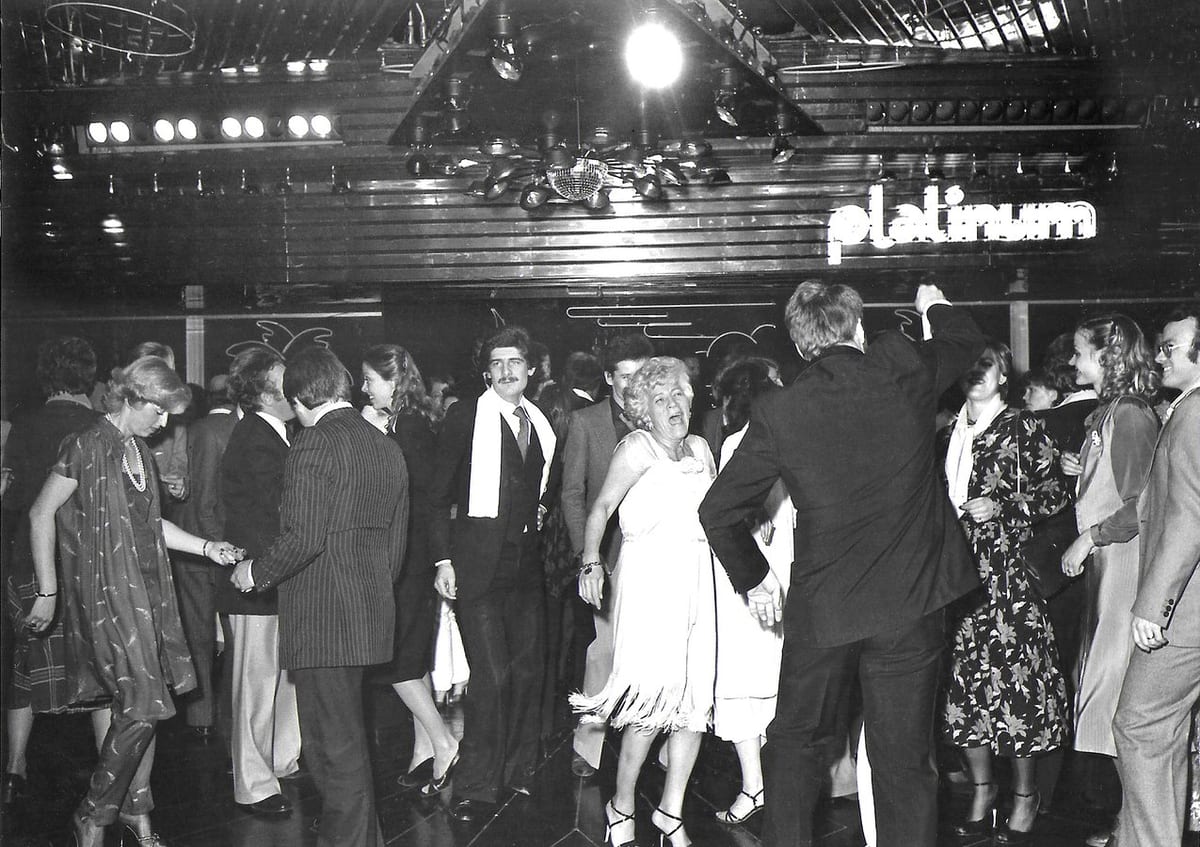
© Collection Lucette Kuhn The Casino nightclub where Patrick Juvet met Freddie Mercury several times.
▸Hôtel Eden Palace au LacHotelOpen the place →
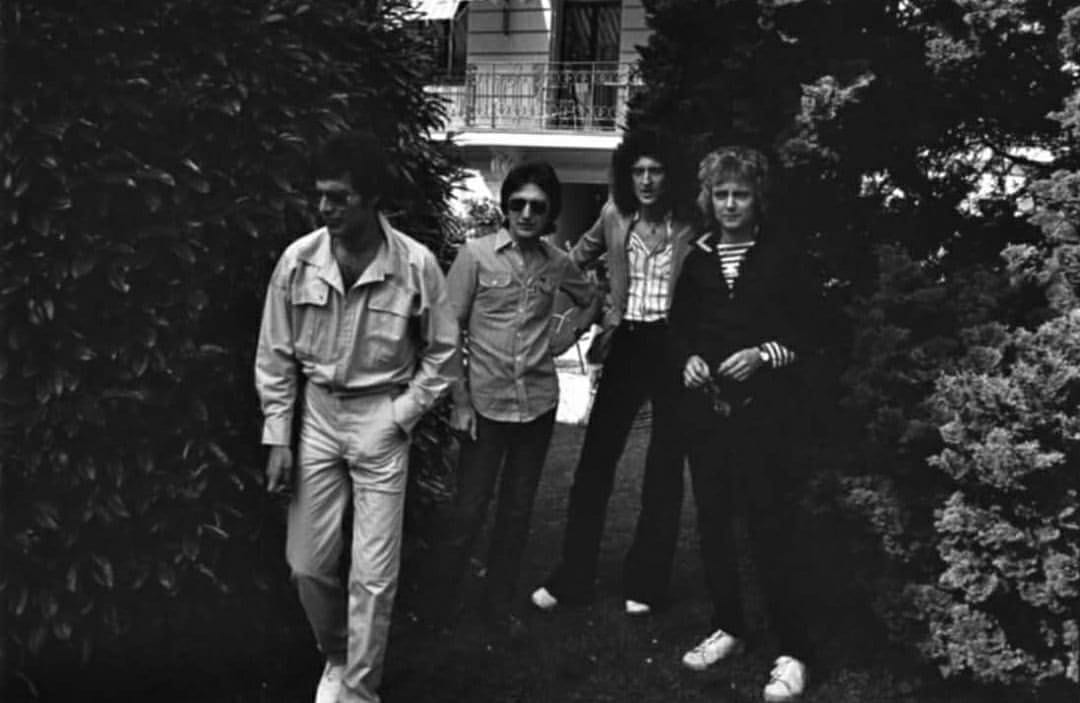
© Peter Hince The Rue du Théâtre hotel where Keith Haring stayed, opposite the site of his work.
▸Ponton du CasinoPontoonOpen the place →
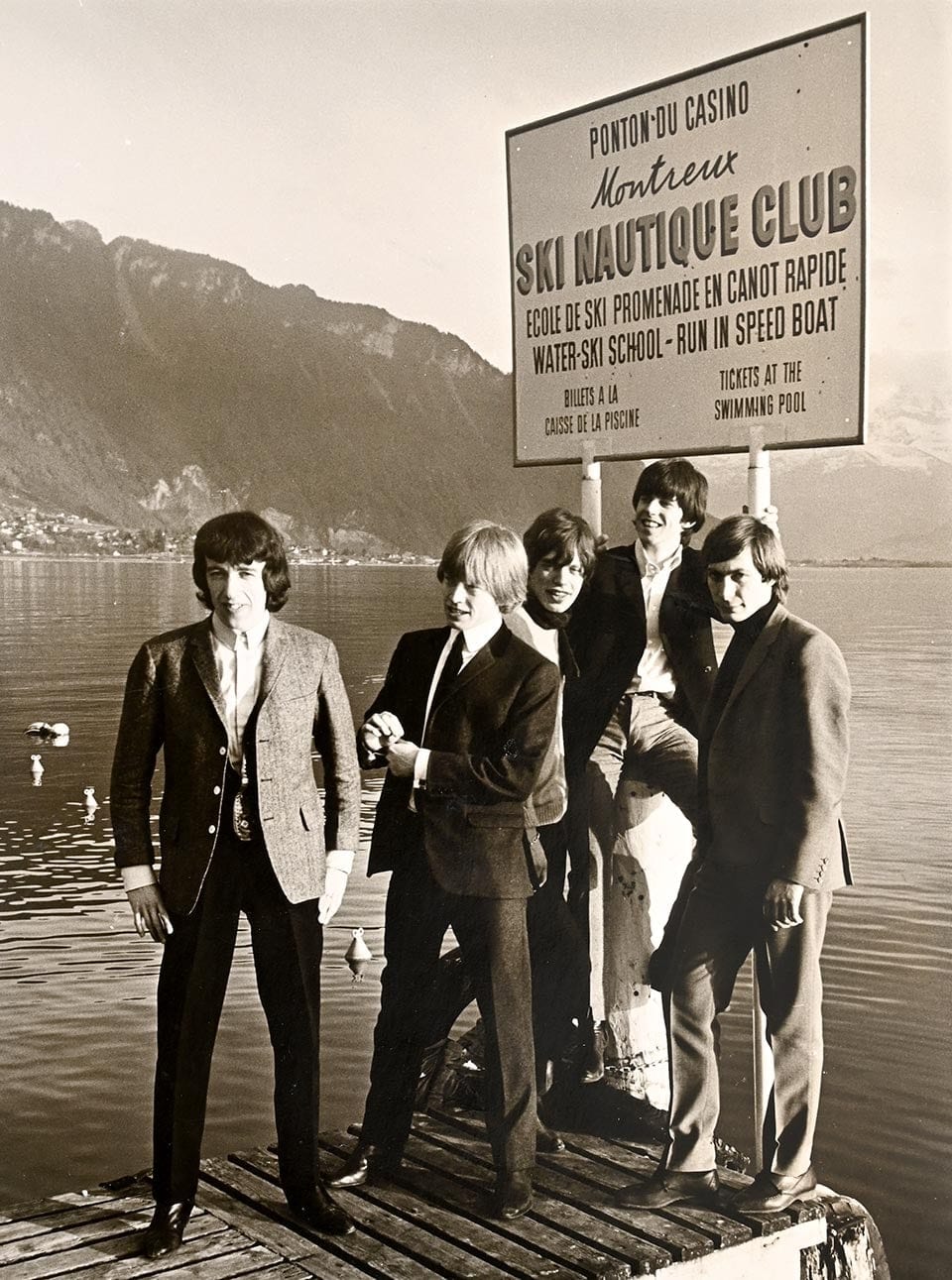
© Sam’s Collection The pontoon in front of the Casino, where the Rolling Stones and later Queen posed.


