Museums, studios & shops
Queen: The Studio Experience

- Type
- Exhibition
- Address
- Casino Barrière, Rue du Théâtre 9, Montreux
Housed in the authentic Mountain Studios, at the heart of the Casino de Montreux, this free exhibition supported by the Mercury Phoenix Trust brings the Queen years back to life. The band acquired the studio in 1979 and recorded seven albums there, from “Jazz” (1978) to “Made in Heaven” (1995), the final album completed around Freddie Mercury’s last vocal sessions. But the story of the place goes beyond Queen: opened in 1975, the studio counted the Rolling Stones among its very first clients, saw “Under Pressure” born with David Bowie in 1981 and Iggy Pop’s album “Blah Blah Blah” in 1986. Yes, AC/DC, Chris Rea, Status Quo and Michael Jackson, who came to mix “Blood on the Dance Floor” in 1997, also worked there. Inside you will find the original recording console, stage costumes, handwritten lyrics and a moving documentary. Open daily, free admission.
Mountain Studios, half a century of legend
1975: Anita Kerr and Alex Grob
Mountain Studios opened its doors on 3 July 1975. It was born from the meeting of Alex Grob, a Swiss businessman active in music who managed artists’ tours, and Anita Kerr, an American singer, composer and producer, architect of the famous “Nashville sound” and several times a Grammy winner, who had worked with Elvis Presley, Johnny Cash, Chet Atkins and Roy Orbison. Love at first sight: she left the United States in 1965 to join Alex, before they settled by Lake Geneva. Their great project, to found a studio, took shape in Montreux: they raised two million francs and set it up in the Casino rebuilt after the 1971 fire. It would become the most important studio in Switzerland.
The Rolling Stones launch the studio
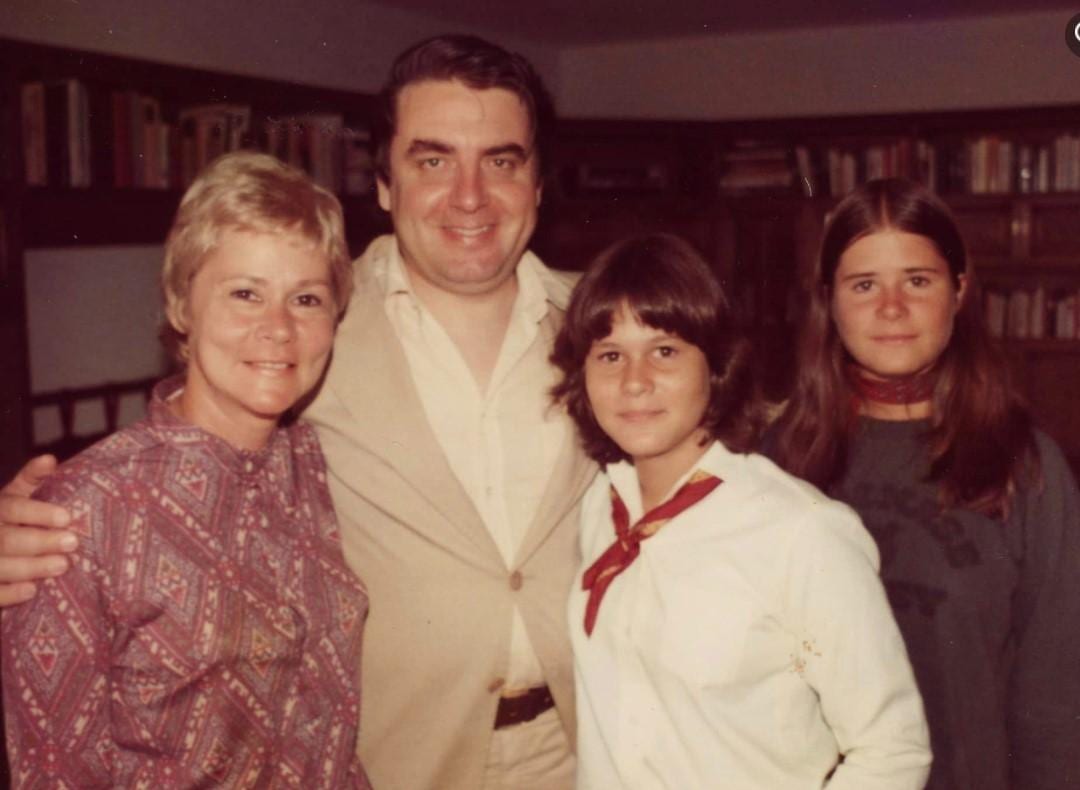
A year after it opened, the studio welcomed the Rolling Stones, who came to finish “Black and Blue”. The album truly launched the place, and stars followed one another: Emerson, Lake & Palmer, Charles Aznavour, Michel Polnareff, Françoise Hardy. At the controls were the sound engineer David Richards, who had arrived as an assistant, and the young Eugène Chaplin, son of Charlie.
David Bowie, the record-holder
Settled in the canton of Vaud, David Bowie became the studio’s most faithful guest: he recorded or mixed seven albums there, starting with his masterpiece “Heroes”. It was he who brought his friend Iggy Pop there, in search of a fresh start, for “Blah-Blah-Blah”. His collaboration with Queen would also give birth to “Under Pressure”, in 1981.
1979: Queen buys the studio
Queen recorded “Jazz” in Montreux in 1978, then bought the studio from Alex Grob on 15 July 1979; David Richards stayed at the controls. The four members created everything together, in equal parts. Freddie Mercury grew so attached to Montreux that he lived there almost until his death. From these years came “A Kind of Magic” and then, posthumously, “Made in Heaven”.
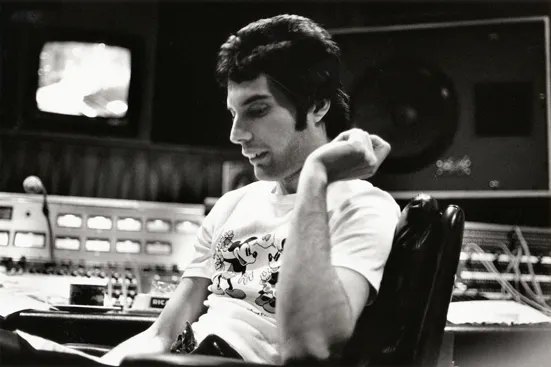
Queen’s sessions were demanding. David Richards, then the sound engineer, recalled an instruction from Freddie: “I want it to sound like a herd of wildebeest stampeding from left to right.” And he added: “Queen had no interest in what might have been done before. They were always looking for something new, so you had to invent a way.” (Queen Online)
The legendary albums
Nearly three hundred records were cut at Mountain Studios, several of which entered the pantheon: “Black and Blue” by the Rolling Stones, “Jazz” by Queen with its “Bicycle Race”, “Heroes” by David Bowie, “Blah-Blah-Blah” by Iggy Pop, “Going for the One” by Yes (whose organ parts Rick Wakeman recorded at the Temple Saint-Martin de Vevey), “Works Volume 1” by Emerson, Lake & Palmer, “Bonzo’s Montreux” by Led Zeppelin, “On the Beach” by Chris Rea and “Fly on the Wall” by AC/DC.
The last departure, 10 November 1991
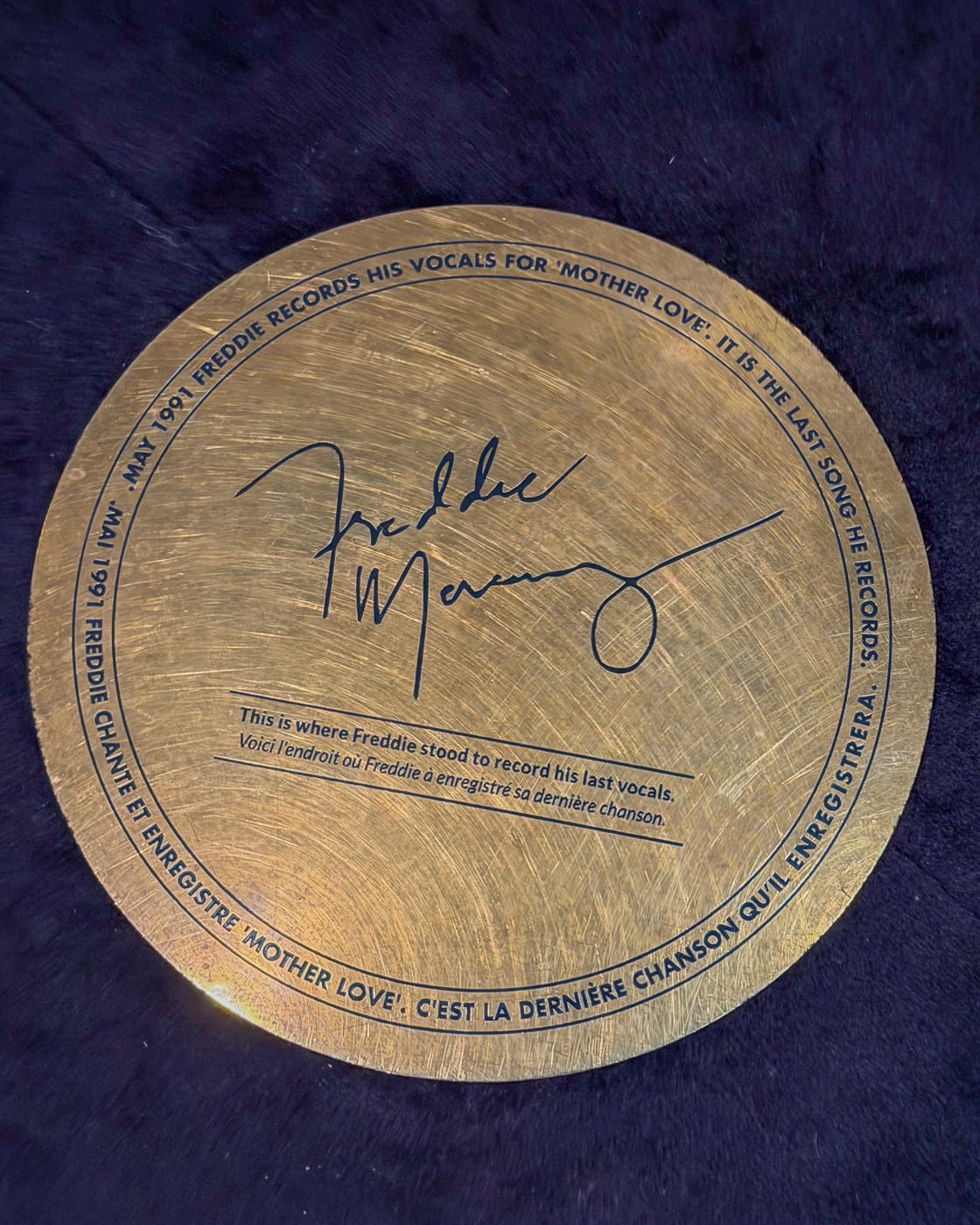
Freddie Mercury recorded his last vocals at the studio at the end of May 1991, on “Mother Love”. He came back to Montreux a few more times. He left for the last time on Sunday 10 November 1991: he died in London fourteen days later.
From closure to exhibition
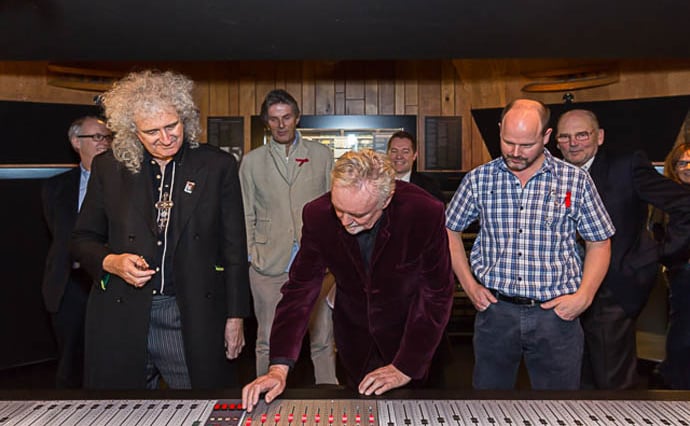
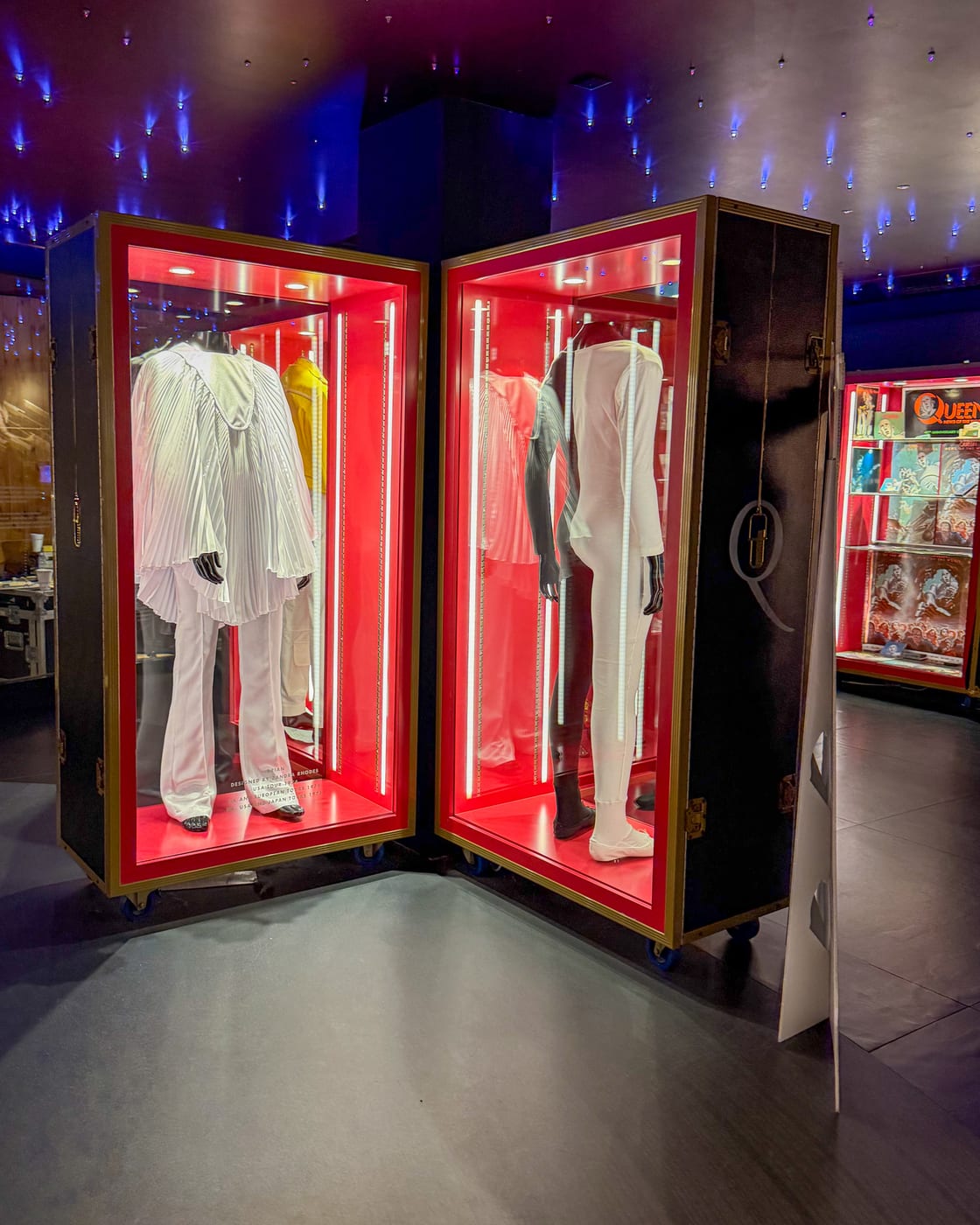
In 1993, David Richards bought Mountain Studios; he had to move it to Attalens in 2001, when the Barrière group took over the casino. Now honoured with a statue in the casino gardens, he died in 2013, shortly after the opening, in the original room, of the “Queen: The Studio Experience” exhibition, supported by the Mercury Phoenix Trust. It shows the original control room, stage costumes and handwritten lyrics. Free entry, every day.
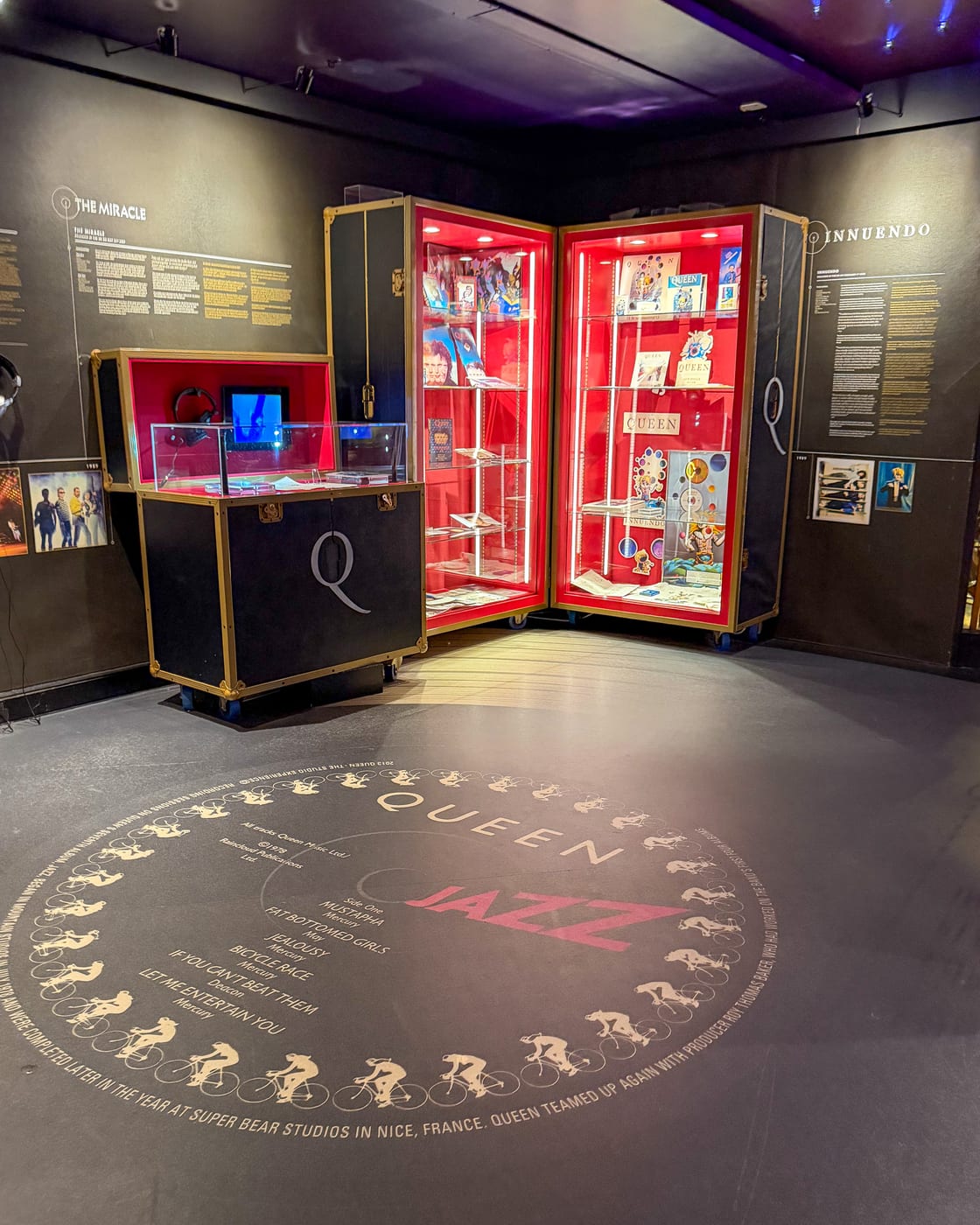
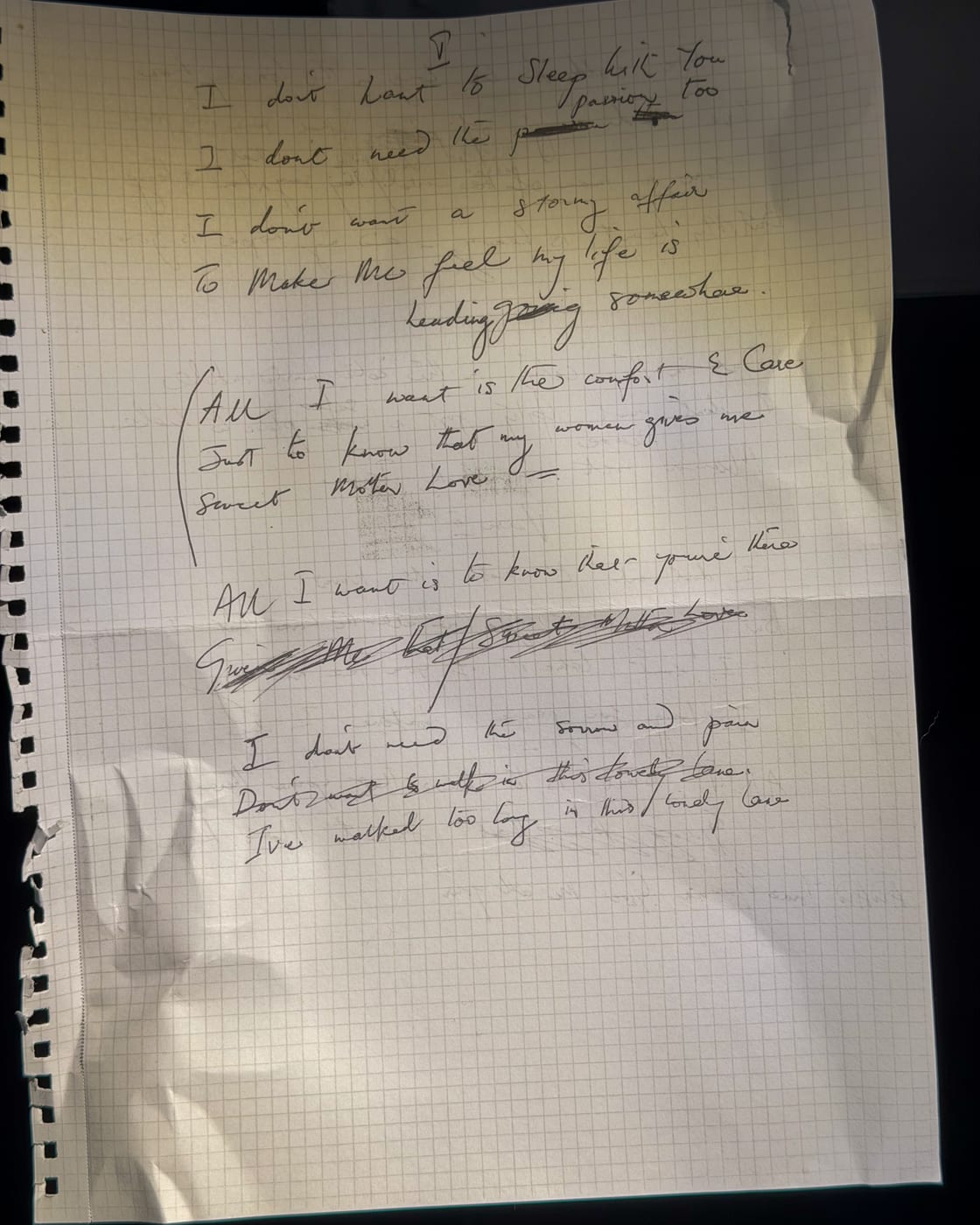
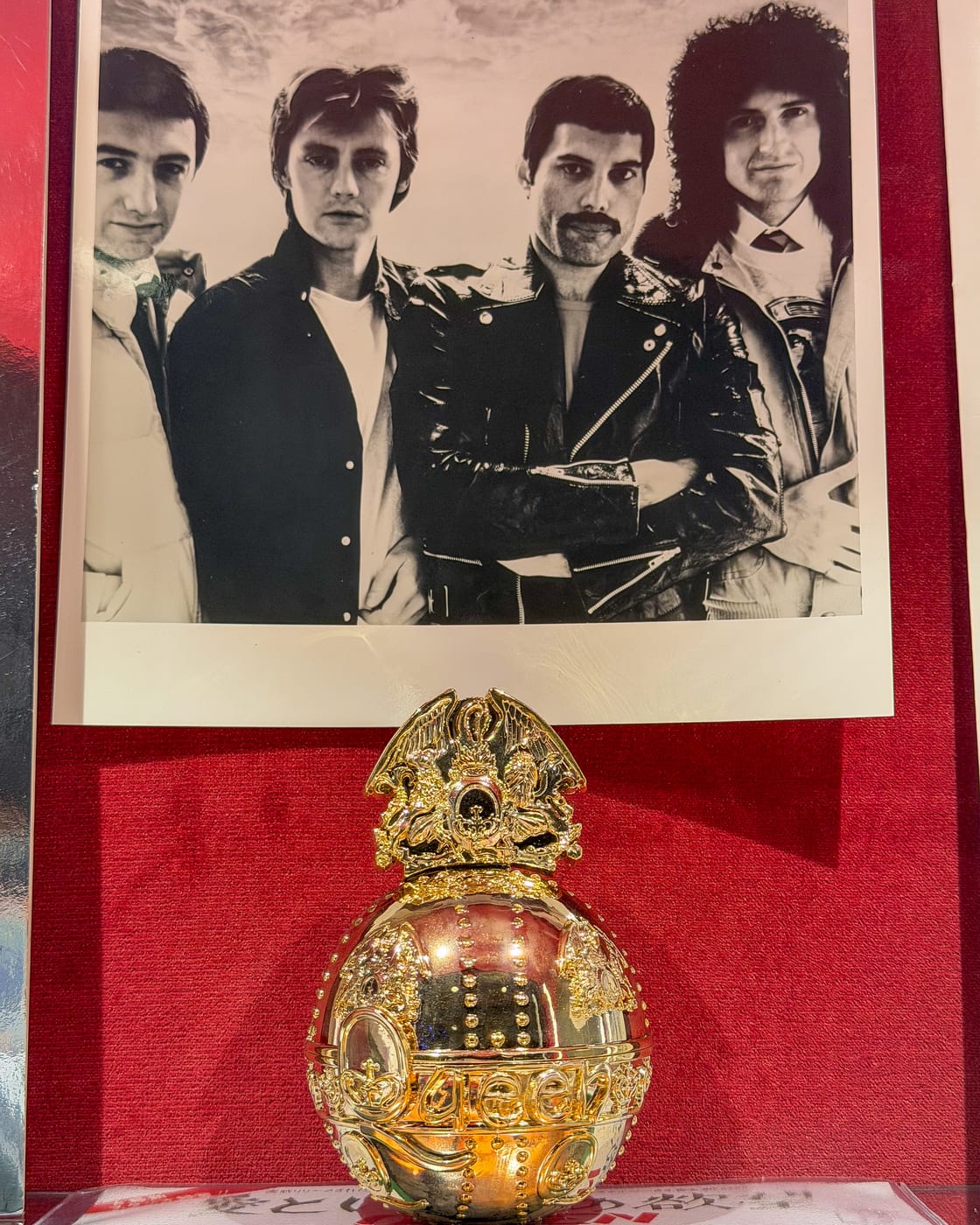
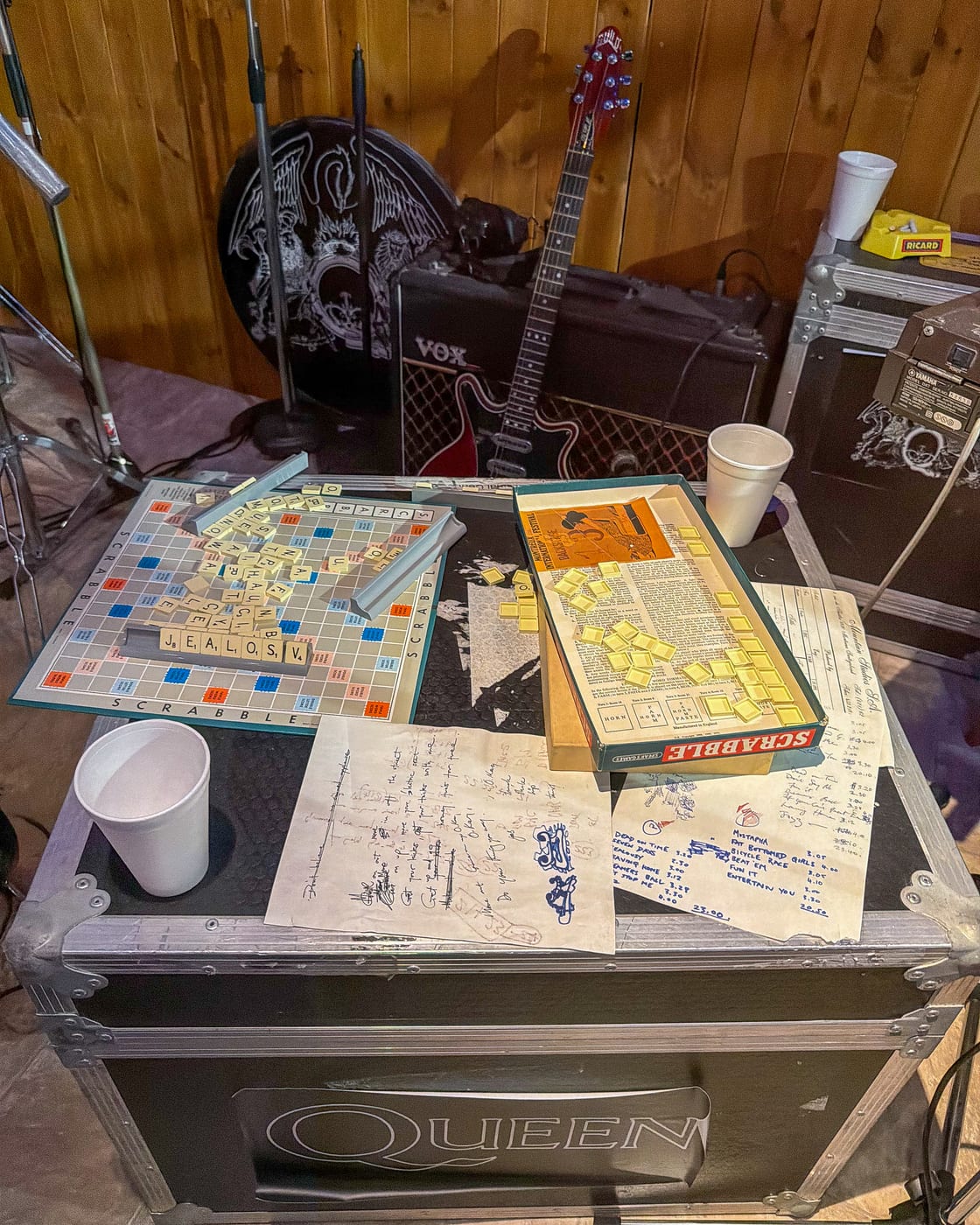
The exhibition opened on 2 December 2013, the eve of World AIDS Day. It faithfully recreates the former control room and brings together the band’s archives: handwritten lyrics, the musicians’ instruments and costumes, annotated tape boxes. It is the work of Queen’s official archivist Greg Brooks and the London studio Marmalade London, with the support of the Fondation du Casino Barrière.
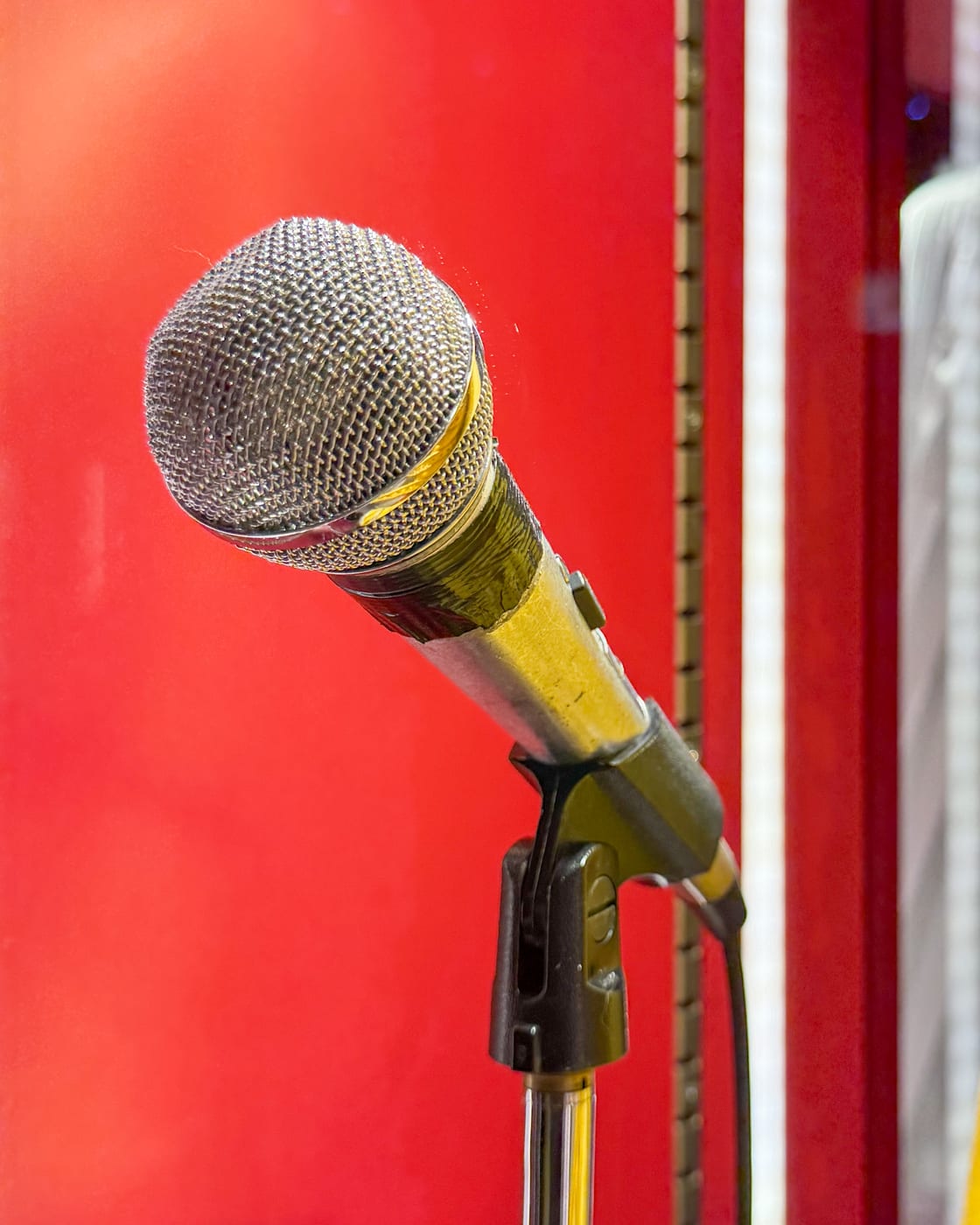
At its heart, the room where Freddie recorded his last vocals, with the original microphone. On David Richards’ mixing desk, anyone can put together their own version of “Made in Heaven”: keep only Freddie’s voice, or take out the guitars and drums.
2022: “Face It Alone”, the studio recreated
In October 2022 “Face It Alone” was released, recorded during the 1988 sessions for “The Miracle” and left unheard for three decades. It is Queen’s first track featuring Freddie Mercury’s voice in eight years. Brian May calls it “beautiful and touching”, Roger Taylor a little gem.
The video, by Simon Lupton, recreates the Mountain Studios in Montreux and mixes animation with images from the videos the band were making at the time. “The intention was to create, despite how the lyrics might be interpreted, an upbeat video that celebrated the fact that the period during which this song was recorded was one of the most prolific and cohesive in the band’s history,” he explains. (Source: queenonline.com)
Related artists :QueenFreddie MercuryDavid BowieMichael JacksonThe Rolling StonesIggy PopDavid RichardsYesRick WakemanAC/DCChris ReaStatus QuoEmerson, Lake & PalmerMagnumSamaelRoger TaylorThe CrossNile RodgersPatrick JuvetEugène ChaplinBoy George