1976
Black and Blue
The Stones were the very first clients of Mountain Studios: in late 1975 they put the finishing touches to “Black and Blue”, the album of the guitarist auditions from which Ronnie Wood emerged.
Rock, pop & metal

The Rolling Stones hold a special place in the musical history of Montreux. It was there, on 20 April 1964, that they made their very first appearance outside Great Britain, for the Rose d’Or. They came back to rehearse at the Théâtre Rialto in 1972, then finished the album “Black and Blue” at Mountain Studios in October 1975. Their mobile studio, for its part, had allowed Deep Purple to record “Machine Head” after the Casino fire in 1971.
The first link between the Rolling Stones and Montreux is not their truck but the band itself, very young. On 20 April 1964, four days after the release of their first album, they landed at Geneva-Cointrin airport and made their way to the Casino de Montreux. It was their first appearance outside Great Britain.
On their arrival at Geneva-Cointrin, a camera caught them in a relaxed moment with the London singer Kenny Lynch, who was travelling with them. Discovered the year before, the band was still on the rise: their third single, “Not Fade Away”, had just reached number three on the British charts.
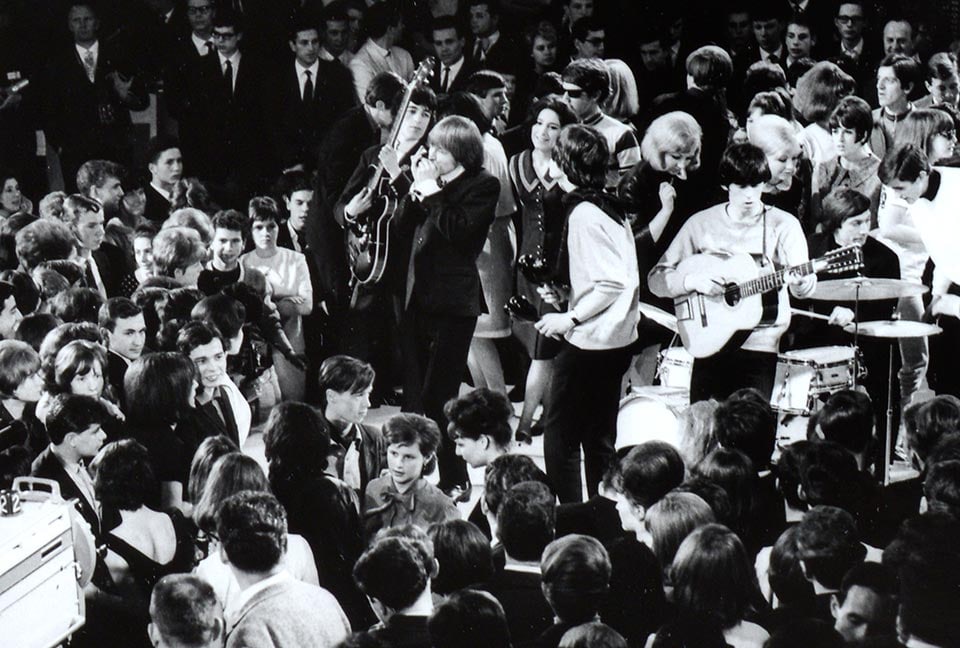
They came to record an episode of the British television show “Ready, Steady, Go!” as part of the Rose d’Or, the international television festival that made Montreux a capital of the small screen. The programme was broadcast on 24 April: it shows the Stones playing “Not Fade Away” and “Carol”. “Mona” and “Route 66” are said to have been recorded too, but did not make the final cut (the Rolling Stones database).
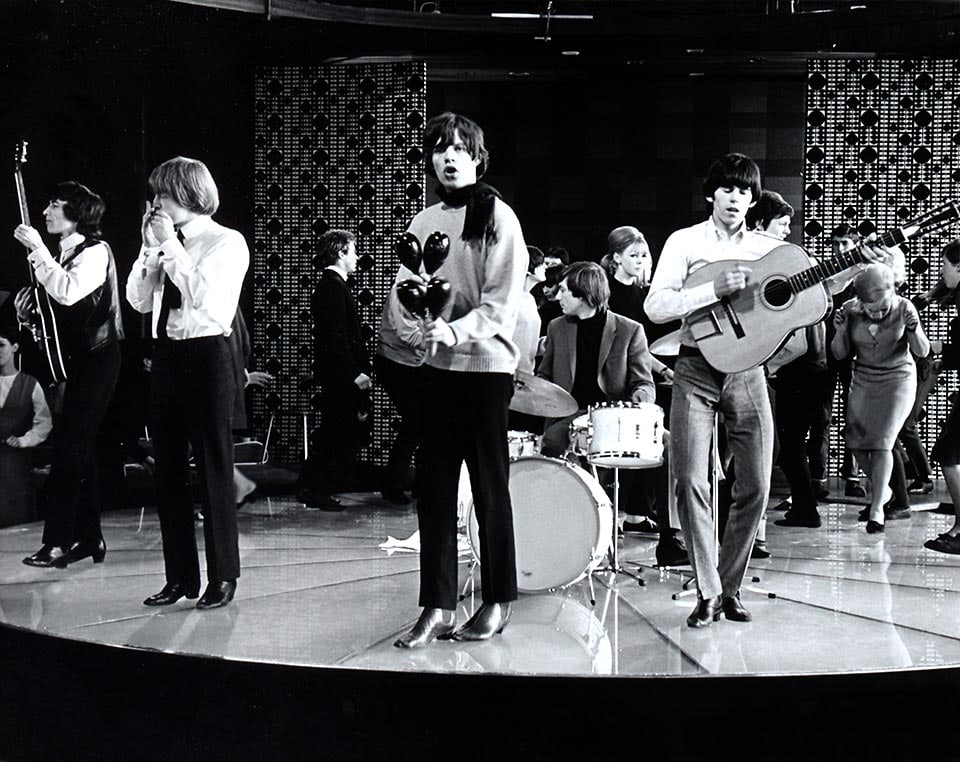
Claude Nobs, who was running the evening, recalled having to give tickets away to fill the hall, as no one yet knew the Stones. The evening was laborious. Despite full rehearsals, the recording in front of an audience kept breaking down, and the Swiss audience, tired of waiting, began chanting complaints, which irritated the musicians. The show could only be captured in one take after midnight. “If it had happened once more I’d have got down and thumped those barrackers,” said Mick Jagger.
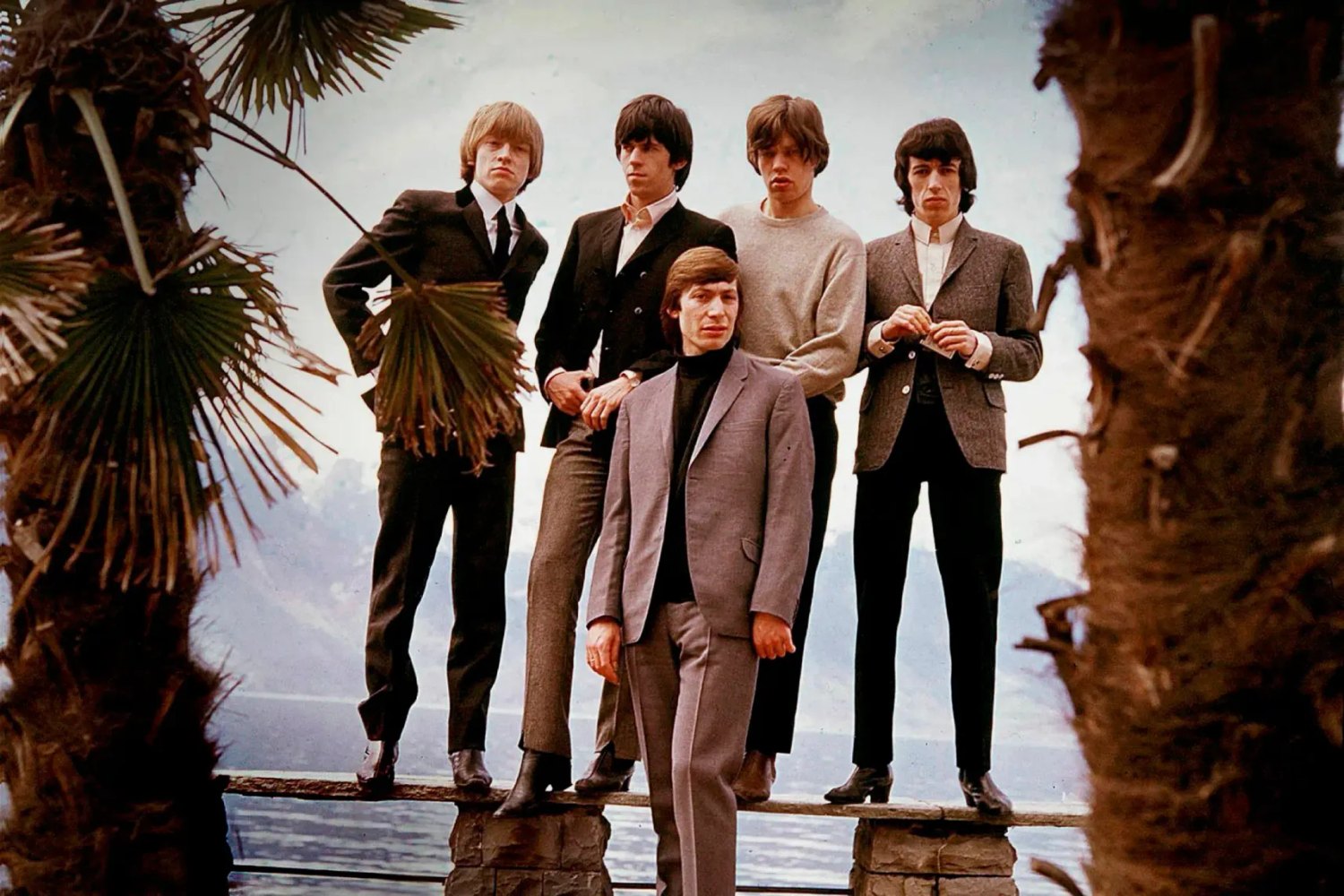
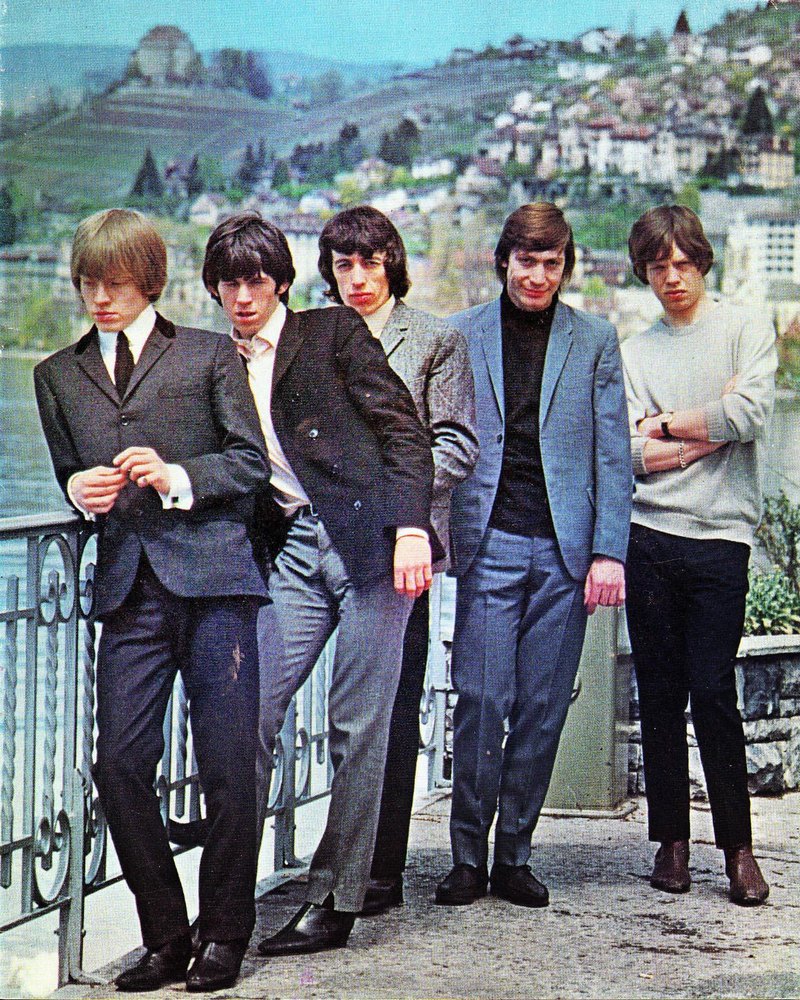
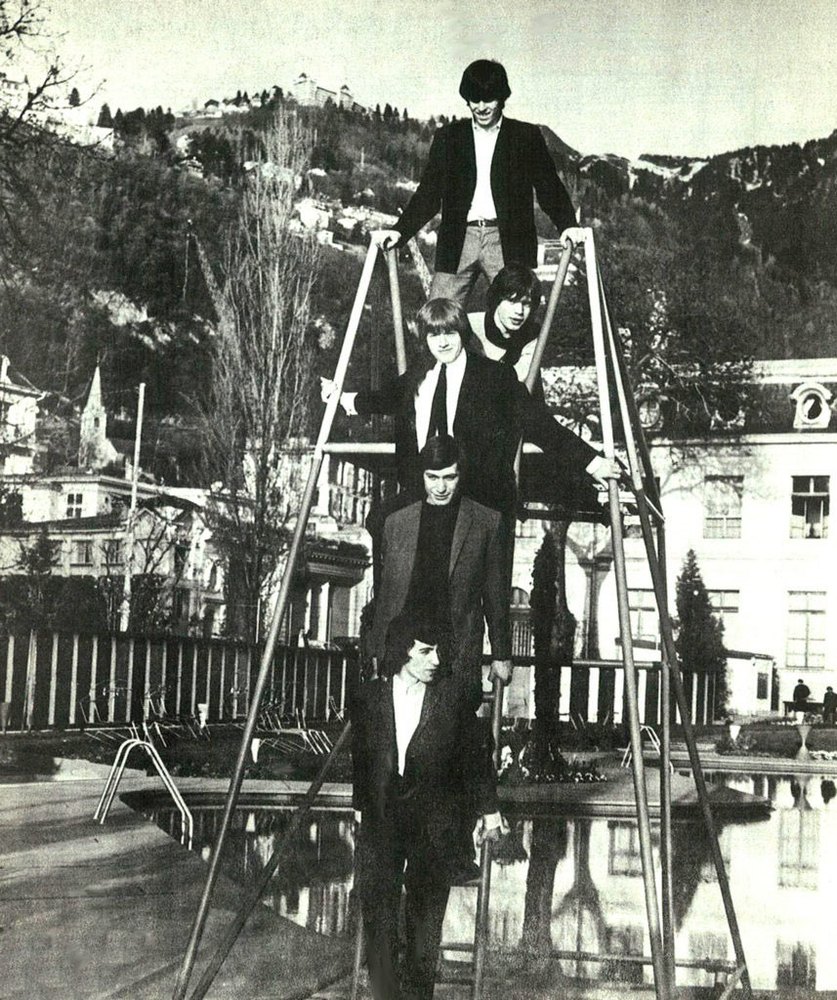
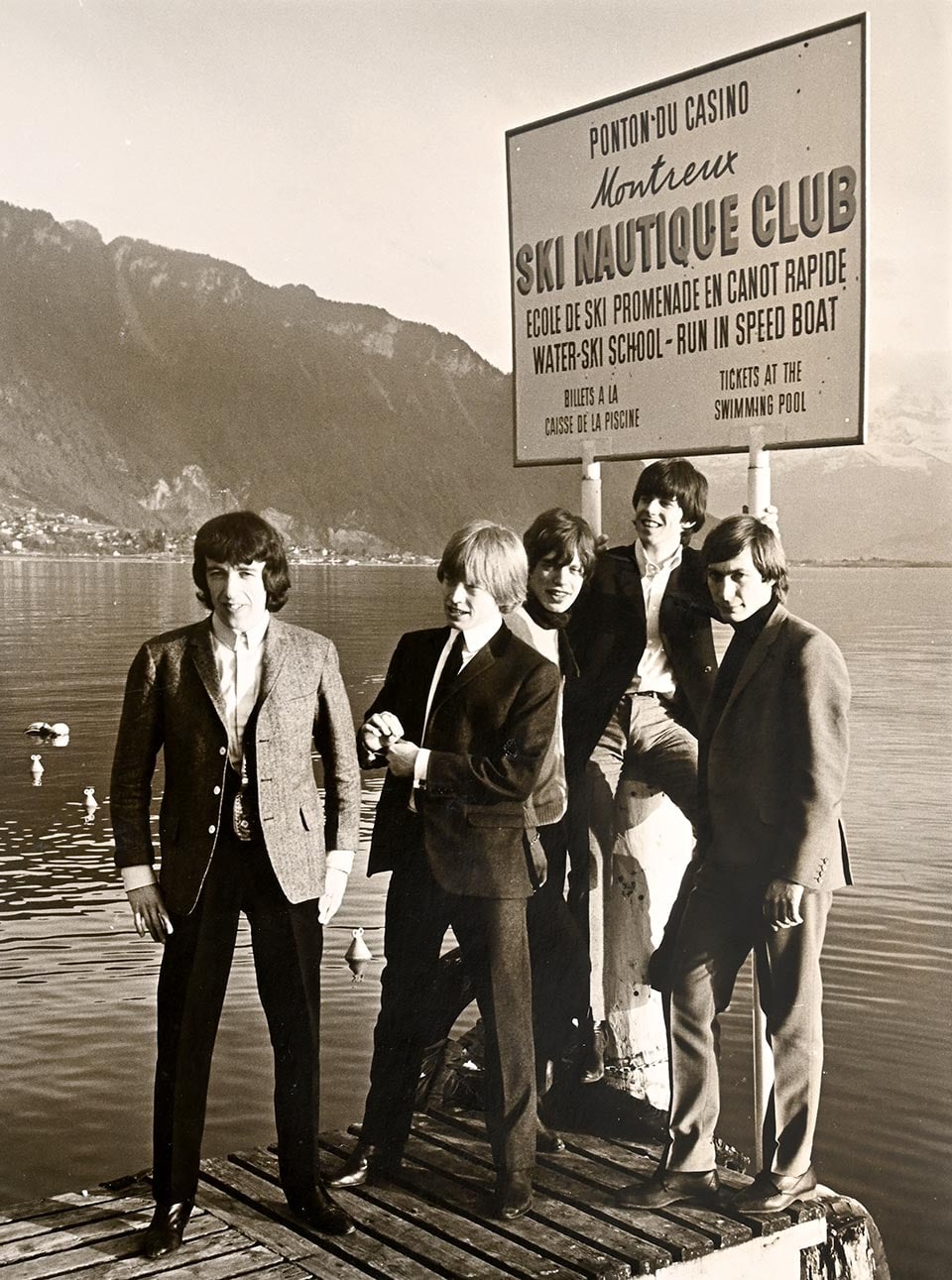
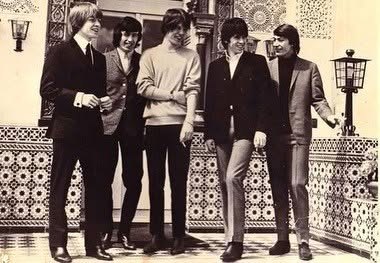
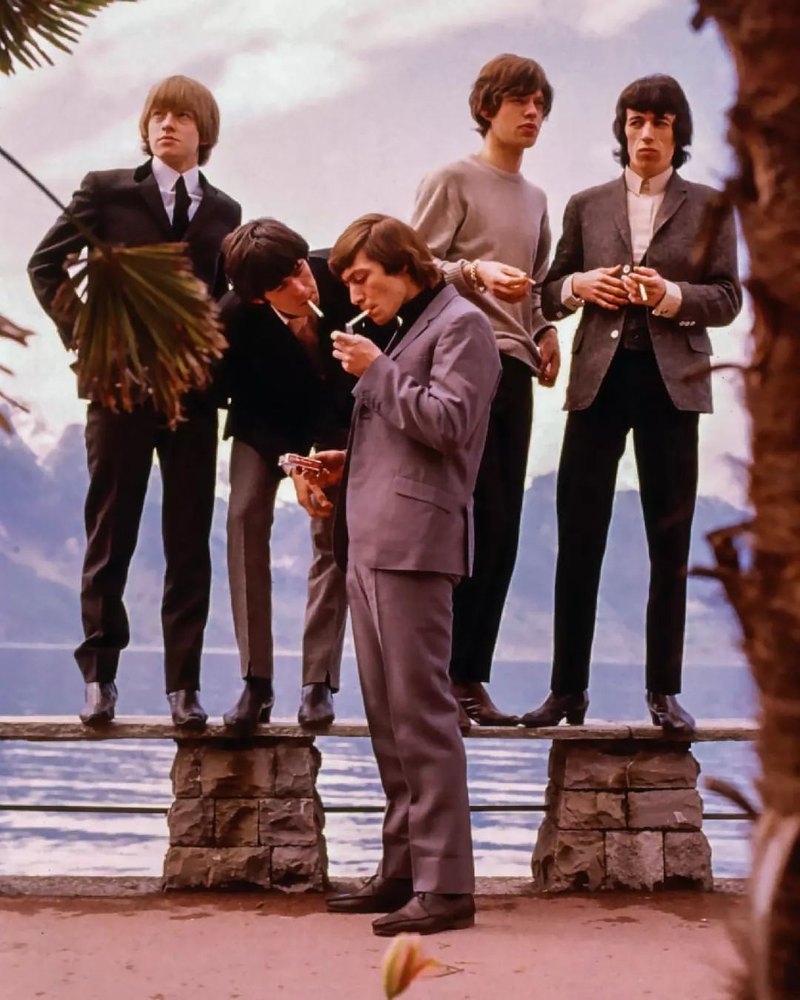
Those two days left more images than music. The band posed by the lake, on the Casino pontoon, under the sign of the Ski Nautique Club, and in the grounds of the Hôtel Eden Palace au Lac.
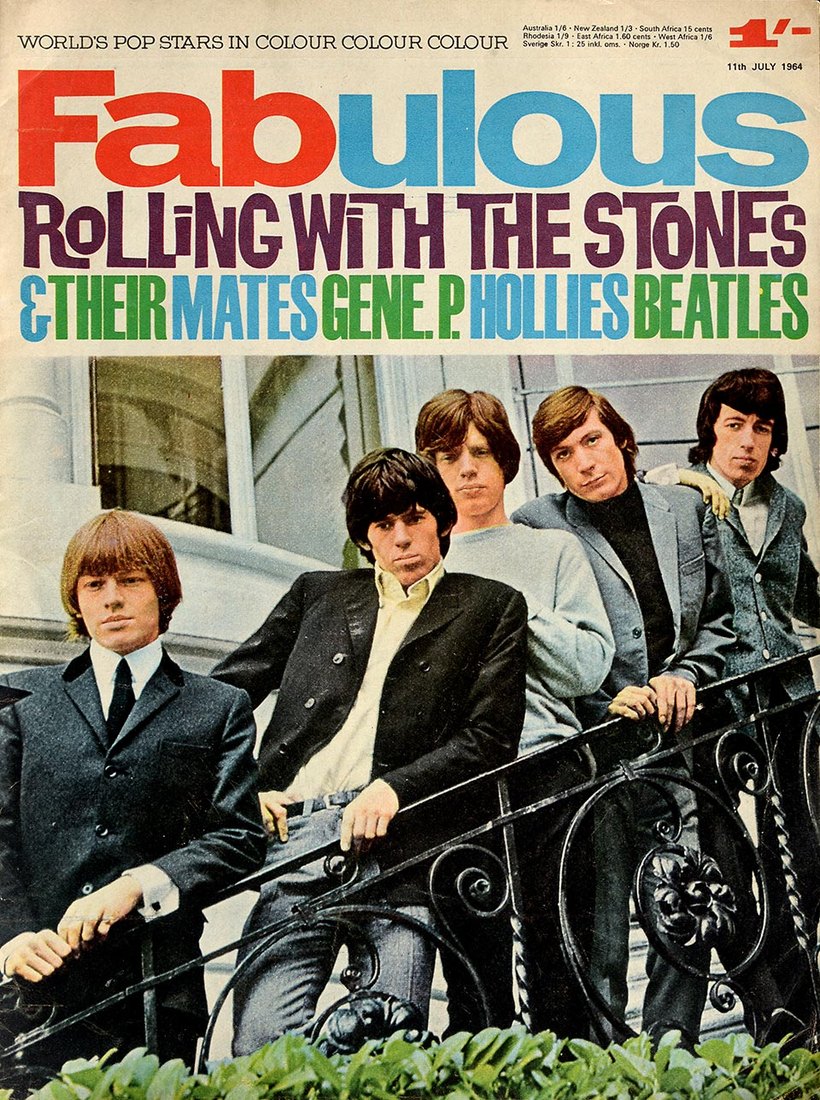
It was there, at the Eden Palace, that the photograph was taken which made the cover of the English magazine “Fabulous” of 11 July 1964, with a feature on this Swiss trip.
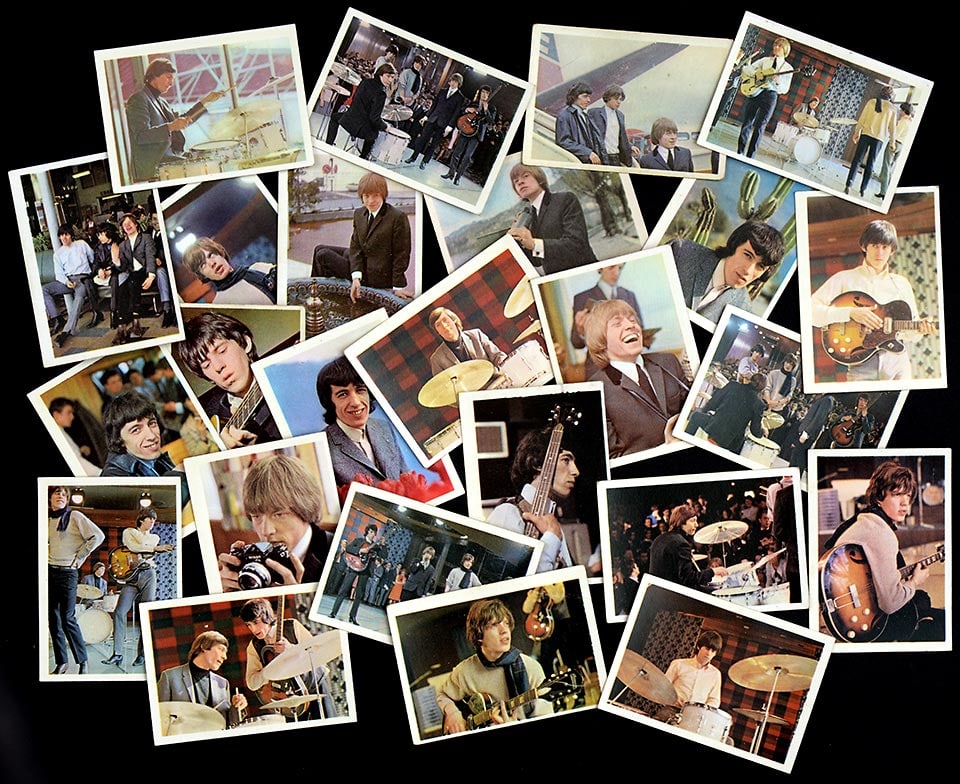
The trip fed the band’s whole imagery that year. Most of the forty Panini collector cards issued in 1964 come from Montreux, as do the photographs in the band’s first official songbook and those in the “Album Of Songhits”.
The Casino where they played that night no longer exists: it is the building from before the 1971 fire. Twenty years later Queen would come in turn to appear for the Rose d’Or, at the Petit Palais.
The spot is still recognisable today: it is the one occupied by Le Palais Oriental, on the quay.
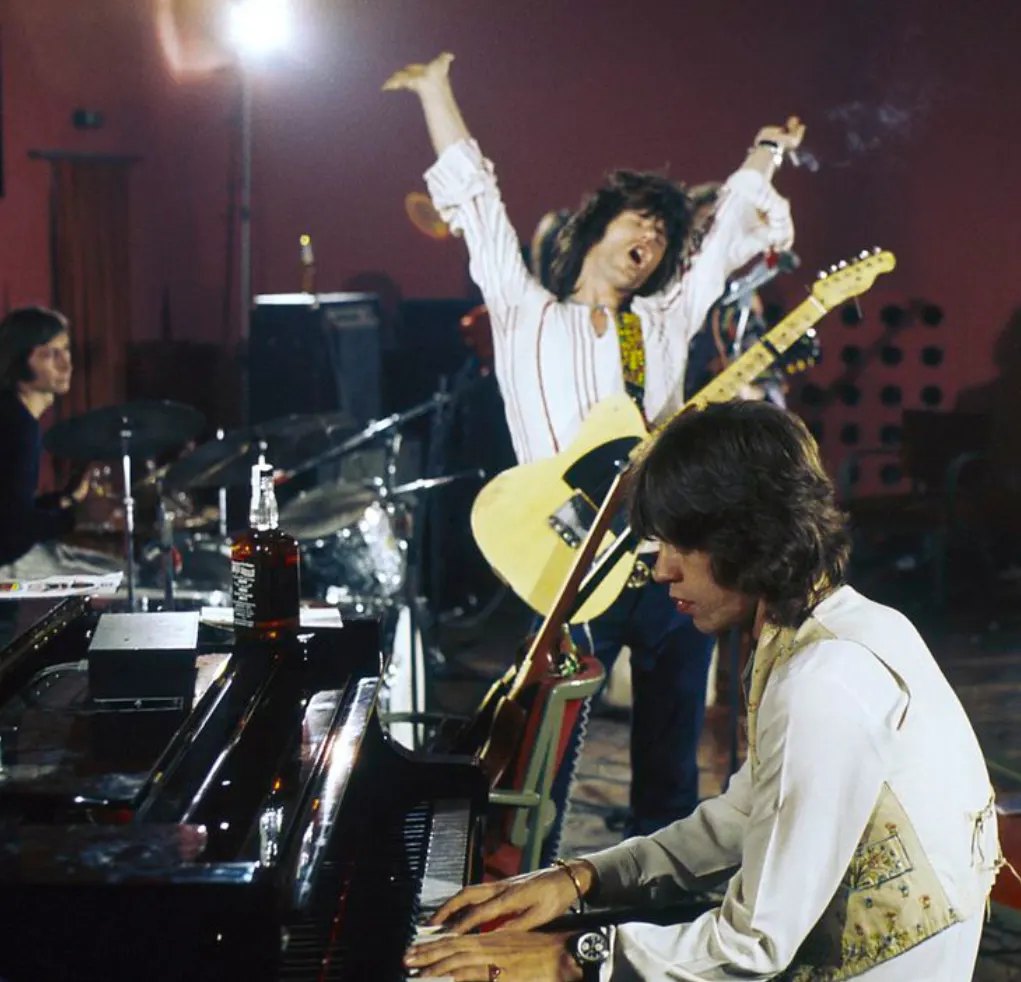
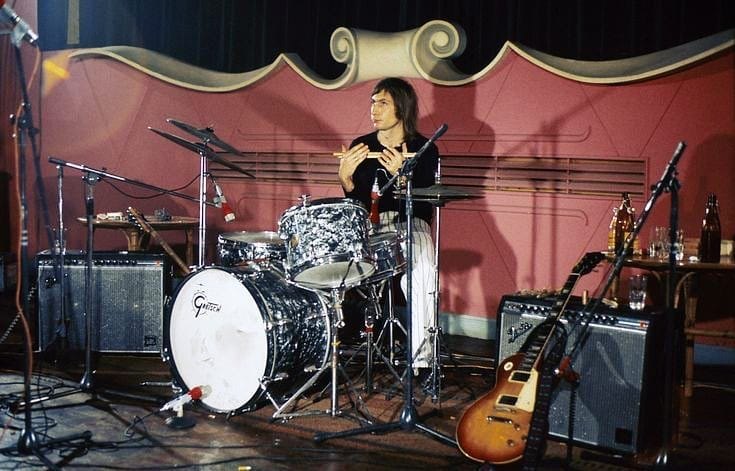
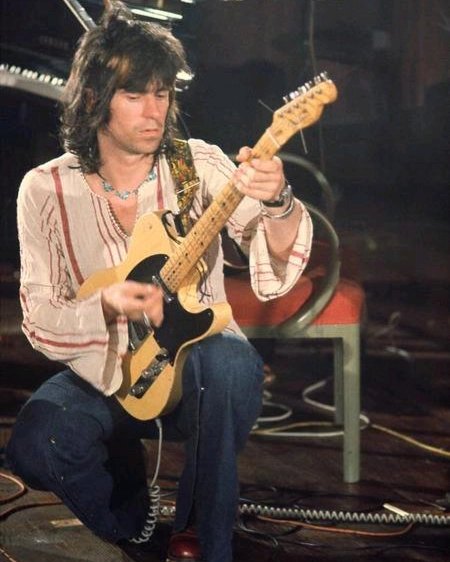
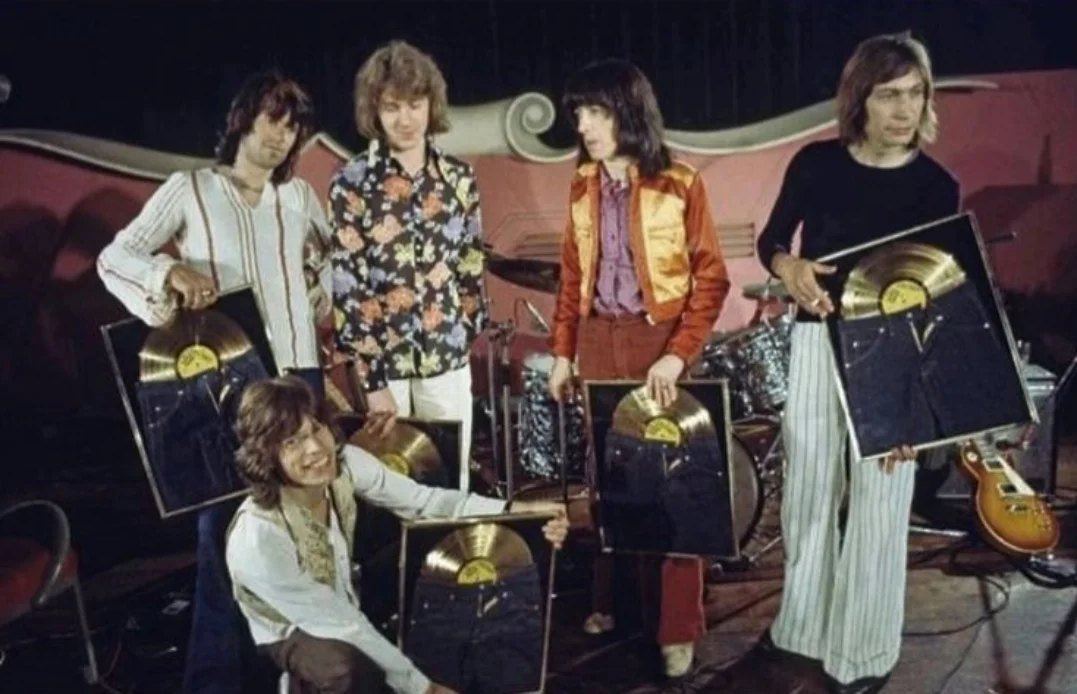
In May 1972 the Rolling Stones came back to Montreux. They rehearsed at the Théâtre Rialto, in Territet, before crossing the Atlantic for the North American tour that became known as the “Stones Touring Party”. It was also in Montreux, on 18 May 1972, that they received their gold discs for “Sticky Fingers”.
More than music was at stake: it was their first return to American soil since Altamont, in 1969, and they meant to repair their image there. “Exile on Main St.” had just come out and was a huge success.
The session was filmed. It shows the band improvising, with no piece written in advance: Mick Taylor plays long guitar solos, Charlie Watts follows him on drums, and Mick Jagger, sitting at the piano, stops playing to listen.
Jagger said of Taylor, in 1995: “Mick Taylor would play very fluid lines against my vocals. He was exciting, and he was very pretty, and it gave me something to follow, to bang off. Some people think that’s the best version of the band that existed.” (Far Out)
François Michel, a former member of the tourist office, remembers attending one of those rehearsals. He told MyMontreux.ch: “Honestly, I didn’t really know the band. A classmate had mentioned they were rehearsing in that cinema, a superb place with its old dark-red curtain and its stucco screen surround. We got in without any trouble and stayed a while to watch and listen. Not much was happening, a few guitar chords, Charlie Watts tapping his drums now and then, and then we left.”
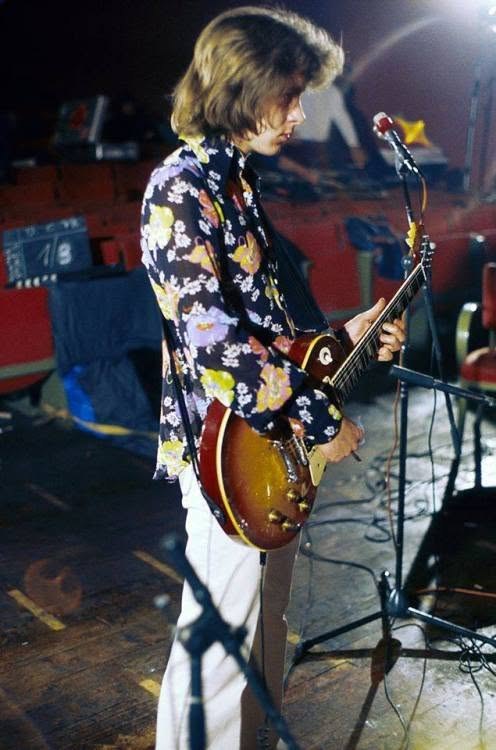
Four years later the band came in person. Mountain Studios had opened inside the rebuilt Casino, founded by the American singer and composer Anita Kerr and the Swiss businessman Alex Grob, and designed by studio architect Tom Hidley.
The Rolling Stones worked there from 19 to 30 October 1975 on “Black and Blue”. They did not record the album there, begun in Munich in December 1974 and continued in Rotterdam until April 1975, but they did the overdubs. It was in Montreux that the record took shape, before a final round of retouching in Munich in December. It was released on 23 April 1976.
Those tapes are those of a band in the middle of a succession. Mick Taylor had left in December 1974, and three guitarists had played on the same songs in Rotterdam: Harvey Mandel, Wayne Perkins and Ronnie Wood. The Montreux sessions served to sort out that material and finish an album that keeps the trace of all three.
The band ranks among the studio’s very first clients, alongside David Bowie, Yes, Rick Wakeman and Emerson, Lake & Palmer, a generation of British artists drawn as much by the quality of the place as by Swiss taxation.
The studio and the console the Rolling Stones used in 1975 are still inside the Casino. They now form the Queen: The Studio Experience exhibition, named after its former owner: Queen bought Mountain Studios in 1979.
The band also left a trace in the nightlife of the Riviera. Dad Régné, an interior designer and king of the Lausanne discotheques, had fitted a private club inside his house in the Cité Dubochet at Clarens, where he received the stars passing through Lake Geneva.
The Rolling Stones are among them, alongside Keith Haring, Thierry Le Luron, Julien Clerc, Véronique Sanson and Grace Jones, according to the portrait 24 heures devoted to Dad Régné on his death in February 2023. No precise date is attached to those visits: they belong to the years when the Riviera drew the jet set away from the spotlight.

The free exhibition inside the real Mountain Studios, where Queen recorded seven albums between 1978 and 1995.

The empty grand hotel where Deep Purple recorded “Machine Head” in December 1971, in a corridor lined with mattresses.

The building around which the whole musical history of Montreux revolves: burned down in 1971, rebuilt, it houses Queen’s studio and saw the festival born.
In the listed villa quarter of Clarens, the home of Dad Régné, who welcomed passing stars in his private discotheque.

The Italian restaurant where Queen dined and where Freddie Mercury had his table, number 19.

The Persian house on the quay, where a carpet connected its owner to Freddie Mercury.

The Rue du Théâtre hotel where Keith Haring stayed, opposite the site of his work.

The pontoon in front of the Casino, where the Rolling Stones and later Queen posed.

The Territet venue where the Rolling Stones rehearsed in 1972 before their American tour.
1976
The Stones were the very first clients of Mountain Studios: in late 1975 they put the finishing touches to “Black and Blue”, the album of the guitarist auditions from which Ronnie Wood emerged.