Classical music
Charlie Chaplin

It is often forgotten that Charlie Chaplin (1889-1977) was also a composer. Over more than fifty years he wrote close to nine hundred minutes of film music and some two dozen published songs, without ever having learned to read or write a note: he would sing or play his ideas to musicians whose job was to transcribe and orchestrate them. He gave us the melody of “Smile”, from “Modern Times” (1936), which became a worldwide standard, as well as the scores of “The Great Dictator”, “Monsieur Verdoux”, “Limelight”, “A King in New York” and “A Countess from Hong Kong”. His only competitive Academy Award, received in 1973, was in fact for a score, that of “Limelight”. He discovered the region at the end of 1952, visiting the Château de Chillon among other places, before settling at the Manoir de Ban in Corsier-sur-Vevey from January 1953 until his death on Christmas Day 1977, he welcomed there the pianist Clara Haskil, who played for his guests. His son Eugène became a sound engineer at Mountain Studios in Montreux.
Charlie Chaplin: a composer who could not read music
Nine hundred minutes of music, without writing a note
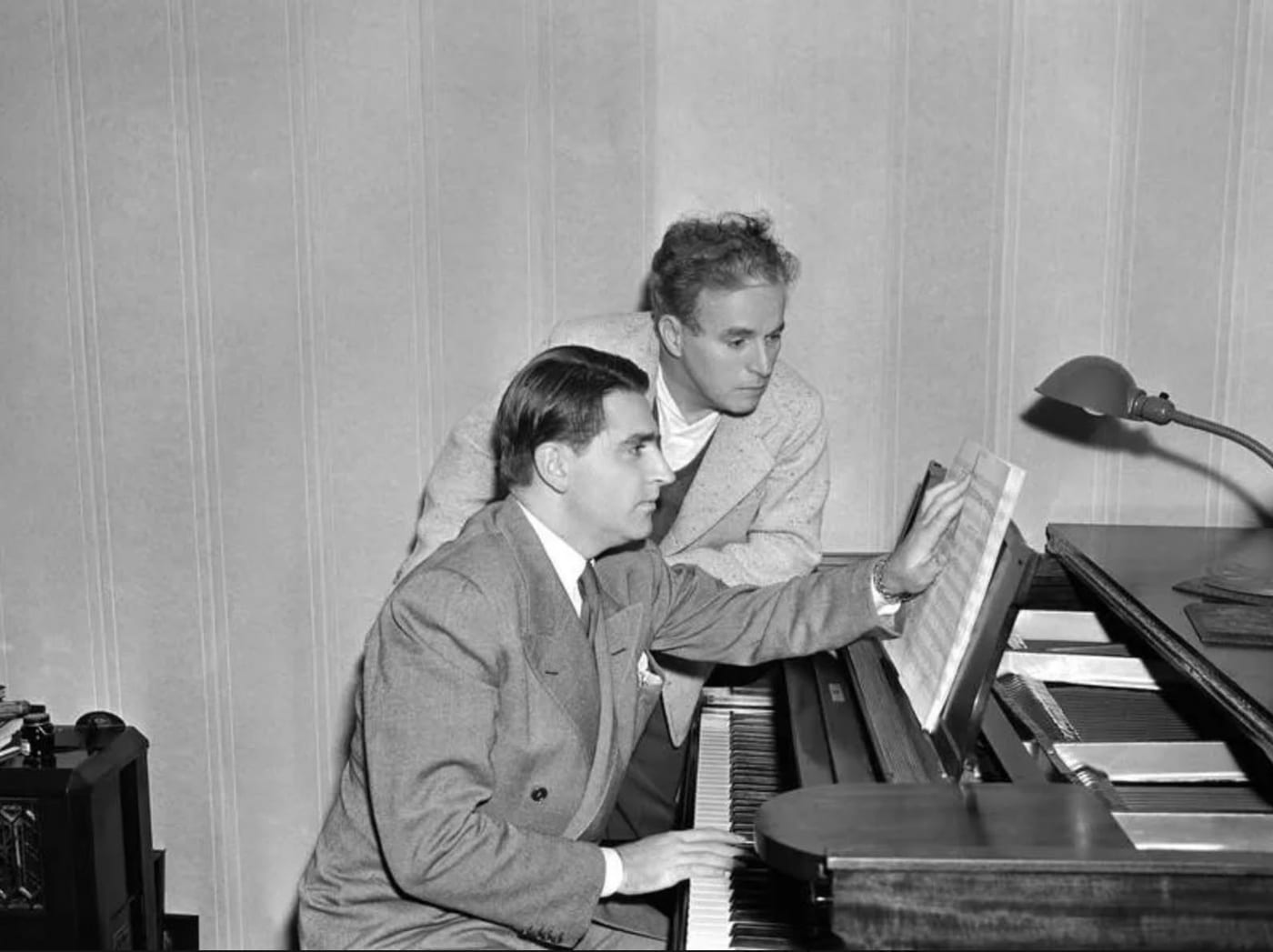
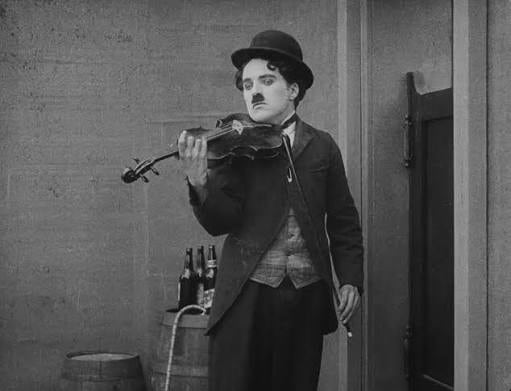
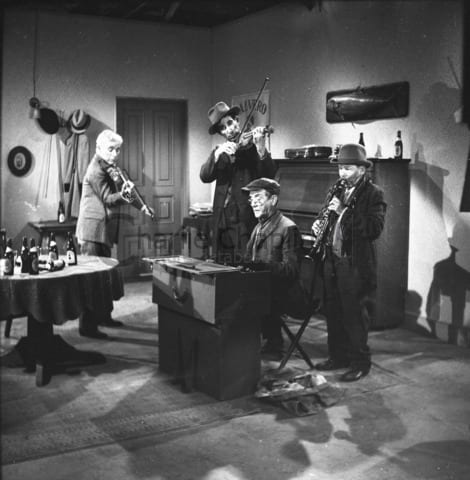
Everyone knows the actor and the film-maker; the musician is forgotten. Over more than fifty years, Charlie Chaplin composed close to nine hundred minutes of film music and some two dozen published songs. He wrote the scores for “The Great Dictator”, “Monsieur Verdoux”, “Limelight”, “A King in New York” and “A Countess from Hong Kong”.
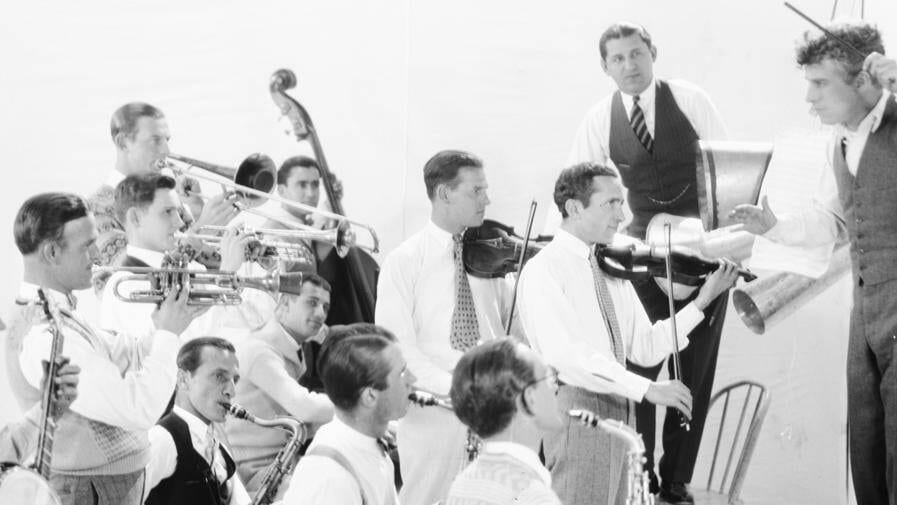
The disconcerting detail: he never learned to read music. He would sing or play his ideas to musicians whose task was to transcribe, arrange and orchestrate them. His working method resembled that of a director guiding performers more than that of a composer.
His only competitive Academy Award, received in 1973, was in fact for a score: that of “Limelight”, a film released in 1952 but not shown in the United States until twenty years later. And one of his melodies, from “Modern Times” in 1936, became a worldwide standard under the title “Smile”, after John Turner and Geoffrey Parsons added lyrics to it in 1954.
Shut out mid-crossing
Chaplin did not choose Switzerland: it was forced upon him. In September 1952 he was crossing the Atlantic to present “Limelight” in Europe when he learned that the United States had just revoked his re-entry permit. After forty years in Hollywood, he could no longer go back.
The family came to Switzerland on the advice of his half-brother Sydney. At the end of 1952, Chaplin discovered the Vaud Riviera and visited the Château de Chillon. A few weeks later, on 6 January 1953, the Chaplins moved into the Manoir de Ban at Corsier-sur-Vevey.
He would live there for twenty-five years, until his death on Christmas Day 1977. His wife Oona and several of their children stayed on long after him.
The Steinway at the Manoir de Ban
Living in Vevey at the time was Clara Haskil, a refugee since 1942 and one of the greatest pianists of the century. Chaplin often invited her to his table, especially at Christmas, and had a Steinway installed in his villa so that she could play after dinner.
He had just acquired a good-quality tape recorder and used it to record those evenings. On the tapes, Clara Haskil can be heard playing Schumann’s “Scenes from Childhood”, Louis Daquin’s “The Cuckoo”, two Scarlatti sonatas, the Largo of Beethoven’s Seventh Sonata. The tapes also caught snatches of conversation among the guests: they are the only known recordings of the pianist’s voice.
Of his friend he said: “I have known three geniuses in my life: Clara Haskil, Professor Albert Einstein and Sir Winston Churchill.” Her death, in 1960, affected him deeply.
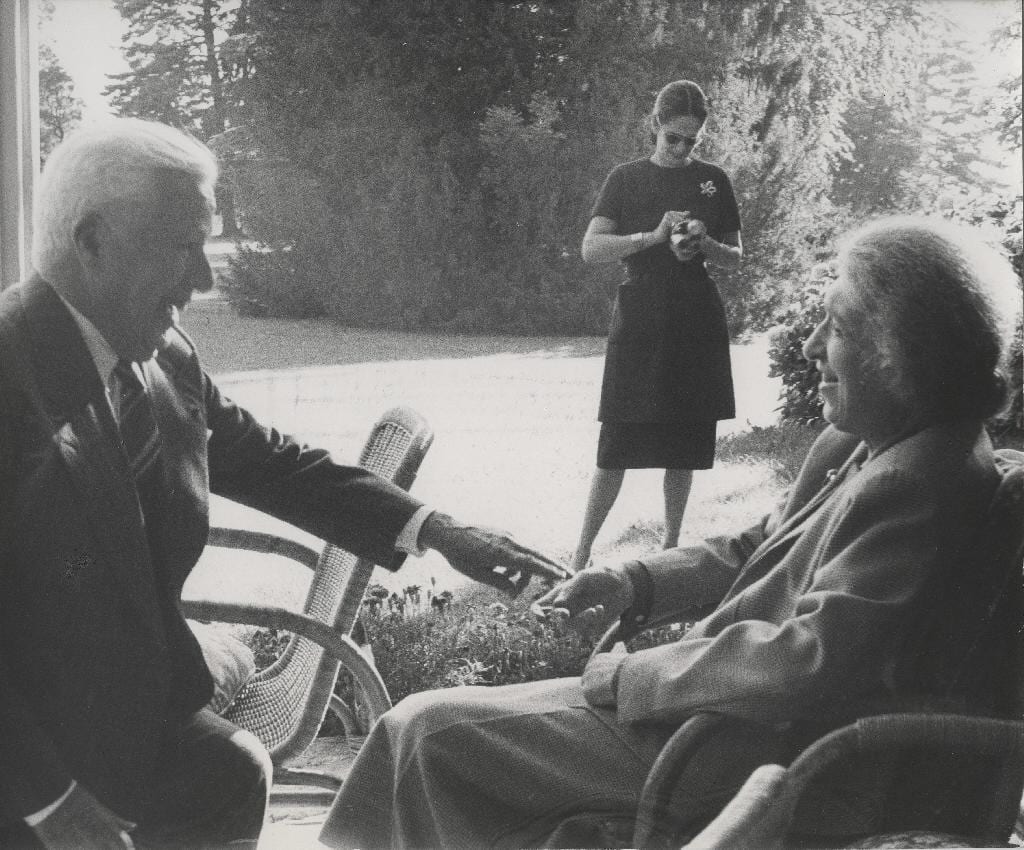
A family that entered the music of the Riviera
His son Eugene, born in 1953, grew up at the Manoir de Ban before becoming an assistant sound engineer at Mountain Studios, in the years when the studio was recording Queen, Bowie and Iggy Pop.
In January 1997 Michael Jackson, on a working stay in Montreux, came to see the house, pay his respects at Chaplin’s grave and dine with the family.
In April 2016, after fifteen years of preparation, the estate became the Chaplin’s World museum. The grave of Charlie and Oona Chaplin is in the cemetery of Corsier-sur-Vevey, a few minutes from the manor.
Related places
▸Château de ChillonCastle museumOpen the place →
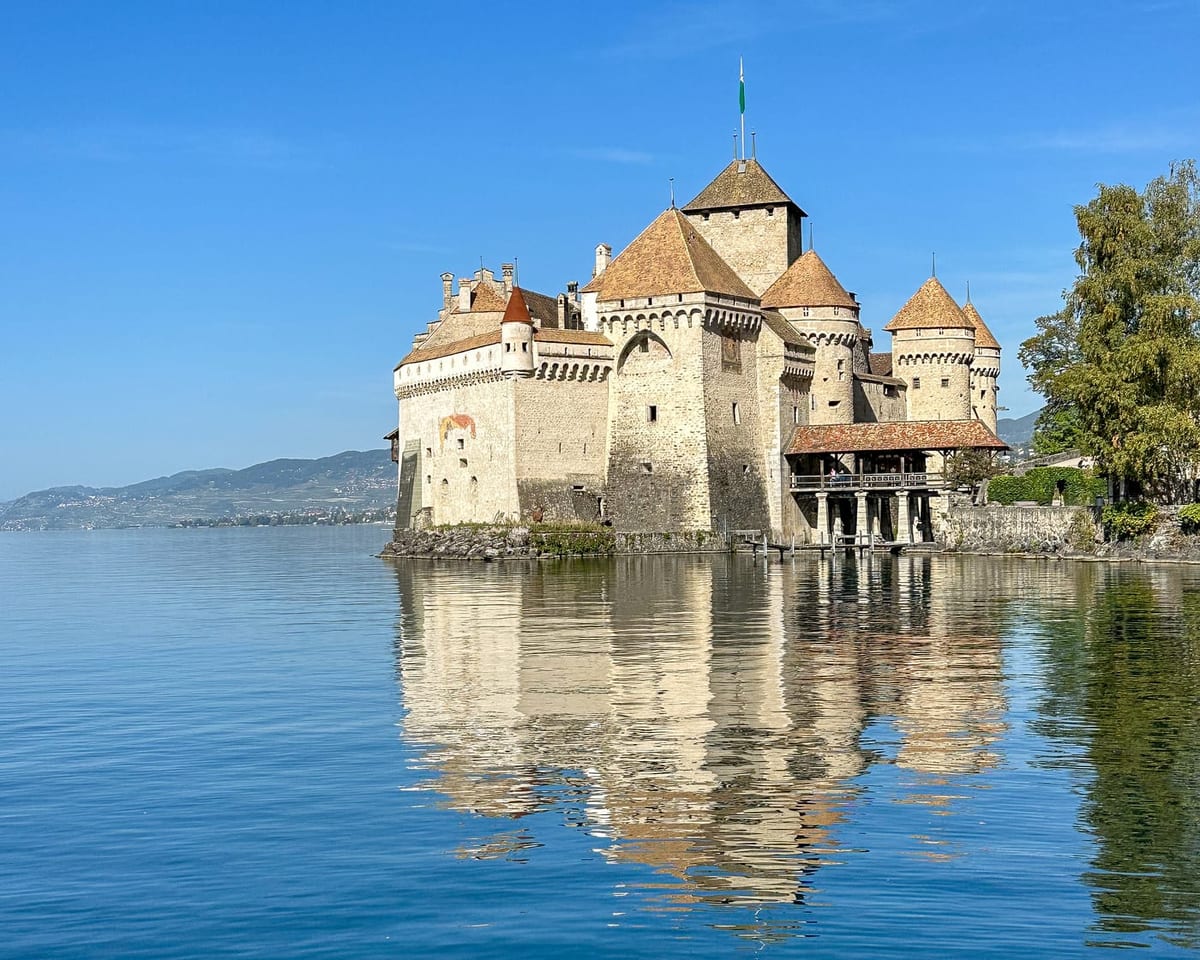
© Visit Montreux Switzerland’s most famous castle: pianist Bill Evans chose it for the cover of “At the Montreux Jazz Festival” (1968), the first record made in Europe to win a Grammy.
▸Chaplin’s World, Manoir de BanMuseum / Charlie Chaplin’s homeOpen the place →

© Visit Montreux The house where Charlie Chaplin spent his last twenty-five years. His son Eugène grew up here before becoming a sound engineer at Mountain Studios in Montreux.
▸Silhouette de Clara Haskil“Rencontres & Inspiration” silhouetteOpen the place →
Photo coming soonOn the quays of Vevey, a silhouette recalls the pianist who lived here from 1942 until her death, and whose international competition still bears her name.
▸Cimetière de Corsier-sur-VeveyCemeteryOpen the place →
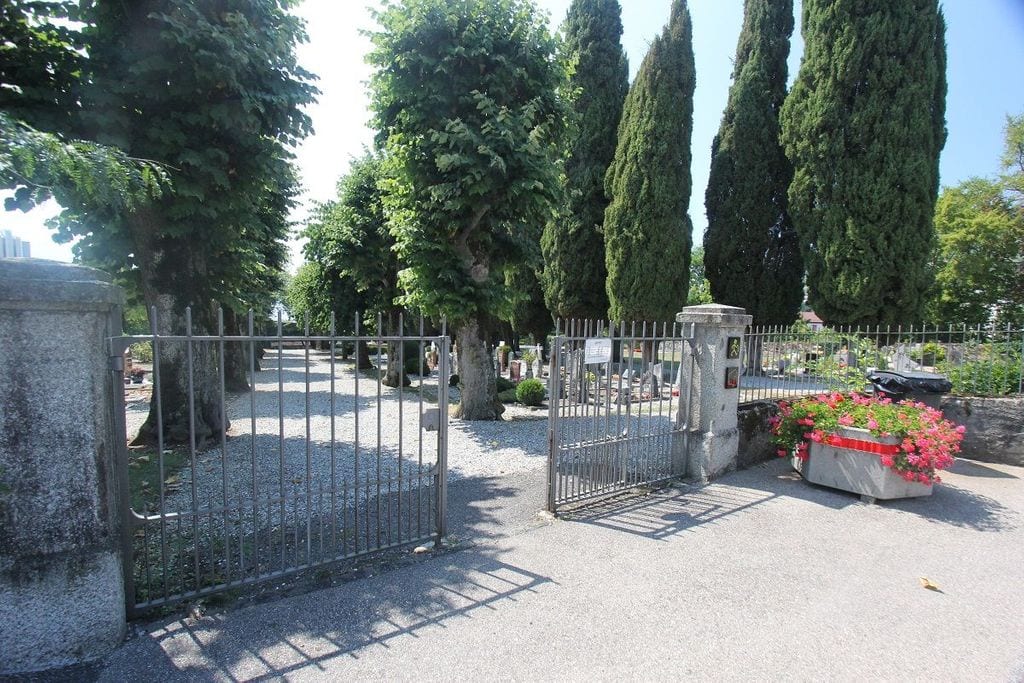
The village cemetery where Charlie Chaplin and his wife Oona rest, a few steps from the Manoir de Ban.


