Rock, pop & metal
Nina Simone

Nina Simone (1933-2003) came five times to the Montreux Jazz Festival, from 1968 to 1990, and lived for three years in the canton of Vaud, on La Côte, supported by Claude Nobs. Only one of those five concerts was filmed, the one of 3 July 1976: it has become one of the most watched in the festival’s history.
Nina Simone in Montreux: five concerts and three years in Vaud
Before Montreux: from Eunice Waymon to Nina Simone
Eunice Kathleen Waymon was born on 21 February 1933 in North Carolina, into a family of eight children. She sang and played the piano in church very early on, and her gift was obvious to everyone.
The church community of her town clubbed together to pay for her music studies. The aim was clear: she would be the first Black concert pianist in the United States.
The Curtis Institute in Philadelphia refused her admission because of the colour of her skin. She did not give up the piano. Working in a photography shop, she paid out of her own pocket for private lessons with Vladimir Sokoloff, the very man who was to have been her teacher at Curtis.
To make a living she ended up playing in a bar in Atlantic City. That is where she took a stage name: Nina Simone.
In 1955 she discovered Billie Holiday. That voice tipped her towards song. Success came step by step: a first record brought her forward, and her version of “I Loves You, Porgy” sold a million copies.
In 1961 she married Andy Stroud, who became her manager. Their daughter, Lisa Celeste, was born the following year. Nina Simone then threw herself into the fight against racial segregation, and later against the Vietnam war, turning her concerts into platforms as well.
1968: the first concert, and a piano for television
On 16 June 1968 Nina Simone appeared for the first time at the Montreux Jazz Festival, then only in its second edition. The concert ended with three encores, around one in the morning. In the “Feuille d’Avis de Lausanne”, the critic Michel Denoréaz called it an “admirable concert” (24 heures).
The same day she willingly went along with the requests of the Carrefour team, on Swiss French-language television: a few bars of Paul Simon’s “The Sound of Silence” at the piano. The footage has since been restored.
3 July 1976: the concert people still watch
For the festival’s tenth edition she came back. Two hours before her recital she flatly refused to go on. She was talked round once, then the doubt took hold again just as she was due on stage. Alberto Mastelli, who told the story in “24 heures”, recalled that she was coming out of two years in Liberia and that her future was at stake that night.
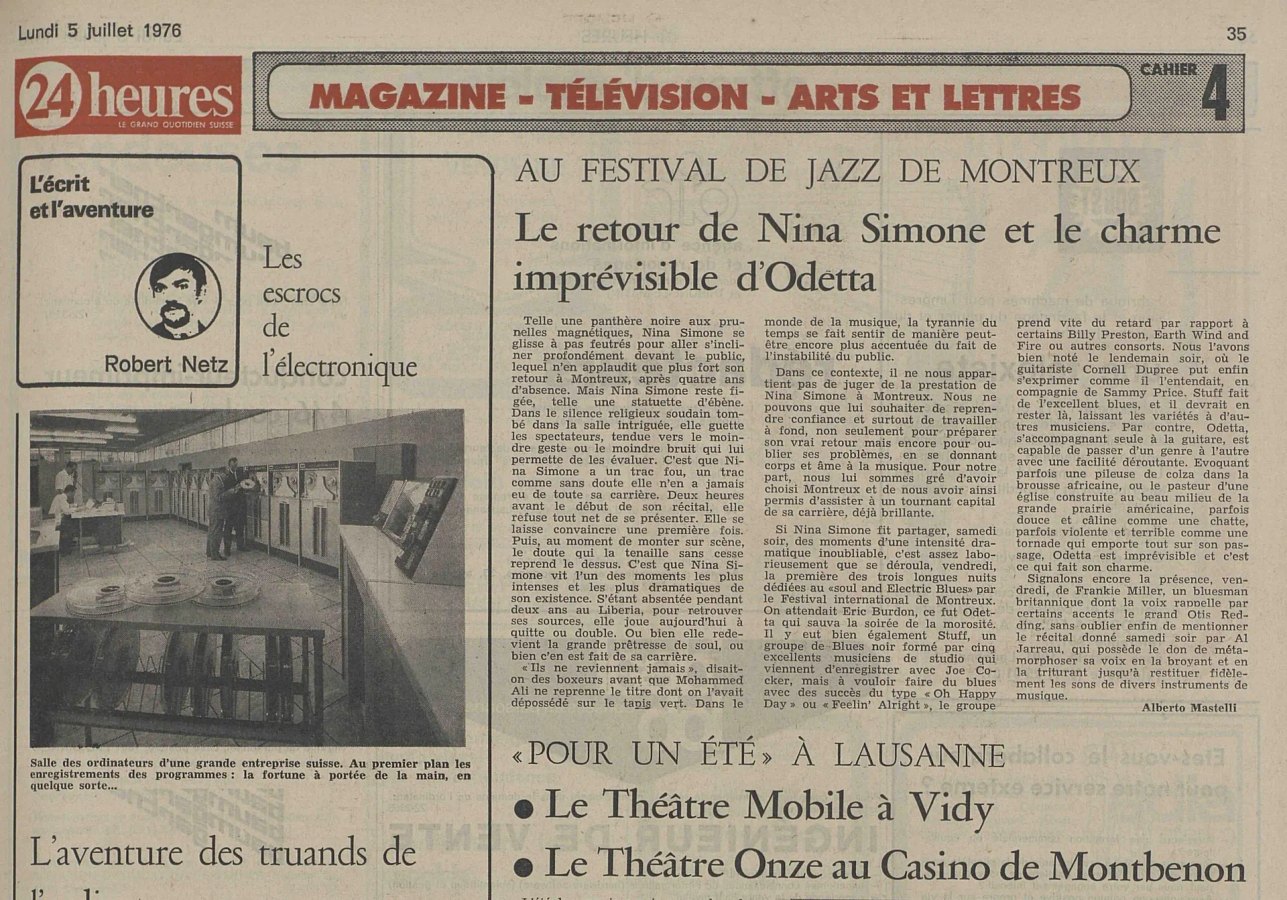
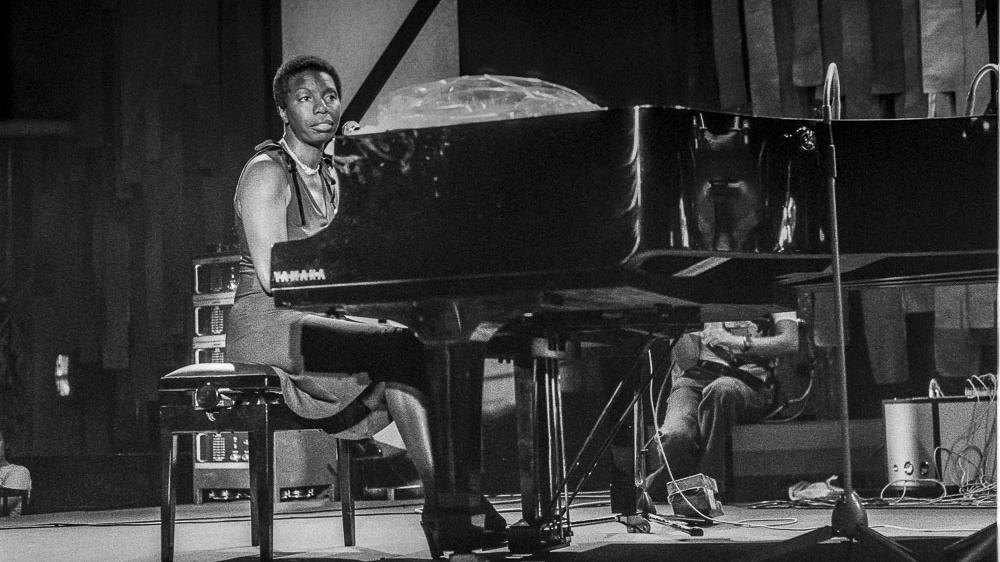
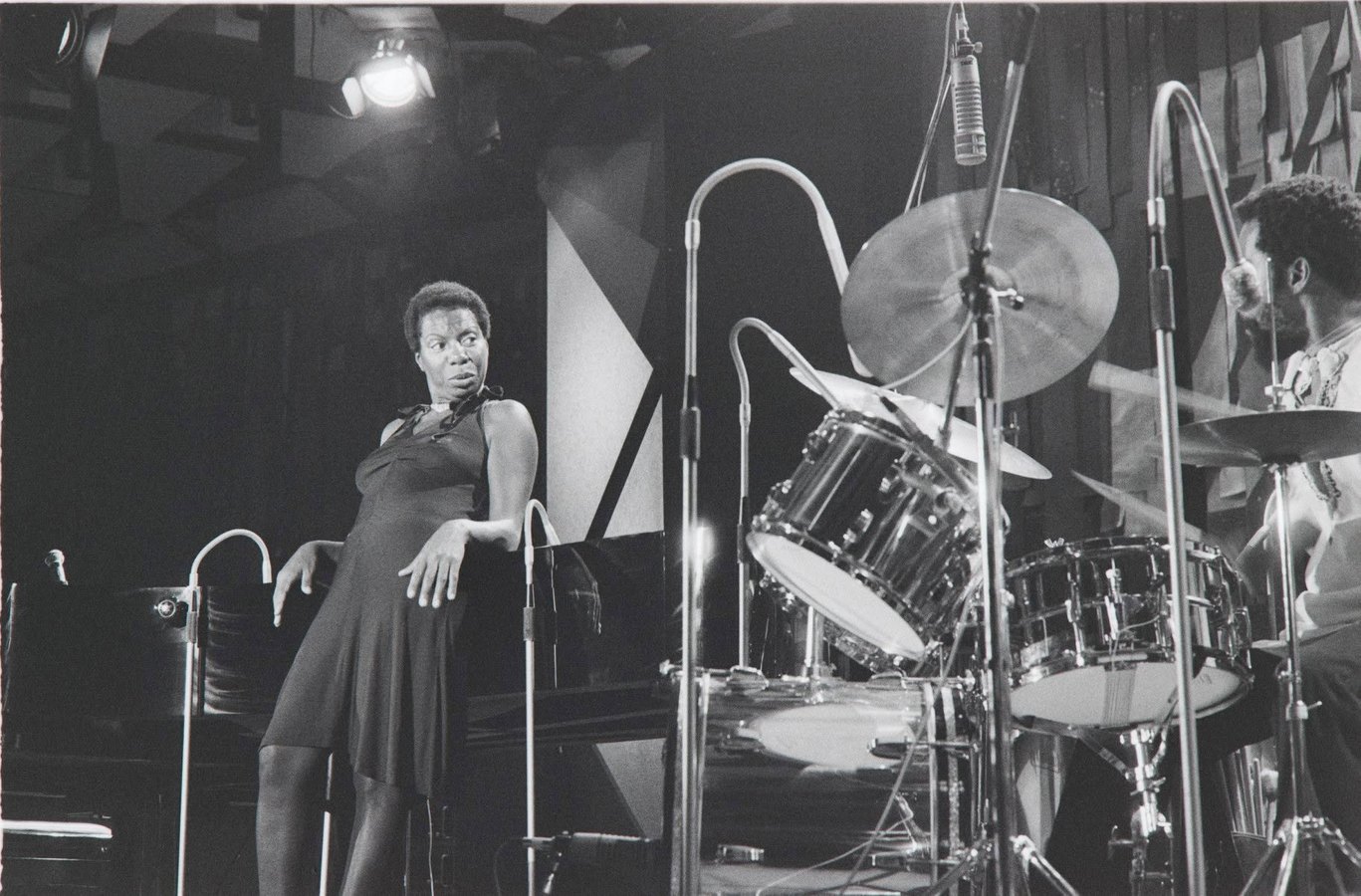
What she gave that evening was closer to a storm. She began like a classical recitalist, with “Little Girl Blue”. She called out to the hall: “David, David Bowie, are you there?” Her old friend had not come. She went on with “Stars”, summoning Janis Joplin and Billie Holiday, then launched into “Feelings” after saying exactly what she thought of the song, and sang it anyway.
She reproached the audience for its “embarrassing torpor”, but she relished the complete freedom Claude Nobs allowed her. The full account of the evening is by Cécile Lecoultre in “24 heures”.
Of her five appearances in Montreux, this is the only one that was filmed. One excerpt, “I Wish I Knew How It Would Feel To Be Free”, has passed fifteen million views on Facebook.
The years in Vaud
In the early 1970s Nina Simone left the United States. Sickened by a country whose struggles she saw bogging down, weakened by a divorce and by her finances, she went to Barbados, then to Liberia. She arrived in Switzerland in 1976.
Claude Nobs settled her in Grens, a village on La Côte in Vaud. He enrolled her daughter Lisa, then thirteen, at the La Châtaigneraie school in Founex, a school he had recommended; the child called him “uncle Claude”. He found her a banker and put her on the festival bill. She lived, he said, “in a small, almost empty house”, without a penny, giving piano lessons to the villagers to get by.
Those years were hard on the child. Still a teenager, Lisa fled her mother’s violence and went to her father in New York.
In April 1977, six months after her arrival in Grens, the journalist Françoise Gentinetta was the first to interview her, for “L’Ouest vaudois”. She described a woman worn out by twenty years on stage, who had come there to rest, and drew a portrait full of fragility. “One is very lonely when one reaches a certain level of fame”, Nina Simone confided. A long friendship grew out of that meeting.
He remembered the late-night phone calls, when she begged him to come round “for a fit of the blues”, and the money he handed to her banker so that she would not go under. “Nina was alone, ruined, with desires that were out of the ordinary. It moved me.”
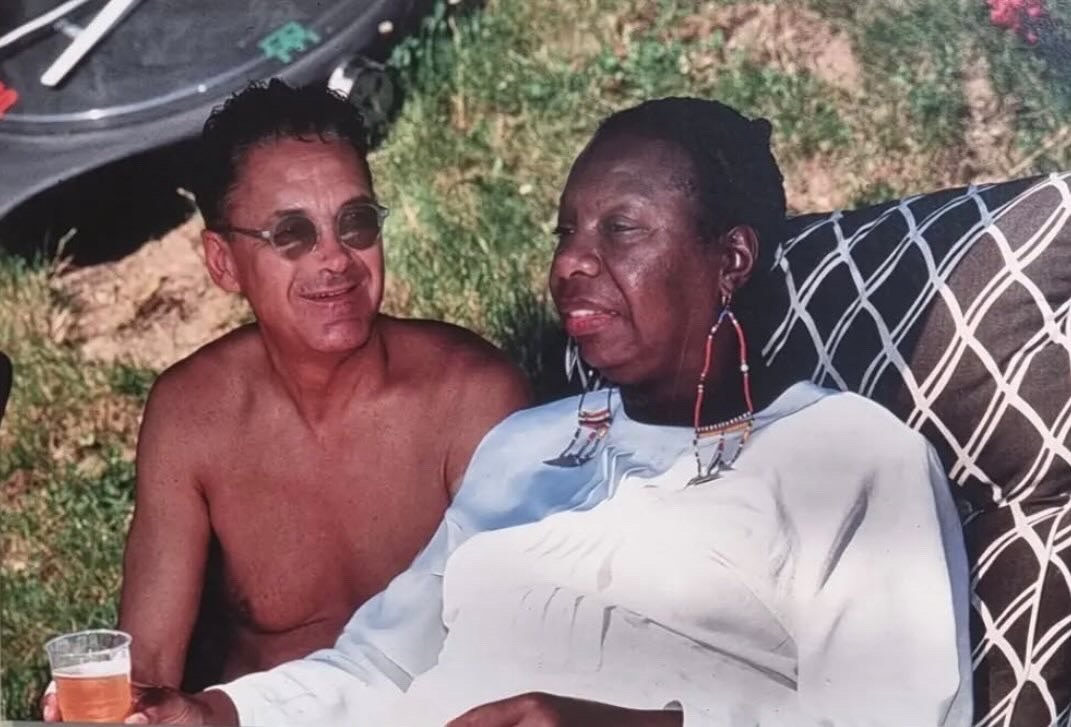
Her three Swiss years were years of slow decline. Her biographer David Brun-Lambert points out, in “Le Temps”, that she had received no diagnosis at that stage: her illness would only be named later, in the Netherlands, in the mid-1980s.
The unknown woman of the Chemin Vert, in Prangins
Nina Simone left Switzerland at the end of the 1970s, but she came back. In 1987, passing through for the festival, she stayed at the Hôtel du Clos-de-Sadex, in Prangins. It is there that a scene took place which the spot still remembers, reported by “La Côte”.
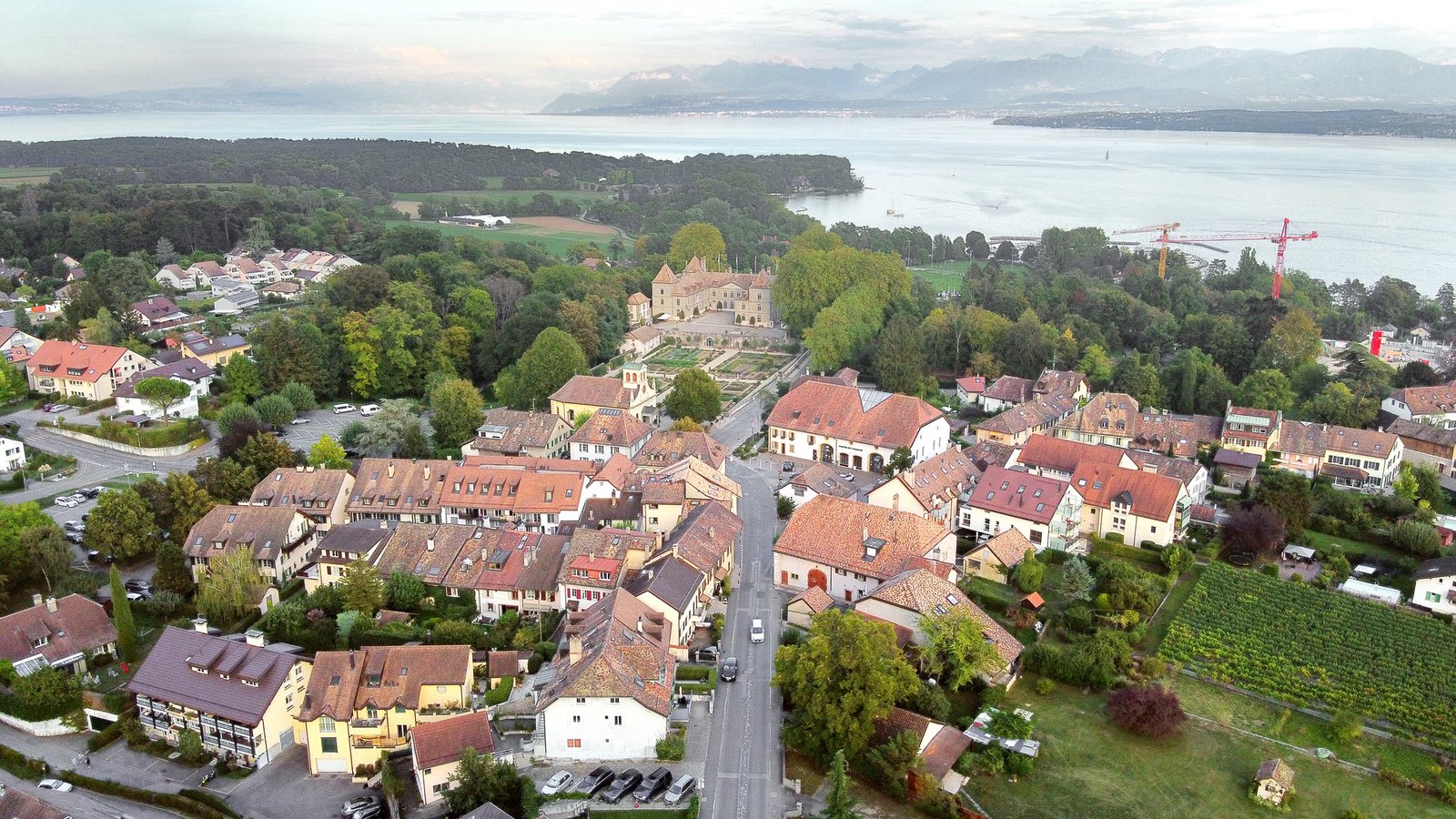
One morning, around five o’clock, the fisherman Frédéric Clerc found a Black woman in a gala dress standing by his boat, at the end of the quiet Chemin Vert. He advised her to go and change, which she did, then took her out on Lake Geneva. The scene would happen three times. It was a maître d’hôtel of the Clos-de-Sadex who told him the name of the unknown woman: Nina Simone.
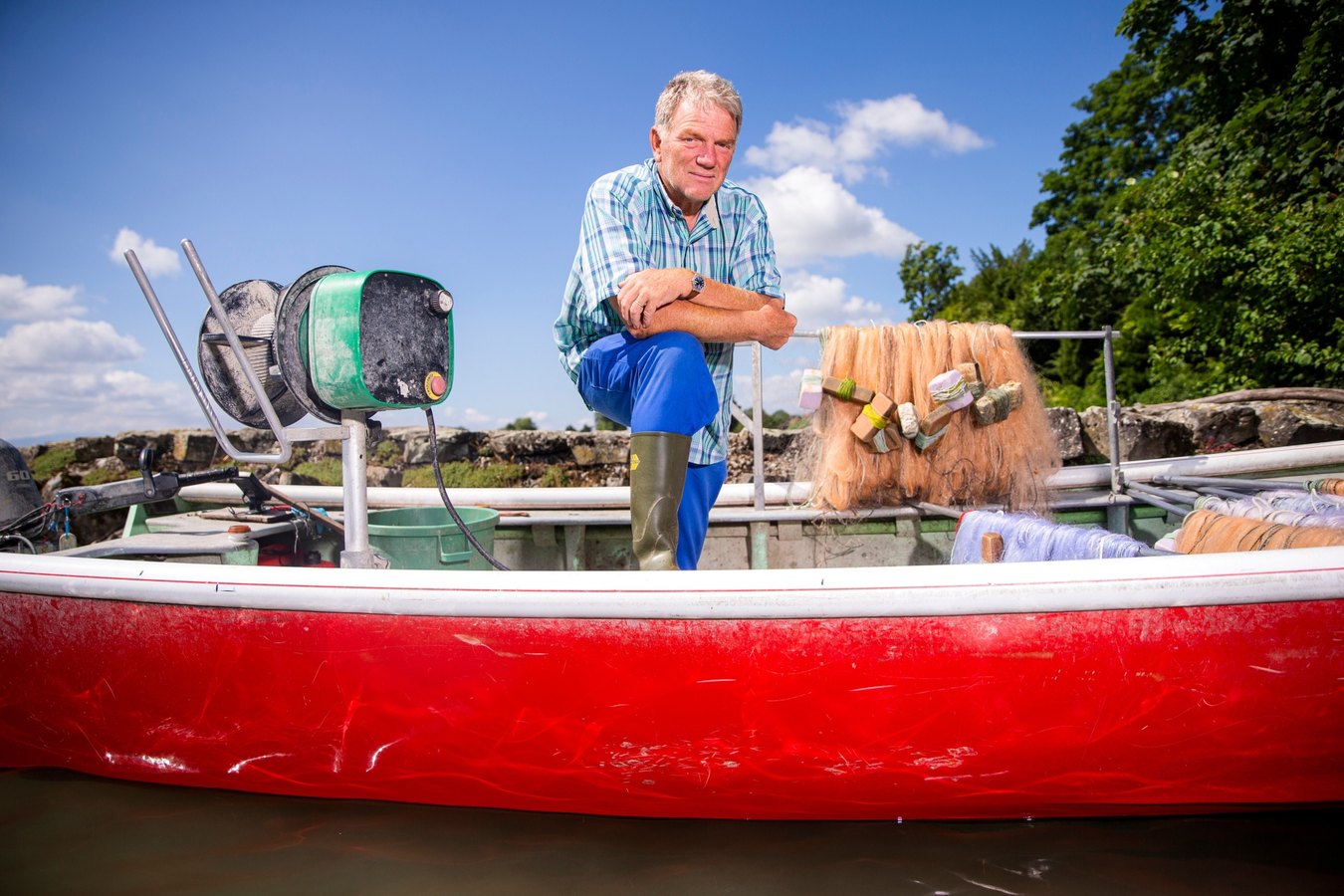
On the water, she savoured the calm. One day she asked him for a whisky; he had none and made her a “Kafi Luz”, the local coffee laced with spirit. For her, five in the morning was the end of the day: they came back around nine, she returned to the hotel to sleep, and in the late afternoon a driver came to take her to Montreux.
1981, 1987, 1990: the last appearances
Nina Simone came back three more times: in 1981, then in 1987 as part of a Jazz Aid concert where she sang for a quarter of an hour, and finally in 1990 for her last appearance in Montreux. Of that last concert Denis Maillefer wrote in “24 heures” that she “sings out of tune, but saves the day on the instrumentals”.
She sang again in Geneva, at the Victoria Hall, in 1992. In 1993 she settled in the south of France. She died there on 21 April 2003.
One night in the 1980s, a knife and a stage
John Grandchamp, who worked at the festival at the time, told the story on MyMontreux.ch of an evening in the 1980s. Nina Simone was due on stage and would not hear of it. Claude Nobs asked him to escort her; Grandchamp suggested Nobs do it himself, and Nobs replied that he had already been bitten more than once.
She ended up grabbing a knife lying on a table and chasing Nobs through the Casino, in full view of the customers. Nobs ran towards the backstage area, then towards the stage.
When the two of them emerged in front of the audience, the hall applauded. Nina Simone took the microphone Nobs held out, dropped the knife and thanked the crowd, all smiles. Nobody in the room ever knew what had just happened.
The regular tributes in Montreux
On 11 July 2009, six years after her death, the festival staged “Sing the Truth: Hommage to Nina Simone”. Dianne Reeves, Lizz Wright, Angélique Kidjo and her daughter Lisa Simone sang her repertoire, backed by several of her former musicians: Al Schackman, Christopher “Chris” White, Paul Robinson, Jeremy Berlin and Leopoldo Fleming.
Lisa Simone, reconciled with her mother’s memory, came back to sing in Montreux on 9 July 2016, at the Auditorium Stravinski, this time with her own songs.
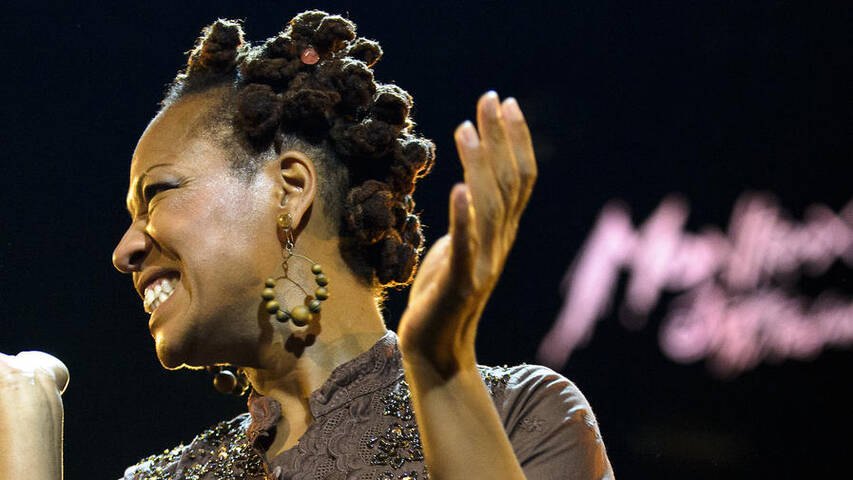
In 2021 Arte broadcast the 1976 concert in full. The same year saw the release of “Nina Simone: The Montreux Years”, put out by the Montreux Jazz Festival and the label BMG from the tapes kept by Claude Nobs. The record brings together her five Montreux concerts, those of 1968, 1976, 1981, 1987 and 1990, and the CD edition gives the complete 1968 concert for the first time. It is on sale at the festival shop.
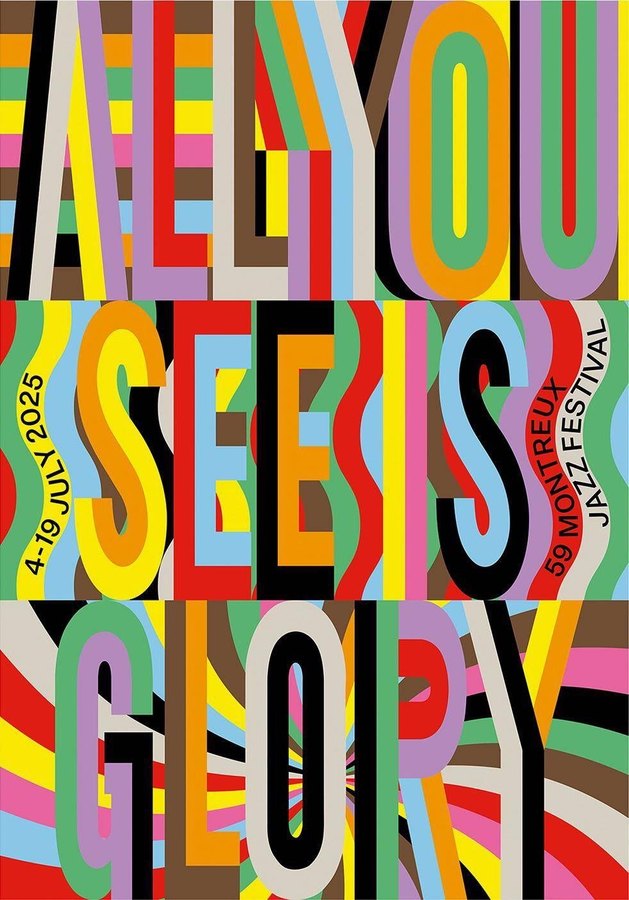
In 2025 the festival poster went to her. The London artist Lakwena designed the first typographic poster in its history, three words in colour: “All You See Is Glory”. The line comes from “Stars”, the Janis Ian song Nina Simone had sung on this very stage in 1976 (Montreux Jazz Festival).
On 3 July 2026 the singer RAYE opened the sixtieth edition at the Auditorium Stravinski, fifty years to the day after the 1976 concert. She began with “Who Knows Where the Time Goes”, which Nina Simone had covered, before bringing on Alicia Keys and then Mark Ronson (festival press release).
Related places
▸Chalets de Claude NobsPrivate residenceOpen the place →
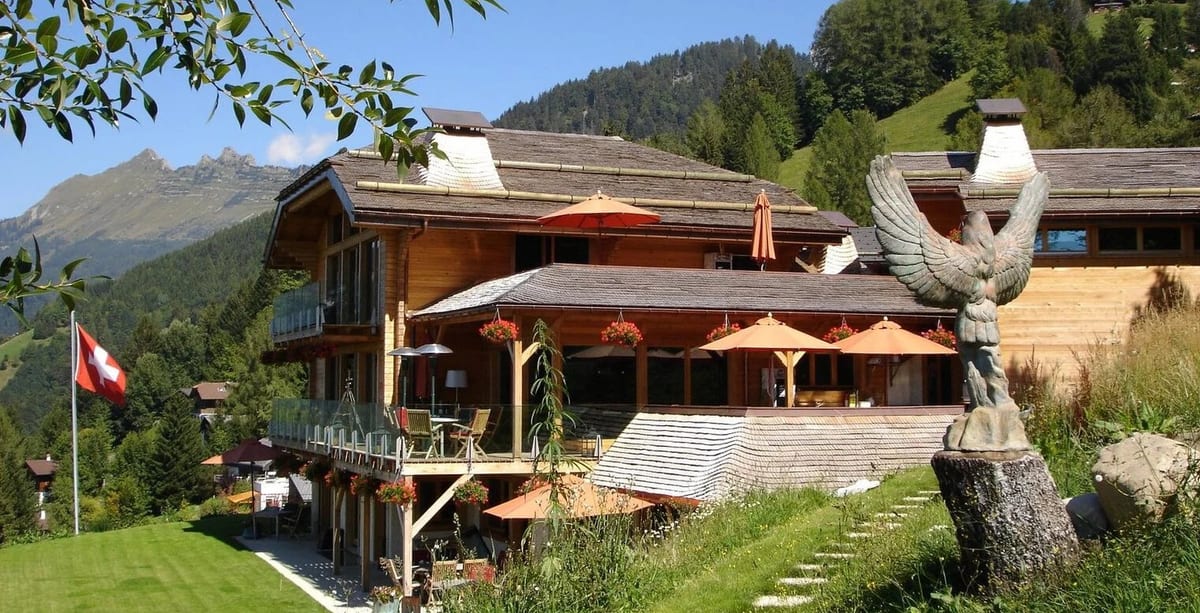
© Simon Lepêtre The legendary chalets of the festival’s founder in Caux, where he hosted the greatest stars in music.
▸Montreux Jazz FestivalFestival / 2M2C convention centreOpen the place →
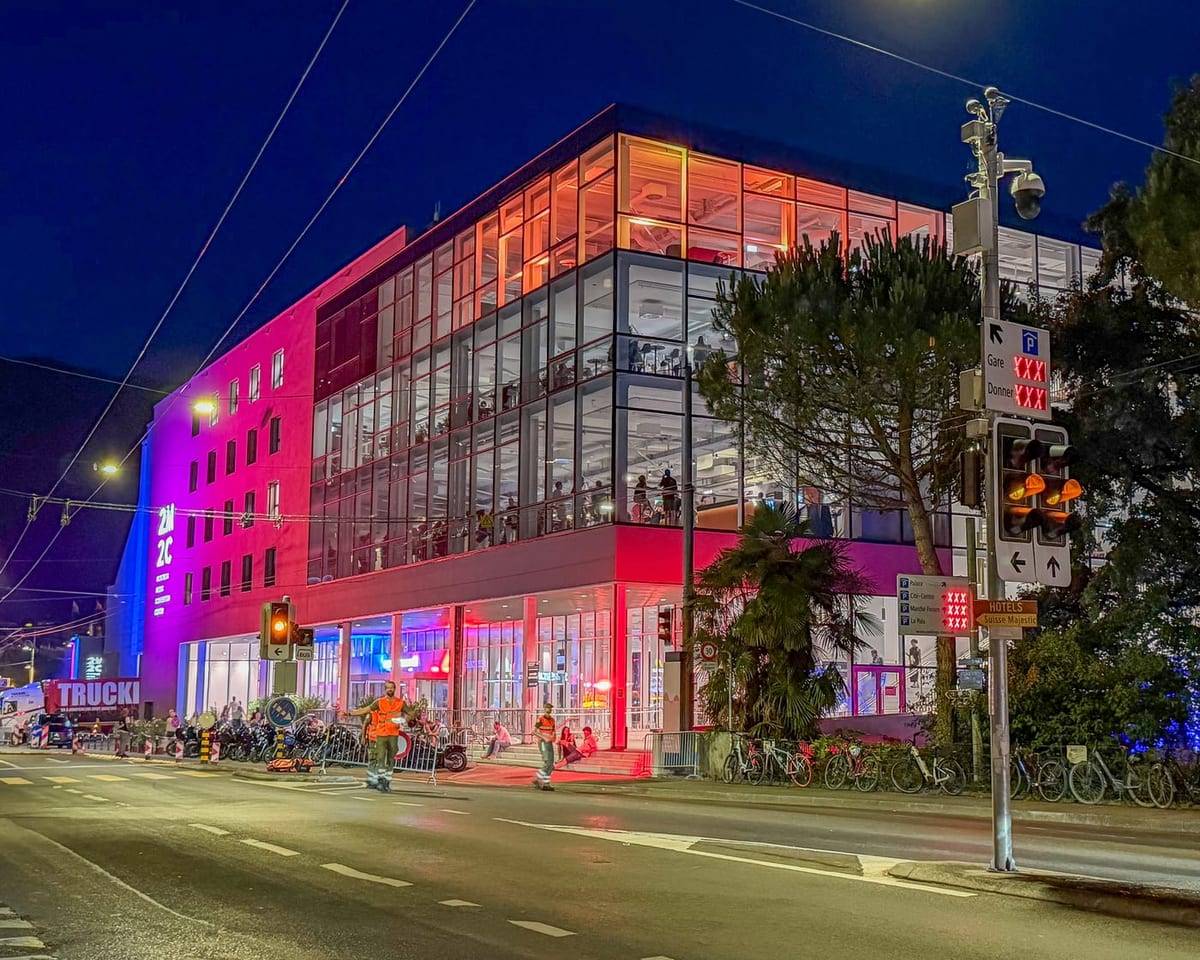
© Visit Montreux The heart of the festival since 1993: under one roof, the Auditorium Stravinski and the halls that host half the history of music every summer.
▸Casino de MontreuxCasino / entertainment venueOpen the place →
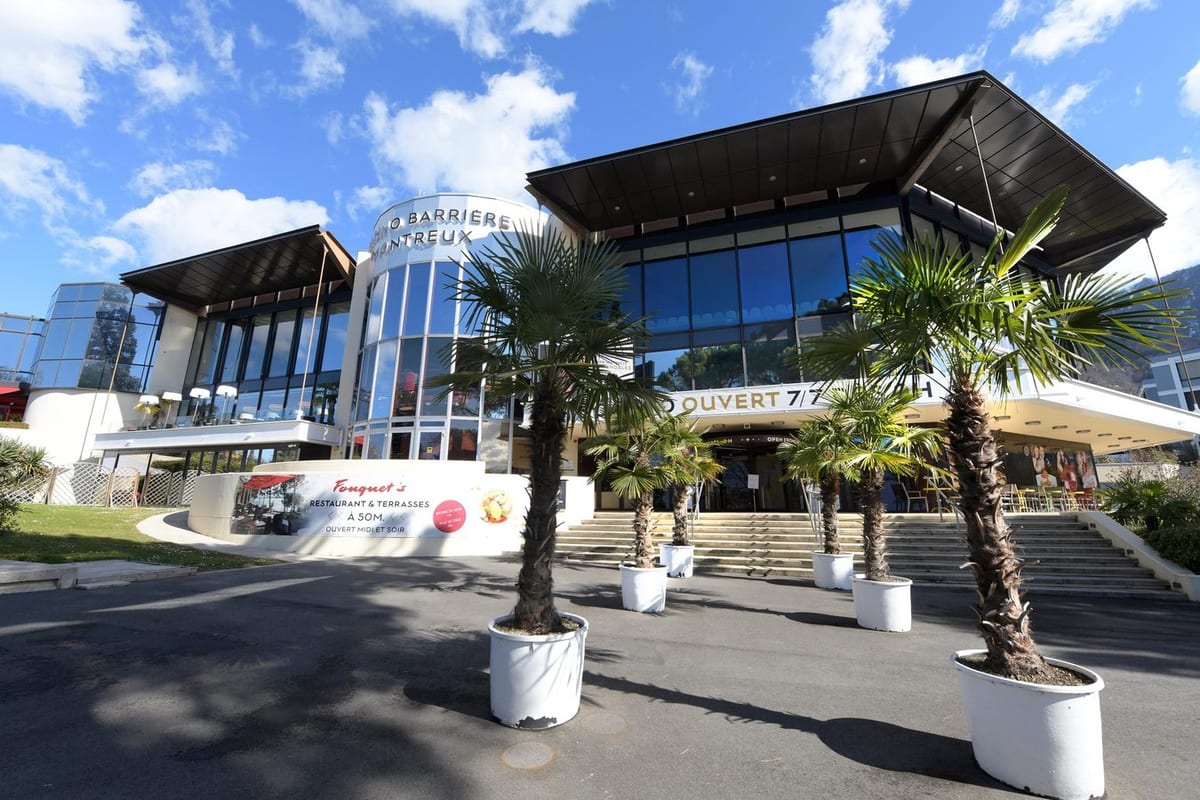
© Chantal Dervey The building around which the whole musical history of Montreux revolves: burned down in 1971, rebuilt, it houses Queen’s studio and saw the festival born.


